The Graphic Art Collection (18th Century – First half of the 20th Century)
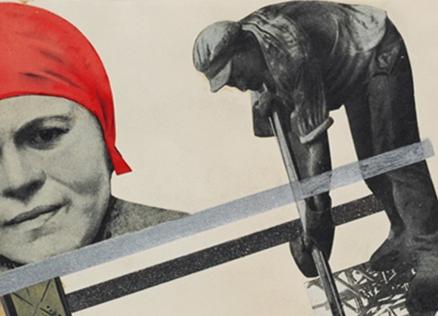
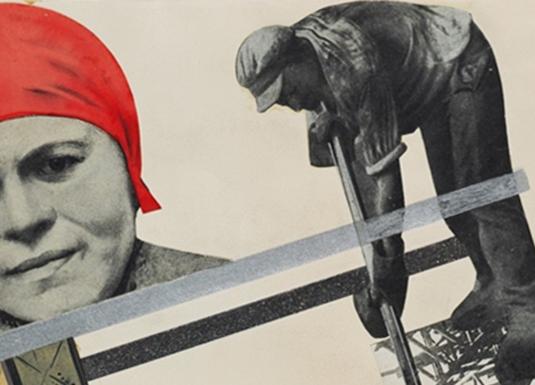
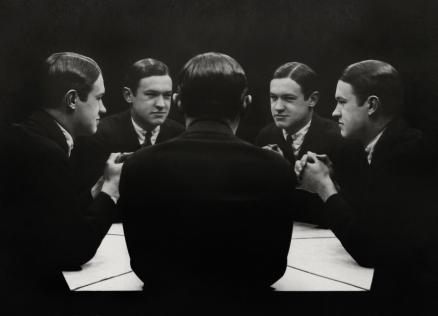
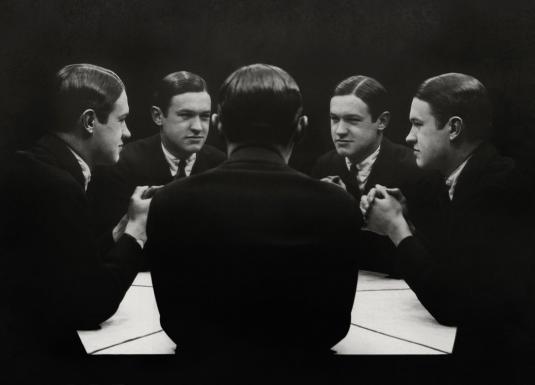
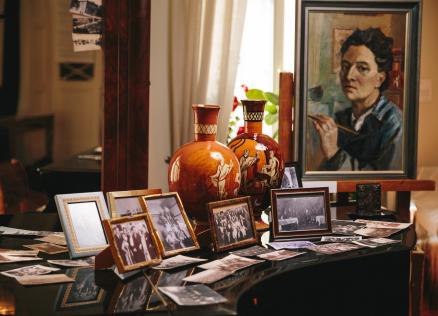
The Graphic Art Collection (18th Century – First half of the 20th Century), comprising more than 8000 works, primarily features works by Latvian artists as well as represents a diverse range of compositions by Baltic German, Estonian, Lithuanian, Russian, and Jewish artists active in the Baltic region. The collection was established in 1945 through the merger of the holdings of the former Latvian State Museum of Art (1920-1941) and the Riga City Museum of Art (1905-1941). The latter had already been augmented in 1940 and 1941 by works transferred from the Courland Provincial Museum and the Society for the Promotion of Latvian Art. Notable major donations include: drawings and sketchbooks by Arturs Baumanis (1867-1904) in 1909; photomontages, drawings, and watercolours by Gustavs Klucis (1895-1938) in 1964; and an extensive selection of graphic works by a wide array of authors from the personal collection of artist Kārlis Sūniņš (1907-1979) in 1991.
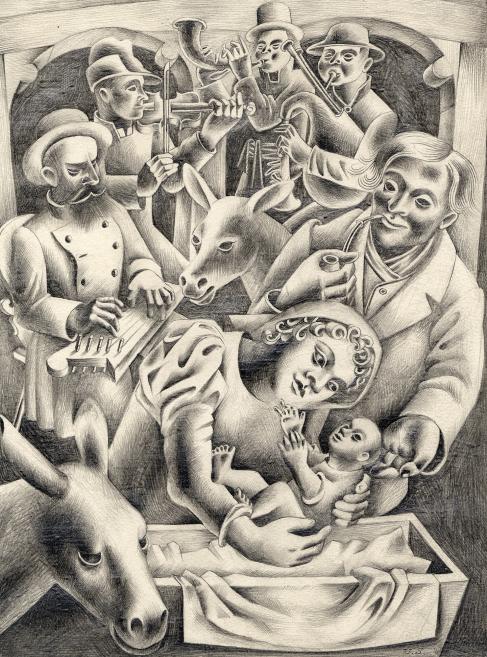
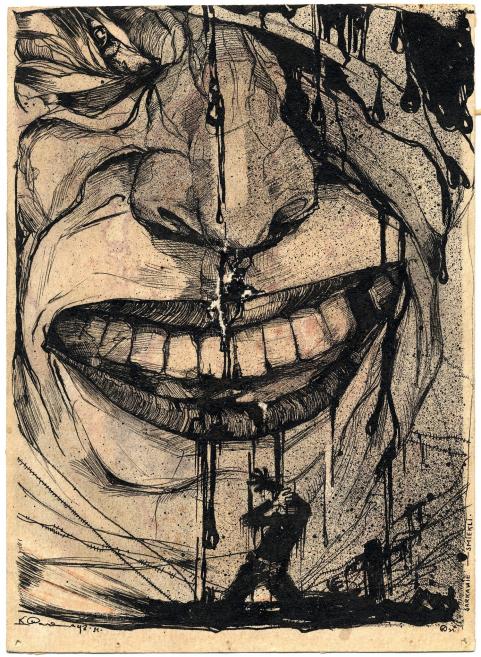
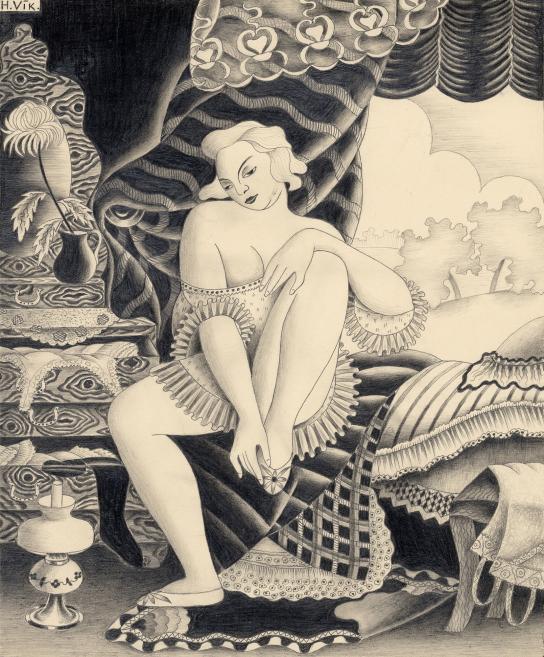
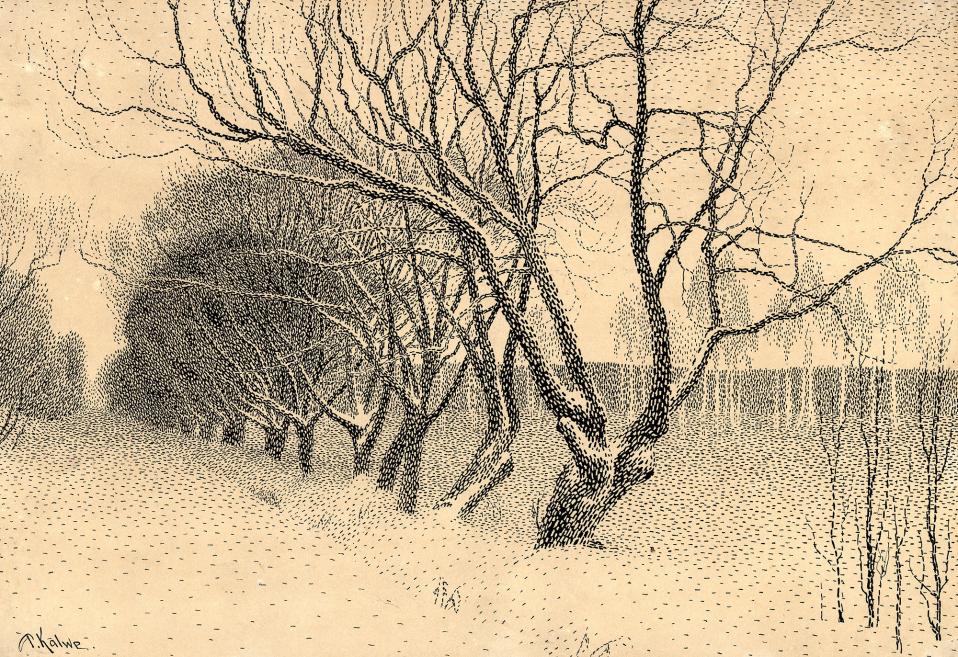
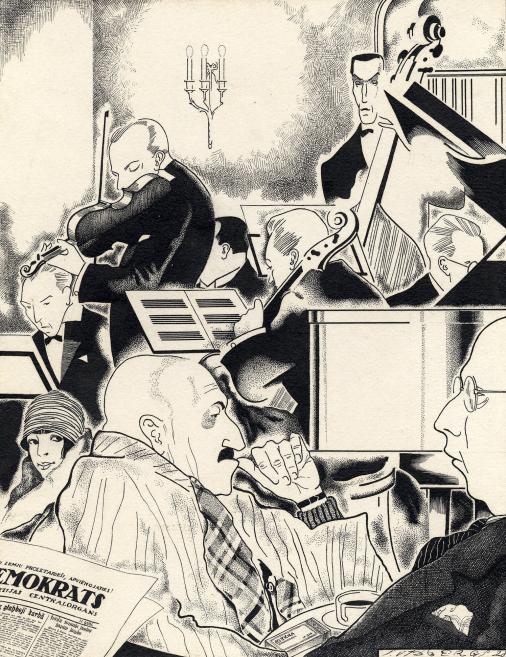
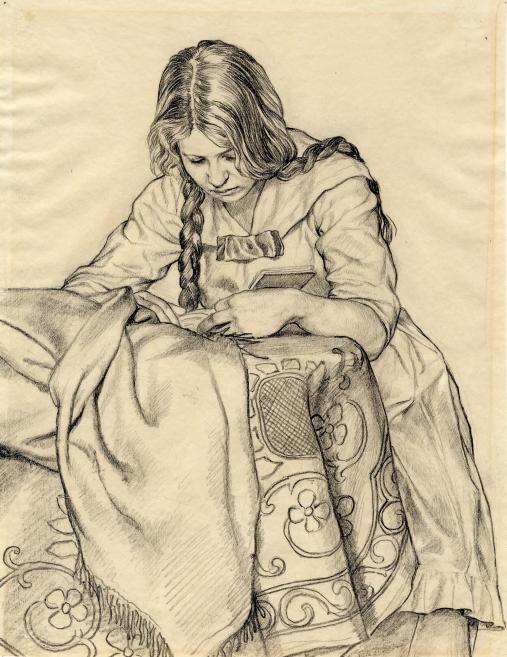
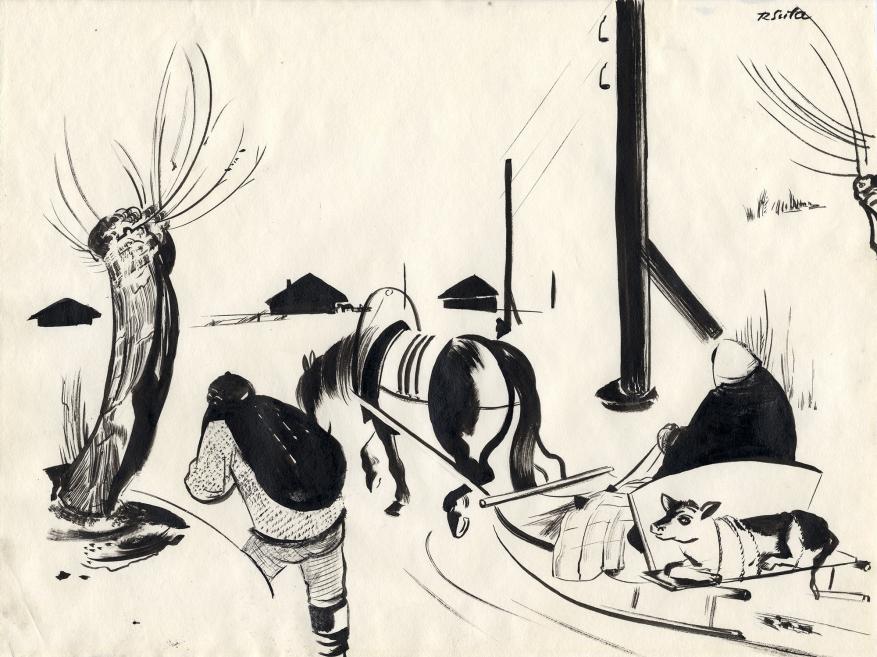
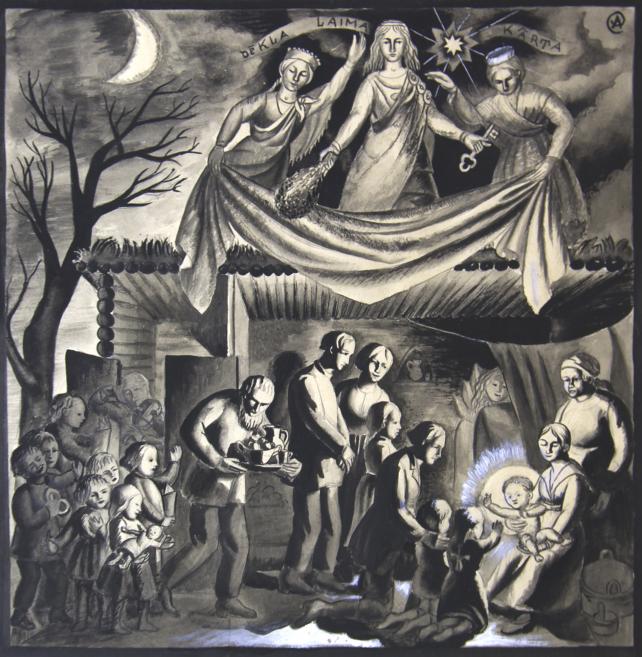
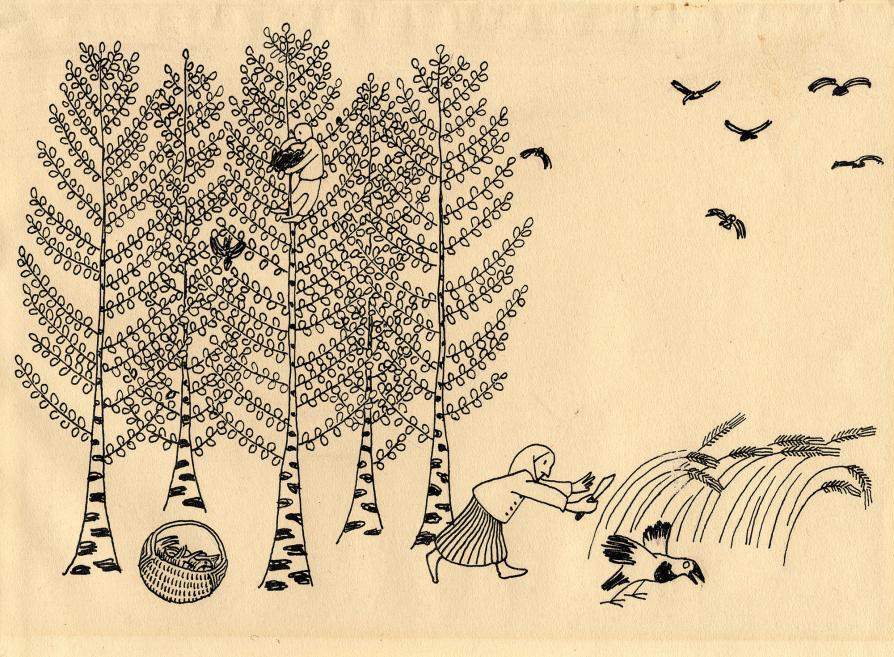
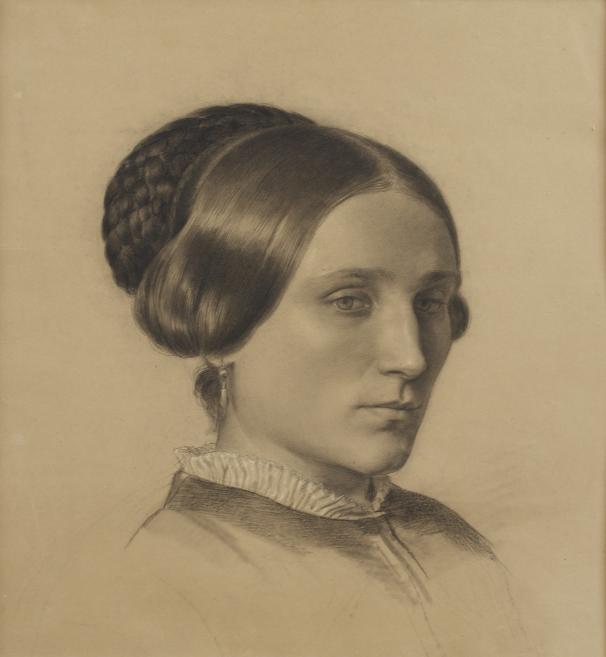
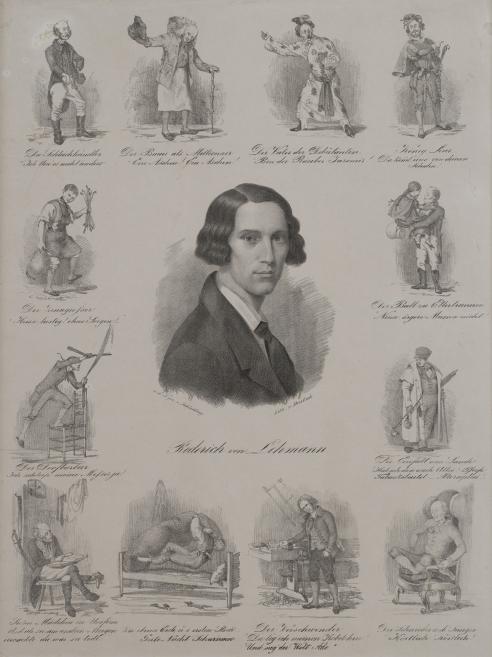
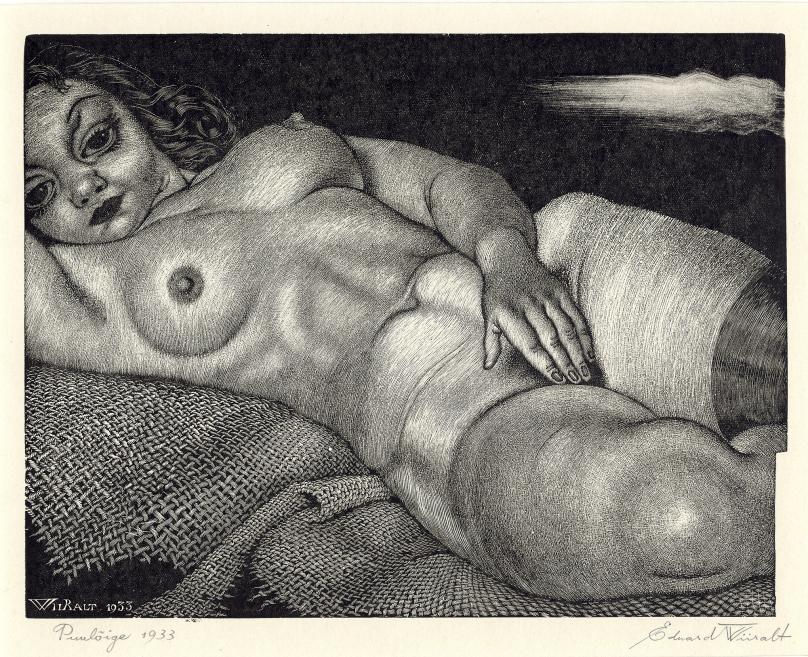
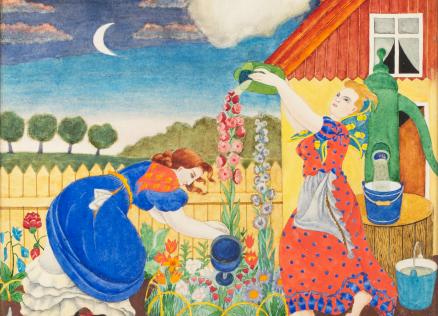
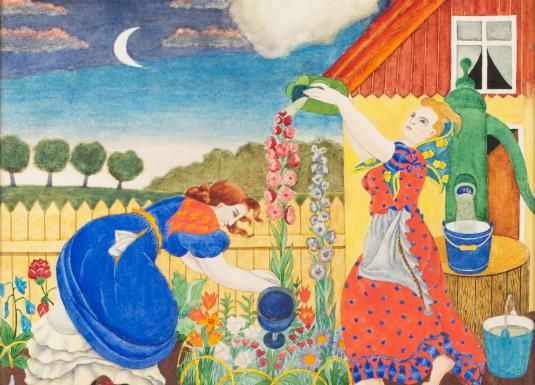
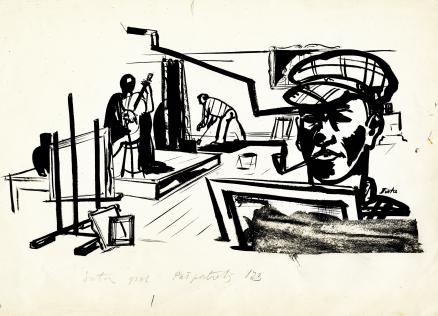
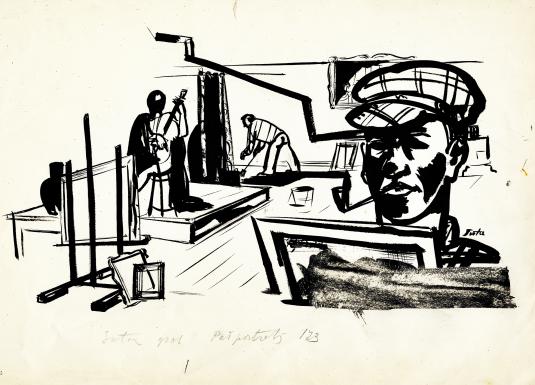
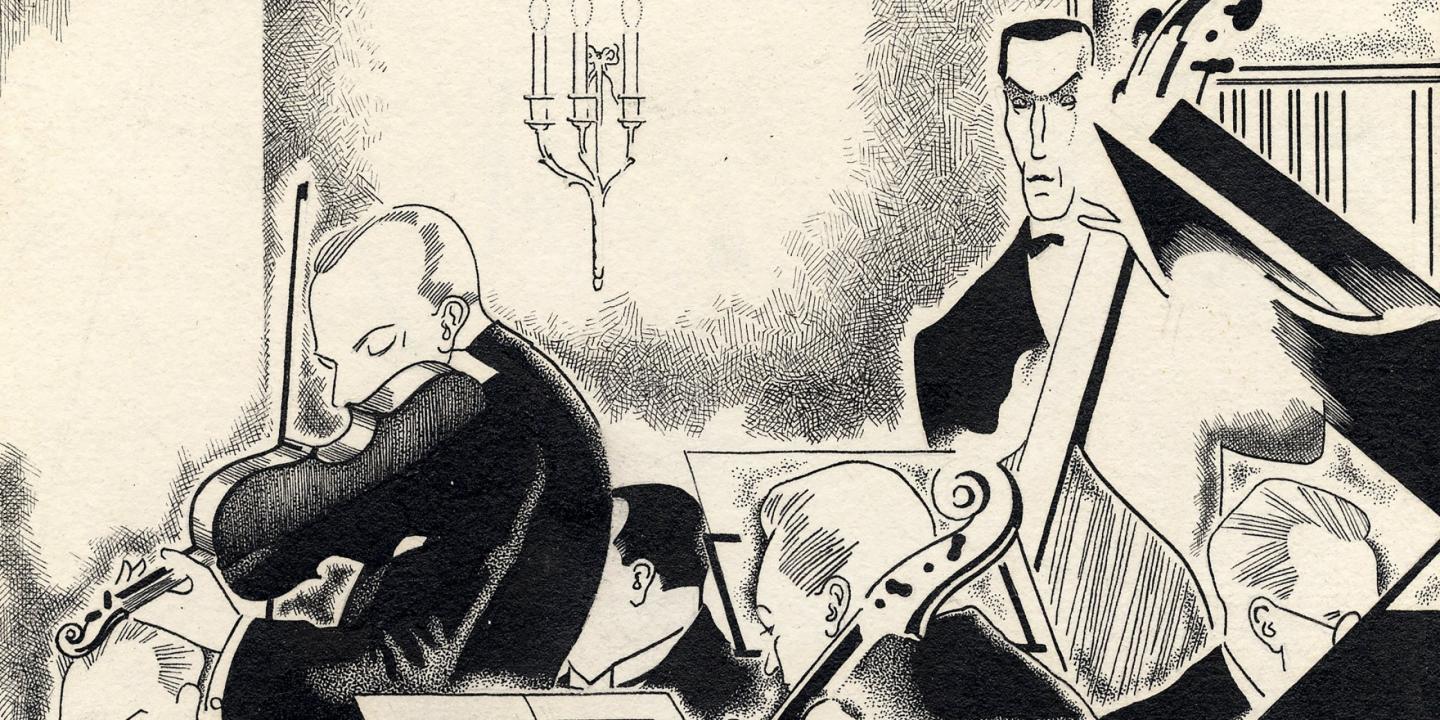
The collection primarily preserves fine art graphics, as well as posters, set and costume designs for the theatre, book illustrations, and ex-libris, supplemented by art albums and artist sketchbooks. The collection is distinguished by a high proportion of unique works on paper created using original techniques, accounting for three-quarters of the collection from this period. Drawing techniques (graphite, charcoal, ink, sanguine, and sepia) are most extensively represented. However, the compositions of Gustavs Klucis, executed using the photomontage method, are of international renown. Within the field of printmaking, the most numerically significant are the works in etching, woodcut, wood engraving, linocut, and lithography. The collection also highlights the contributions of women artists dating back to the mid-19th century.
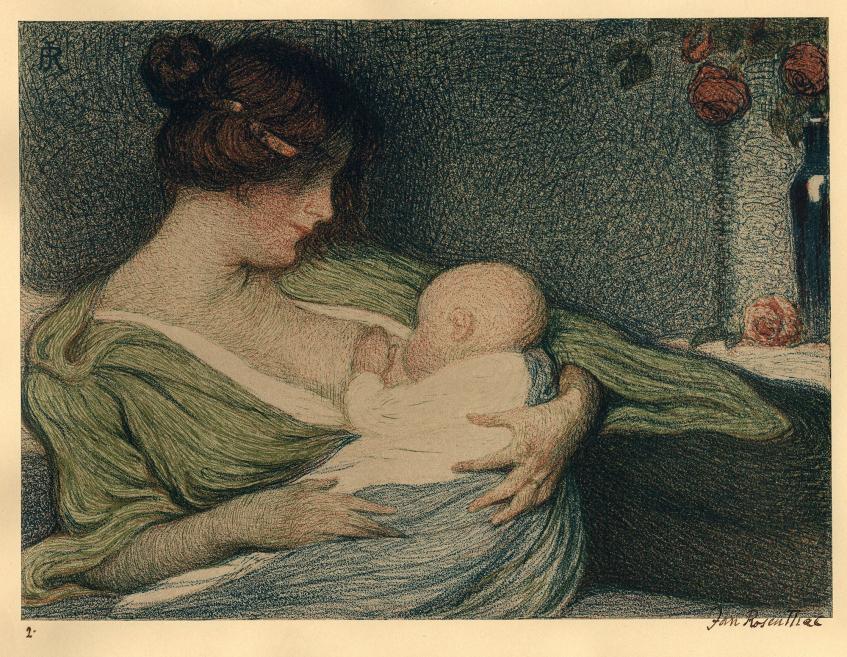
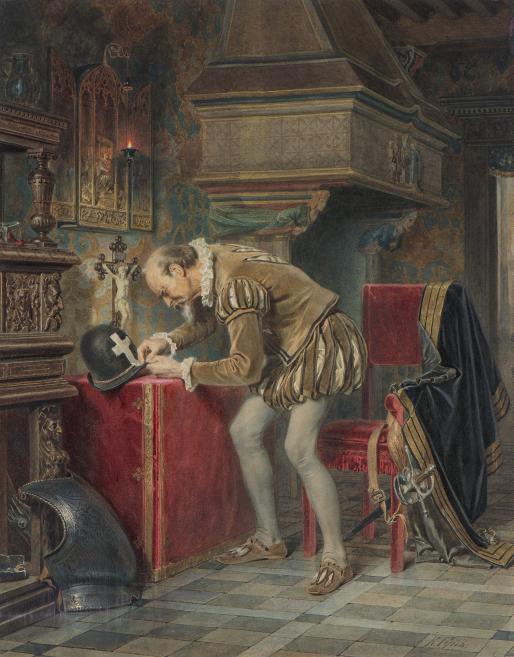
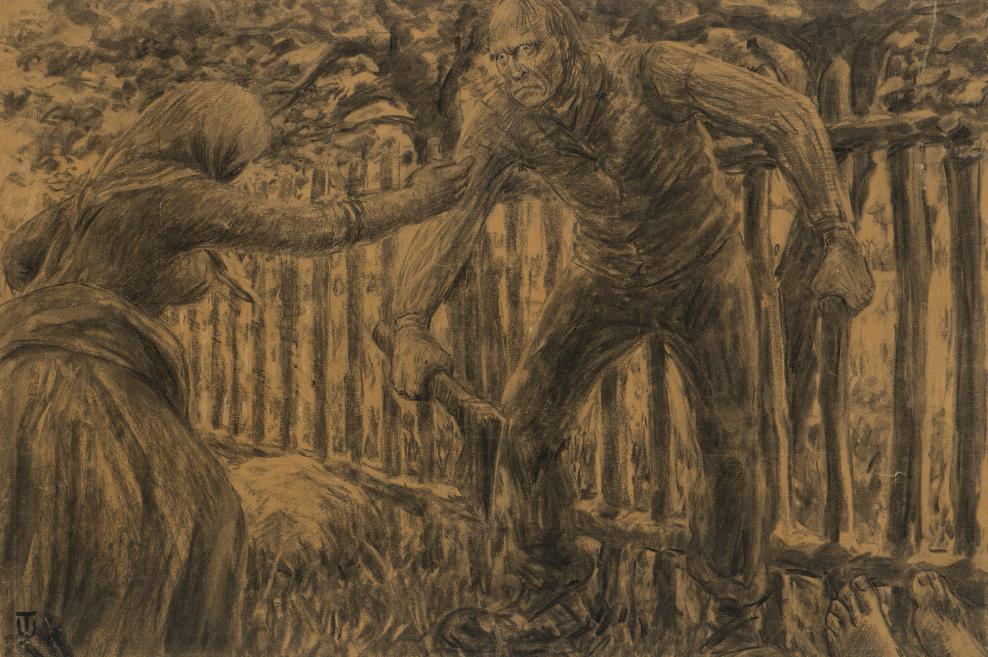
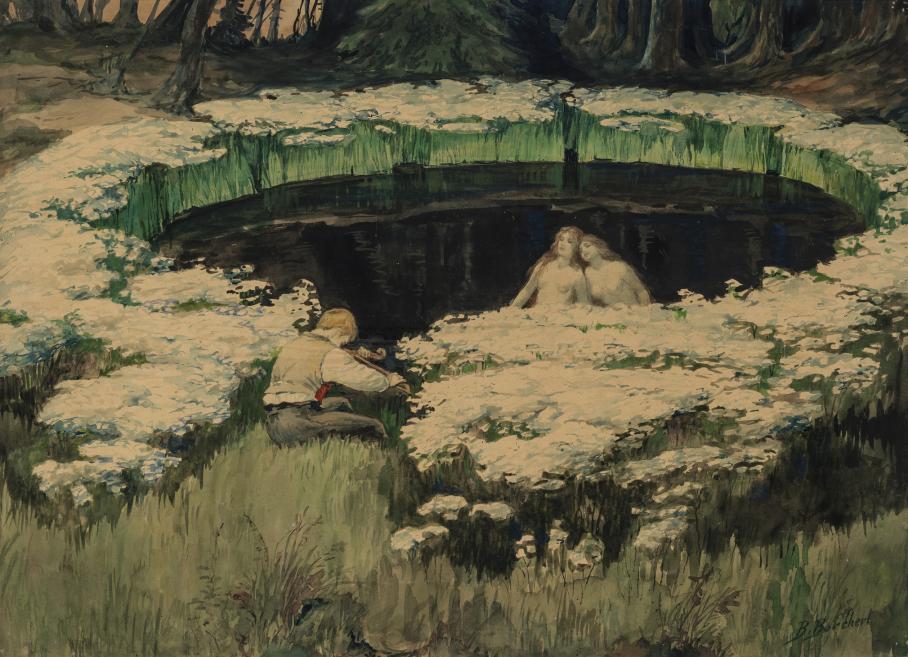
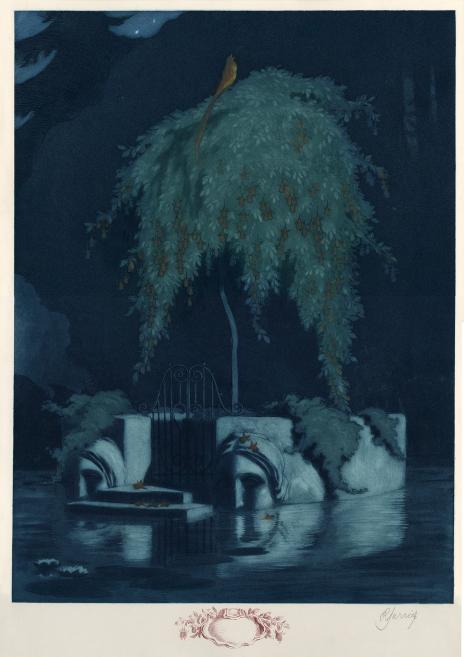
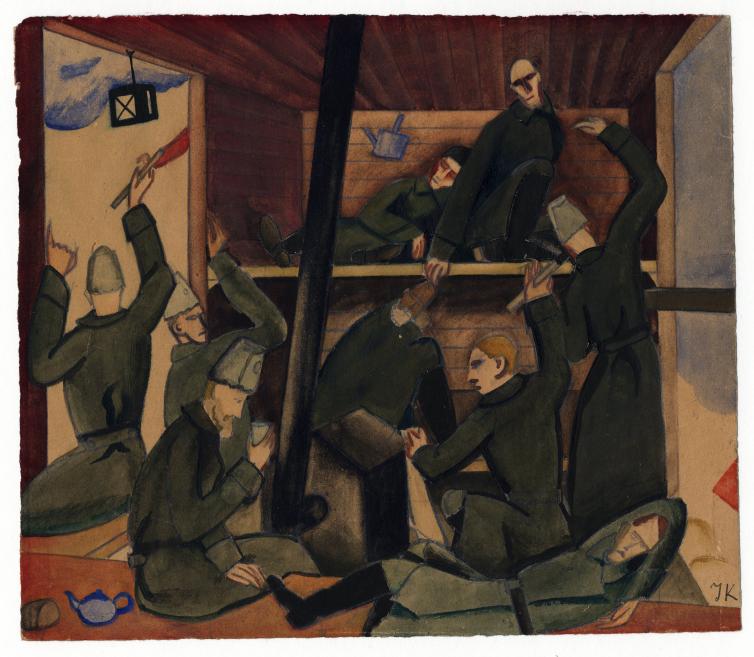
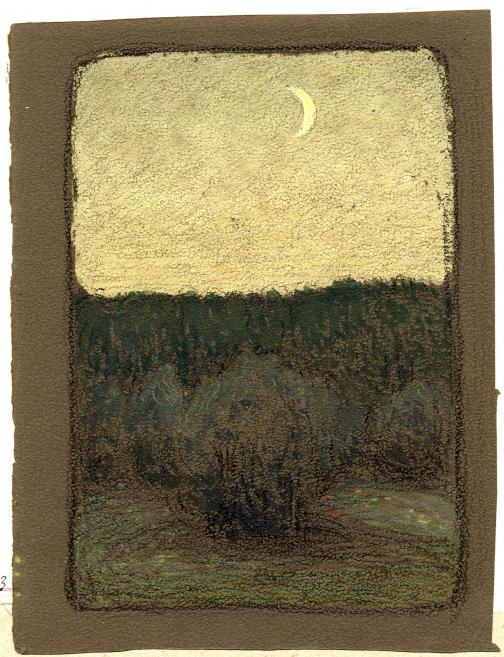
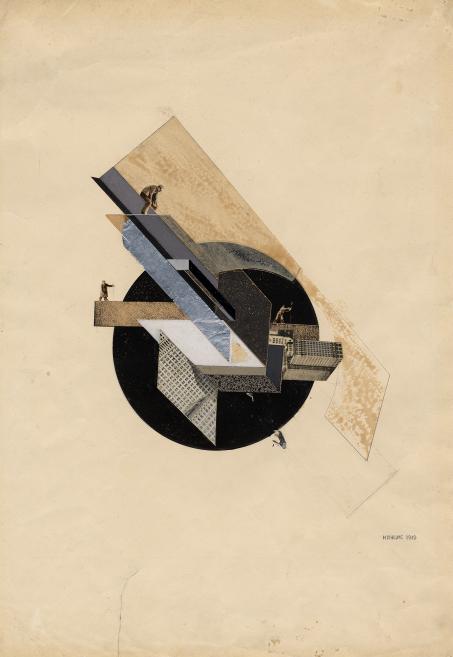
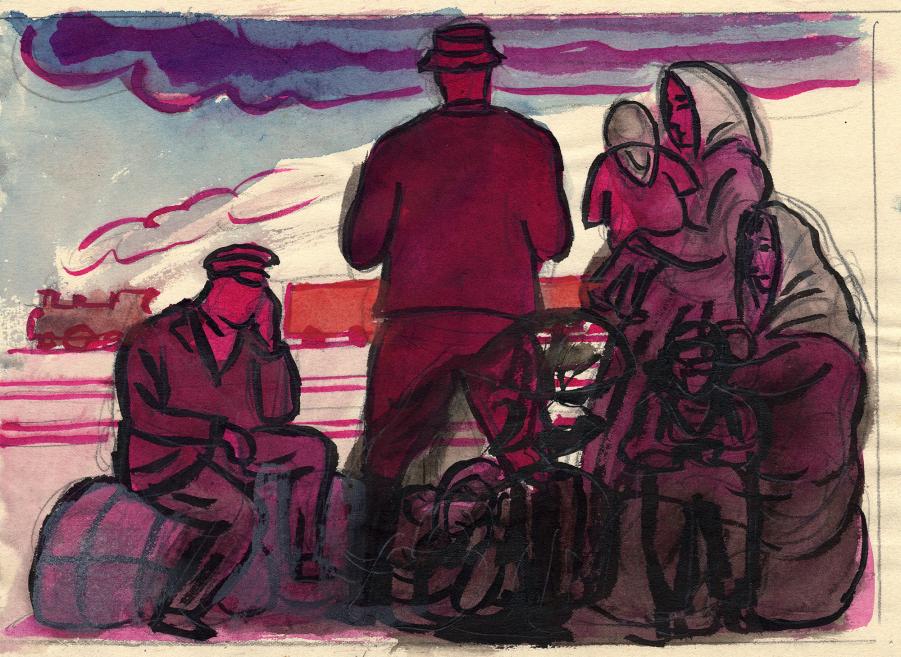
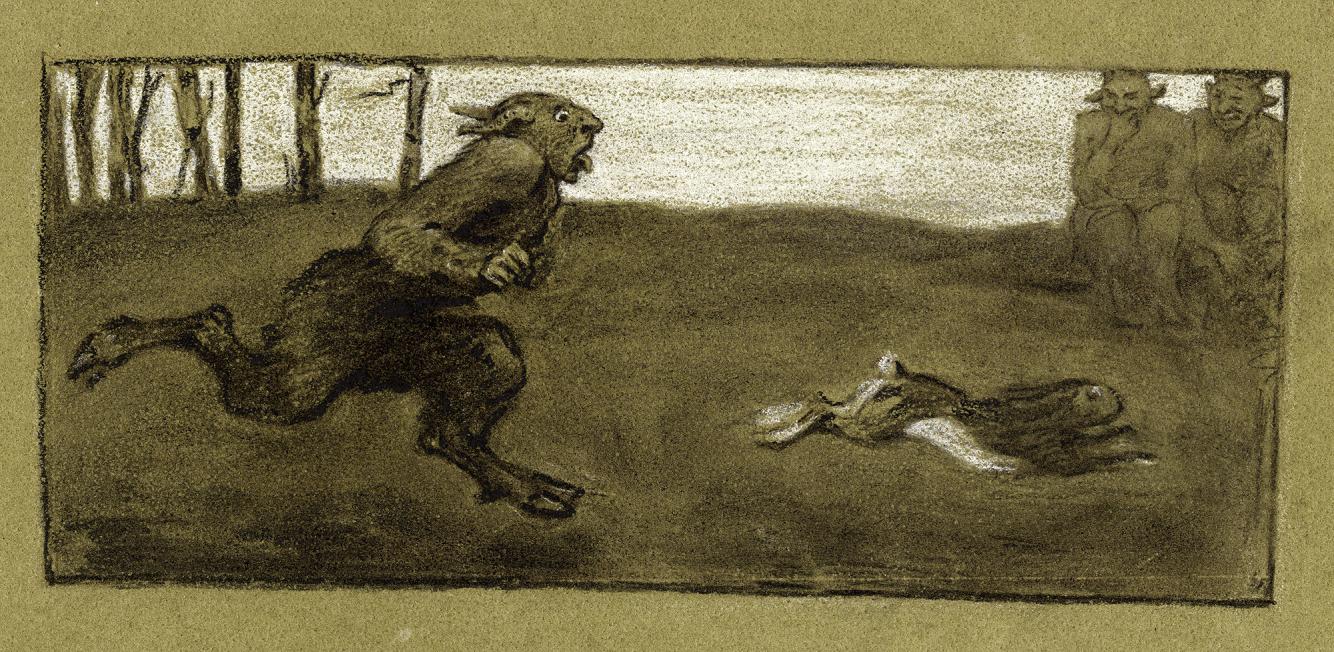
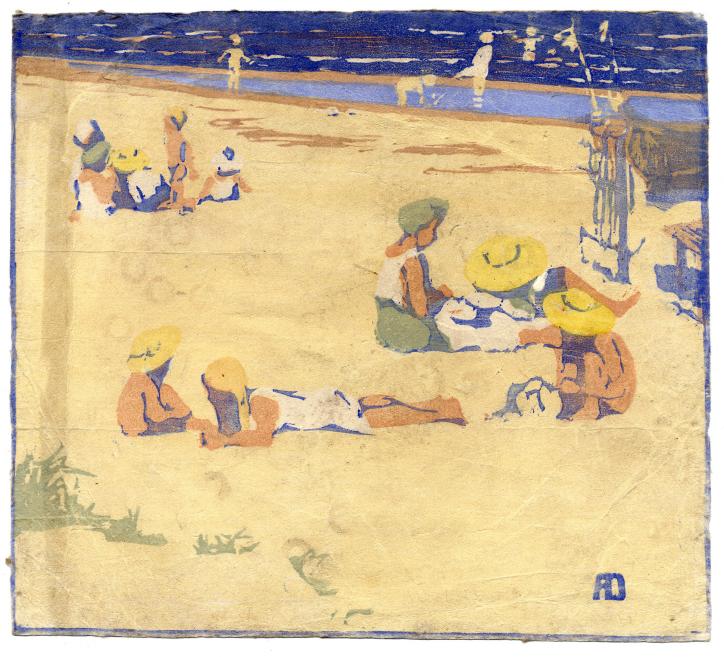
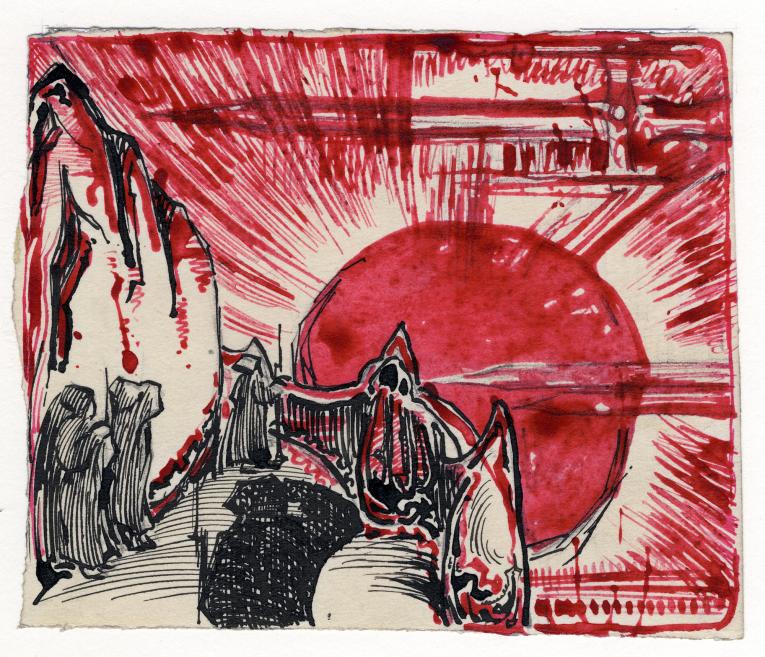
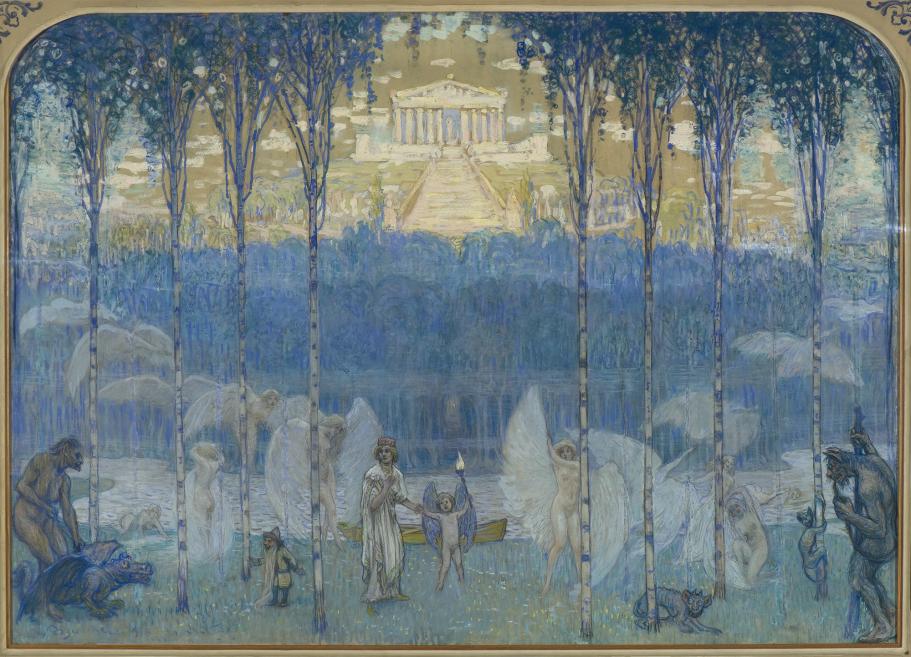
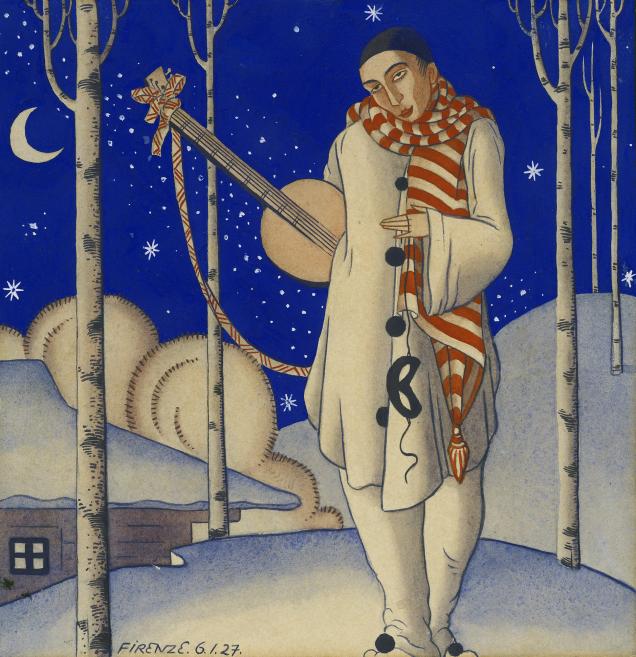
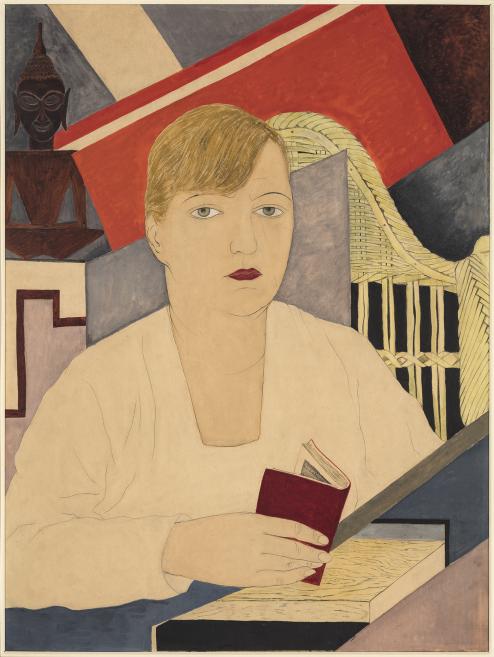
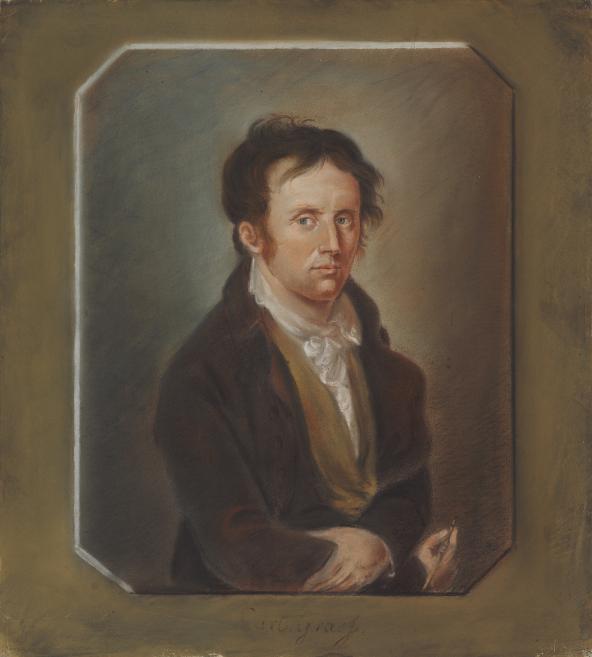
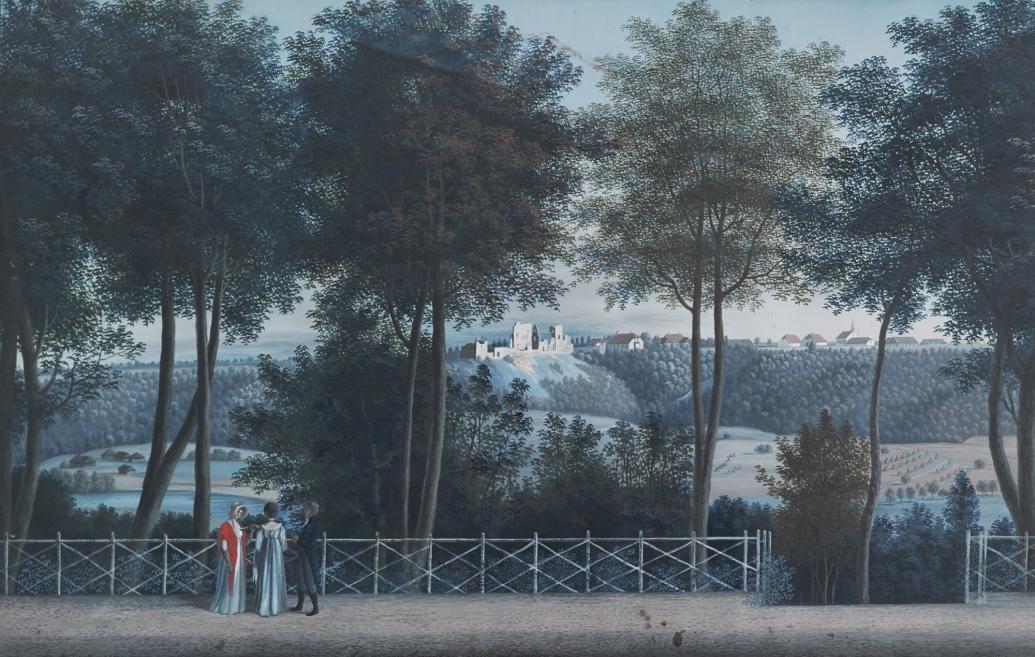
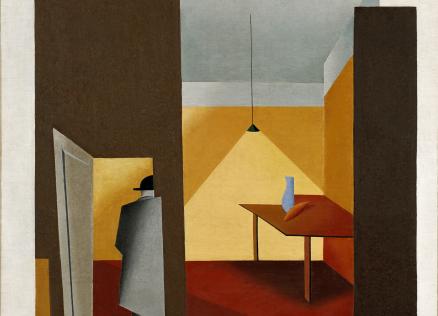
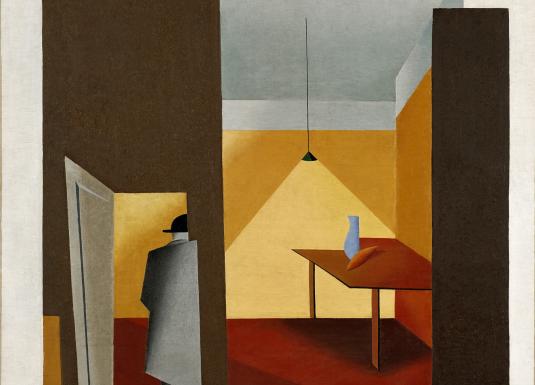
In the permanent display of the Latvian National Museum of Art, alongside National Romanticist and Symbolist compositions, particular emphasis is placed on the prolific output of Classical Modernist artists (Jāzeps Grosvalds, Jēkabs Kazaks, Romans Suta, Niklāvs Strunke, Sigismunds Vidbergs, Kārlis Padegs, and Hilda Vīka) with a focus on their formal experimentation in drawing techniques.