Art Museum RIGA BOURSE
Foreign Sculpture and Plaster Cast Collection
The Foreign Sculpture Collection comprises original sculptures and plaster casts. The collection of original sculptures features ancient and medieval sculpture, as well as 19th and 20th century works by Italian, German, French and Belgian artists across a variety of styles and genres.
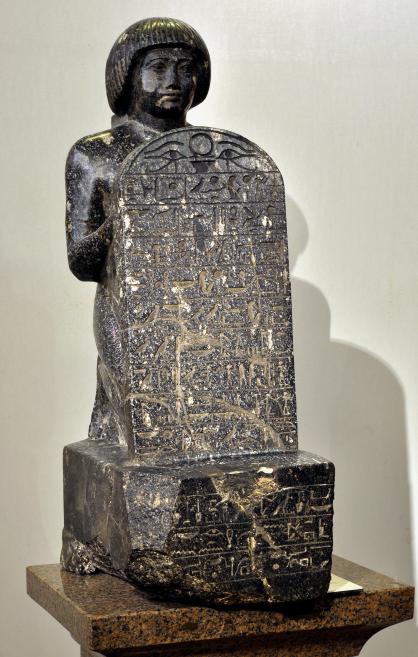
Financial Official Merire. Ancient Egypt, New Kingdom, Ca. 1400 BCE. Granite. LNMA Collection
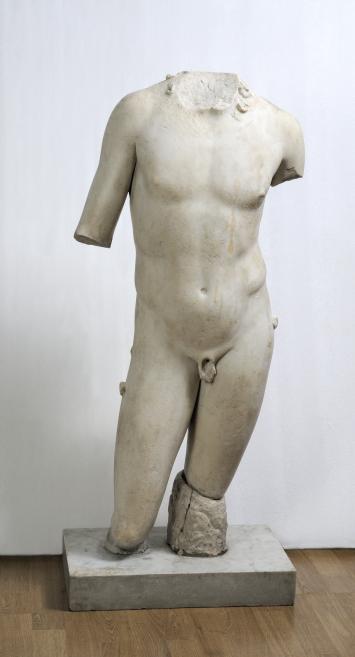
Torso of Eros. Roman copy after a Greek original (Circle of Praxiteles, 4th century BCE). Ancient Rome, 2nd century CE. Marble. LNMA Collection
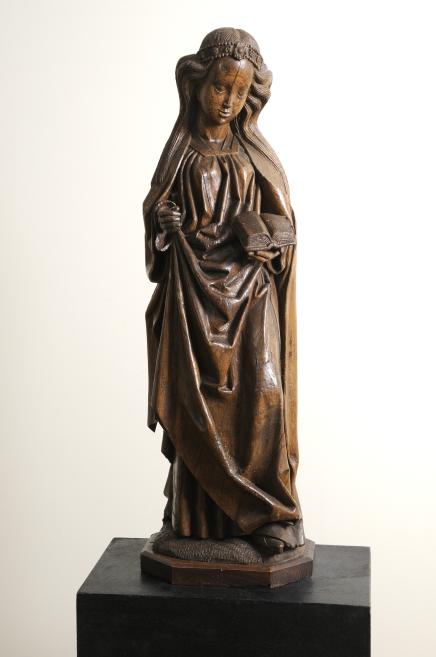
Unknown Master (Lower Rhine School). Saint Catherine. Germany, late 15th century. Wood. LNMA Collection
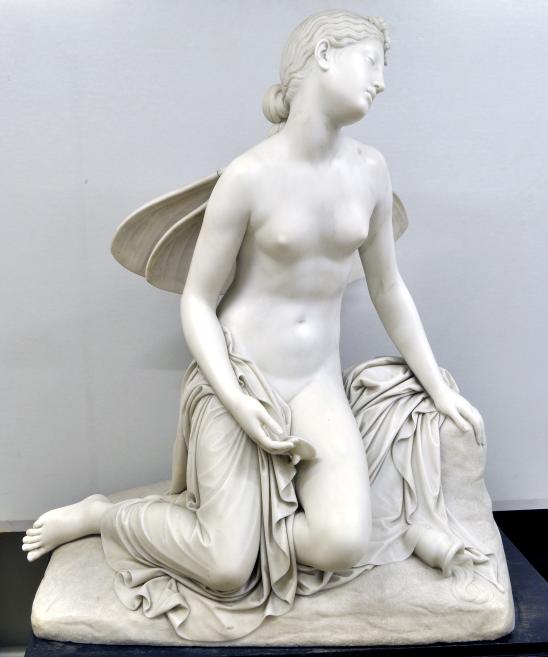
Pietro Tenerani. Psyche. Italy, mid-19th century. Marble. LNMA Collection
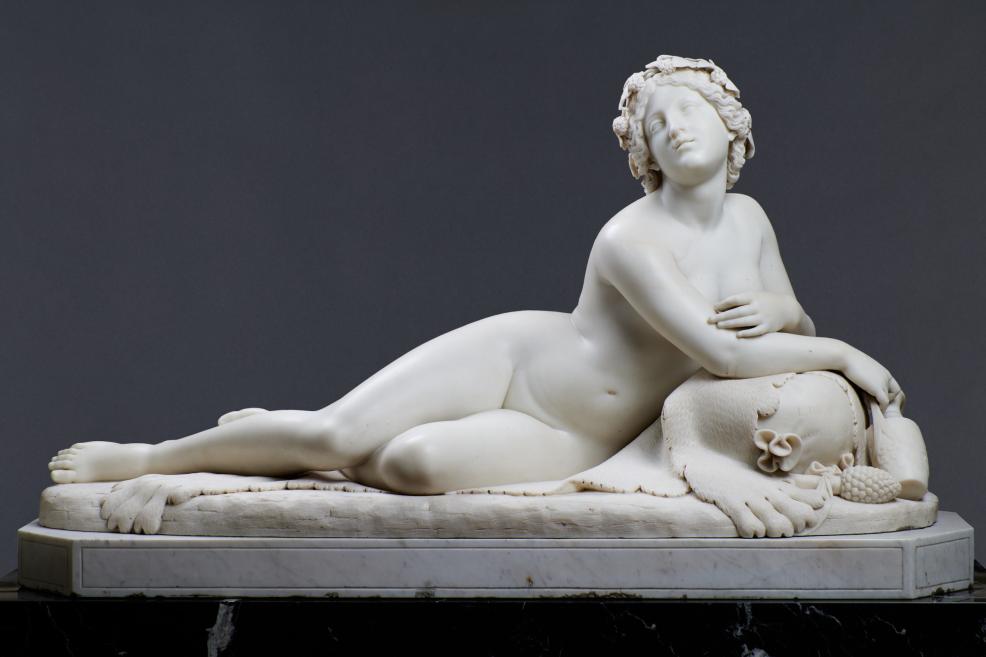
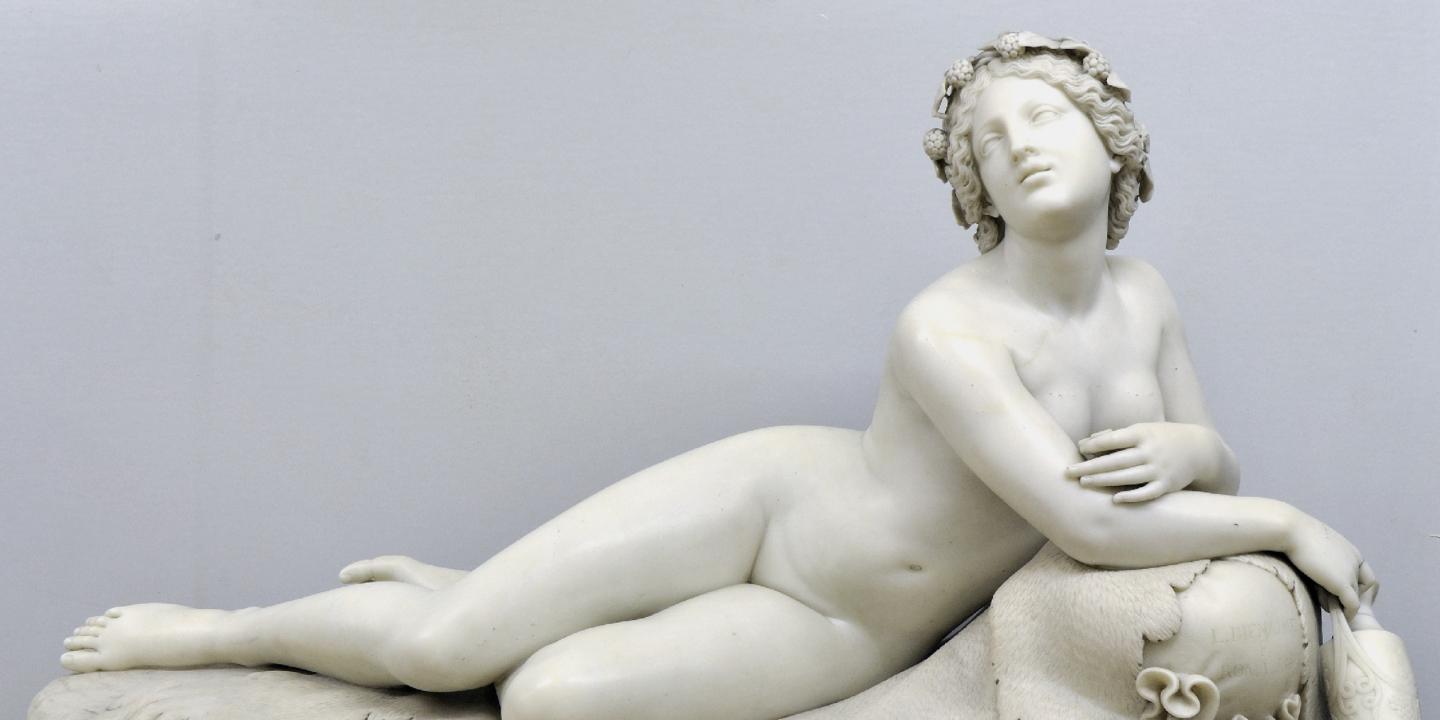
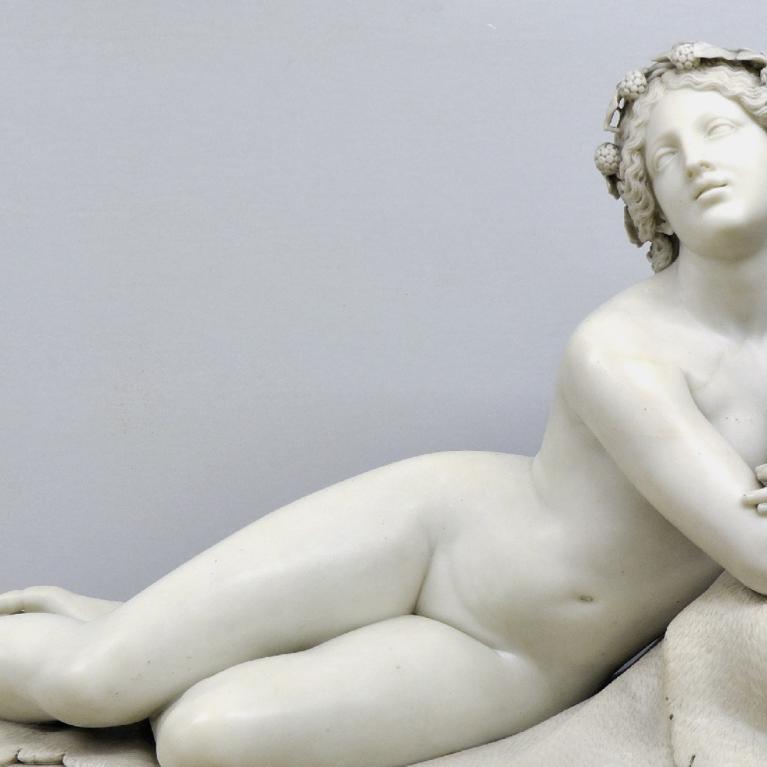
Luigi Bienaimé. Bacchante. Italy, 1847. Marble. LNMA Collection
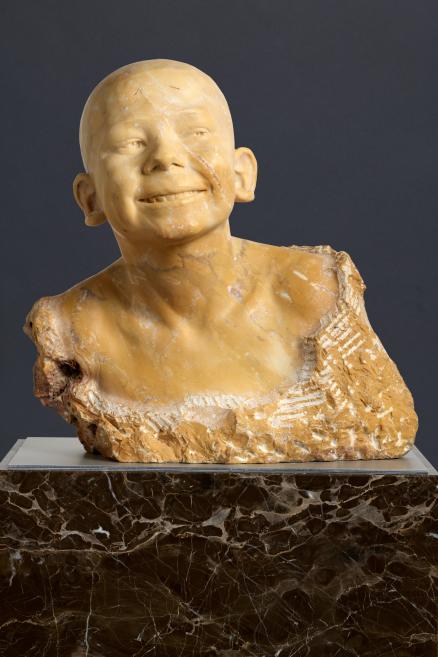
Gaetano Rossi. Laughing Boy. Italy, first half of the 19th century. Siena marble. LNMA Collection
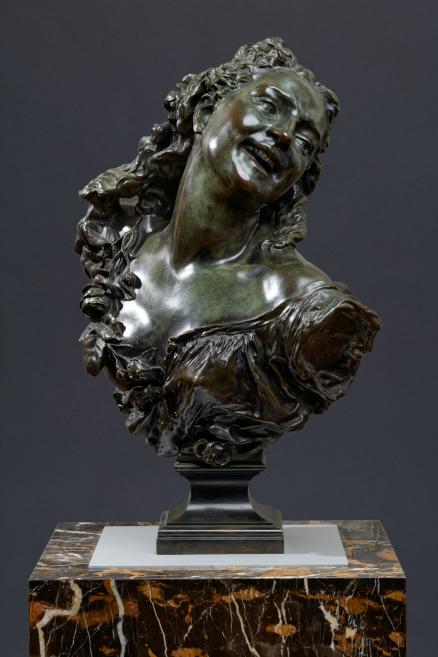
Jean-Baptiste Carpeaux. Bacchante with Roses. France, second half of the 19th century. Bronze. LNMA Collection
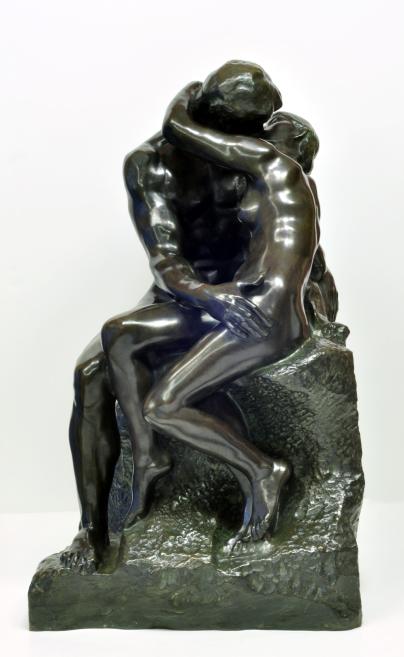
Auguste Rodin. The Kiss. France, 1886. Bronze. LNMA Collection
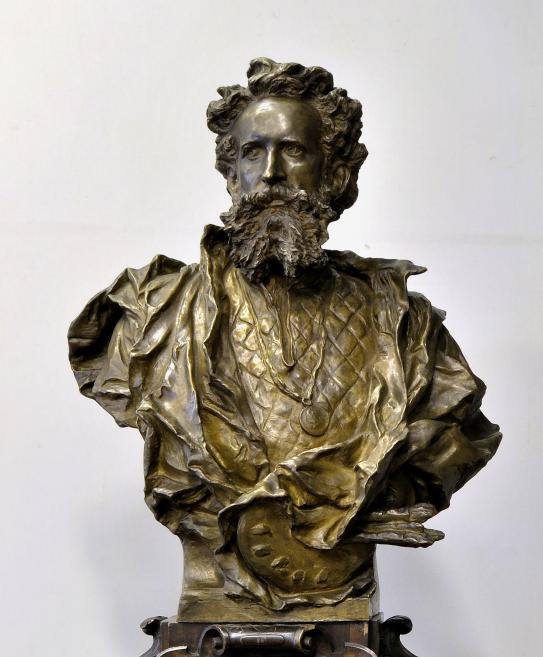
Viktor Oskar Tilgner. Bust of the Artist Hans Makart. Austria, late 19th century. Bronze. LNMA Collection
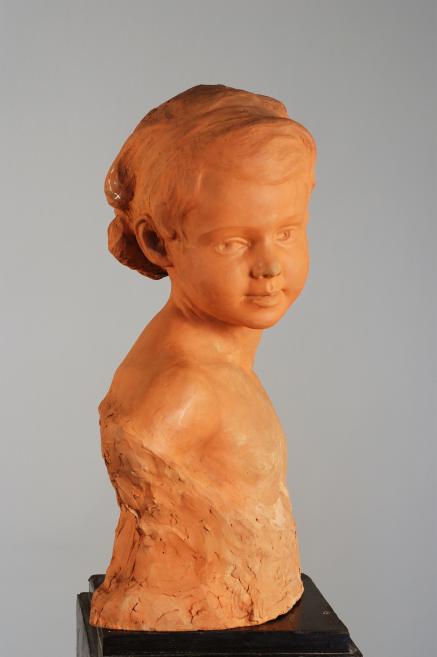
Eugène Canneel. Portrait of a Girl. Belgium, first half of the 20th century. Terracotta. LNMA Collection
Among the oldest part of the collection, notably pieces include Ancient Egyptian, Ancient Greek and Roman granite and marble works. Meanwhile, the Middle Ages are represented by late 15th to 17th century church wood sculptures. A special place in the collection is held by marble originals by 19th century Italian artists. A large portion of the collection consists of bronze casts by several 19th and early 20th century French sculptors, Russian sculpture from the 19th to mid-20th century and early 20th century Belgian sculpture. The finest original sculptures from the collection are on view in the permanent display of the Art Museum RIGA BOURSE, complementing the European Art Gallery painting display, as well as residing in the Cabinet of Ancient Art and at the entrance to the Cabinet of Ancient Egyptian Art.
The collection was formed through sculpture acquisitions form the Kurland Provincial Museum (which formerly belonged to the Princely Lieven family), the Art Cabinet of the University of Latvia, the Credit Department of the Ministry of Finance, the Latvian envoy to Belgium Jānis Lazdiņš (1875-1953), as well as donations from other institutions, collectors and artists.
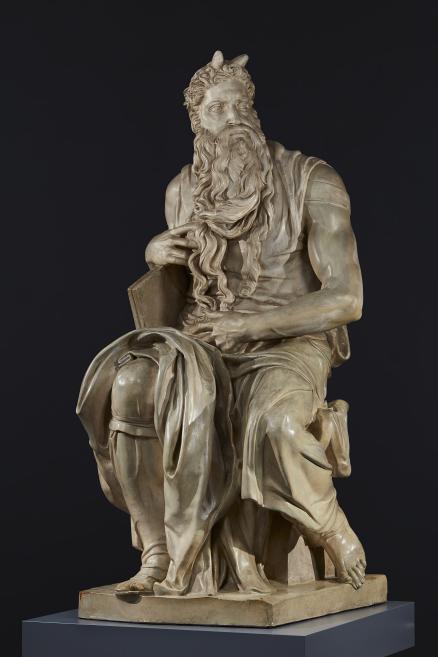
August Gerber Workshop, Cologne, after Michelangelo Buonarroti. Moses. 1912 plaster cast after the Ca. 1513–1515 marble original. Plaster. LNMA Collection
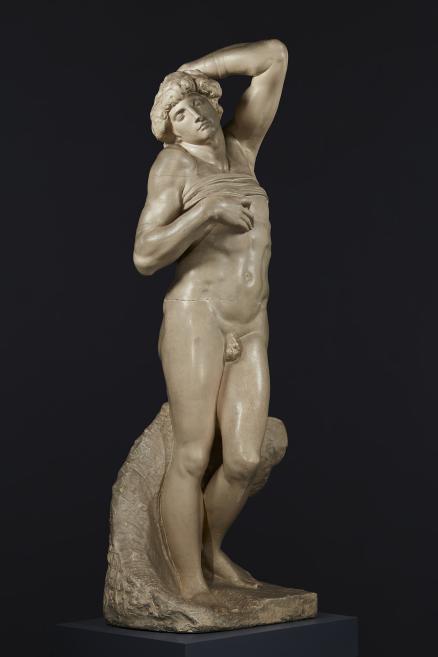
Saint Petersburg Cast Workshop, after Michelangelo Buonarroti. Dying Slave. 1954 plaster cast after the Ca. 1513 marble original. Plaster. LNMA Collection
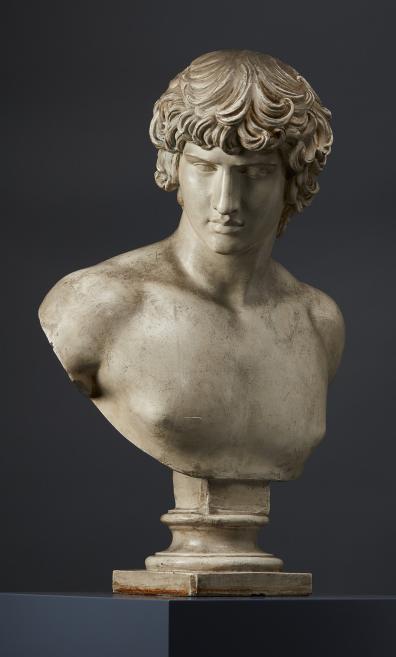
Saint Petersburg Cast Workshop. Bust of Antinous. 1954 plaster cast after a full-length Roman marble original (Roman Empire, Ca. 130–140 CE). Plaster. LNMA Collection
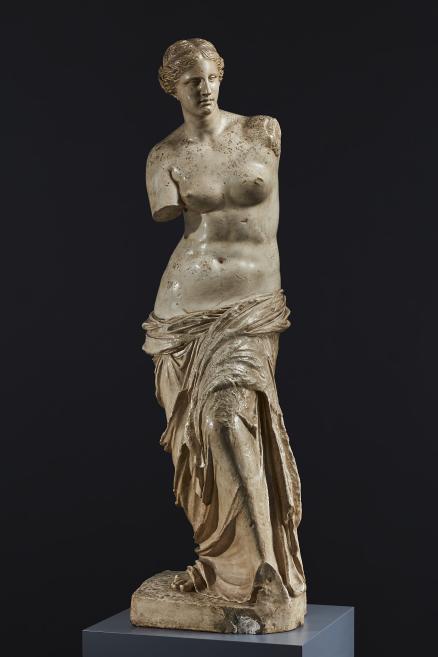
August Gerber Workshop, Cologne. Aphrodite of Milos (Venus de Milo). 1907 plaster cast after the Ca. 100 BCE marble original from the island of Melos. Plaster. LNMA Collection
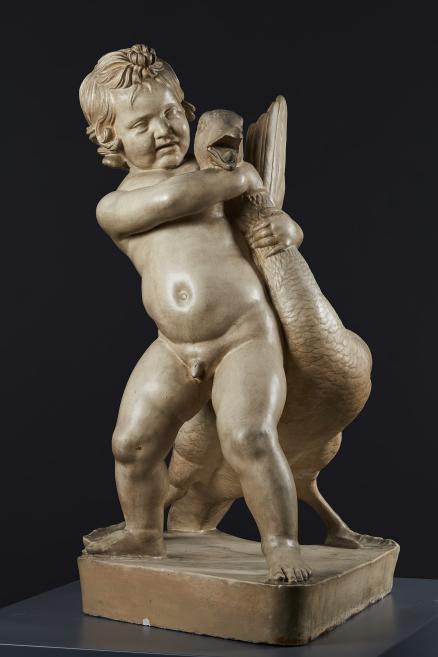
Saint Petersburg Cast Workshop, after Boethus of Chalcedon. Boy with a Goose. 1954 plaster cast after a Roman marble copy of the Ca. 220 BCE Greek bronze original. Plaster. LNMA Collection
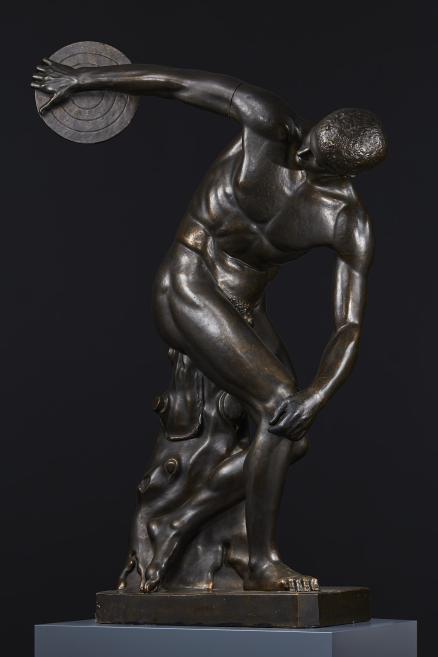
August Gerber Workshop, Cologne, after Myron. Discobolus. 1910 plaster cast after Roman marble copies of the Ca. 450 BCE Greek bronze original. Plaster. LNMA Collection
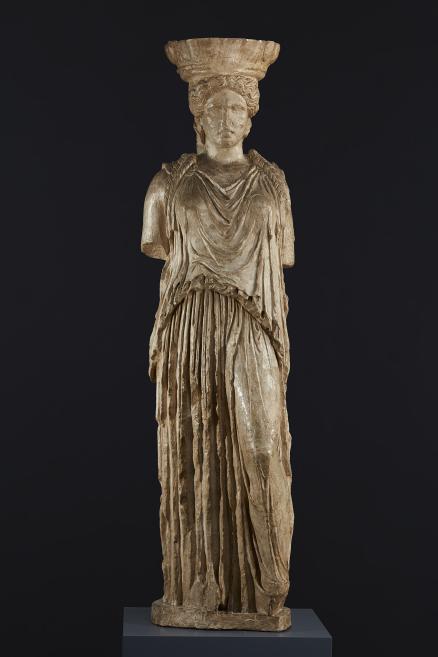
August Gerber Workshop, Cologne. Caryatid from the Acropolis of Athens. 1907 plaster cast after the 421–405 BCE Pentelic marble original. Plaster. LNMA Collection
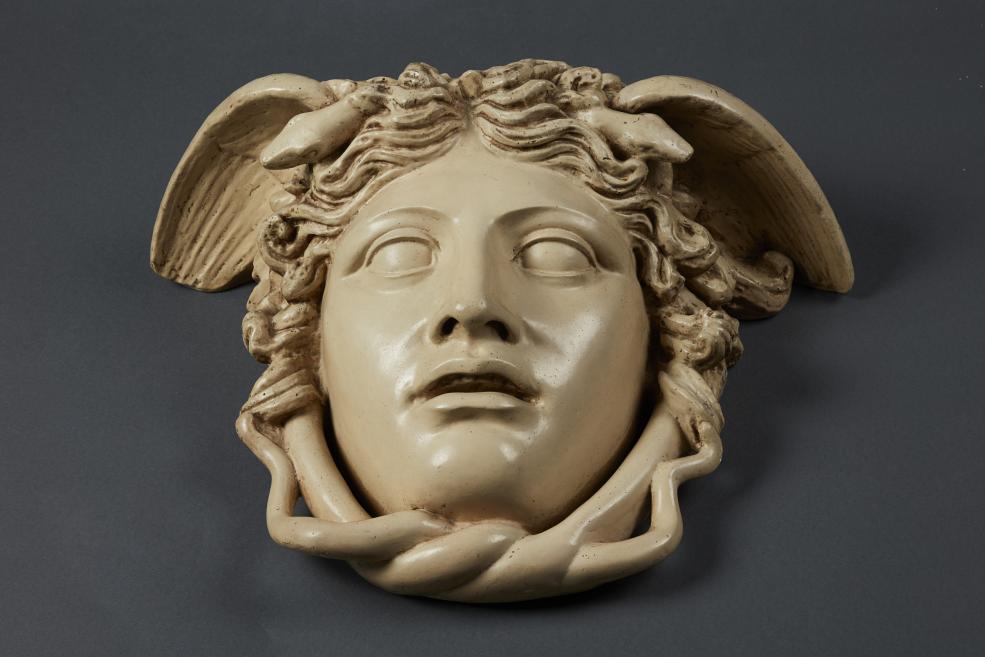
Casting Workshop of the Berlin State Museums. Rondanini Medusa. 1920s plaster cast after a Roman marble copy of a 5th-century BCE Greek original. Plaster. LNMA Collection
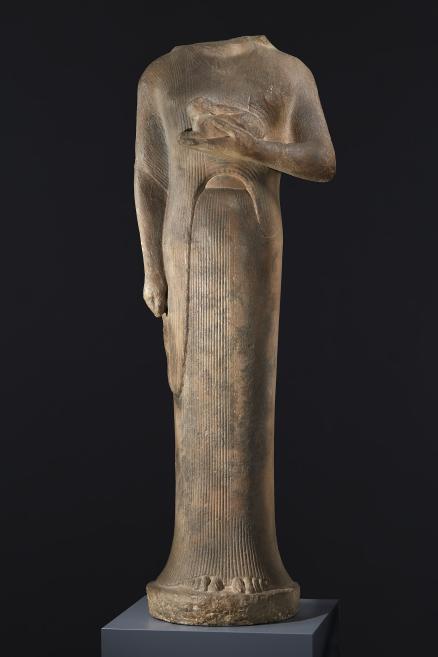
Casting Workshop of the Berlin State Museums. Kore with a Hare. 1920s plaster cast after the 540–530 BCE grey-white marble original. Plaster. LNMA Collection
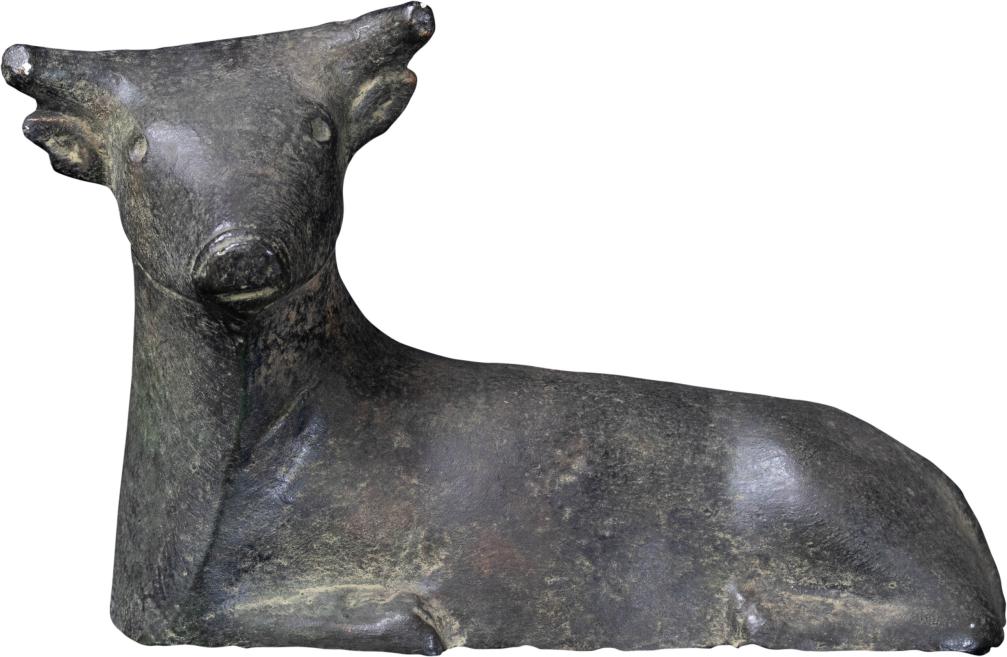
Casting Workshop of the Berlin State Museums. Recumbent Bull of Olympia. 1920s plaster cast after the late 7th – early 6th century BCE bronze original. Plaster. LNMA Collection
The foundation of the plaster cast collection was established in 1904 through an order of Ancient Greek, Ancient Roman and Renaissance sculpture plaster casts placed by Wilhelm Neumann (1849-1919), the first director of the Riga City Art Museum. These precise plaster copies of world-famous sculptures were produced in Germany at the August Gerber plaster cast workshop in Cologne and the City Gallery in Frankfurt am Main.
During the reorganization of the University and museums in the 1950s, the collection formed by Wilhelm Neumann was augmented by sculpture copies from the Art Cabinets of the University of Latvia and the Kurland Provincial Museum. Many of these had been commissioned from the cast workshops of the Royal Museums of Berlin (1830-1918) and the Berlin State Museums (during the 1920s).
More than one hundred of the most significant works from the plaster cast collection are currently displayed in the FOREST OF SCULPTURES – the permanent display of ancient and Renaissance sculpture plaster casts at the Museum Storage Facility at 8 Pulka Street.
Contacts: