Foreign Painting Collection
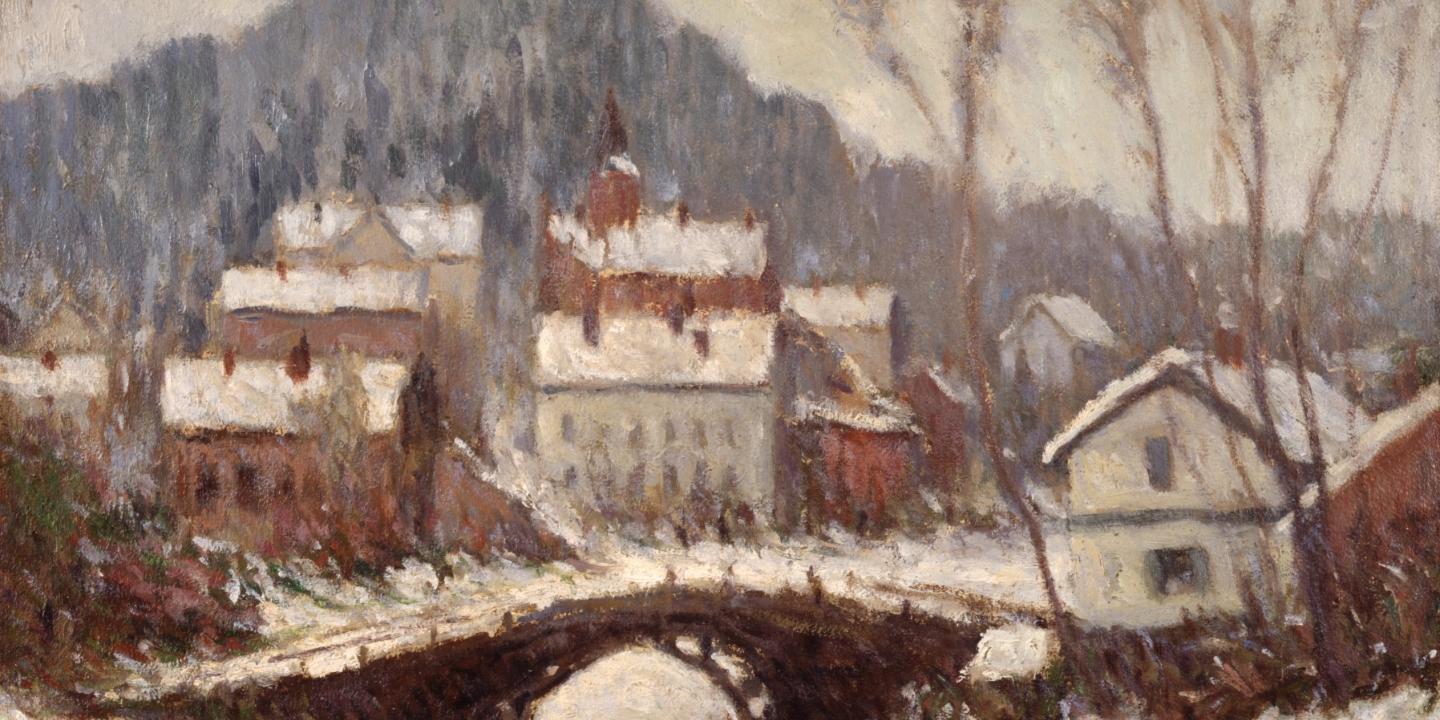
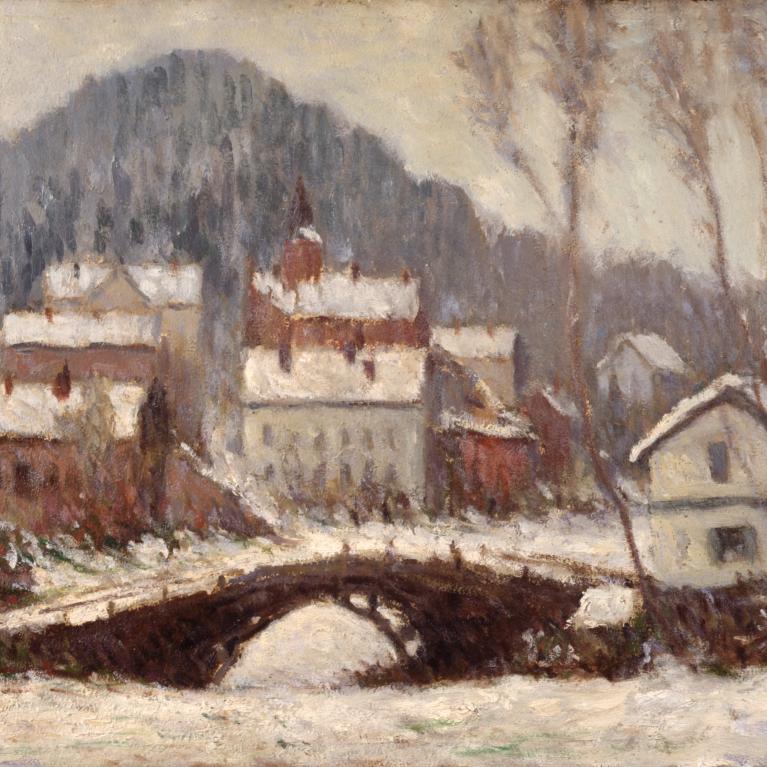
The Foreign Painting Collection of the Latvian National Museum of Art, housed in the Art Museum RIGA BOURSE, represents the most comprehensive repository of its kind in the Baltic region. It stands as the sole collection in Latvia providing such a broad and diverse overview of Western European painting from the 16th century through the first half of the 20th century. The collection offers a thorough insight into the major national schools, encompassing not only Western European masters but also a rich assembly of Russian painting.
The foundation of the collection rests upon several major 19th century private collections and bequests, notably those of Friedrich Wilhelm Brederlo (1779–1862), Domenico de Robiani (1795–1889), and Paul von Transehe-Roseneck (1853–1928), among others. In 1932, through the initiative of Jānis Lazdiņš, the Latvian envoy to Belgium, the museum acquired a collection of Belgian paintings, which was later augmented by works from the Courland Provincial Museum. In 1950, works by Nicholas Roerich entered the collection from the Latvian Roerich Society. The collection of Russian icons began taking shape during the 1970s.
The painting display is arranged across the museum’s most ornate halls, adhering to chronological sequence and national school classification. In the Venice Hall, masterpieces form the 16th to 18th centuries predominate, including Dutch and Flemish Golden Age paintings, alongside choice examples of Italian, German and French Baroque art. The display is further enriched by a collection of 18th and 19th century portrait miniatures, reflecting the aesthetic trends of their era while preserving socio-cultural documentation of the Baltic region.
The Makart Hall is dedicated to 19th century European art, centred around the largest numerical component of the collection, the German school of painting, featuring works of Romanticism and the Biedermeier style. Expanding the context of the display, the Western European Porcelain Gallery brings 19th century landscape painting and early 20th century Symbolist tendencies into dialogue with period porcelain art, illuminating the refined aesthetic taste of historical Riga collectors.
Adjacent to the Asian Art display is the Roerich Cabinet, where works by Nicholas Roerich (1874–1947) and his son Svetoslav Roerich (1904–1993) are permanently exhibited. These paintings offer insight into the artists’ philosophical and aesthetic quests, while highlighting the 20th century spiritual intersections between European and Asian cultural spheres.