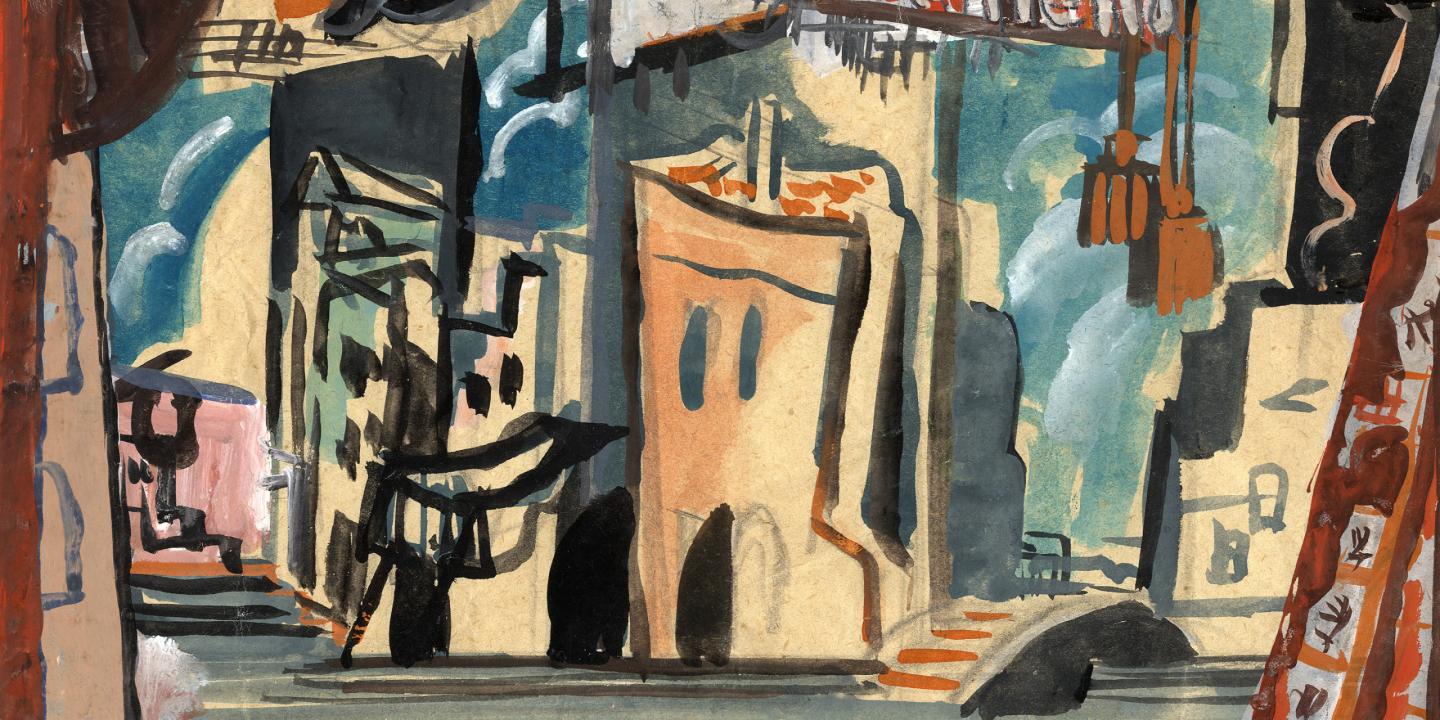
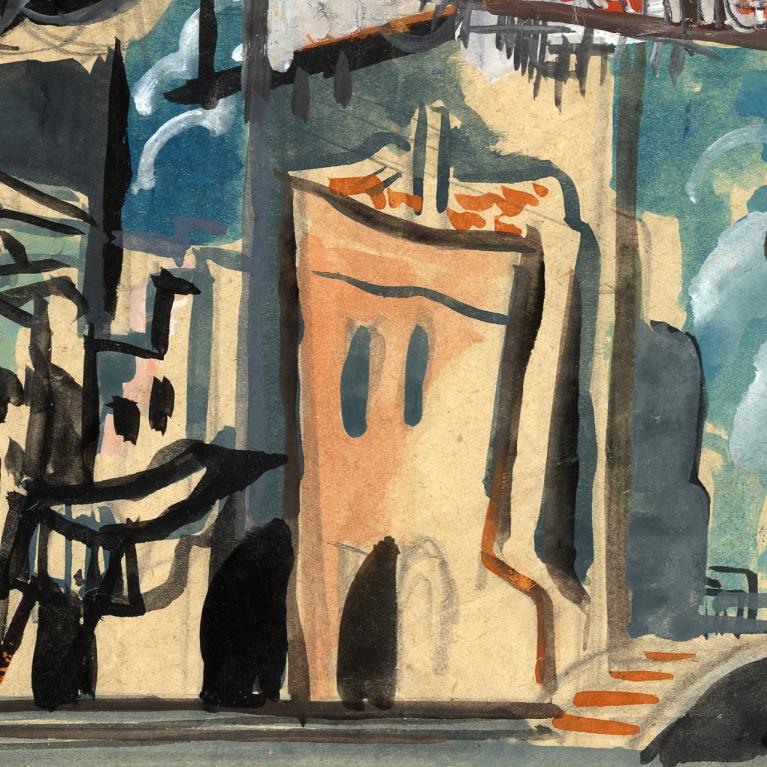
Artworks by Romans Suta
Romans Suta (1896–1944) was an extraordinary creative and multifaceted personality. He not only painted, designed and illustrated books and created designs for theatre plays and motion pictures, but also managed his own art studio, wrote essays on art for the press, established and operated within the “Baltars” porcelain painting workshop and developed furniture and interior design projects.
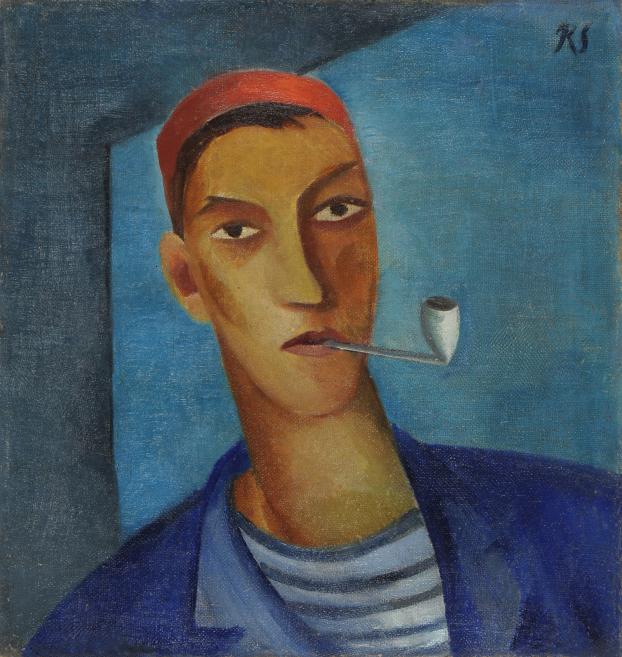
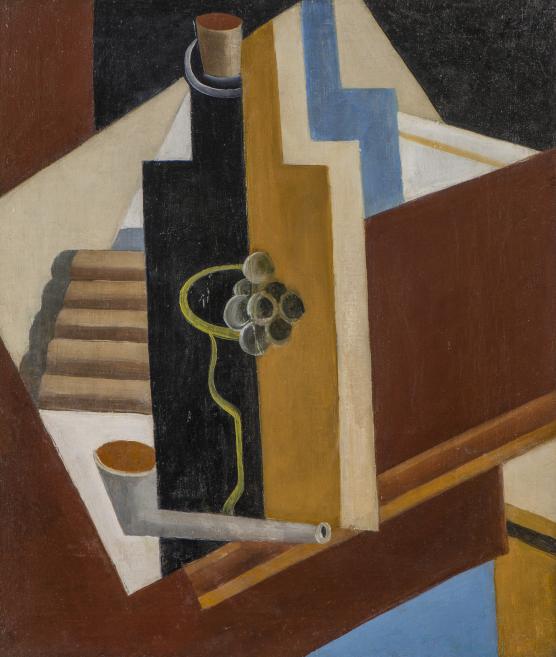
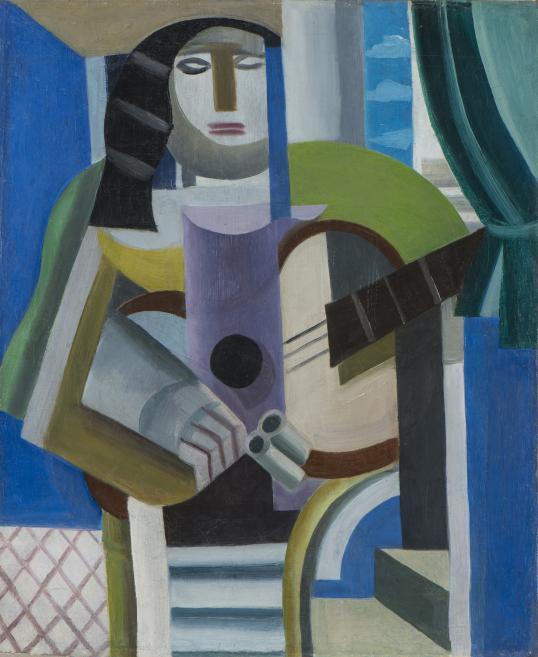
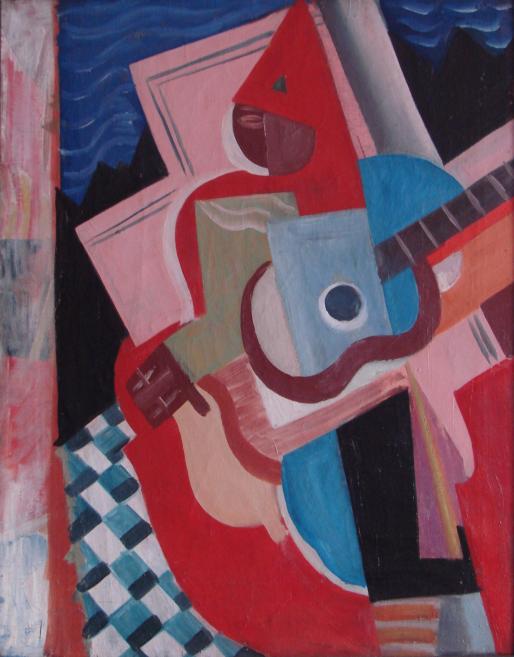
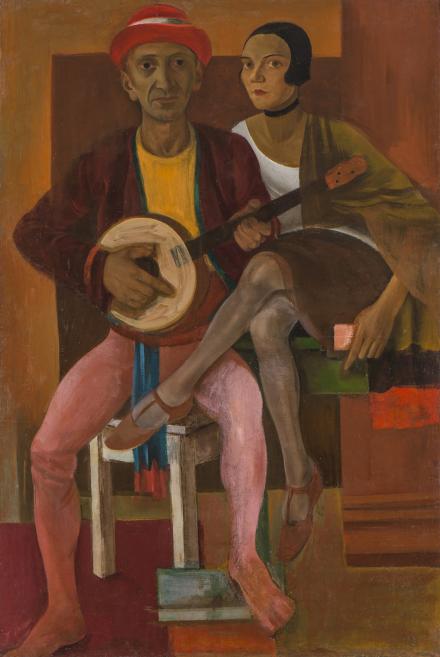
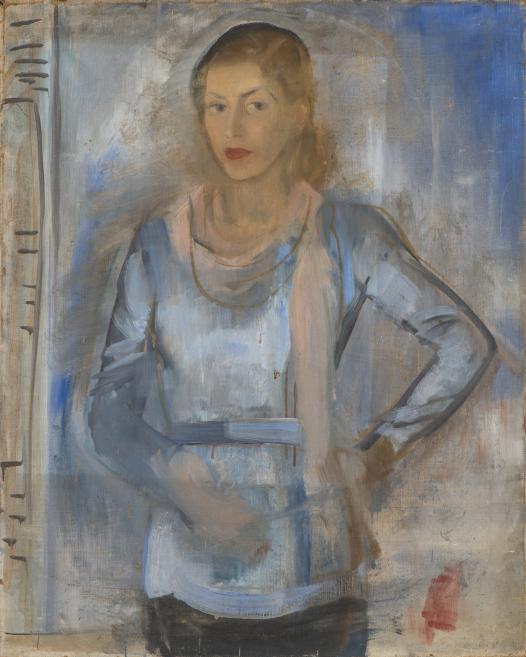
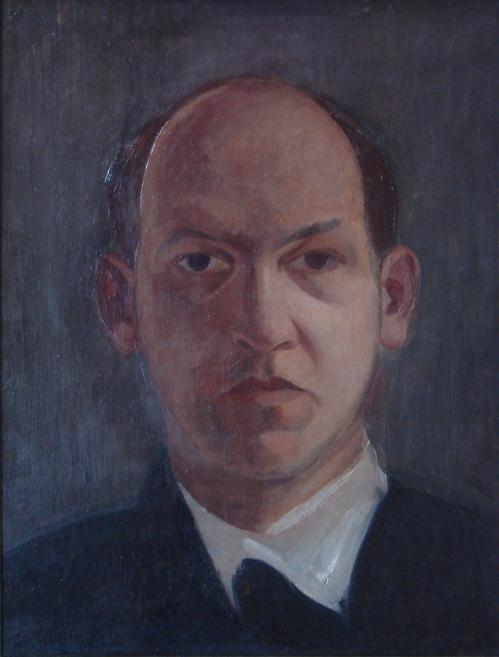
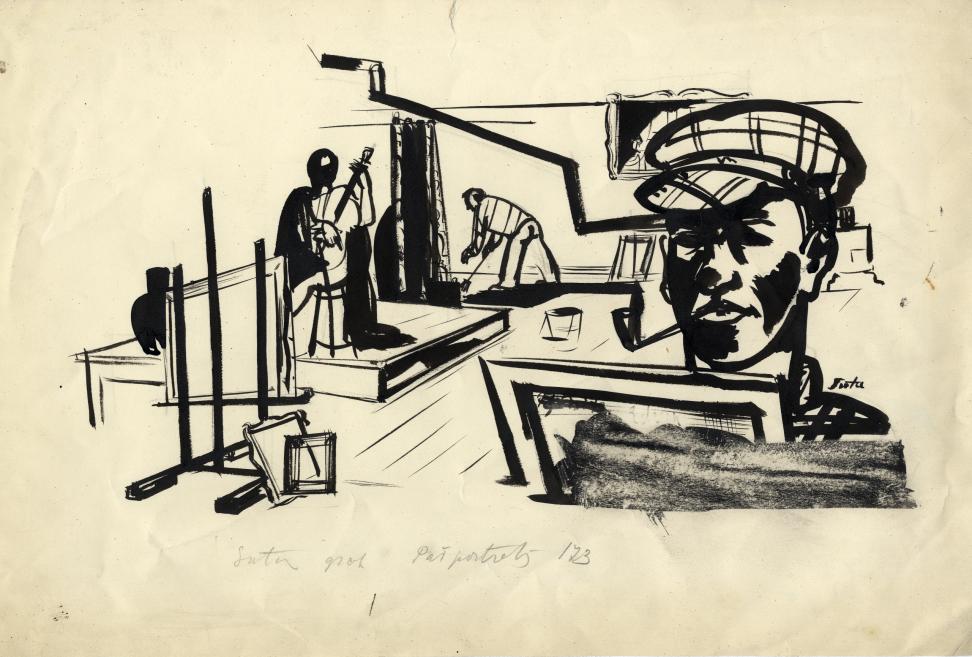
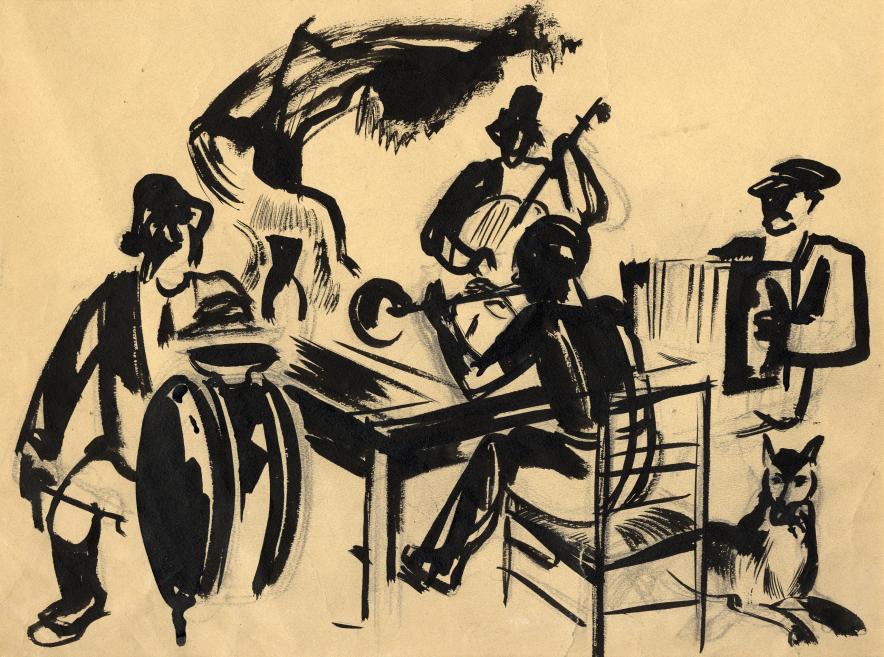
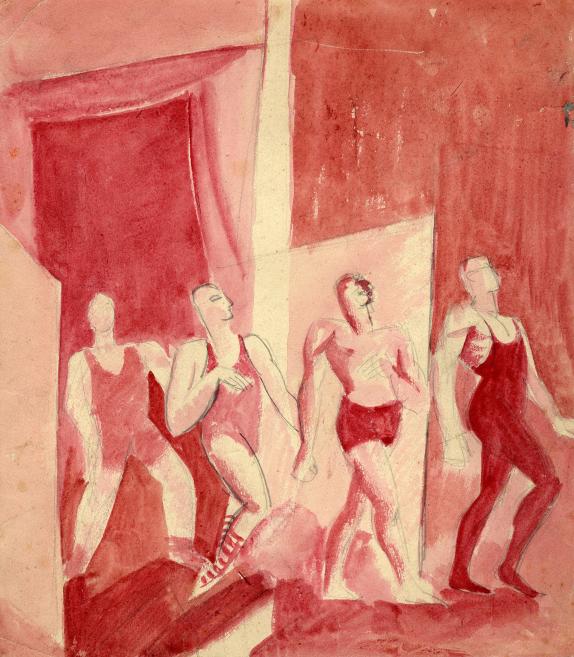

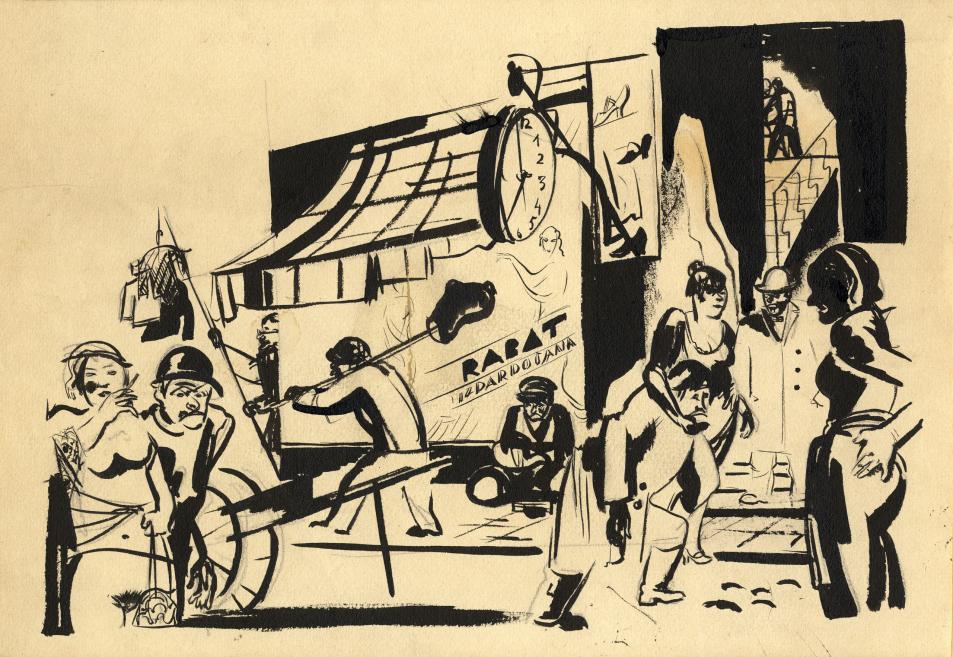
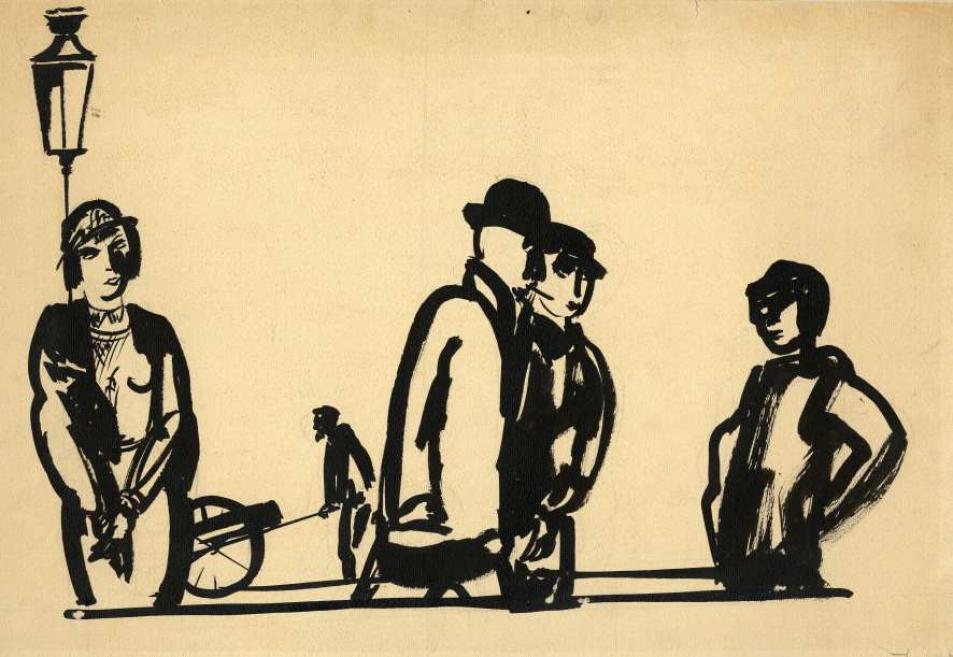
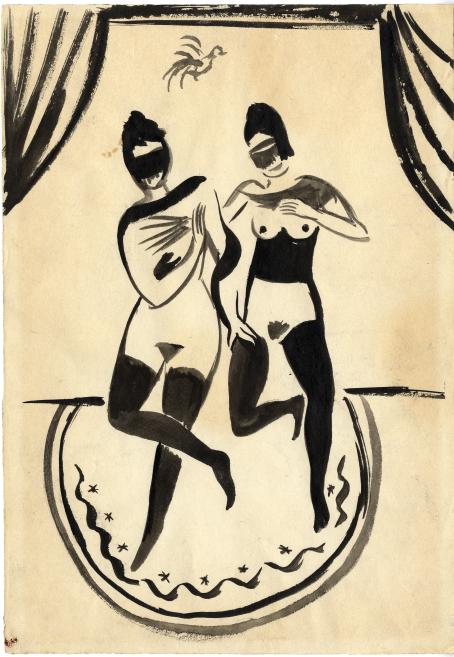
The collection of artworks by Romans Suta comprises slightly more than 1500 museum objects, including the author’s oil paintings, porcelain items crafted at the “Baltars” workshop and M.S. Kuznecov factory, Indian ink drawings, watercolours, sketches for book illustrations and tableware, costume and set design studies for theatre performances and films, and furniture built according to his designs. The museum’s display reflects Romans Suta’s achievements in each sphere of his activity and illustrates different phases of his creative career. Overall, the largest numerical group of works within the collection consists of tableware sketches, alongside set and costume design studies for theatrical productions.
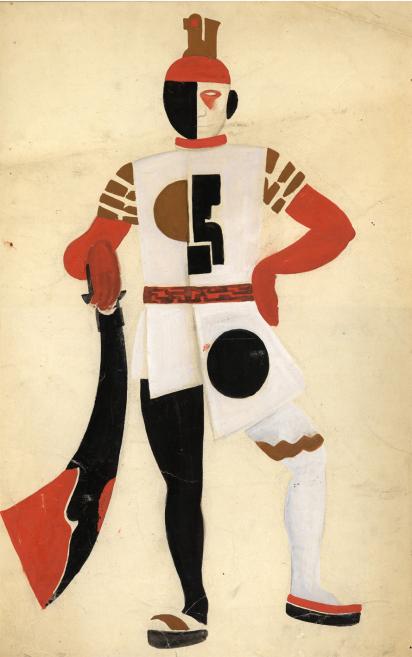
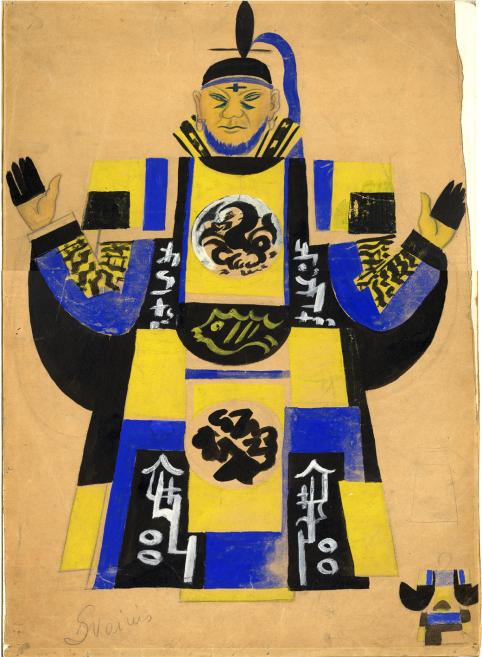
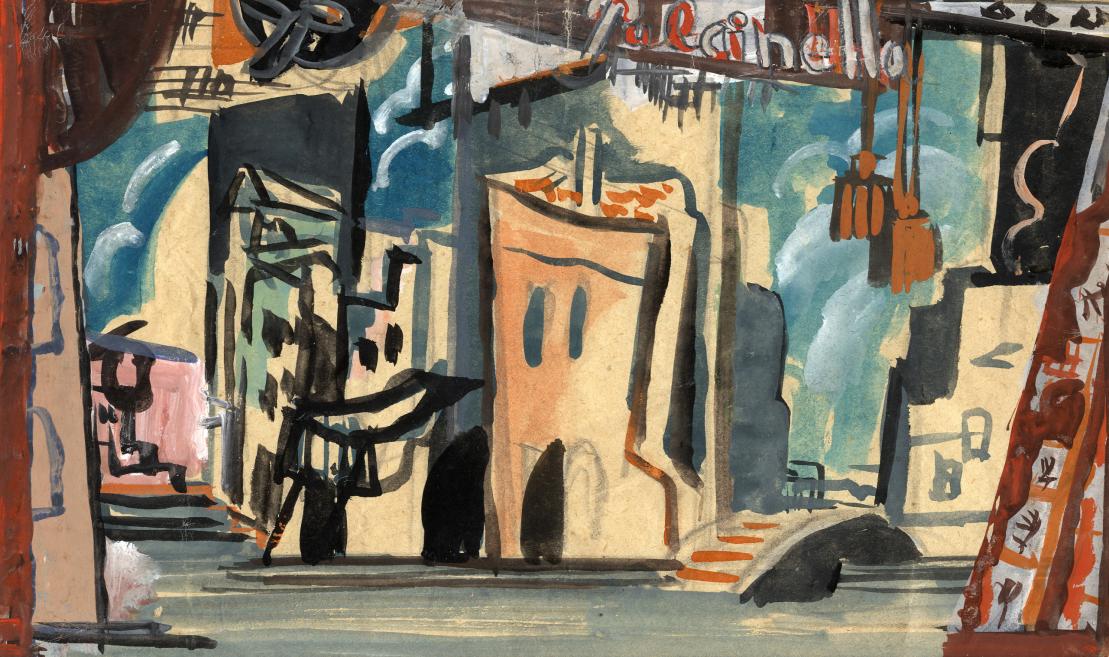
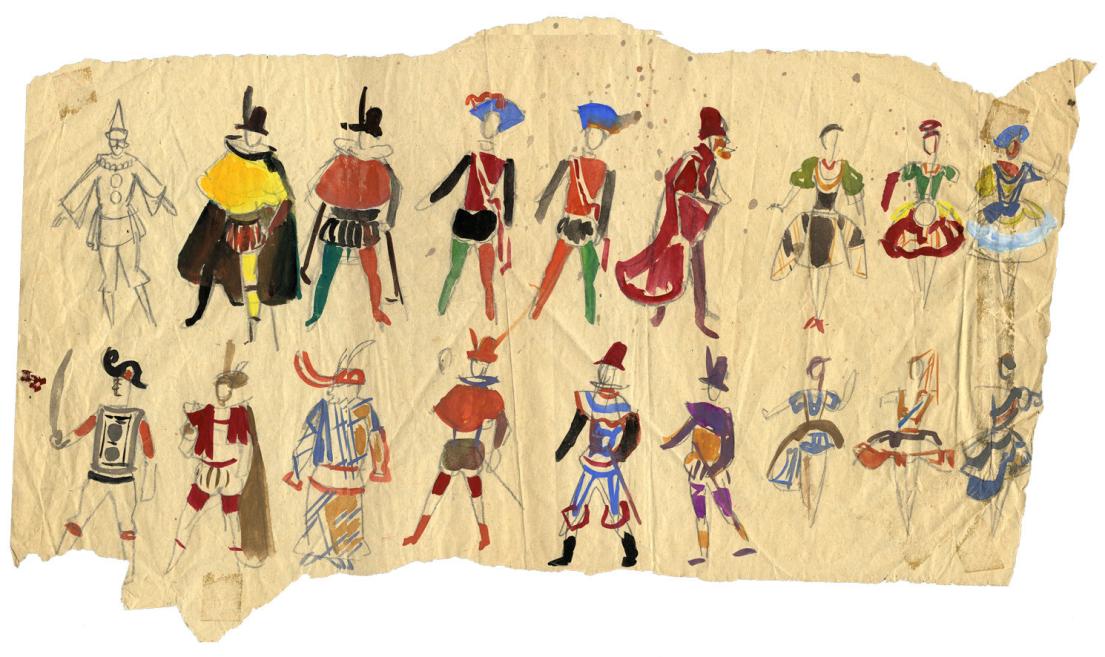
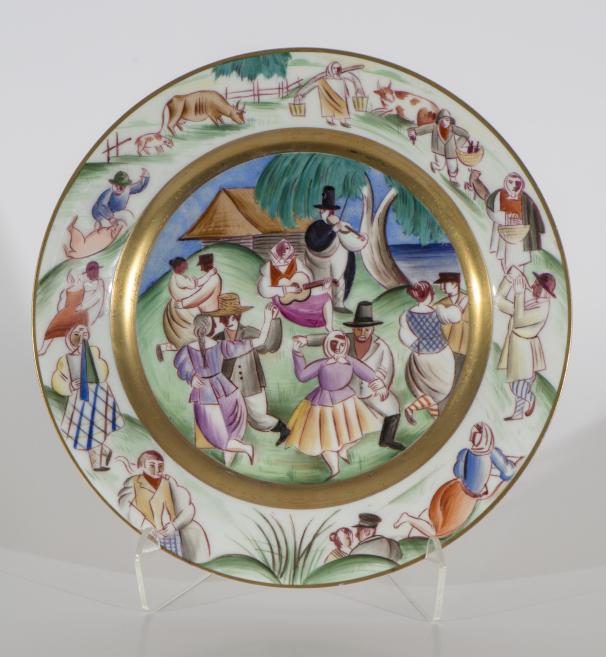
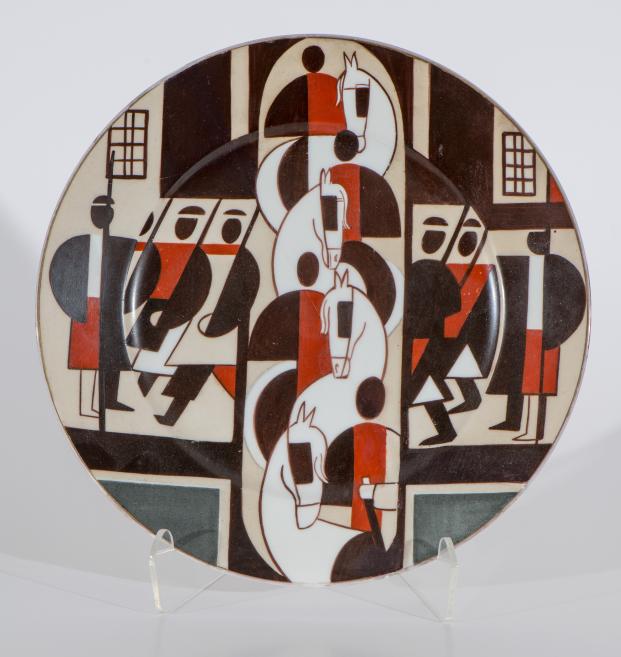
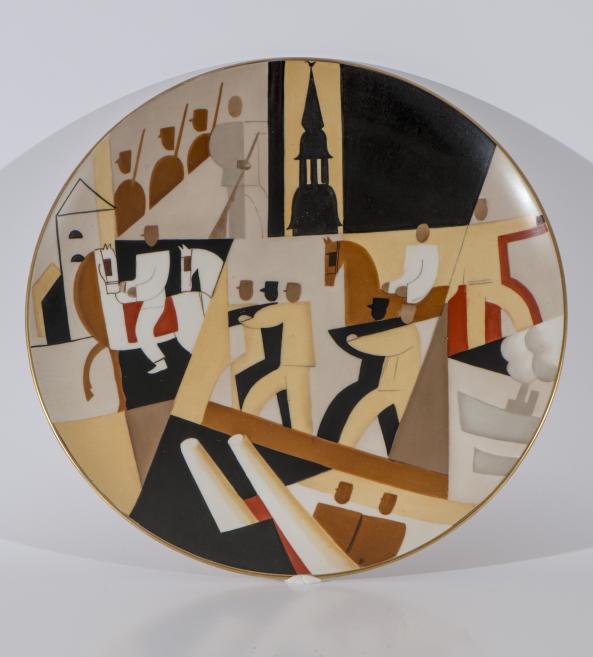
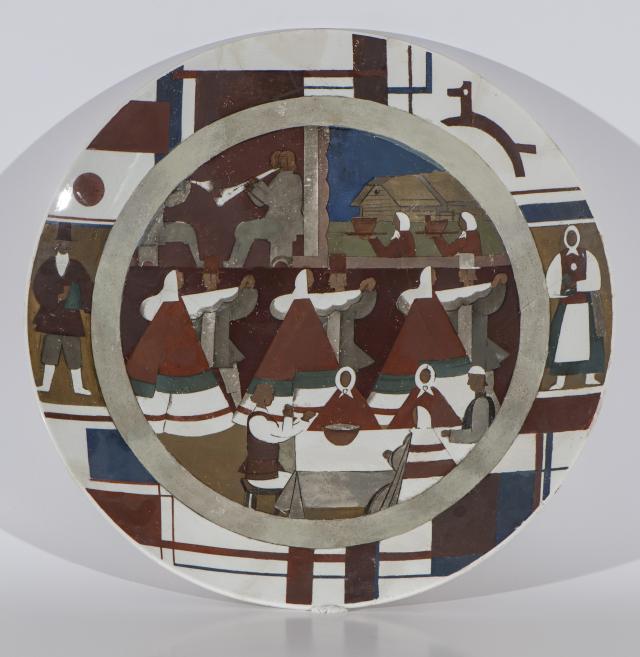
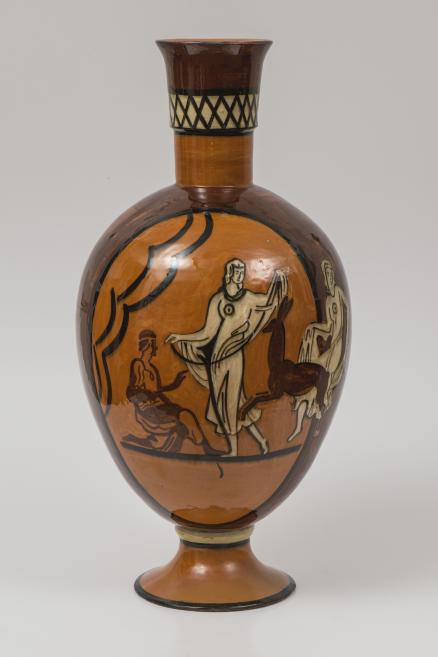
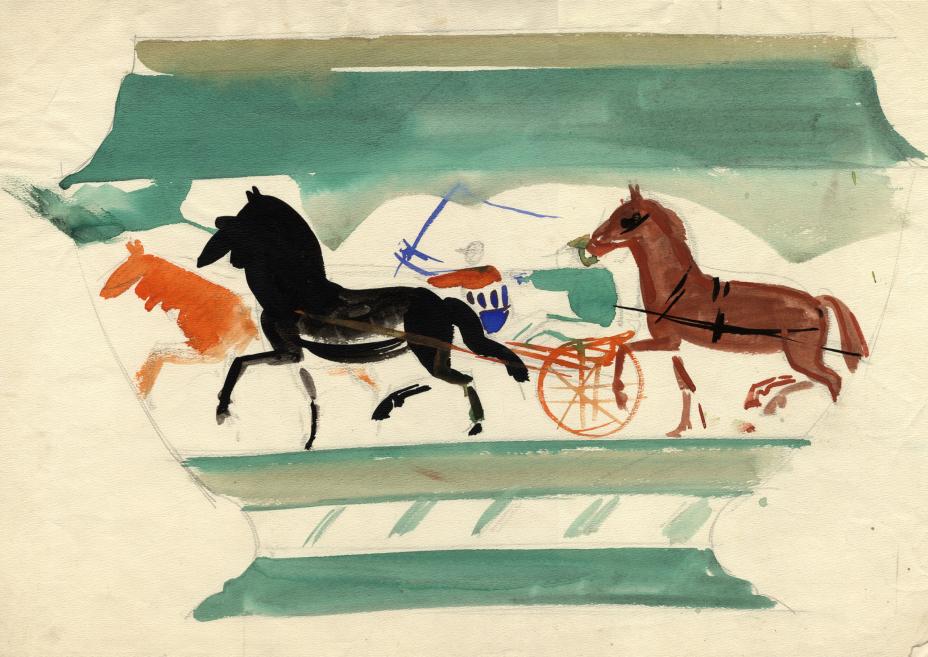
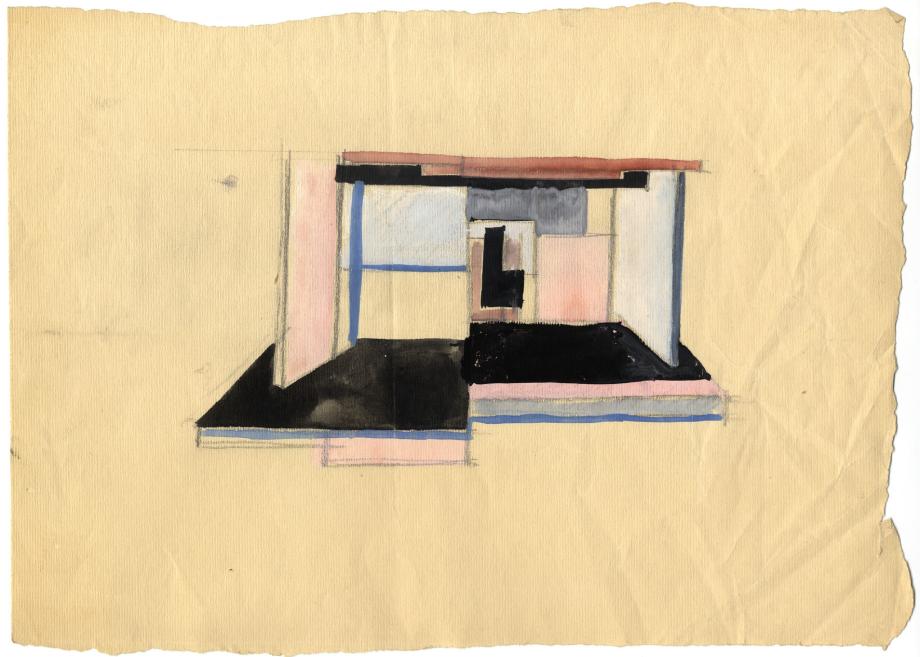
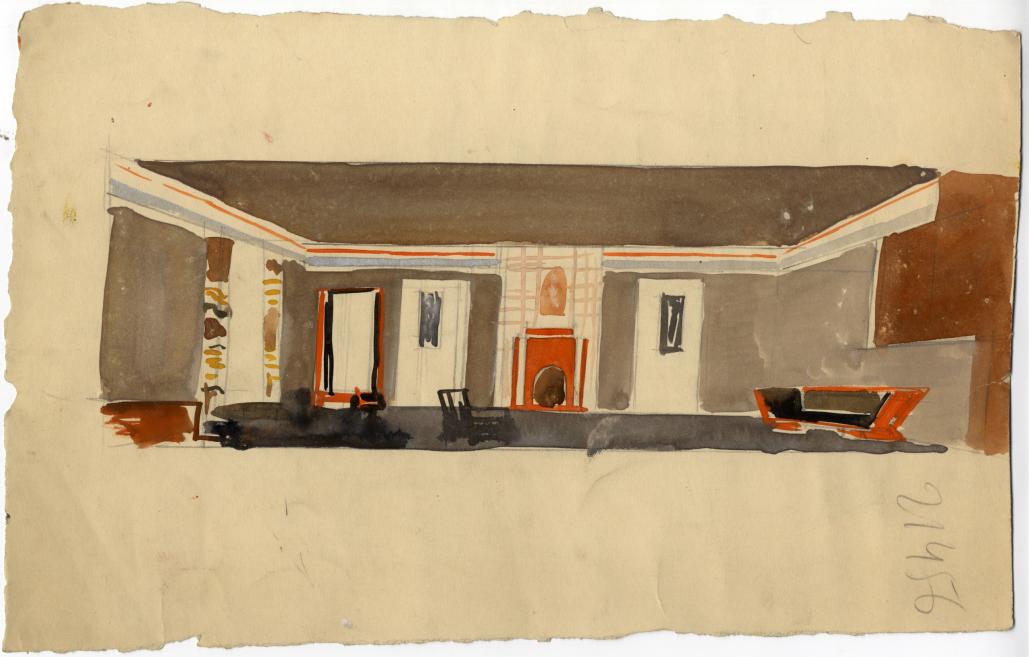

Among the best-known objects in the collection are Suta’s 1920s paintings Still Life with a Pipe, Harlequin, Artist Jānis Plase with his Girlfriend and Open-Air Dance. Exceptional, too, are his Indian ink drawings Clearance Sale, Strike and others. Of the set and costume design, the most striking examples include sketches for Carlo Gozzi’s play Princess Turandot (Jelgava Workers’ Theatre, 1926) and Igor Stravinsky’s ballet Pulcinella (Latvian National Opera, 1933). Unique artifacts withing the collection also include furniture sets crafted after Suta’s sketches – a table for the café “Sukub”, as well as two tables and a stool for the café “Luna” (“Mona”).