The Textile Art Collection
Latvian National Museum of Art houses the most extensive and diverse collection of professional Latvian textile art in Latvia, spanning from early 20th century to the contemporary era. The repository comprises more than 2000 textile and fibre art objects executed by over 270 artists. The collection charts a wide array of artistic expressions, techniques, and mediums, illustrating the continuous dialogue between historic tradition and innovation.
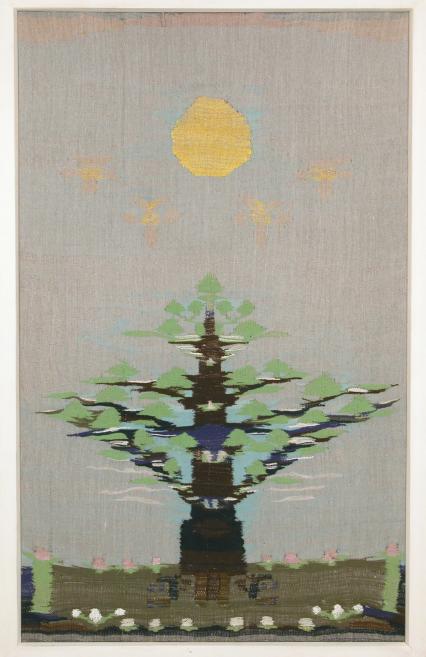
In the early 20th century, foundational contributions to Latvian textile art and design were made by Jūlijs Madernieks, Jūlijs Straume, and Ansis Cīrulis. Their creative practices established an innovative, national style that laid the groundwork for the future trajectory of the discipline. Rugs and carpets woven from sketches by these artists were realized by skilled weavers trained at the weaving courses organized by the National League of Latvian Women (1924-1940). Among the notable graduates who subsequently developed a distinct individual was Milda Klēbaha.
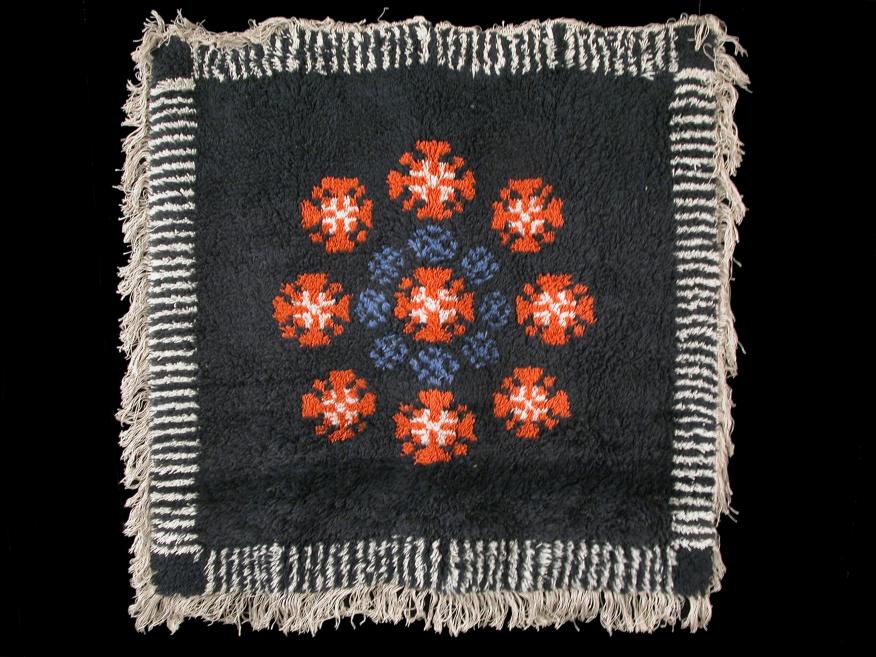
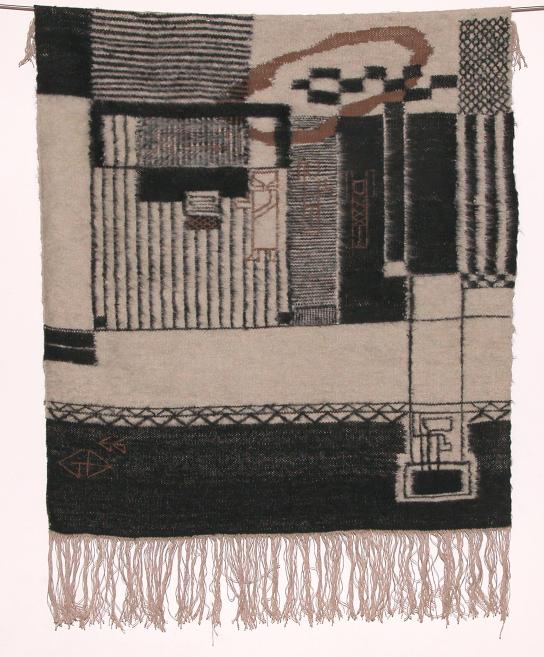
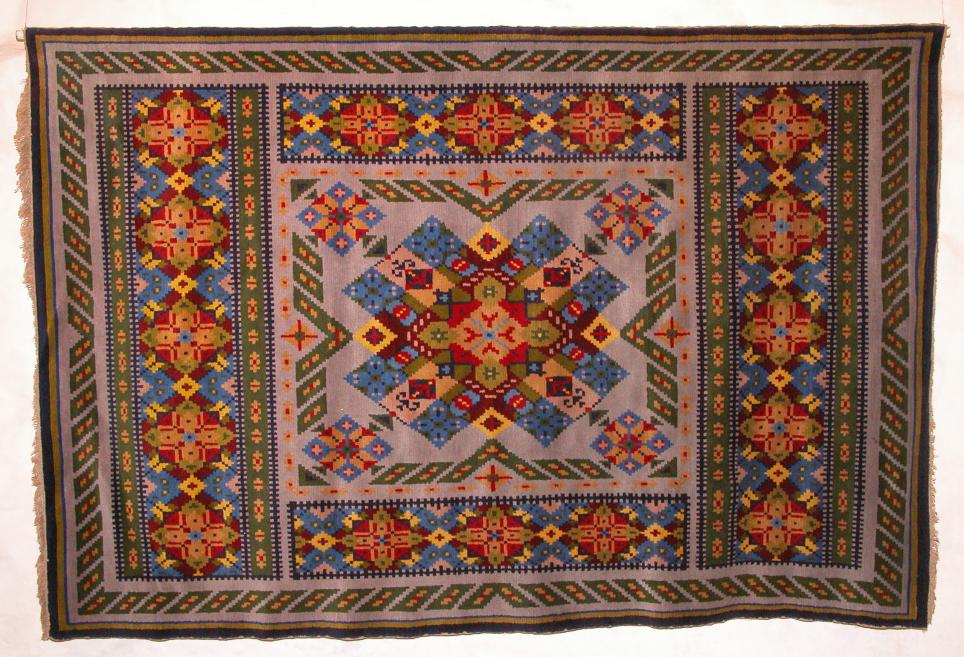
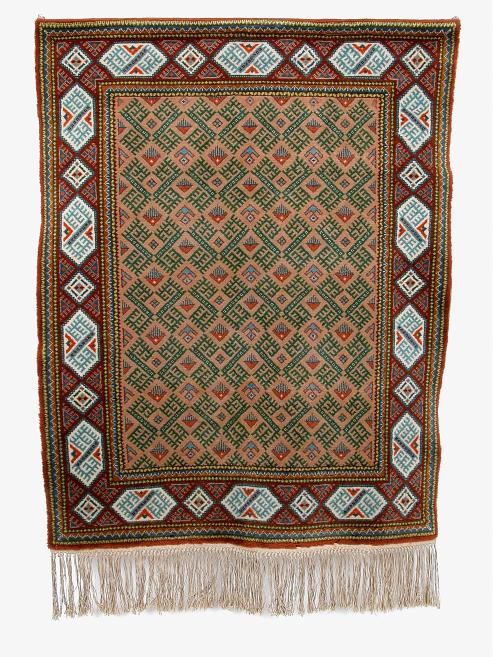
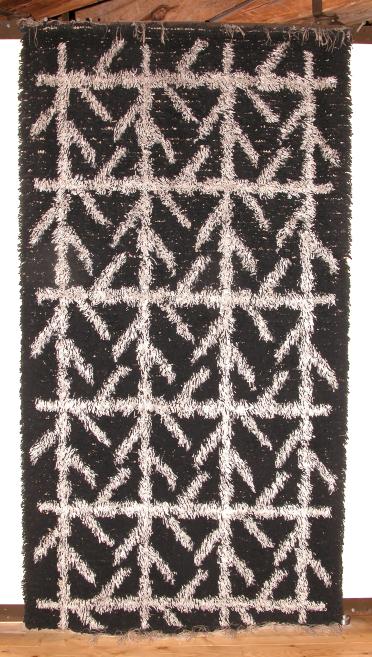
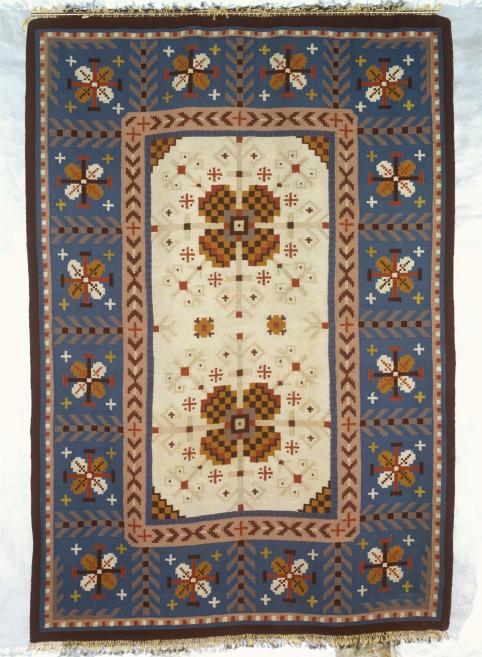
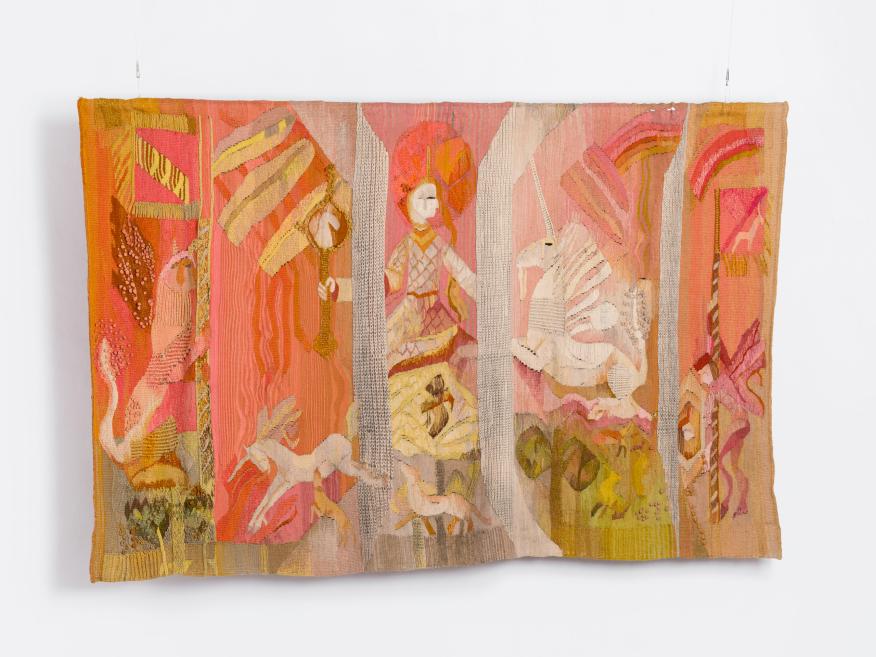
Professional training in the applied arts expanded significantly from 1926 onward at the Liepāja School of Art Crafts, represented within the museum’s collection by works of Erna Ošele, Vera Viduka, Natālija Siliņa, and Žanis Ventaskrasts.
A specialized segment of woven fabrics, knitwear, and embroideries highlights the inheritance of folk-art traditions and technical craftsmanship, spearheaded by Arvīds and Aleksandra Dzērvītis. At the State School of Art Crafts in Riga, founded in 1932 under the direction of A. Dzērvītis, outstanding graduates such as Kristīne Pāvuliņa, Erna Rubene, and Ella Ūdre-Dviele, created refined pieces that are now preserved in the collection.
The collection also highlights the oeuvre of Georgs Barkāns, one of the most prominent figures in the late 20th century Latvian textile art. Barkāns operated as a formal innovator and an influential educator at the Riga Secondary School of Applied Arts. His complex pieces were frequently executed in close creative collaboration with his spouse, Dzidra Ozoliņa.
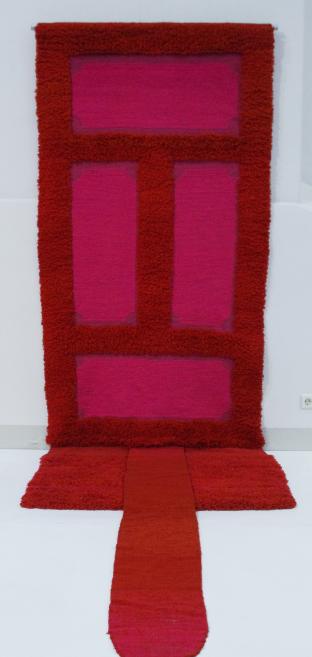
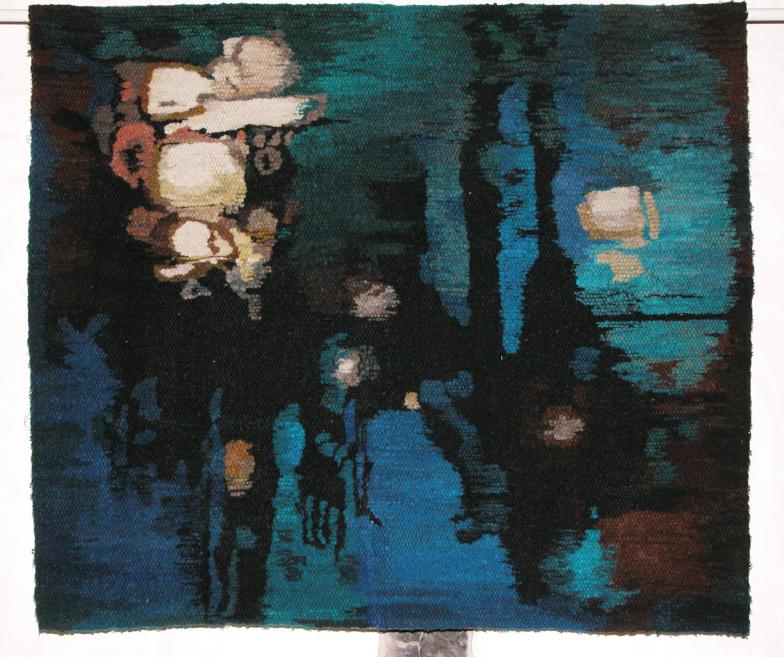
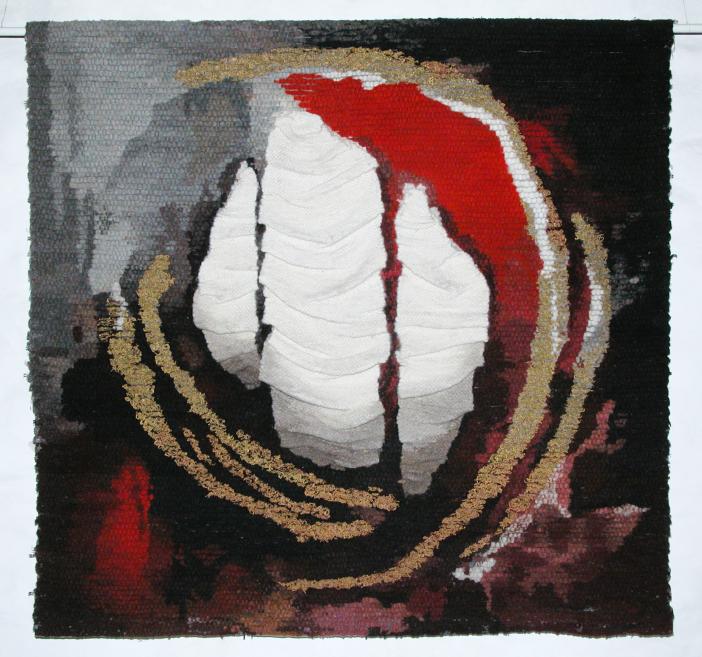
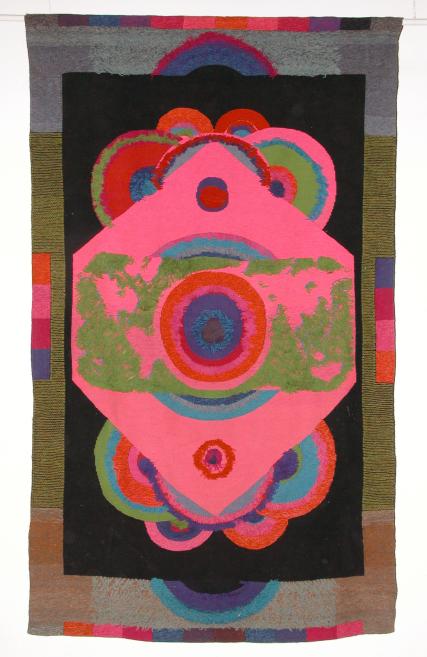
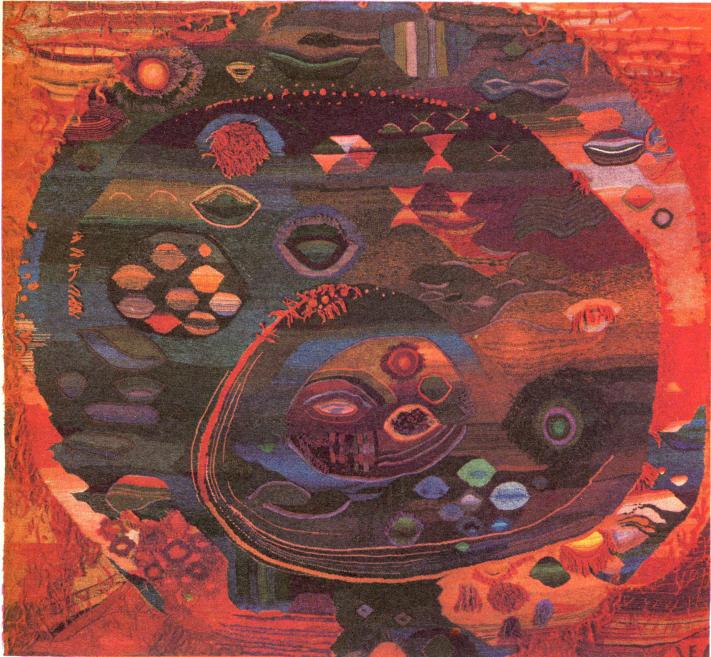
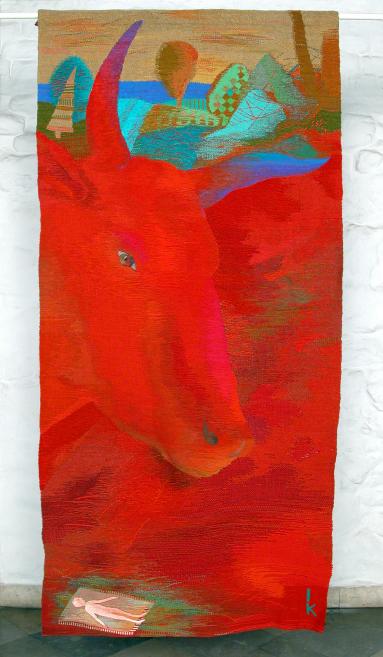
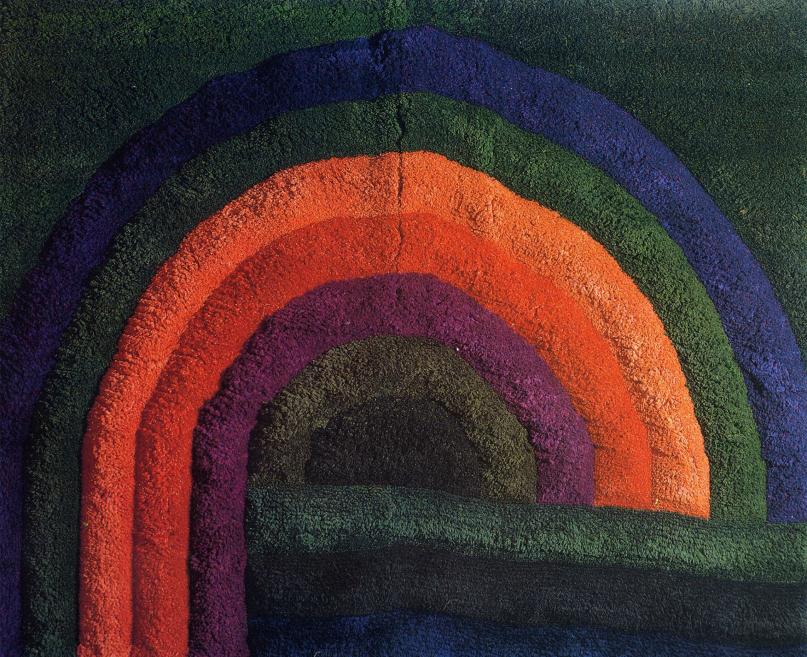
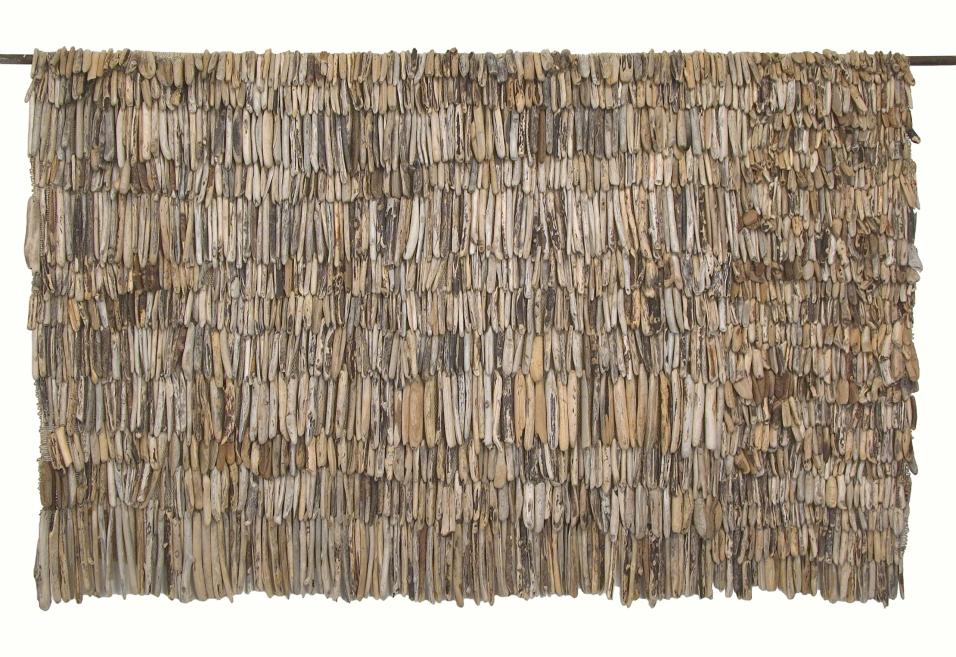
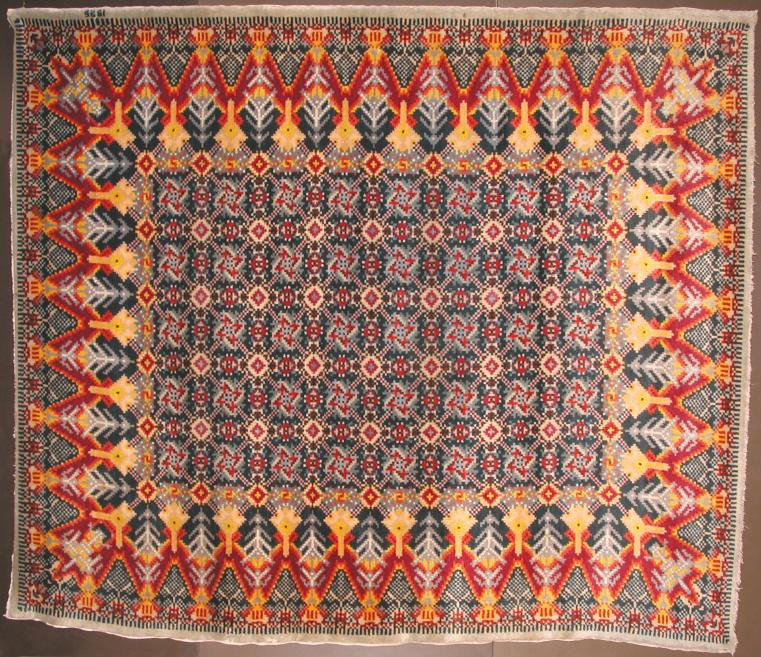
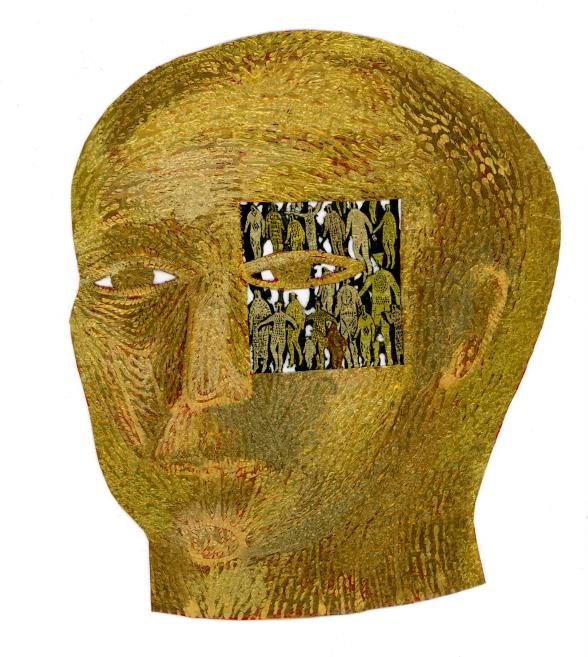
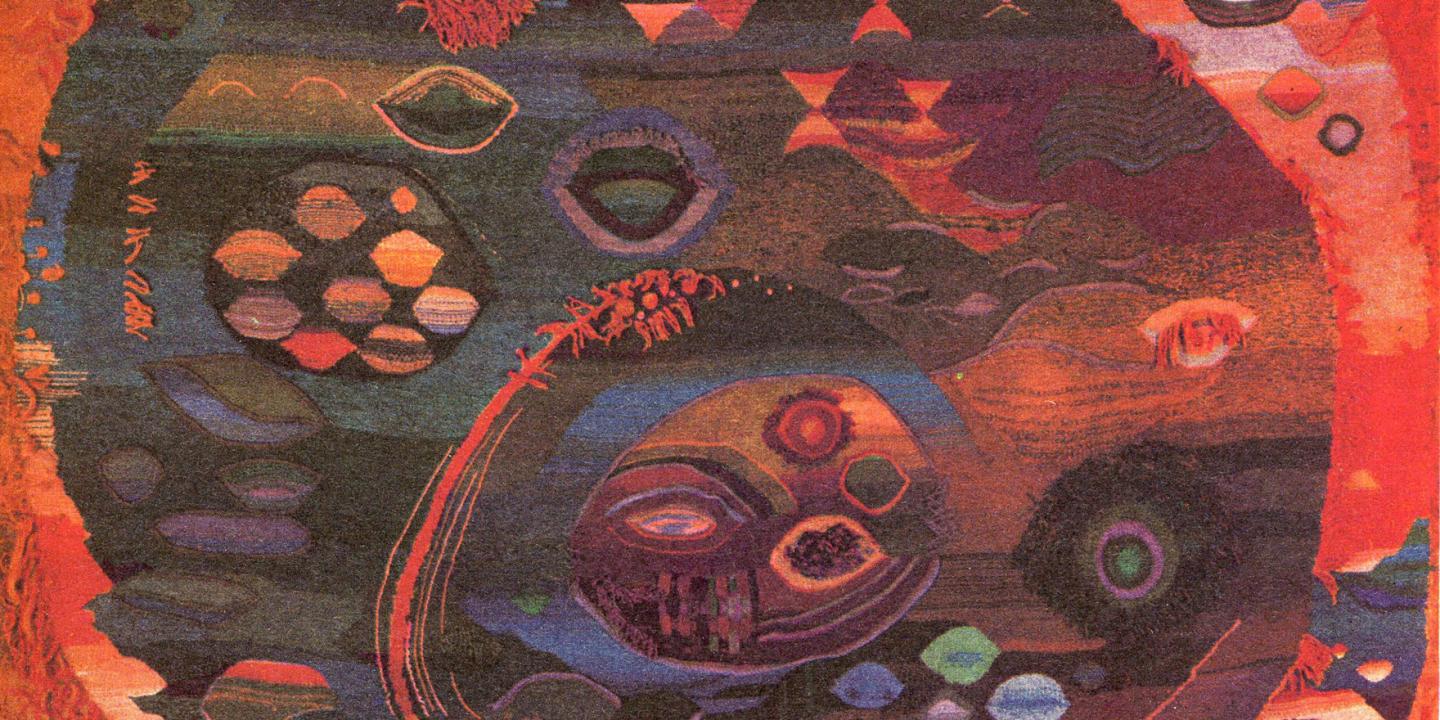
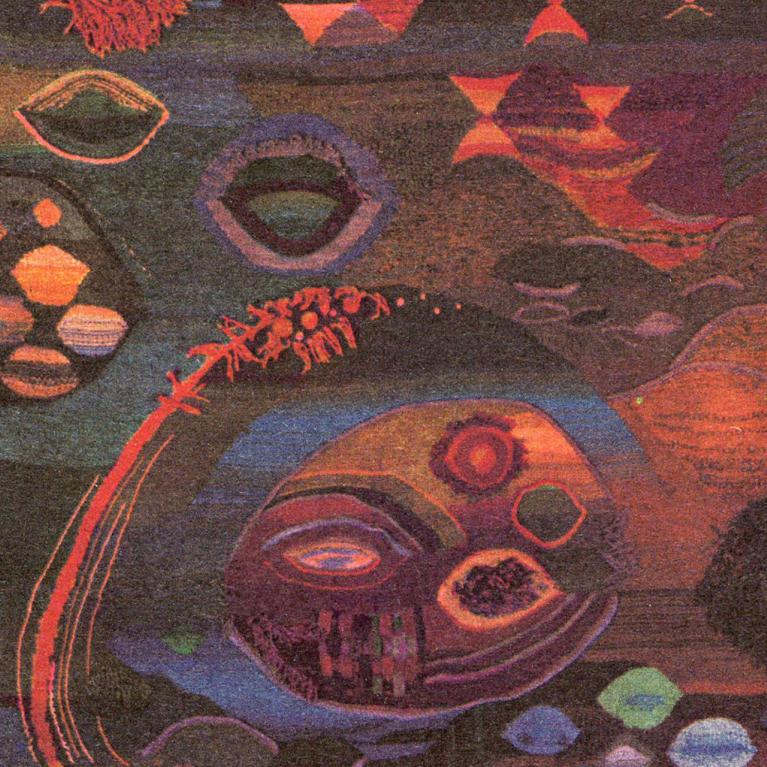
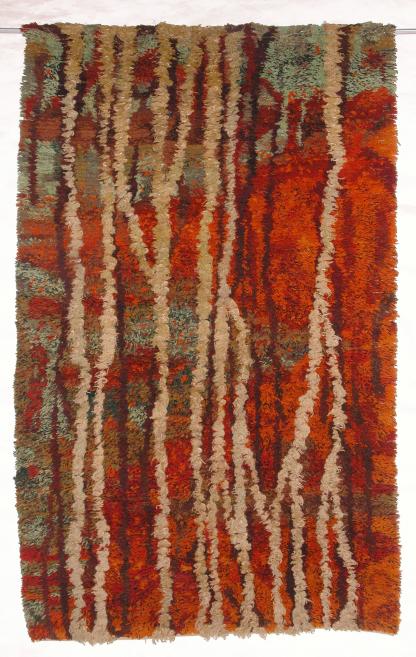
The core of the collection consists of large-scale monumental tapestries and mixed media fibre works from second half of the 20th century. This highly dynamic period of development was catalysed by the founding of the Textile Art Department at the Art Academy of Latvia in 1961 under its visionary founder, Rūdolfs Heimrāts. The department’s inaugural graduates emerged as highly distinctive artistic personalities with singular design philosophies, including Aija Baumane, Rita Eglīte, Aina Muze, Ilma Austriņa, Aina Alksne, Larisa Brauna, Sarma Eglīte, and Edīte Pauls-Vīgnere. Their tapestries reveal an enduring synthesis of regional applied art principles, historic hand weaving traditions, and bold formal experimentation.
A substantial portion of the repository features batiks, silk paintings, and textile works utilizing various block and screen-printing techniques, which flourished between the 1960s and 1980s. These works, such as those by Ērika Iltnere and Georgs Kucins, underscore the fluid boundary between textile design, printmaking, and fine art painting.
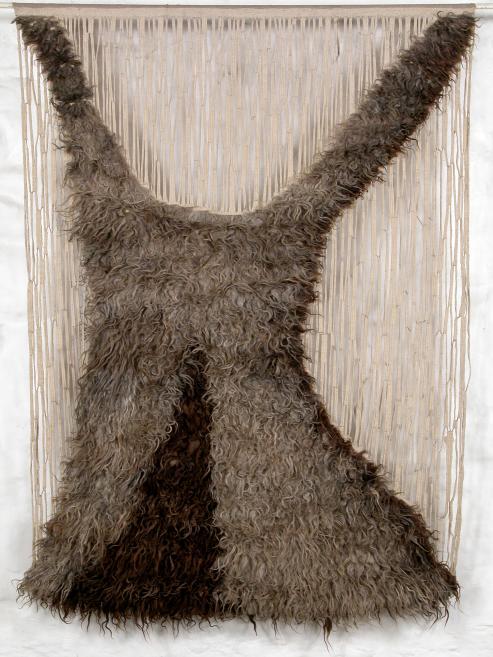
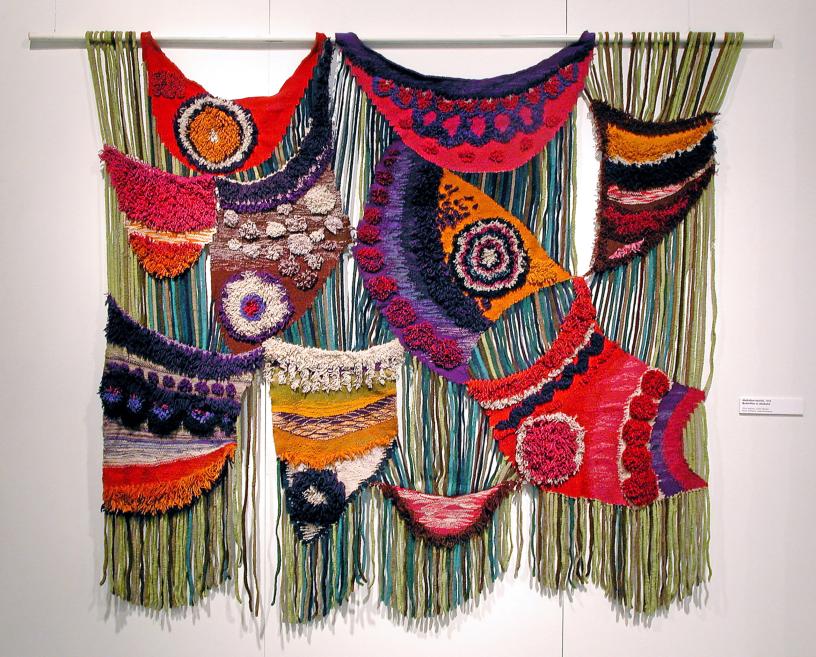
Alongside flat-woven textiles, a pivotal shift occurred during the late 1970s and 1980s with the introduction of three-dimensional, spatial fibre art installations. These pieces marked a break from conventional loom weaving, introducing non-traditional materials and sculptural approaches to fibre. The geopolitical and cultural shifts of the 1990s are mirrored in the output of the informal textile artist group +-48, which included Egīls Rozenbergs, Dzintra Vilks, Inese Jakobi, Lija Rage, Arvīds Priedīte, Pēteris Sidars, Baiba Osīte, Zinta Beimane, and Viesturs Bērziņš.
Contemporary additions to the collection demonstrate a revived interest in varied tactile techniques, including felting, embroidery, textile mosaic, and complex wickerwork structures, alongside the integration of innovative materials and digital jacquard technologies.
In 2001, the museum inaugurated the Riga International Textile and Fiber Art Triennial “Traditional and Contemporary”. This recurring exhibition provides a crucial global platform for creative exchange and theoretical dialogue, reinforcing fibre art as a major, multifaceted artistic medium rooted in ancient heritage yet continuously evolving.