The Design Collection
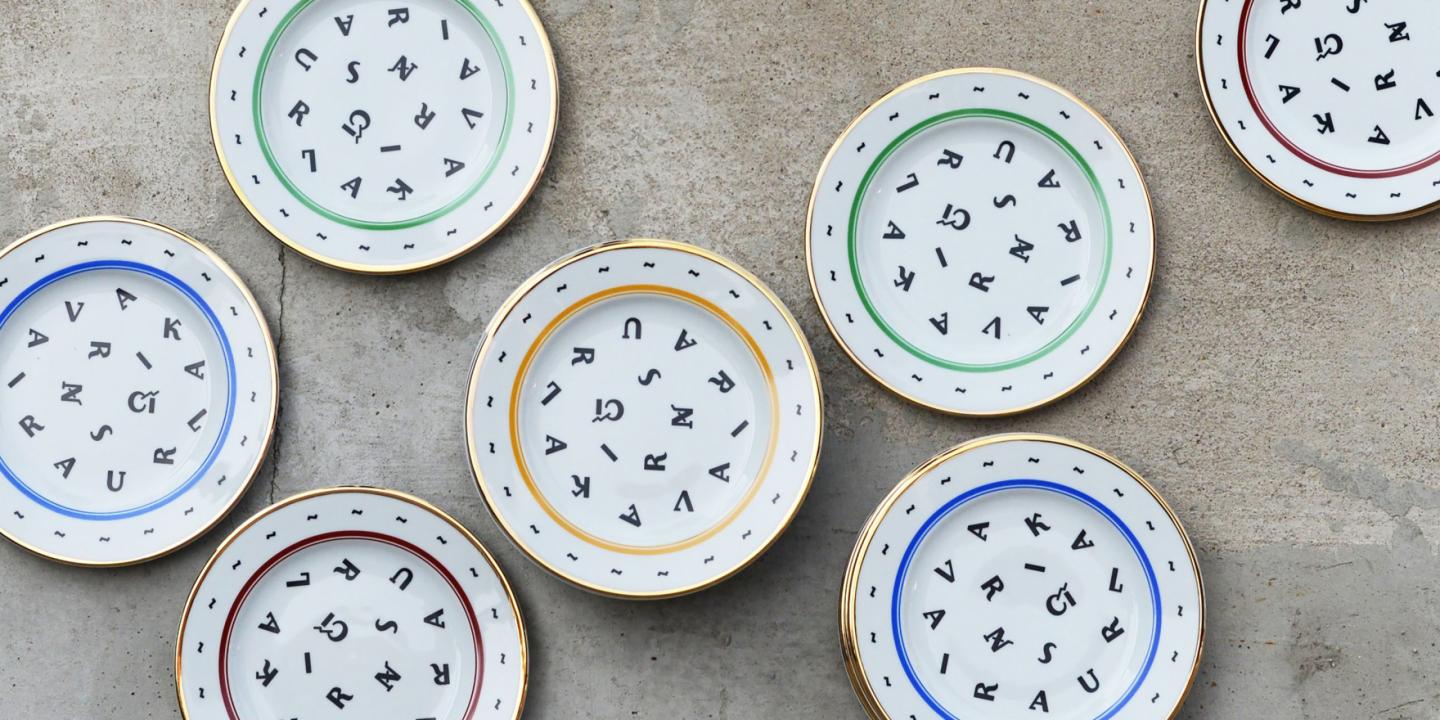
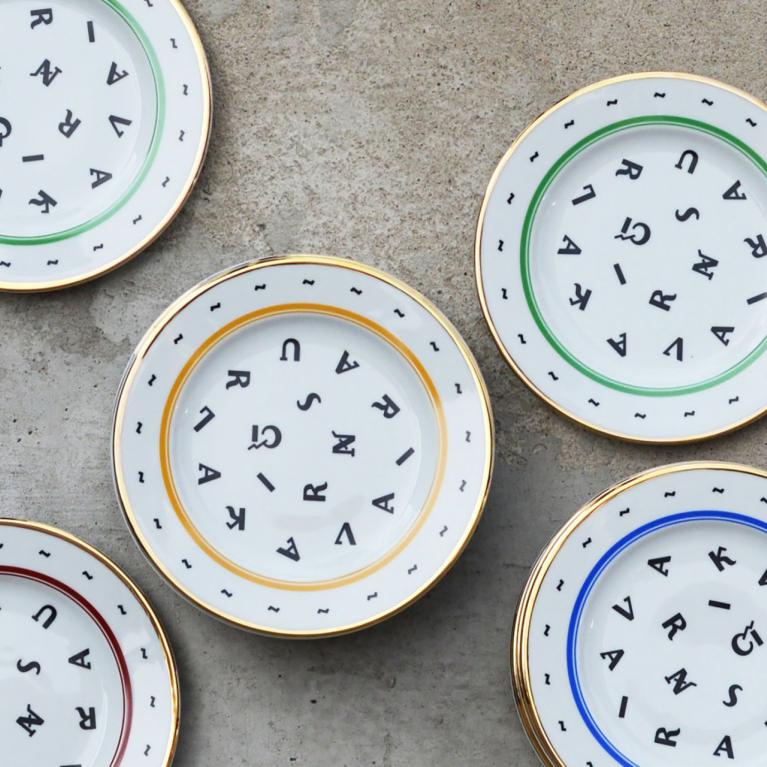
The design collection offers a comprehensive insight into the evolution of Latvian design from the early 20th century to the present day, placing a particular emphasis on design processes from the second half of the 20th century and the 21st century. The development of the collection began in 2005, following the museum’s renaming to the Museum of Decorative Arts and Design, when the identification, preservation, and research of Latvia’s design heritage were formally integrated into the institution’s primary acquisitions criteria. Today, the collection holds more than a thousand objects, representing product, industrial, furniture, textile, fashion, interior, environmental, and graphic design.
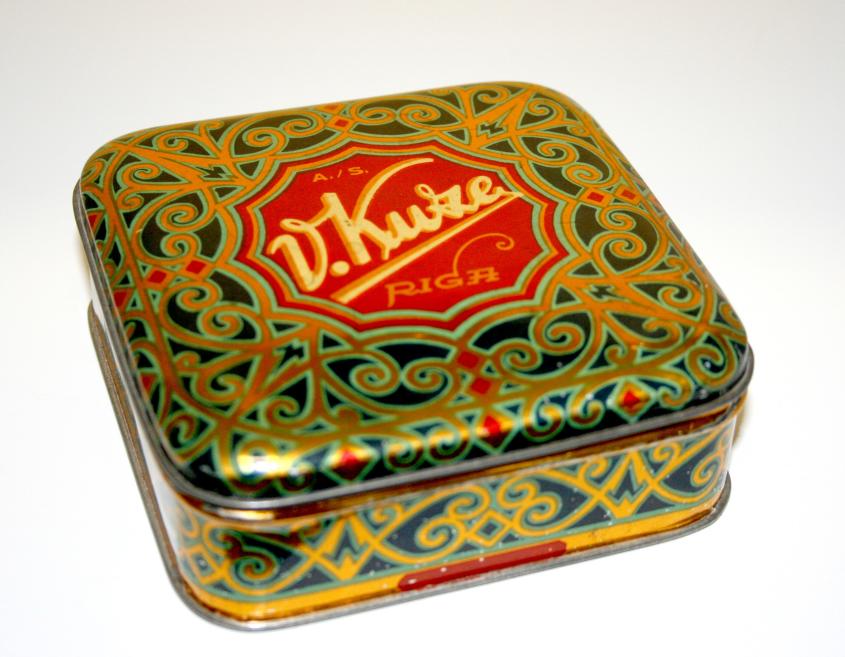
The collection bridges industrial manufacturing samples with unique design objects, alongside project documentation, sketches, and supplementary materials that allow researchers to trace the historical trajectory of Latvian design. It also preserves select foundational artifacts from the first half of the 20th century, such as Sigismunds Vidbergs’ ornamental sketches for necktie designs and textile samples from the manufacturing enterprise Rīgas audums, which illustrate the early roots of graphic and textile design in Latvia.

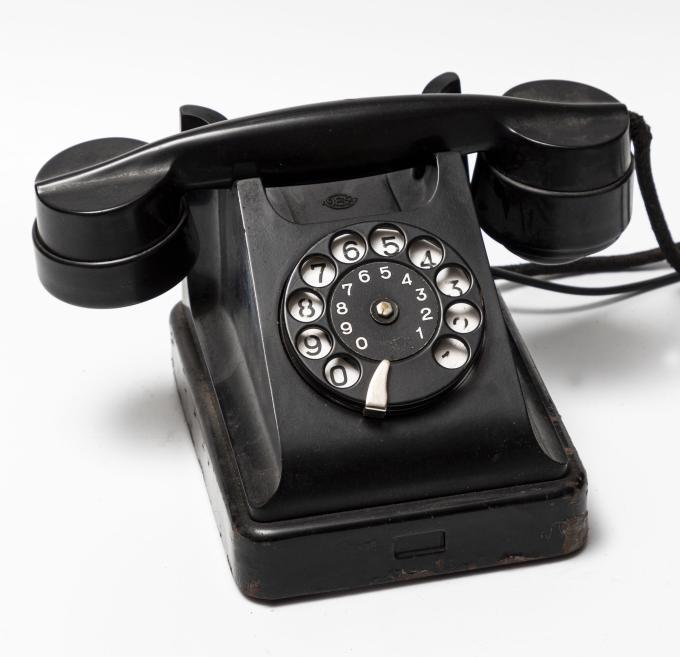
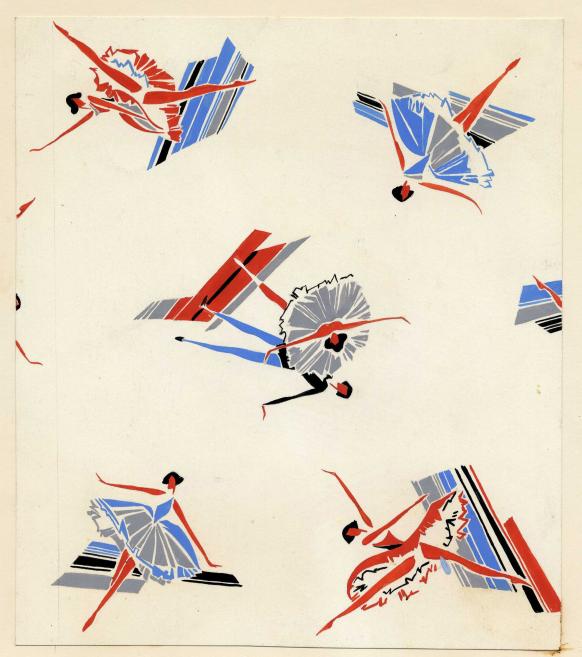
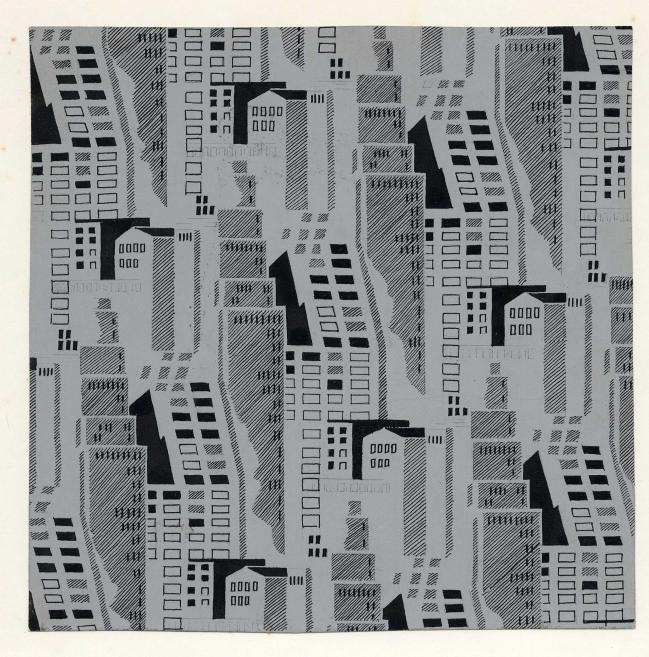
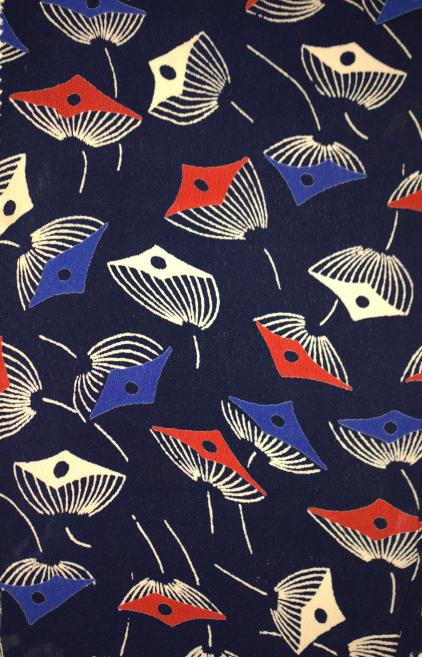

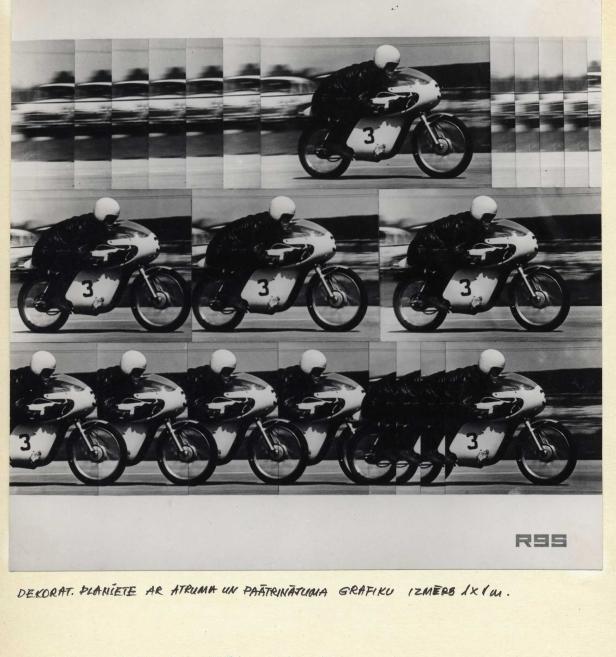
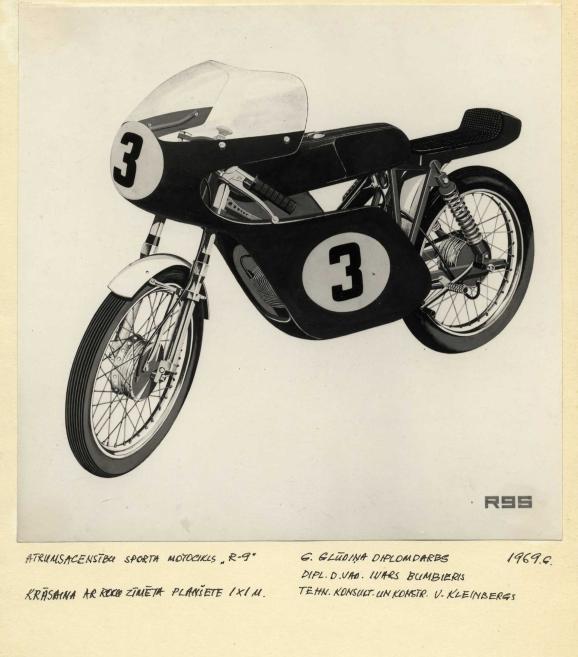
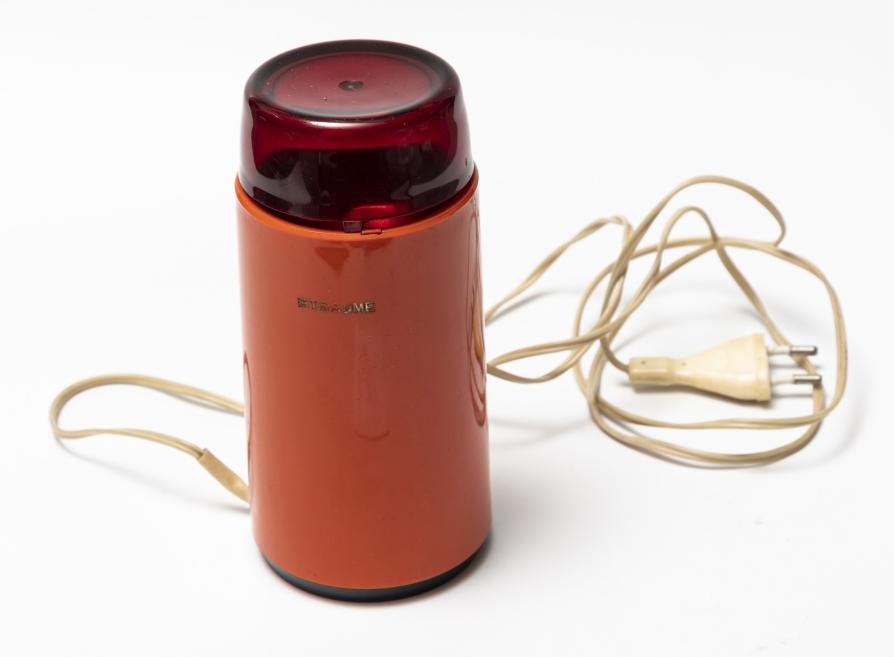
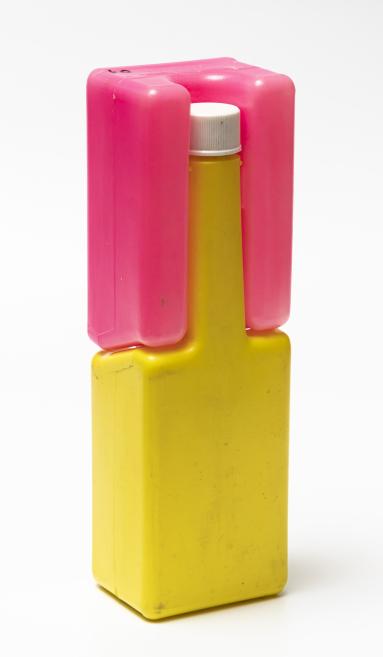
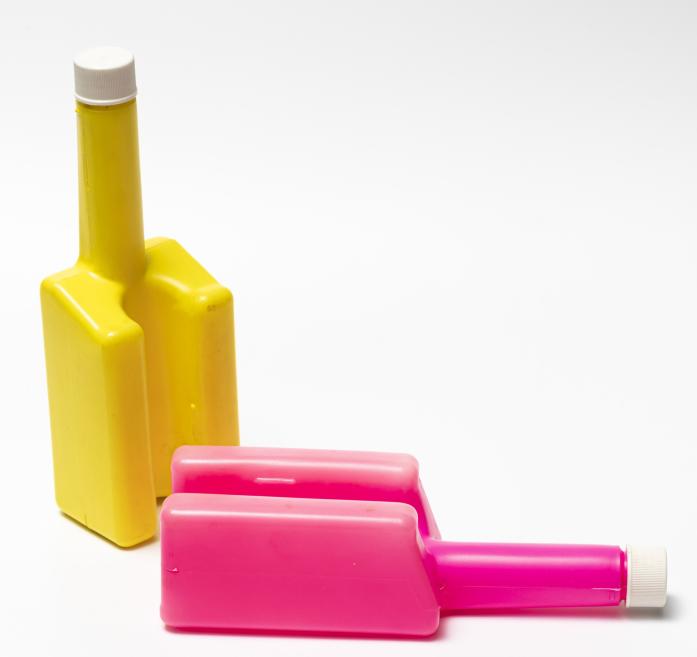
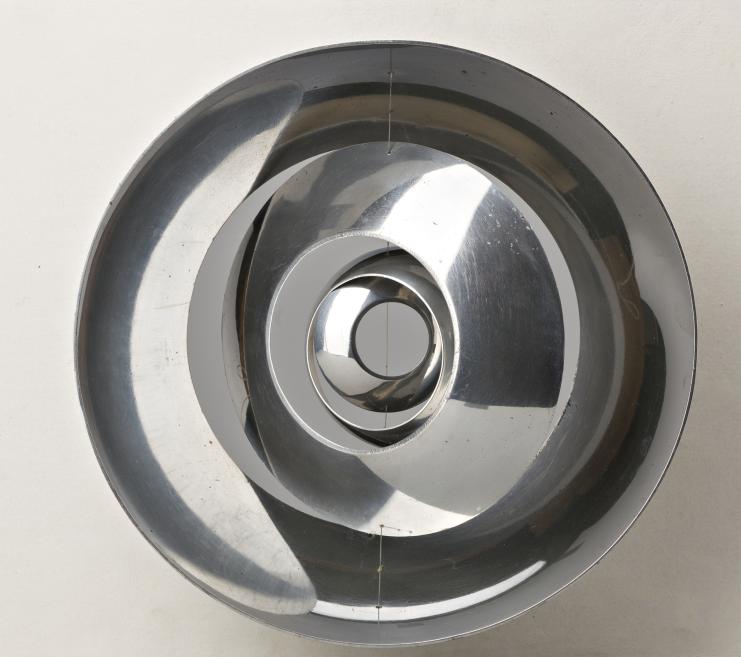
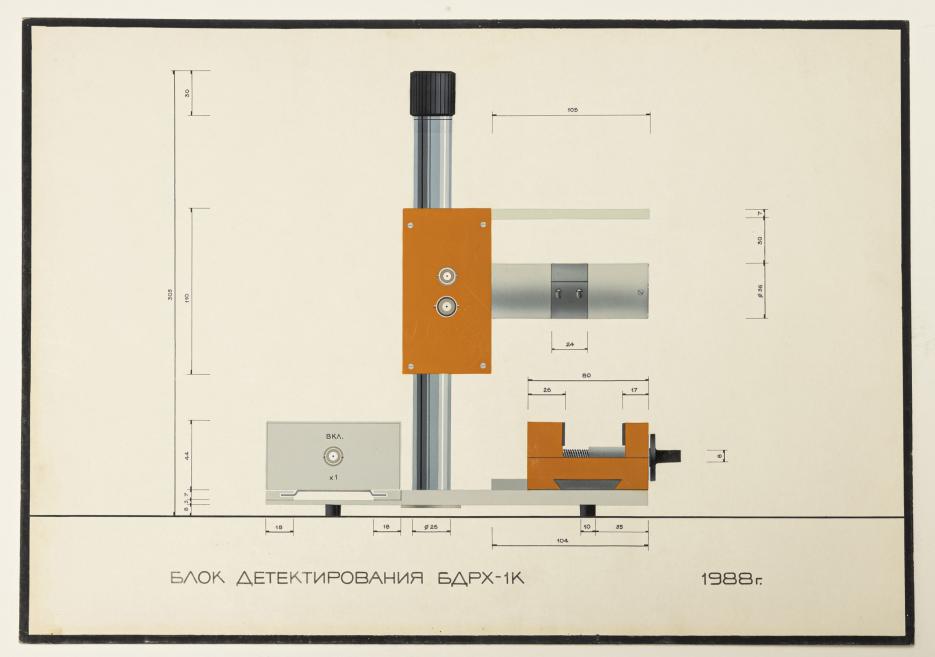
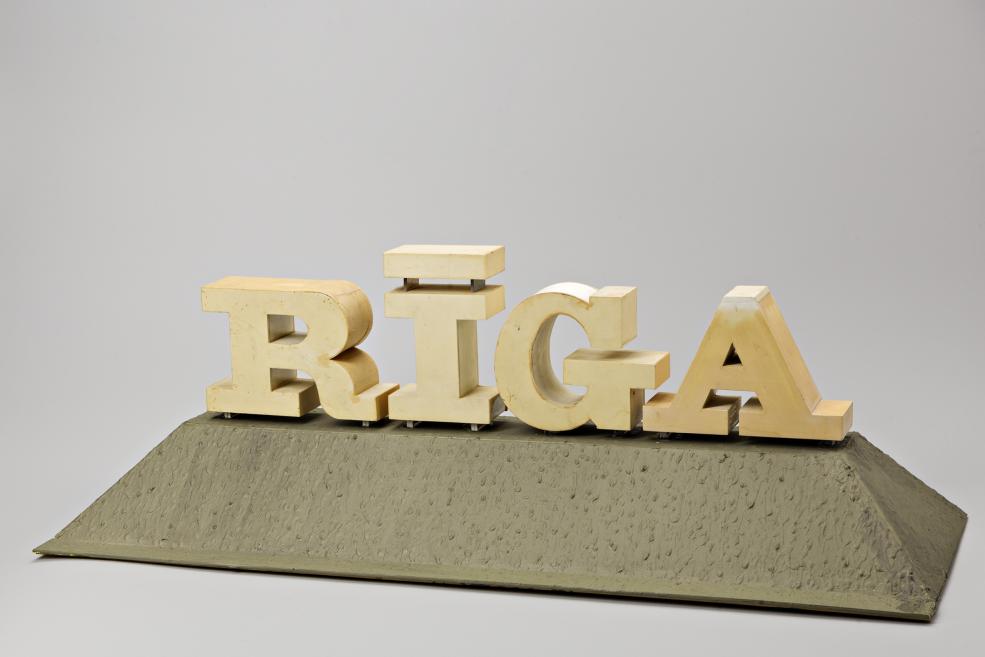
Industrial design processes of the soviet period are illustrated through the work of Gunārs Glūdiņš, Mintauts Lācis, and Juris Mednis. A centerpiece of this era is the modular plastic bottle system designed by Juris Mednis, having received multiple international design accolades, it was formally acquired by the Museum of Modern Art in New York in 1983.
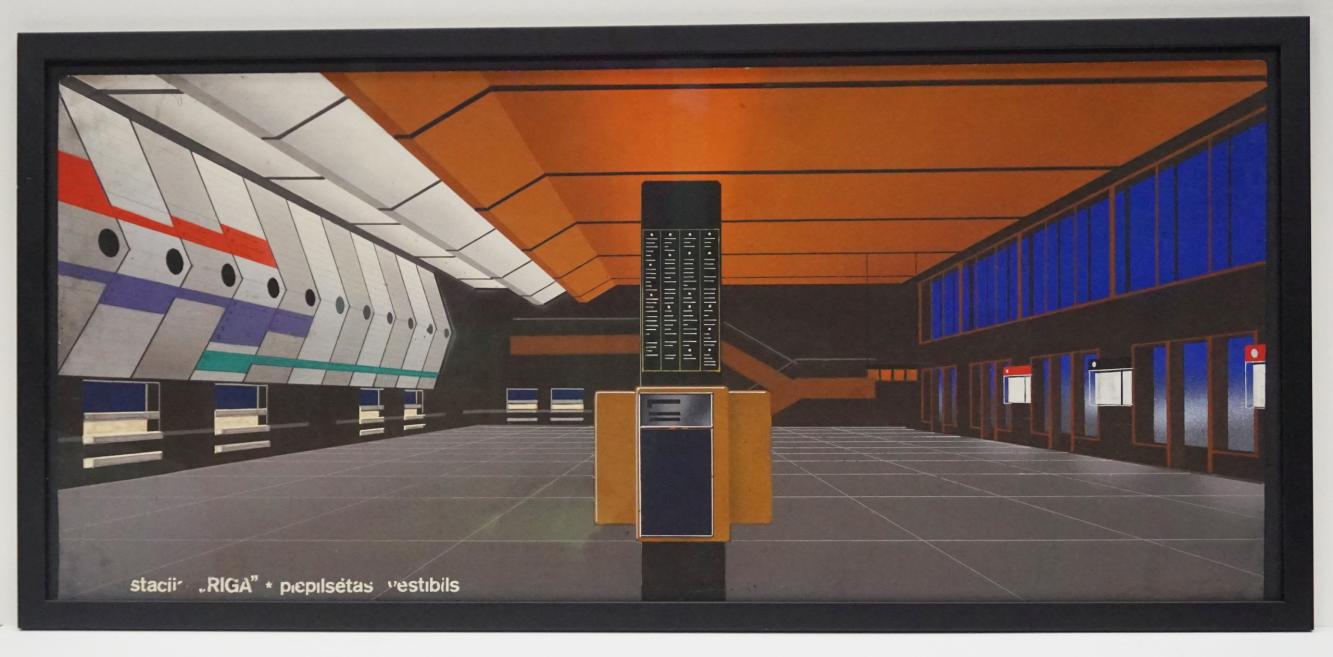
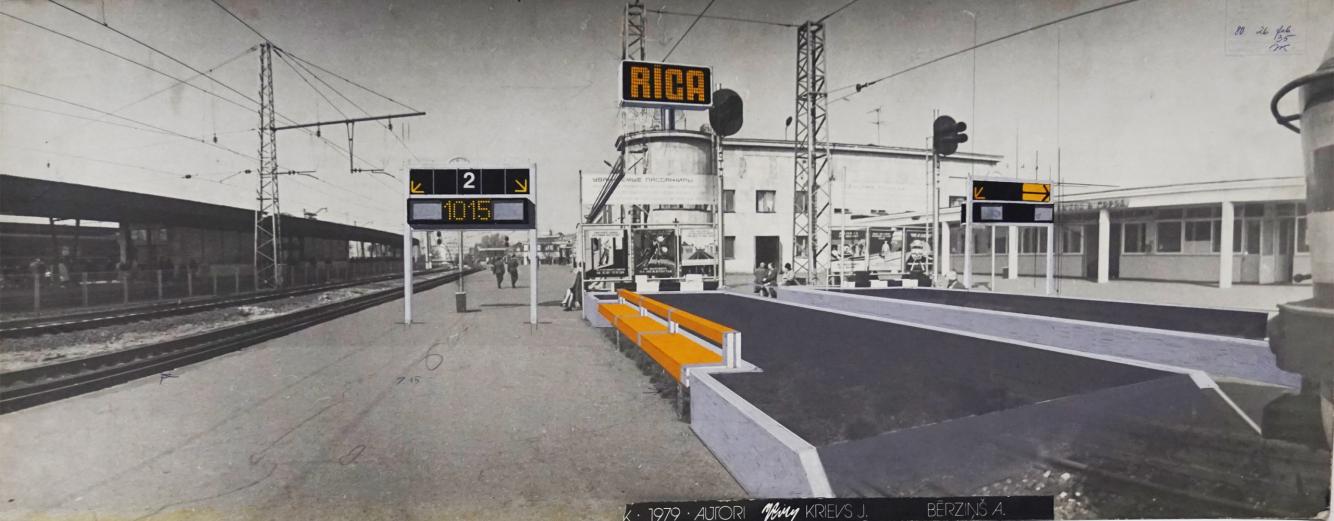
Interior and environmental design occupy a prominent place within the repository, represented by the creative estates of Jānis Krievs, Aivars Bērziņš, and Aina and Auseklis Ozoliņš. It provides key insights into the development of public interiors and environmental installations in Latvia during the 1970s and 1980s.
The evolution of Latvian experimental design is vividly defined by the work of Valdis Celms and Arturs Riņķis. As avantgarde trailblazers of kinetic art and experimental design in the 1970s and 1980s, both creators pushed the structural boundaries of the discipline. Their projects seamlessly integrated motion, light, space, and technology, directly exploring the visceral interaction between humans and their environment. Notably, Valdis Celms is recognized as one of Latvia’s leading design and kinetic art theoreticians, serving as an intellectual catalyst for the discipline.
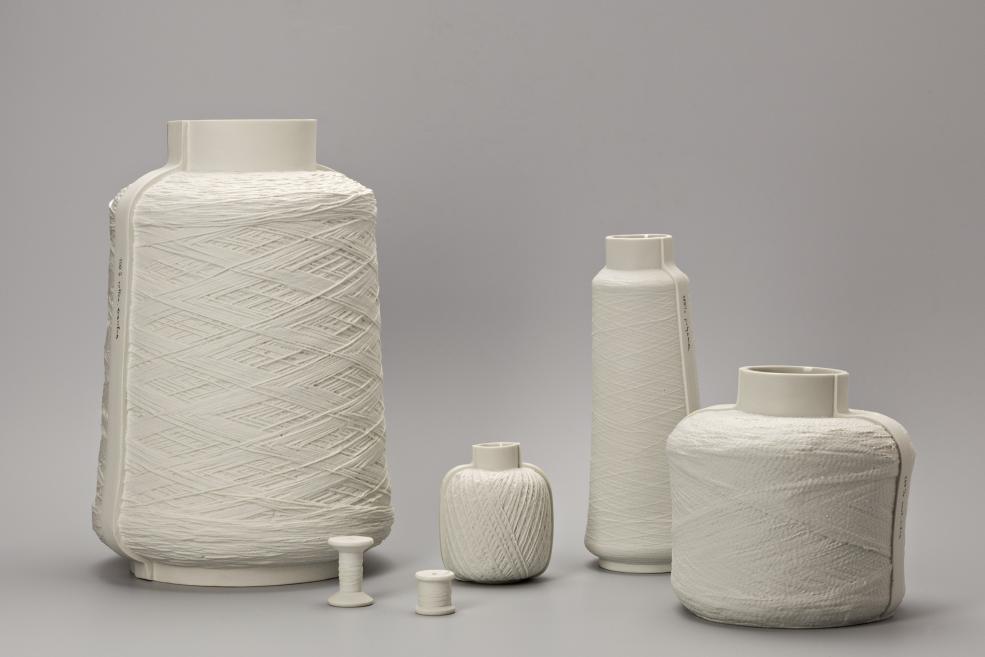
Contemporary Latvian design is represented in the collection by the boundary-pushing works of Jānis Straupe, Artis Nīmanis, Artūrs Analts, and Germans Ermičs. A defining characteristic of their practice is rigorous material research, formal experimentation, and a highly contemporary approach to an object’s utilitarian function.
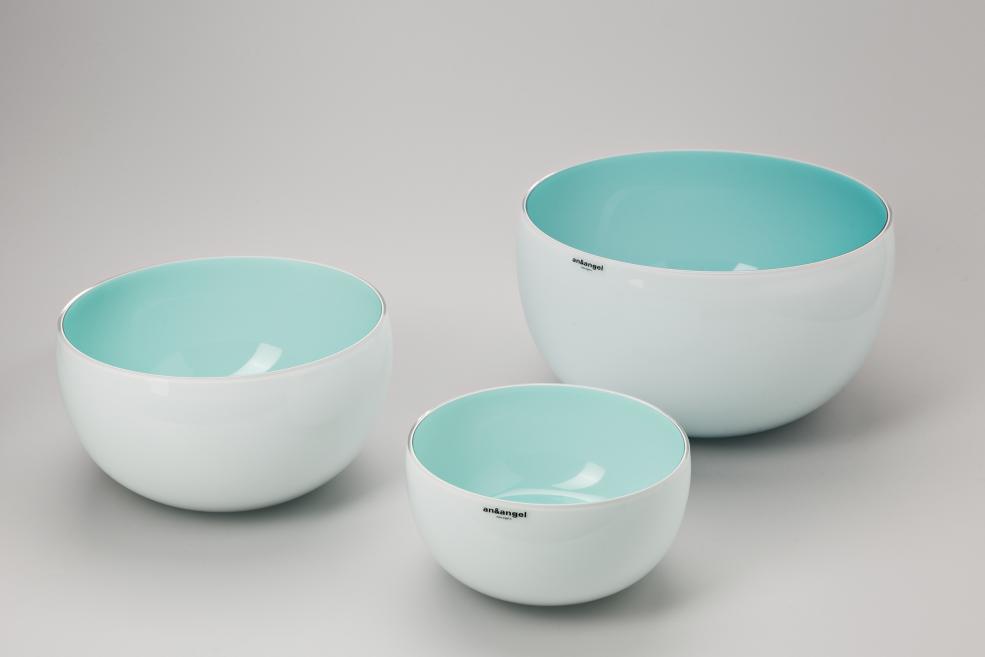
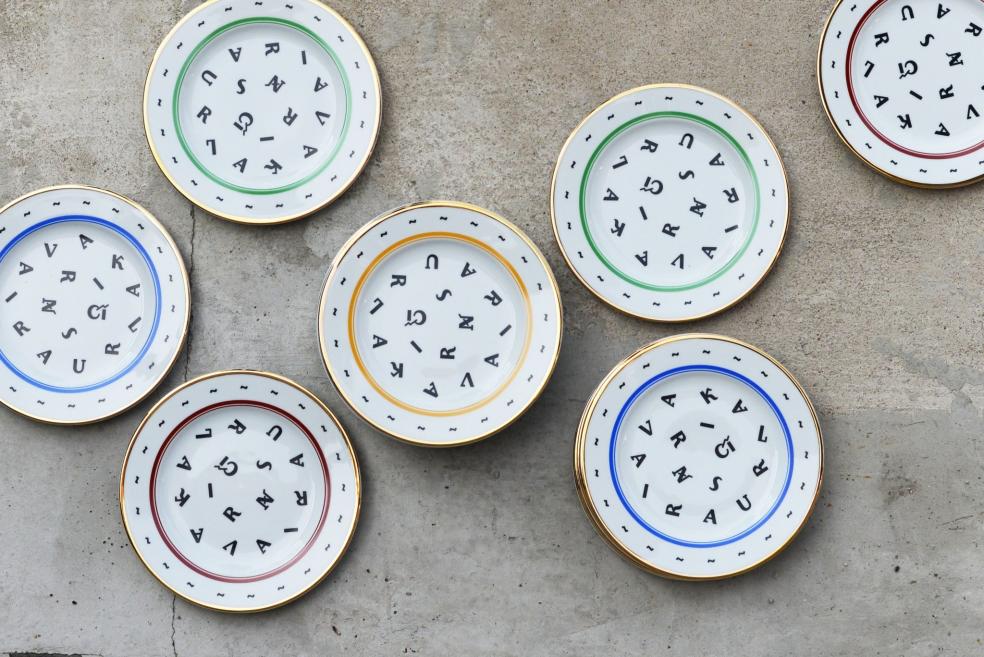
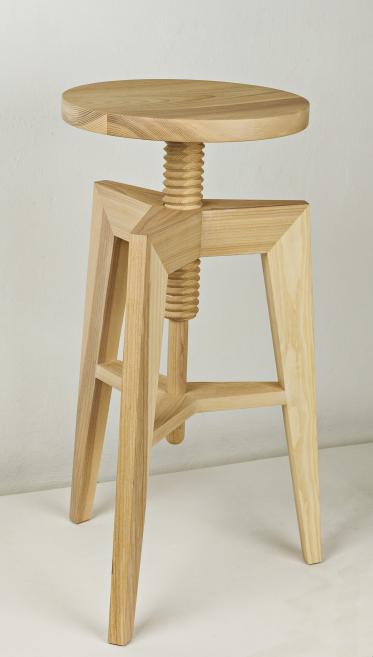
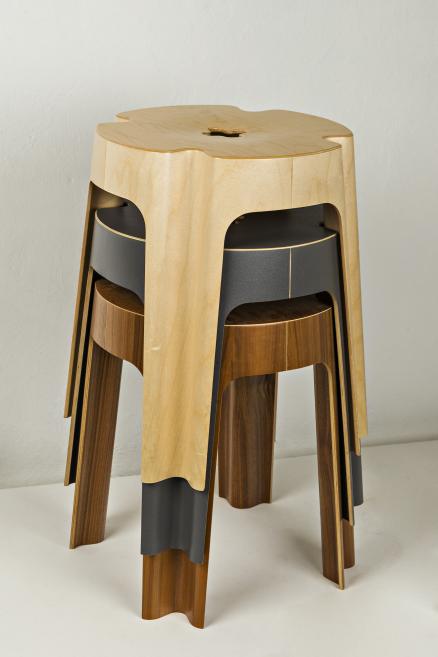
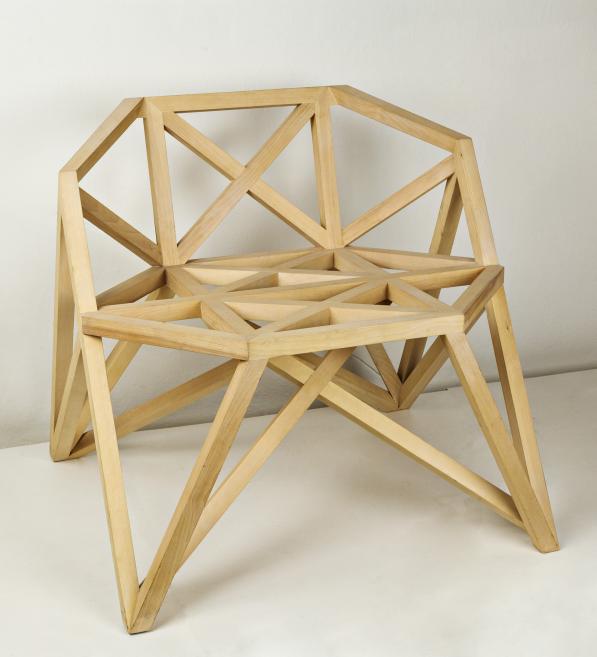
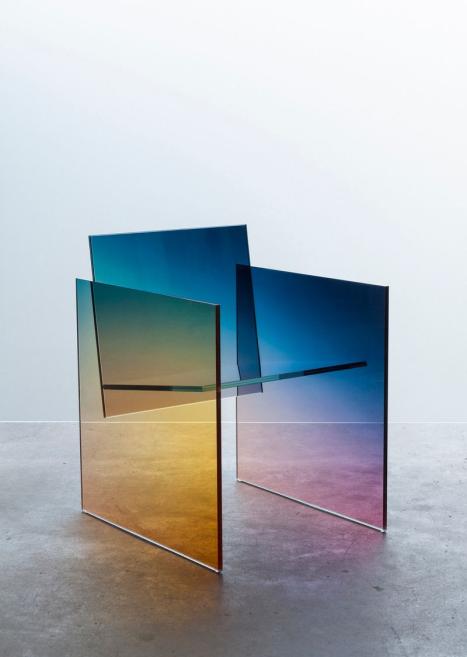
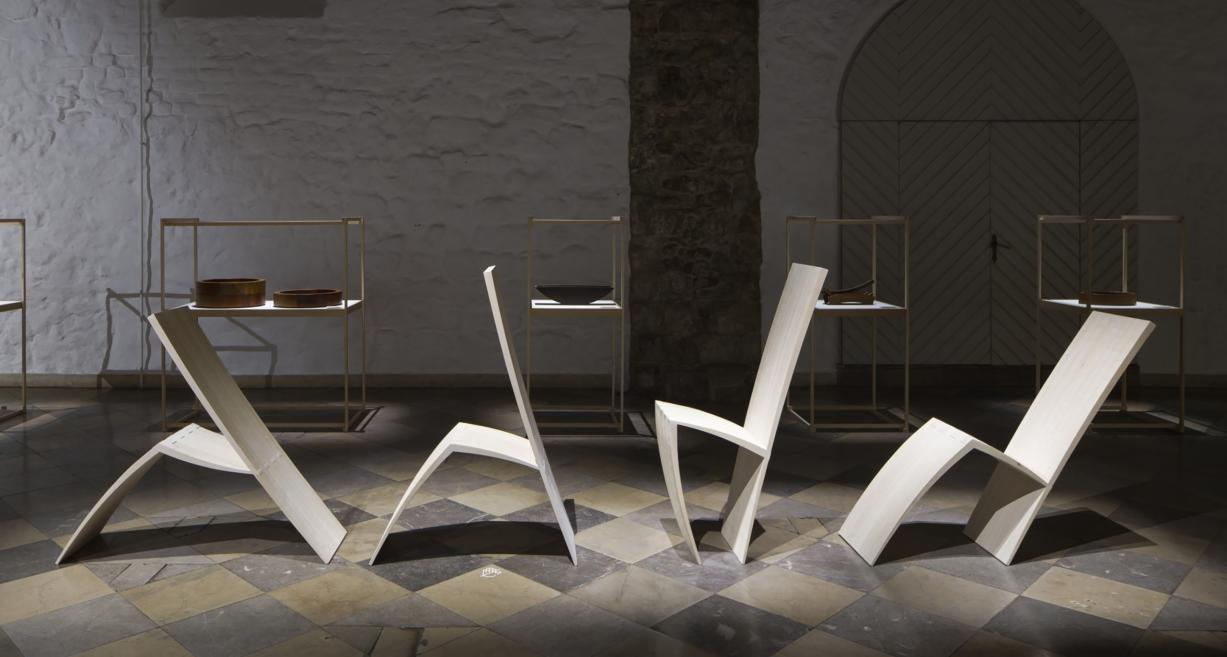
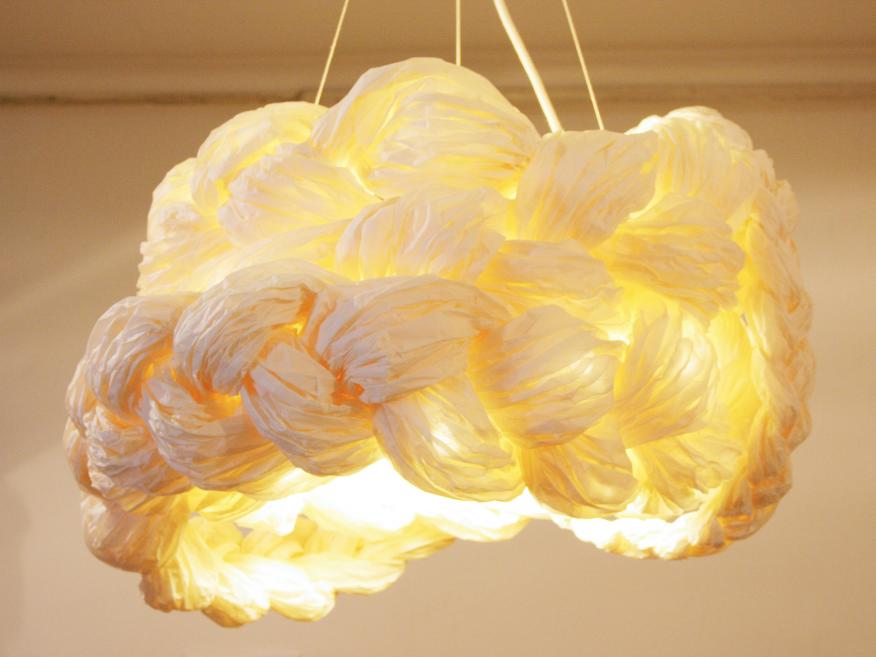
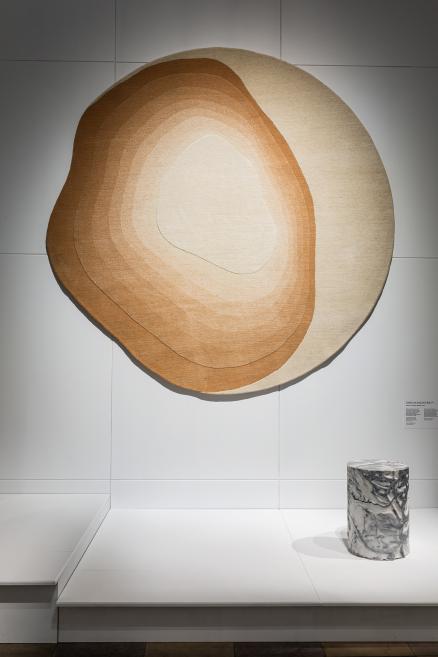
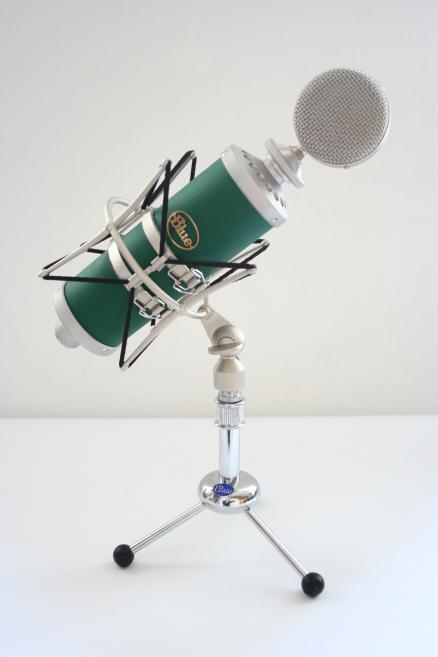
A substantial portion of the collection is dedicated to product and furniture design. Key highlights include the internationally acclaimed BLUE microphones created by Mārtiņš Saulespurēns, recognized as benchmarks of global audio design. As well as works by prominent brands such as Vaidava Ceramics, an&angel, and Mammalampa. The evolution of contemporary furniture design is charted through chairs produced by the manufacturer ARTICUL (formerly the Riga Chair Factory), the brand MINT, and VARIANT STUDIO.
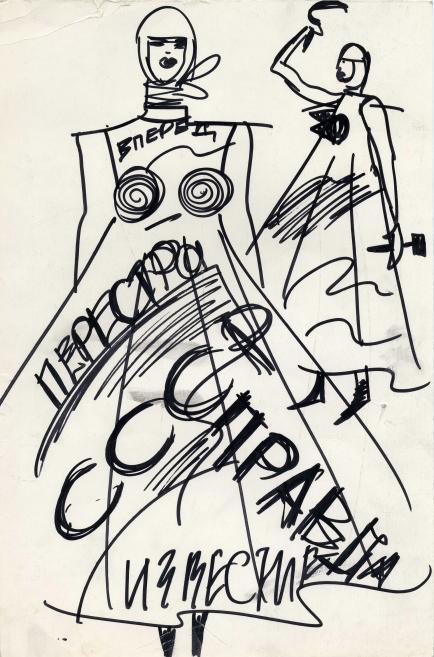
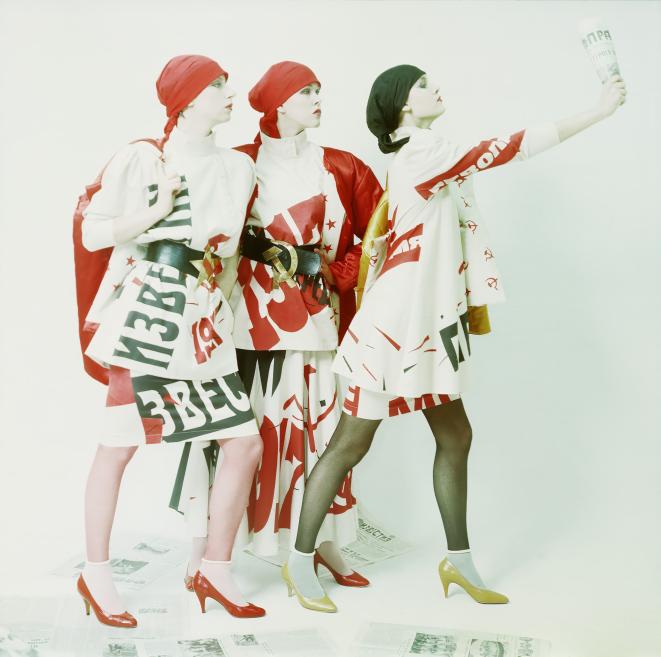
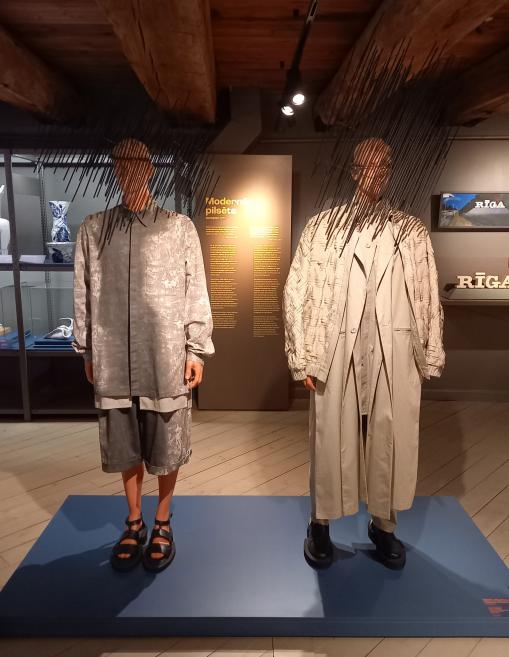
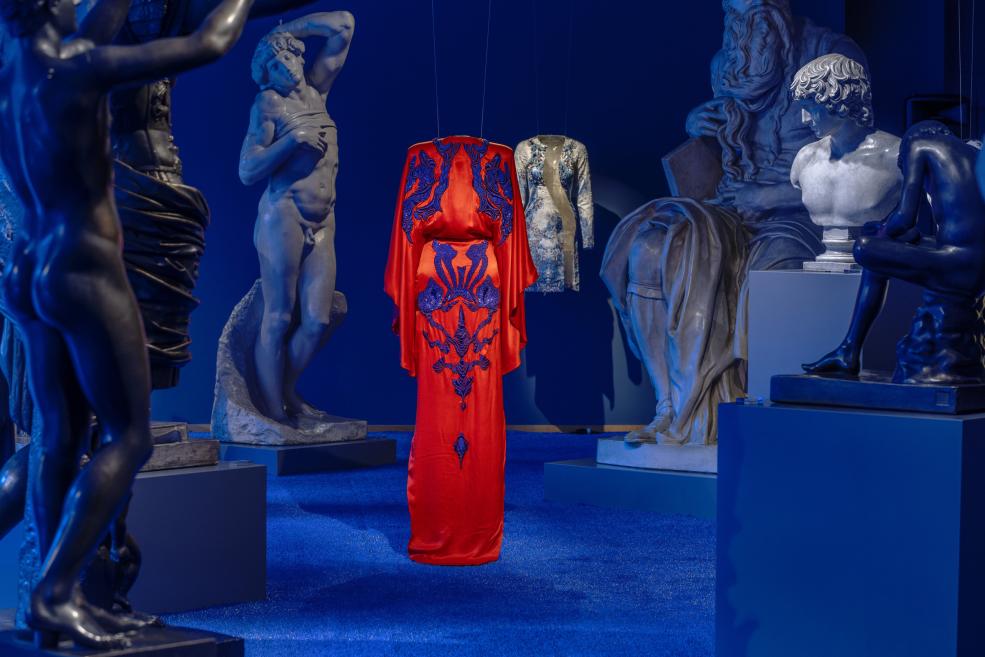
Fashion design occupies a highly specialized position within the acquisition’s framework. Rather than tracking transient commercial trends, objects are selected based on their intersection with fine art, their demonstration of sustainability, and their lasting cultural and historical value. The repository features sketches by Ingrīda Drāzniece, pieces from Aļona Bauskas “Timeless” cycle, and garments from Asnate Smeltere, Bruno Birmanis, Uģis Rūķītis, and Aina Aizsilniece, alongside fashion brands MAREUNROL’S and FJODOR GOLAN.
The design collection serves as the cornerstone of the museum’s third floor permanent display, titled Design Process. The display introduces visitors to the evolution of Latvian design from the 1960s to the modern era, framing design not merely as an aesthetic practice, but as a crucial cultural, technological, and sociological process.