Latvian National Museum of Art
1 Jaņa Rozentāla laukums, Riga, LV-1010, Latvia
25.07.2026. - 01.11.2026.
Latvian National Museum of Art
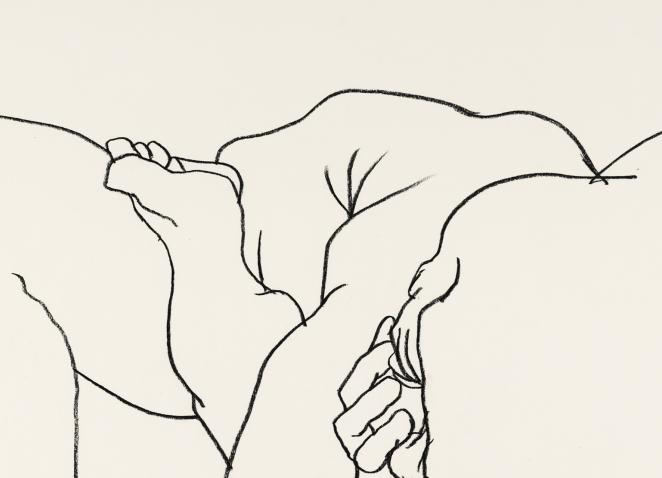
Florence and Daniel Guerlain’s Donation and Gifts to Centre Pompidou







 Latvian National Museum of Art
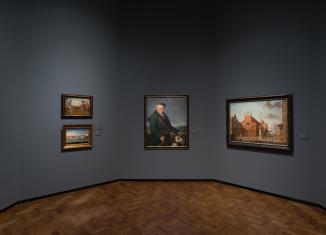
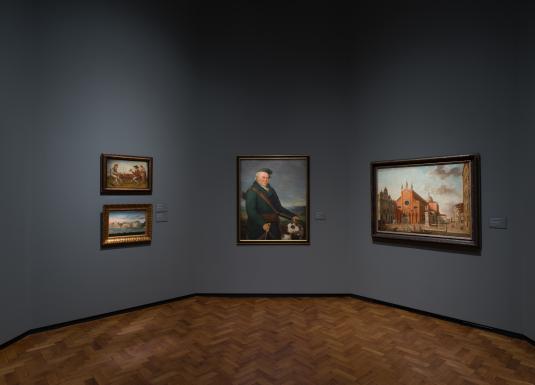
Latvian Art 1780–1915
The permanent exhibition in the main building of the Latvian National Museum of Art shows the richness of the museum's collection, the history of its formation as well as the most outstanding achievements of national art from the end of the 18th century to the end of the 20th century.
 Latvian National Museum of Art
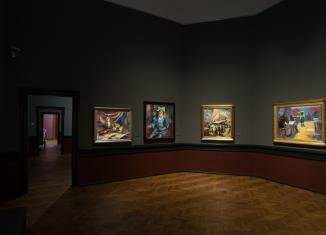
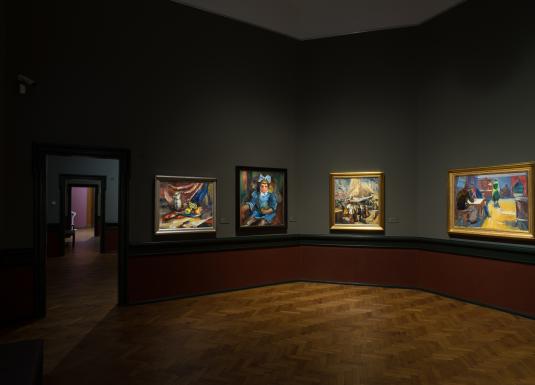
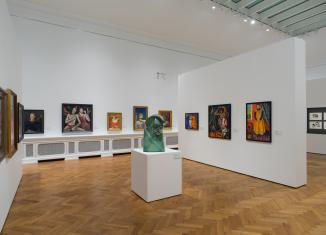
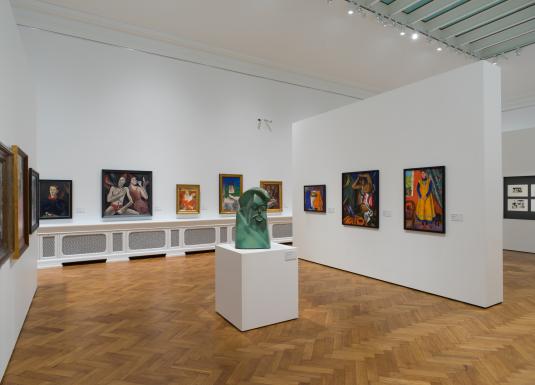
Latvian Art 1915–1940
World War I brought difficult challenges for the Latvian people, which inspired a strong wave of national self-consciousness in artists. Jāzeps Grosvalds was the first to take up the pressing subject of refugees and riflemen in painting. Jēkabs Kazaks, who was significantly influenced by contemporary French painting, also turned to depiction of the dramatic historical events.
 Latvian National Museum of Art
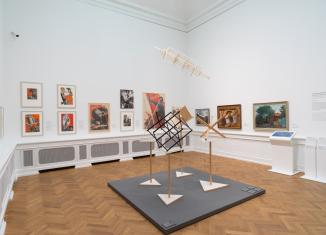
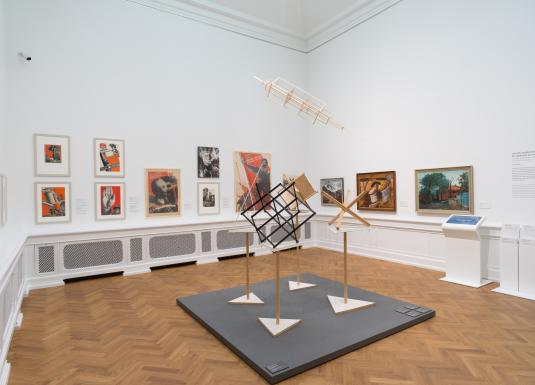
Latvian Modernists in Russia in the 1920s and 30s
During World War I, many Latvian artists ended up in Russia, but most returned to Latvia following the Bolshevik Revolution of 1917. Latvian artists – Gustavs Klucis, Kārlis Johansons and Aleksandrs Drēviņš – chose to stay in Soviet Russia and to take part in the formation of Russian avant-garde art.
 Latvian National Museum of Art
Guided Tour in the Museum
The Latvian National Museum of Art invites you to make the visit to the museum even more educational together with the museum's specialists, who will provide an in-depth introduction to the displayed works and their authors, current exhibitions as well as various aspects of the history, conservation and reconstruction of the museum's building. Thematic accents and format of the guided tour can be adapted to the needs and interests of different audiences.
Online
Latvian National Museum of Art
Audio tour:
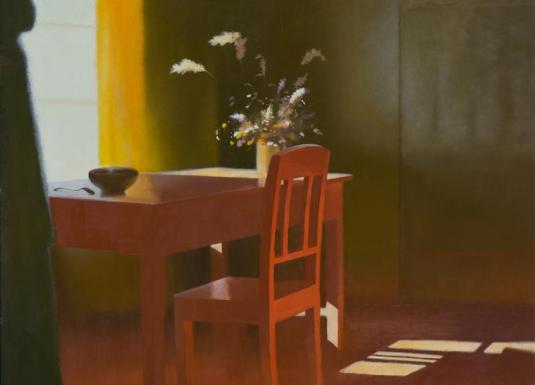
Līga Purmale. The Garden of Past Pleasures
To make the experience of the exhibition more accessible, the Latvian National Museum of Art has produced an audio guide and detailed audio descriptions for several paintings.
Online
Latvian National Museum of Art
Google Arts & Culture:
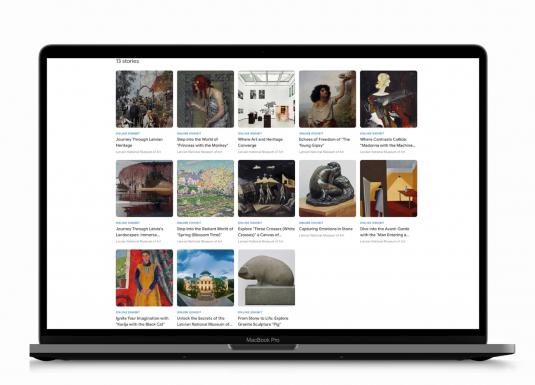
Collections and art stories
Get to know the brightest works of art of the Latvian National Museum of Art and their stories, learning about their details, history and importance in the art world.
Online
Latvian National Museum of Art
Video series:
Art Restoration in the Museum
Art restoration is considered as one of the most important fields in the life of an art museum and this project introduces the main questions and ethical issues of art restoration.
 Latvian National Museum of Art
Mobile Application
Latvian National Museum of Art offers the easiest way to explore classic highlights, and discover fresh perspectives on the permanent collection and discover the museum's unique architecture of the building.
Grade 1–12
Latvian National Museum of Art
Guided Tour in the Exhibition:
Discover the Art Museum!
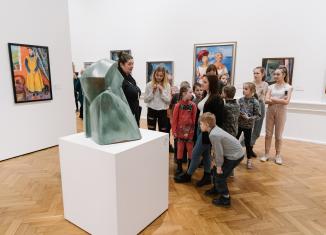
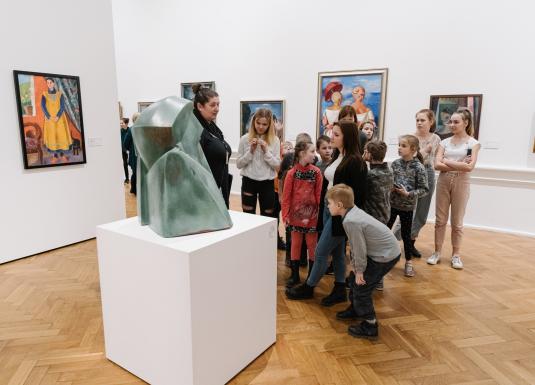
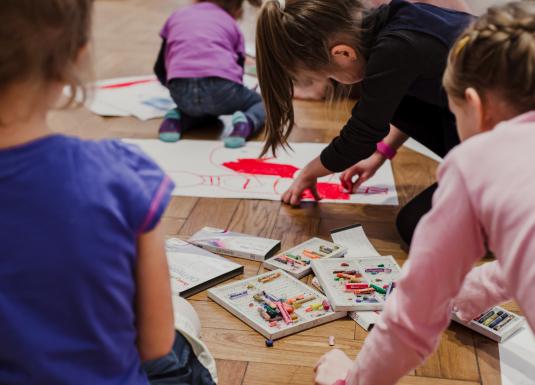
The museum and its exhibition is an exciting world full of noteworthy events and individuals! In this activity, school students will learn about different historical artistic processes in Latvia and the most important masterpieces, highlighting each period's most significant, most outstanding phenomena and artists as well as their innovations.
Grade 1–12
Latvian National Museum of Art
Activity for School Students:
Learn the Language of Art!
The museum's exhibition of classical art (19th century – mid-20th century) presents a variety of themes and diversity of artistic language which has changed over the course of time. Nevertheless, several basic categories have remained. This activity in the permanent exhibition will foster a better understanding of the basic principles that underpin the work of our old masters as well as modernists.
Grade 8–12
Latvian National Museum of Art
Idea Generator:
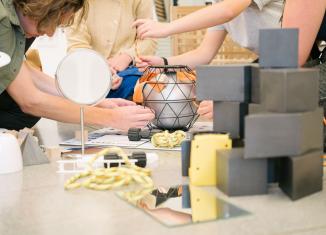
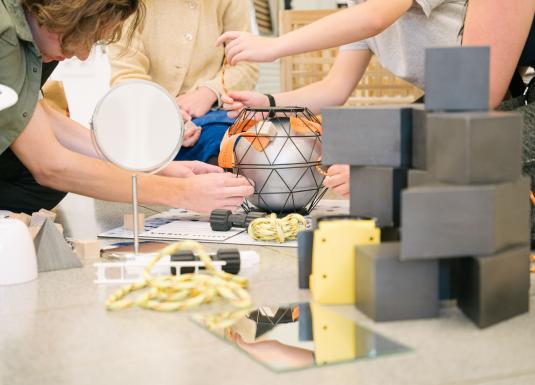
How Are Installations Made?
Idea generator How Are Installations Made? is an interactive activity for school students aimed at introducing them to the contemporary art form of installation and the process of its making as well as nurturing young people's skills in discussing art.