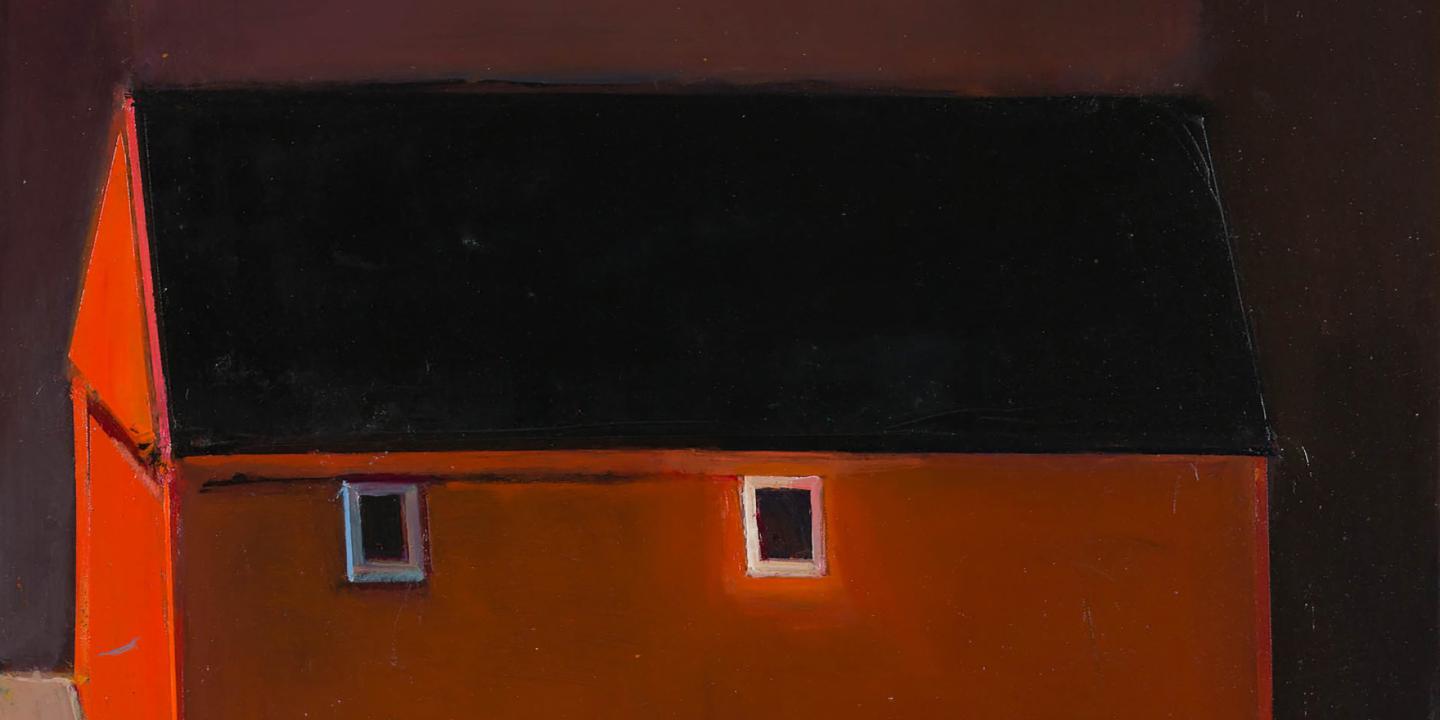
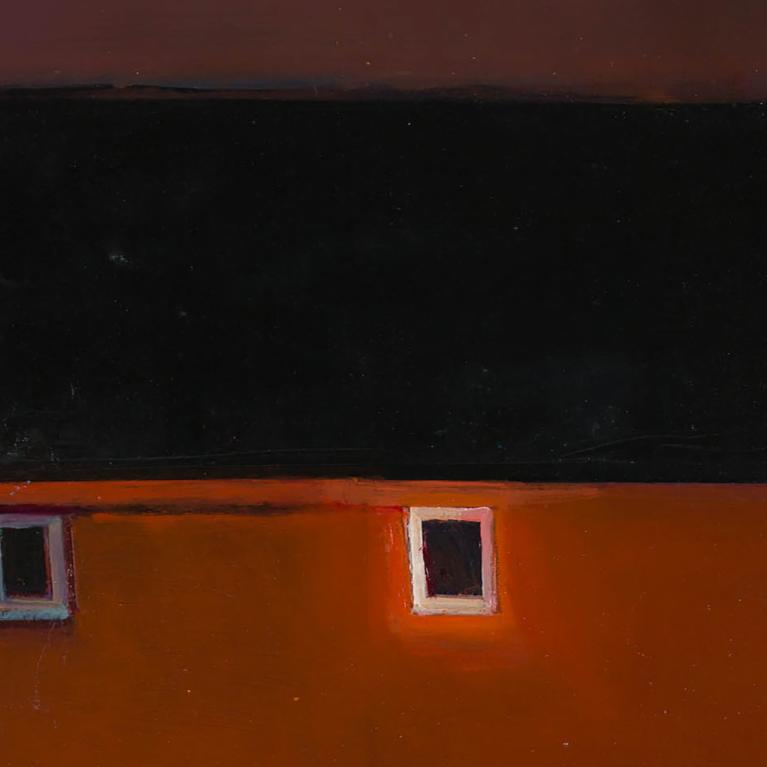
Raimonds Staprāns. The Architecture of Silence
Marking the centenary of the outstanding Latvian émigré artist, playwright and painter Raimonds Staprāns, the Latvian National Museum of Art (Jaņa Rozentāla laukums 1, Riga) presents the exhibition Raimonds Staprāns. The Architecture of Silence from 14 August 2026 to 17 January 2027 in the museum’s 4th-floor galleries.

The centenary exhibition of Raimonds Staprāns (1926–2026) aims to introduce works never seen before in Latvia while providing a focused yet comprehensive overview of the artist’s career – from his earliest paintings of the 1950s to the last ones created in the 21st century. In the spring of 2025, the exhibition curator, Dr. art. Elita Ansone, had the opportunity to select paintings for the exhibition at the Latvian National Museum of Art directly from the artist’s studio in San Francisco. The resulting selection reveals the evolution of Staprāns’ distinctive painterly language over the course of seven decades.
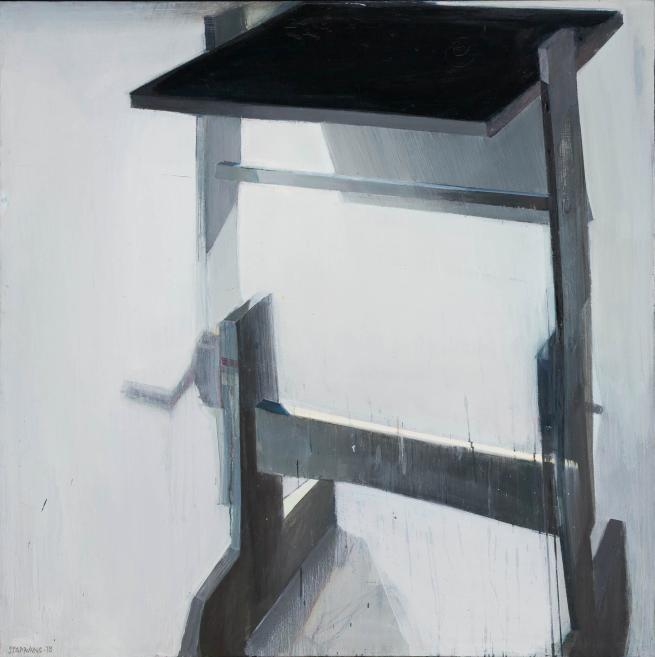
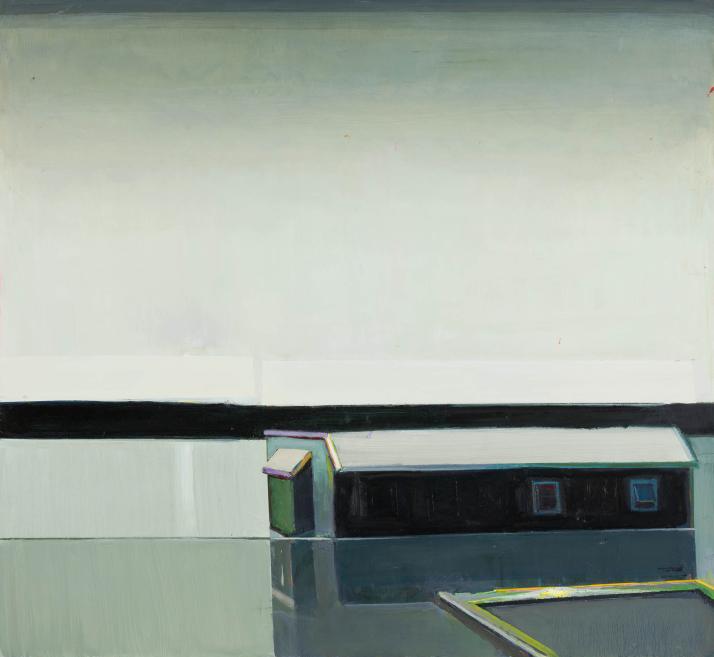
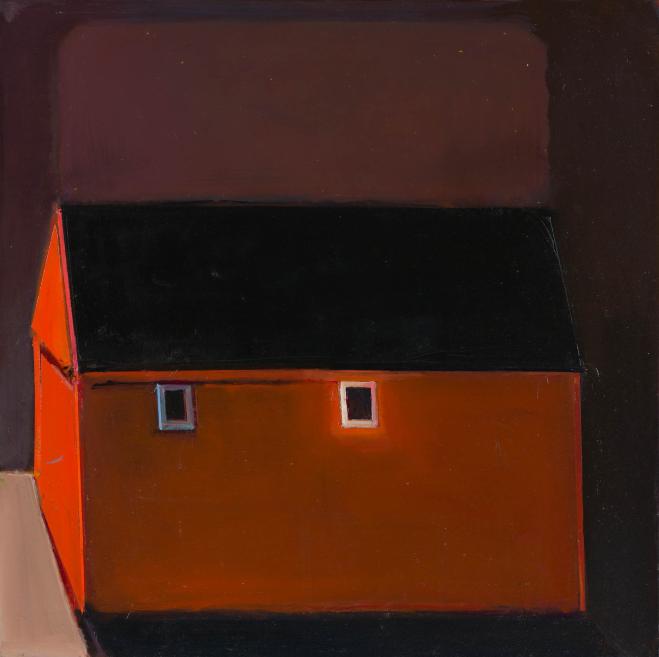
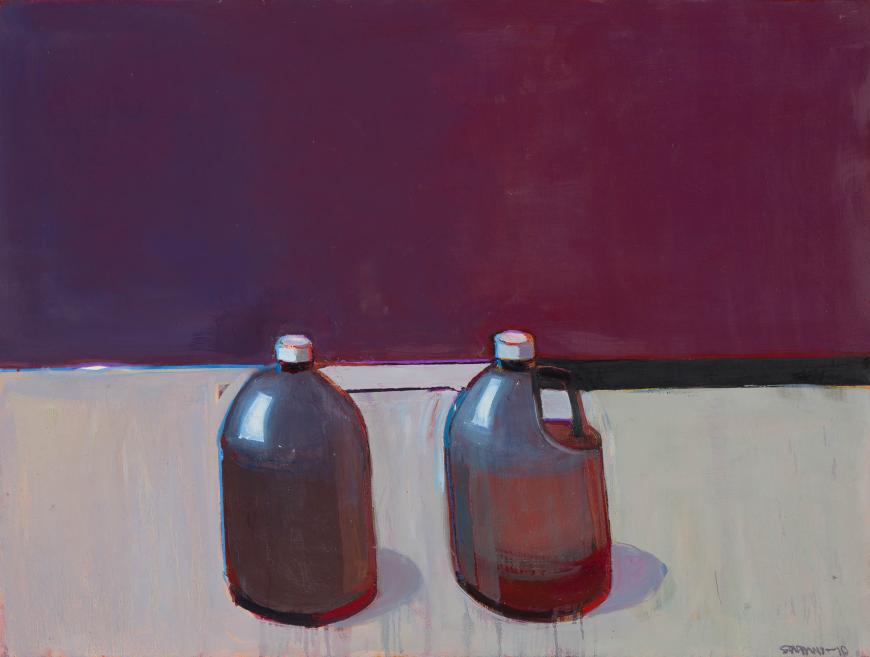
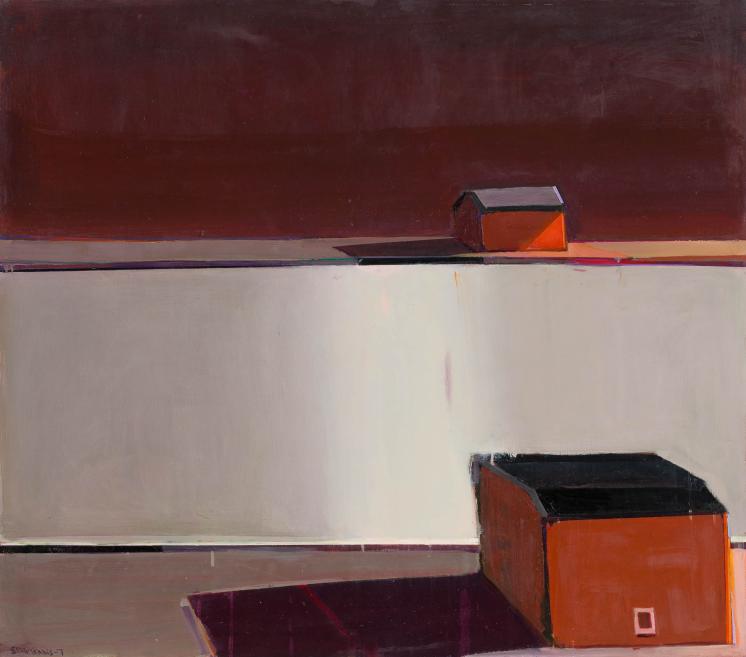
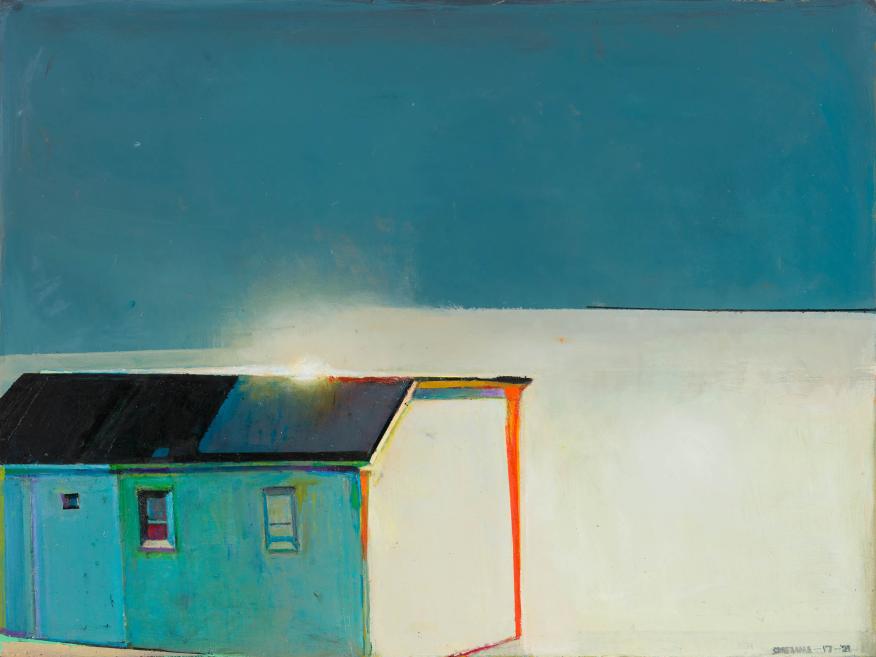
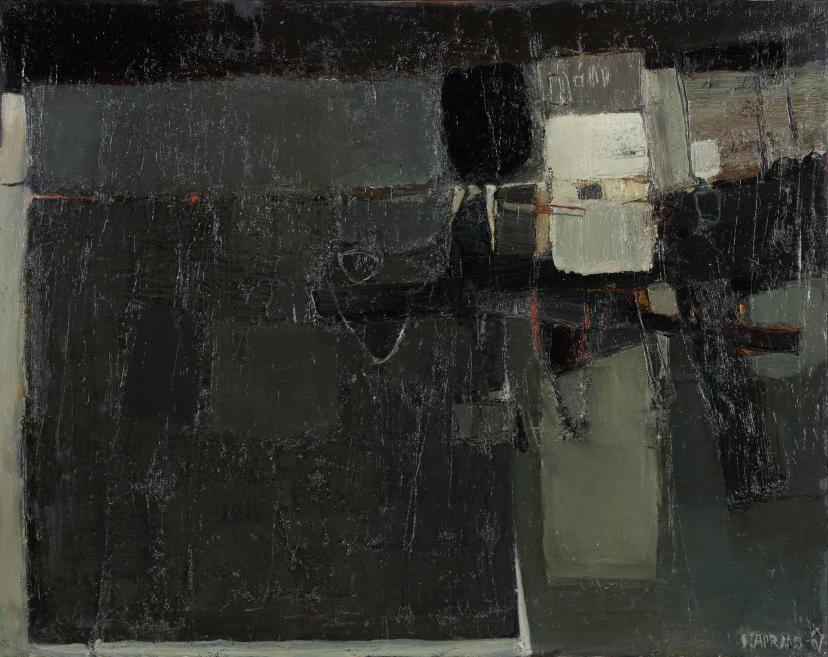
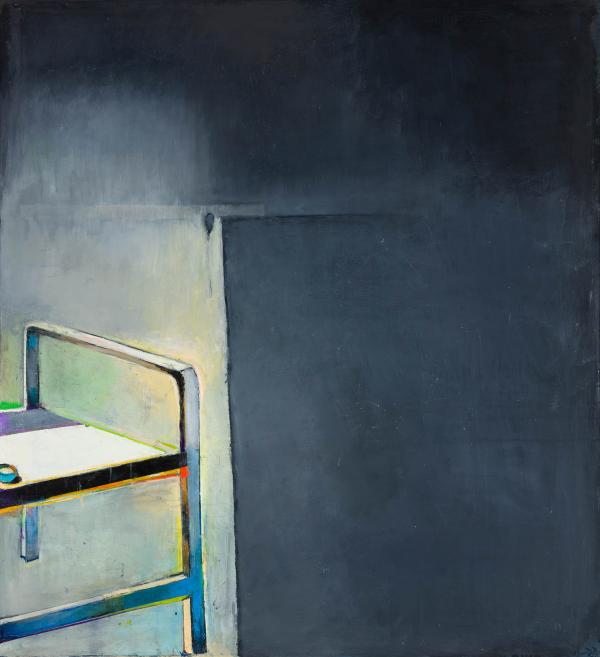
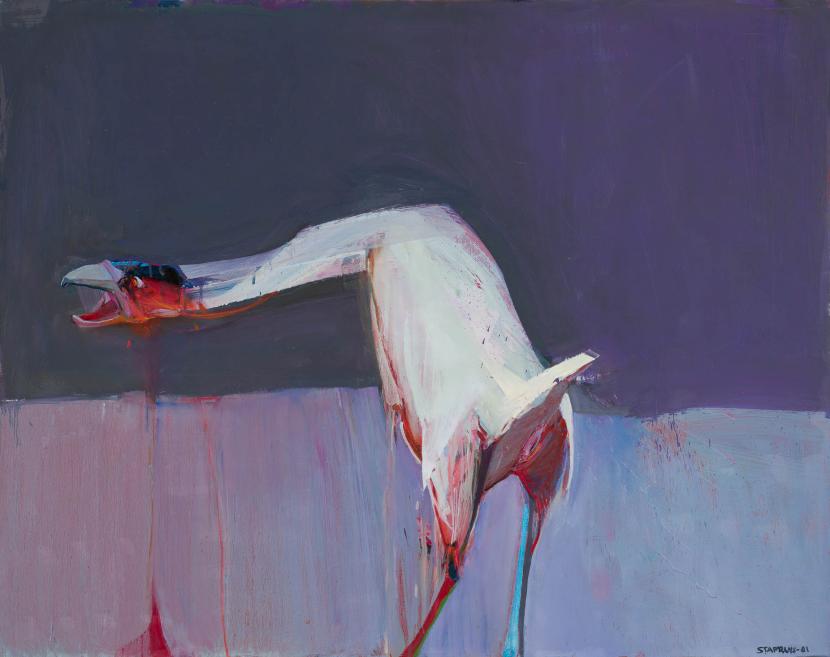
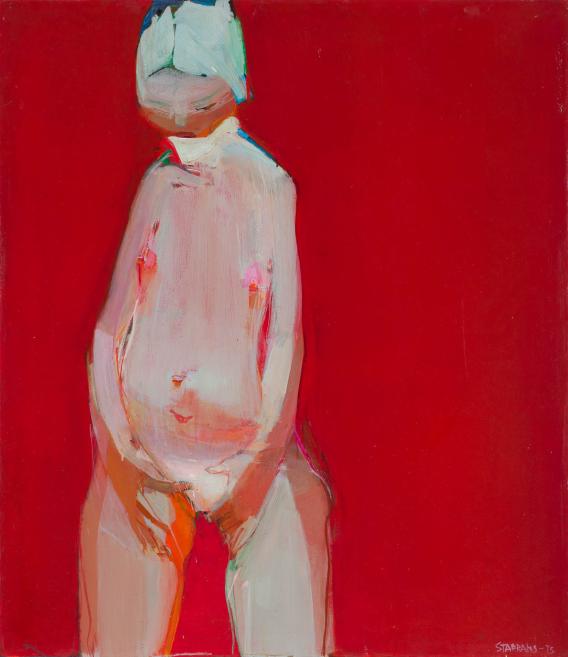
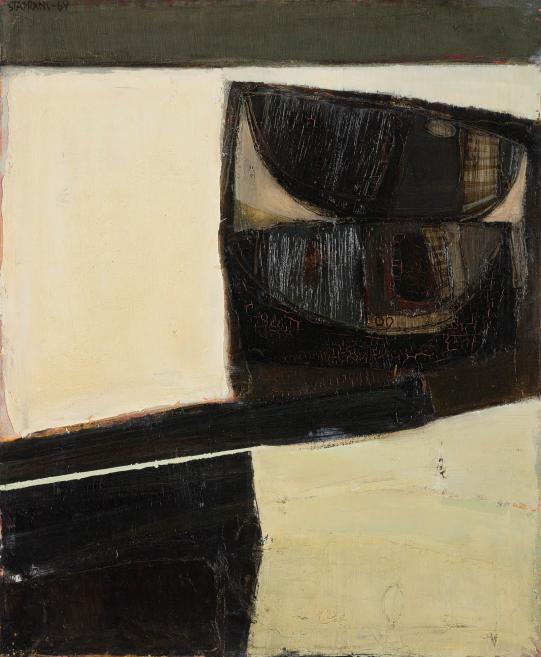
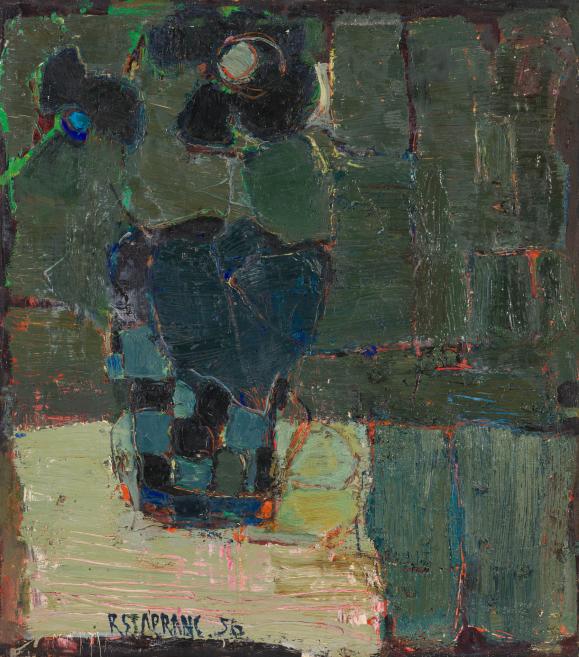
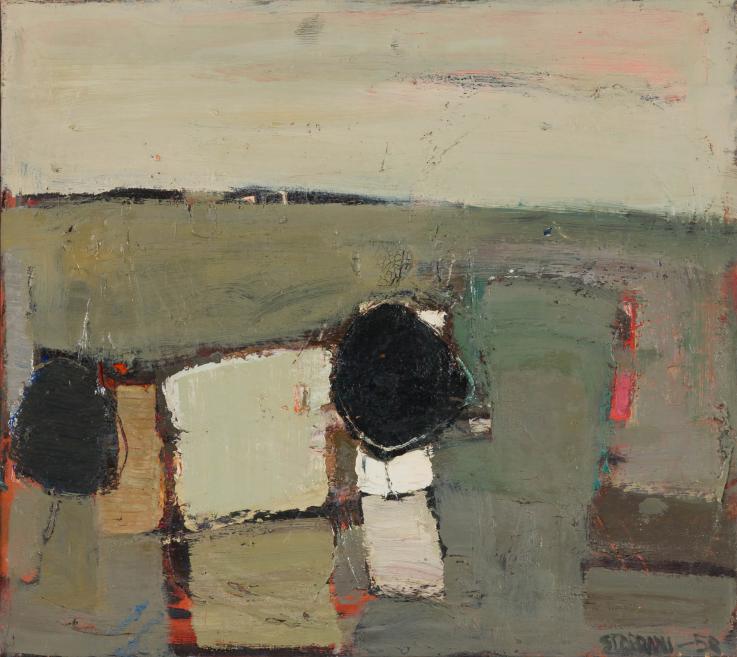
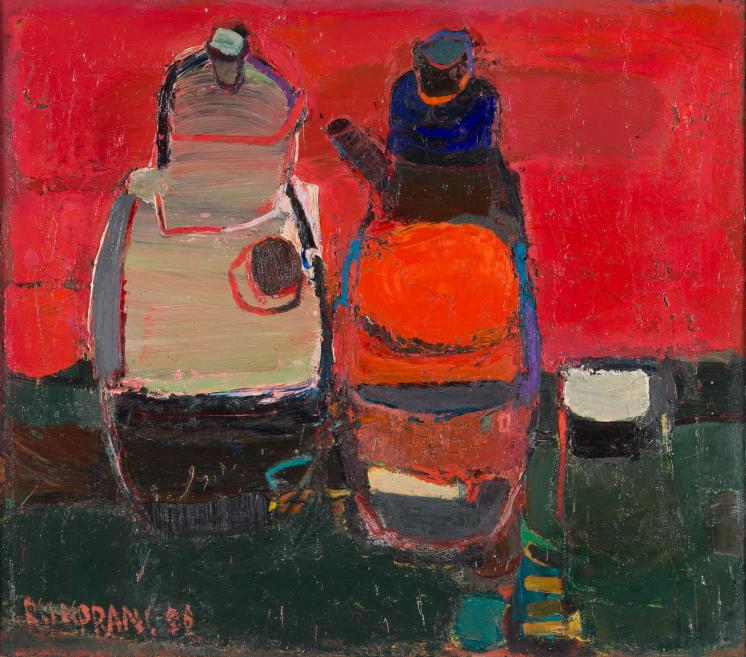
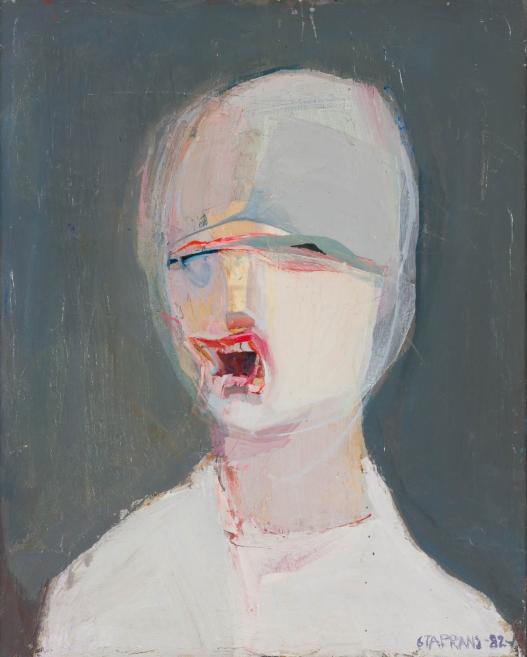
Raimonds Staprāns’ artistic development coincided with the flourishing of Abstract Expressionism. Yet despite his attempts to paint abstractly, Staprāns found himself continually drawn to figurative landscapes and still lifes. Remaining faithful to these subjects, he became associated with the Bay Area Figurative movement.
From Abstract Expressionism, Staprāns absorbed what he called the “architecture” of painting – the structural principles by which a painting is constructed. “A painting must be able to stand like a building,” the artist remarked. His painting is enigmatic, distinguished by rigorously architectural compositions and a colour palette brought to an extreme intensity, charged with inner tension. This is an intellectual language of painting – Staprāns does not explain the world, but, through precise visual means, creates a space of silence imbued with emotional and aesthetic intensity. Each of his paintings is like a finely cut diamond, shaped through a long and deliberate process.
The year 2026 marks the centenary of Raimonds Staprāns, commemorated in Latvia with a number of cultural initiatives and events. In October, director Pēteris Krilovs’ docudrama The Red Barn (Sarkanais šķūnis) is scheduled for release. At the opening of Raimonds Staprāns’ exhibition The Architecture of Silence on 13 August, the artist’s memoir 46 Episodes, With and Without Irony will be launched. Based on Staprāns’ personal recollections, the memoir reaches far beyond the individual experience, becoming an important testimony to its time for future generations. The book is of outstanding cultural and historical significance, encompassing a broad and interconnected range of experiences – from the cultural and political life of interwar Riga to the experience of wartime displacement and the artist’s creative and professional development in exile and in the United States.
At the end of the Second World War, Raimonds Staprāns fled to Germany with his family at the age of eighteen. In 1947, the family emigrated to the United States, settling in Salem, Oregon. In 1948, Staprāns began studying painting and drama at the University of Washington in Seattle, earning his Bachelor of Arts degree (1948–1952), and completing his Master of Fine Arts at the University of California, Berkeley (1952–1954). San Francisco later became his home, where Staprāns established himself as both a painter and a playwright.
Throughout his life, Raimonds Staprāns remained deeply connected to his homeland. As early as the 1960s, he and his wife, the scientist Ilona Staprāne, travelled clandestinely from Moscow to Latvia. In 1972, the artist sent a selection of paintings for an exhibition in Riga. However, the exhibition was closed by Soviet cultural officials the very next day and made inaccessible to the public. Latvian audiences were finally introduced to Staprāns’ work in 2006, when the Latvian National Museum of Art presented the most comprehensive exhibition of his oeuvre ever held in his native country.
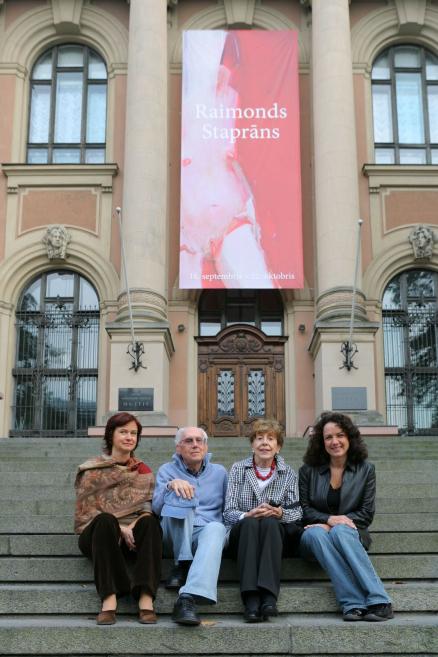
Over the course of his career, Raimonds Staprāns held more than 60 solo exhibitions. Author’s works are represented in the collections of the San Francisco Museum of Modern Art, Oakland Museum of California, Los Angeles County Museum of Art, San José Museum of Art, Portland Art Museum, Pasadena Museum of Art, Phoenix Art Museum, Crocker Art Museum, Santa Barbara Museum of Art, Museum of Fine Arts in Houston, the John F. Kennedy Museum of Art (USA), and the Latvian National Museum of Art.
The exhibition Raimonds Staprāns. The Architecture of Silence is implemented by the Latvian National Museum of Art in collaboration with the Andrejs Žagars Cultural Development Foundation in partnership with the Riga City Council and with the support of RIX Flow, Novum Riga Charitable Foundation, ZAB Ellex Kļaviņš, MRS grupa, Mākslai vajag telpu [Art Needs Space] Foundation, Staprāns 100, and the Staprāns family.
Partners:
Supporters:
Gratitude:
Thanks to Raimonds Staprāns’ family, especially Ilona Staprāne, for their support in organising the exhibition.