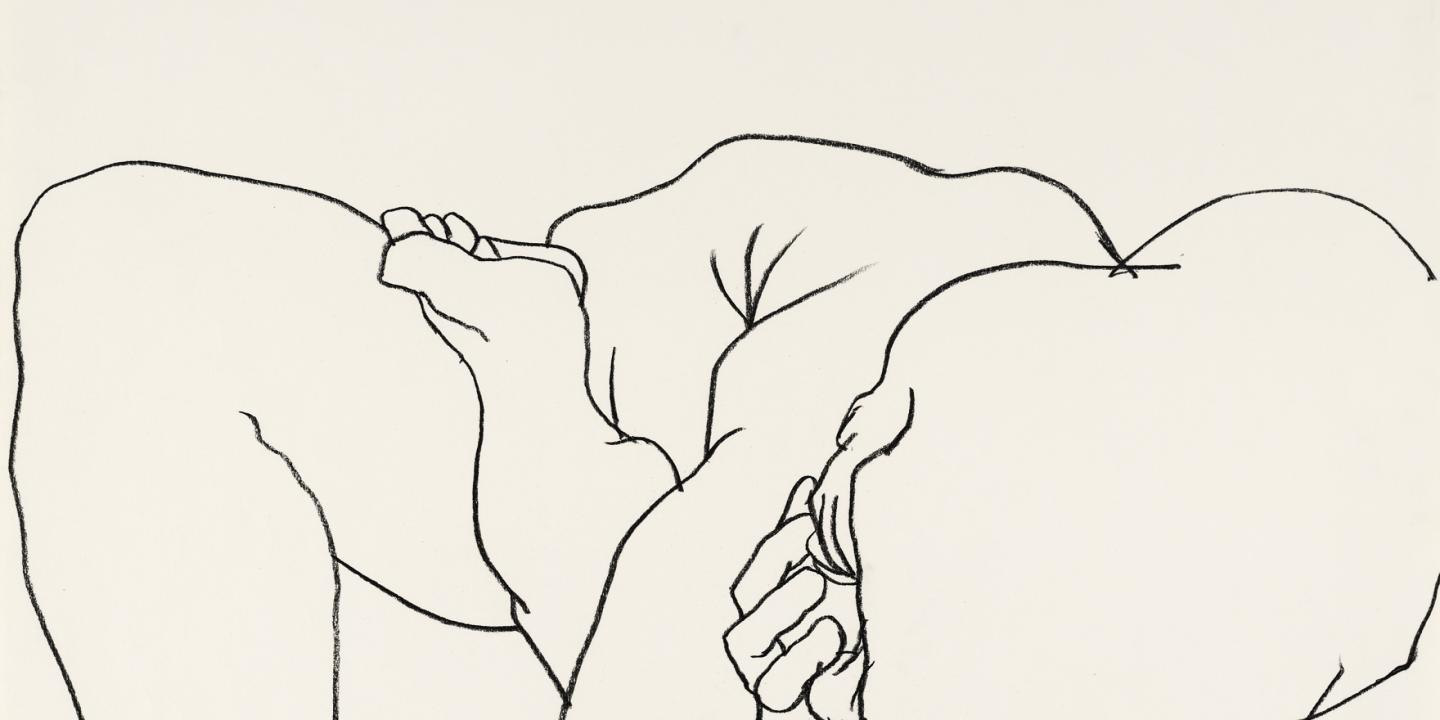
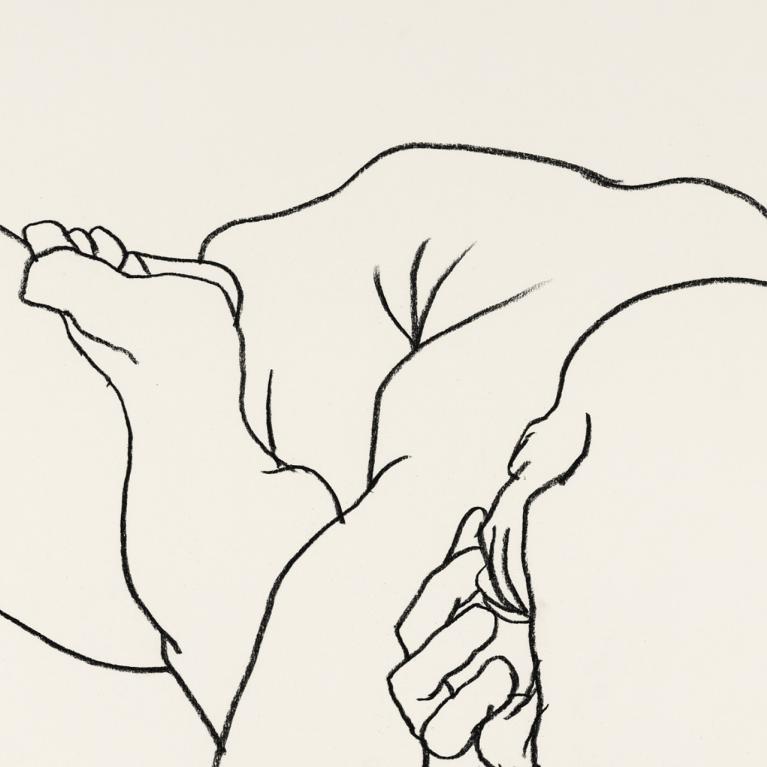
Embodied Thought
From 18 July to 8 November 2026, the Great Hall of the main building of Latvian National Museum of Art in Riga (Jaņa Rozentāla laukums 1) will host the major exhibition of drawings, Embodied Thought. This is the first overview of such a scale in Latvia dedicated exclusively to drawing, which will reveal the diversity of the medium tracing its historical development in Latvia from the 18th to the 21st century.
Drawing is both a mode of expression and an instrument of artistic thought, visualising an individual’s perception of the world. The exhibition aims to illuminate the relationship between drawing and thinking by presenting drawing as an autonomous artistic medium and a distinctive mode of thinking. It highlights drawing’s capacity to express and evoke human experience while allowing visitor to gain insight into the artist’s creative process.
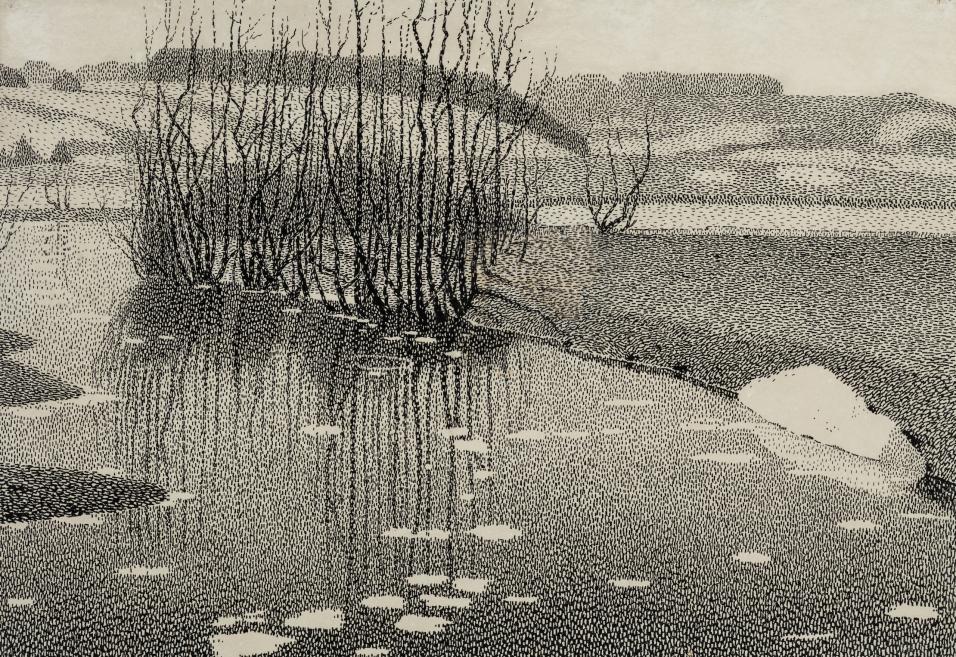
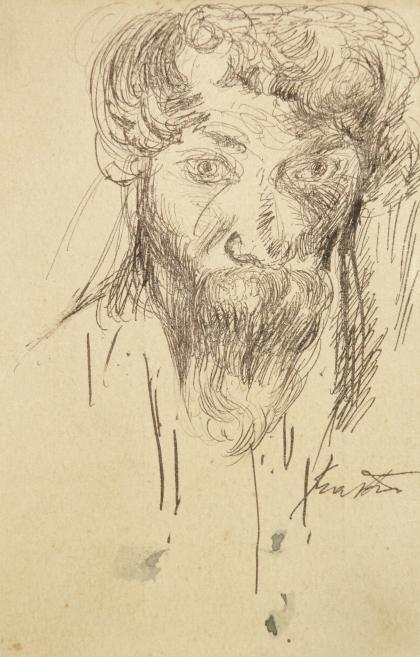
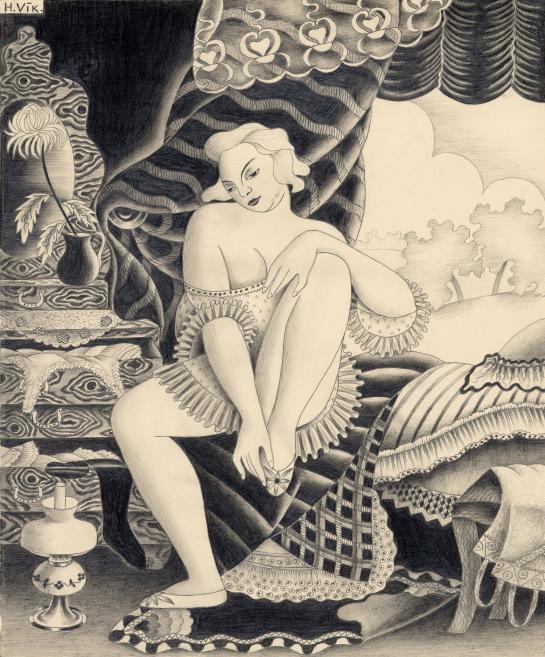
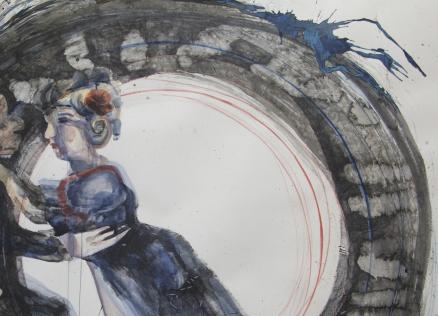
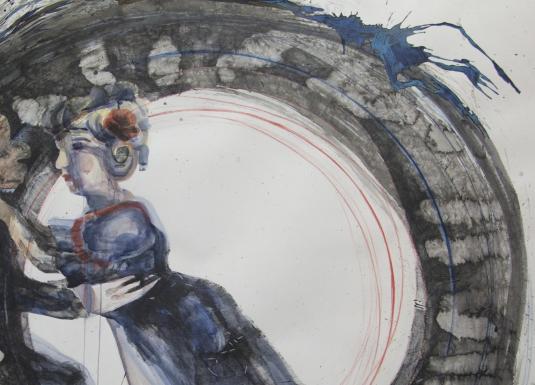
Collection of the Latvian National Museum of Art, Riga. Publicity photo
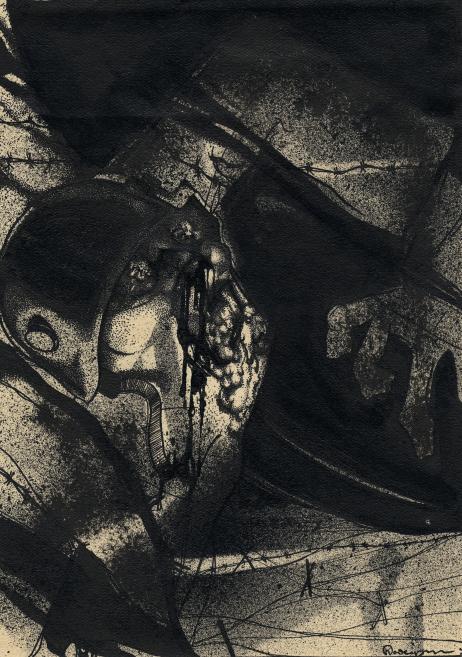
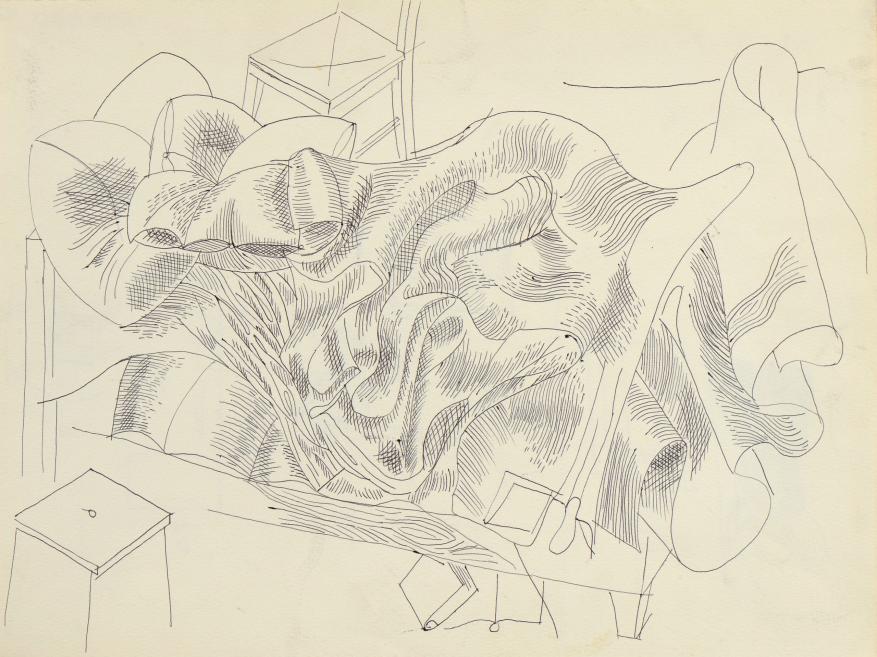
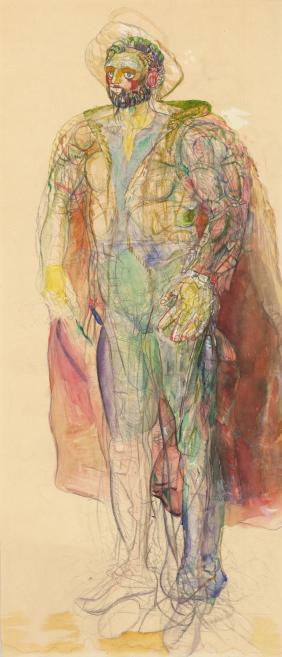
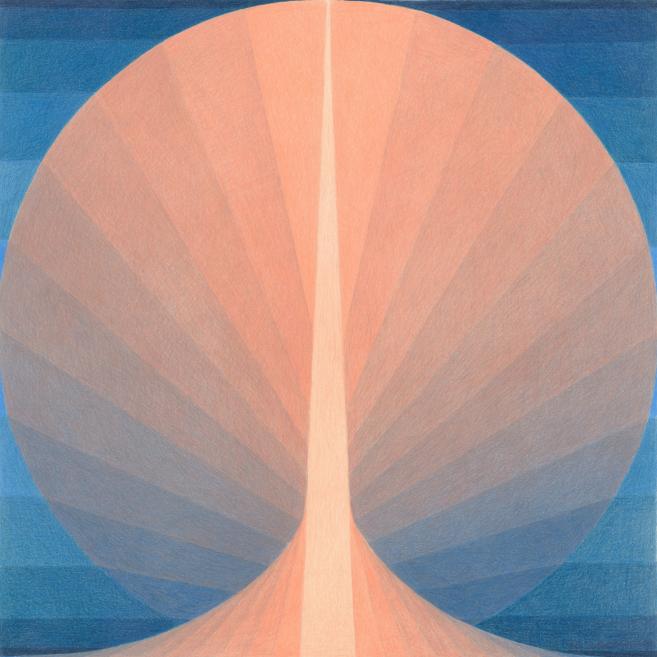
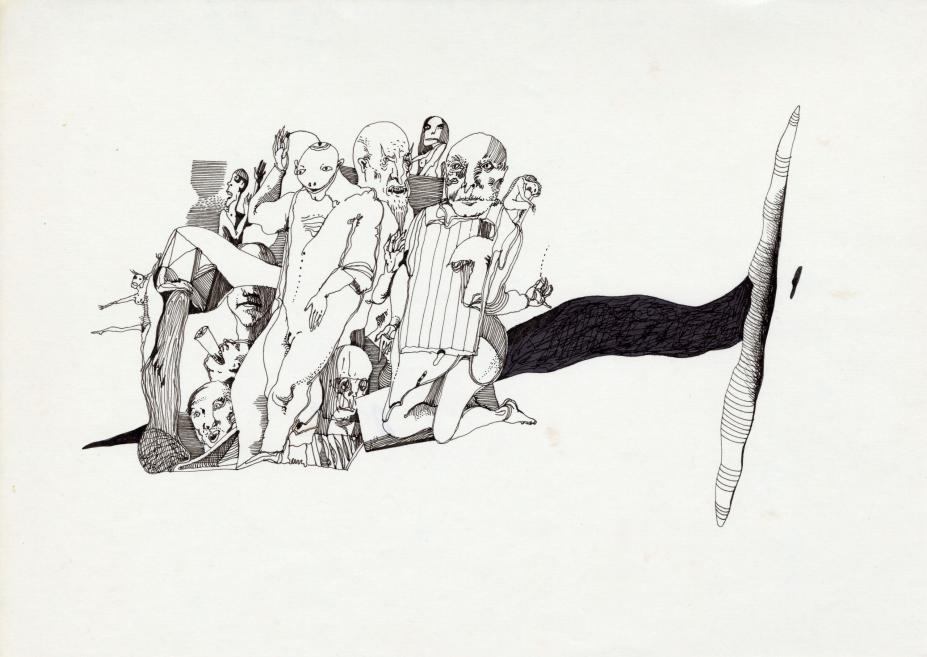
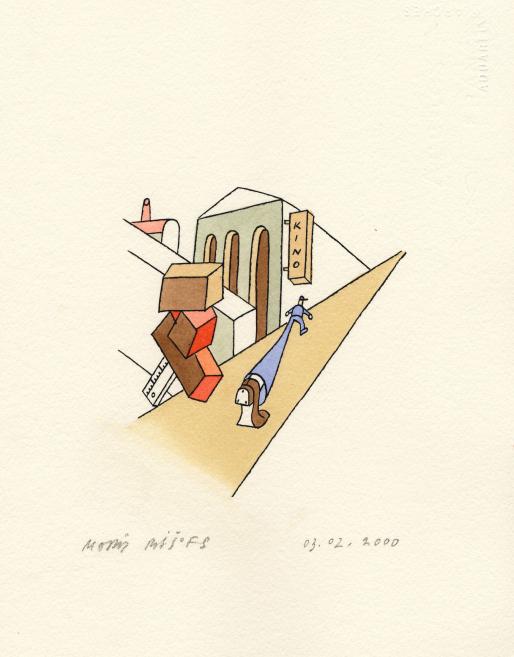
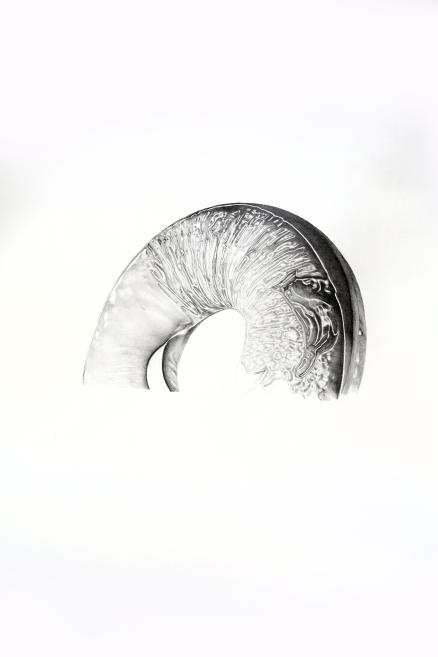
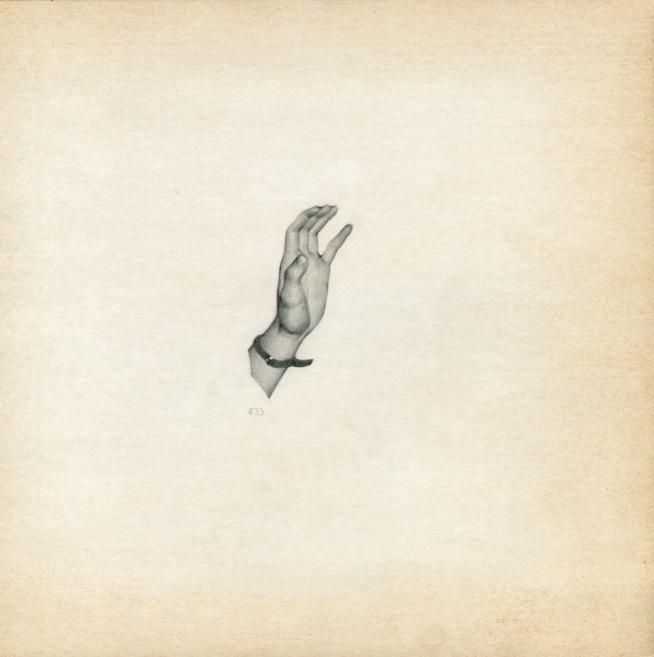
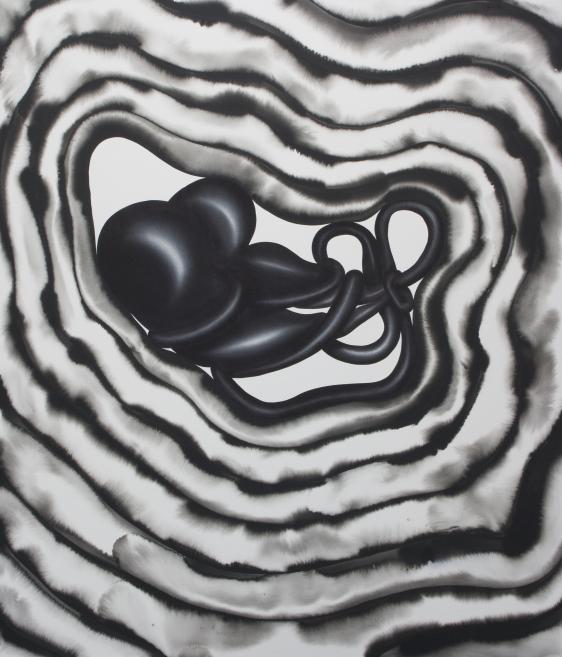
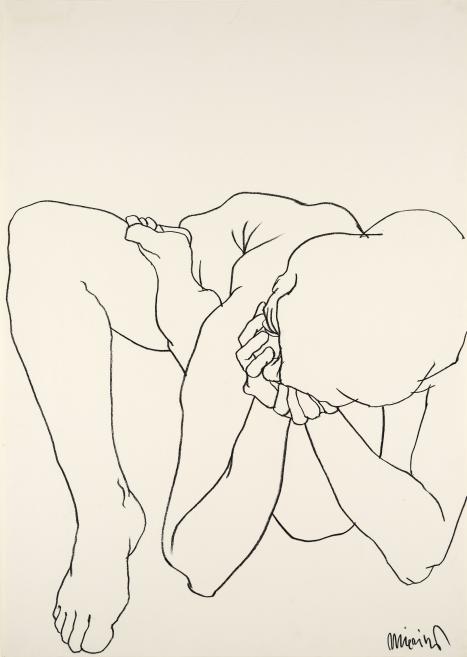
The exposition brings together authors from different generations for whom drawing has played a significant role in their practice. Beginning with Johann Christoph Brotze, continuing through the classics of Latvian art and contemporary artists, and concluding with artists born in the 1990s, the exhibition also includes works created in exile and within the Latvian diaspora. In total, it features 97 personalities and more than 300 works.
Drawing is an exceptionally diverse medium with a rich tradition, best understood through a branching rather than a linear perspective. Accordingly, in response to the interplay between drawing and thinking, the exhibition is structured into several conceptually comprehensive thematic sections. The School explores studies of the human body within the academic tradition of artistic training. The Document emphasises the value of drawing in the contexts of cultural heritage and art history, while Body invites visitors to view the human body as part of nature. In Sign, drawing emerges as a concentrated form of communication, whereas Memory presents it as a hyperrealistic repository of remembrance closely connected to photography. The Story reveals drawing as a convenient tool for recording micronarratives and transforming historical trauma into visual stories. Surface demonstrates the tactile qualities of drawing, the virtual nature of the image and the agency of materiality, while the solitary activity of drawing in a room creates the time and space for constructing A World of One’s Own. Finally, Process, a defining characteristic of the medium, allows visitors to follow the artist’s train of thought and the evolution of an artwork – from spontaneous scribbles and conceptual sketches to fully developed compositions.
The exhibition has been conceived as an open space for thought, inviting viewers to follow the lines drawn by artists and immerse themselves in the unfolding process of artistic creation. By opening a dialogue between cultural heritage and contemporary art, the exhibition tells the story of both the past and the present through the language of drawing. At the same time, it offers a comprehensive overview of the diverse approaches of Latvian artists, affirming the significant role of drawing within Latvia’s visual culture.


The exhibition features works from the collections of Latvian National Museum of Art, Art Academy of Latvia, Latvian National Museum of History, Academic Library of the University of Latvia, the art collection of the liquidating ABLV Bank, the Madona Museum of Local History and Art, Tukums Museum, Zuzeum Art Museum, Latvian Centre for Contemporary Art, VV Foundation, Centre Pompidou National Museum of Modern Art in Paris, as well as private collections, including those of artists. It also presents newly commissioned works by three emerging authors: Marta Folkmane, Anna Malicka and Luīze Rukšāne.
“We regularly support exhibitions at the Latvian National Museum of Art and highly value the museum’s creative approach to developing exhibition concepts and displays. This exhibition is unique in that it offers visitors an opportunity to explore the tradition of Latvian drawing across generations and to see works by a wide range of artists brought together in one place. It also carries an additional message, telling a story about beauty created through human imagination and the human hand. In today’s age of rapidly advancing technologies, this message is particularly relevant: alongside the development of the digital world, it is important to remember that traditional art remains unique and enduring,” says Jeļena Buraja, Chairwoman of the Management Board of Rietumu Banka and Member of the Council of the Future Support Foundation.

Artists represented in the exhibition:
Ādams Alksnis (1864–1897), Māris Ārgalis (1954–2008), Leonīds Āriņš (1907–1991), Auseklis Baušķenieks (1910–2007), Arturs Baumanis (1867–1904), Aleksandra Beļcova (1892–1981), Arturs Bērziņš (1971), Boriss Bērziņš (1930–2002), Māris Bišofs (1939), Ilmārs Blumbergs (1943–2016), Ottilie von Bolschwing (1817–1889), Harijs Brants (1970), Normunds Brasliņš (1962), Kristians Brekte (1981), Andris Breže (1958), Johann Christoph Brotze (1742–1823), Vija Celmiņa (Vija Celmins, 1938), Julius Döring (1818–1898), Arnolds Driķis (1913–1985), Reinis Dzudzilo (1987), Marta Folkmane (1999), album of Jakob Johann Voss (1736–1794), Barbara Gaile (1968), Kristaps Ģelzis (1962), Karl Gothard Grass (1767–1814), Sandijs Greiškāns (1973), Kaspars Groševs (1983), Jāzeps Grosvalds (1891–1920), Rolands Gross (1955), Edvards Grūbe (1935–2022), August Matthias Hagen (1794–1878), Karl Huhn (1831–1877), Auguste Emīlija Jākobsone (1898–1988), Edmunds Jansons (1972), Jānis Jaunsudrabiņš (1877–1962), Edgars Jēriņš (Edgar Jerins, 1958), Elise von Jung-Stilling (1829–1904), Pēteris Kalve (1882–1913), Jēkabs Kazaks (1895–1920), Pēteris Kārkliņš (Peter Karklins, 1945), Gustavs Klucis (1895–1938), Pēteris Krastiņš (1882–1942), Jānis Krēsliņš (1865–?), Leonards Laganovskis (1955), Liene Mackus (1984), Anna Malicka (1995), Sarmīte Māliņa (1960), Vita Mālniece (1960–2011), Leonīds Mauriņš (1943–2012), Neonilla Medvedeva (1987), Laimonis Mieriņš (Laimonis Mierins, 1929–2011), Kārlis Miesnieks (1887–1977), Krista Namniece (1997), Vilis Ozols (1929–2014), Kārlis Padegs (1911–1940), Jaakko Pallasvuo (1987), Felicita Pauļuka (1925–2014), Rūdolfs Pērle (1875–1917), Juris Petraškevičs (1953), Ojārs Pētersons (1956), Irina Piļke (1925–2011), Miervaldis Polis (1948–2026), Karīna Putra (1995), Janis Rozentāls (1866–1916), Luīze Rukšāne (1995), Līva Rutmane (1984), Georgs Šenbergs (1915–1989), Džemma Skulme (1925–2019), Uga Skulme (1895–1963), Jānis Šneiders (1995), Mika Solomon (1994), Diāna Špungina (Diana Shpungin, 1974), Roberts Stārosts (1908–1958), Laris Strunke (1931–2020), Niklāvs Strunke (1894–1966), Linda Stūre (1995), Māris Subačs (1963), Gennadiy Sukhanov (1946–2005), Romans Suta (1896–1944), Viktor Timofeev (1984), Zane Tuča (1989), Klāvs Upaciers (1979), Žanis Valdheims (Zanis Waldheims, 1909–1993), Evita Vasiļjeva (1985), Oļa Vasiļjeva (1981), Solveiga Vasiļjeva (1954), Imants Vecozols (1933), Sabīne Vernere (1990), Sigismunds Vidbergs (1890–1970), Hilda Vīka (1897–1963), Krista Vindberga-Auzniece (1989), Vilnis Zābers (1963–1994), Aija Zariņa (1954–2025), Indulis Zariņš (1929–1997), Rihards Zariņš (1869–1939), Karl Ludwig Seebode (1826–1896), Elīna Zunde (1982)