The Memorial Collection of Teodors Zaļkalns
The memorial collection dedicated to Teodors Zaļkalns (1876 –1972), one of the founders of professional Latvian sculpture, preserves nearly 13 000 museum objects. Its most significant part comprises the artist’s completed works, sketches for monumental sculpture, and unfinished works, but it also includes the artist’s personal library alongside an extensive array of photographs, documentary materials, and household objects.
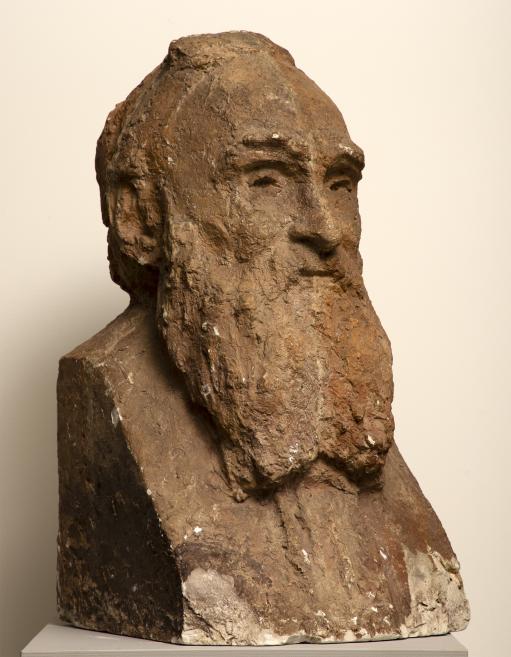
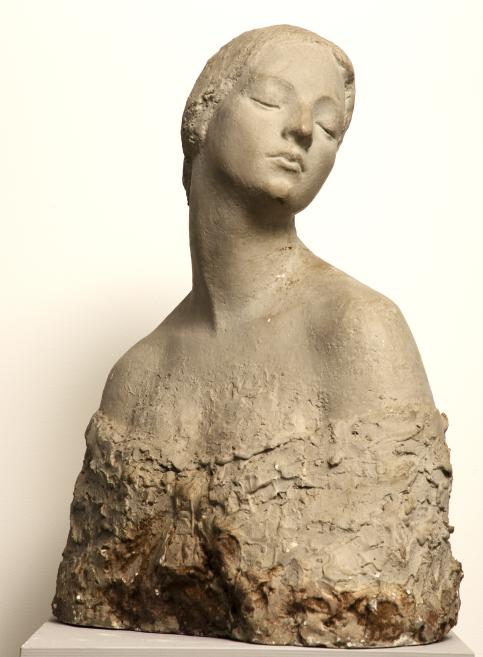
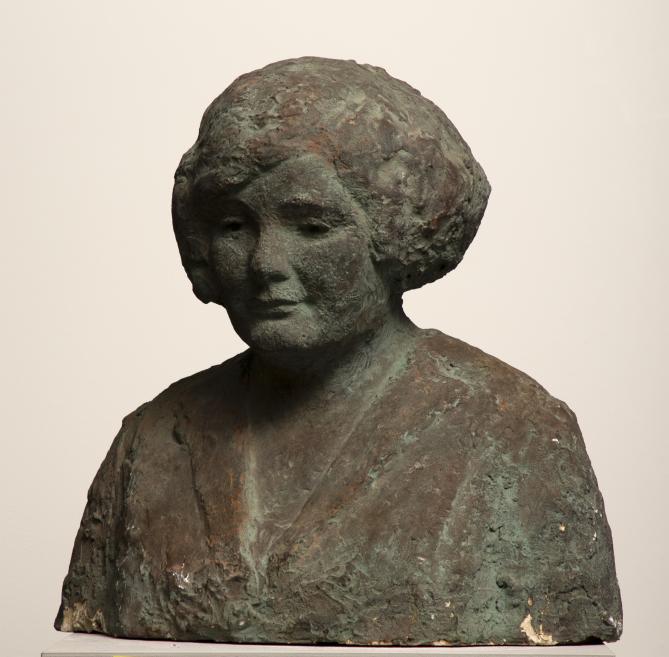
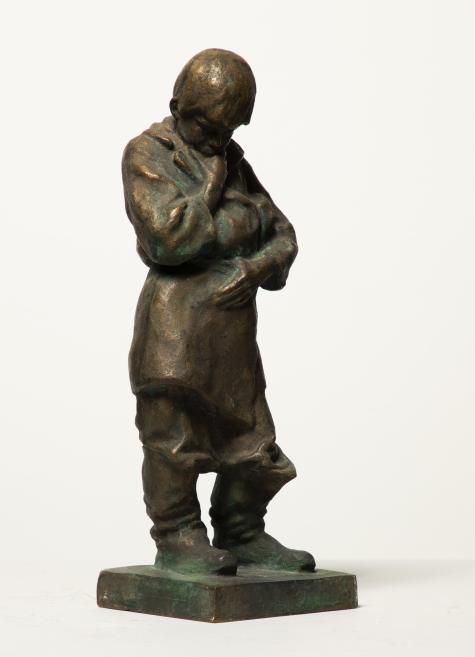
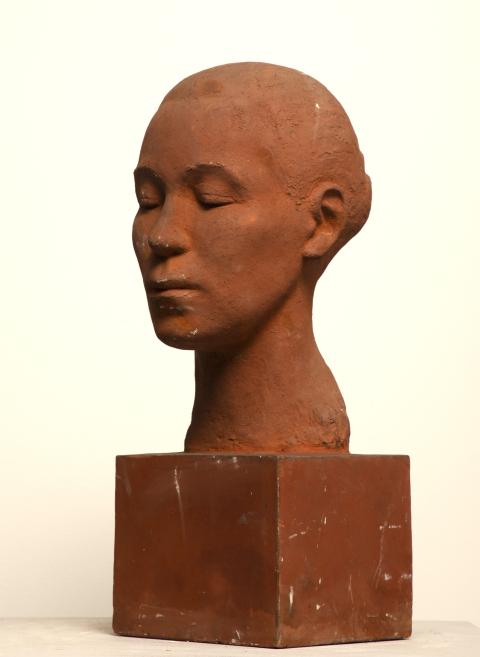
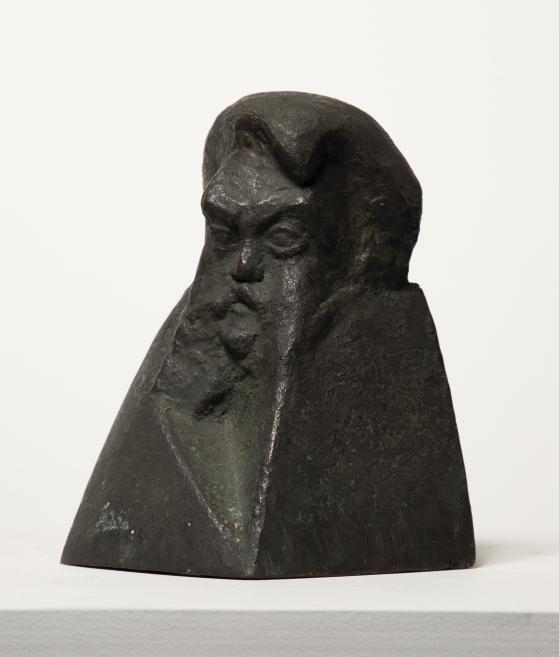
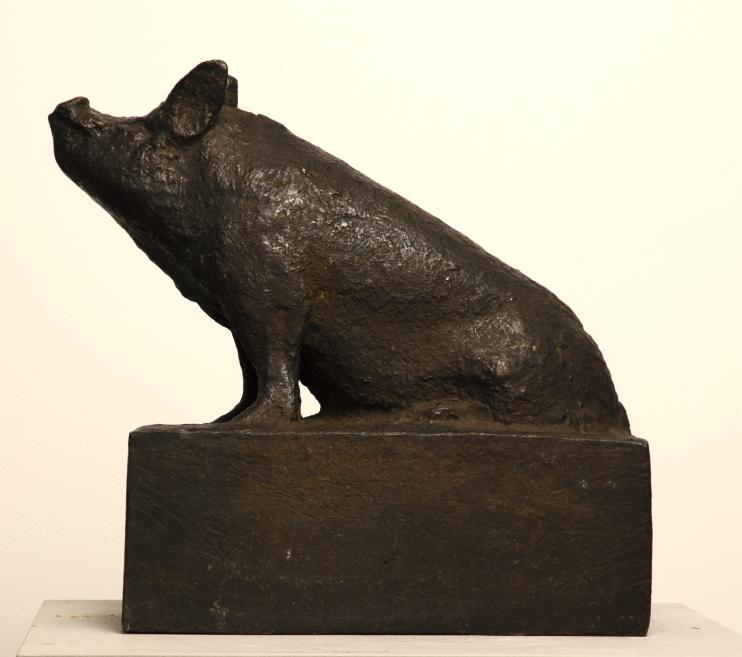
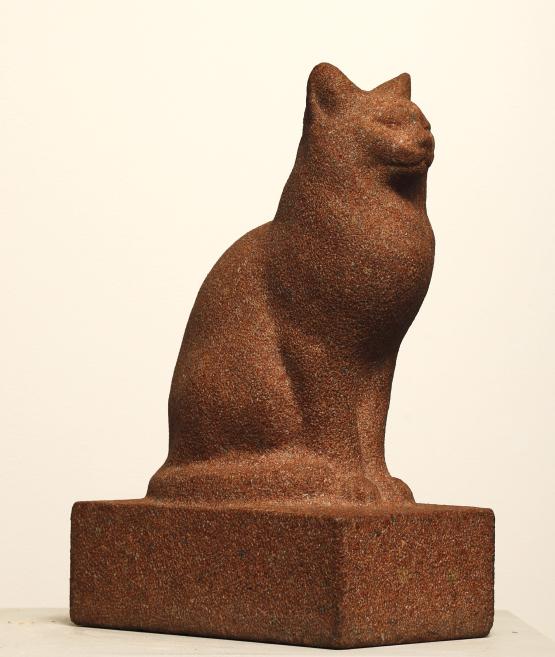
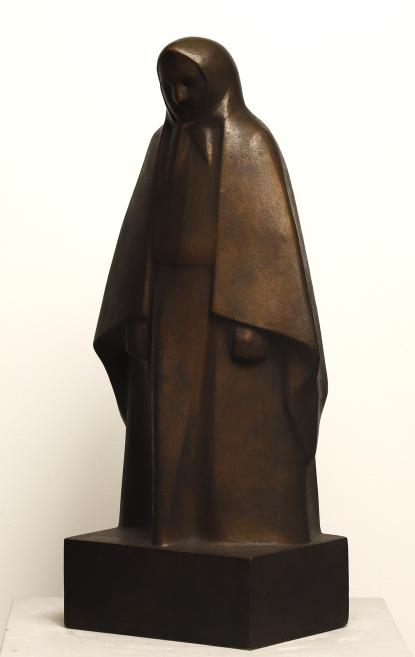
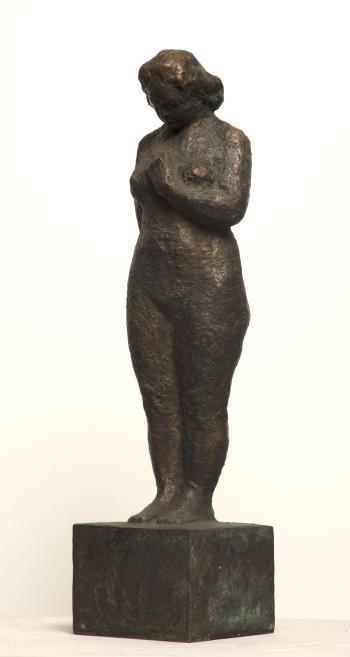
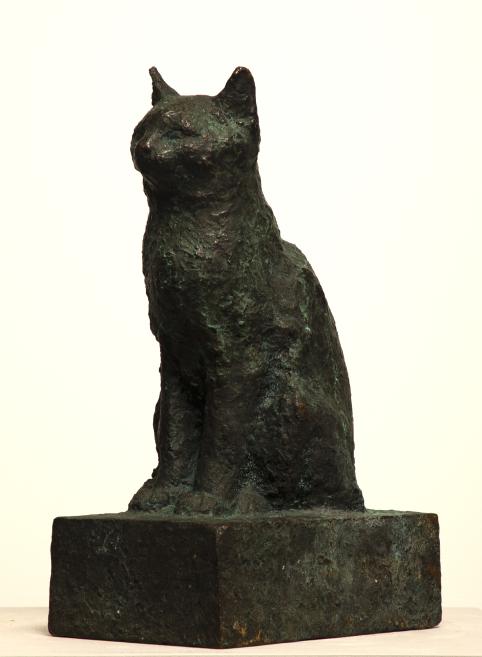
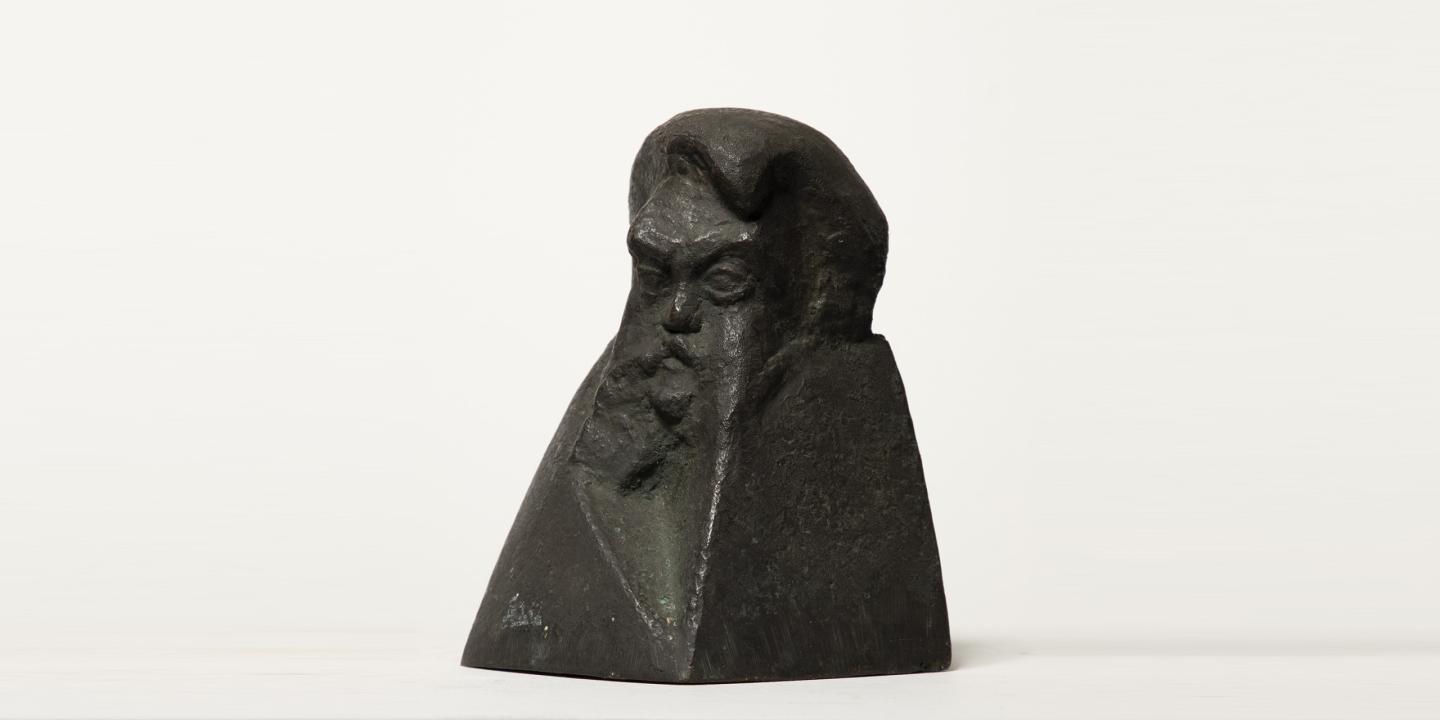
Teodors Zaļkalns was among the most important figures in the development of Latvian sculpture, monumental sculpture, medal art, and other sculptural genres in the early 20th century. The artist practiced live model, realistically rendering human faces and animals; used the means of expression developed by his teacher, French sculptor Auguste Rodin, in his early works; and experimented with formal conciseness and geometrization. Zaļkalns was also interested in the simplicity of form, depth of expression, and monumentality of Ancient Egyptian sculpture, which can be discerned in his animalier pieces, his archetypal female figures (the so-called “mothers”), and his monuments, whereas his portraits of individuals are more typically characterized by realistic forms and a psychological approach to character rendering. Zaļkalns also made a significant contribution to educating younger generations of sculptors, heading the Department of Sculpture at the Art Academy of Latvia from 1944 to 1958, during which time his name was temporarily appended to the institution’s official title.
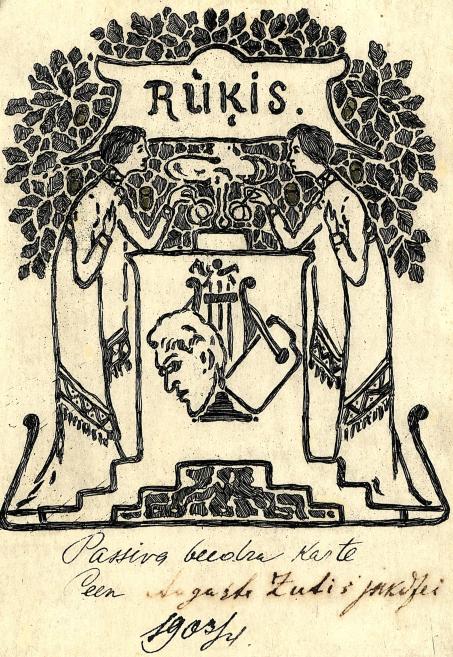
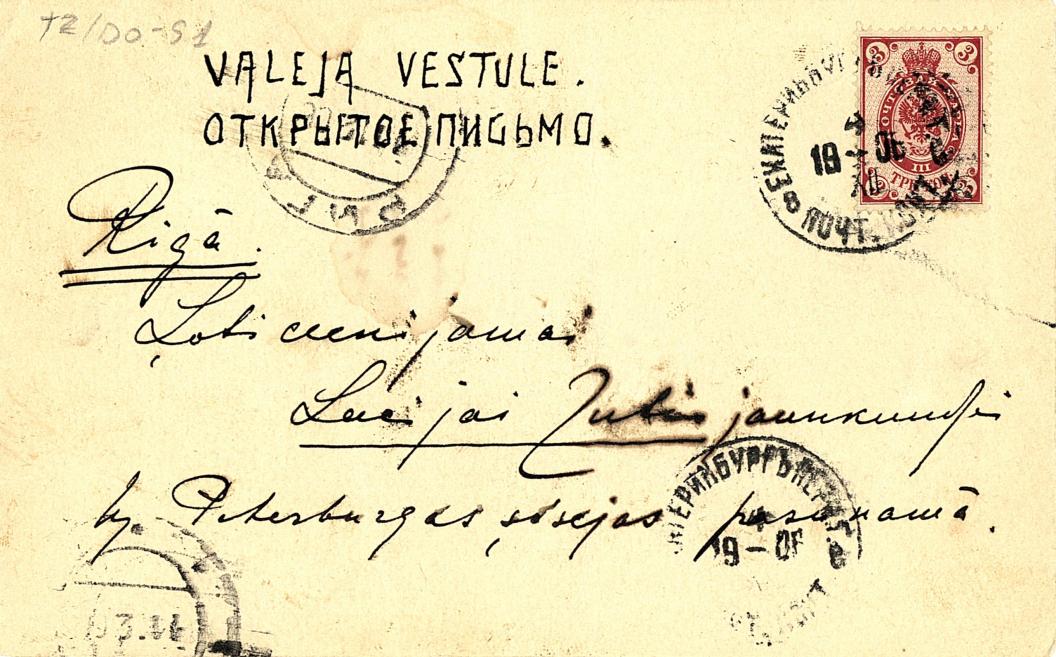
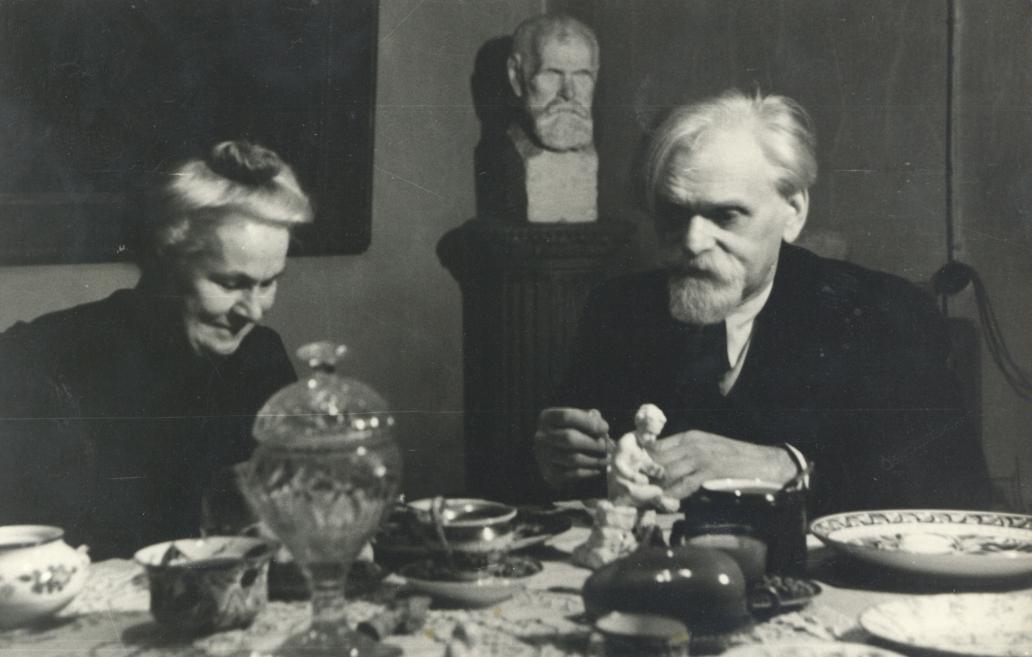
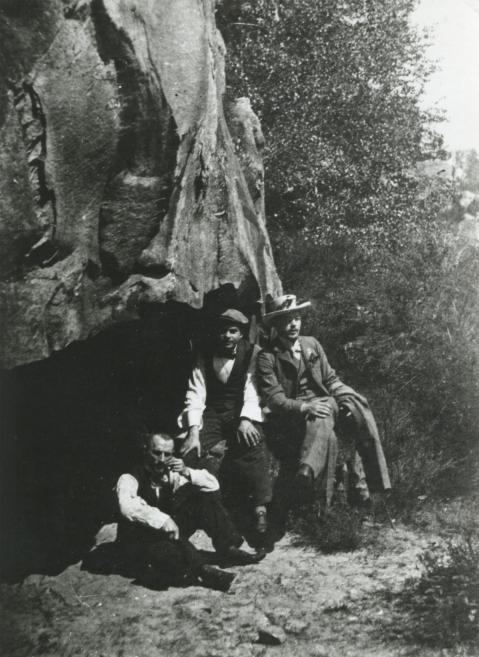
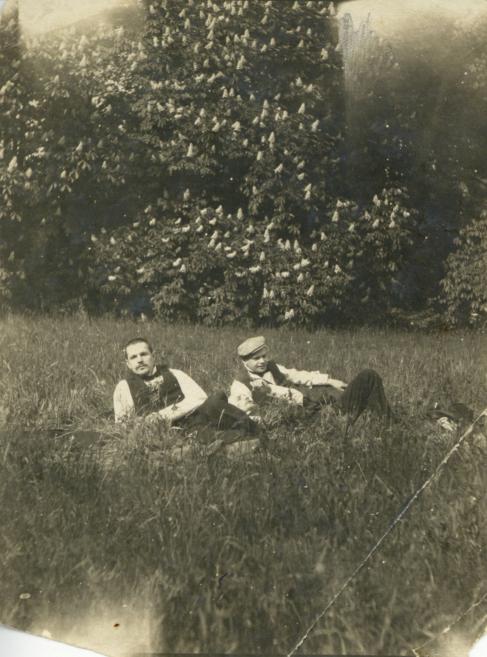
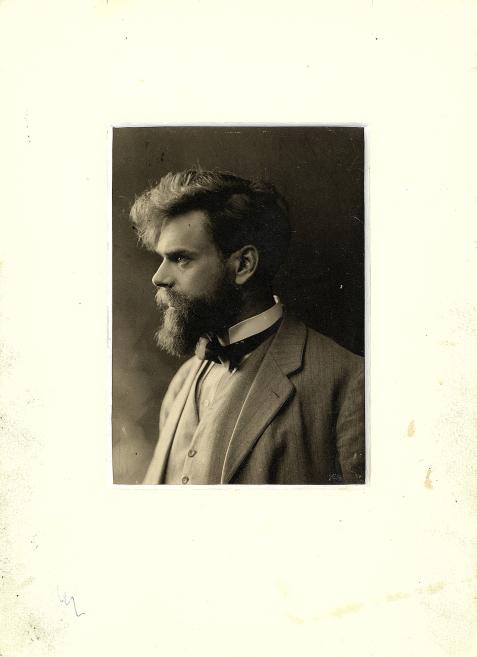
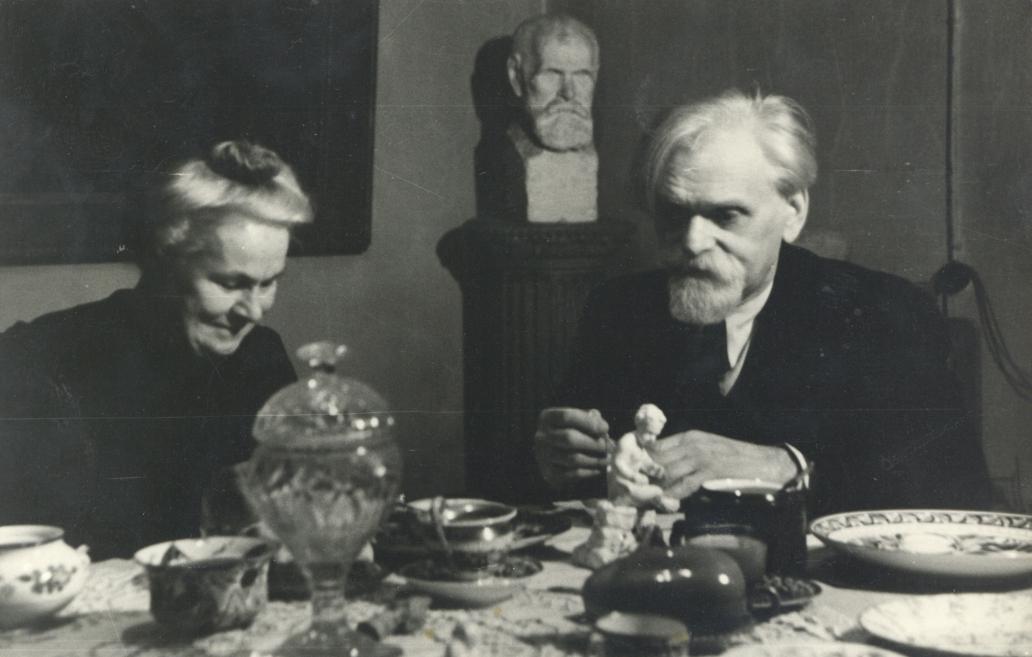
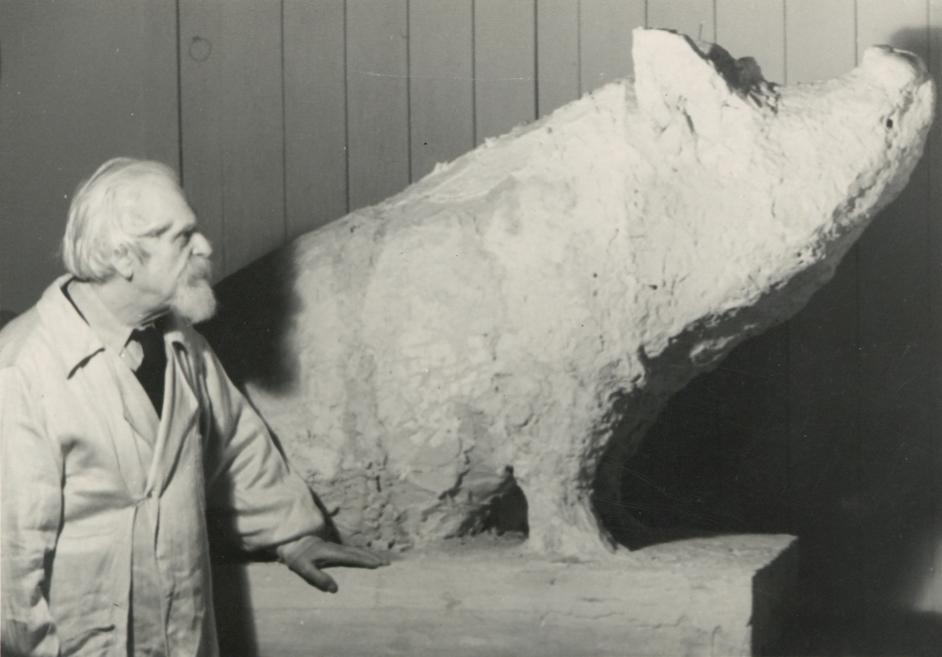
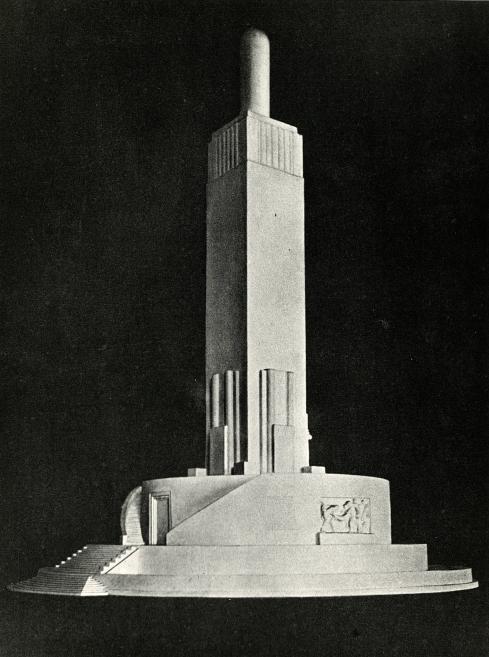
In his last will and testament, Teodors Zaļkalns bequeathed all property related to his creative work to the state, requesting the establishment of a memorial museum dedicated to him. In 1976, the Teodors Zaļkalns Memorial Museum was opened on the premises of the sculptor’s former studio in Riga at 13 Biķernieku Street, operating until 1994. Following its closure, the museum’s collection was taken over by what is today the Latvian National Museum of Art.
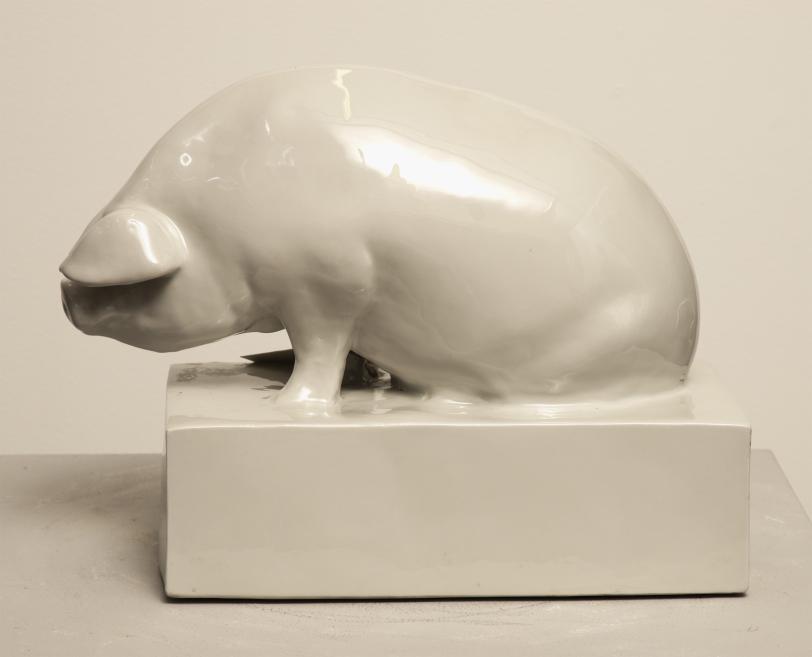
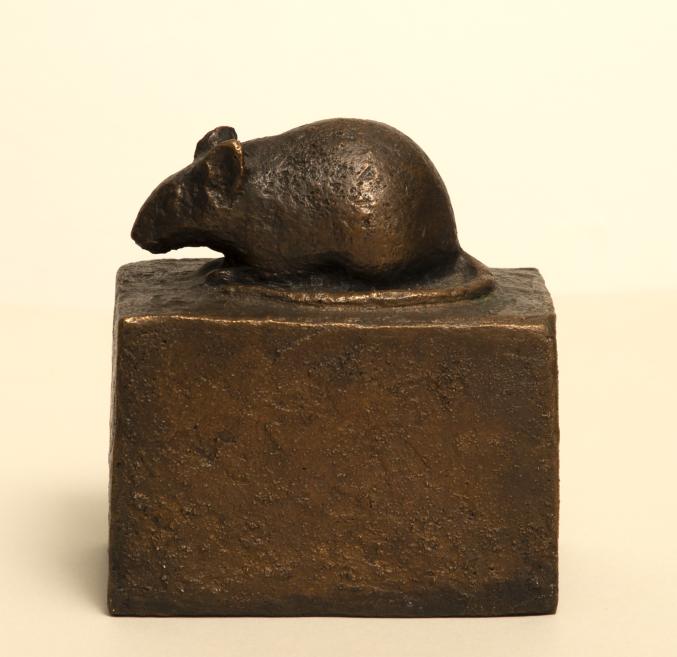
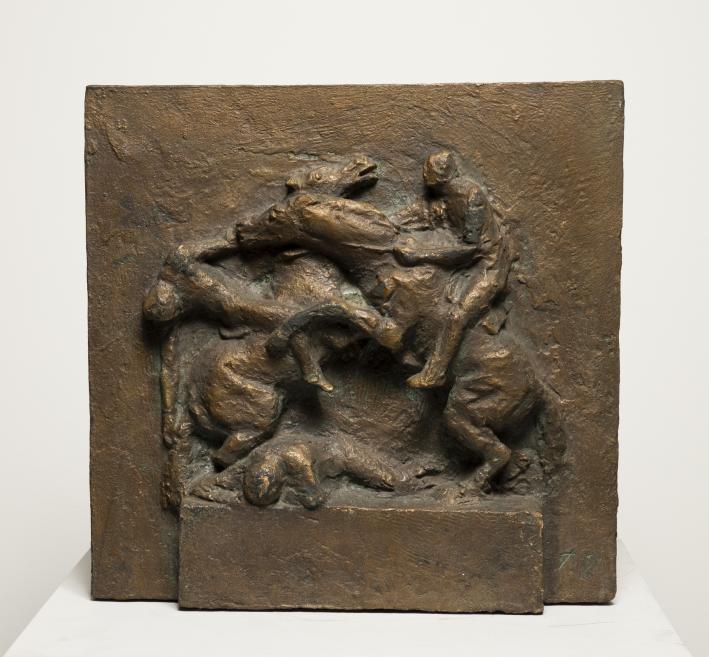
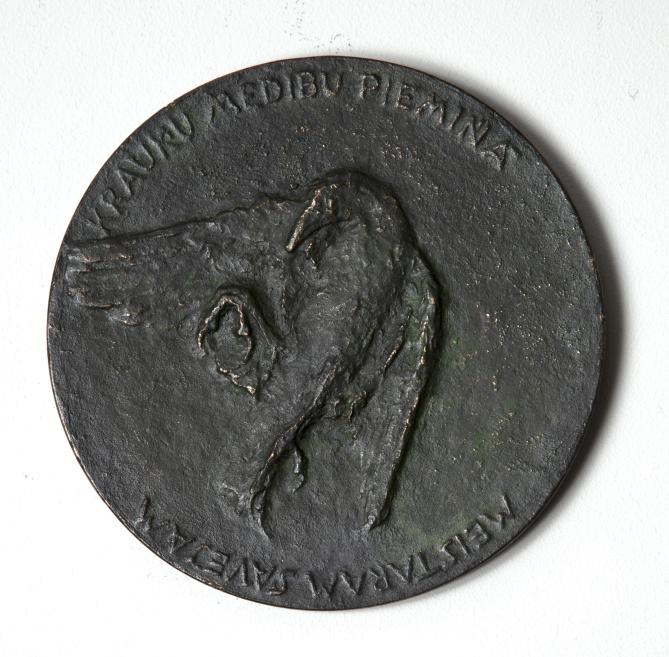
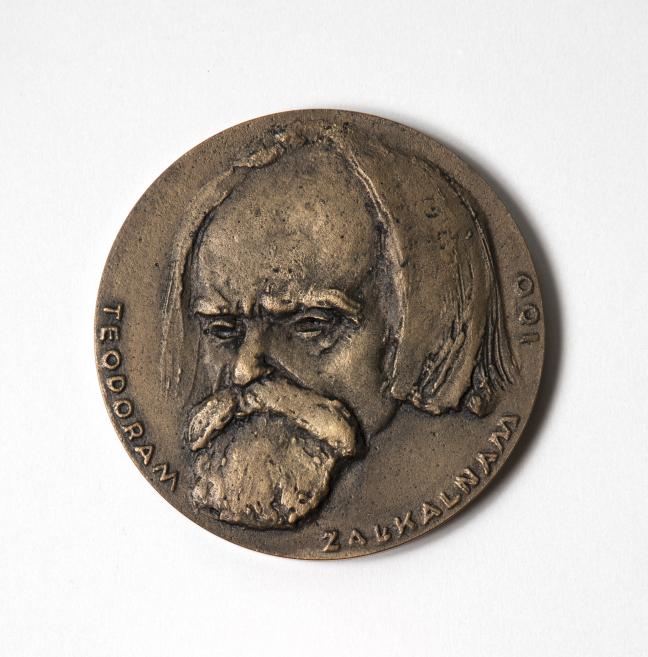
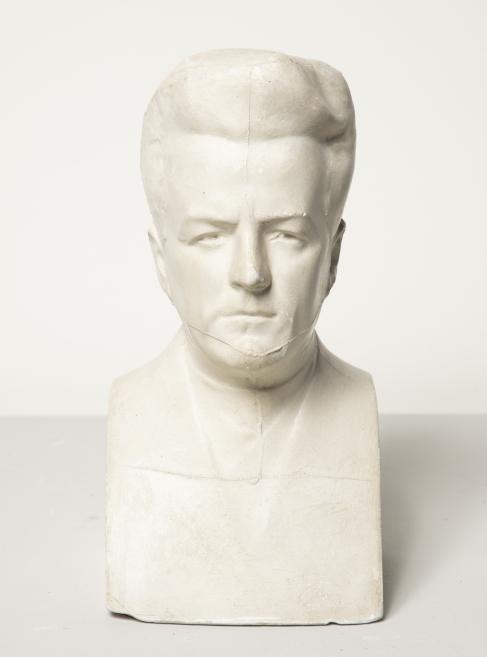
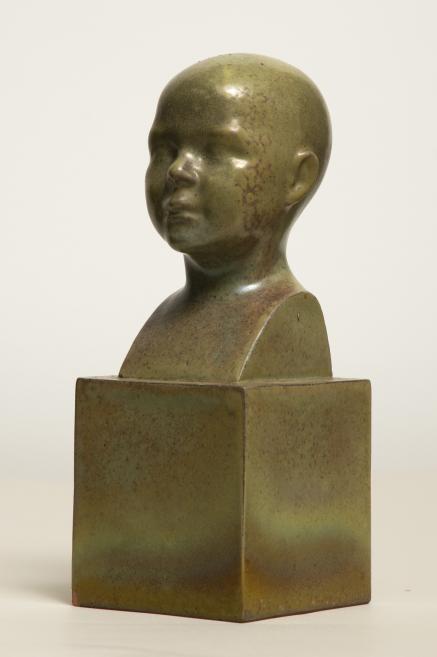
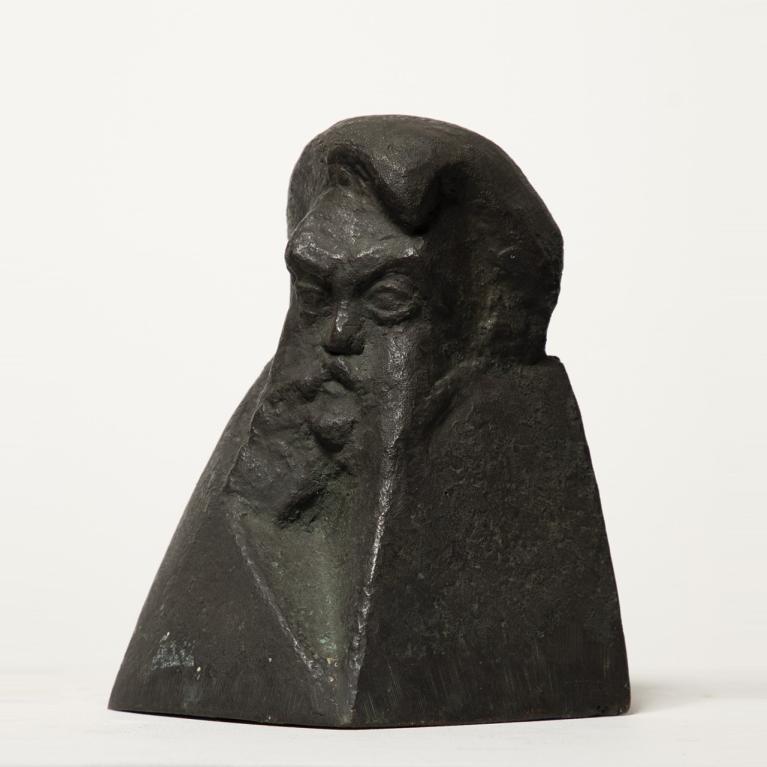
The most significant part of the memorial collection consists of sculptural works by Zaļkalns in various mediums (granite, bronze, porcelain, plaster, clay), representing portraiture, the animalier genre, reliefs, medals, and other sculptural forms. The collection holds works at various stages of completion, including design sketches that demonstrate the artist’s working process prior to the execution of sculptures, medals, and monuments, as well as the sculptor’s unfinished projects. An essential part of collection consists of photographs in which Zaļkalns documented his sculpture and working processes, as well as portraits of the sculptor himself, his family and friends, alongside documentation of various life events, particularly from his final years. The collection also holds documentary materials (letters, telegrams, contracts, receipts, poetry written by the sculptor, speeches, etc.), Zaļkalns’ personal library featuring more than 1200 items (booklets, catalogues, books, journals), as well as furniture, applied art objects, and sculpting tools.