The Painting Collection (18th century – 1st half of the 20th century)
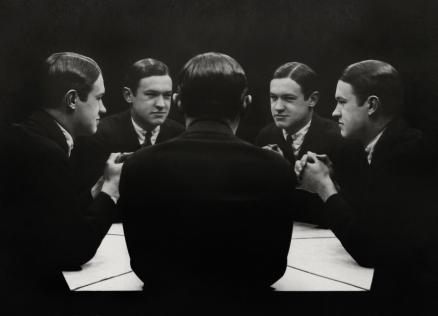
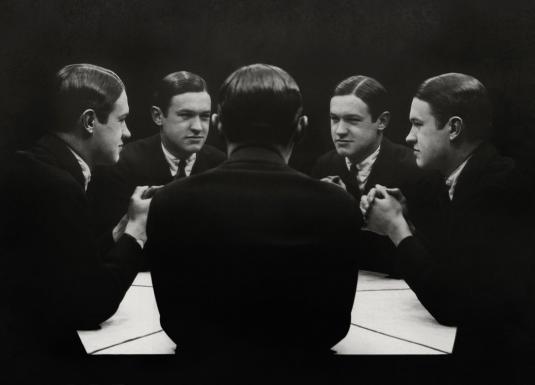
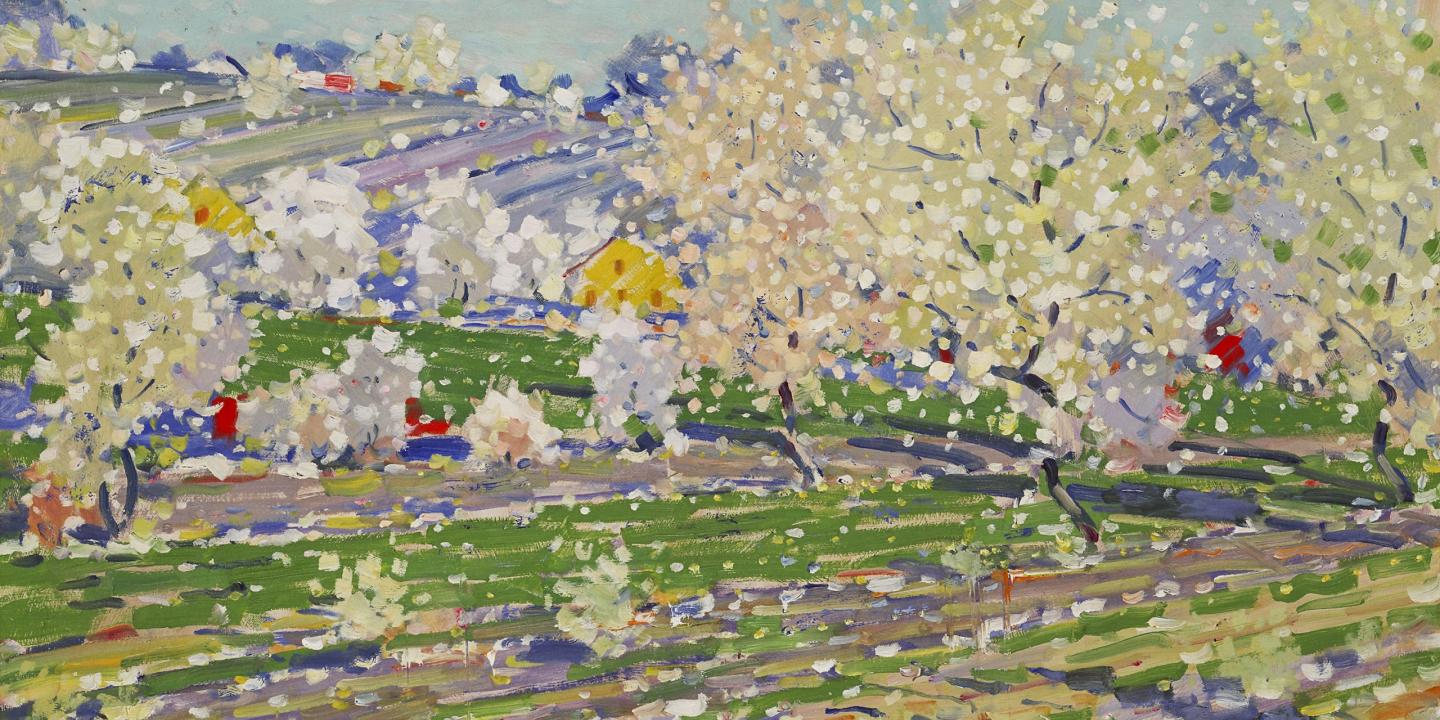
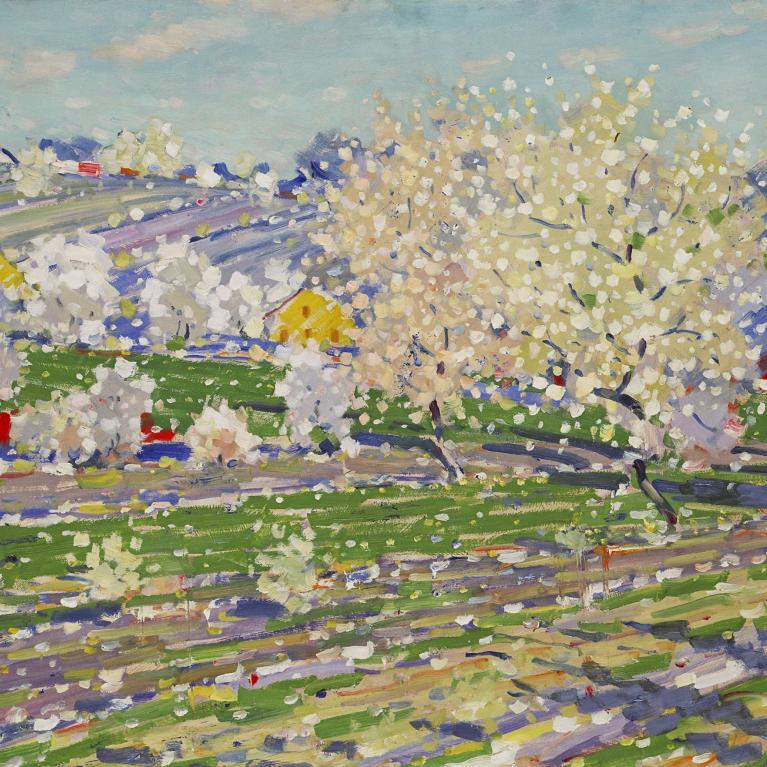
The painting collection from the 18th century to the first half of the 20th century comprises more than 3350 artworks, providing insight into the history of Latvian professional painting and the artistic heritage of over 300 artists.
Represented in the painting collection through stylistically and genres-wise diverse paintings are Baltic and Latvian painters from the late 18th century to the first half of the 20th century, totalling around 320 authors. With oil painting on canvas dominating and covering a size spectrum ranging from miniatures to large-scale formats, the sets of original works by individual artists numerically range from a single object to a hundred and fifty.
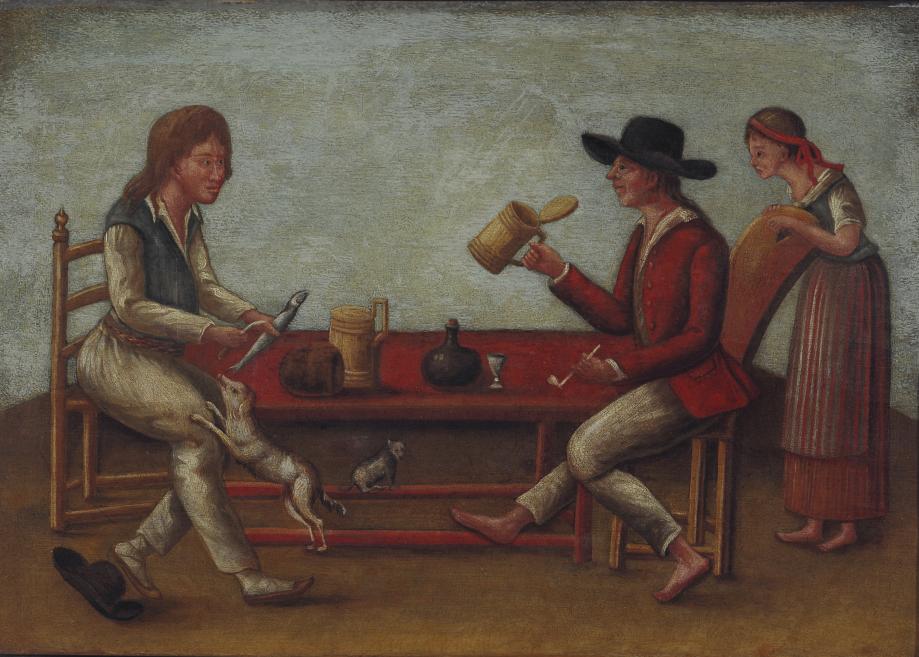
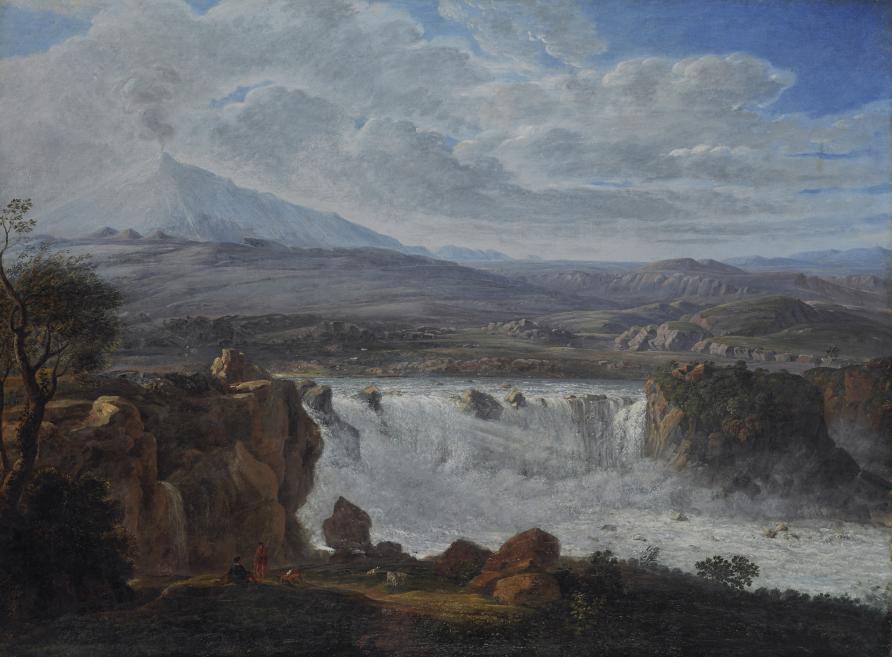
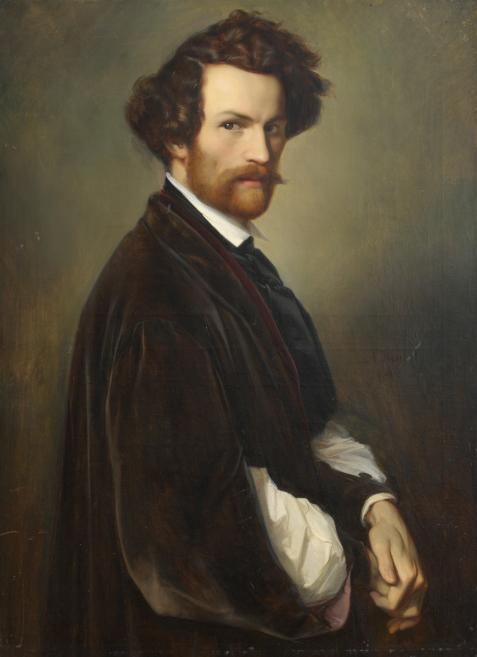
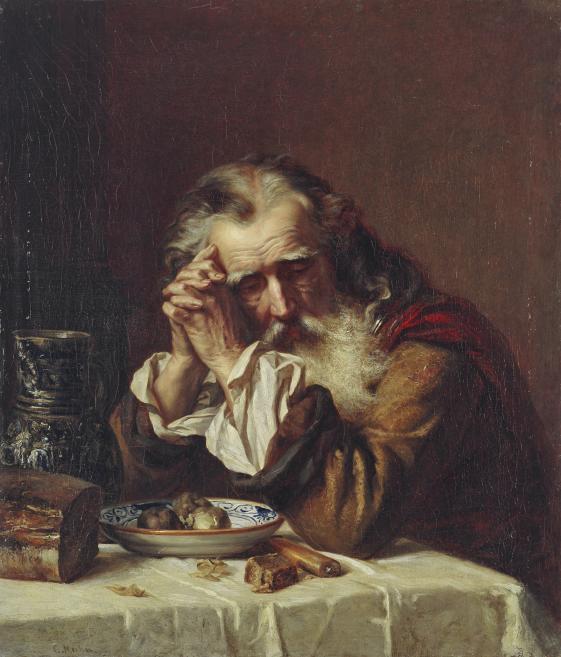
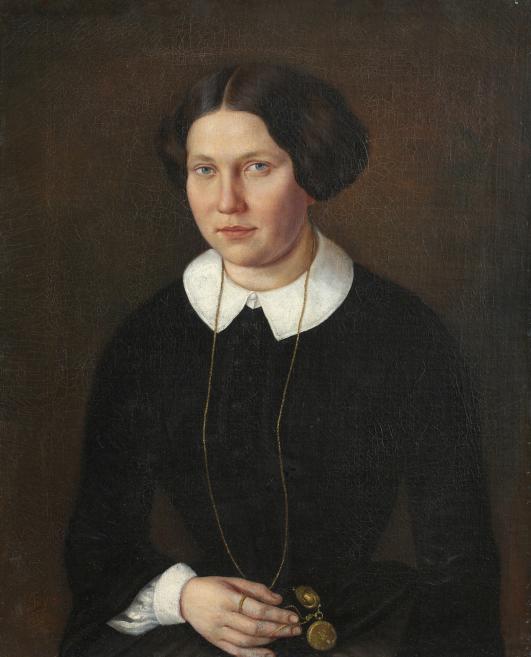
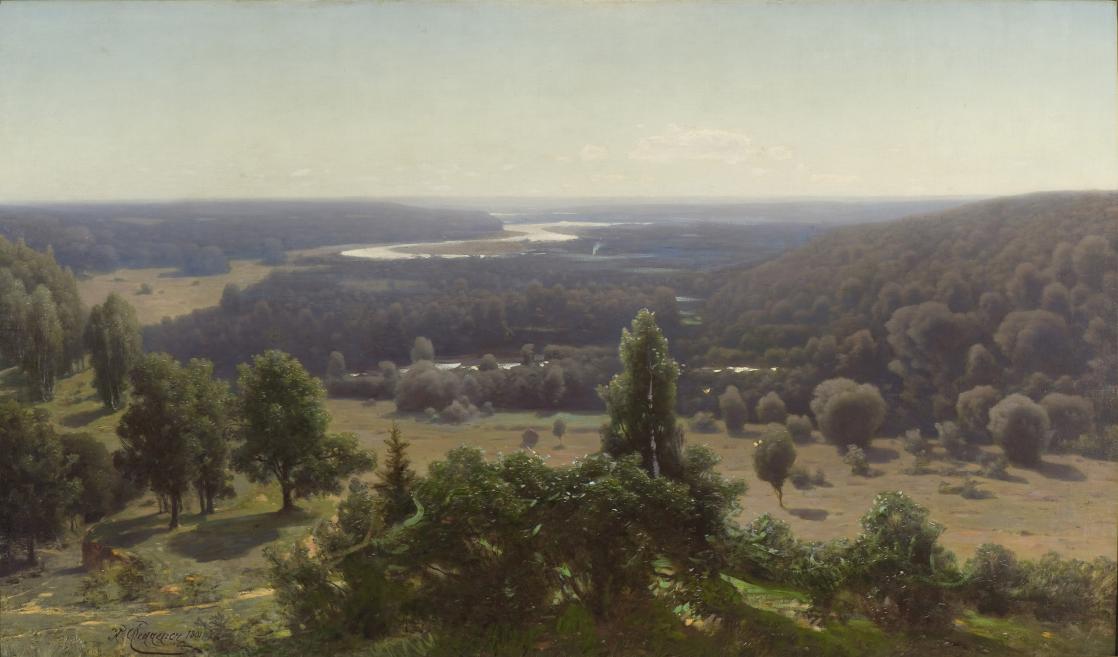
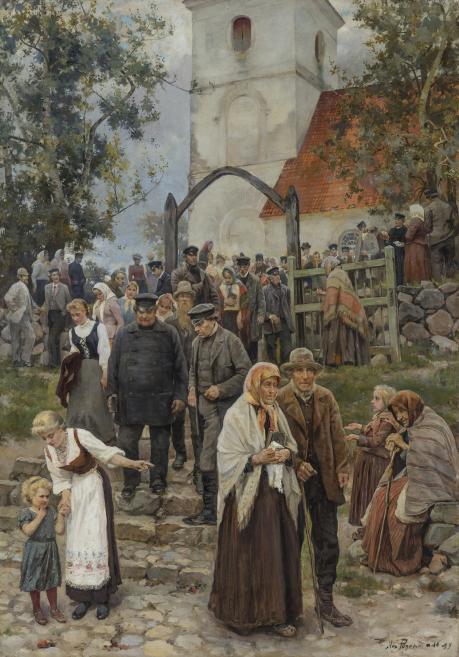
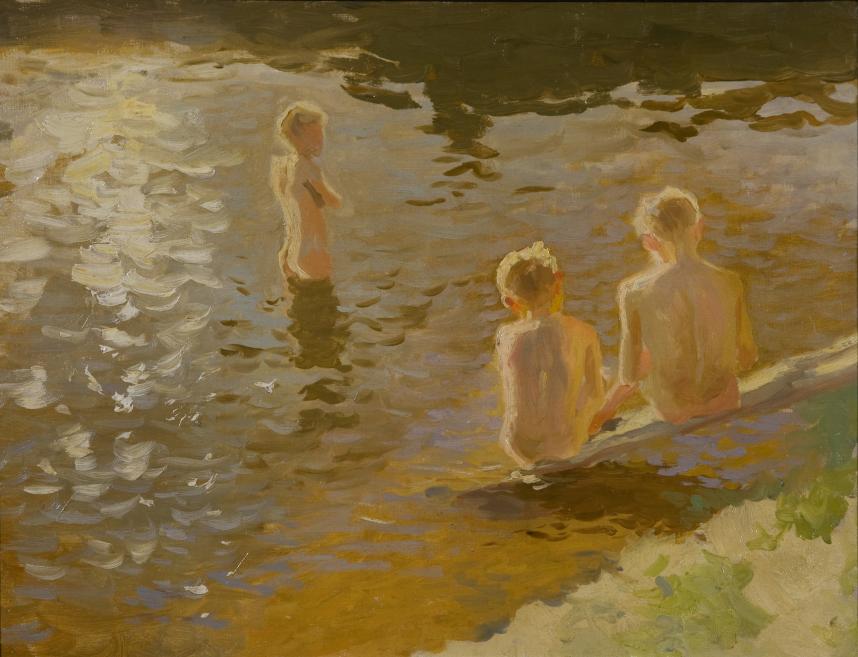
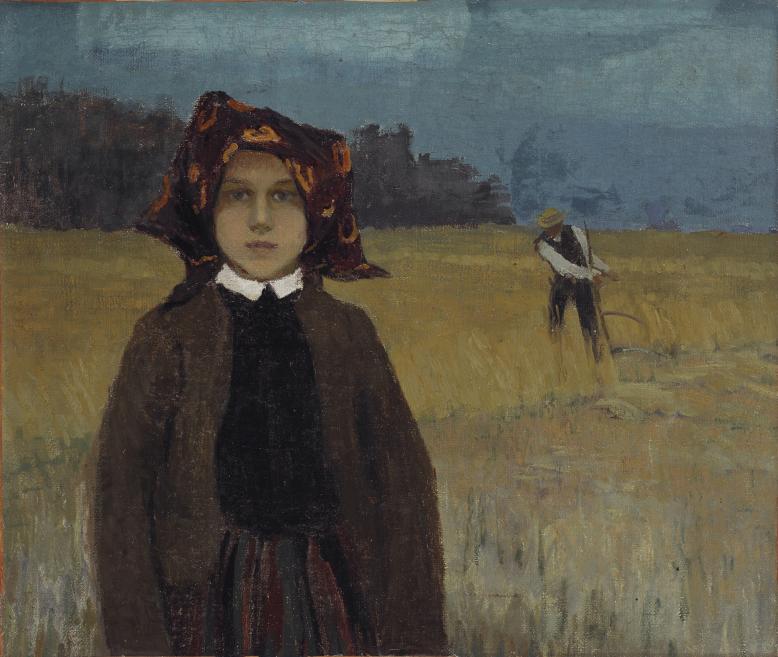
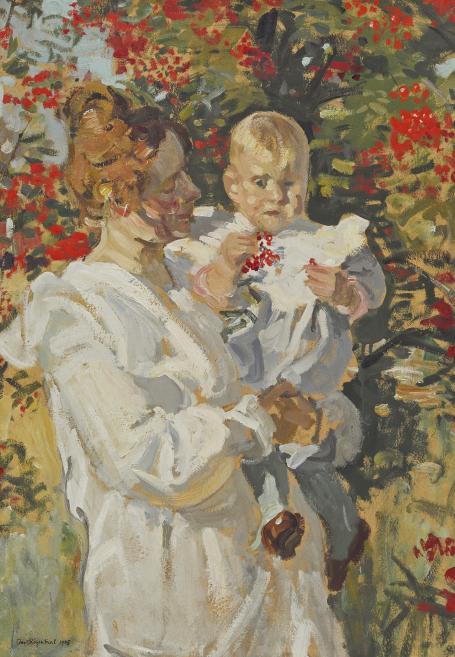
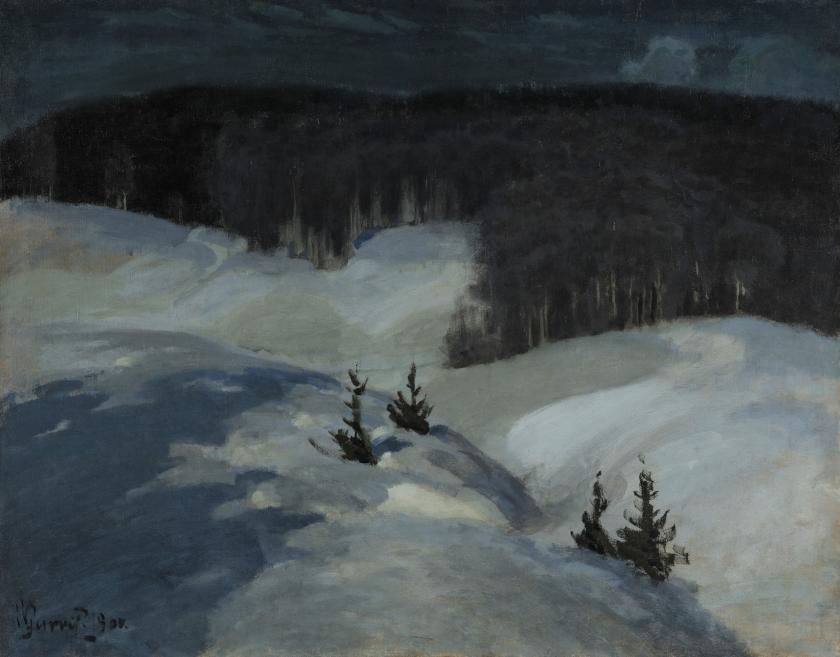
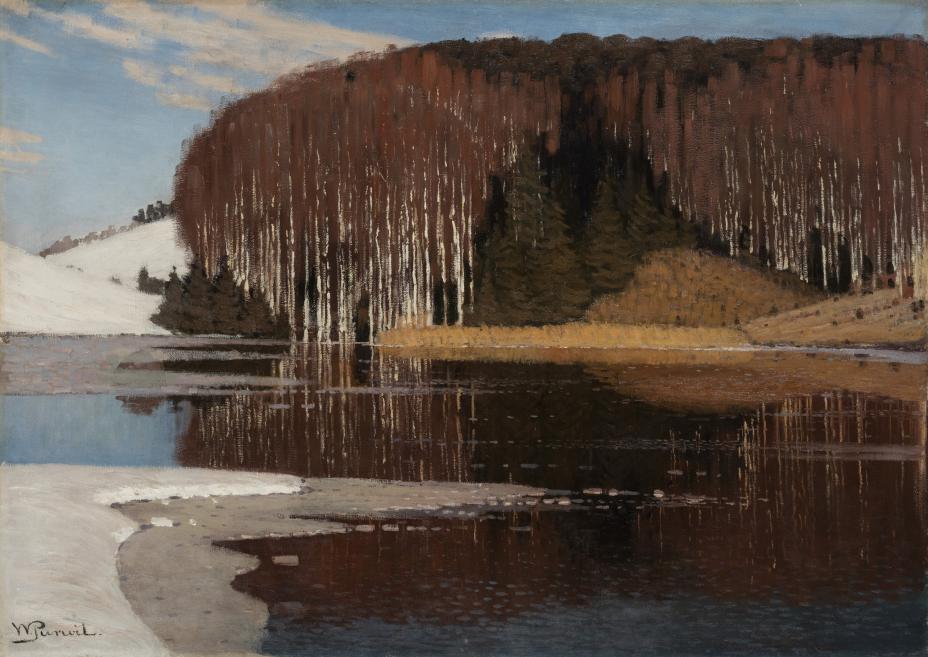
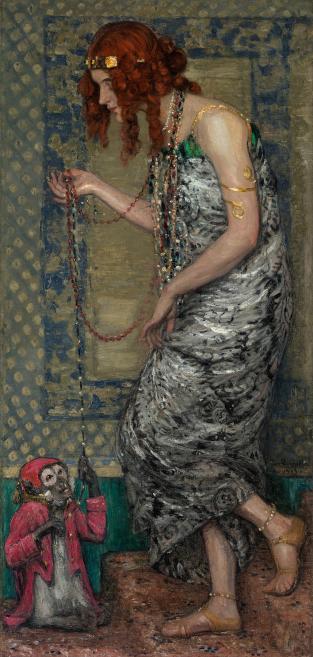
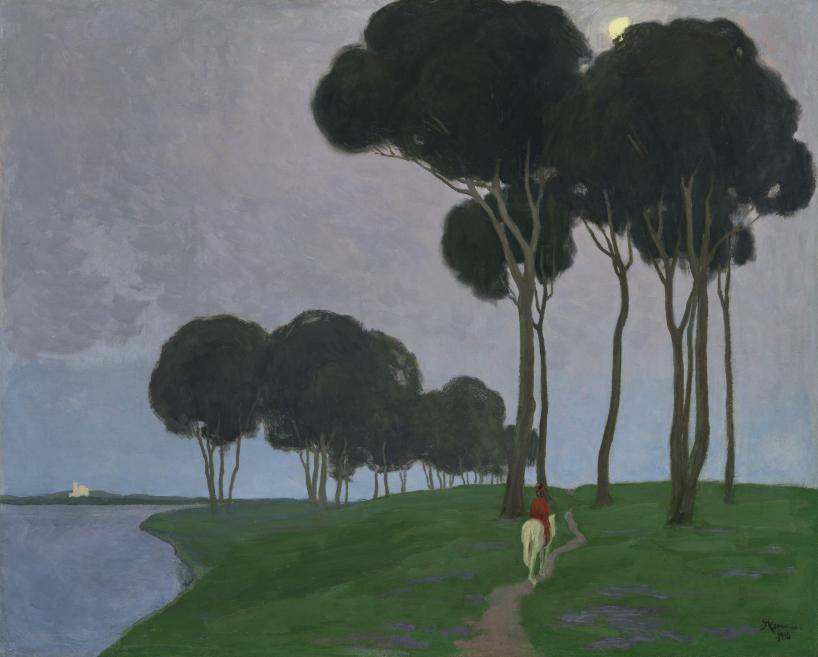
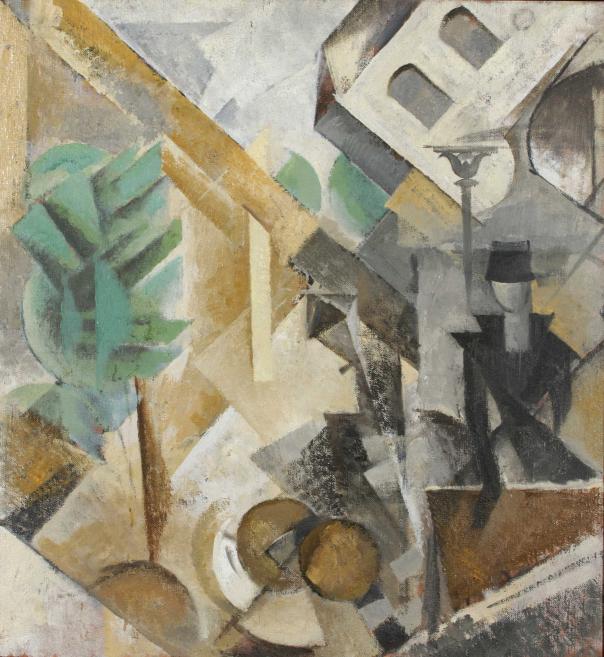
The historical core of the Latvian painting collection is formed by the redistributed post Second World War painting inventories of the former Riga City Art Museum (founded 1905) and the State Art Museum (founded in 1920), which also includes part of the former collections of the Riga Art Society (Rigascher Kunstverein, founded 1870), the Society for the Promotion of Latvian Art (founded 1911), and other older collections. During the period of the first independent Republic of Latvia, both museums purposefully turned toward forming national art collections. In the post-war restructuring of the Latvian museum system, which began under conditions of Soviet occupation in 1941, artworks seized from various institutions and transferred to the museum also entered the combined body of Latvian art.
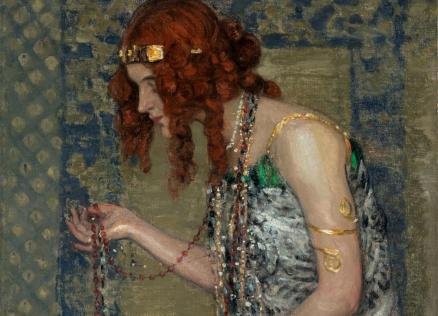
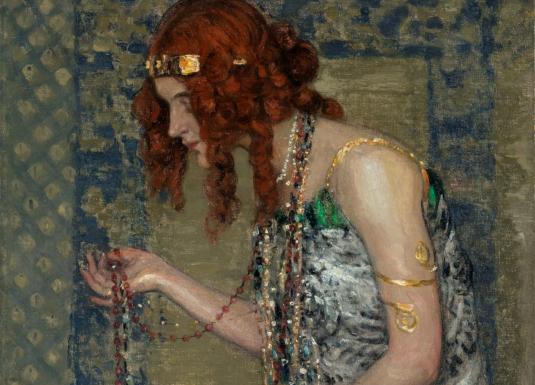
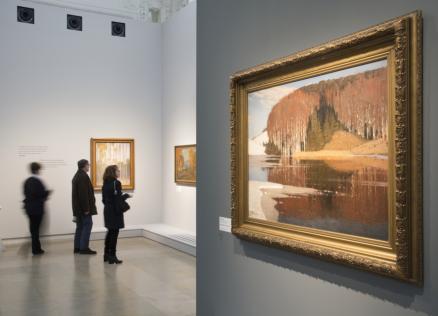
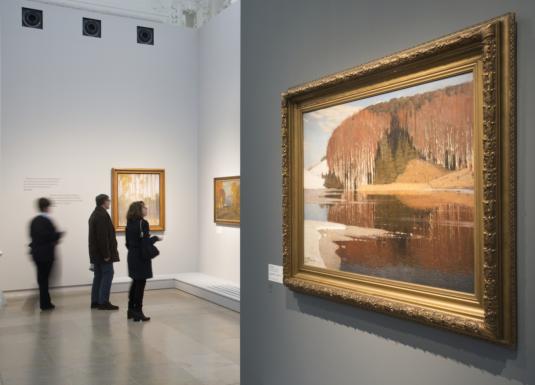
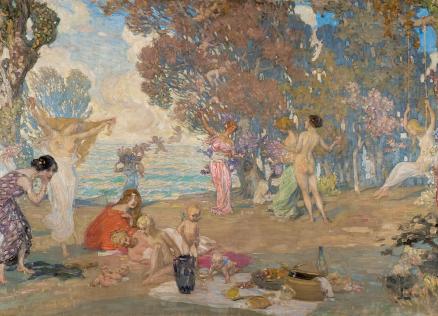
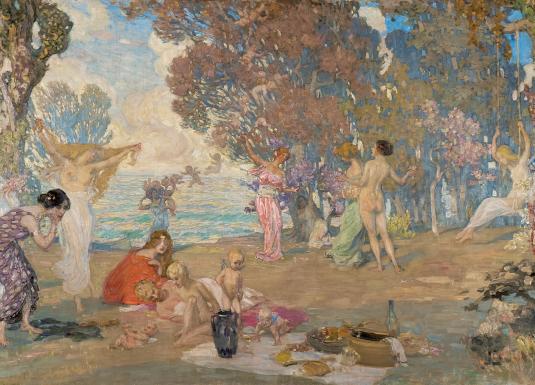
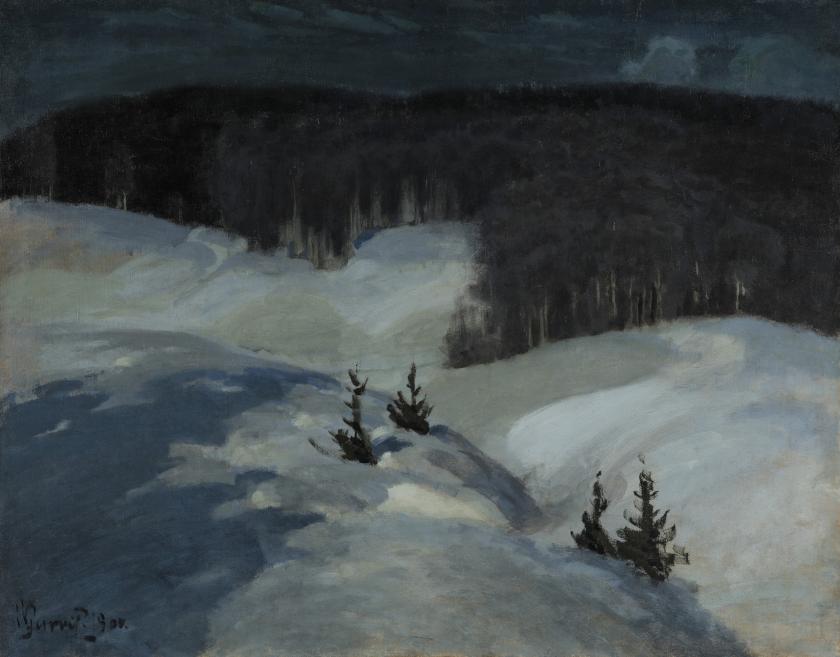
The museum’s holdings preserve rich collections of works by the most prominent classics of Latvian paintings, the landscape painter of the second half of the 19th Jūlijs Feders, and the founders of national art and modernizers of painting at the turn of the 19th and 20th centuries: Vilhelms Purvītis, Janis Rozentāls, and Johann Walter. Notable masters of the second half of the 19th century, Kārlis Hūns and Jānis Staņislavs Roze, are represented with a smaller number of paintings.
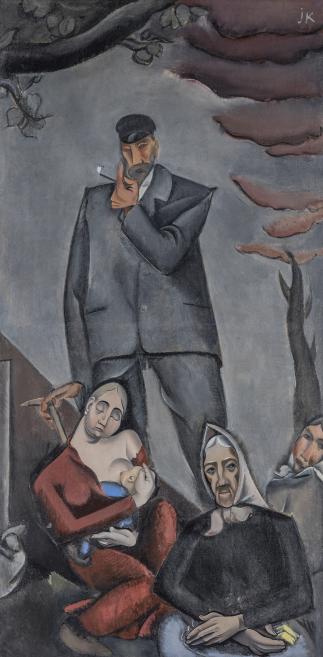
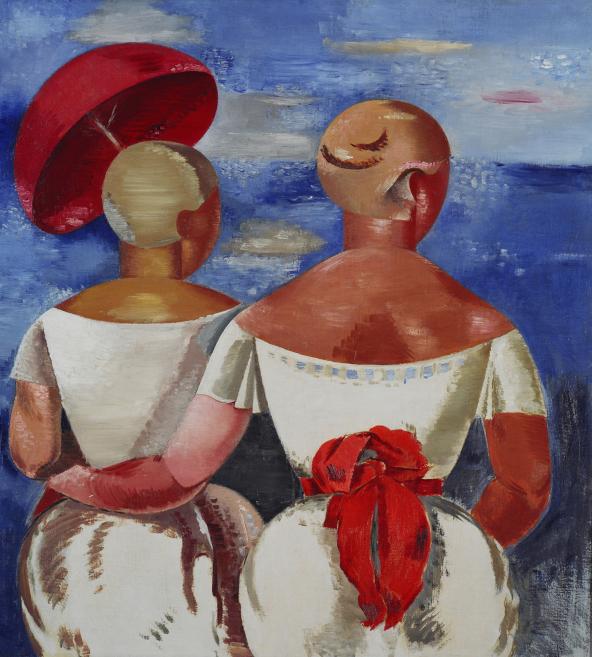
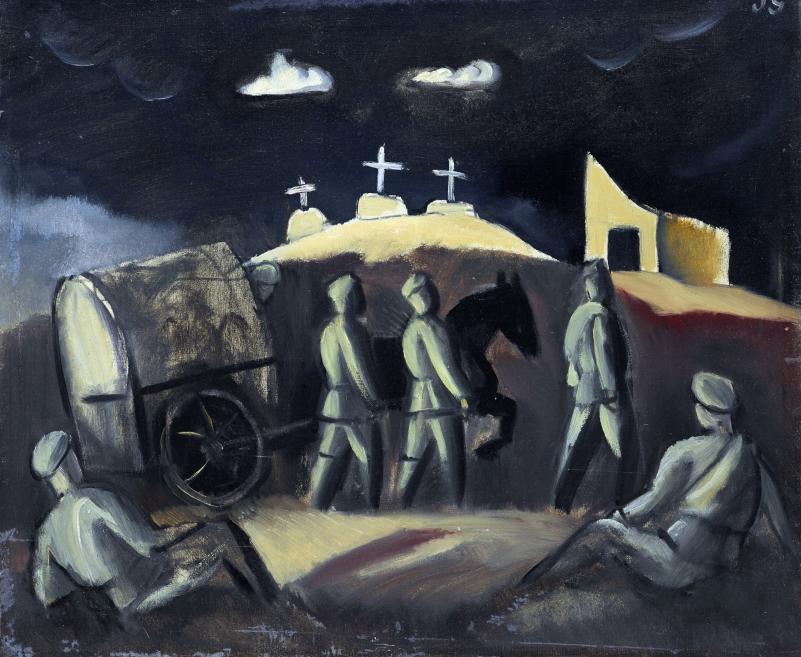
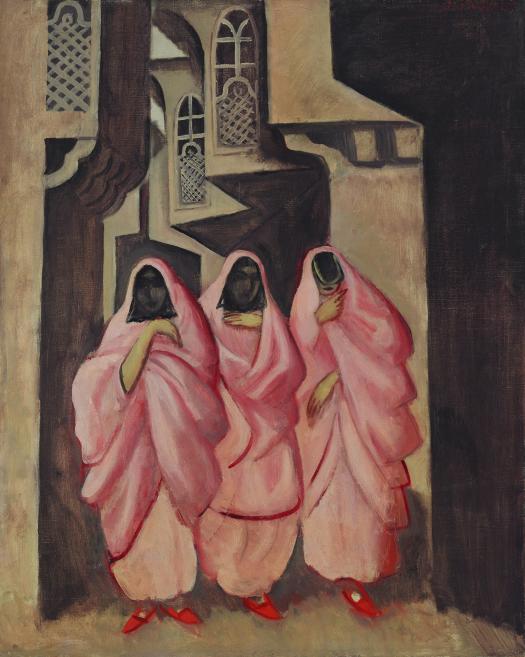
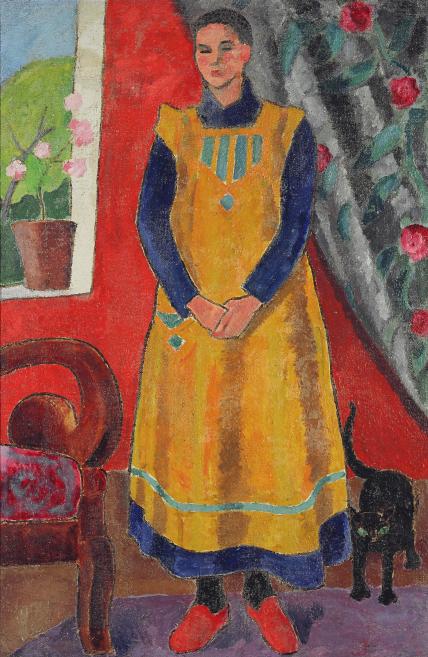
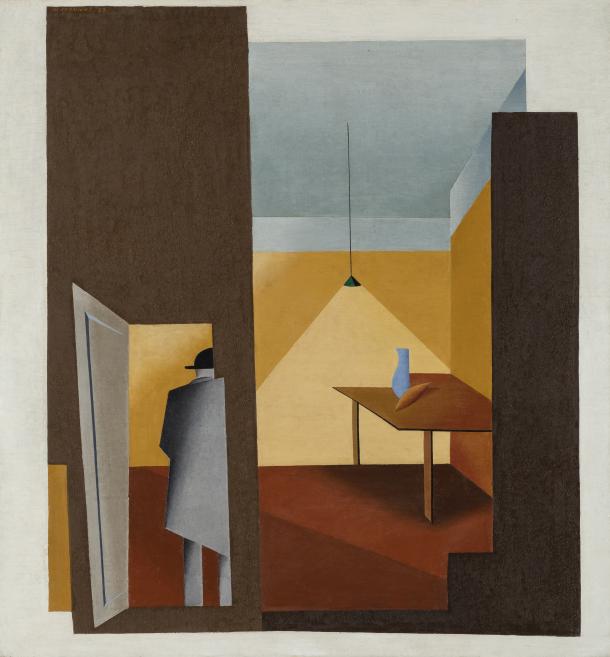
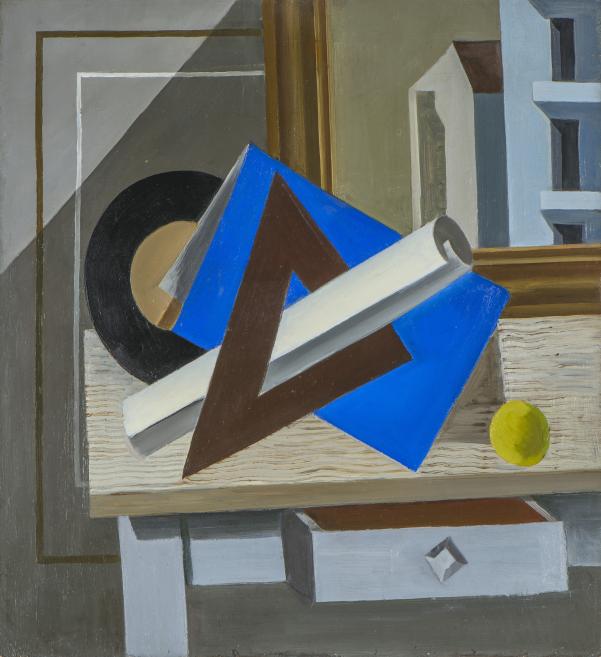
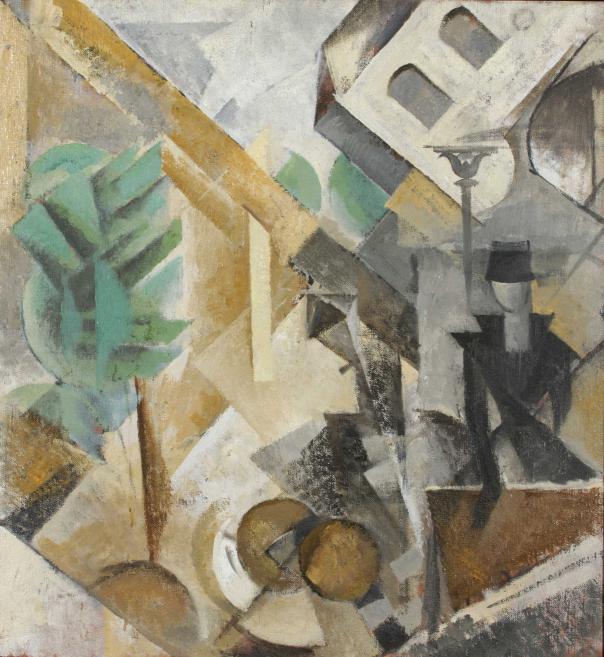
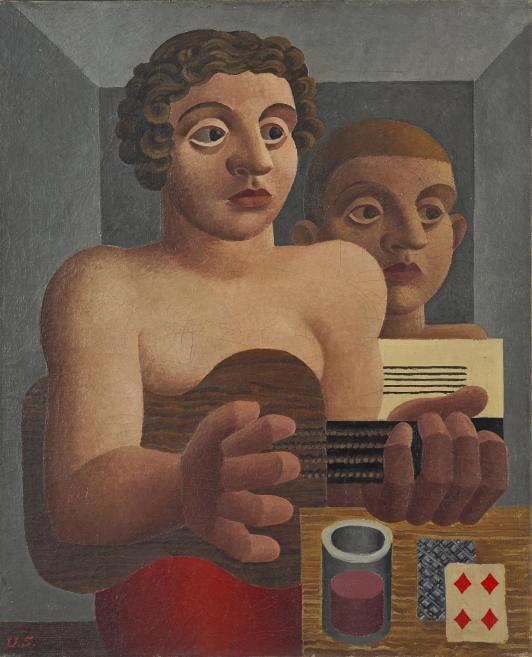
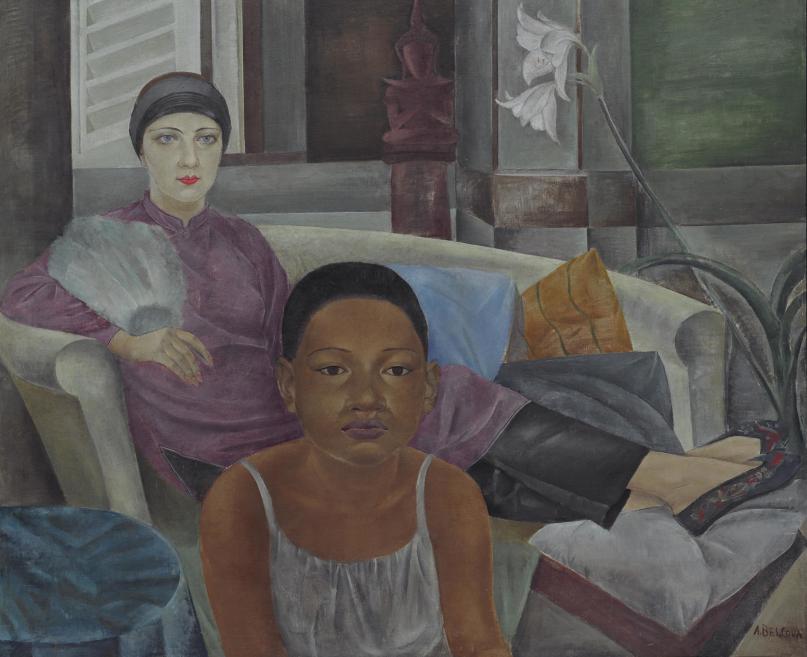
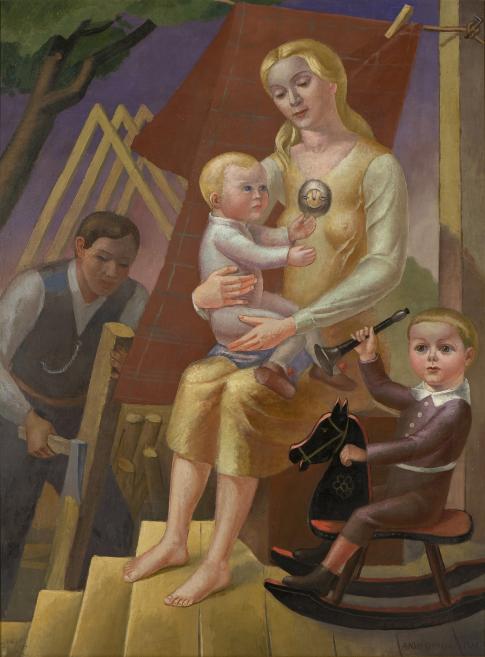
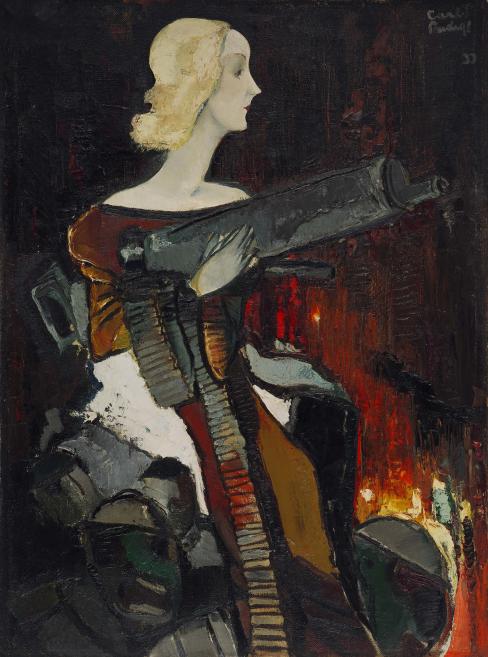
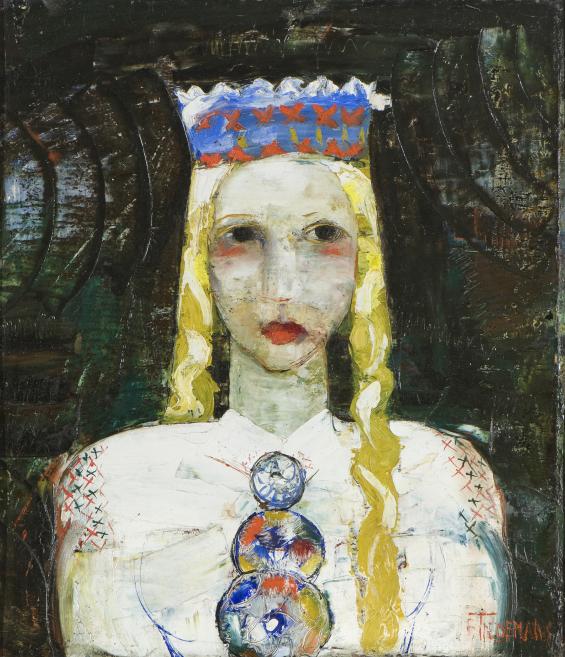
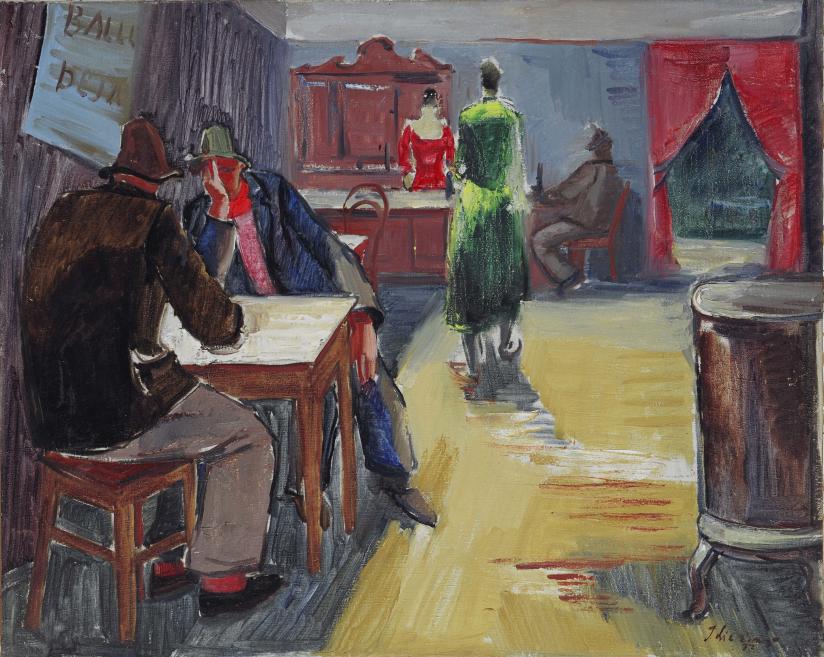
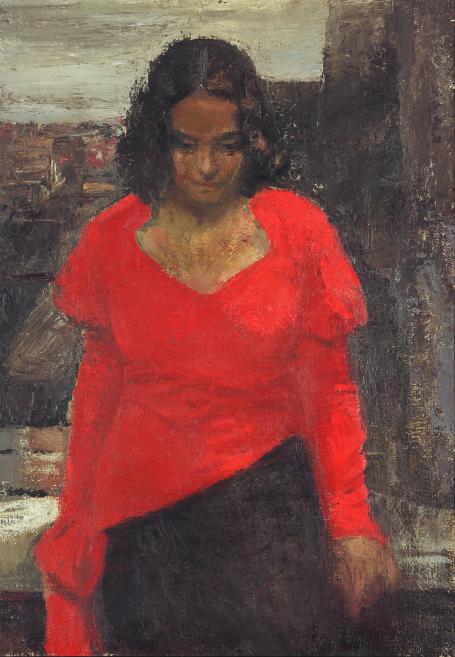
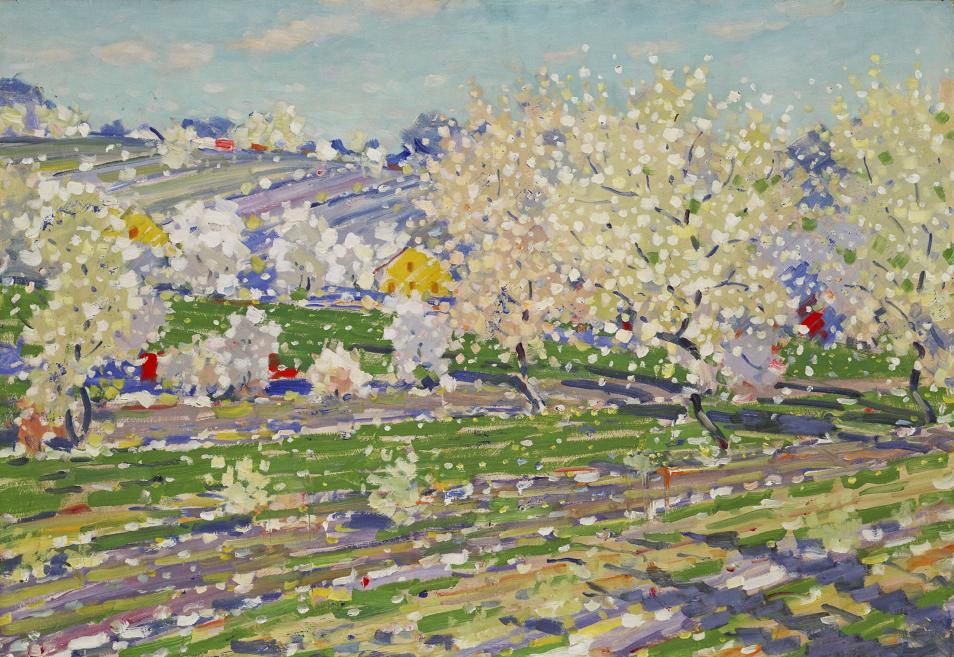
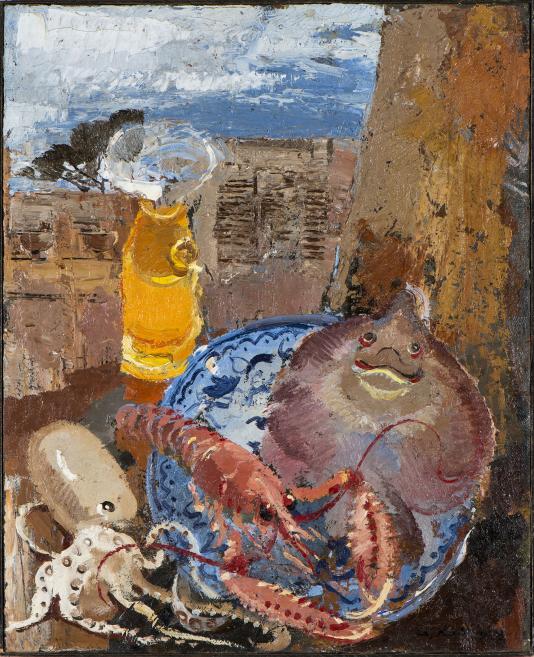
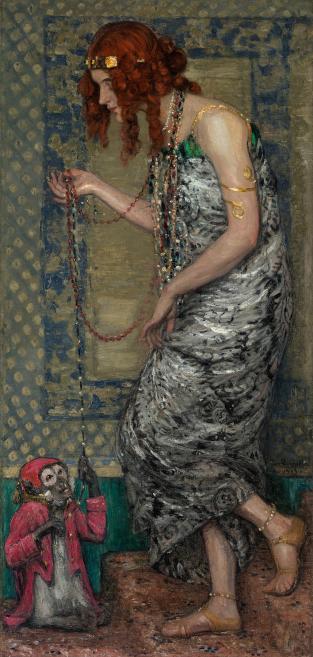
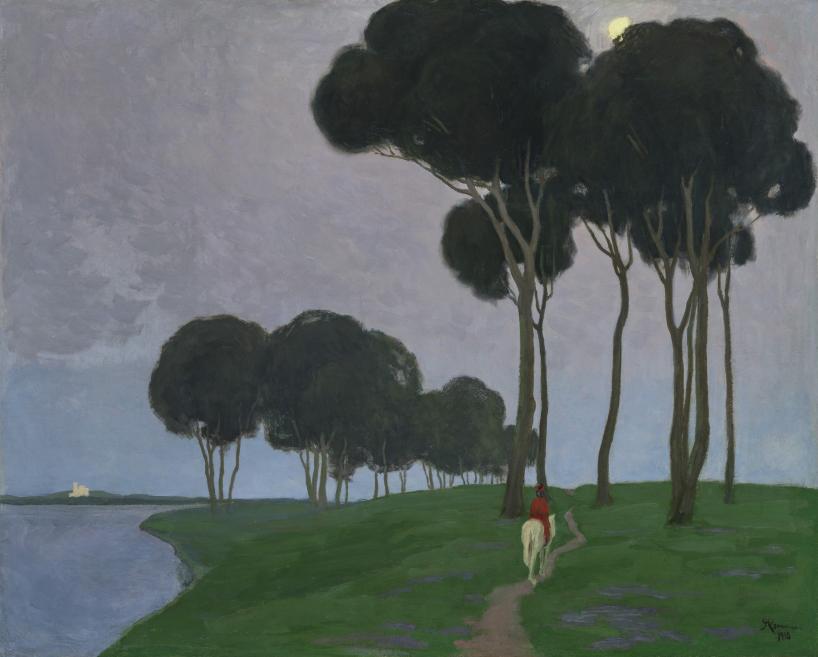
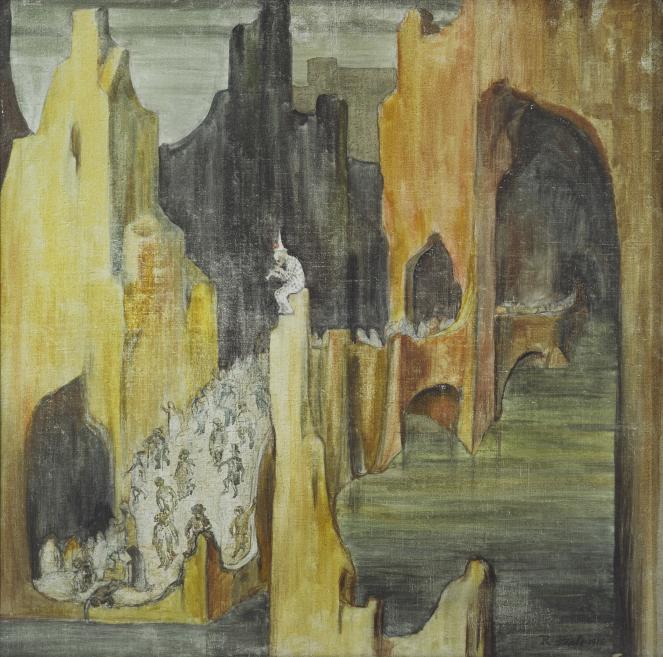
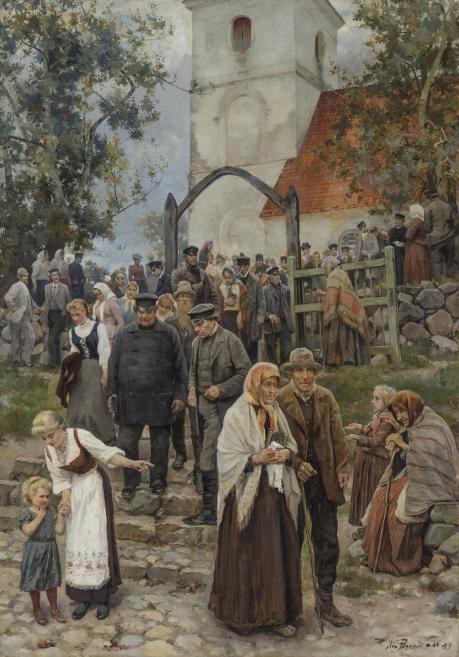
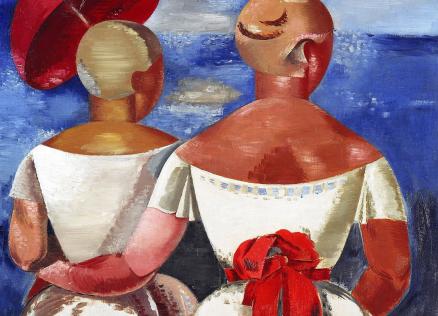
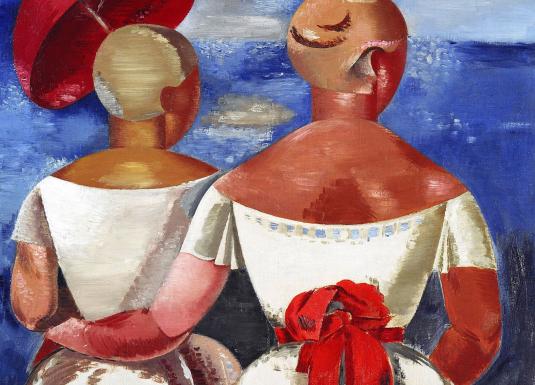
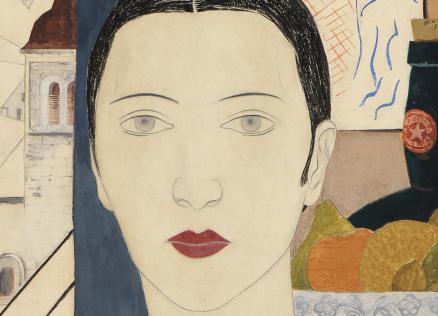
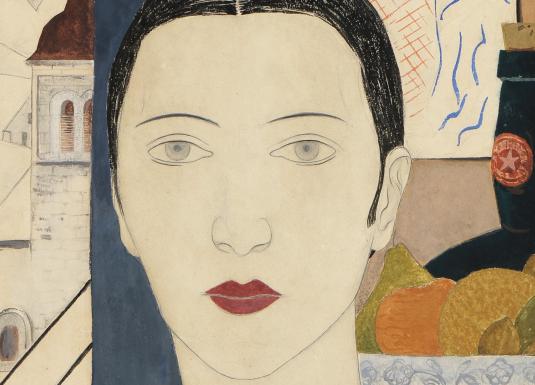
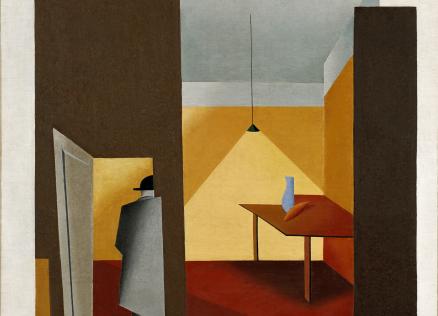
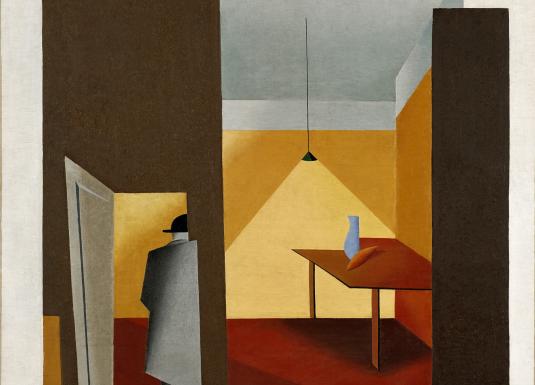
A significant part of the inventory is formed by testimonies of the creative heritage of the pioneers of Latvian Classical Modernism, Voldemārs Matvejs and Jāzeps Grosvalds, as well as members of the innovative Riga Group of Artists – Aleksandra Beļcova, Jēkabs Kazaks, Jānis Liepiņš, Oto Skulme, Uga Skulme, Niklāvs Strunke, Romans Suta, Leo Svemps, Valdemārs Tone, and Konrāds Ubāns. The local interwar painting scene is also evidenced by extensive collections of Ludolfs Liberts, Kārlis Miesnieks, Jānis Tīdemanis, Eduards Kalniņš, and other contemporaries.
Baltic painting at the end of the 18th century and the first half of the 19th century is most broadly represented in this repository by the animalier Johann Heinrich Baumann. The understanding of the older period is supplemented by works of Baltic German painters Johann Leberecht Eggink, Alexander Heubel, and several other authors. Meanwhile, Baltic German male and female artists from the turn of the 19th and 20th centuries are included in the collection with a small selection of works.
The permanent exhibition of the Latvian National Museum of Art reflects the richness and uniqueness of the museum’s collection, creating an impression of the overall picture of Latvia’s visual art history, its trajectory of development, and changing stylistics over time, the European context, and the search for national identity, as well as the most vivid personalities and masterpieces over nearly two centuries. A high-value selection form the painting collection of the 18th century to the first half of the 20th century forms the foundation and main message of this display on the 3rd floor of the museum’s main building, paintings concentrated in one wing cover the periods of Classicism and Romanticism (1780–1840), Realism and Historicism (1840–1890), and Neo-Romantic Modernism (1890–1915), while the other wing covers Classical Modernims and Traditionalism (1915–1940).