The Memorial Collection of Jāzeps Grosvalds
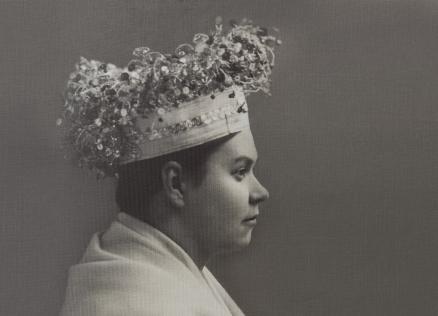
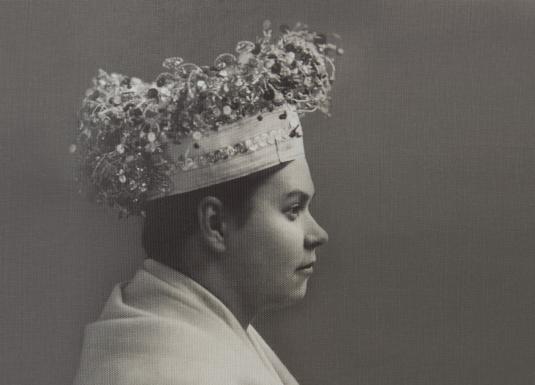
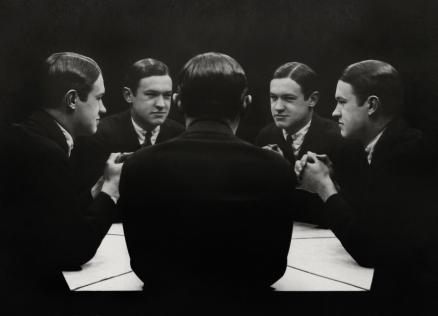
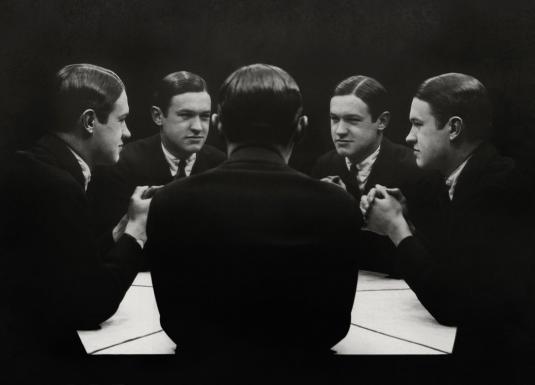
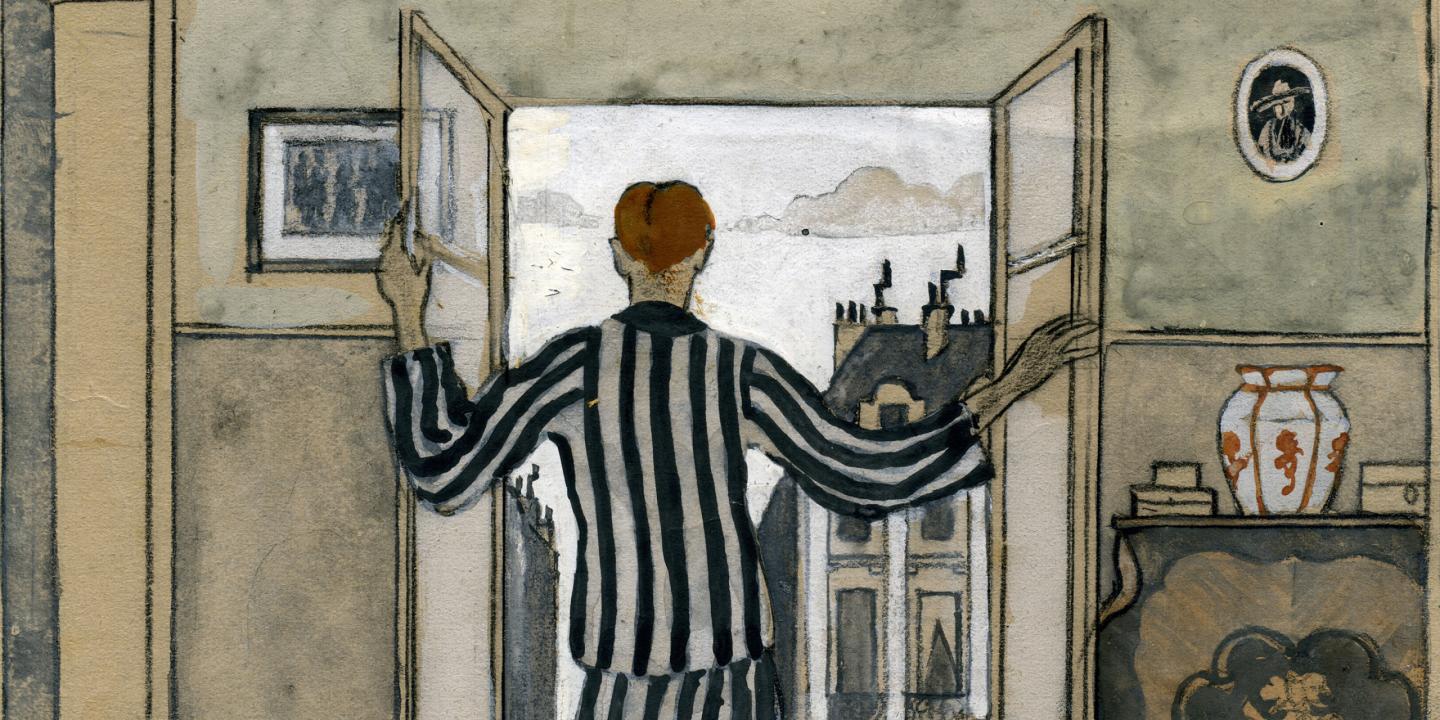
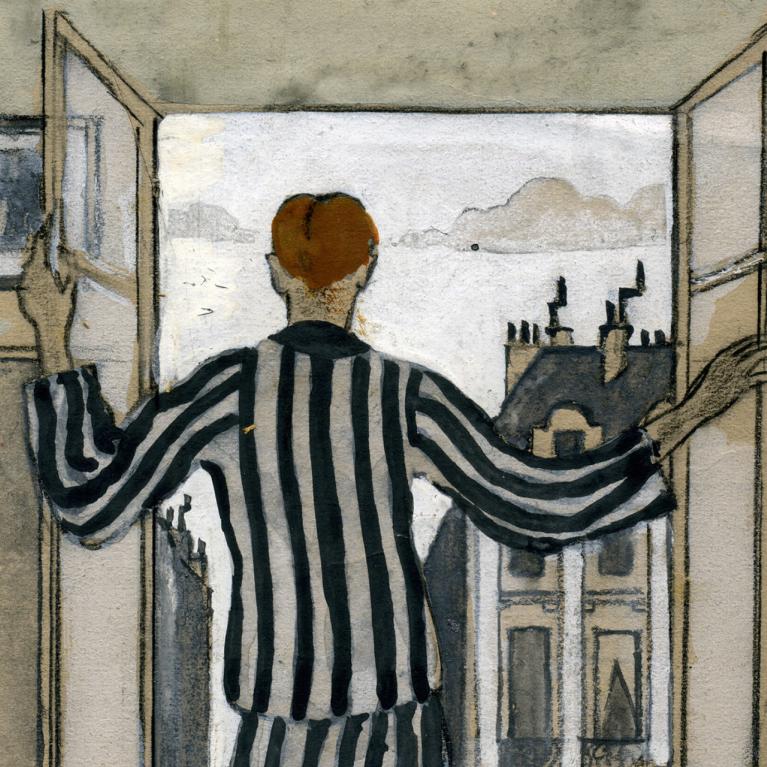
The memorial collection dedicated to Jāzeps Grosvalds (1891–1920) preserves artworks, hand-crafted periodicals, and sketchbooks by the artist, as well as an extensive array of documentary materials (photographs, diaries, correspondence, and related archival items). In total, the collection comprises more than 2000 museum objects.
Jāzeps Grosvalds was one of the most compelling personalities in early 20th century Latvian art. An artist, pioneer of classical modernism in Latvia, dandy, Latvian Rifleman, and diplomat, Grosvalds left behind a vast artistic and archival legacy despite his life being tragically cut short by the Spanish Flu. Owing to a unique confluence of historical circumstances, Grosvalds’ estate has been preserved within the museum’s collection in a more comprehensive state than that of any other 20th century Latvian artist.
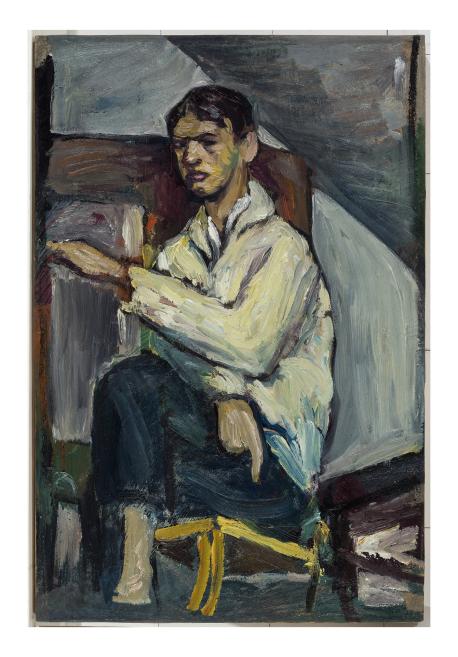
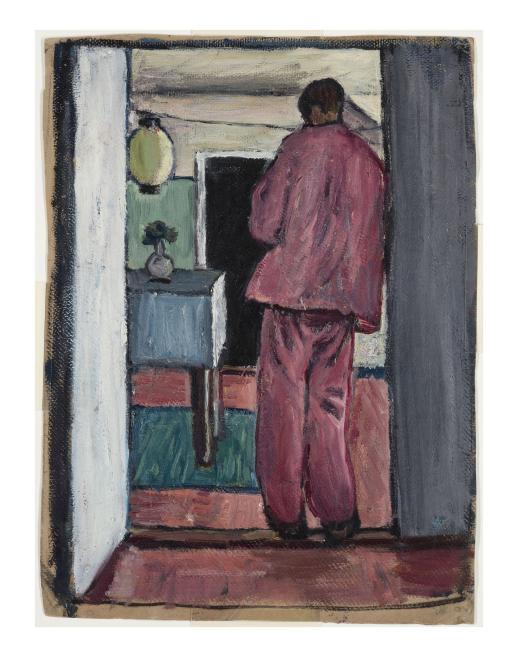
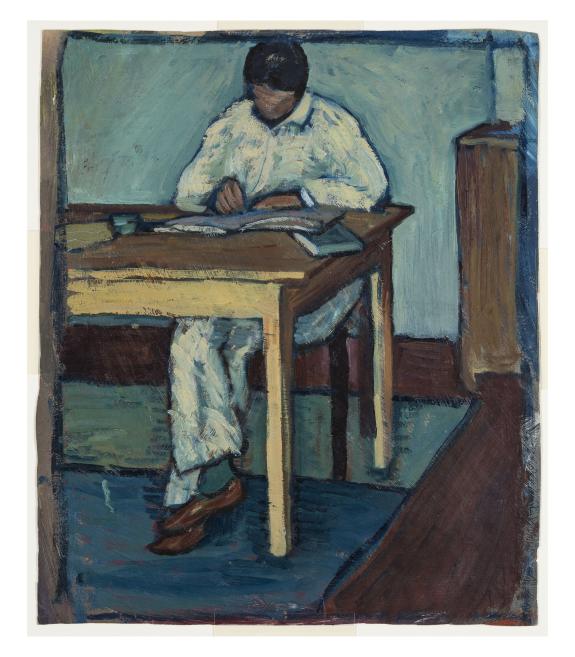
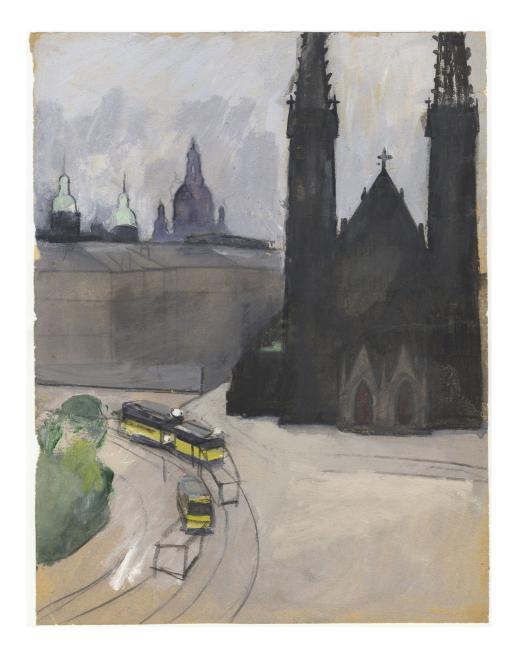
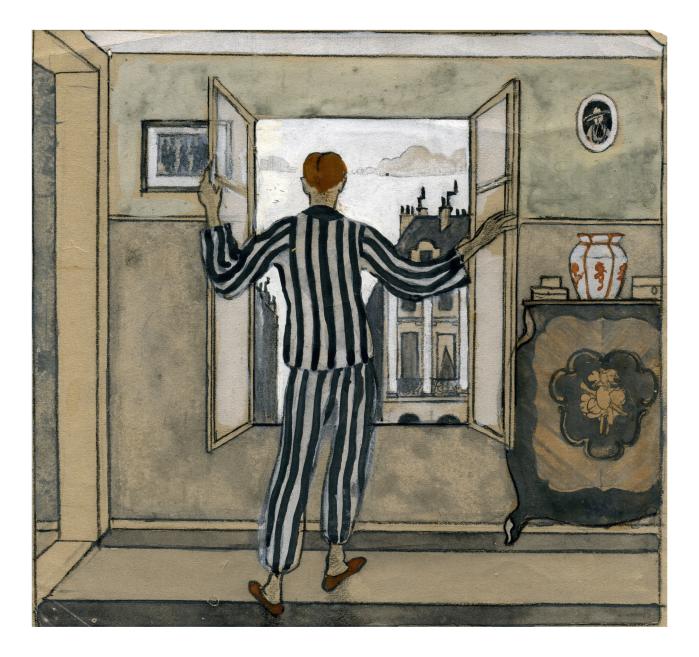
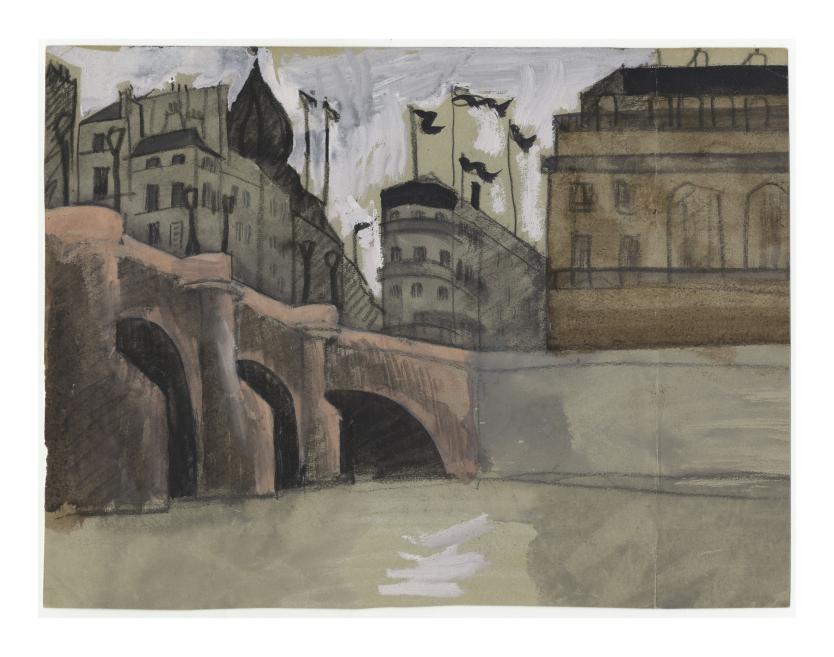
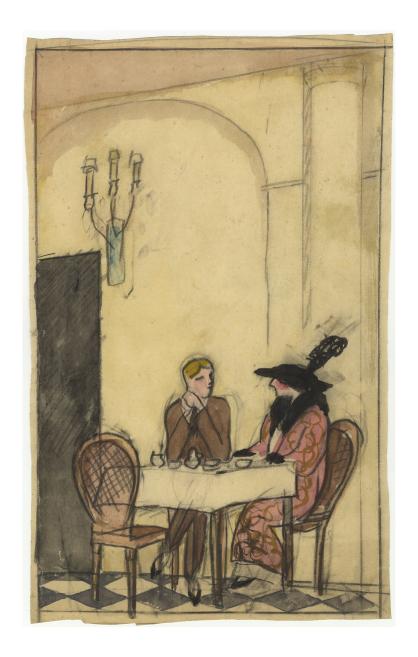
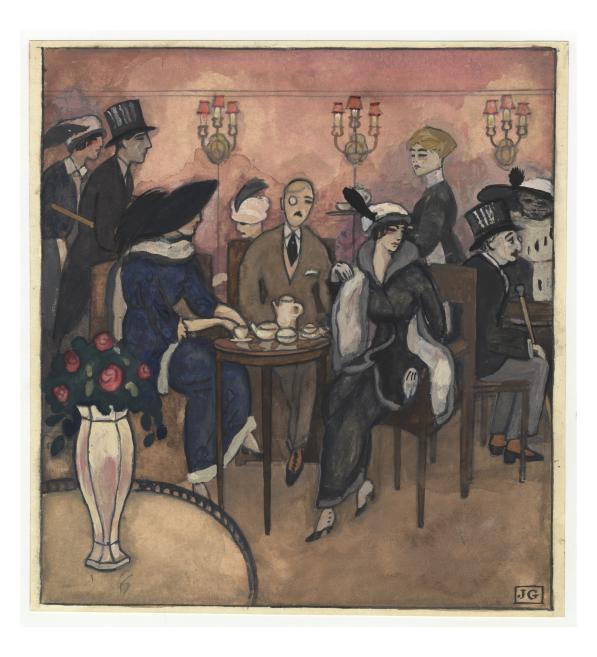
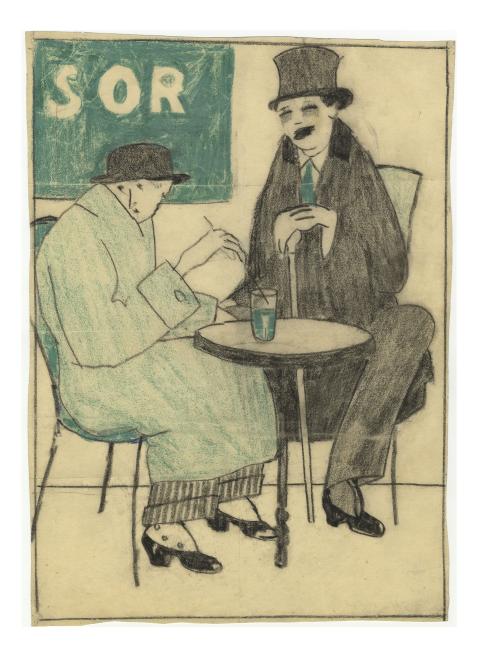
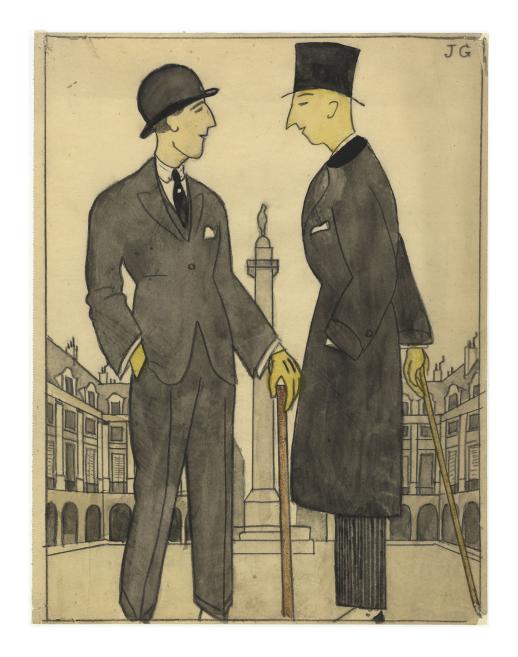
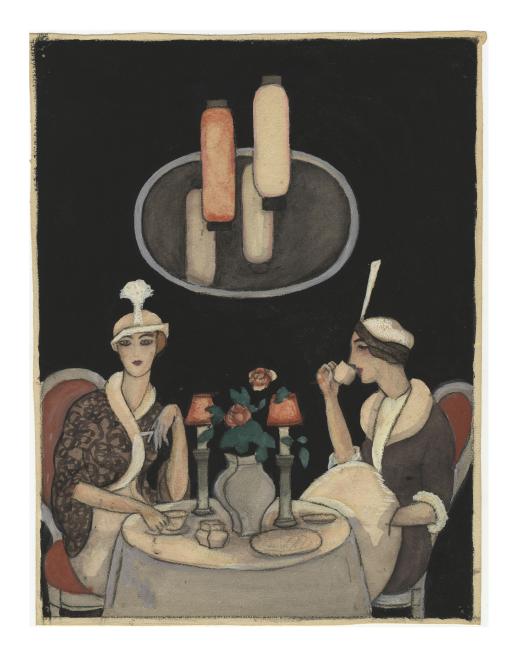
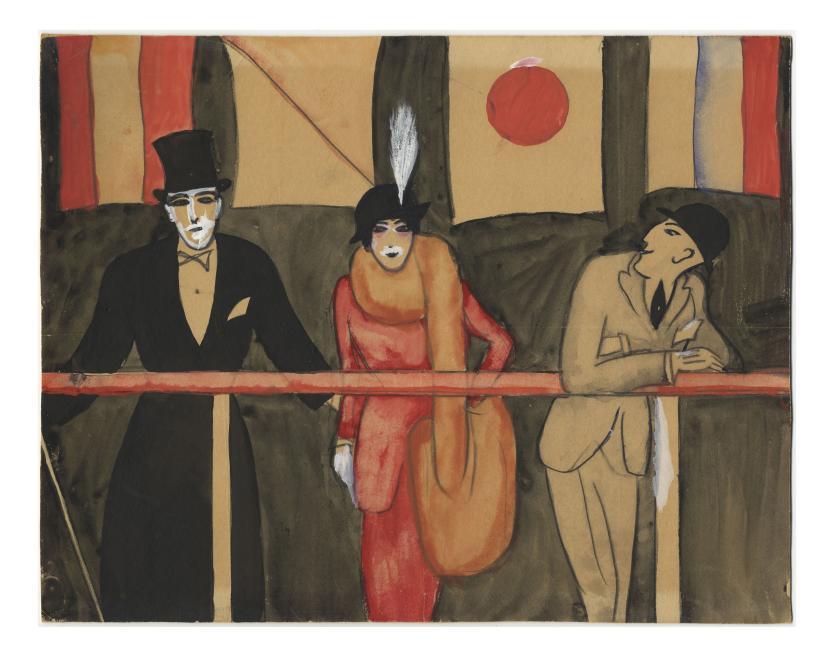
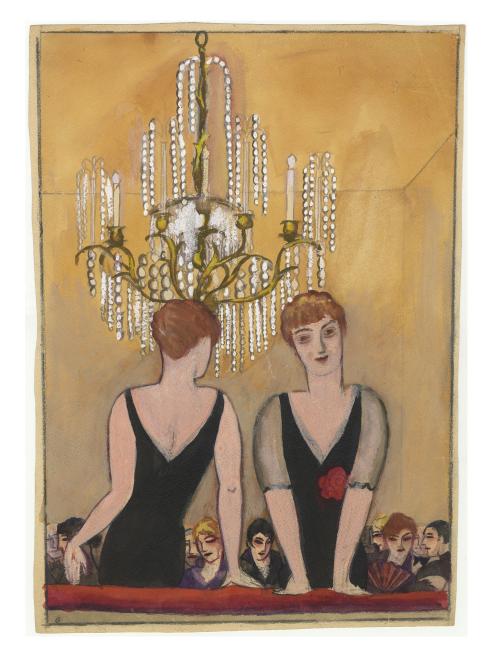
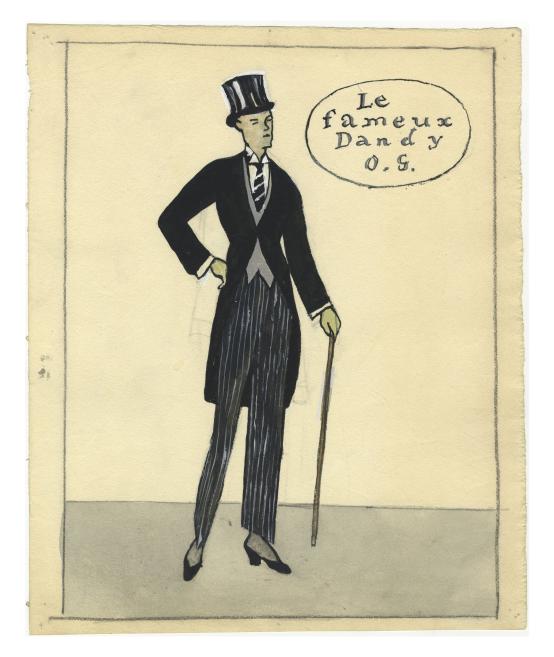
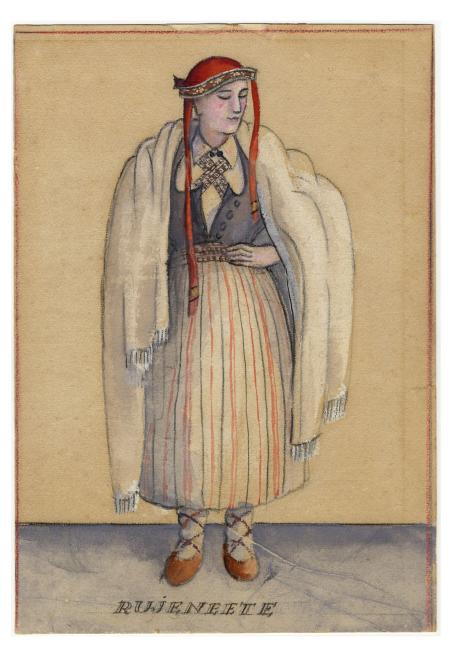
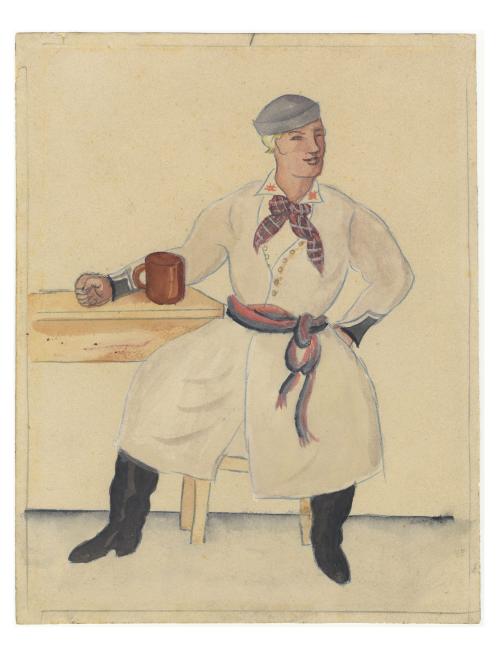
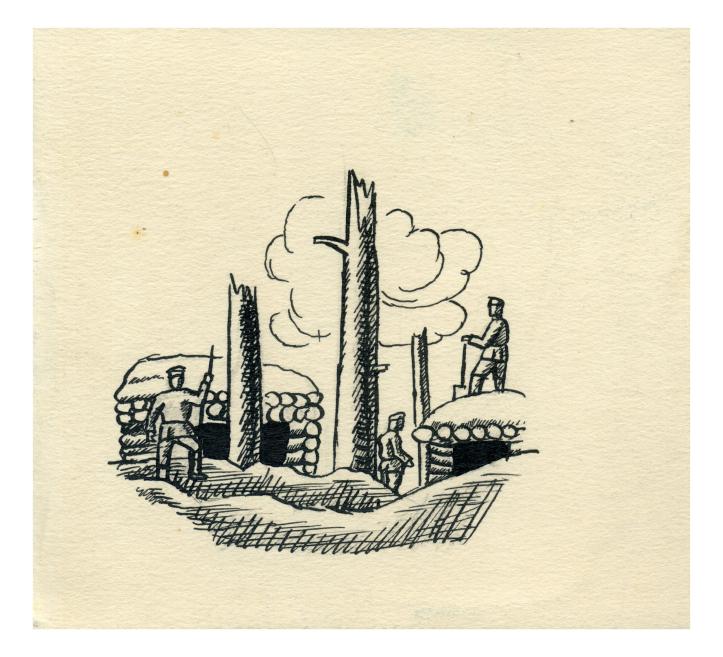
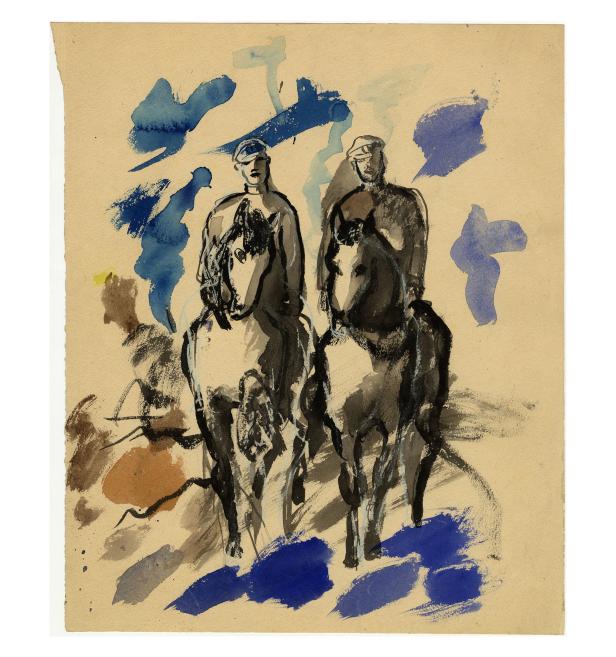
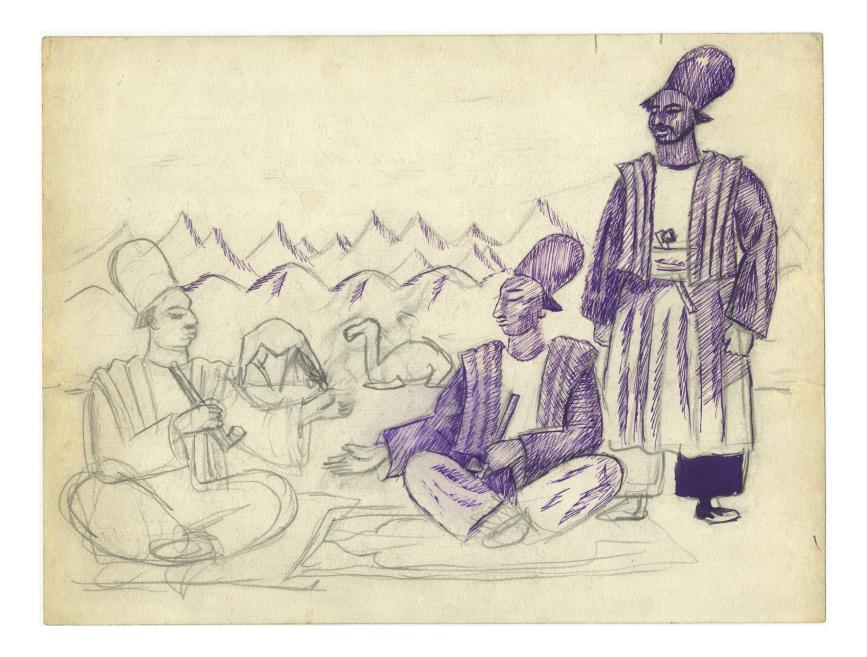
The memorial collection of Jāzeps Grosvalds was formally established at the museum in 2005. Supported by the State Culture Capital Foundation, the museum acquired a major collection of Grosvalds’ artworks and personal documents in 2004 from the descendants of his sister, Mērija Grīnberga. These materials were further augmented by a gift of more than 300 artworks and archival items donated by members of the Latvian diaspora community in Sweden, Visvaldis and Gerda Bokalders.
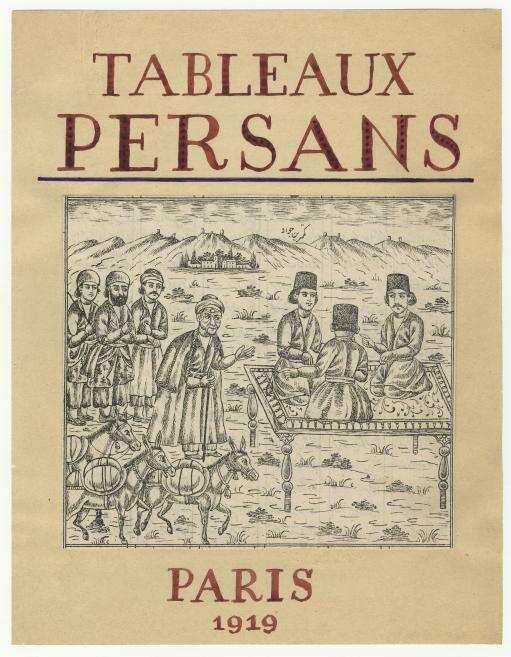
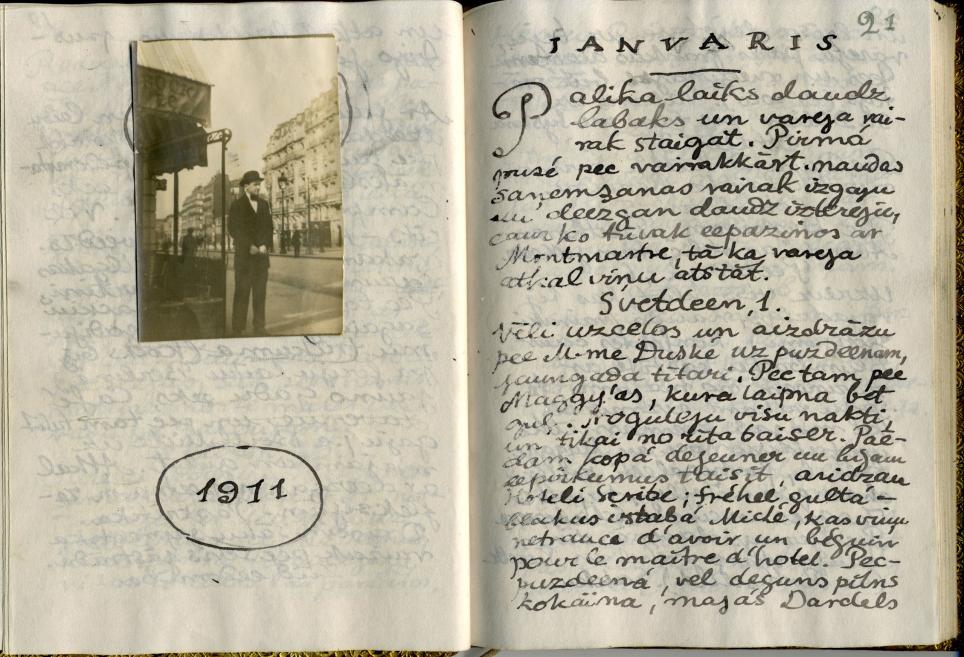
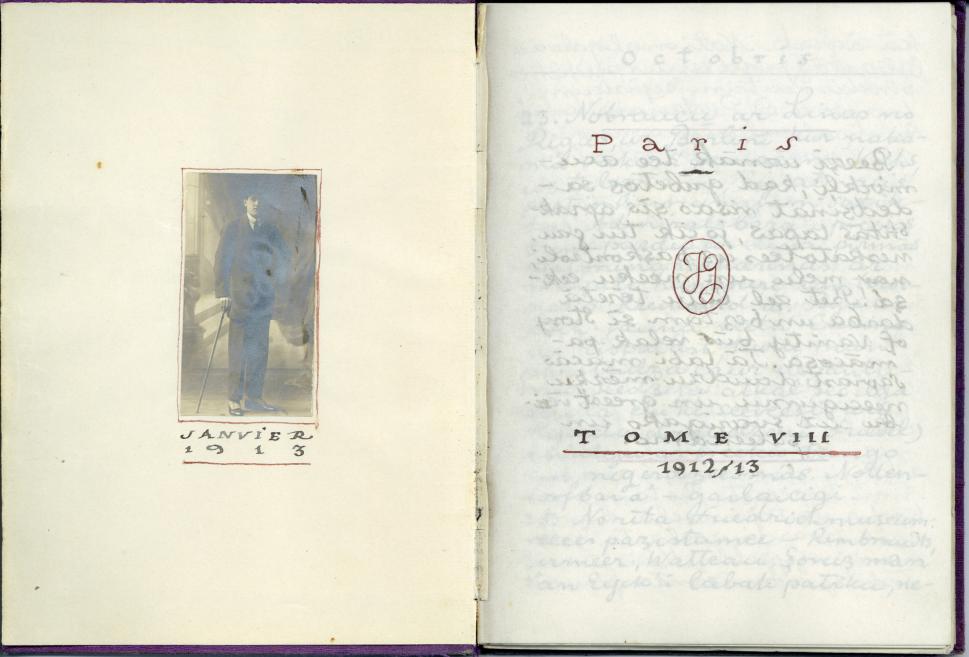
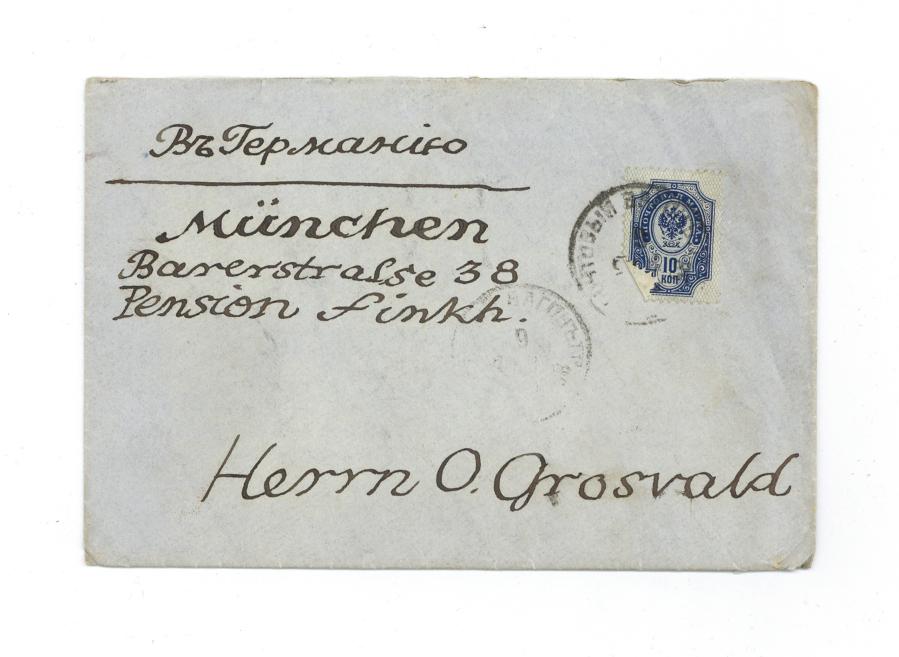
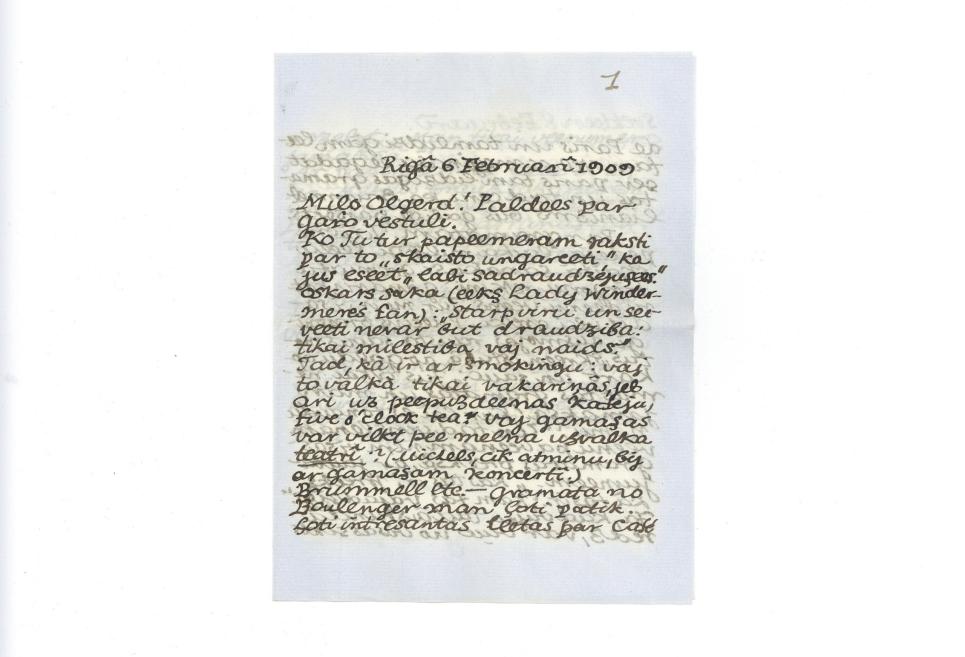
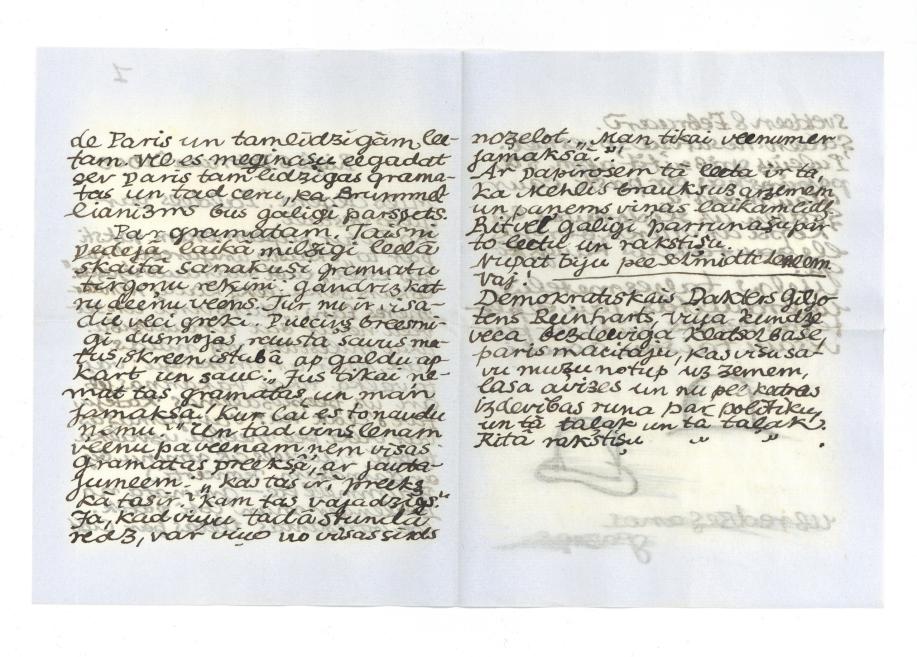
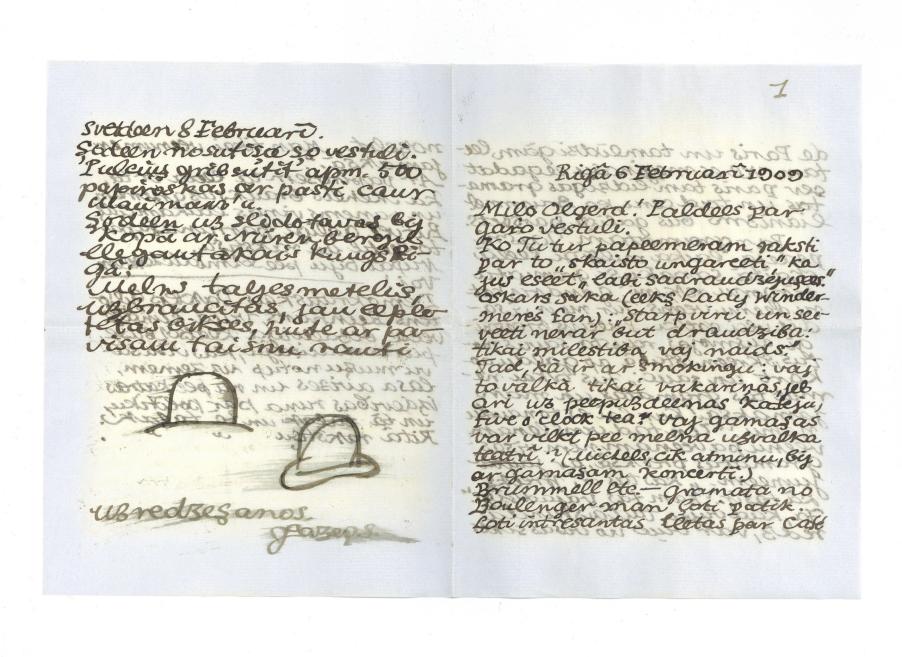
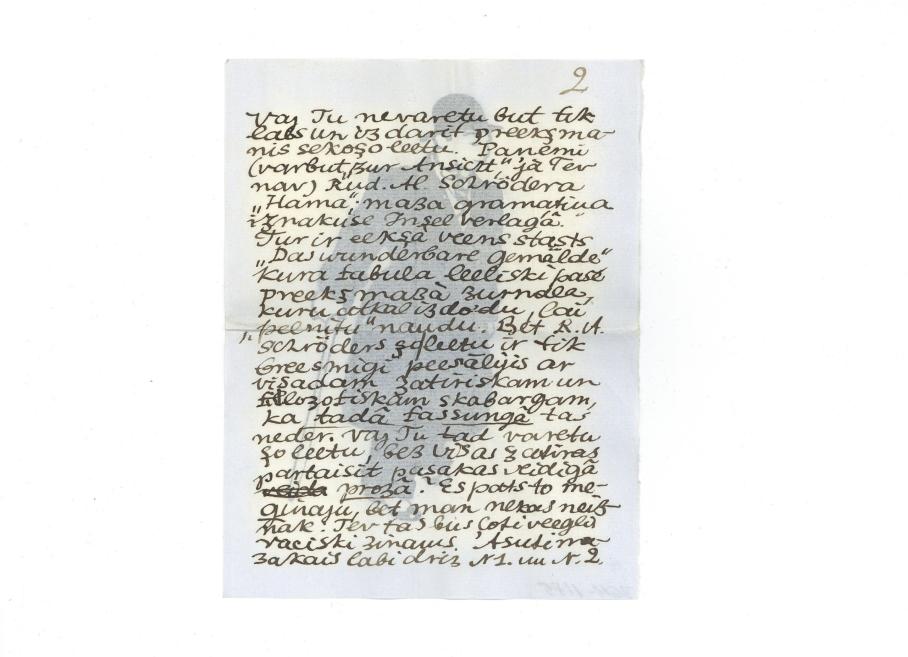
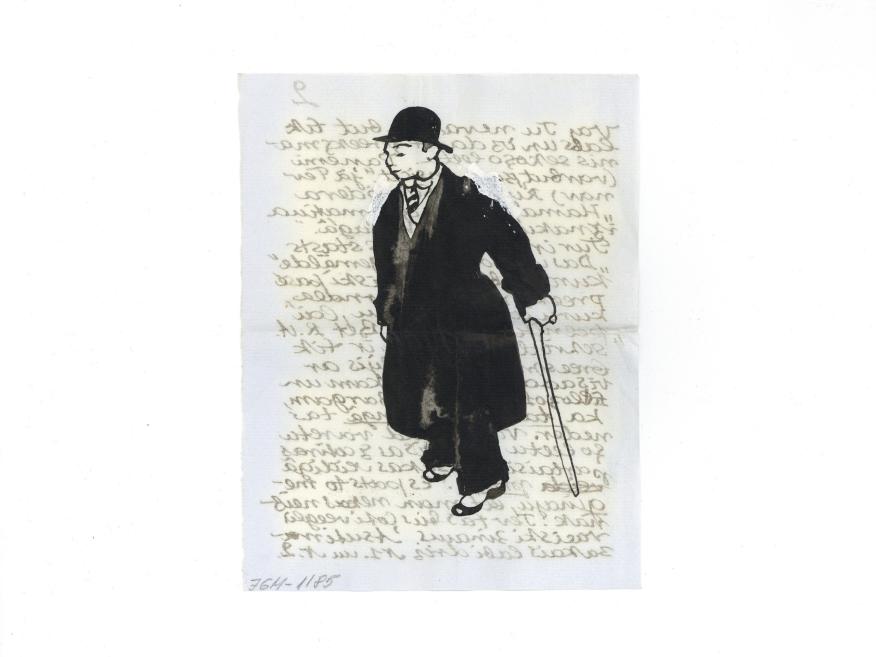
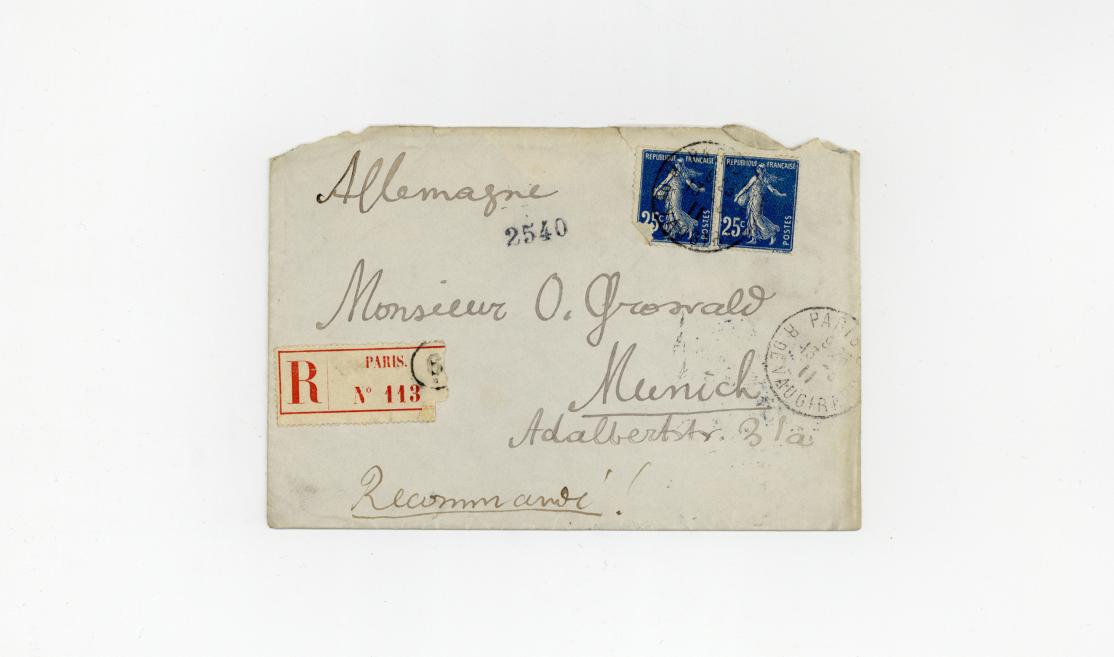
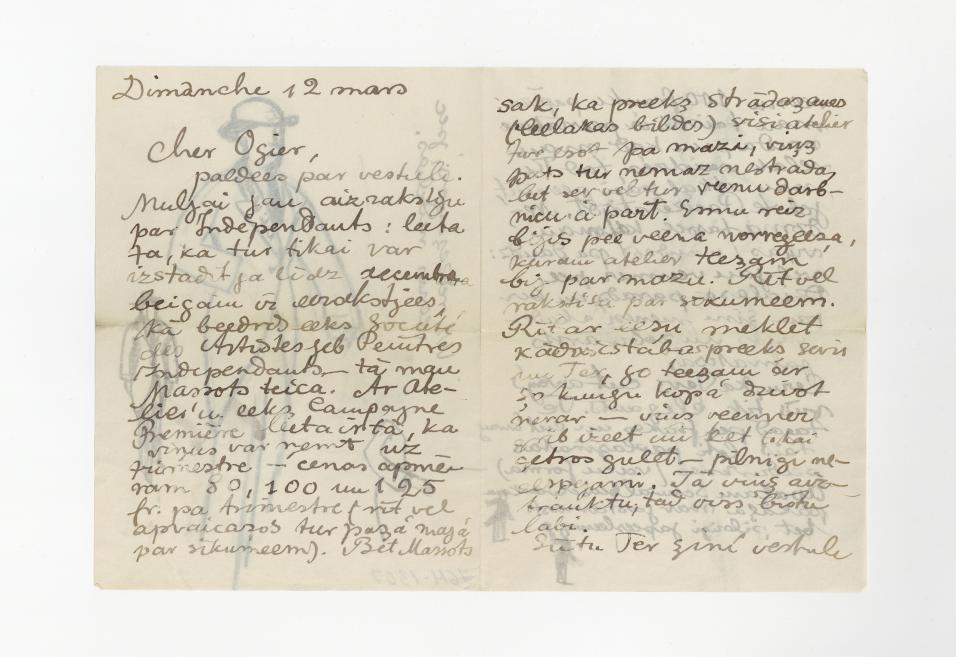
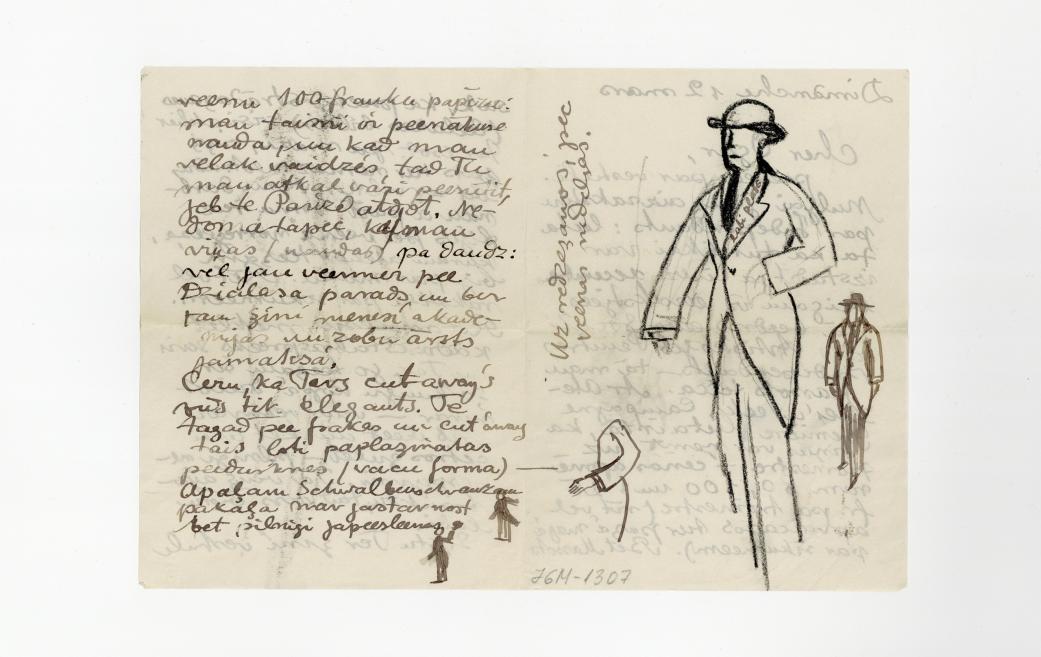
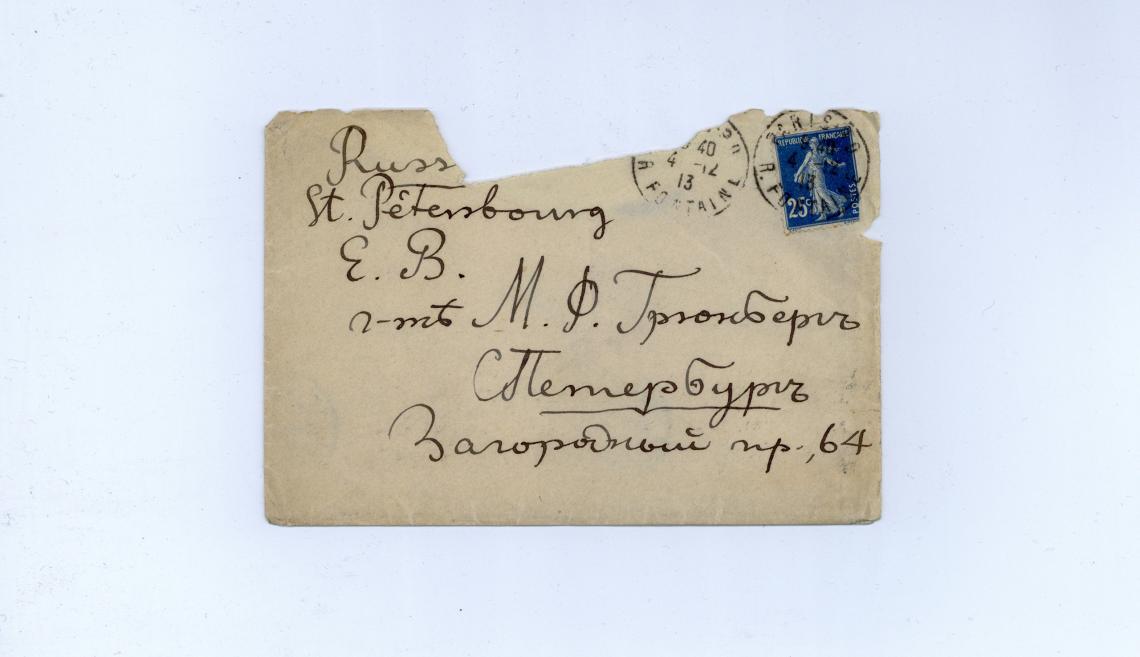
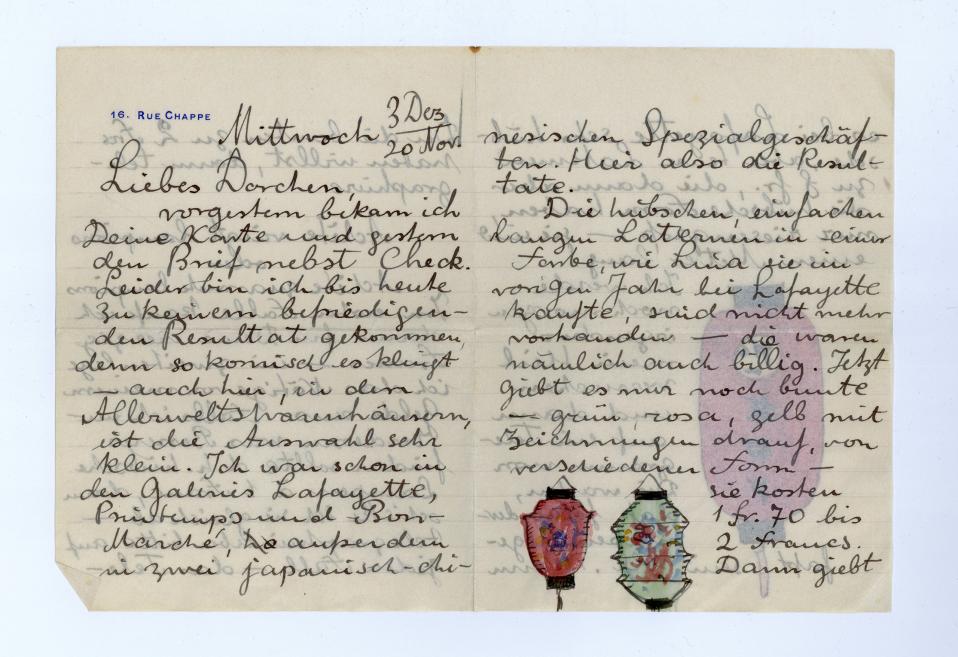
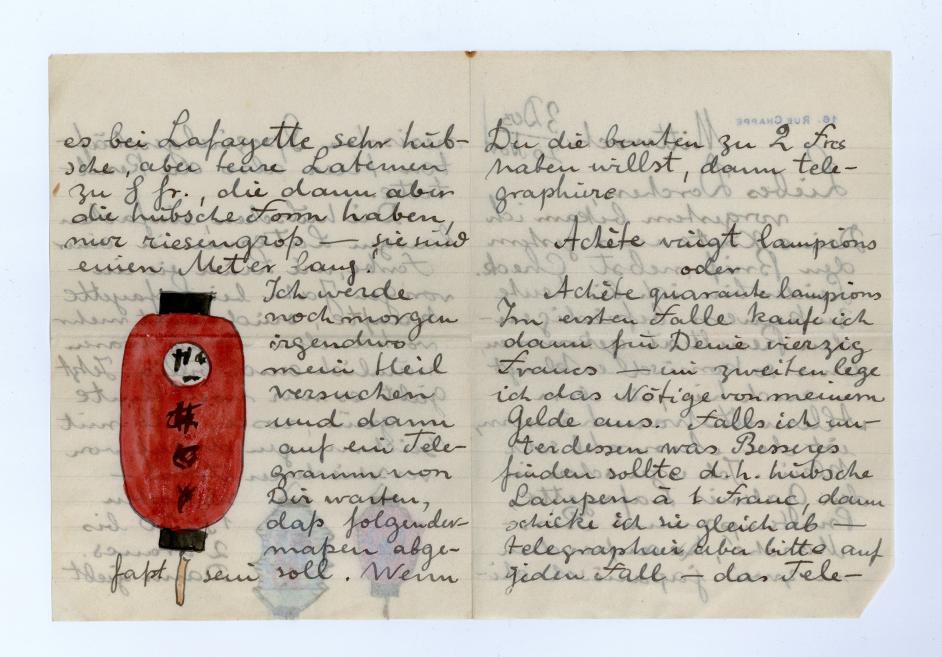
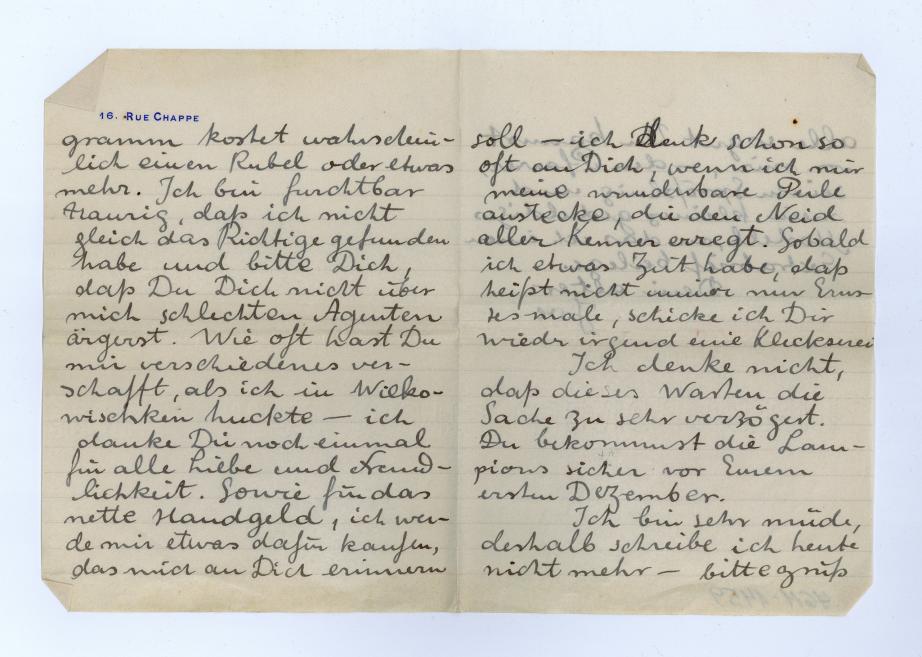
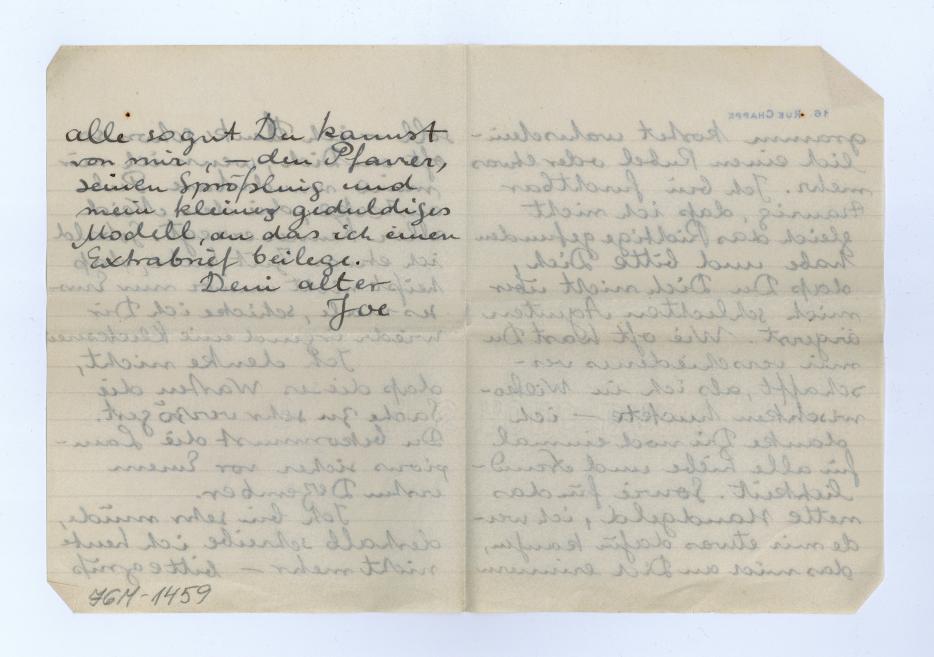
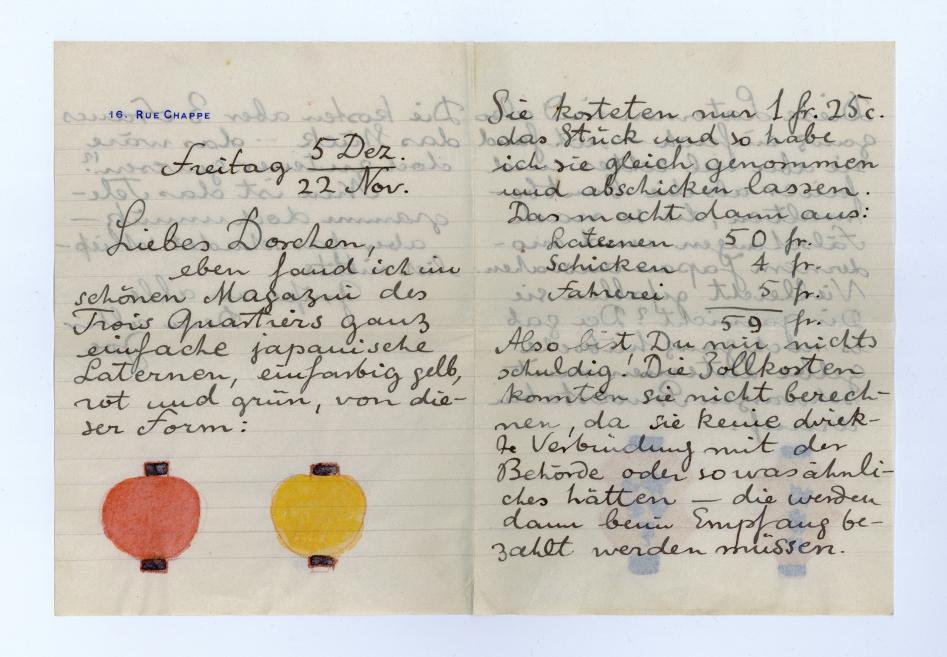
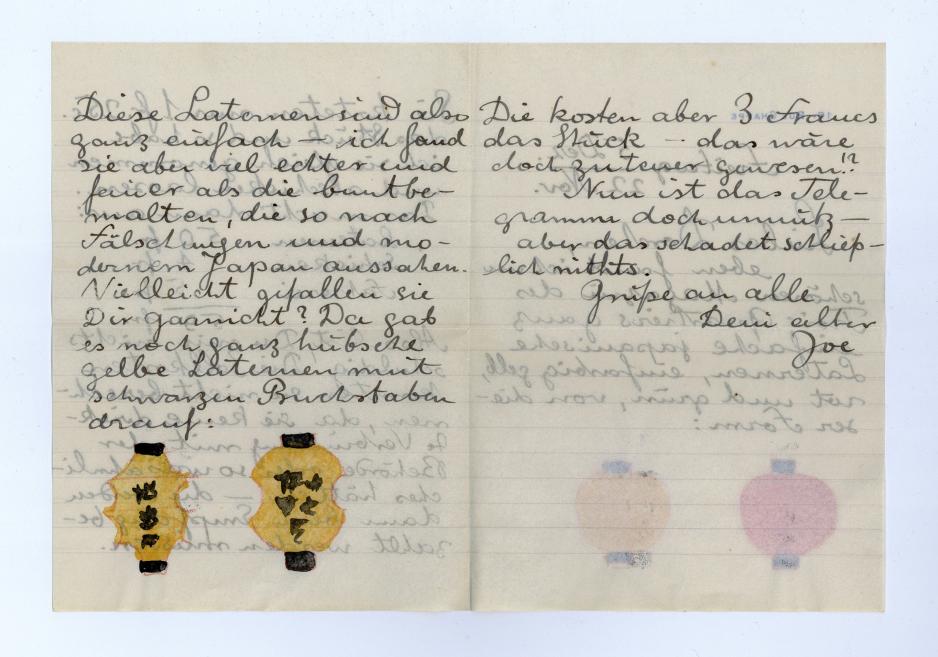
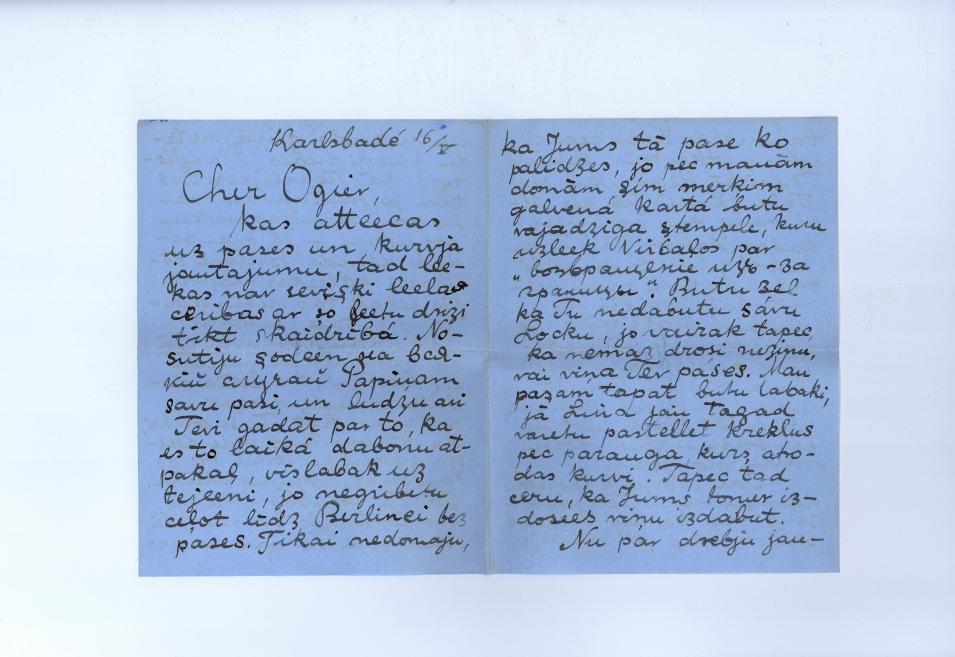
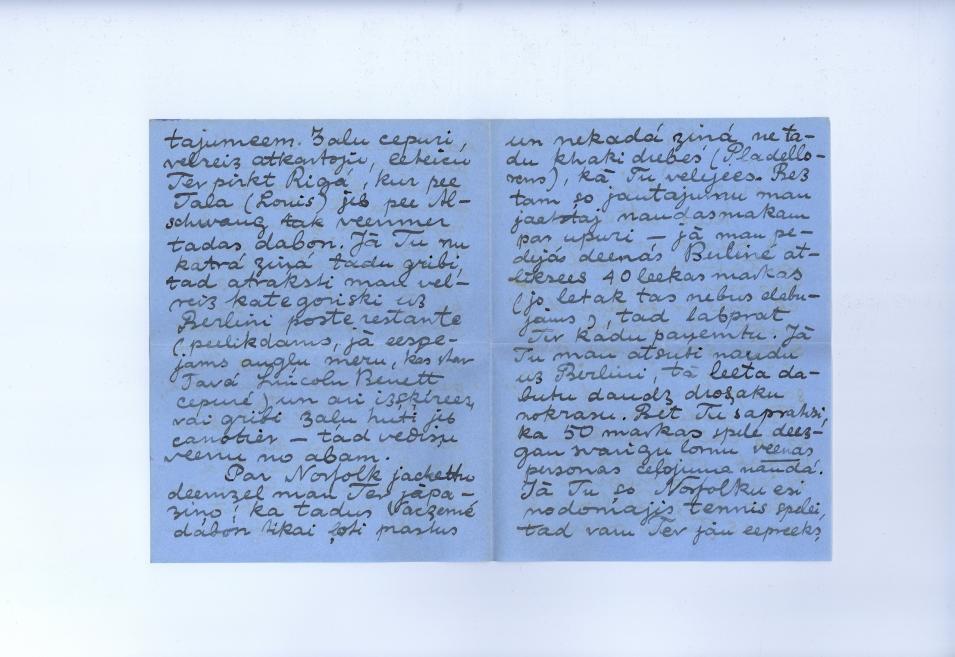
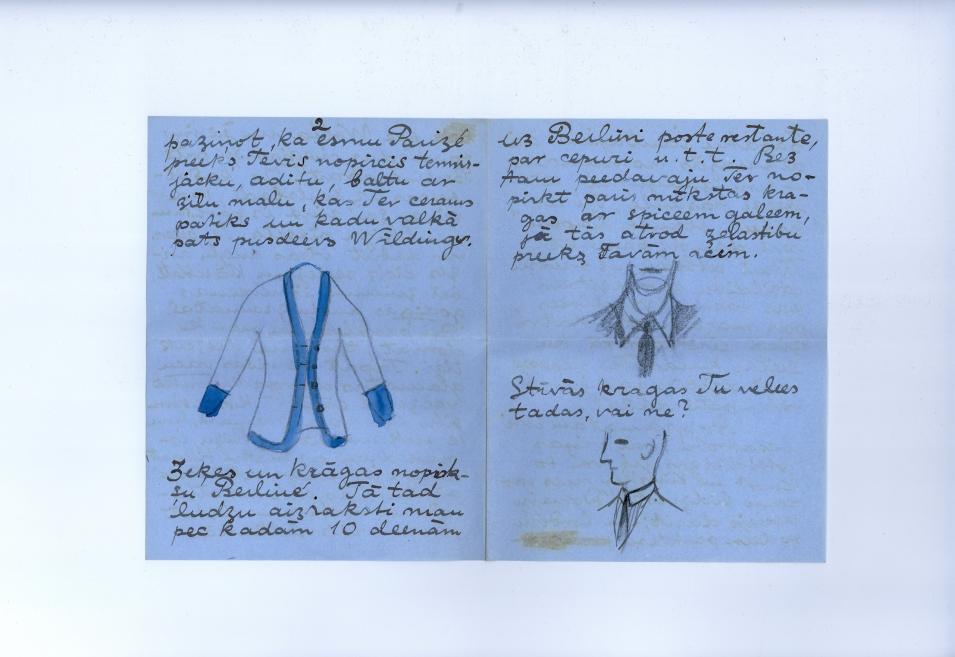
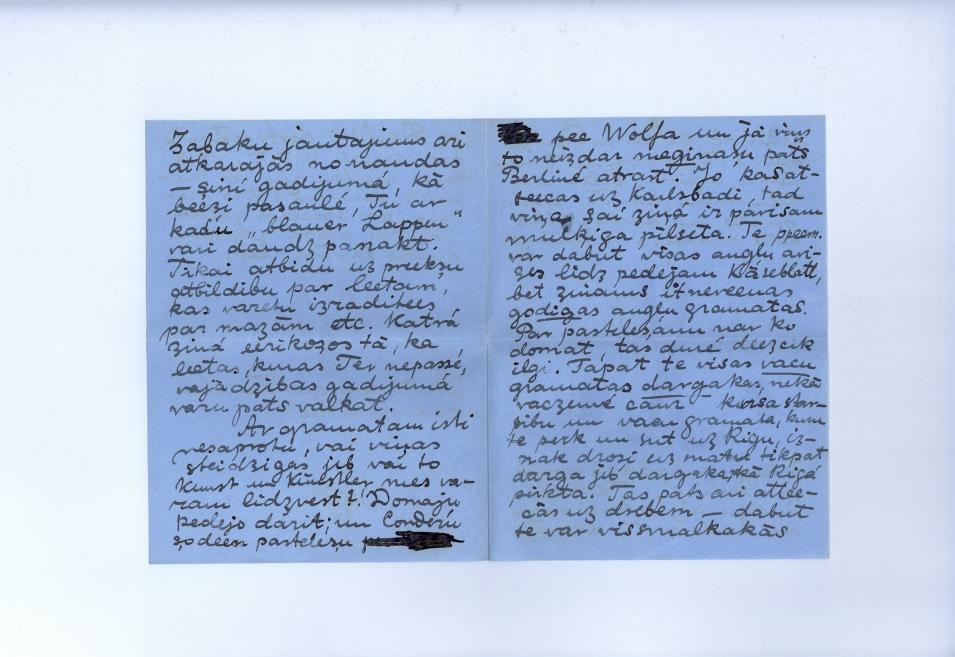
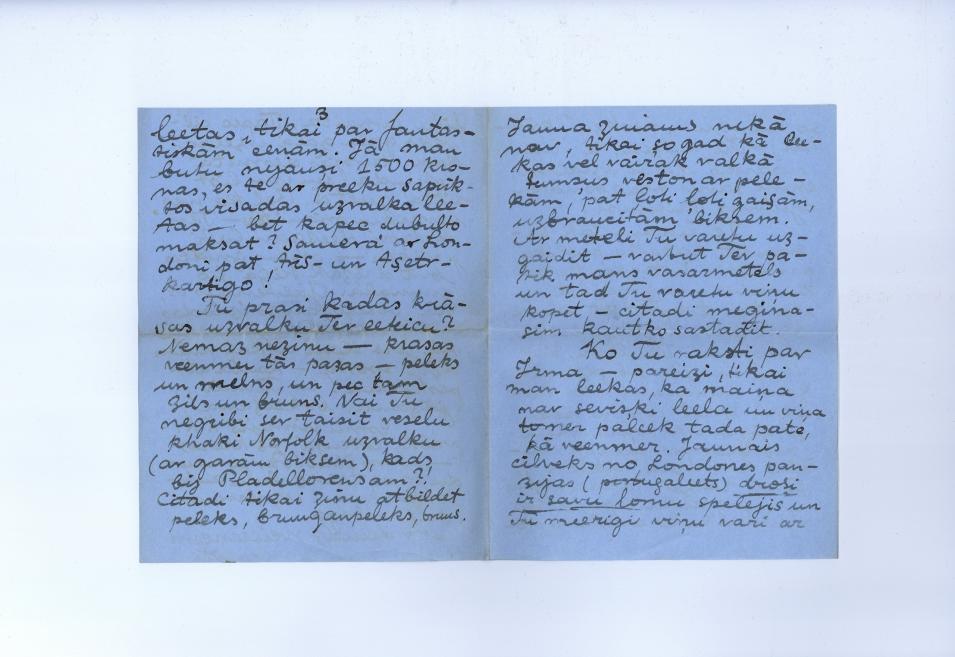
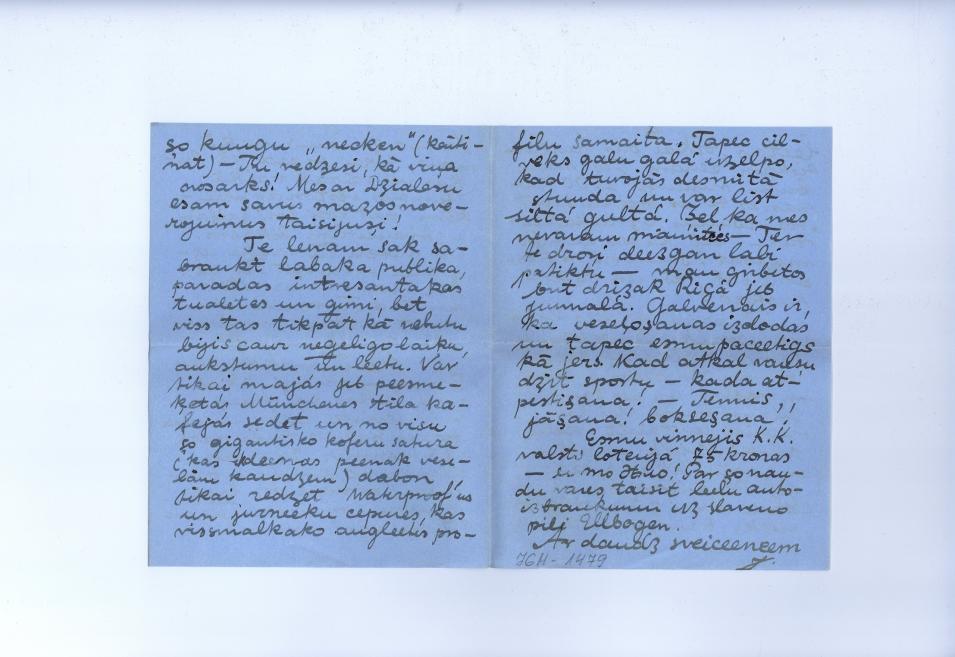
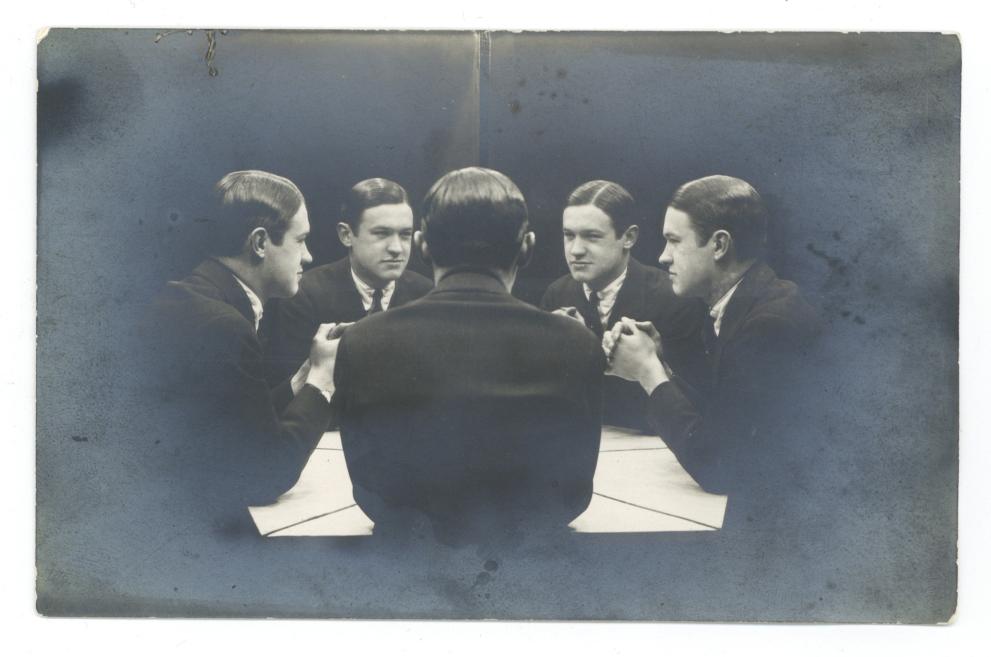
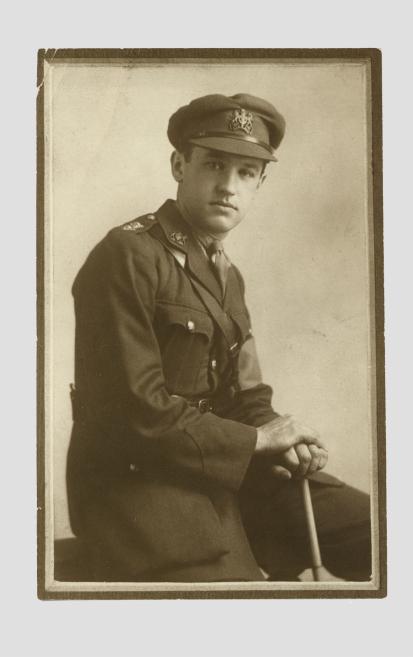
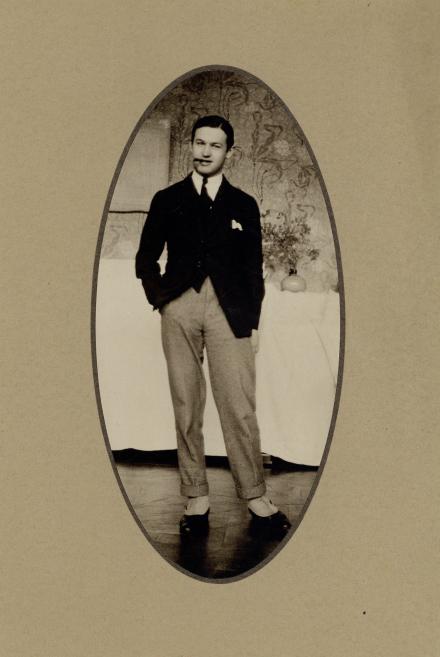
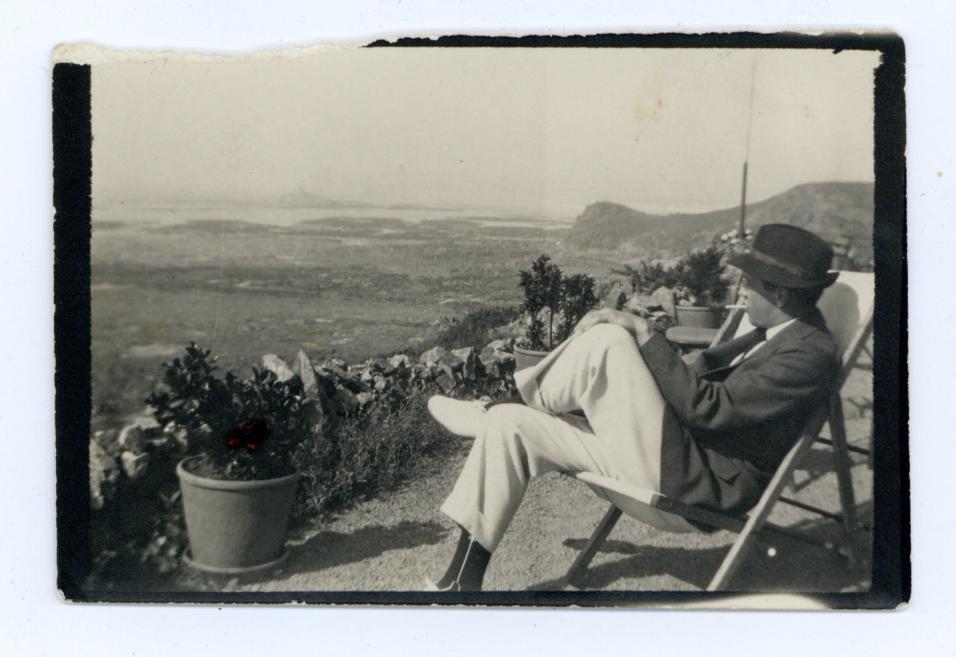
The memorial collection encompasses artworks executed across the various phases of Grosvalds’ life, including sketchbooks, self-published periodicals, and travel drawings created across Europe. It also houses pivotal works shaped by his First World War experience serving as a rifleman and later with the British Expeditionary Force in Persia. From an academic and historical standpoint, the documentary archive constitutes a uniquely valuable segment of the collection. The photographs, extensive diaries and correspondence with family and friends serve as an indispensable primary resource for researching both the artist himself and the broader cultural milieu of the early 20th century.