Foreign Precious Metals and Numismatics Collections
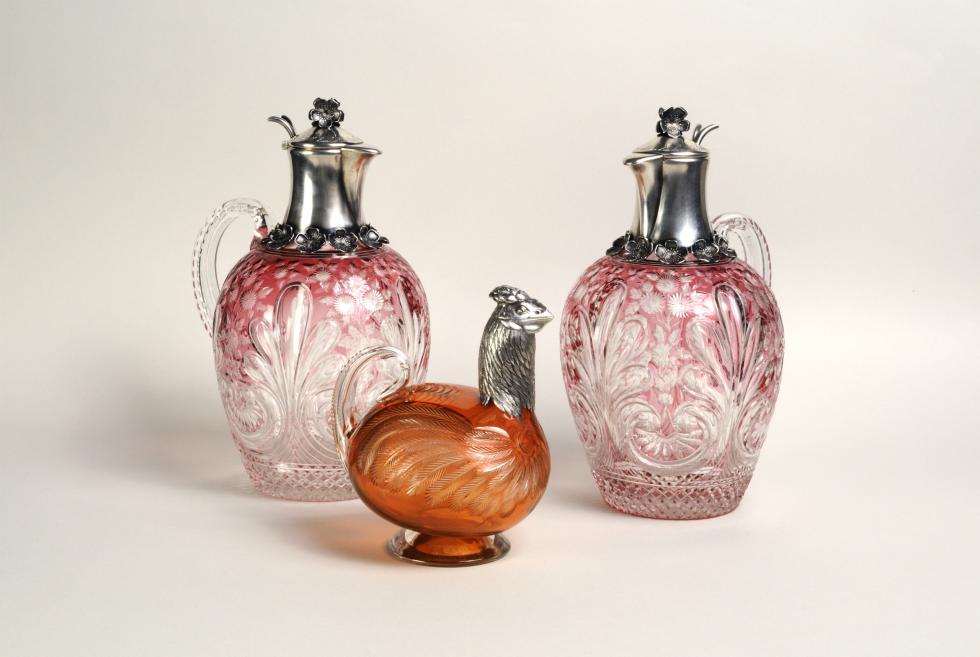
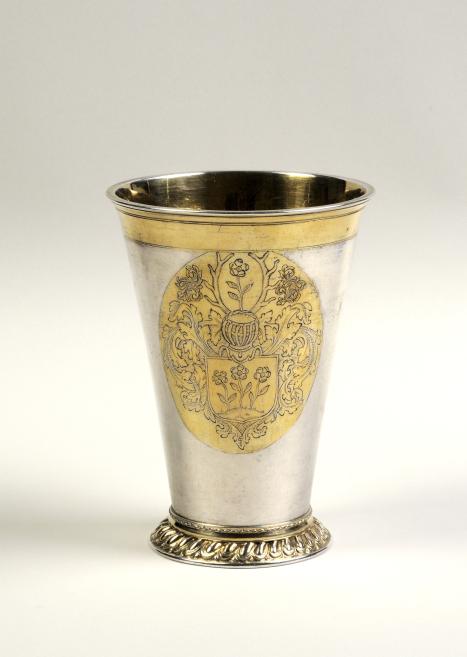
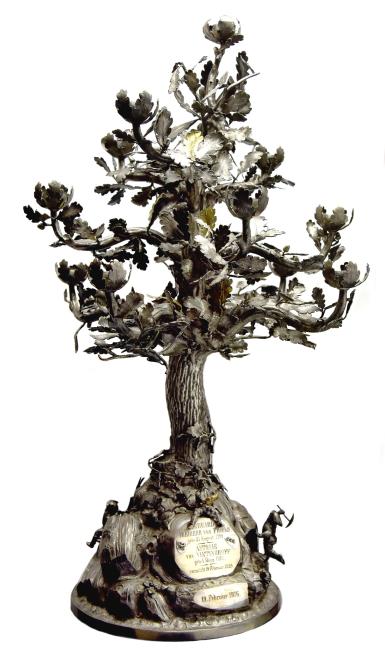
The Foreign Precious Metals Collection brings together objects that once belonged to residents of Latvia, as well as civic, military and religious organizations. These include sacred and domestic silver items (vessels, tableware, candlesticks, tea strainers, sugar bowls, goblets, decanters and more), travel souvenirs, jewellery, signet rings, seals, orders, medals and coins.
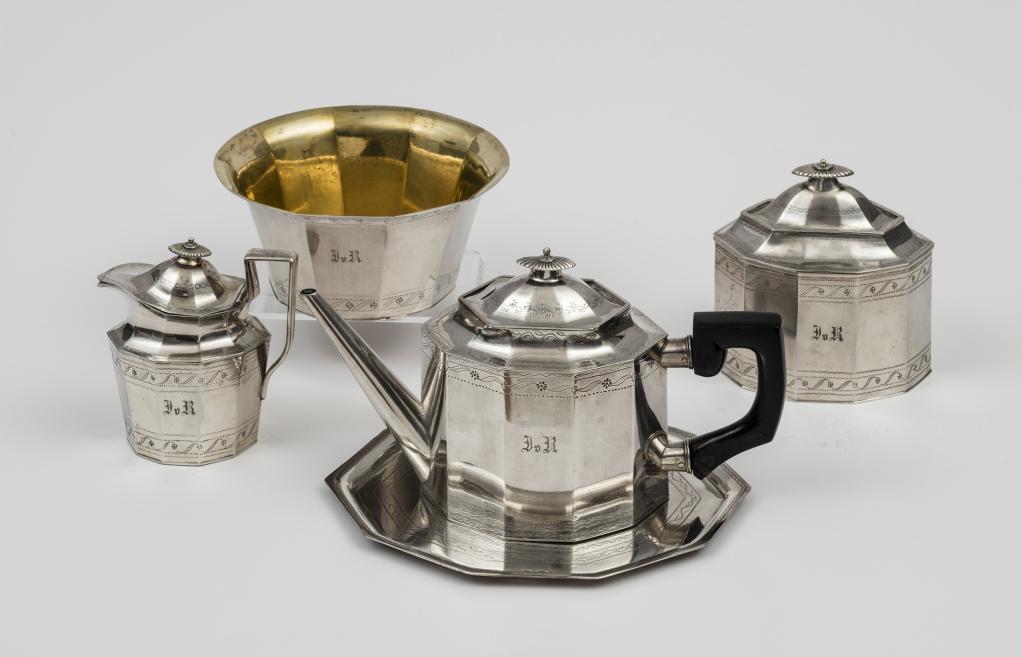
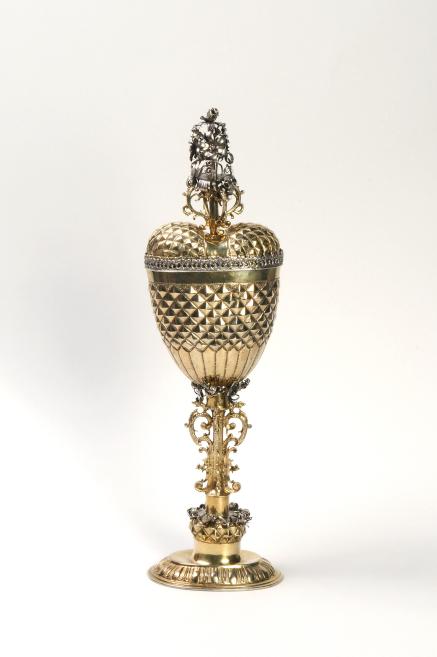
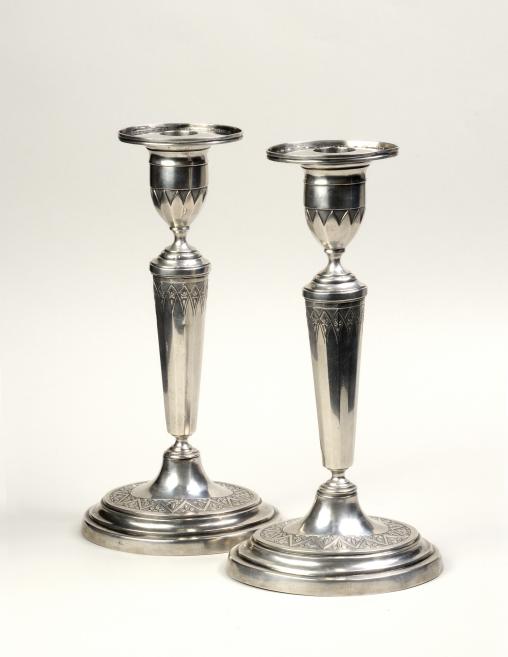
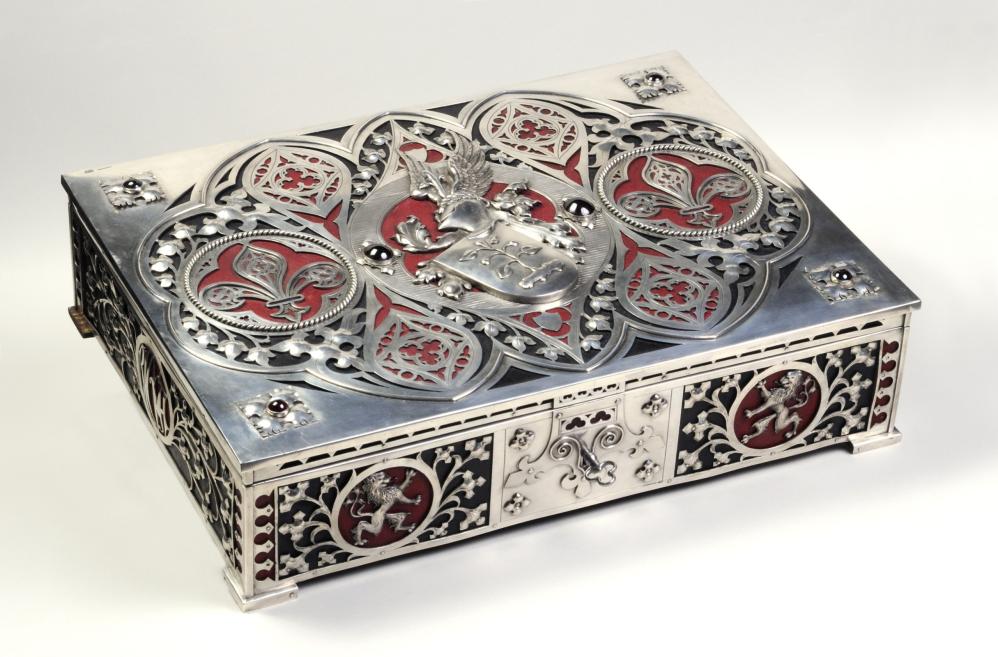
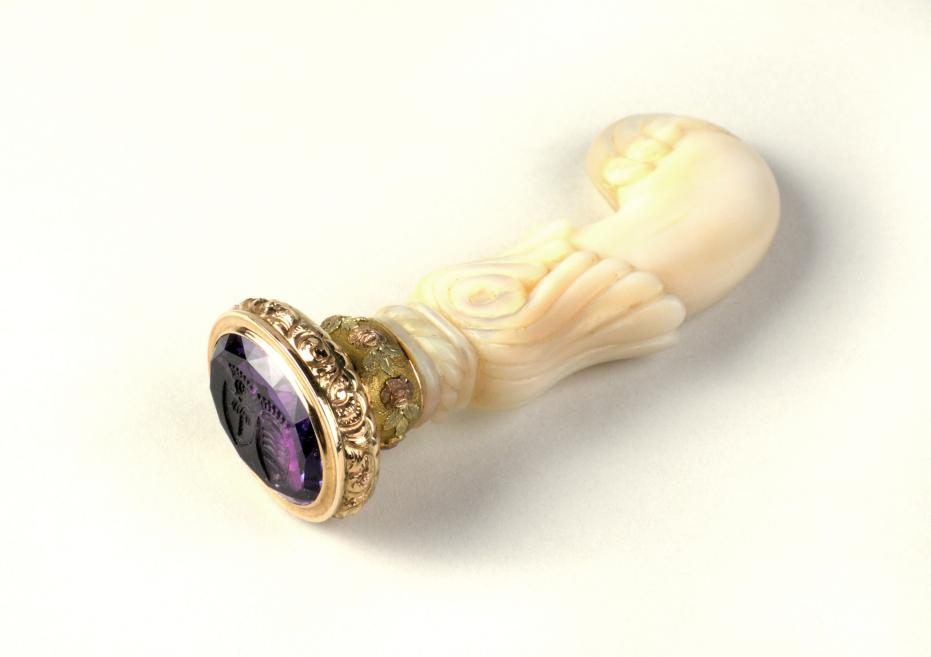
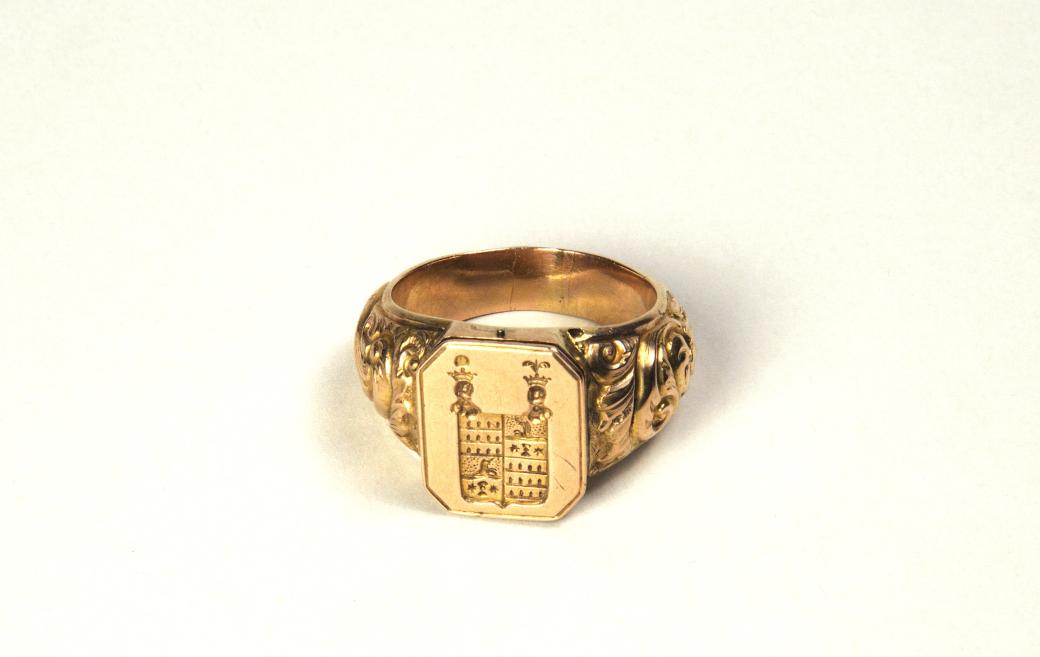
The collection took shape from items transferred to the museum in 1923 by the Ministry of Finance. They were valuable from the so-called "Gold Fund” donated to the state by the residents of Latvia. The collection was later expanded with objects from the Art Cabinet of the Faculty of Philology at the University of Latvia, as well as private collections.
Objects in precious metals collection were crafted in the Baltics, Russian and Western Europe, alongside a select few from Asian, such as India, and date from the late 17th century to the early 20th century. The Baltic region is represented by significant works by silversmiths and goldsmiths from Riga, Jelgava, Valmiera, Cēsis, Tallinn, Tartu, Pärnu and Vilnius. Within the European context, Augsburg silver pieces stand out as some of the most artistically refined creations, while most famous name among Russian jewellery masters, well-known to museum visitors, is the House of Fabergé.
A unique segment of the collection consists of seals and signet rings crafted from precious metals and gemstones featuring coats of arms of Baltic German families. This assemblage, along with approximately one hundred of the most significant items from the collection, is displayed in the Silver Room at the Art Museum RIGA BOURSE, housed in the former vault room on the fourth floor of the building.
The numismatics collection is unique for two specialized groupings: ancient coins and Belgian medals. Overall, the repository holds coins and medals from Ancient Greece and Rome, Belgium, England, Italy, Germany, Hungary, Bulgaria, Moldova, Georgia, Russia and other regions.
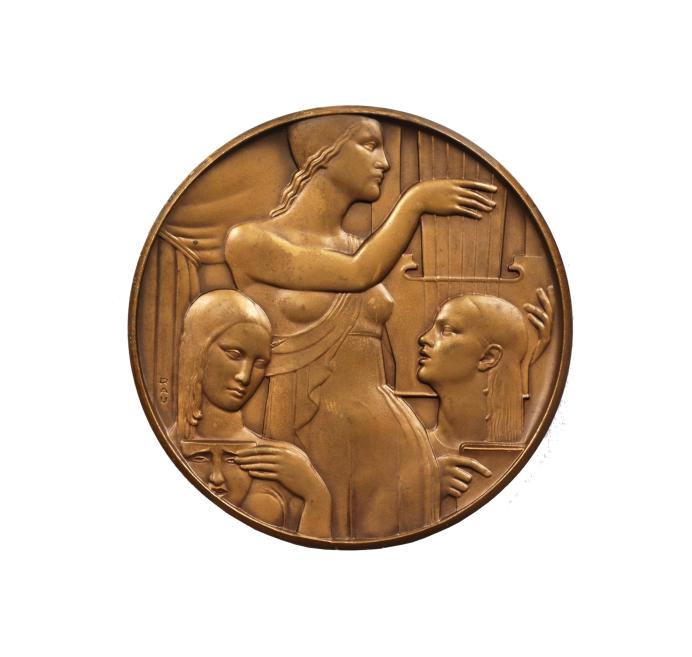
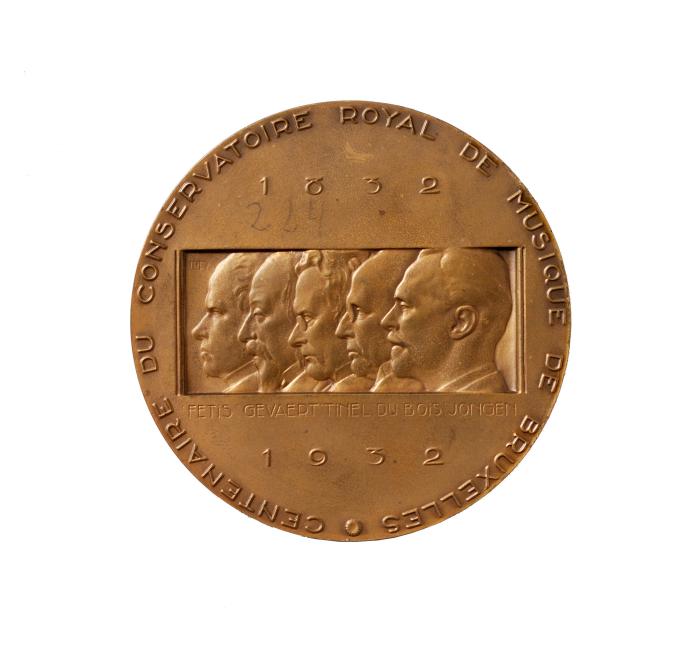
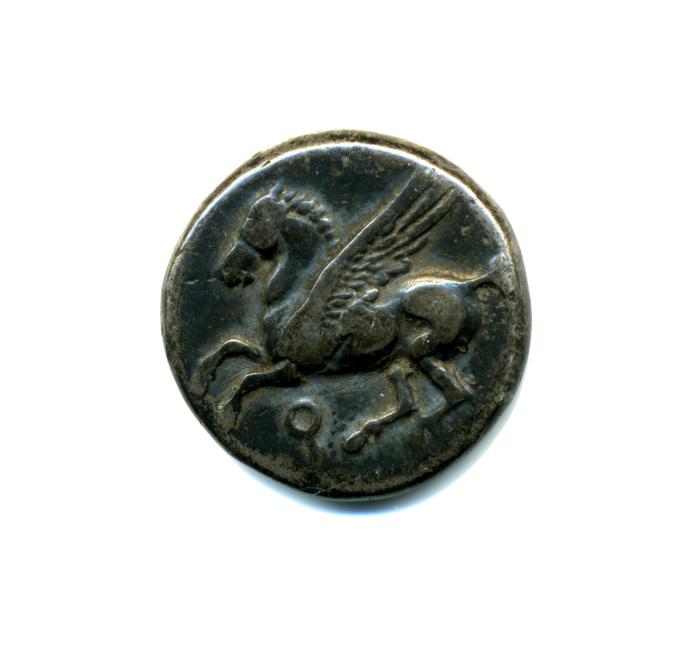
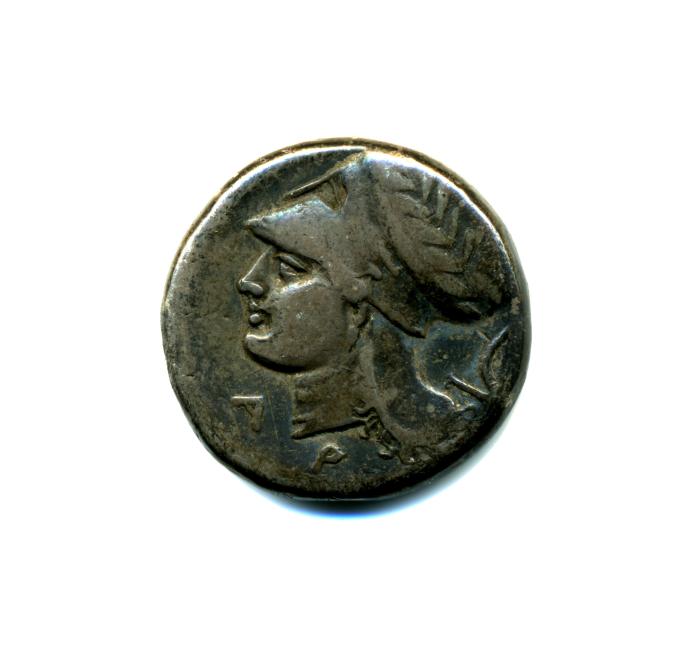
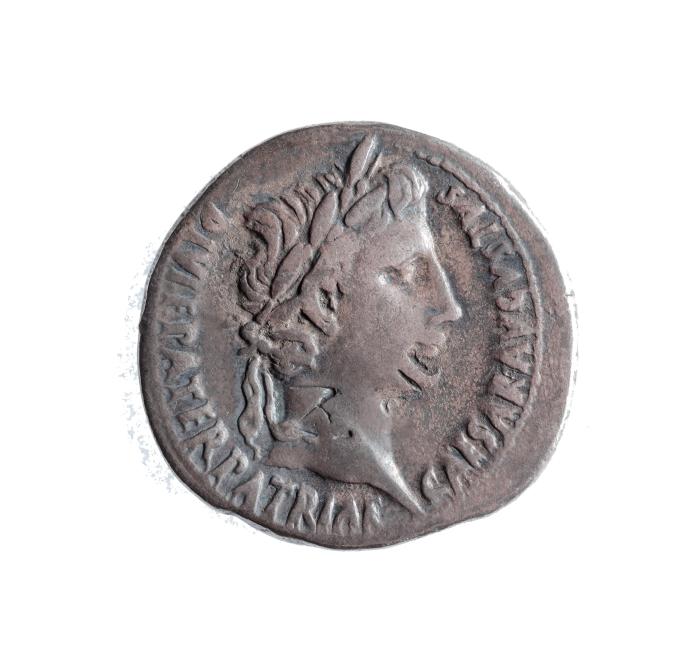
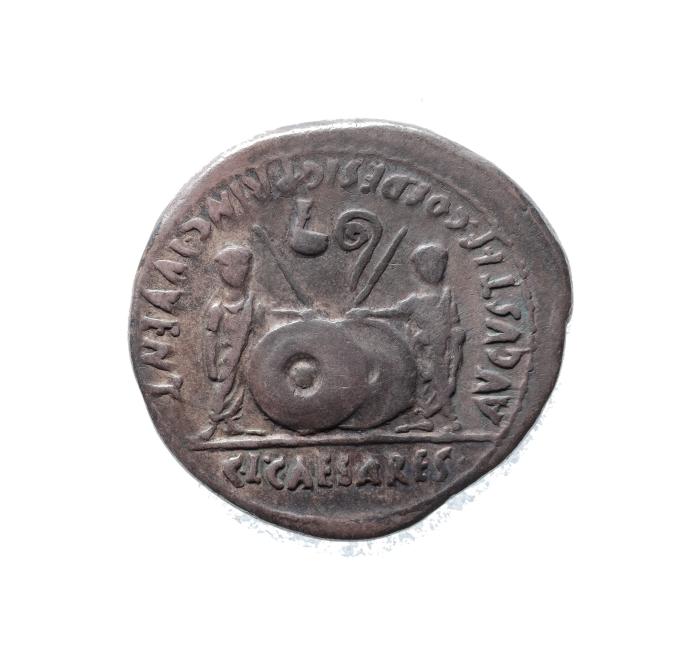
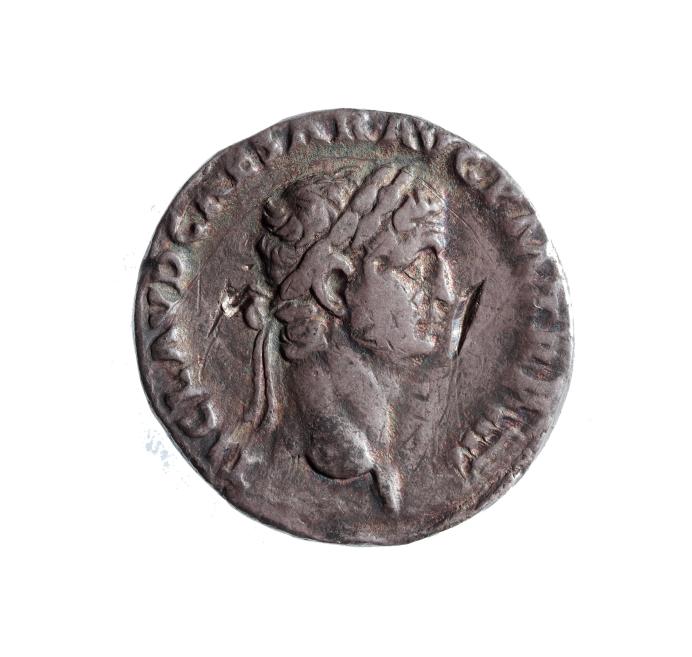
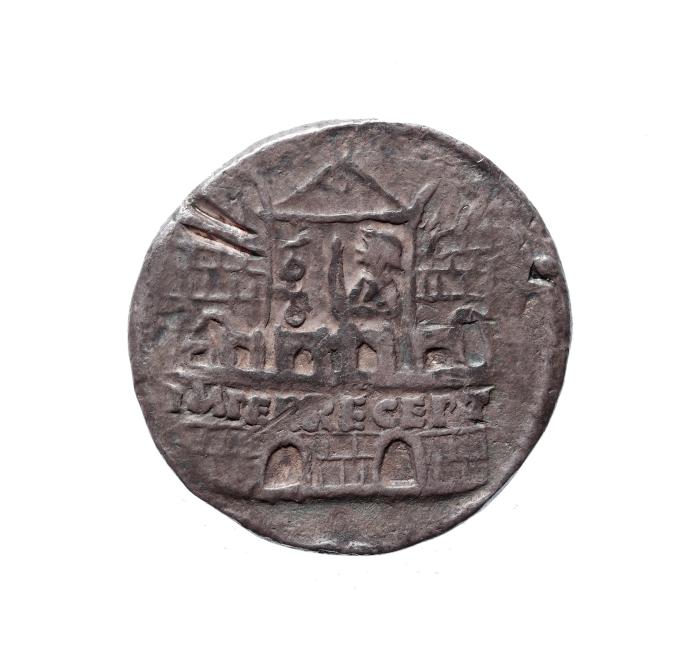
The ancient coin group includes pieces from Ancient Greece, Hellenistic states and the Roman Republic and Empire, dating from the 6th century BC to the 4th century CE. Roman Imperial coins form most of this group, spanning almost the entire history of the Empire and portraying most of the rulers of the period, from Octavian Augustus to Valentinian II.
This coin collection functions as an integrated whole, received by the museum in 1950 from the Art Cabinet of the Faculty of Philology and Philosophy at the University of Latvia (then the University Art Museum). The collection had originally been gifted to the University in 1929 by private collector and London dentist Eustace Lewis Eskel (1869–1954). More than 300 of these coins are on view in the permanent exhibition of the Art Museum RIGA BOURSE in the Cabinet of Ancient Art, alongside Ancient Greek ceramics and ancient marble sculptures.
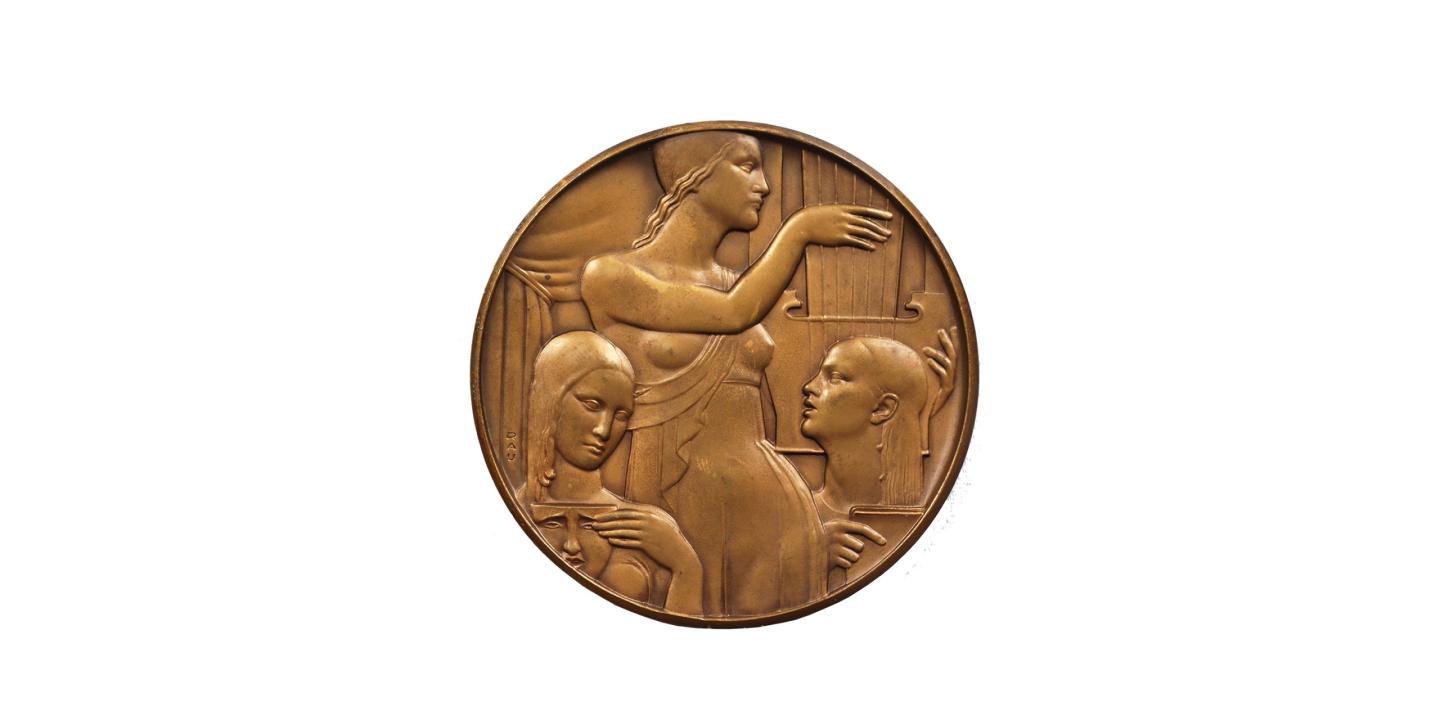
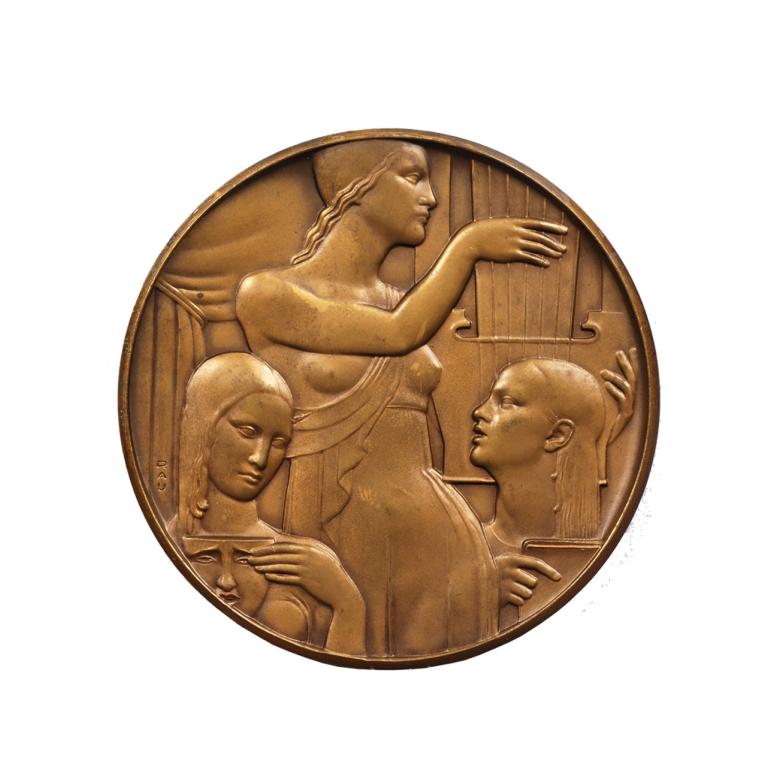
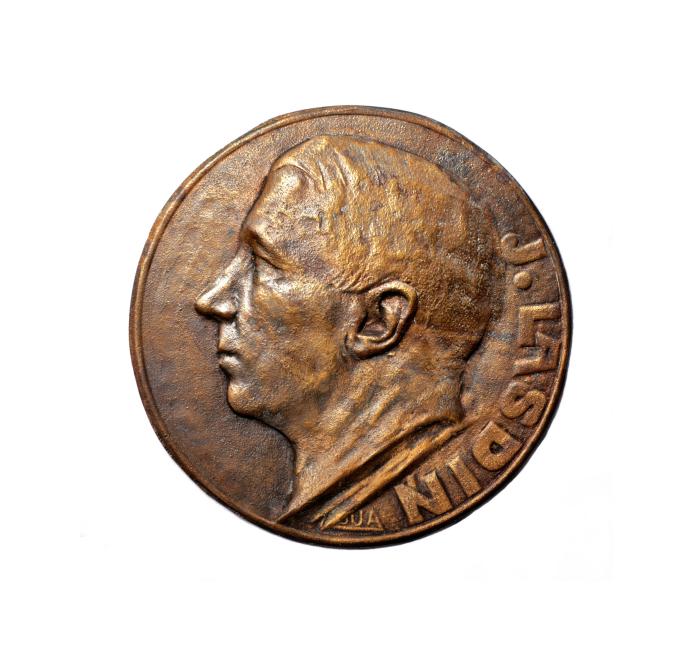
A prominent place in the museum’s numismatics collection is also occupied by the Belgian medal group. The medals gifted to the state of Latvia, like the broader Belgian art collection, was assembled by the Latvian envoy to Belgium, Jānis Lazdiņš (1875–1953). Lazdiņš received these medals as gifts from the artists themselves or from private collections, transferring them to the museum in 1934. The Belgian medals and plaques date from the 19th century up to the early 1930s, allowing visitors to trace the development of small-scale relief sculpture in Belgium over the course of a century. The collection predominantly features works by artists from Antwerp and Brussels. Of particular interest to local audiences are the medals and plaques created by sculptor Augusts Bija (1872–1957), who was born in Asari, Latvia, and worked in Belgium.