Memorial Books Collection
The memorial books collection comprises a substantial personal library belonging to Romans Suta and Aleksandra Beļcova, containing more than 1000 books, journals, exhibition catalogues and brochures.
True to the inquisitive spirit of modernism, Suta and Beļcova were not only deeply versed in the legacy of the old masters, as evidenced by numerous illustrated art monographs and portfolios, but also maintained a keen intellectual curiosity toward non-European artistic traditions. Alongside Voldemārs Matvejs’ seminal publications Texture (1914) and Negro Art (1919), their bookshelves held specialized studies on the architecture of India and Java, as well as the art of other cultures.
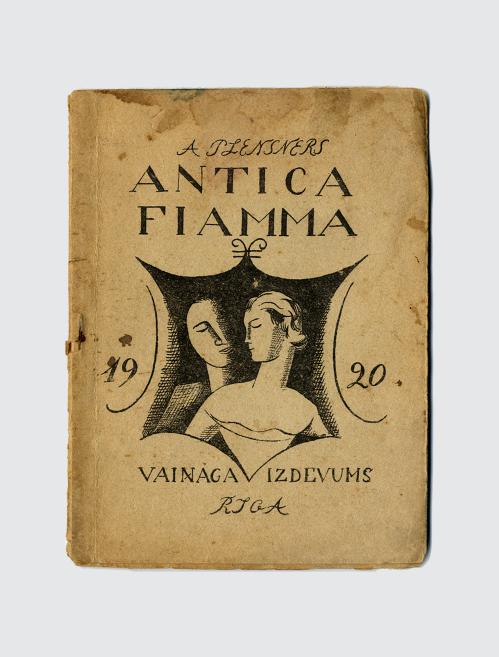
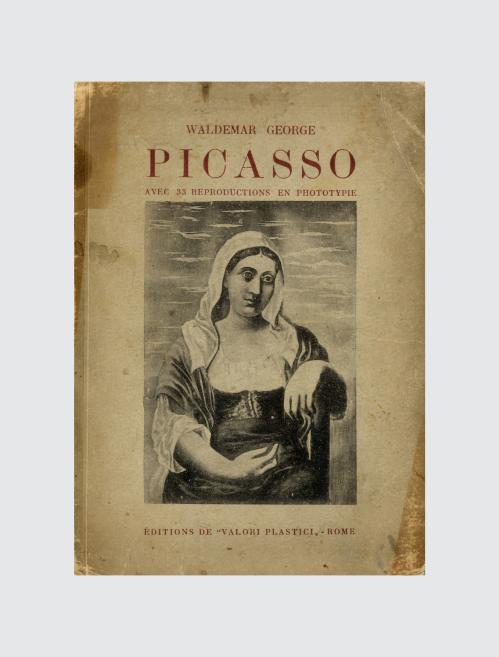
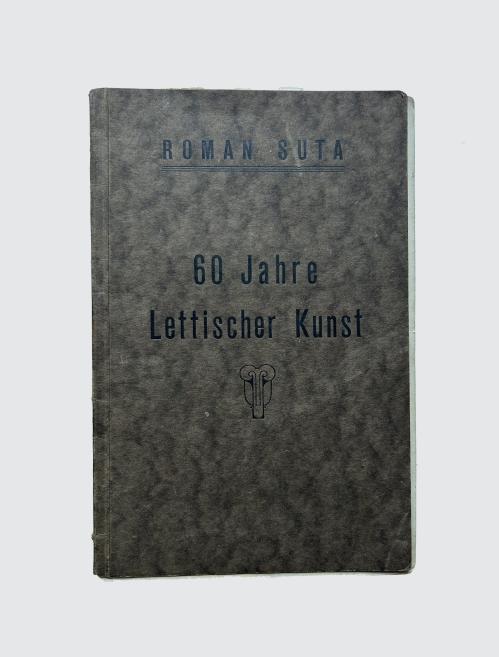
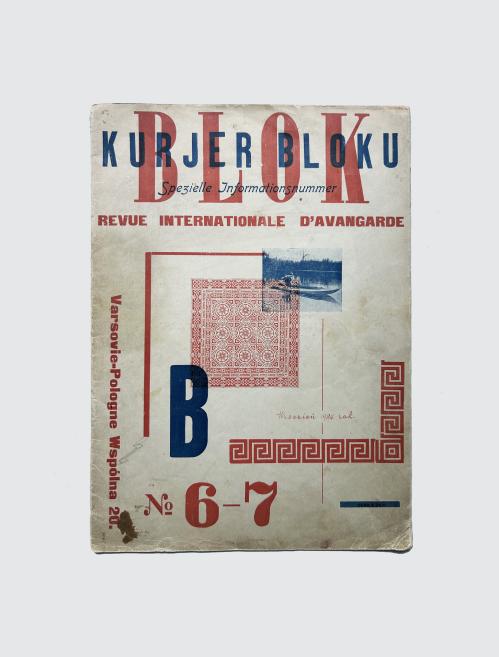
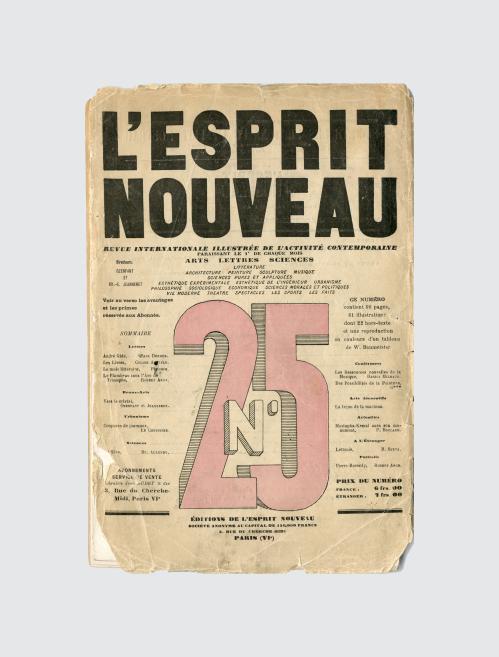

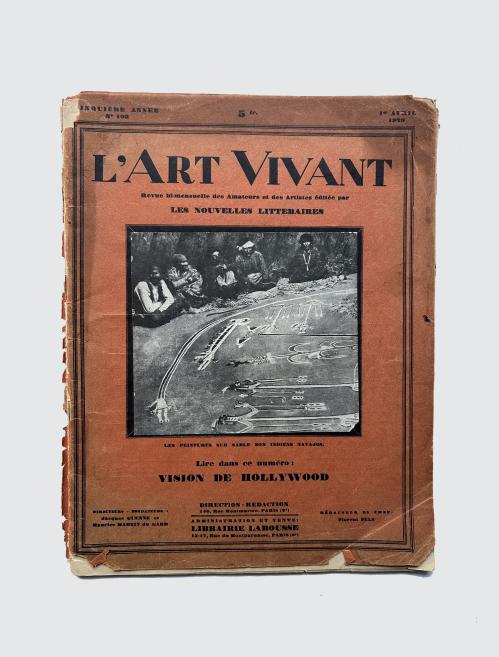
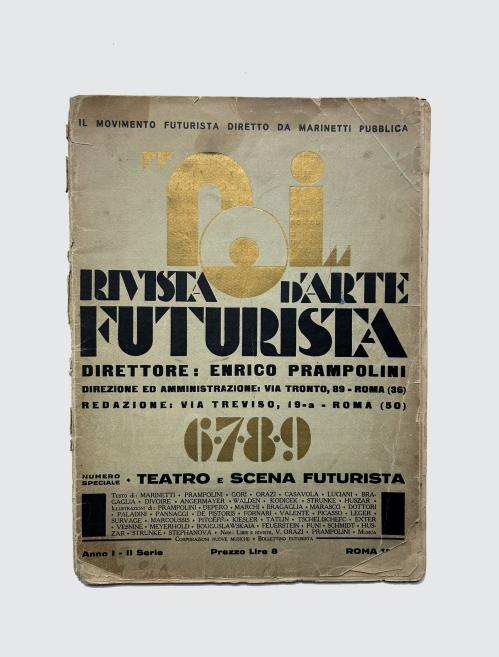

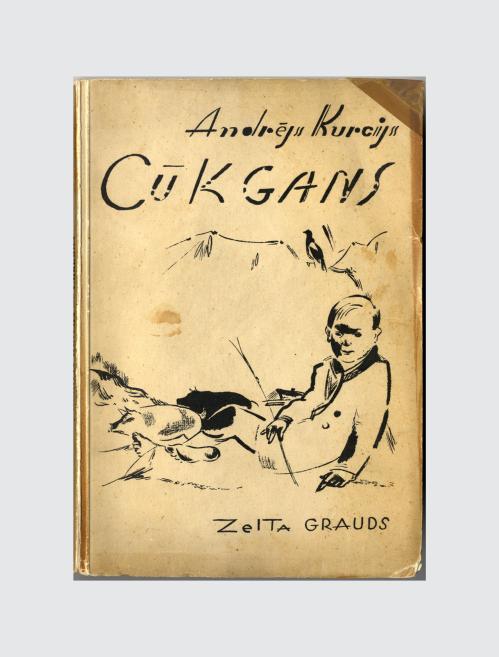
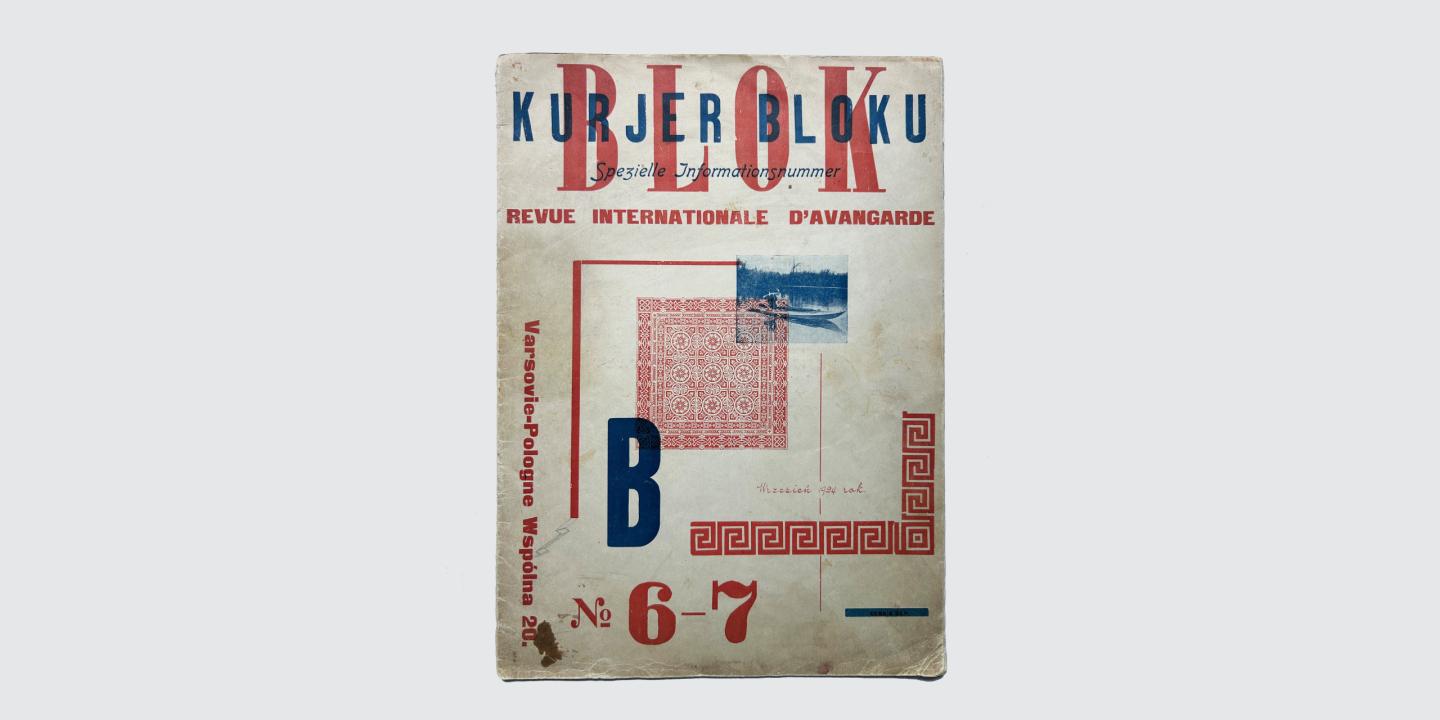
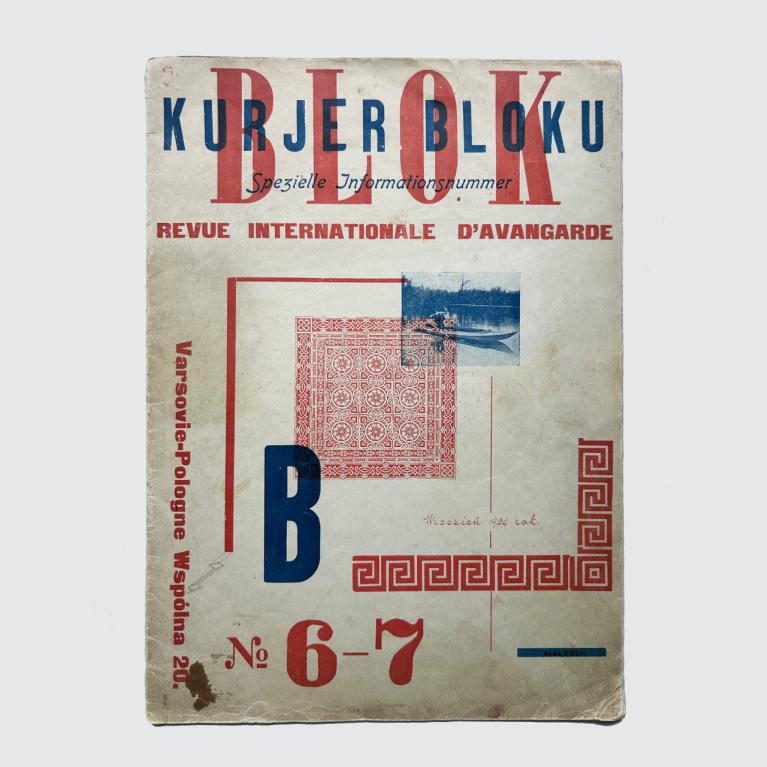
The gallery guidebooks brought back from extensive travels, coupled with early 20th century avantgarde and satirical journals such as L’Esprit Nouveau, Blok, Teatro, Noi, Simplicissimus and Jugend, stand as living testimony to the broad international network linking the Riga Group of Artists with French, Polish, Italian and German creators. Among the most valuable printed editions in the collection are the Latvian language journal Laikmets, published in Berlin, Romans Suta’s monograph 60 Jahre lettischer Kunst (Leipzig, 1923) and the iconic Suprematist Tale of Two Squares (1922) illustrated by the renowned avantgarde artist El Lissitzky.
An exceptionally significant component of the library consists of books featuring cover designs and illustrations by Romans Suta and Aleksandra Beļcova. Researchers will also find immense utility in the runs of exhibition catalogues spanning the 1920s through the 1940s. Domestic Latvian periodicals are represented by key intellectual and cultural reviews, including Ritums, Daugava, Latvju mākslas, Senatne, Ilustrēts žurnāls and Zaļā vārna. The oldest publications in the collection, dating back to the mid-19th century, originally belonged to Romans Suta’s mother, Natālija Amālija Suta (1869 –1955). Notable among her personal papers is her cookbook, published in 1930, which preserved recipes served at SUKUB, her famous vegetarian café in Riga that served as a favoured sanctuary for the local creative bohemia. The Suta family’s profound cultural orientation is further underscored by a strong Francophile leaning, reflected in the extensive inventory of volumes printed in French. Finally, the daughter, Tatjana Suta, maintained a distinct selection of belles-lettres, later augmented by her own published monographs and research on Latvian artists.