Romans Suta and Aleksandra Beļcova Museum
Artworks by Aleksandra Beļcova
Aleksandra Beļcova (1892 –1981) was simultaneously a charming and elegant lady, a modern and emancipated woman of her era, and a professional artist whose works from the 1920s and 1930s – cubist landscapes, constructivist still lifes, portraits, and painted “Baltars” porcelain – possess exceptional artistic quality and stylistic singularity.

Aleksandra Beļcova. Decorative plate At the Seaside. 1925. Porcelain. LNMA collection
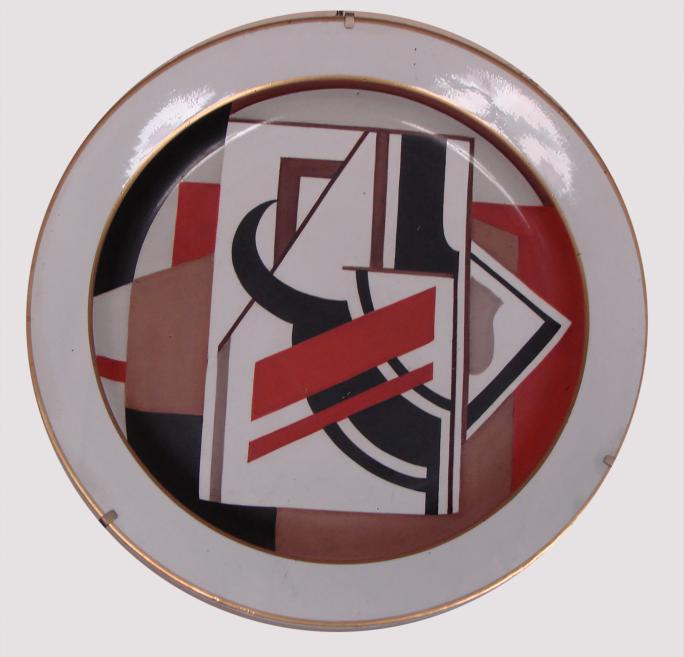
Aleksandra Beļcova. Decorative plate Construction. 1926. Porcelain. LNMA collection

Aleksandra Beļcova. Self-Portrait (In a Had with a Blue Brim). 1920–1921. Oil on canvas. LNMA collection
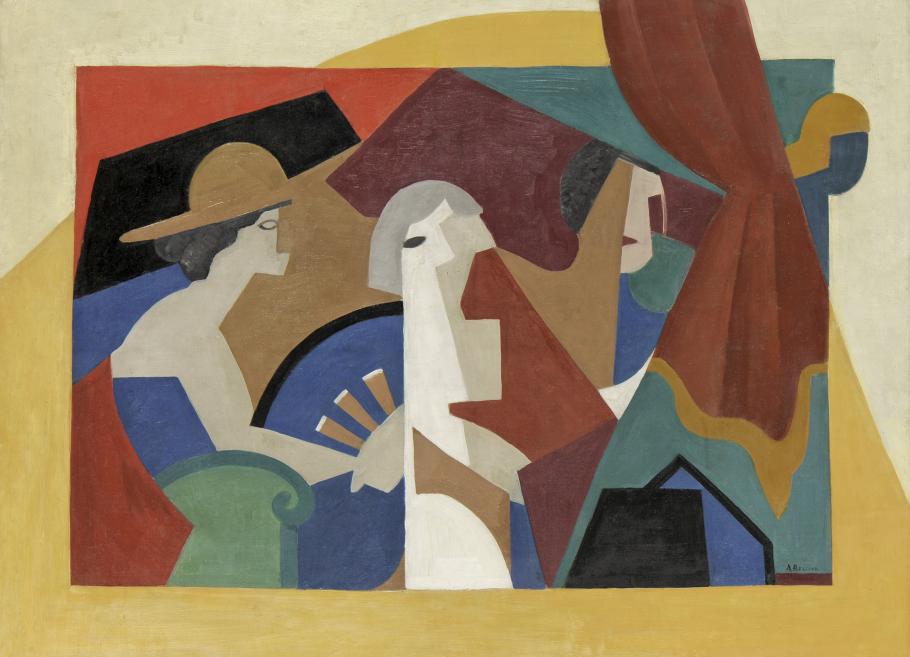
Aleksandra Beļcova. In the Box (Decorative Panel No. 1). 1922. Oil on canvas. LNMA collection

Aleksandra Beļcova. Impressions of the City. Berlin. 1923. Oil on canvas. LNMA collection
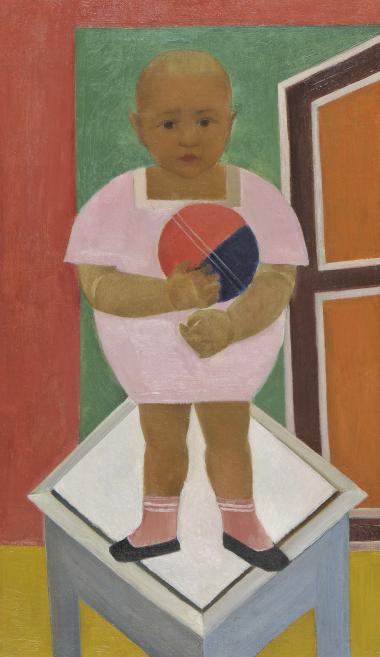
Aleksandra Beļcova. Child with a Ball (Tanja). 1925. Oil on canvas. LNMA collection
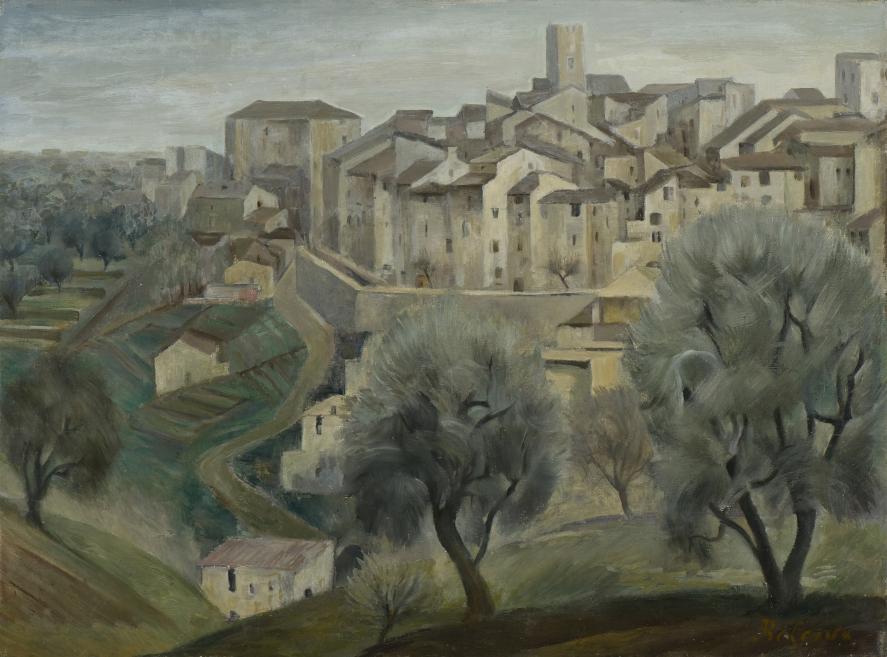
Aleksandra Beļcova. Les Vans. 1927. Oil on canvas. LNMA collection

Aleksandra Beļcova. Marija Leiko. 1932. Oil on canvas. LNMA collection

Aleksandra Beļcova. View of a Church near the Mediterranean Sea. Menton. 1929–1931. Oil on cardboard. LNMA collection
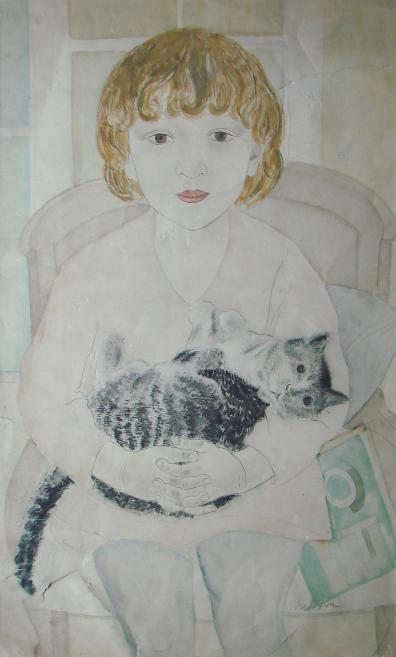
Aleksandra Beļcova. Tanja with a Cat. 1928. Watercolour on paper. LNMA collection

Aleksandra Beļcova. Self-Portrait with a Picture of Austra Ozoliņa-Krauze in the Background. 1927–1929. Watercolour and ink on paper. LNMA collection

Aleksandra Beļcova. Design study for porcelain plate African Motif. Late 1920s. Watercolour on paper. LNMA collection

Aleksandra Beļcova. Constructive Composition. Early 1920s. Oil on canvas. LNMA collection
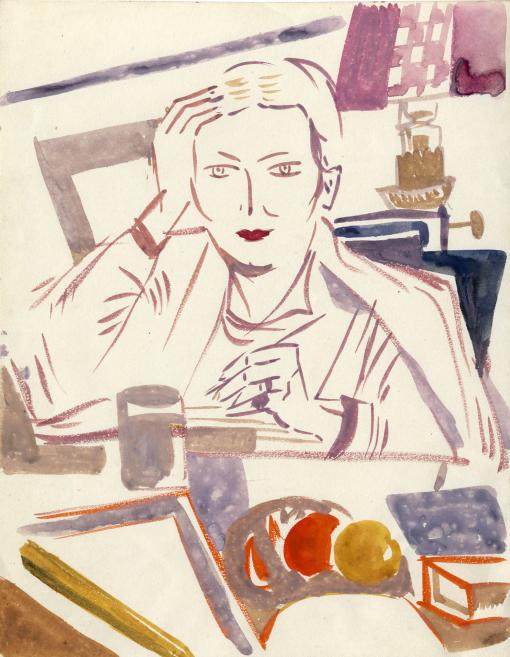
Aleksandra Beļcova. Self-Portrait. 1927–1928. Gouache on paper. LNMA collection

Aleksandra Beļcova. Portrait of Romans Suta. First half of the 1930s. Pencil on paper. LNMA collection
The collection of artworks by Aleksandra Beļcova comprises more than 2 000 museum objects, including the artist’s oil paintings, decorated porcelain, Indian ink drawings, pastels, watercolours, as well as book illustrations and tableware sketches. The museum’s display provides a comprehensive overview of Beļcova’s oeuvre, showcasing her achievements across each medium and illustrating all periods of her creative evolution.
The largest group of works within the collection consists of the artist’s original graphic art – specifically her drawings and pastels. Of particular significance is the drawing series Riga Ghetto, executed during the Second World War, in which the artist documented her personal experiences and impressions of what she witnessed on the city streets and within this horrific place of confinement while delivering food packages to her acquaintances. Among the most valuable items in the collection are Beļcova’s cubist works from the 1920s and the fabric wall hanging Mother and Daughter, the sole surviving textile appliqué created by the “Baltars” workshop.

Aleksandra Beļcova. Roberto Balbuena. Pastel on paper. LNMA collection

Aleksandra Beļcova. Portrait of a Young Woman. Mid-1920s. Pencil on paper. LNMA collection
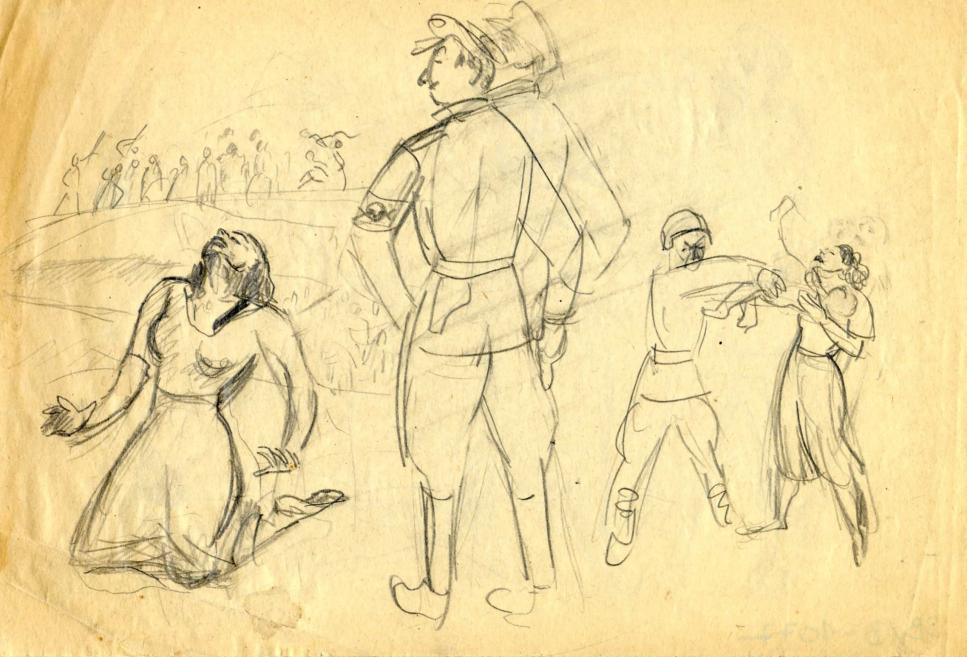
Aleksandra Beļcova. Series Riga Ghetto. A Soldier Takes a Child from a Mother. 1941-1942. Pencil on paper. LNMA collection
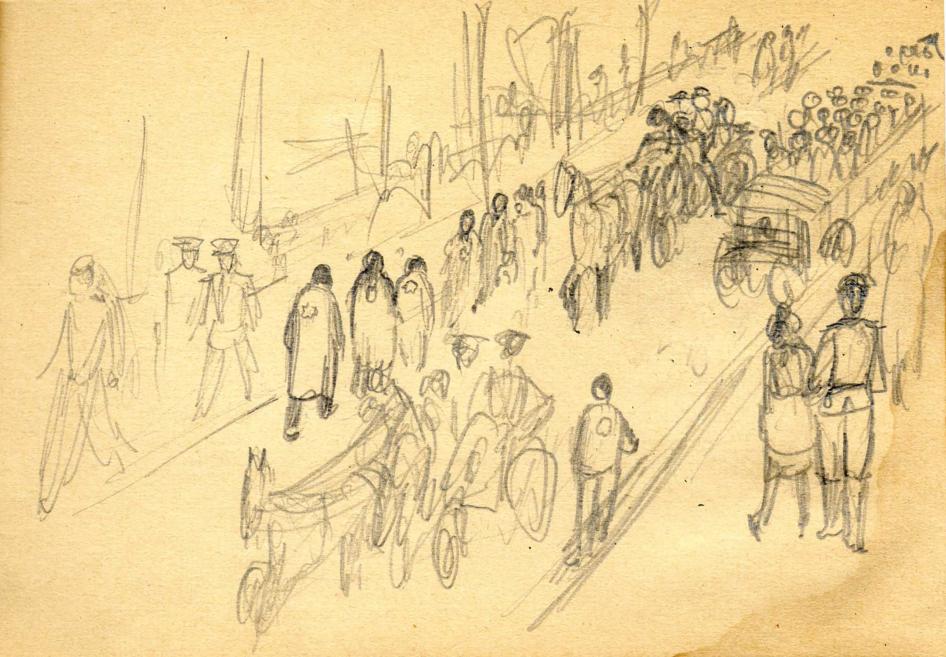
Aleksandra Beļcova. Jews on the Street. From the series Riga Ghetto. 1941-1942. Pencil on paper. LNMA collection
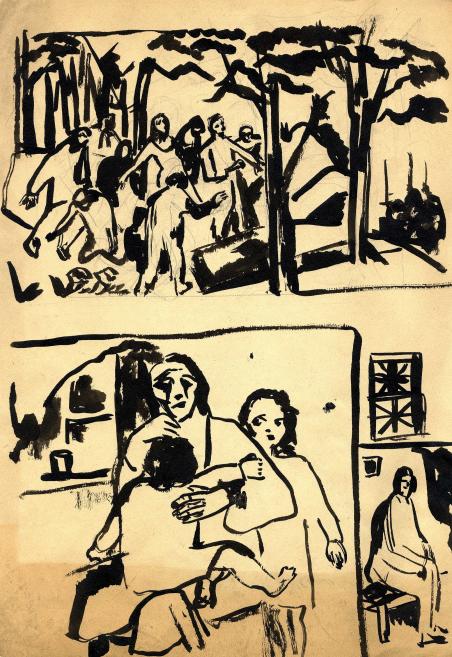
Aleksandra Beļcova. From the series Riga Ghetto. 1941-1942. Indian ink on paper. LNMA collection

Aleksandra Beļcova. Sketch for porcelain brooches. 1924-1929. Coloured pencil on paper. LNMA collection

Aleksandra Beļcova. Portrait of Italian Diplomat Amodori. 1930s. Pastel on paper lined on cardboard. LNMA collection

Aleksandra Beļcova. “Baltars” workshop. Textile wall hanging Two Women. Mid-to-late 1920s. Cotton, satin fabric. LNMA collection

Aleksandra Beļcova. In a Southern Park. From the sketchbook Caucasus. First half of the 1960s. Pastel on paper. LNMA collection
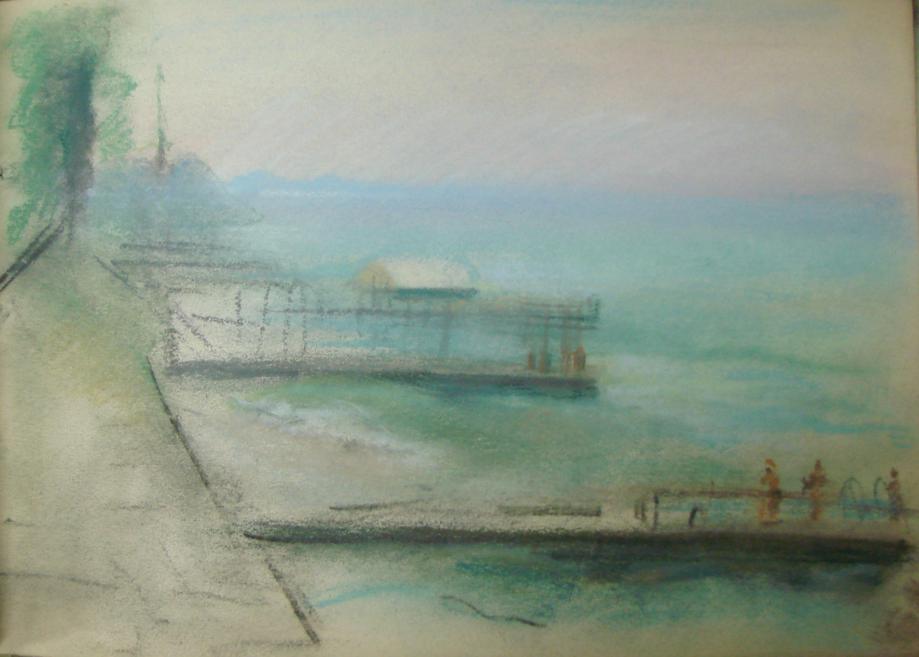
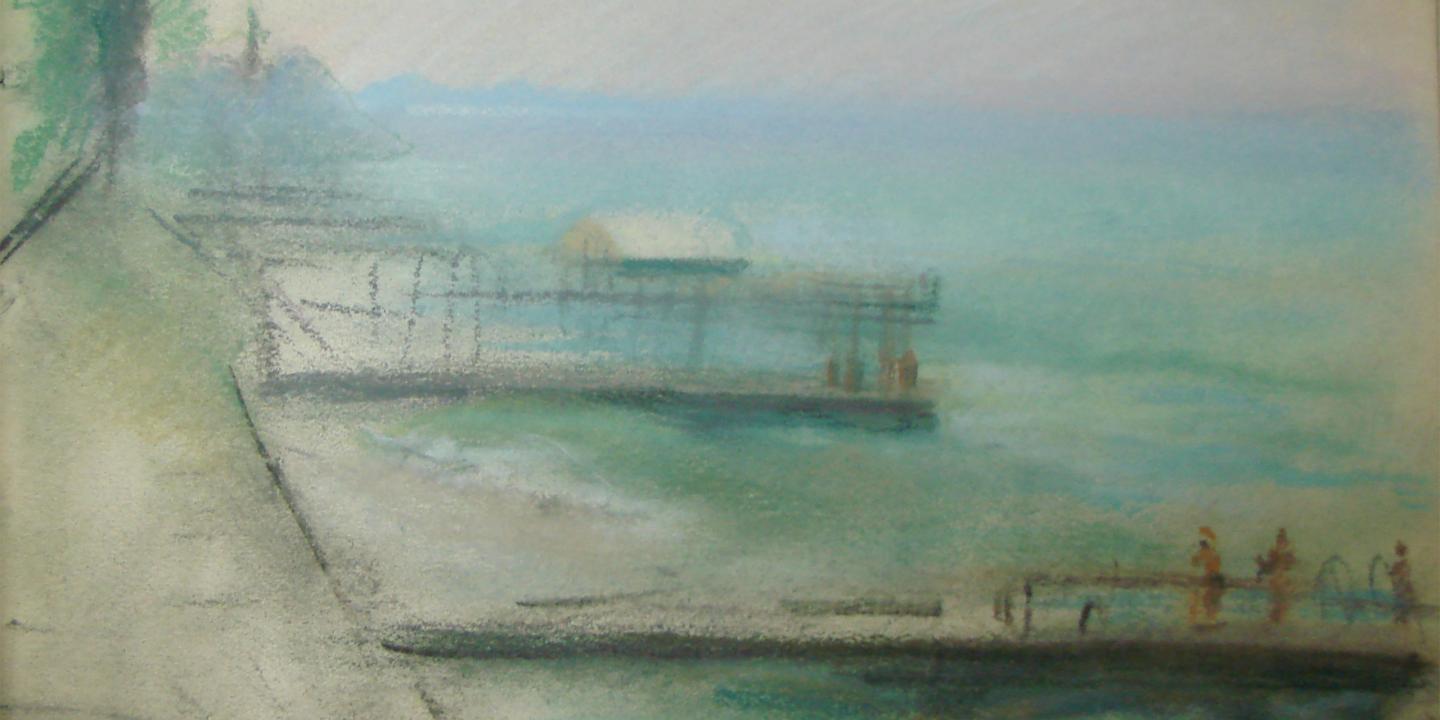
Aleksandra Beļcova. Two Piers. From the sketchbook Caucasus. First half of the 1960s. Pastel on paper. LNMA collection
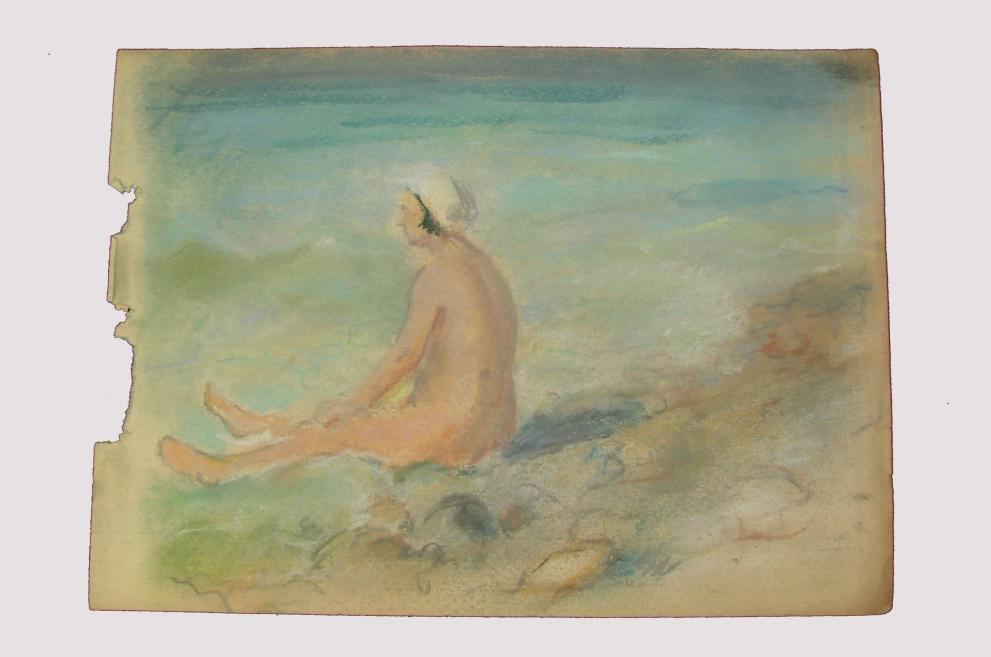
Aleksandra Beļcova. Woman of the Seashore. From the sketchbook Caucasus. First half of the 1960s. Pastel on paper. LNMA collection

Aleksandra Beļcova. Composition. First half of the 1920s. Pencil and gouache on paper. LNMA collection

Aleksandra Beļcova. Brooch with abstract geometric decoration. Ca. 1926. Porcelain. LNMA collection
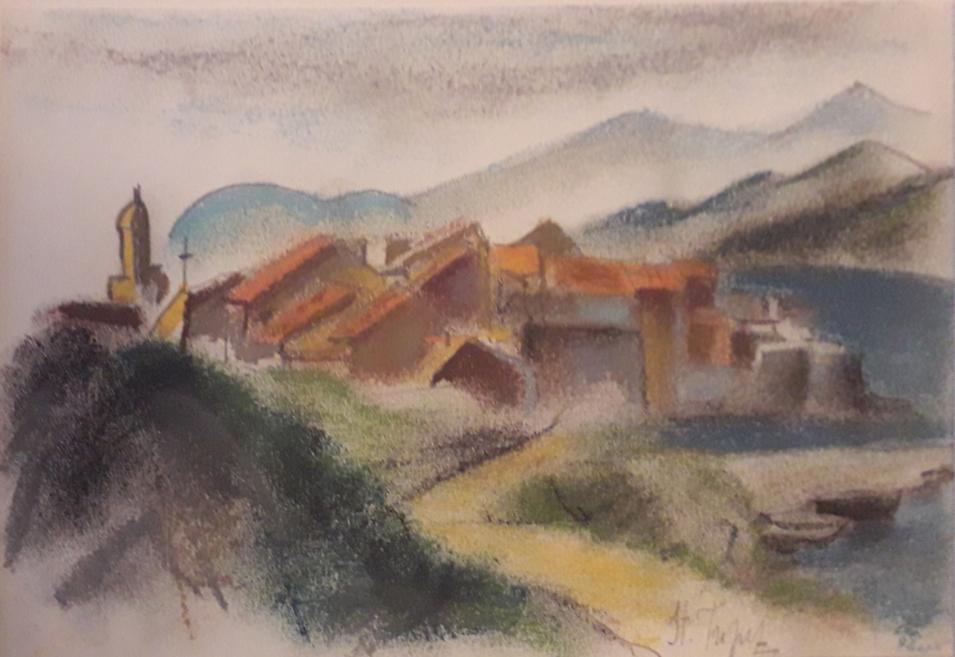
Aleksandra Beļcova. Saint-Tropez. Late 1920s – early 1930s. Pastel on paper. LNMA collection
Contacts: