Ceramics and porcelain collection
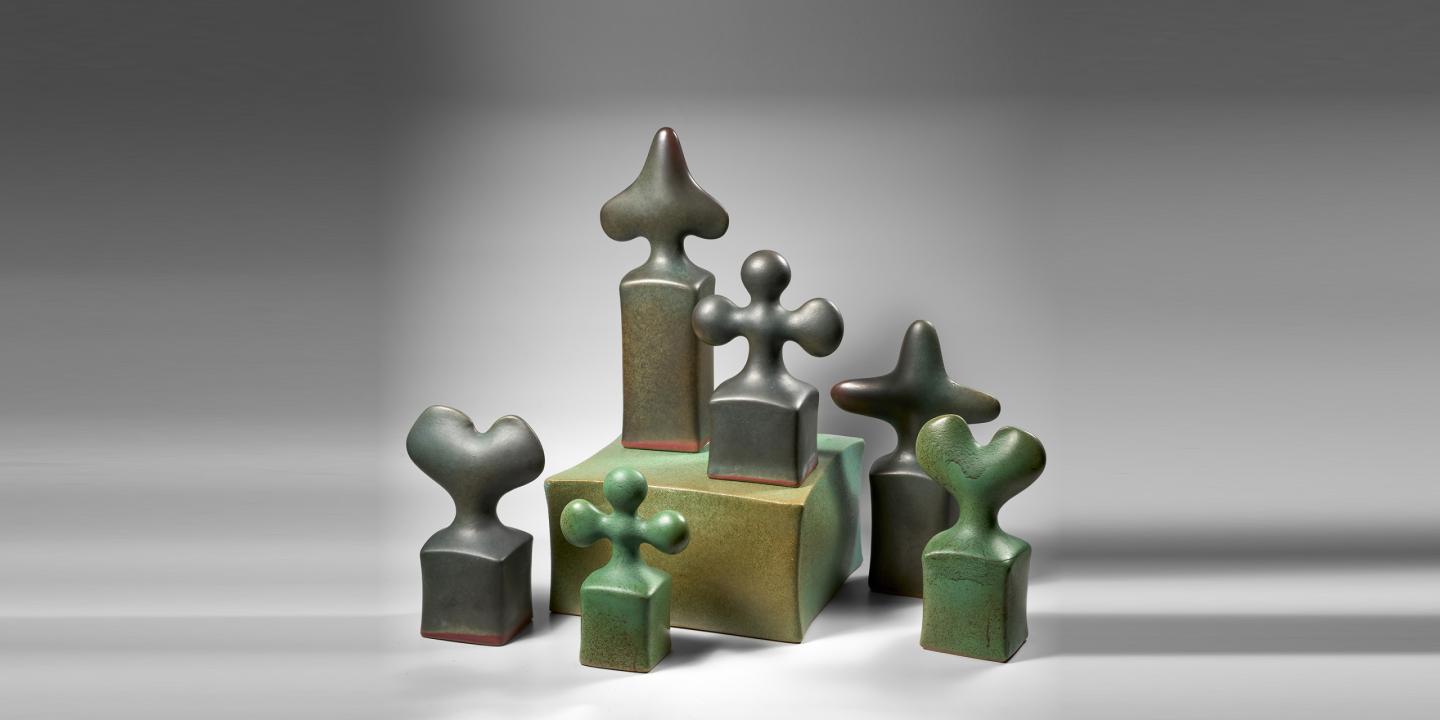
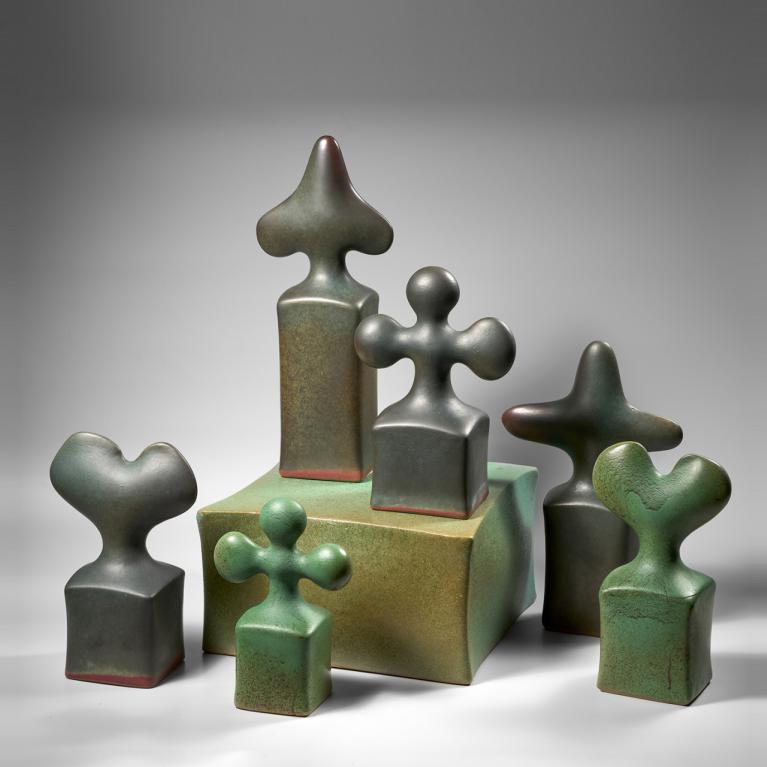
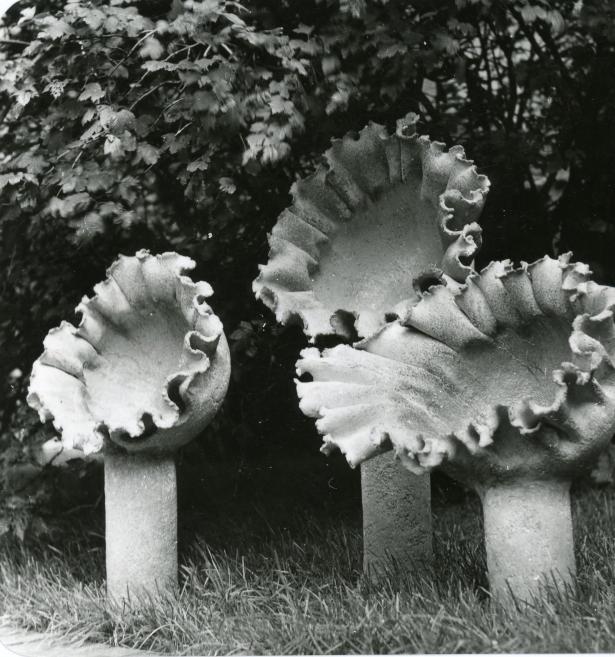
The ceramics collection holds over 5000 ceramic and porcelain objects produced from the late 19th century to nowadays. The origin of the repository dates back to the interwar period, initiated by the first targeted acquisitions made under the direction of Burkards Dzenis (Director of the State Museum of Art) and Vilhelms Purvītis (Director of the Riga City Museum of Art) for their respective institutions. Over time, the inventory expanded through targeted acquisitions and donations from private individuals. The typological scope is vast, ranging from utilitarian tableware to decorative objects, and from small scale figurines to large format garden ceramics.
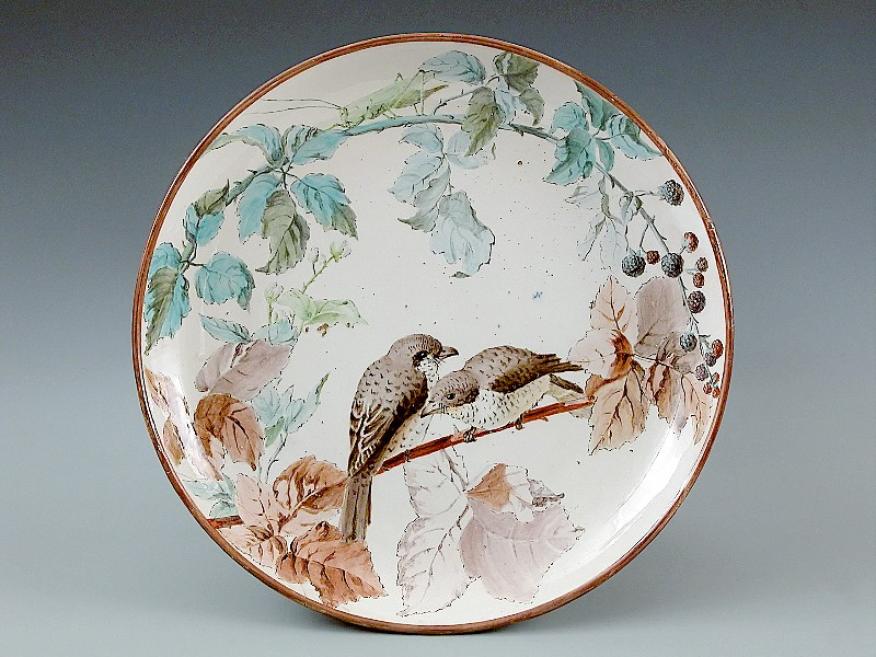
In the late 19th and early 20th centuries, ceramic production reflected the prominent influences of Art Nouveau and characteristics of the emerging national style. The earliest ceramic exhibit preserved in the museum’s collection is a majolica plate painted in 1892 by Jūlijs Jankalniņš (1866-1919), executed in classical Art Nouveau traditions. A foundational role within this early historical tier is occupied by the artistic estates of Jēkabs Dranda (1853-1915), Pēteris Šteinbergs (1874-1938), Augusts Julla (1872-1958), and Ansis Cīrulis (1883-1942).
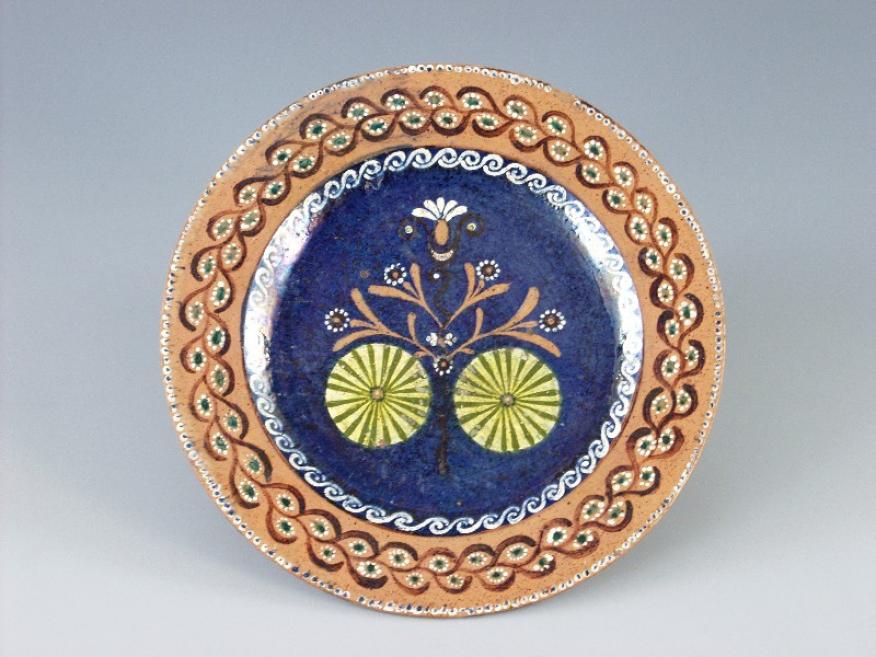
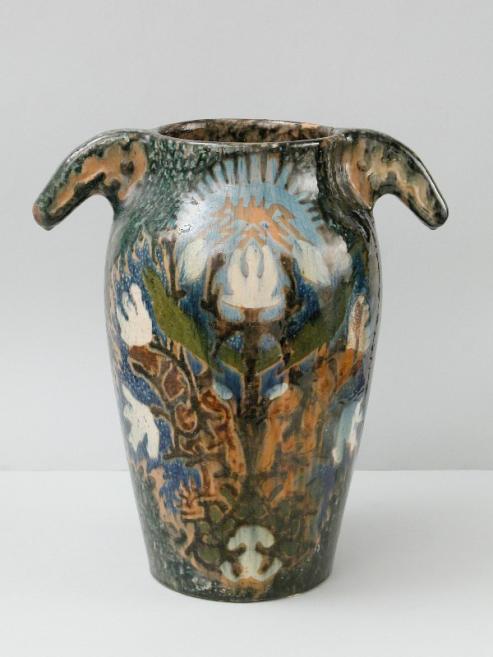
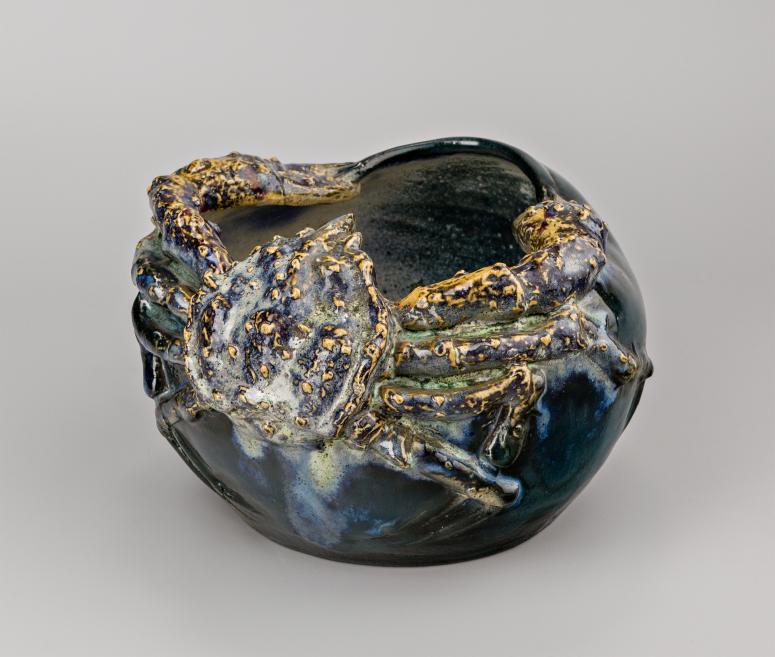
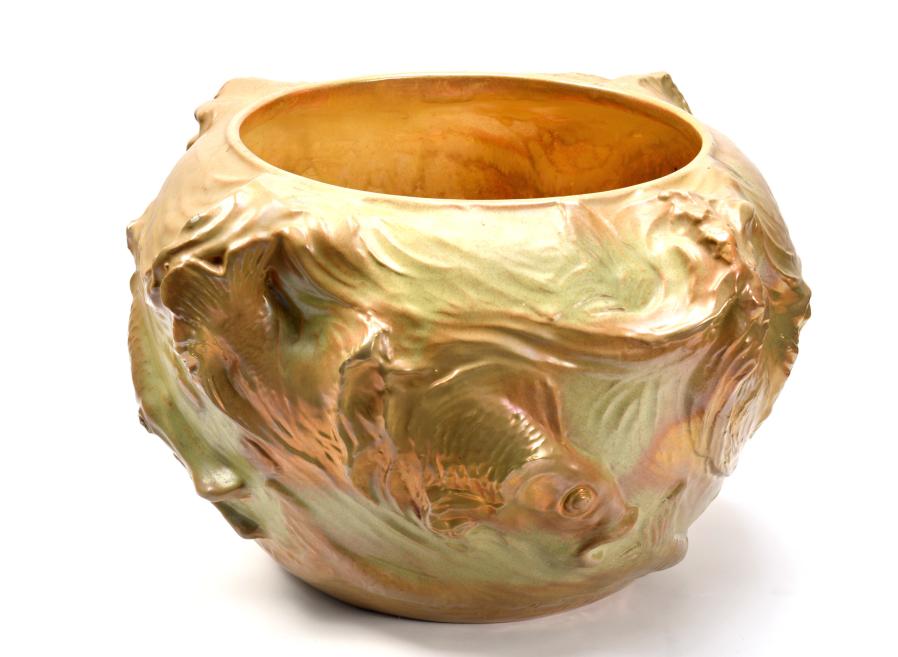
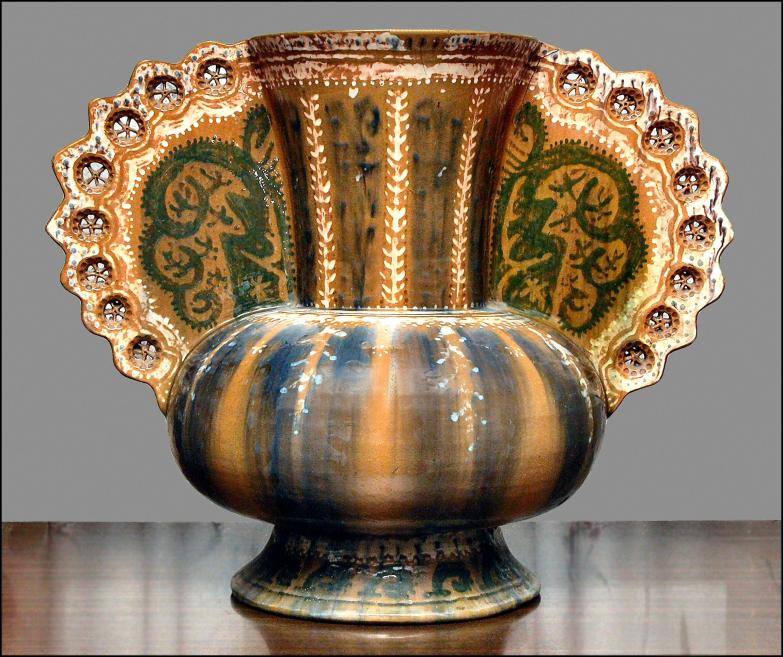
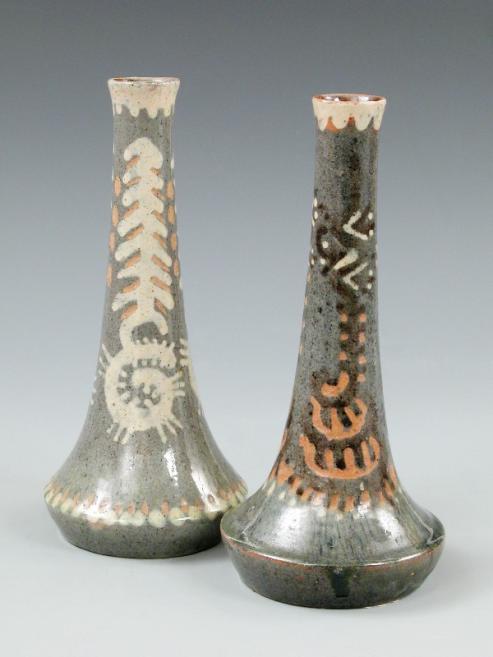
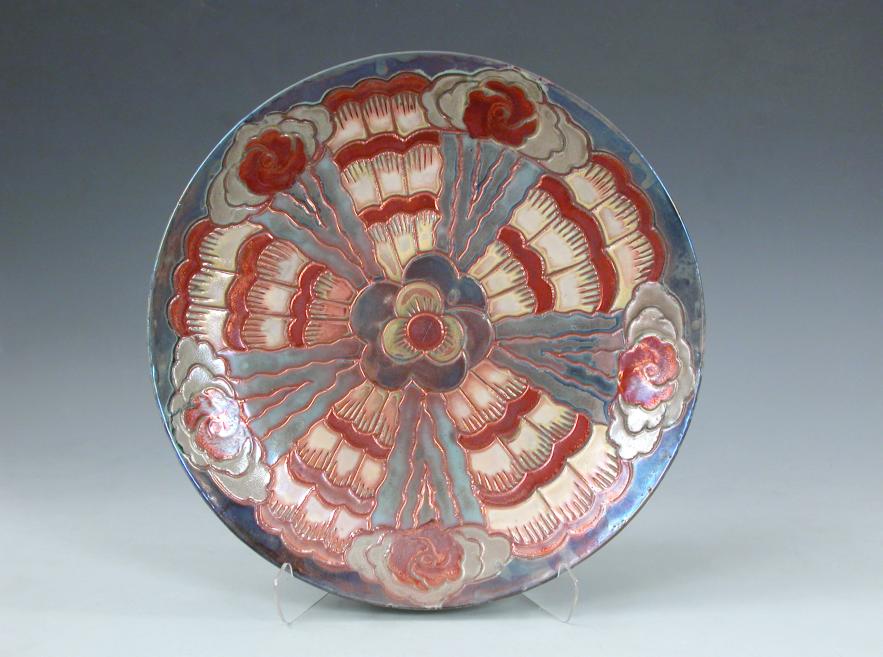
A watershed event for the professionalization of the discipline was the establishment of the Ceramics Master Studio at the Art Academy of Latvia in 1924. Led by Professor Rūdolfs Pelše (1880-1942), the works produced by his students are characterized by structural diversity in form, ornamentation, and advanced glaze applications aligned with the globally popular Art Deco aesthetic. Key figures from this generation include Vilis Vasariņš, Georgs Kruglovs, Ludvigs Kalniņš, Milda Brutāne. During this time, large scale structural architectural ceramic works were executed.
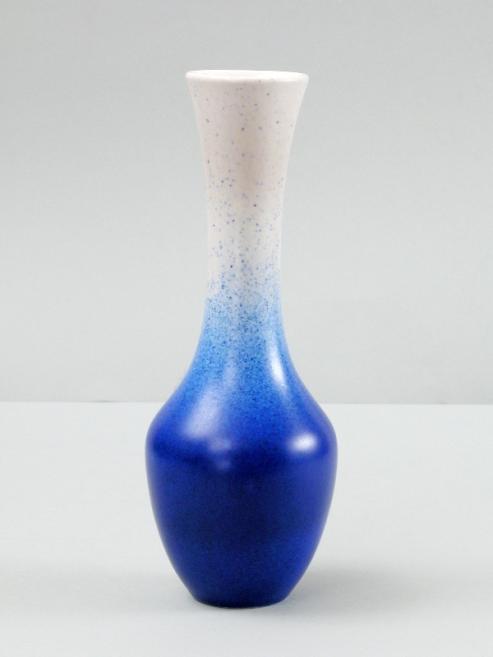
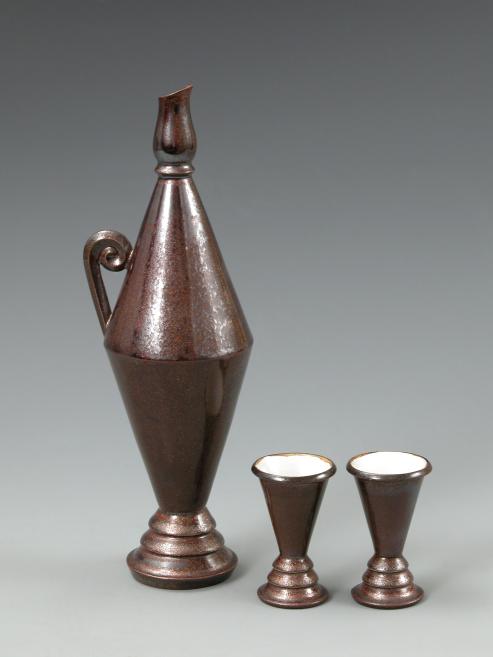
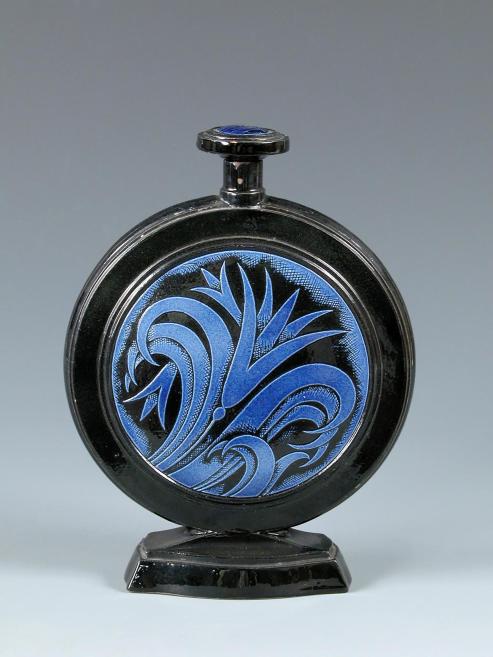
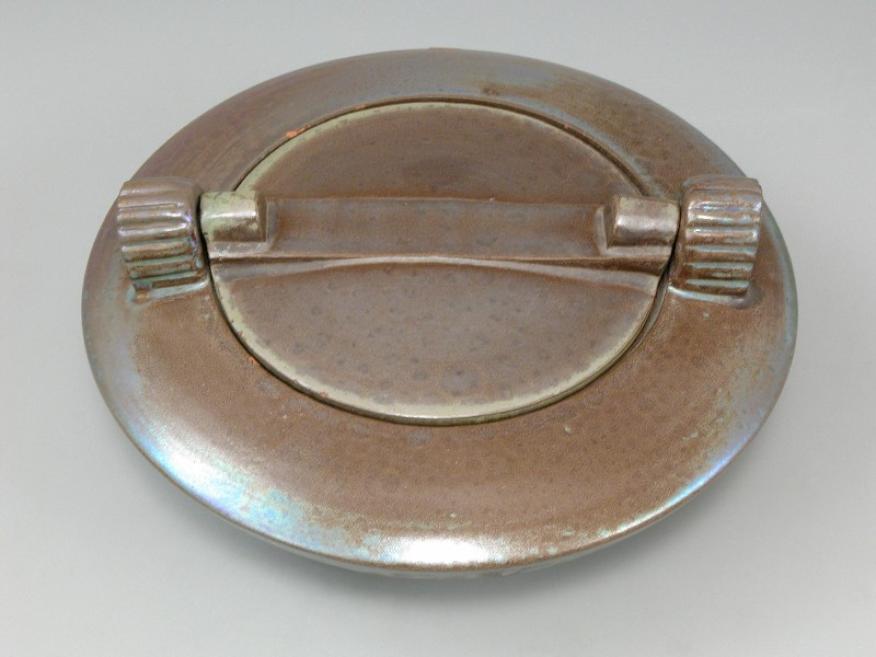
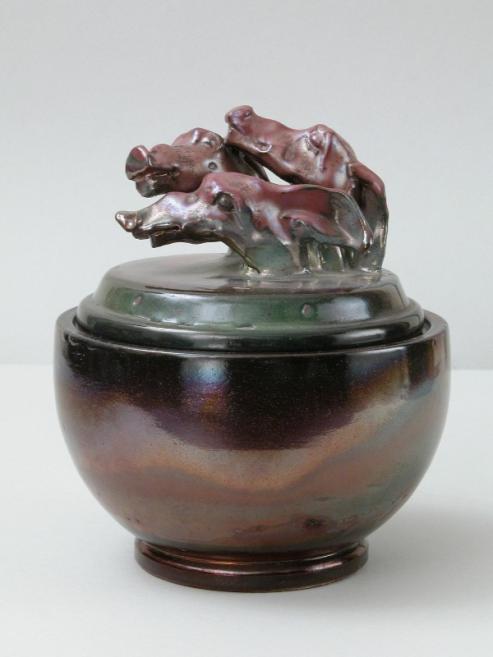
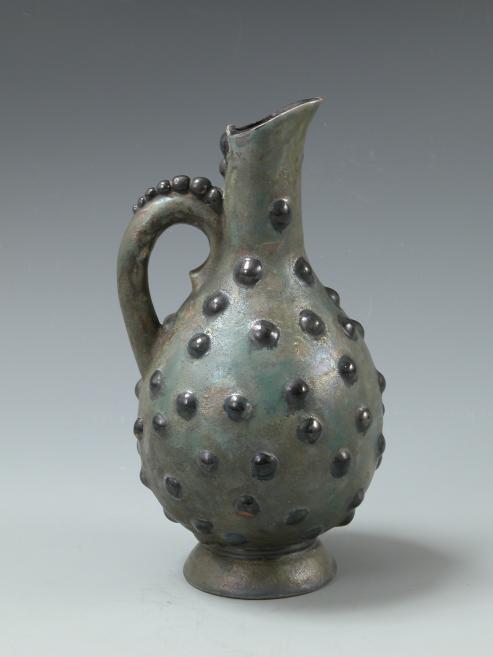
The museum preserves a significant body of work created by the faculty of the Art Academy of Latvia’s Ceramics Department, as well as works generated at two vital hubs of local artistic innovations: the Ķīpsala Ceramics Studio and the Logs Ceramics Studio. The 1970s and 1980s were marked by highly active, avantgarde experimentation. During this time, Latvian ceramicists regularly received accolades and awards at international exhibitions. Notably, pieces were exhibited by and acquired for the permanent collection of the prestigious International Museum of Ceramics in Faenza, Italy (including works by Pēteris Martinsons, Andris Vēzis, and Juris Bergins) and other institutions abroad.
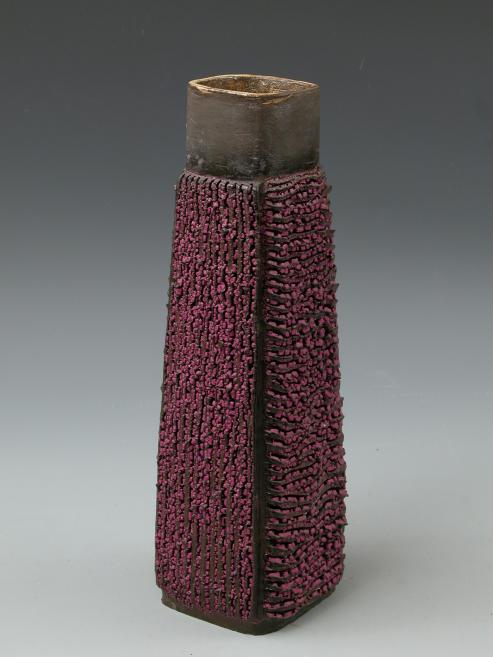
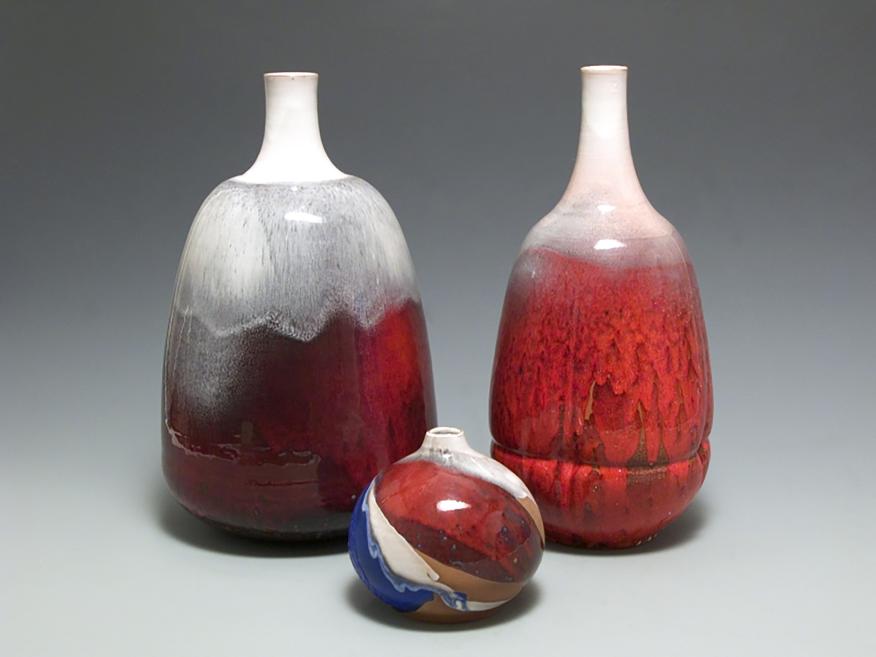
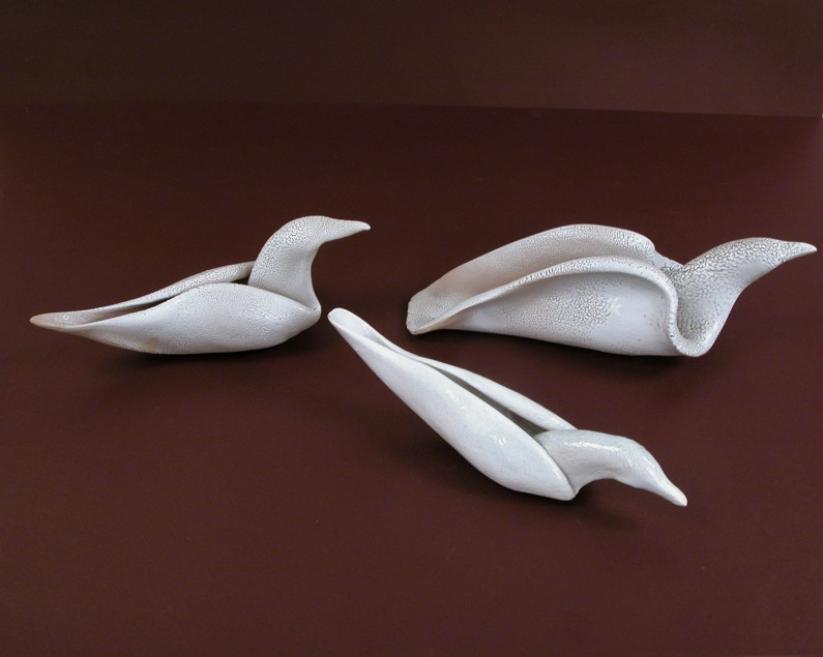
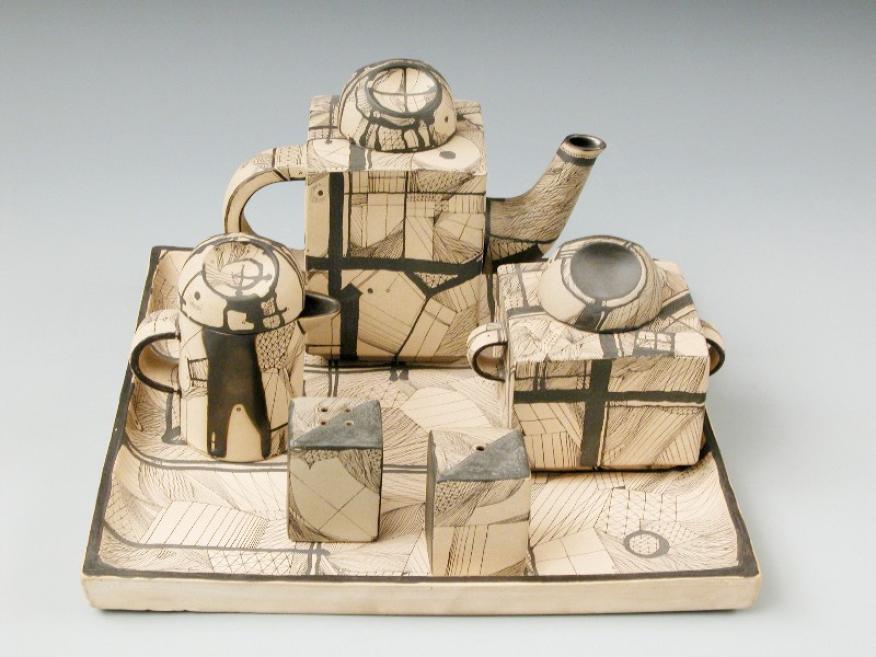
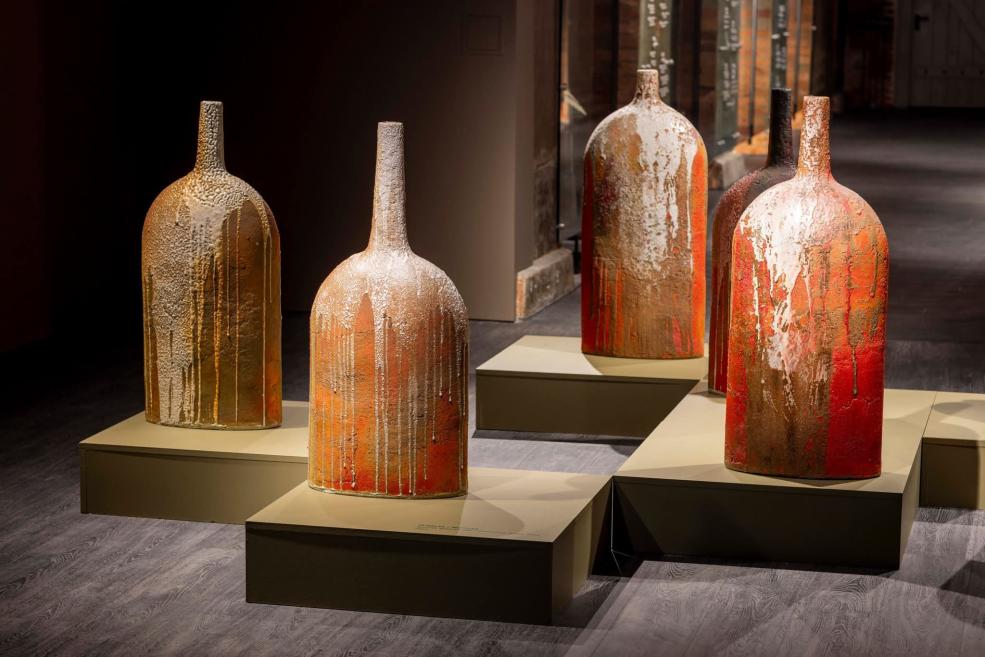
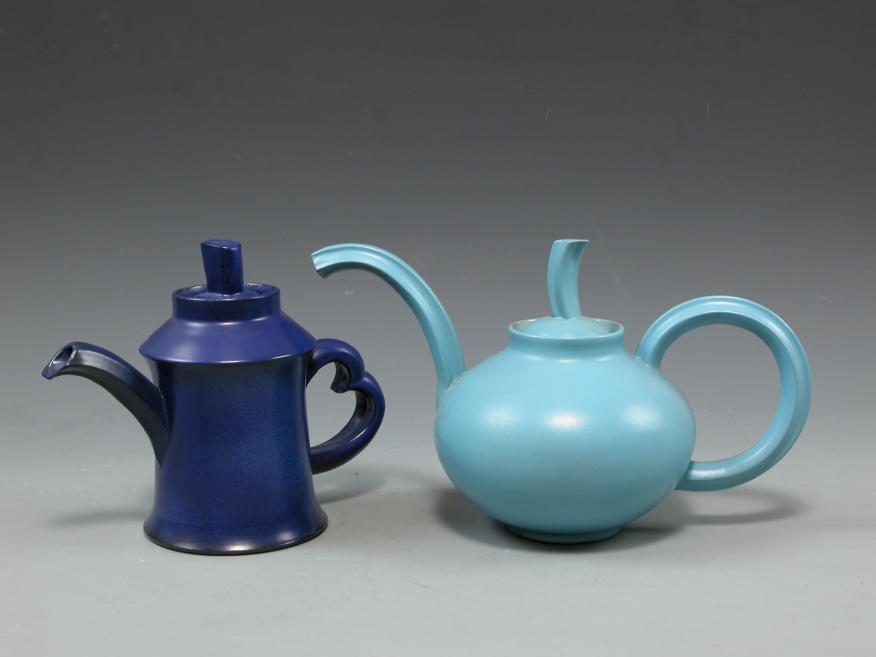
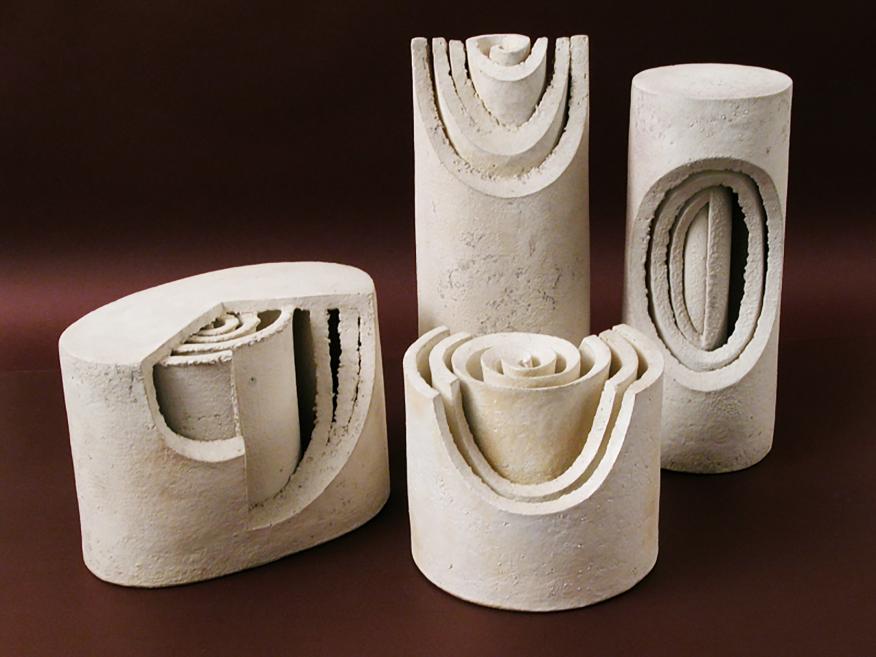
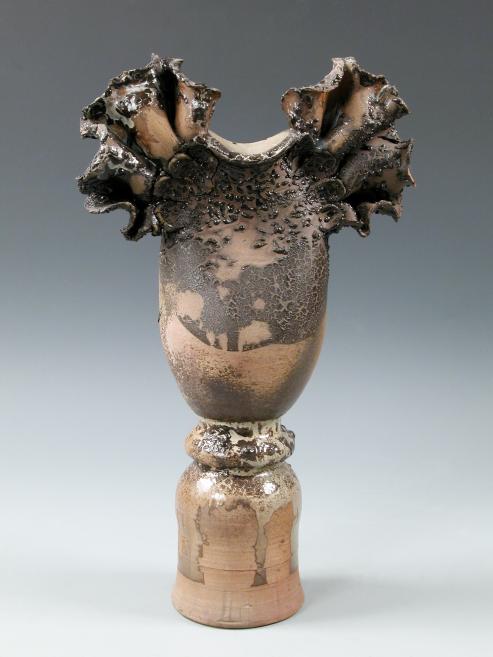
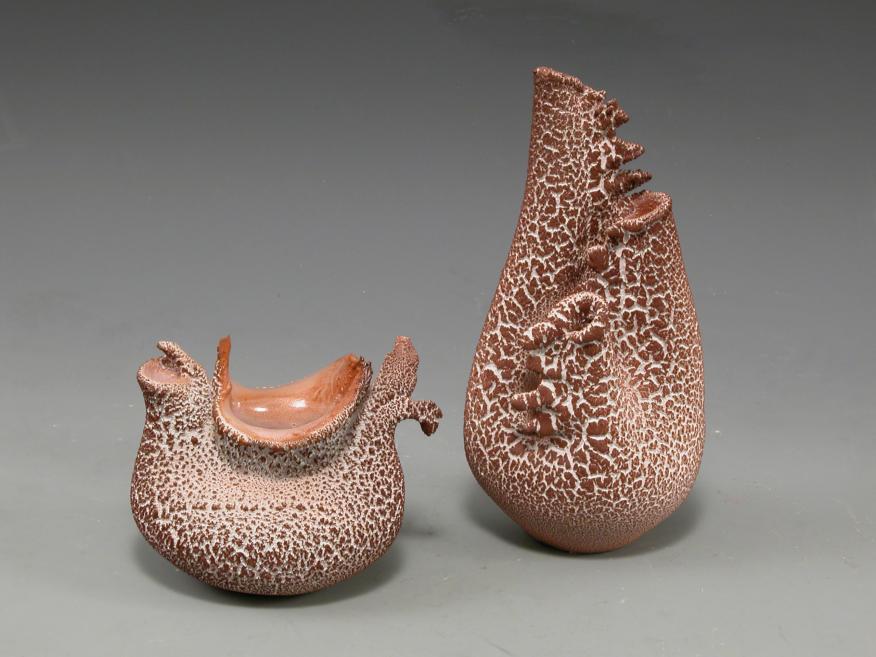
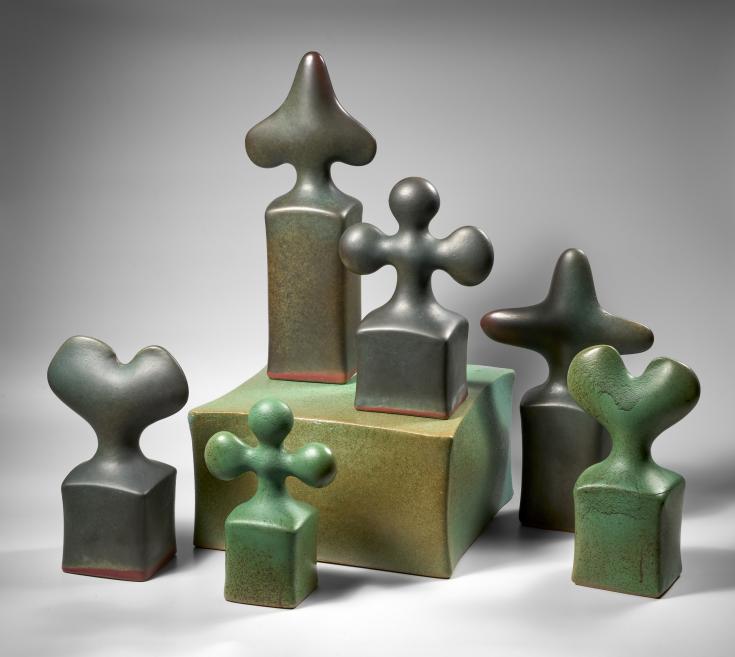
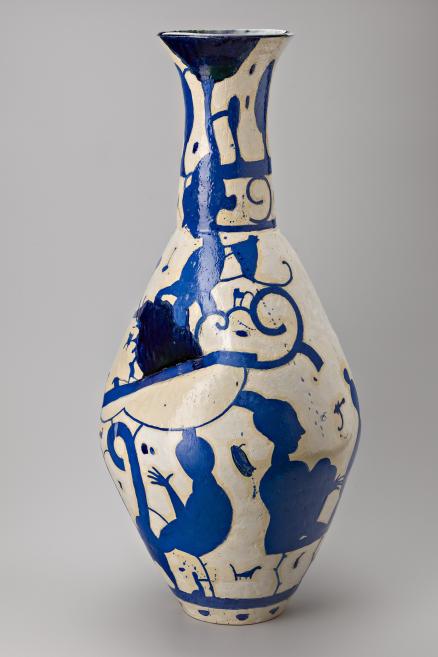
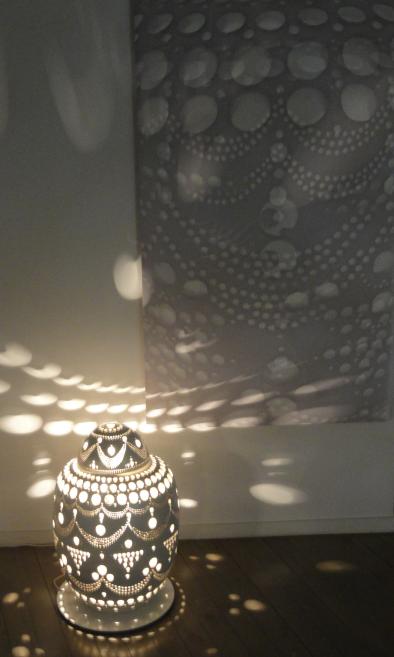
The museum continues to actively monitor and document the evolution of the medium in the 21st century. The repository is continuously enriched with professionally outstanding, innovative art objects created by the faculty and alumni of the Art Academy of Latvia’s Ceramics Department, including Dainis Pundurs, Dainis Lesiņš, Līga Skariņa, and Jevgēņija Loginova.