Collection of Latvian Decorative Art
The collection of the Museum of Decorative Arts and Design stands as one of the most significant repositories of Latvian professional art. Spanning from the early 20th century to the present day, it offers a comprehensive overview of the development of decorative art in Latvia across various historical periods.
The foundations of the collection were laid alongside the founding of the Museum of Decorative Applied Arts in 1989, which consolidated the holdings of museums and institutions. Over time, the collection has been continually expanded through targeted acquisitions and donations from artists and private individuals. The collection is organized into several distinct subcollections: leather art, decorative woodworking art, glass art, and metal art.
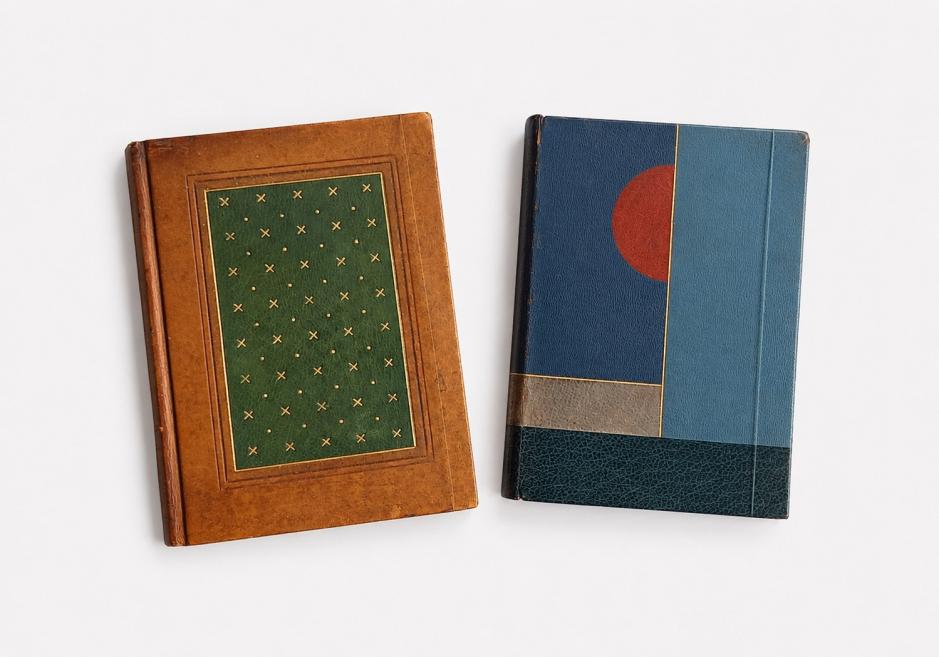
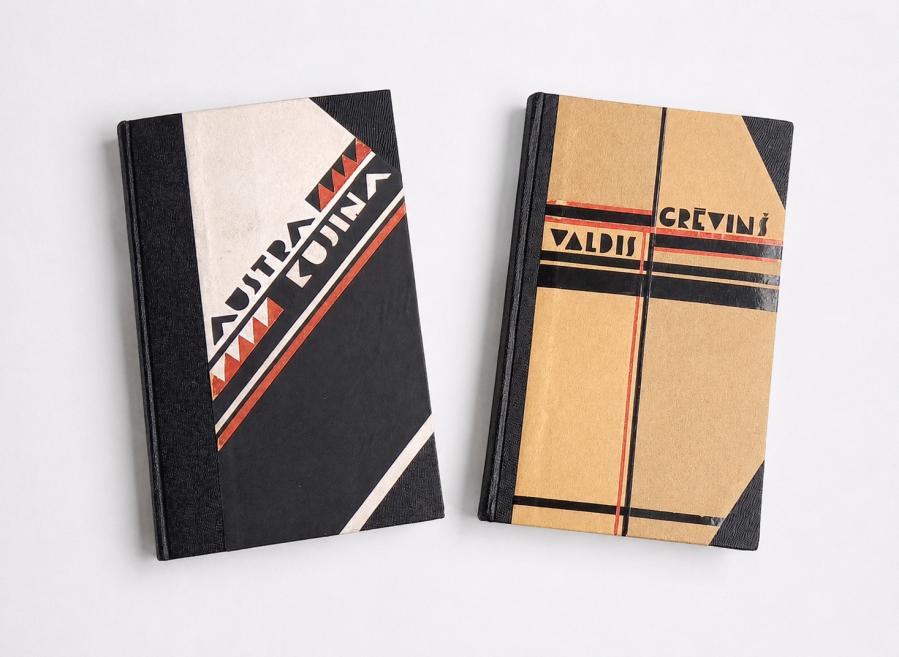
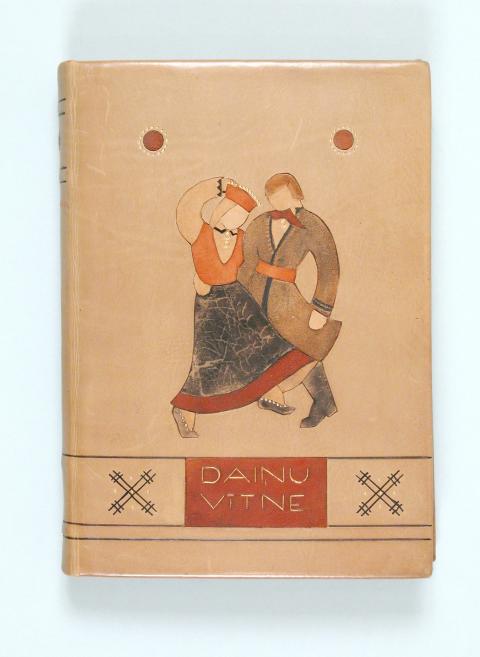
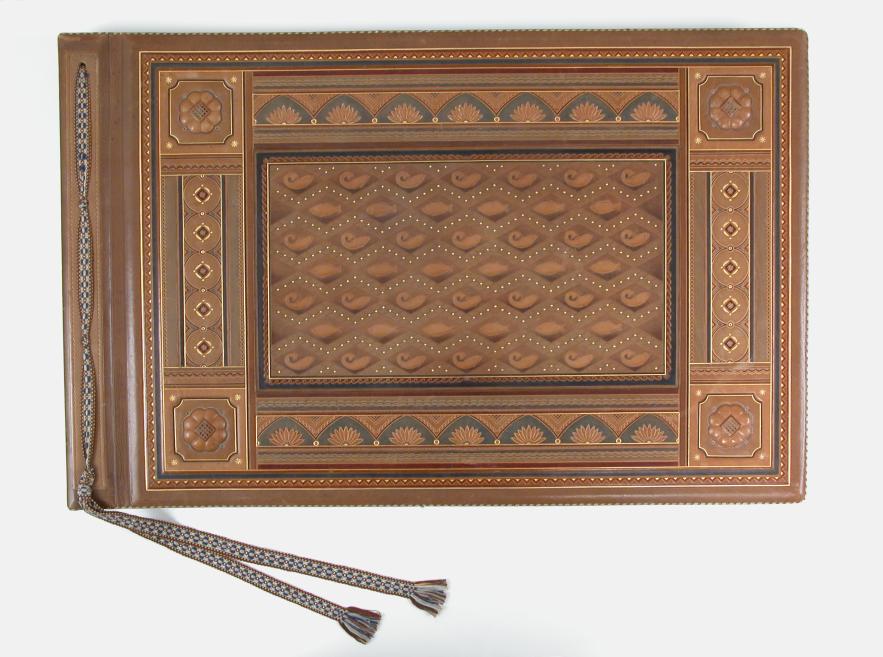
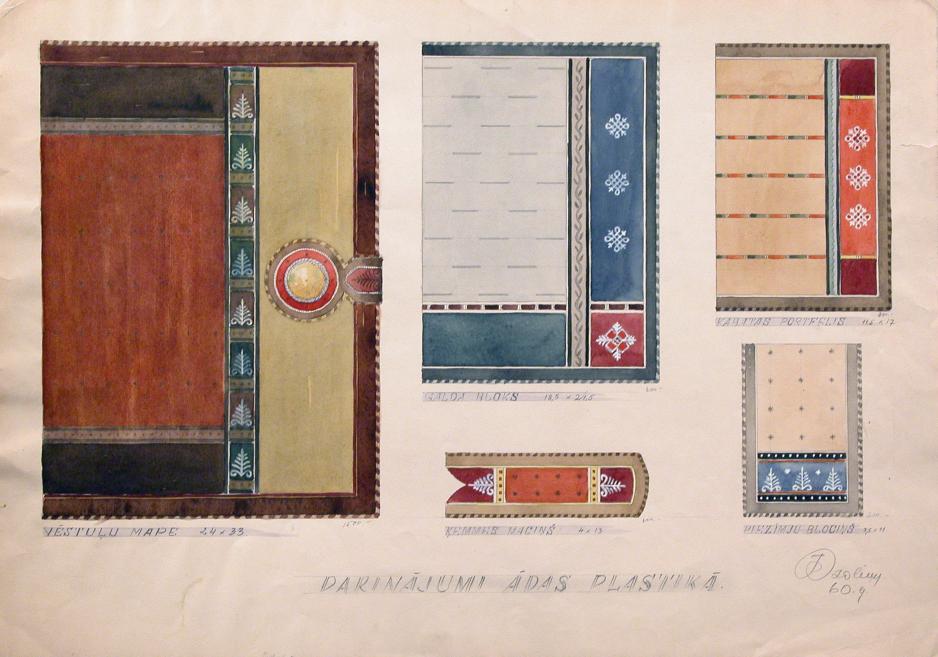
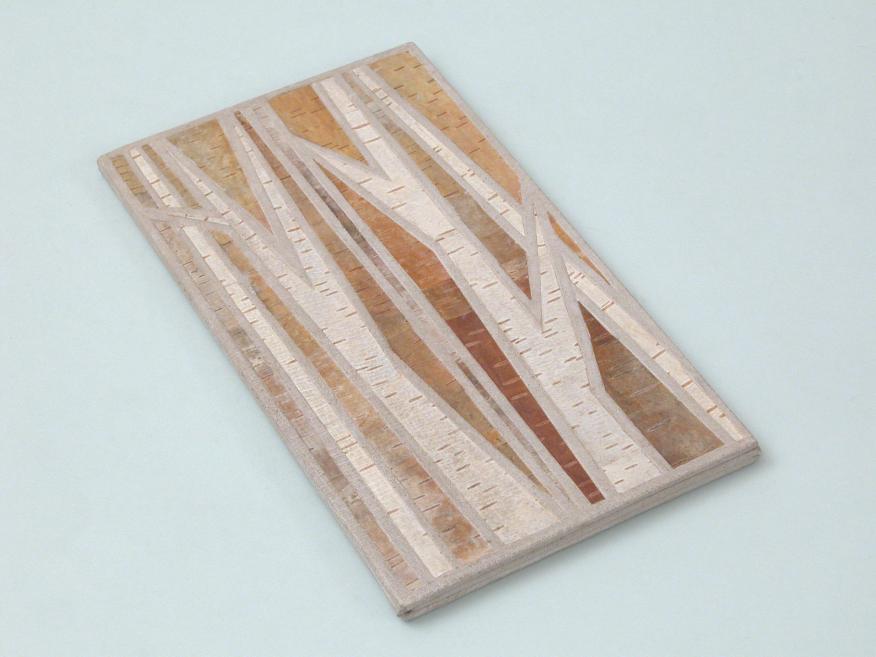
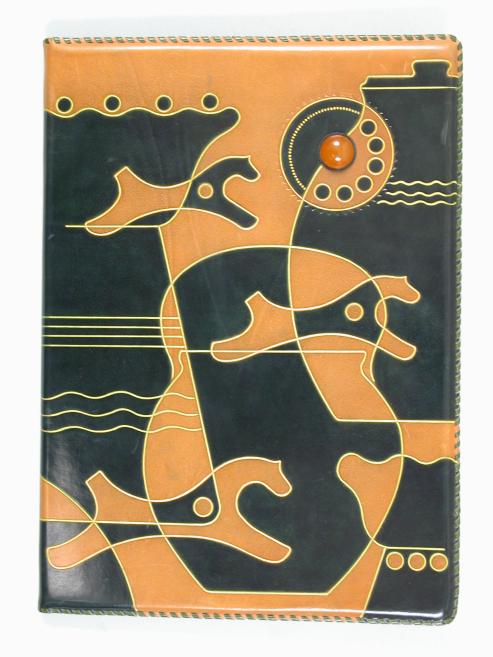
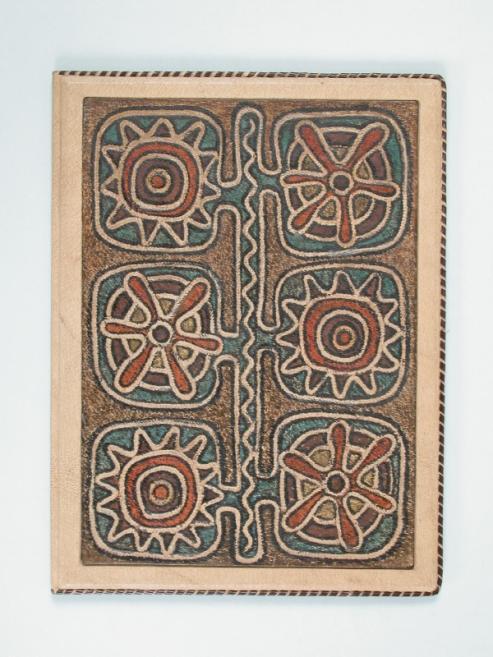
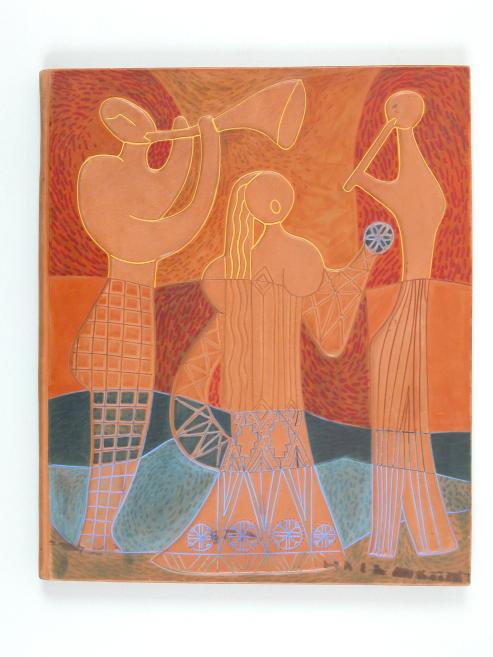
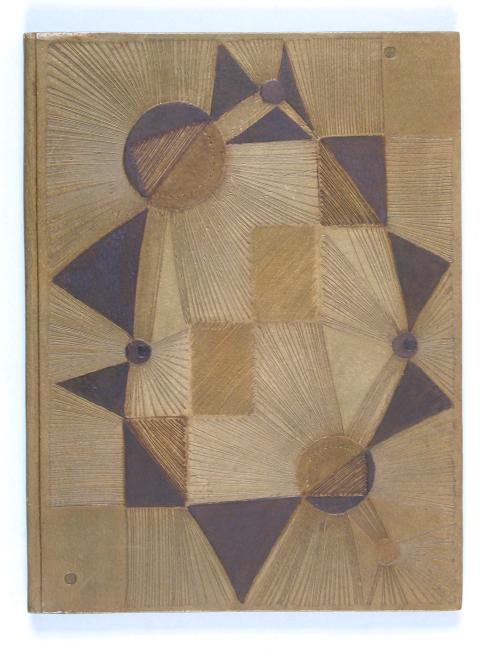
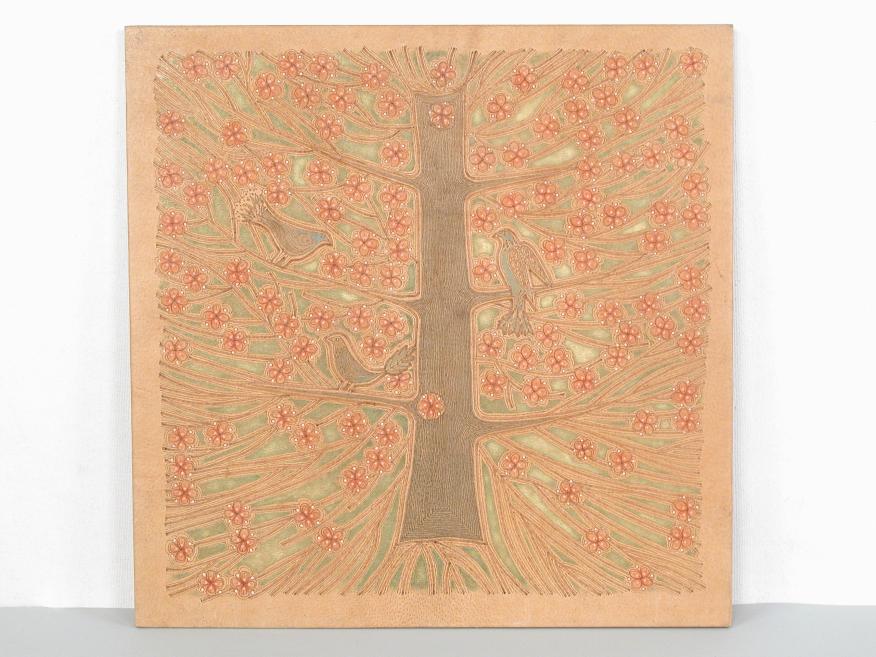
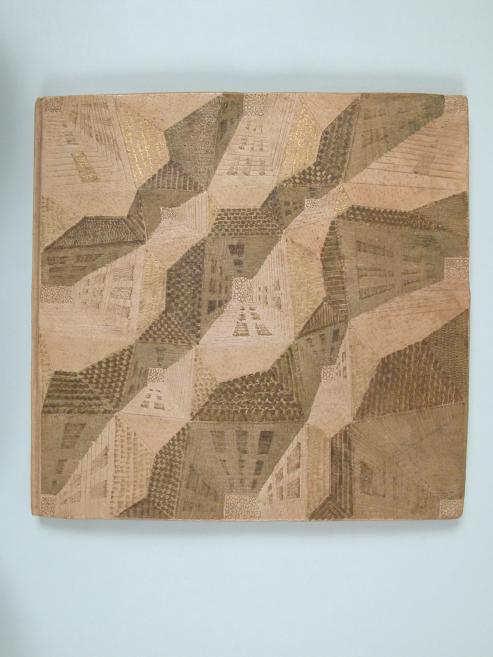
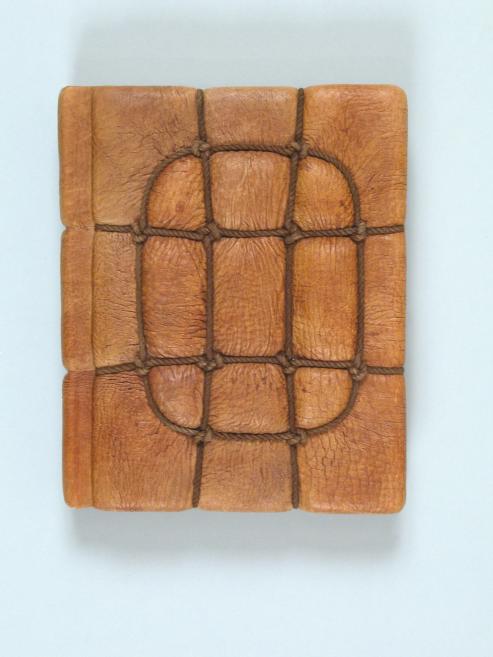
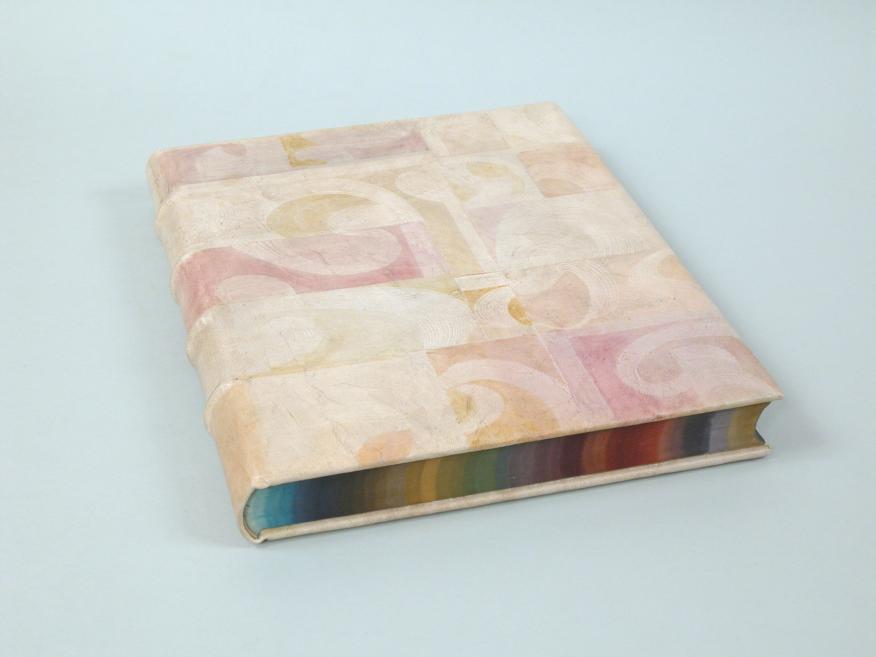
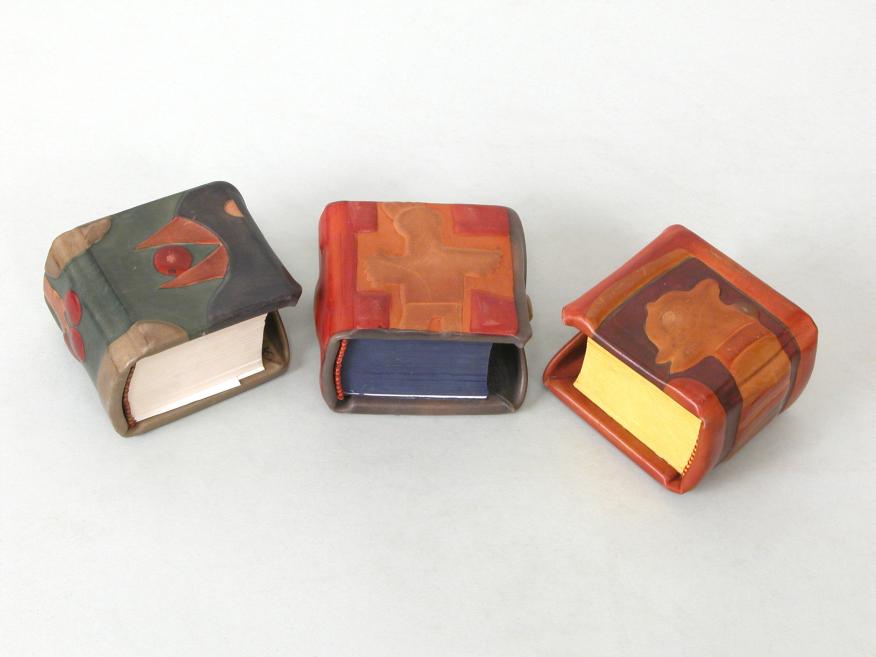
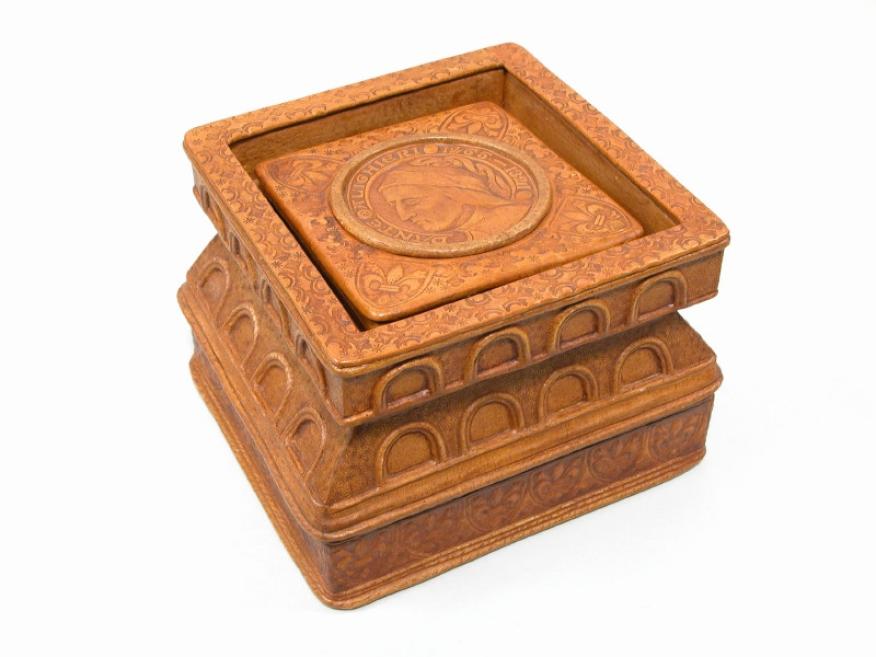
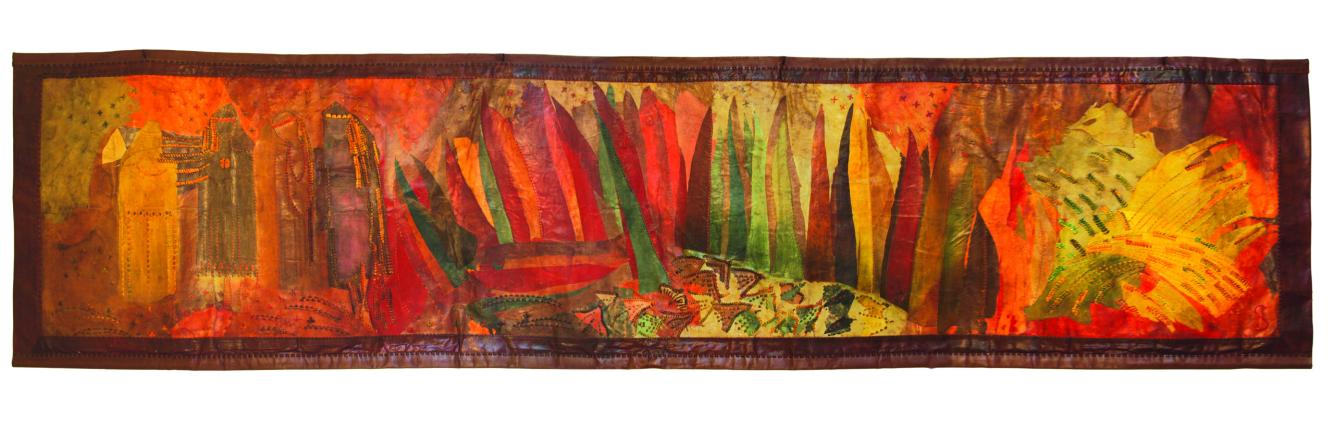
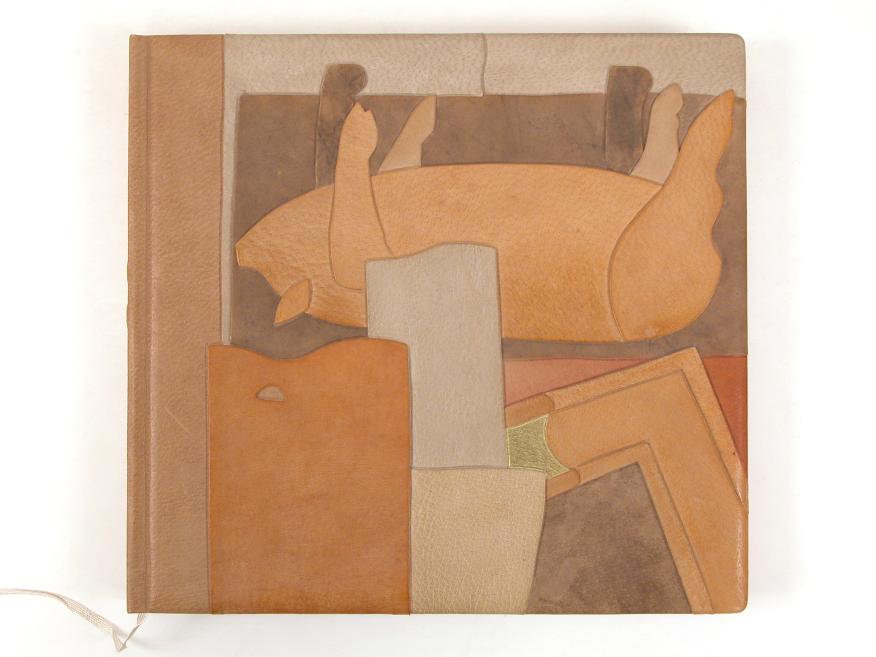
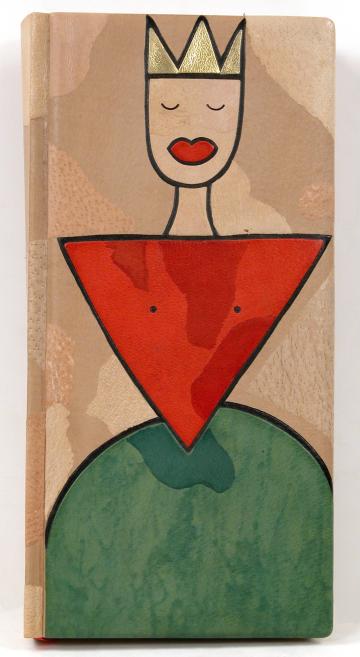
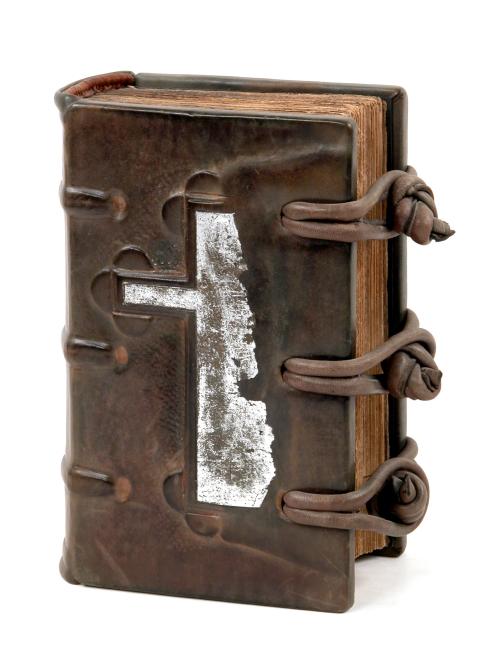
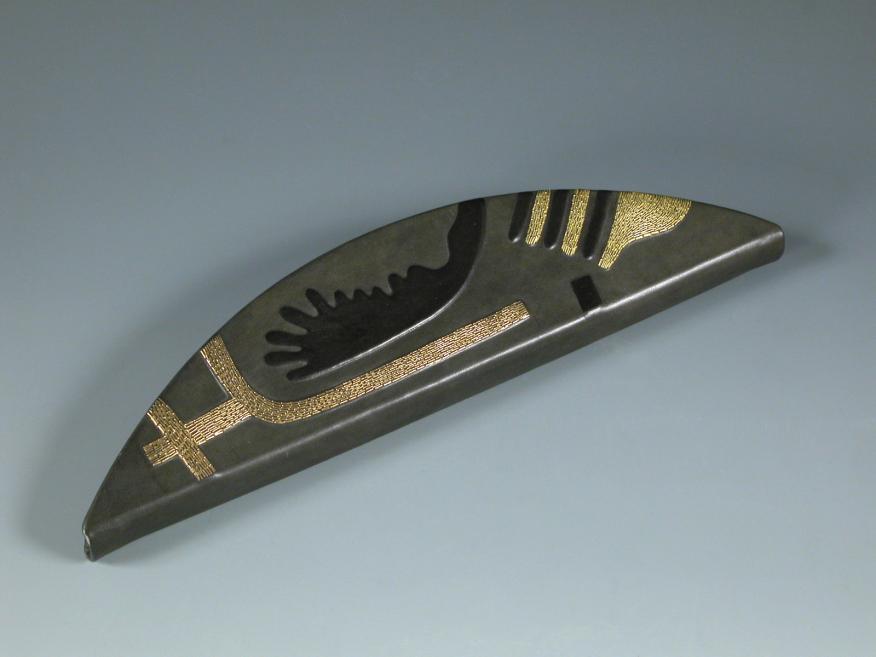
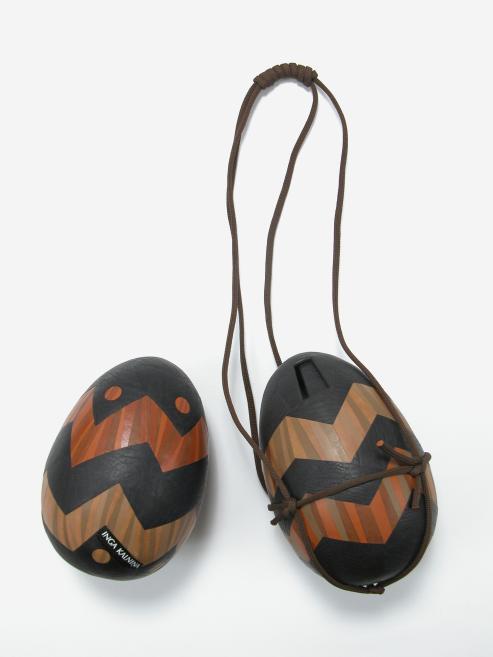
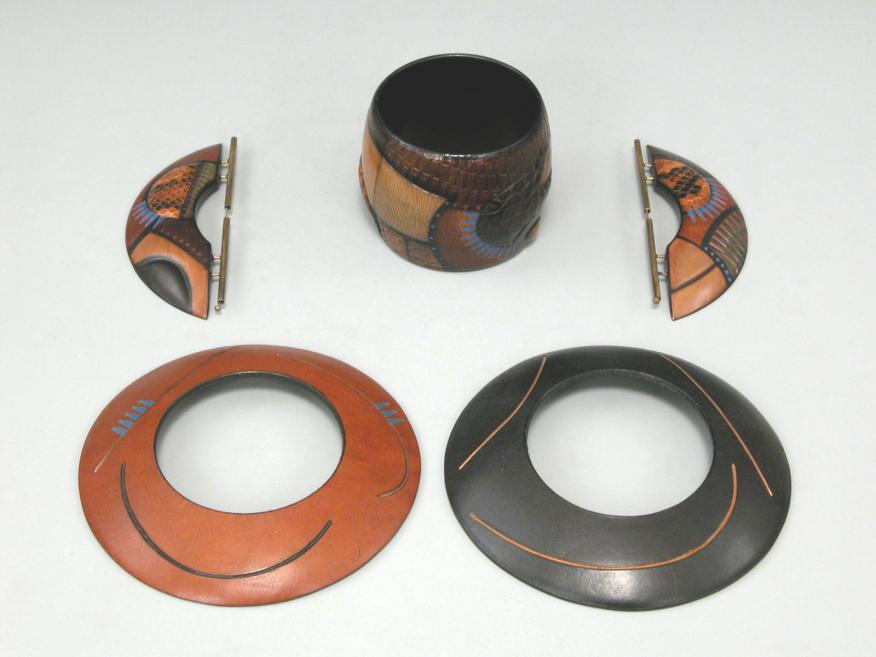
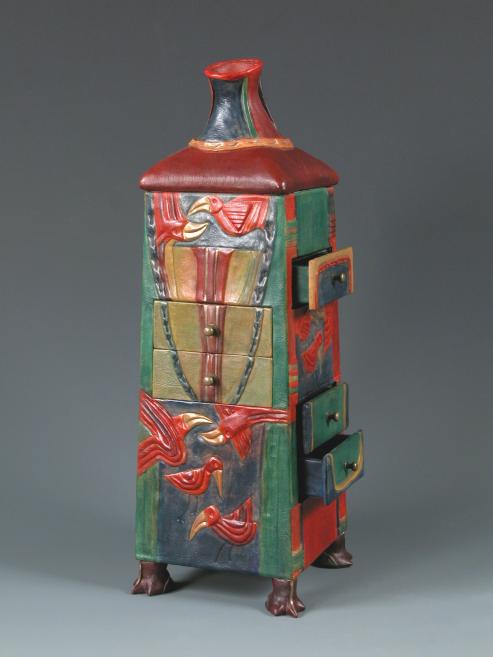
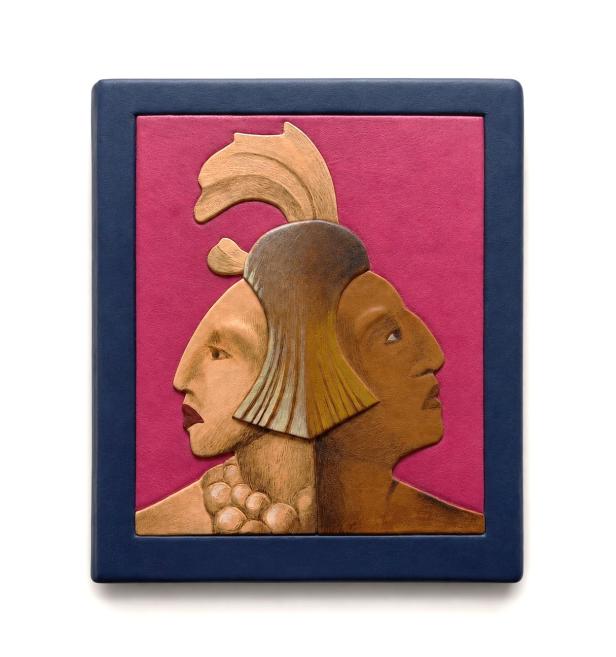
The leather art collection maps the evolution of the medium in Latvia from 1930s onward. The core of the collection features book-bindings by Andrejs Purmalis and Margita Melnalksne, which epitomize the refined book-binding culture of the interwar period. Postwar trends are represented by works of Vladimirs Lācis and Jānis Ozoliņš. Meanwhile, the innovative artistic pursuits of the 1970s and 1980s are demonstrated through the creative experiments of Ilda Sīlis, Astrīda Siltuma, and Anda Līce, who successfully pushed the boundaries of traditional leather craft.
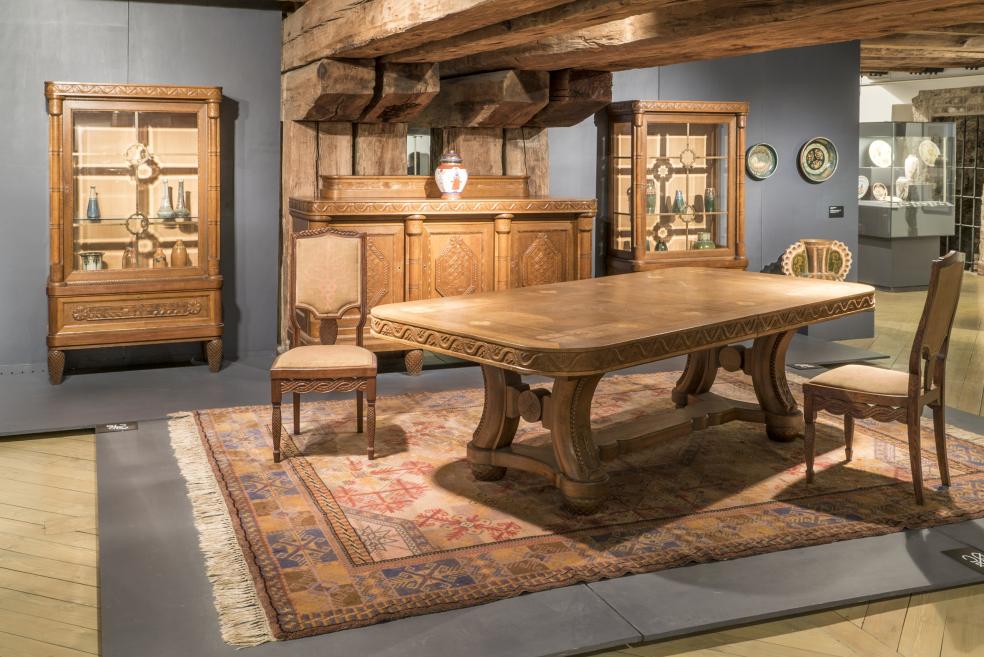
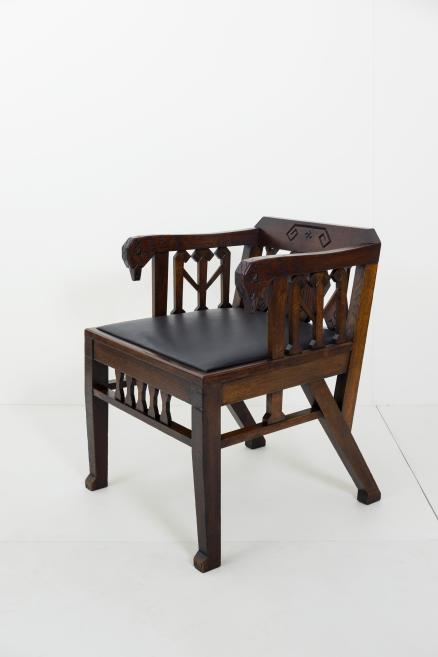
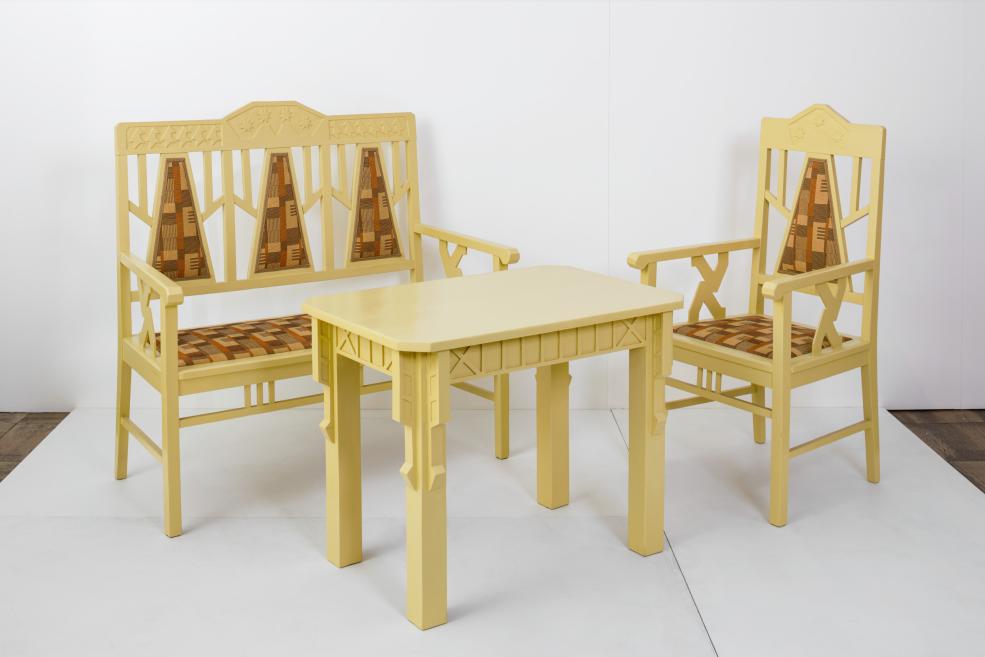
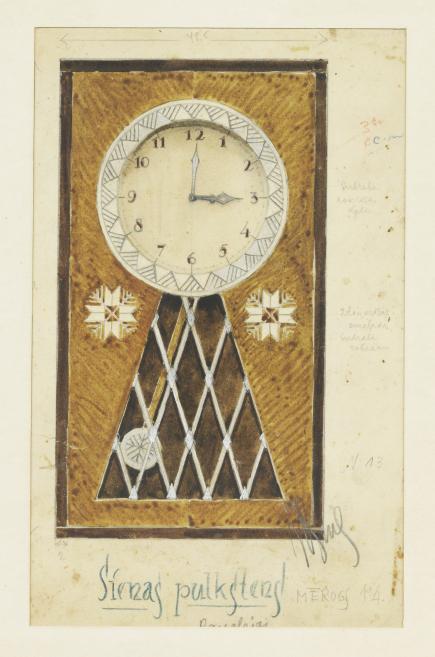
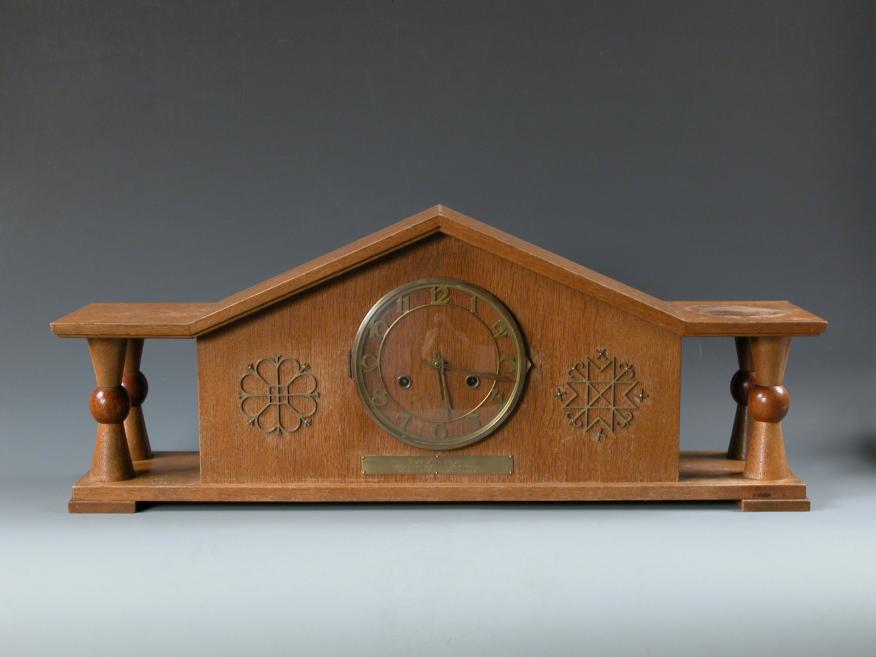
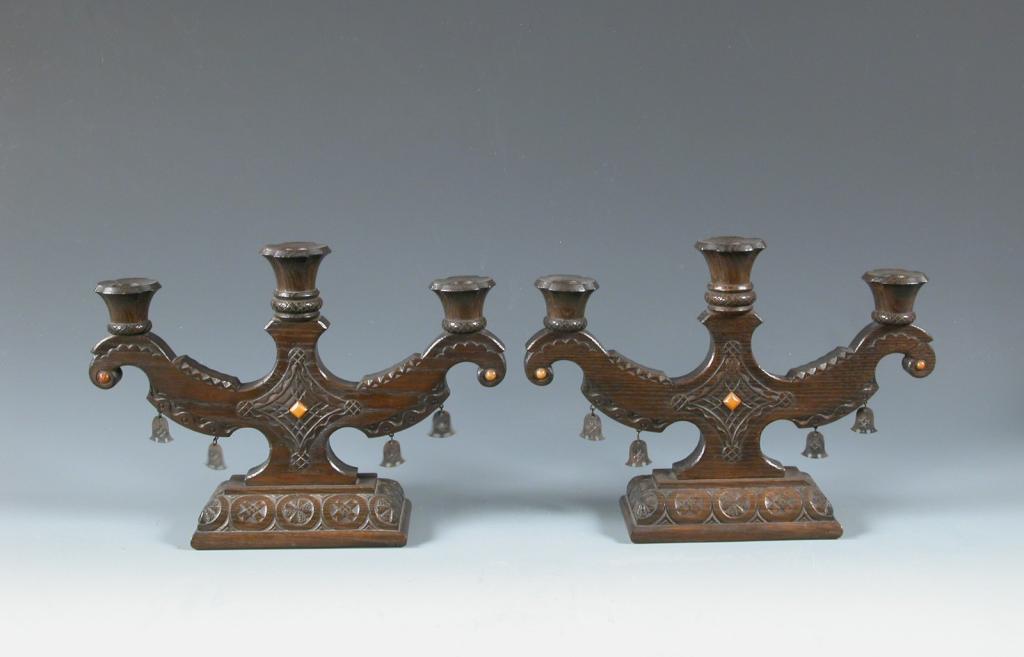
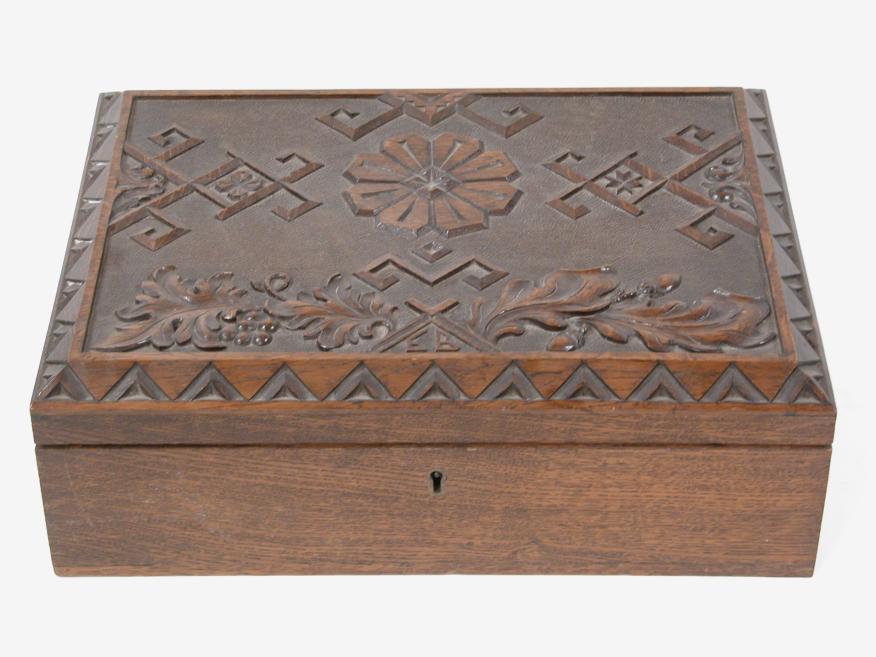
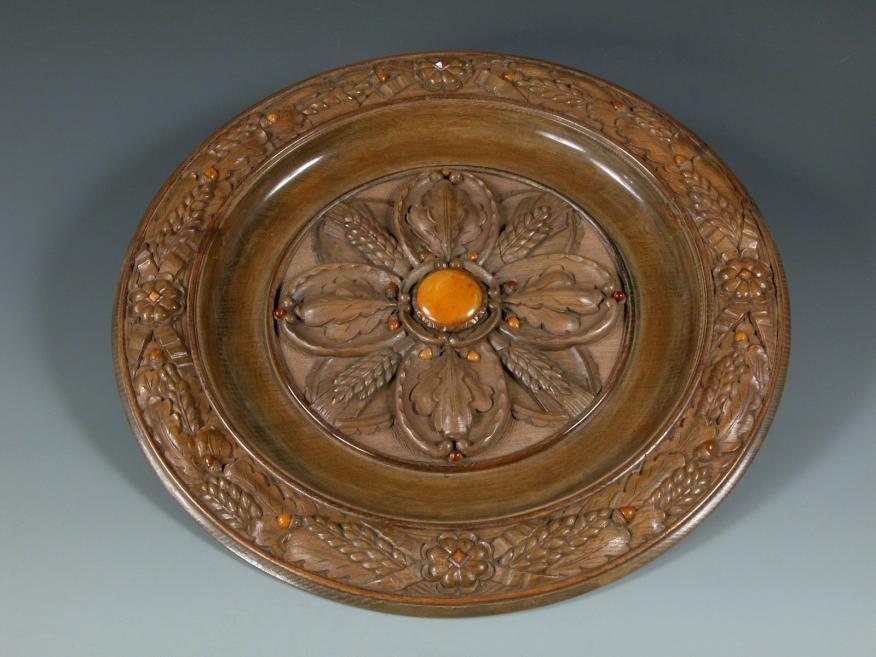
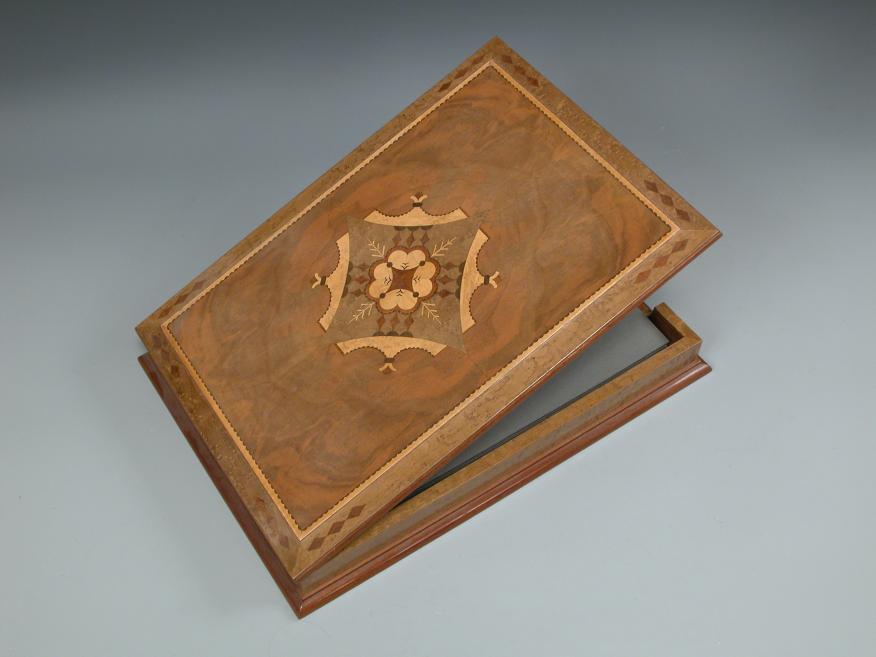
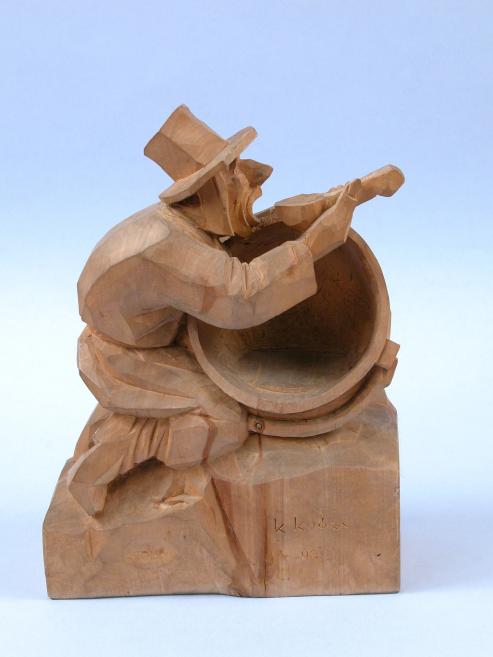
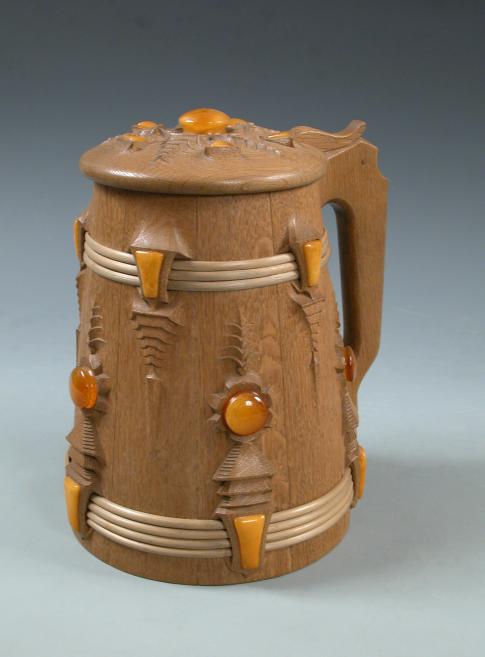
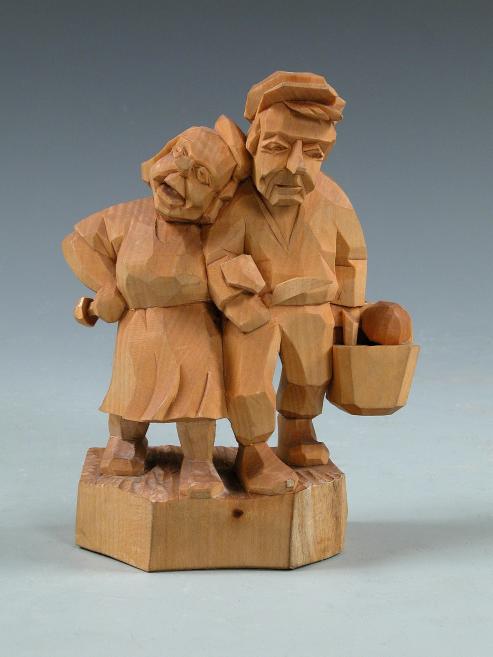
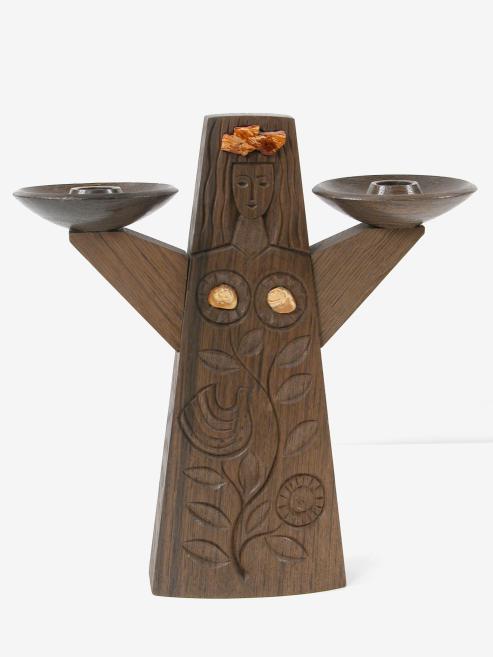
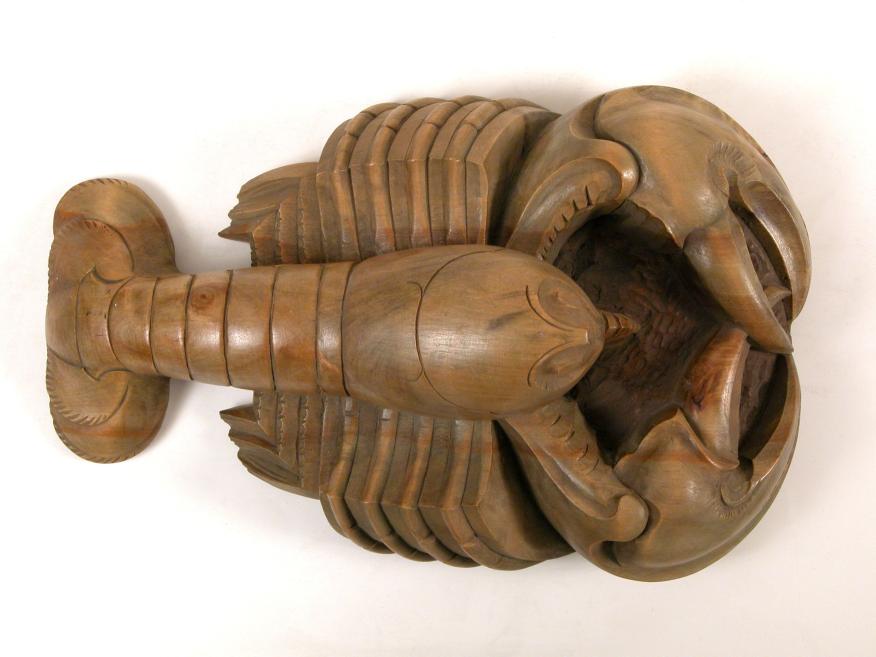
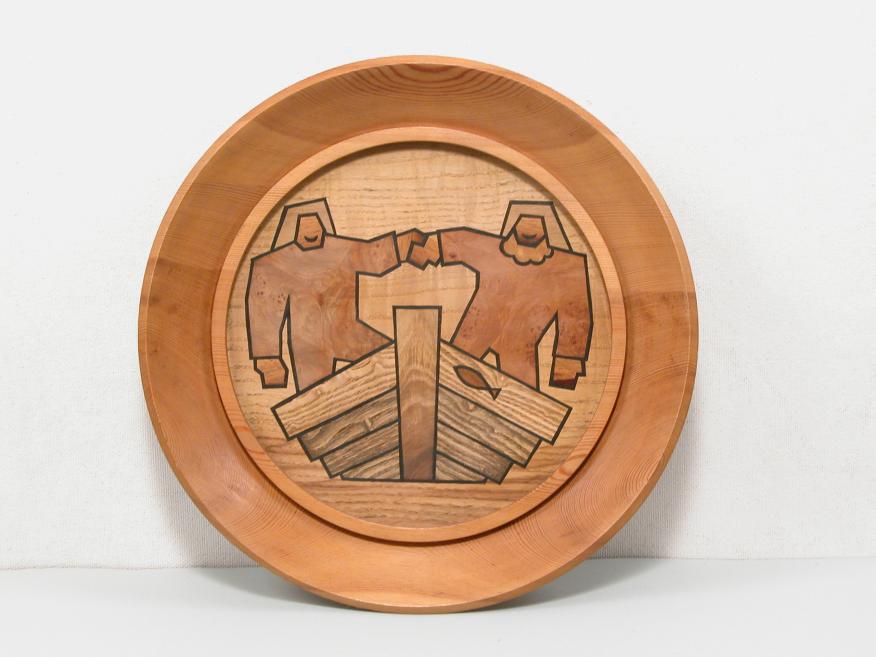
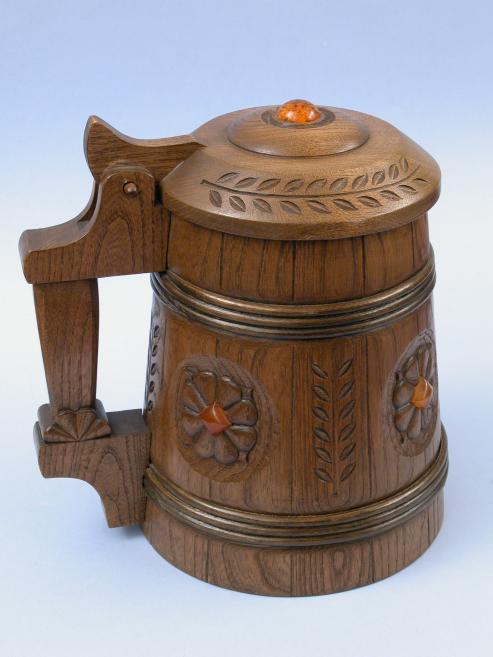
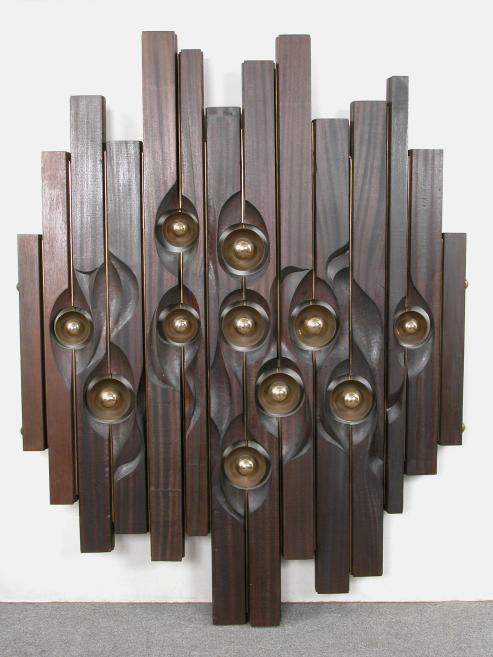
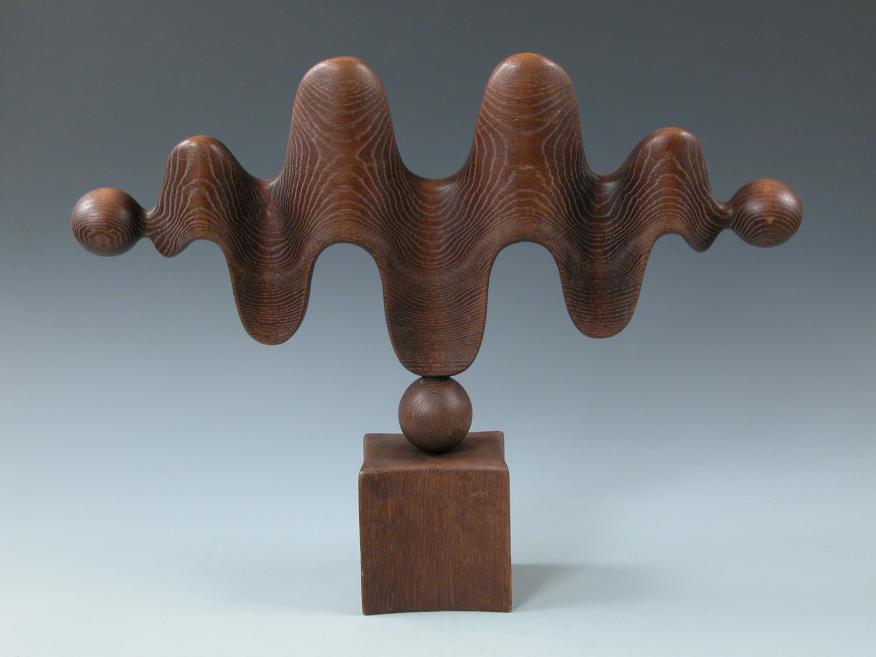
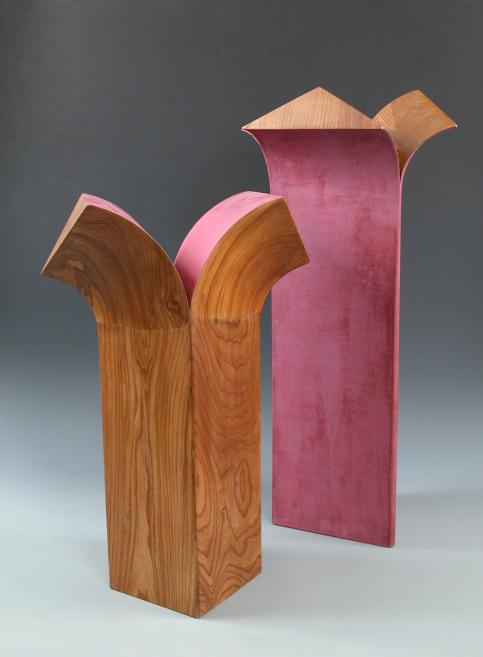
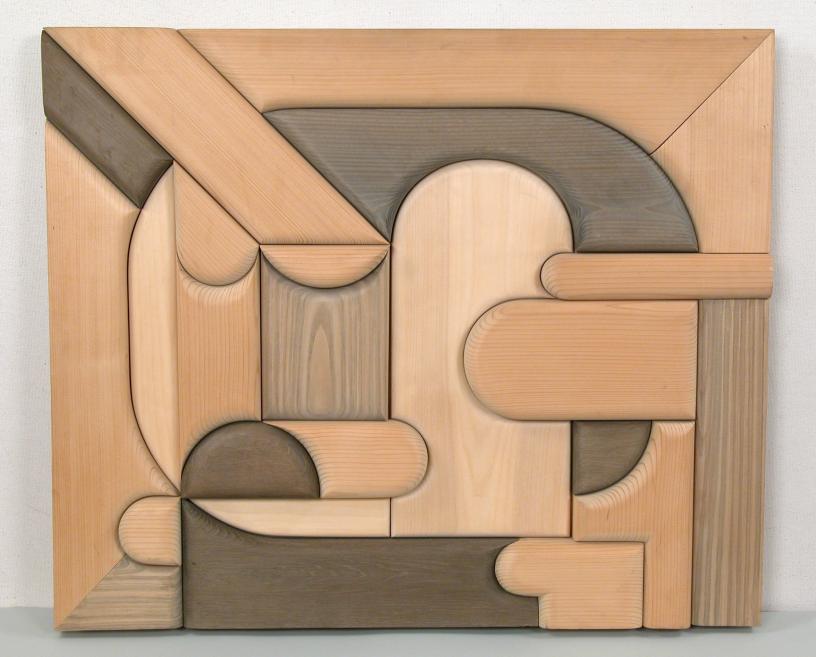
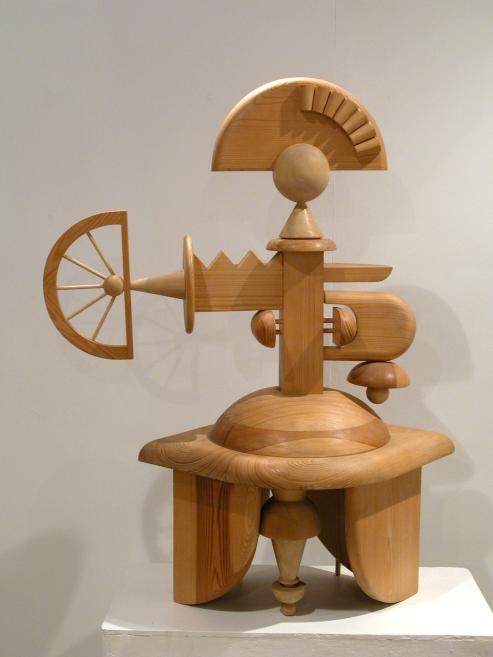
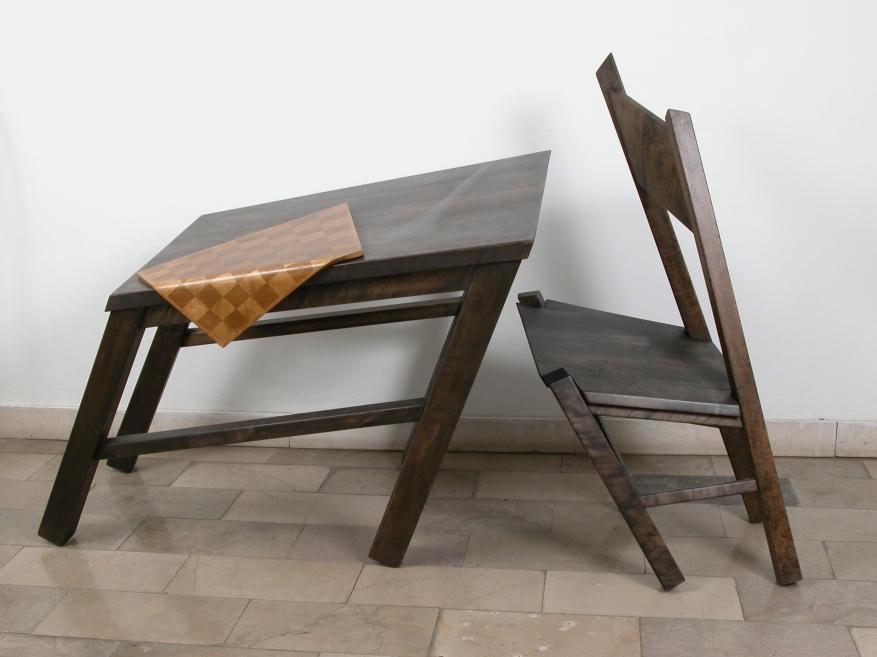
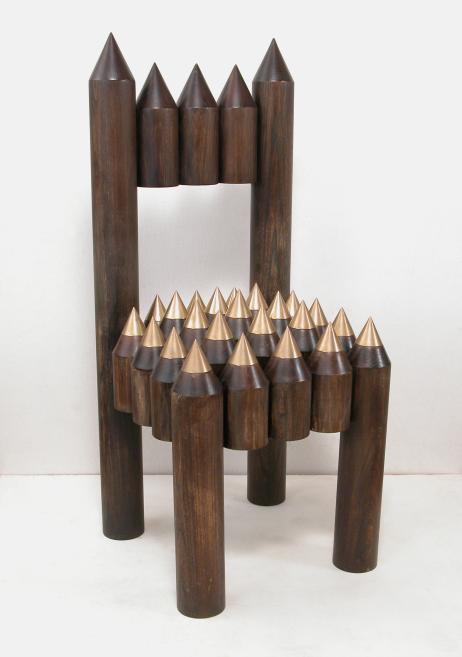
The decorative woodworking art collection comprises furniture, interior décor, small scale wooden sculptures, and wattle-work. Of particular significance are works associated with the search for a “Latvian style” during the interwar period, specifically furniture crafted from design sketches by Ansis Cīrulis, Jūlijs Madernieks, Arvīds Dzērvītis, and Jēkabs Bīne. The subsequent eras are represented by the creations of Voldemārs Tiltiņš, Jānis Poļaks, and Jānis Straupe, which beautifully demonstrate the transition from functional decorativism to a more conceptual artistic expression.
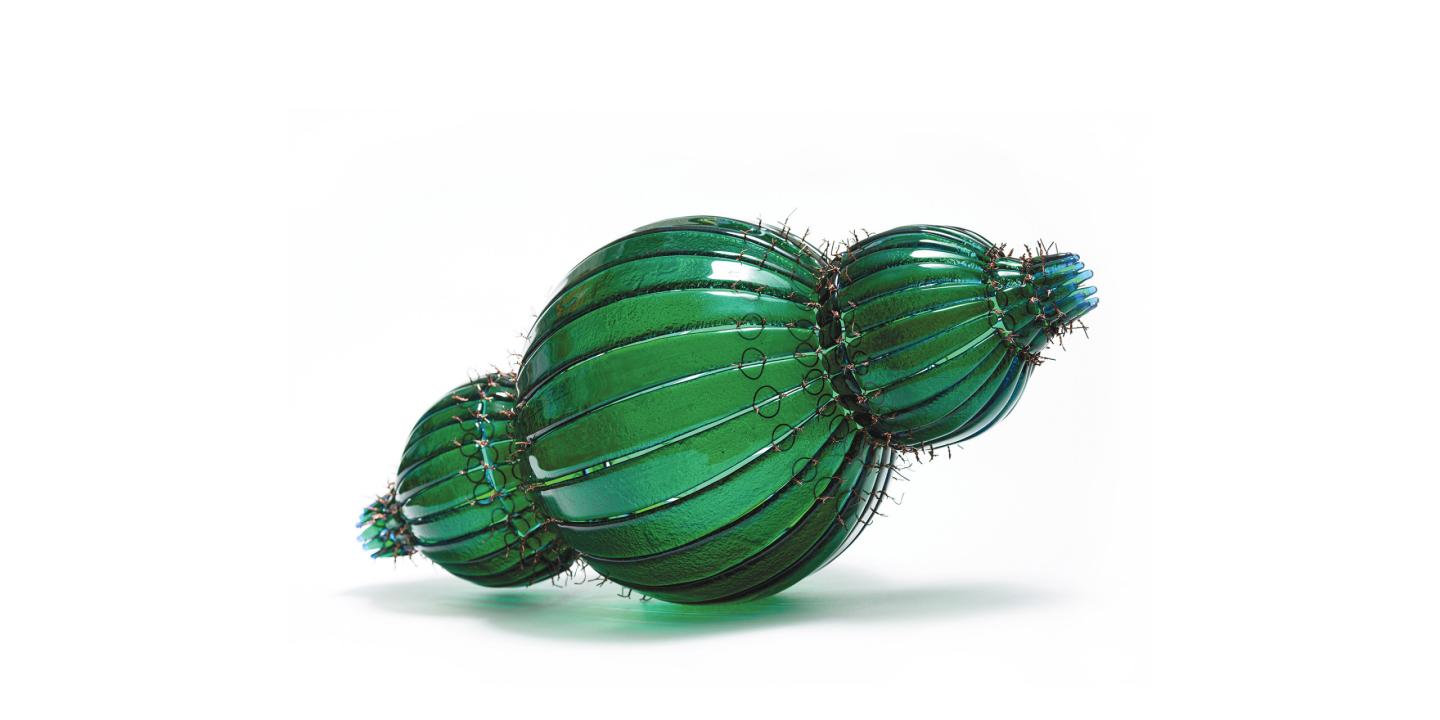
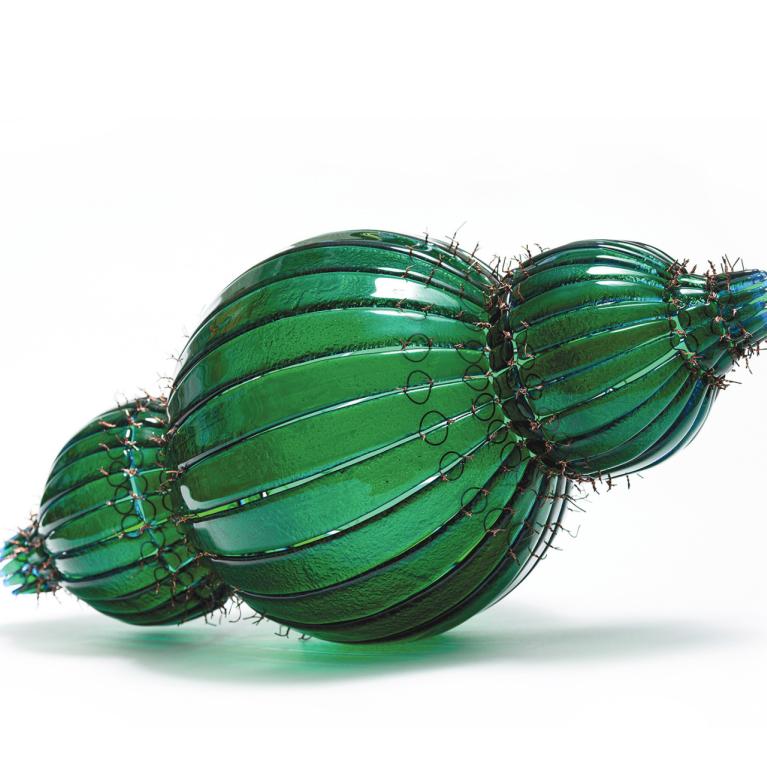
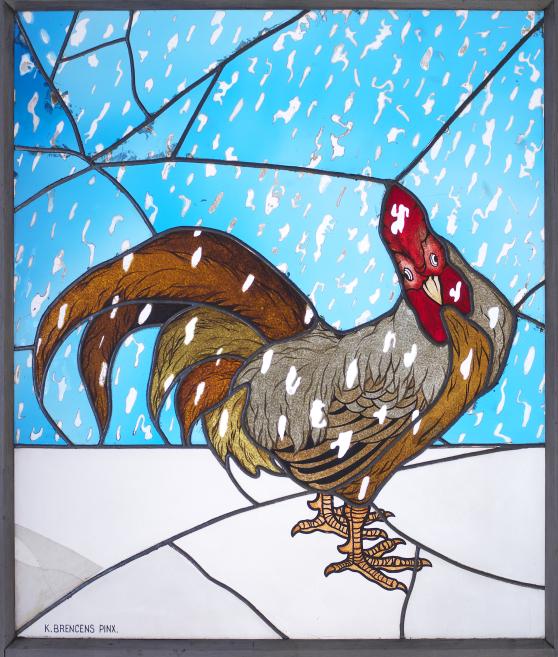
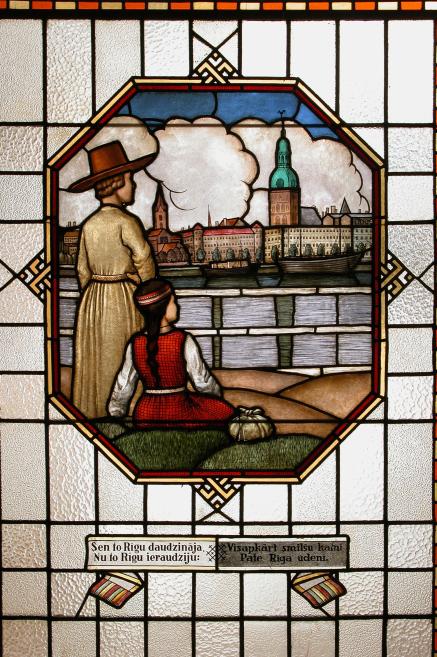
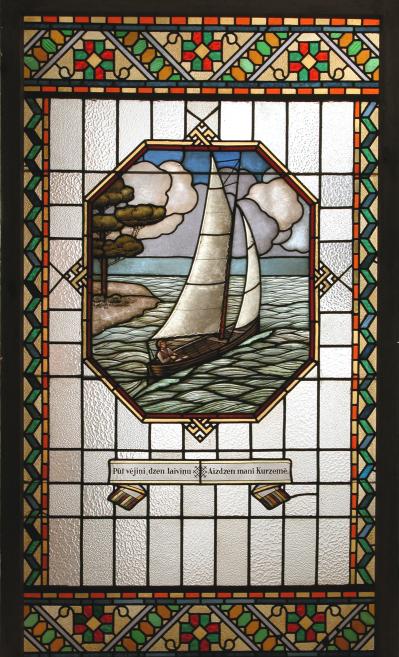
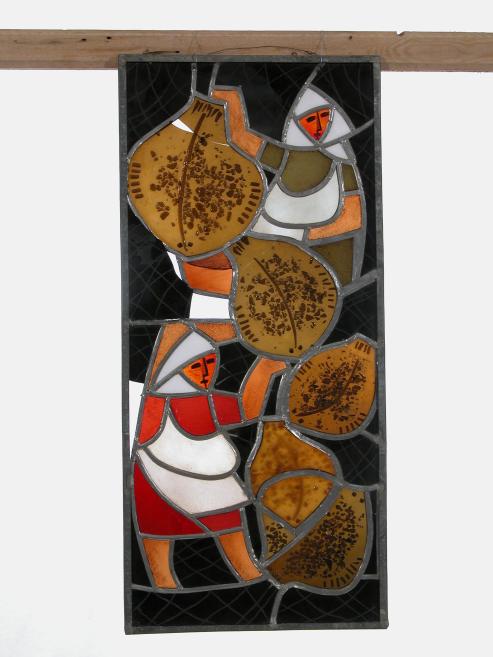
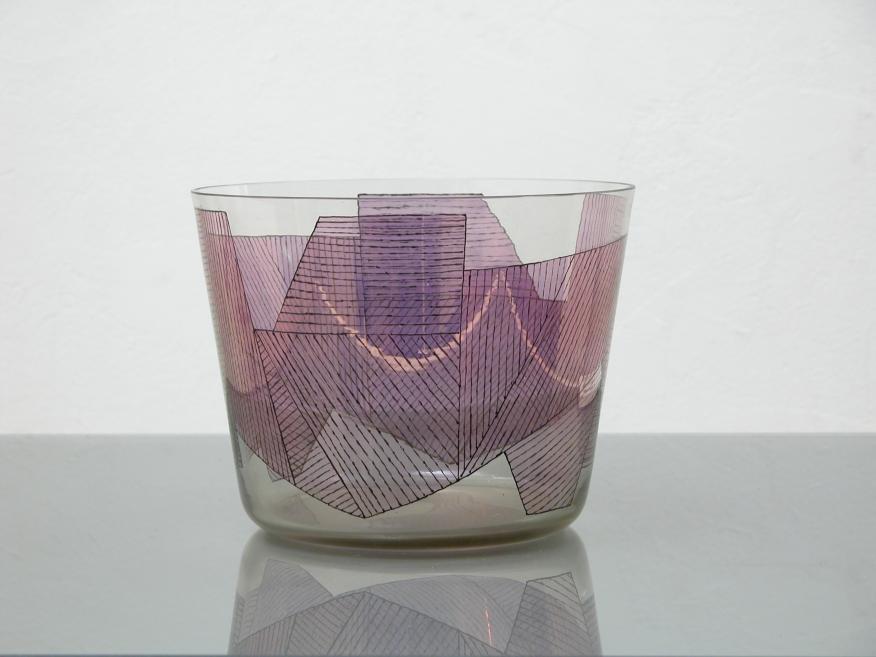
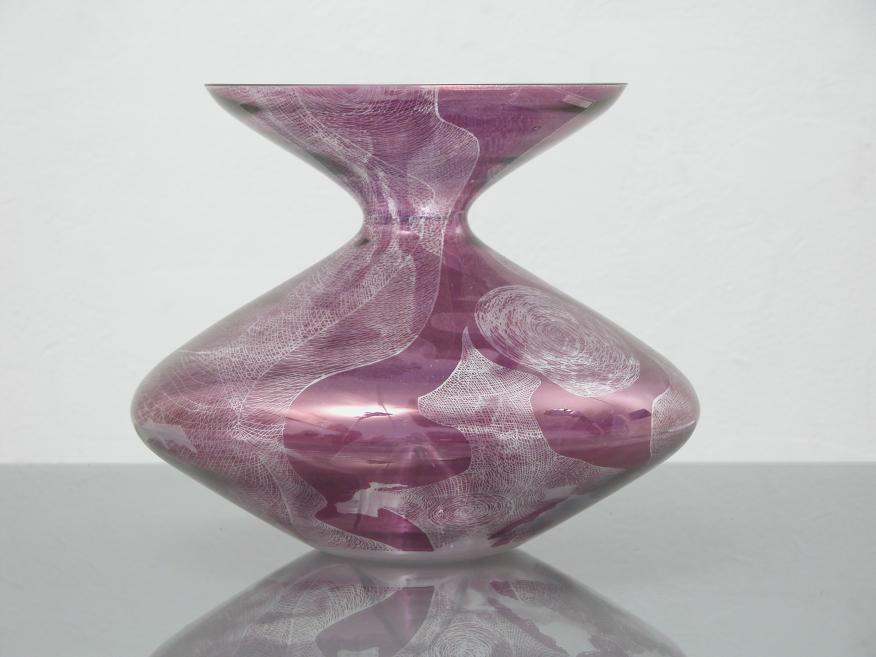
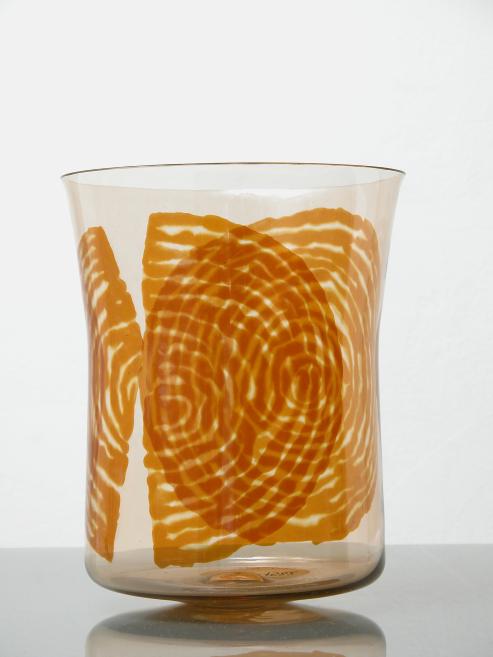
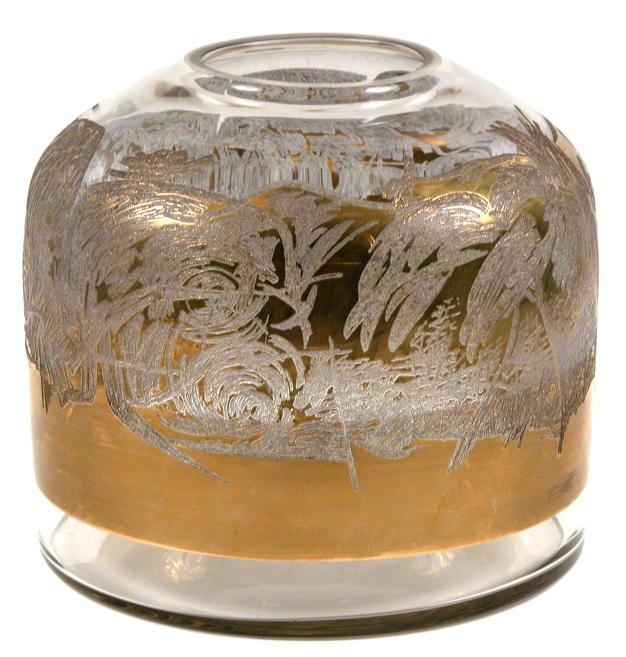
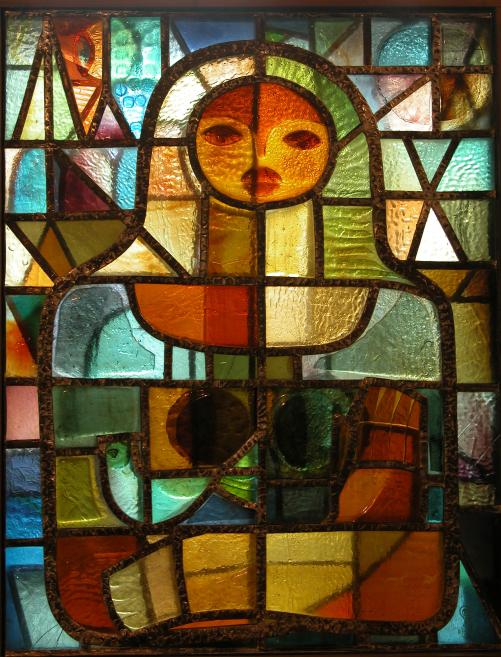
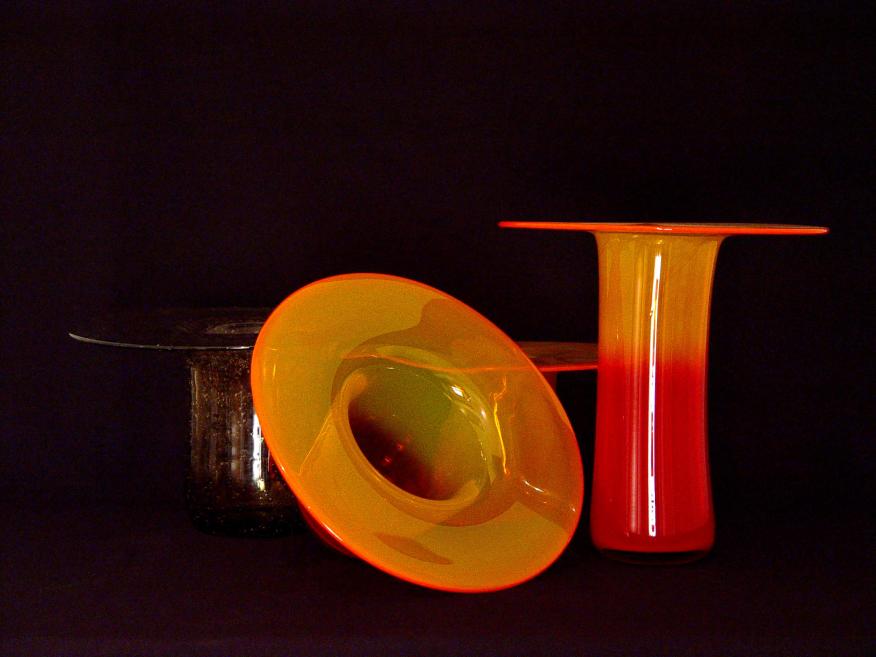
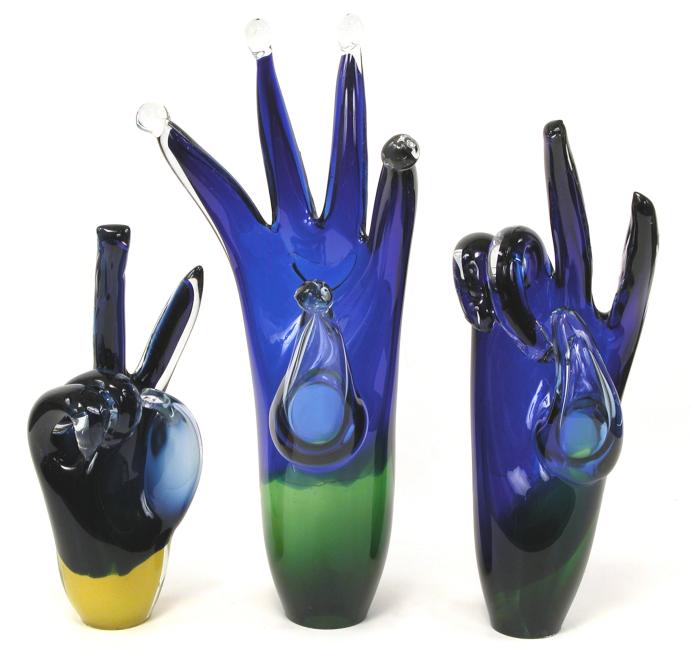
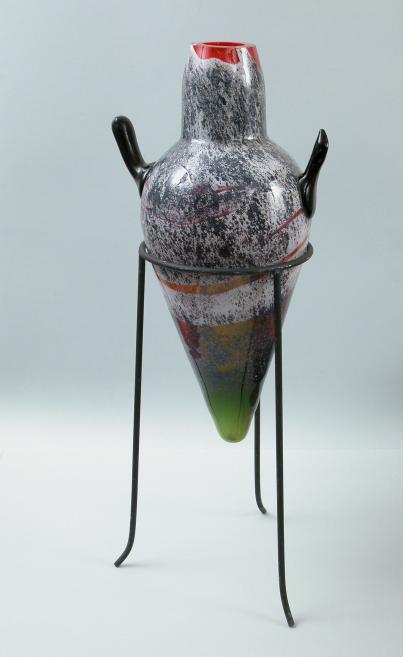
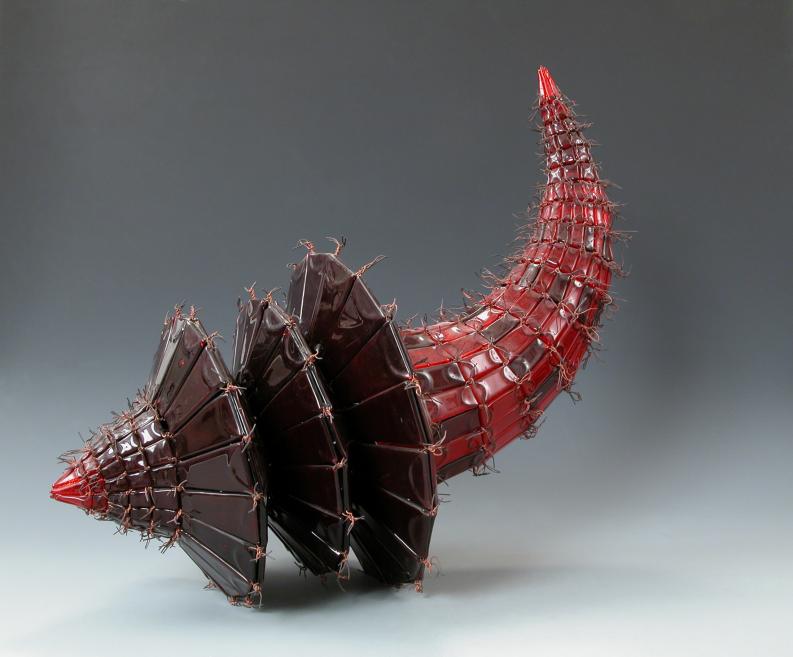
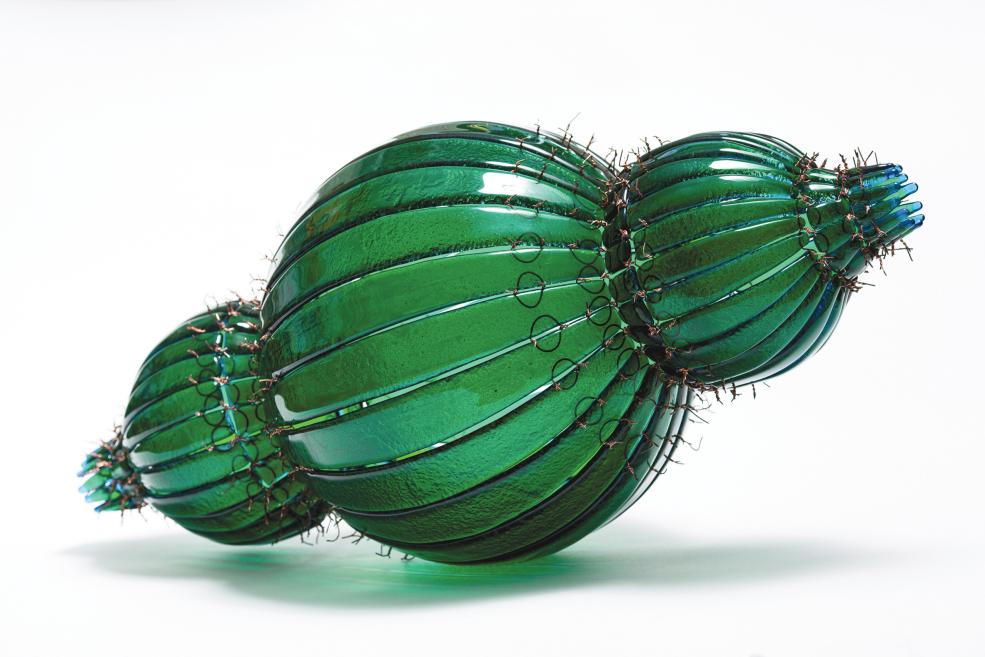
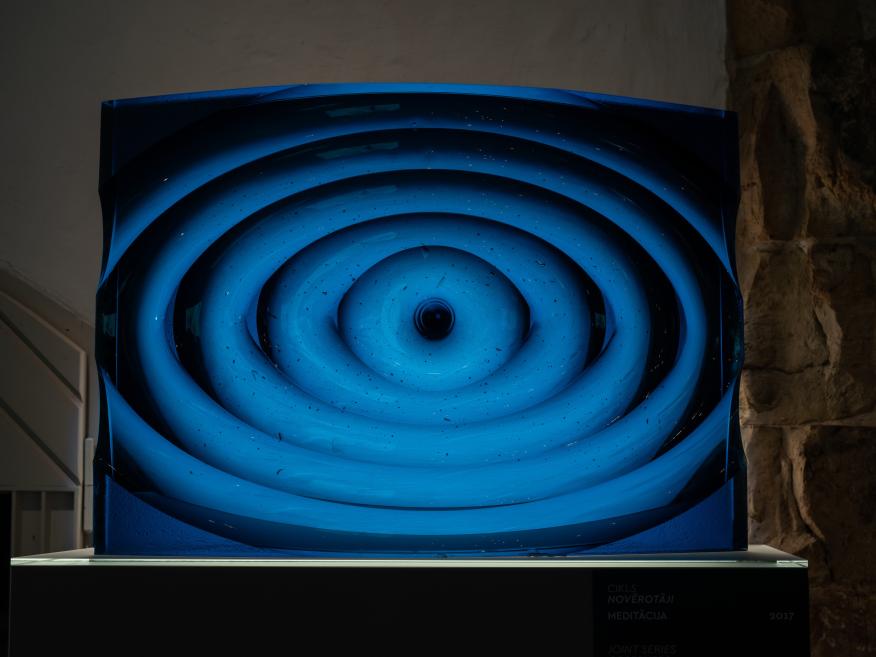
The glass art collection provides a comprehensive survey of Latvian glassmaking from the turn of the 20th century to contemporary times. Created in 1905, the stained-glass piece “The Rooster” by Kārlis Brencēns is one of the oldest exhibits in the collection. The museum’s holdings also feature products from the Iļģuciems Glass Factory, offering valuable insight into the history of Latvian industrial glass design. A major cornerstone of the collection consists of works by Arnolds Vilbergs, alongside the creative contributions of Sandra Bērziņa-Skrauce, Dainis Gudovskis, Marta Ģibiete, and Anda Munkevica, each representing pivotal phases in the development of glass art.
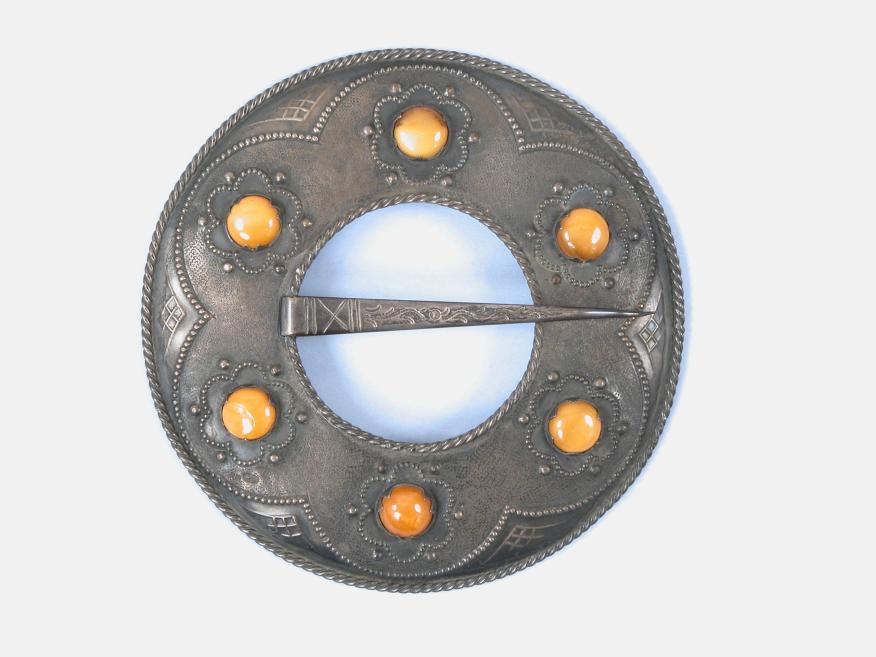
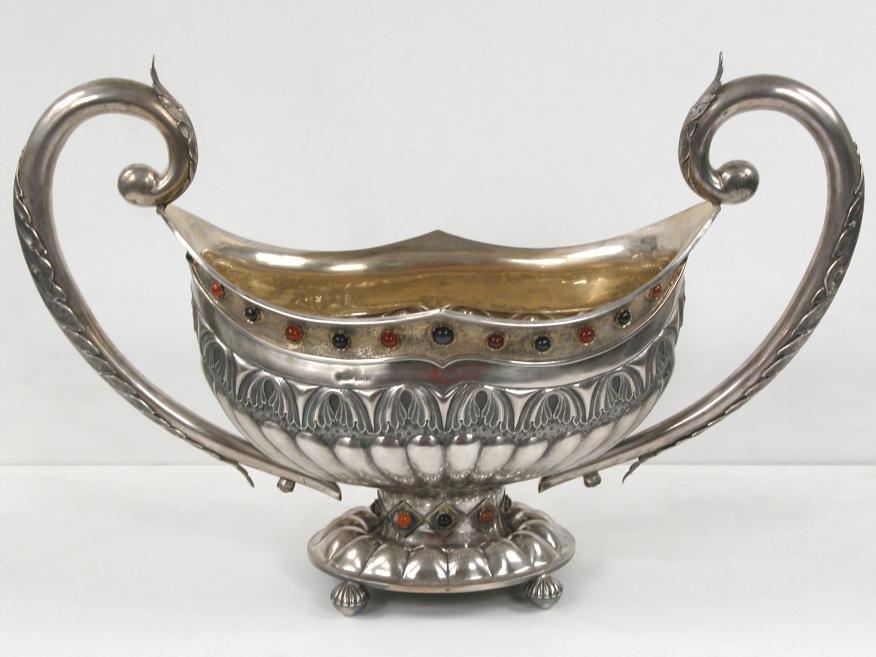
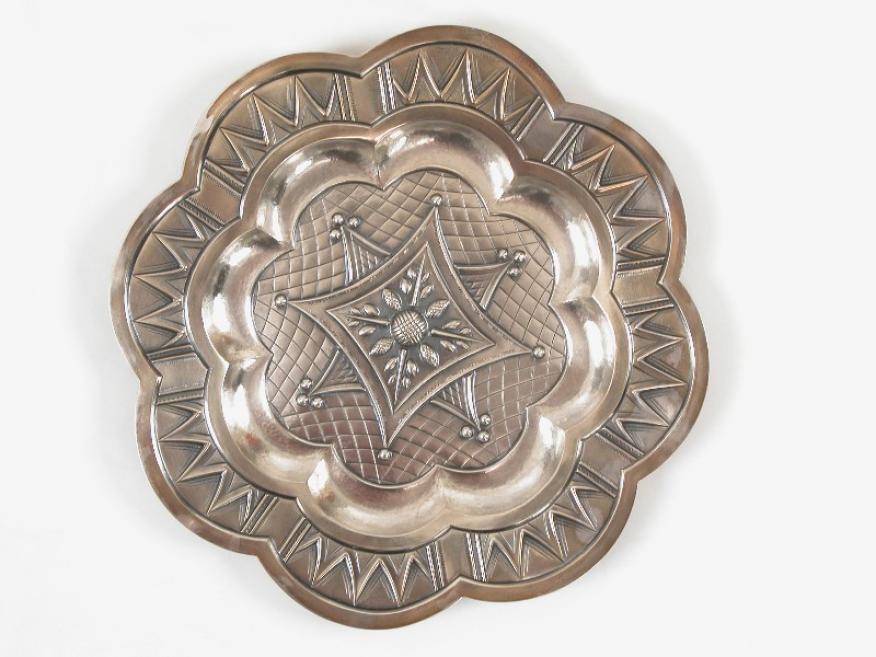
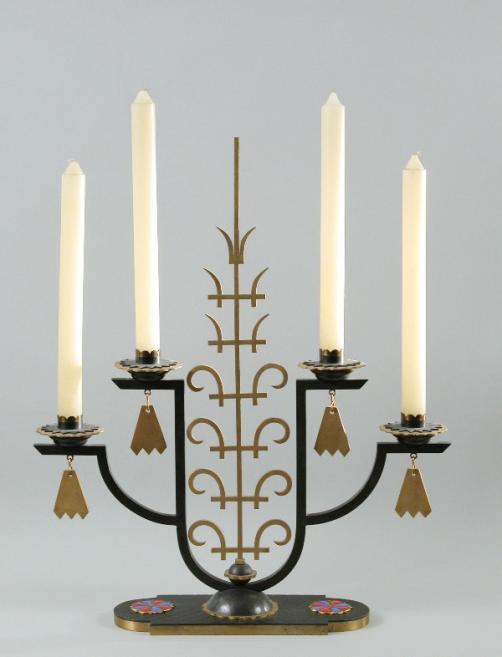
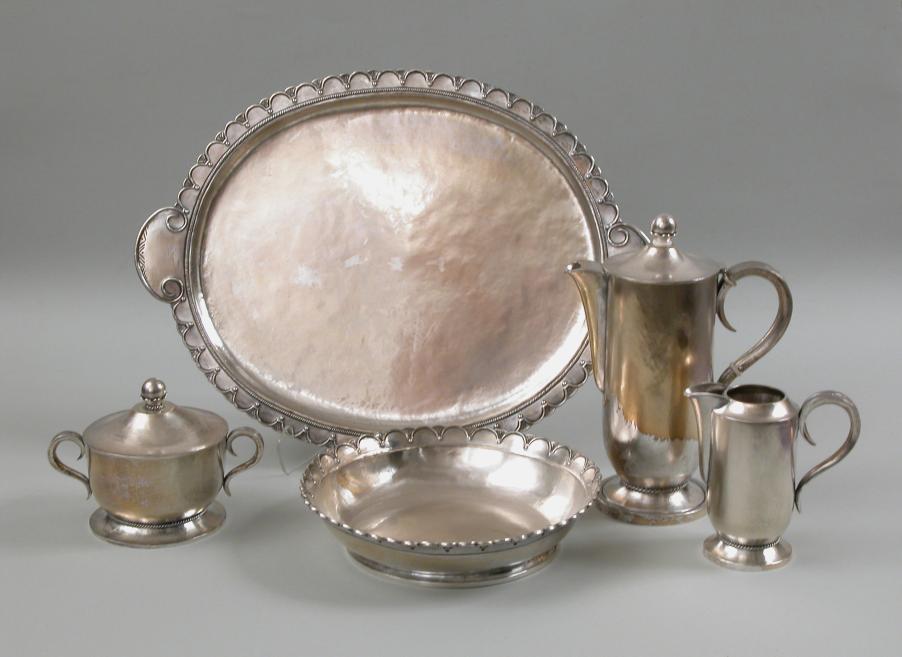
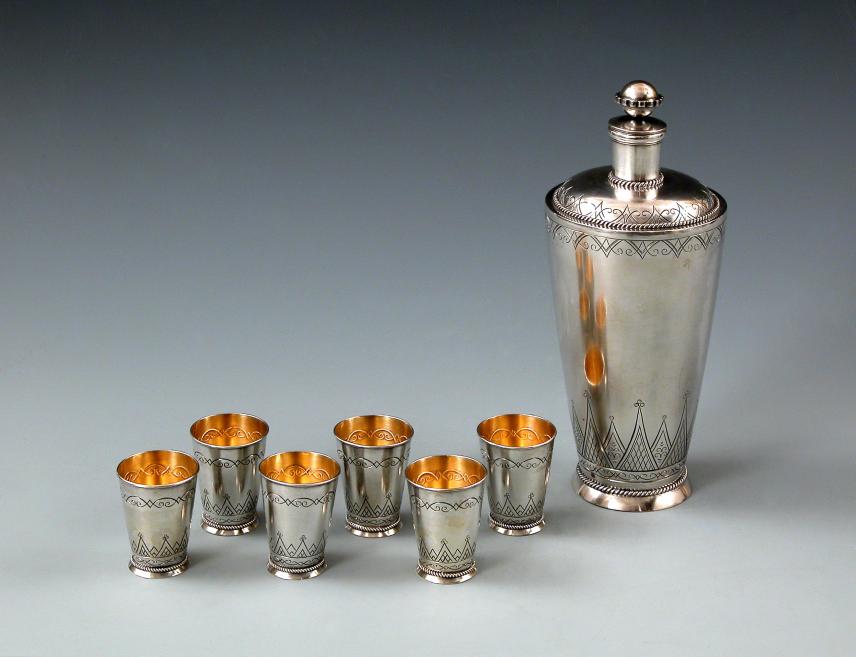
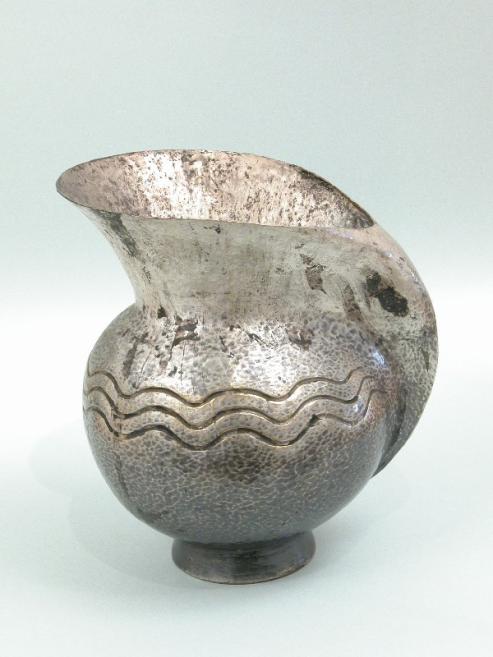
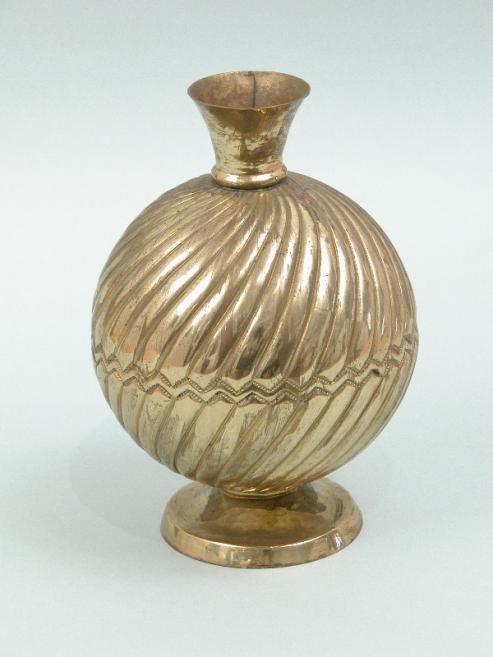
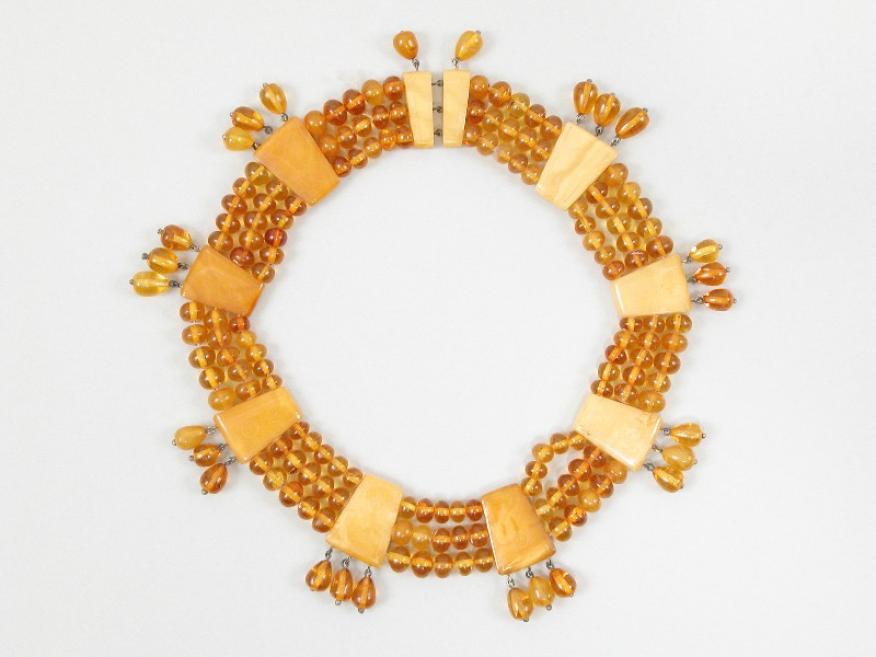
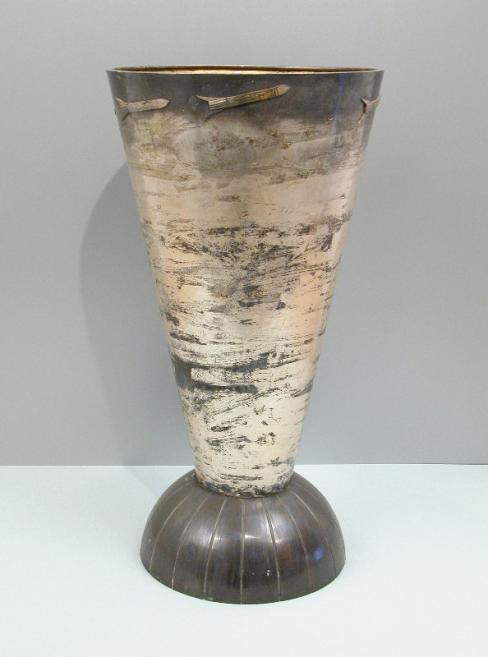
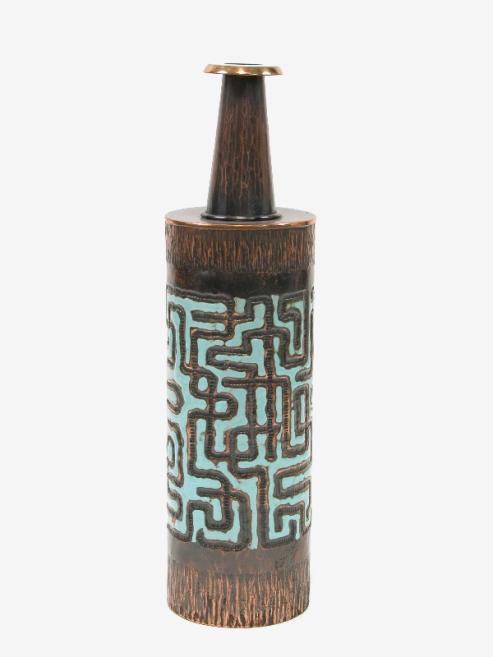
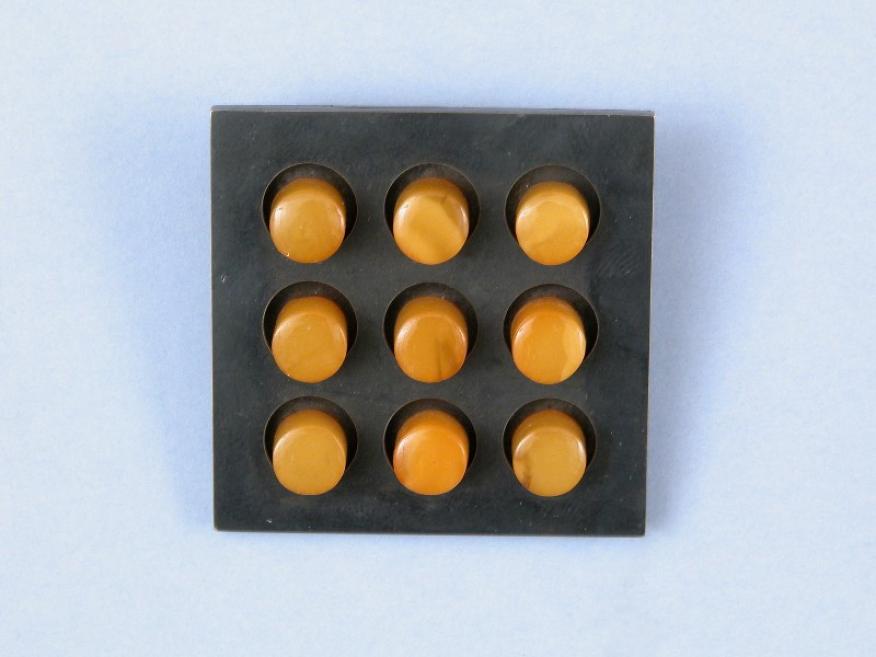
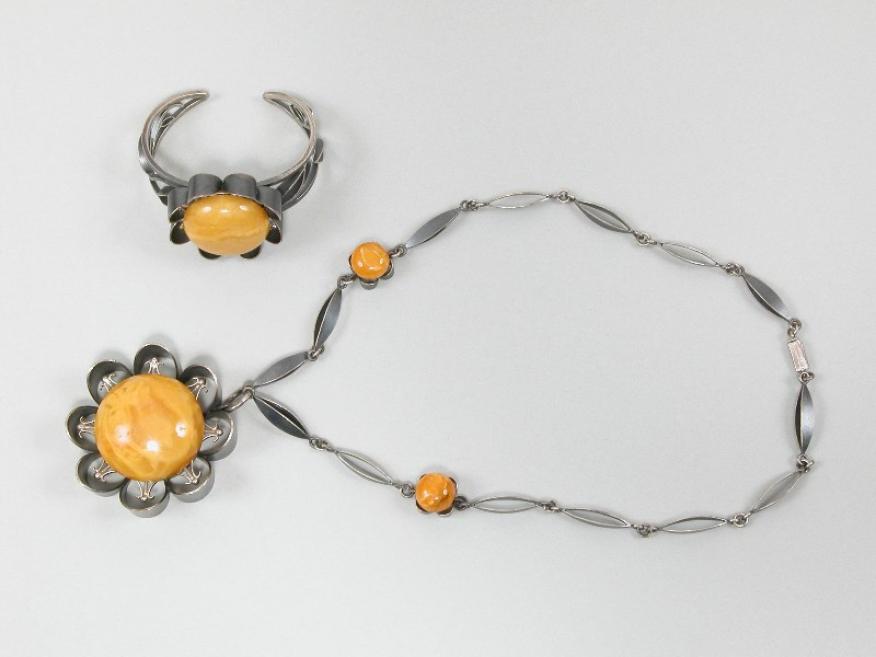
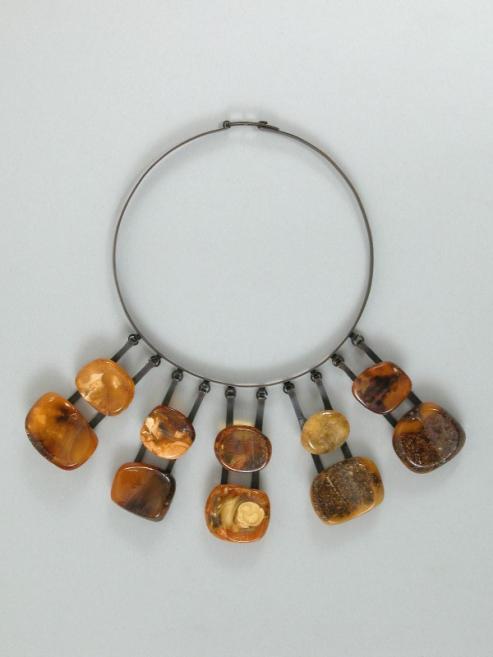
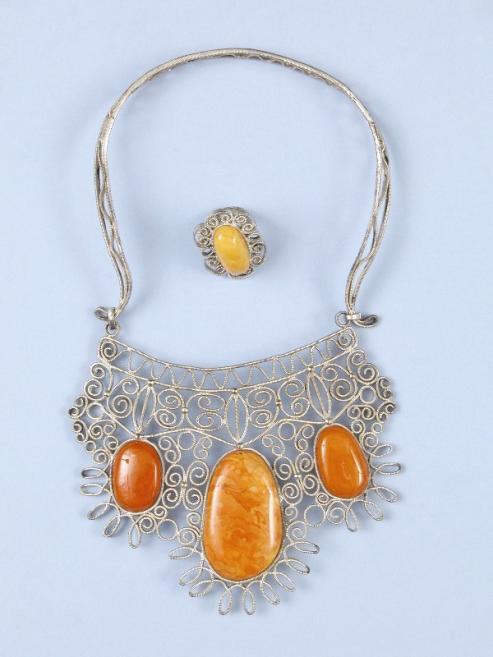
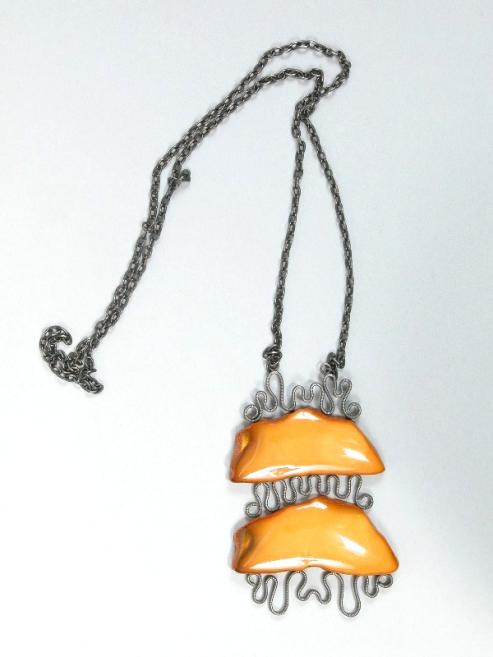
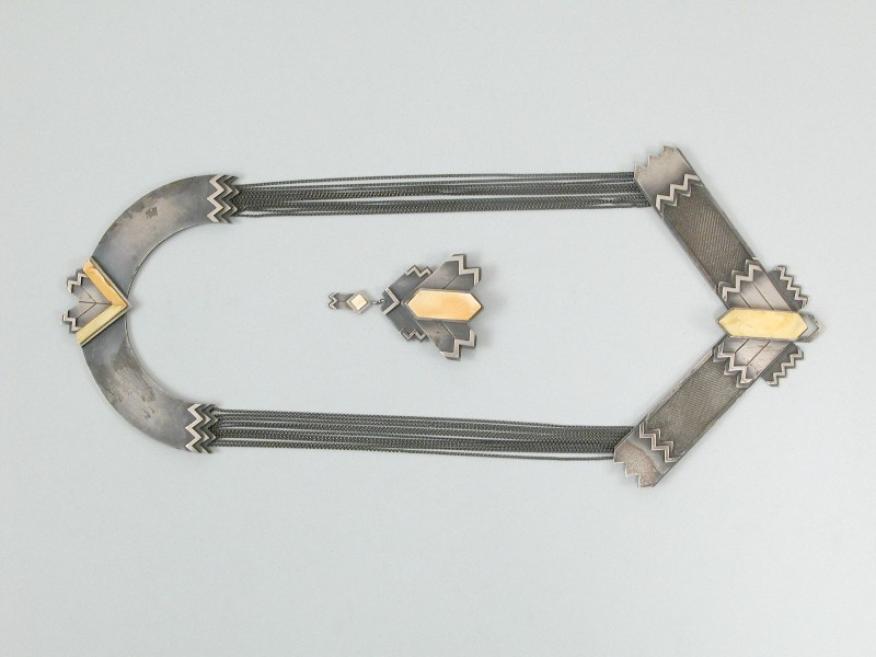
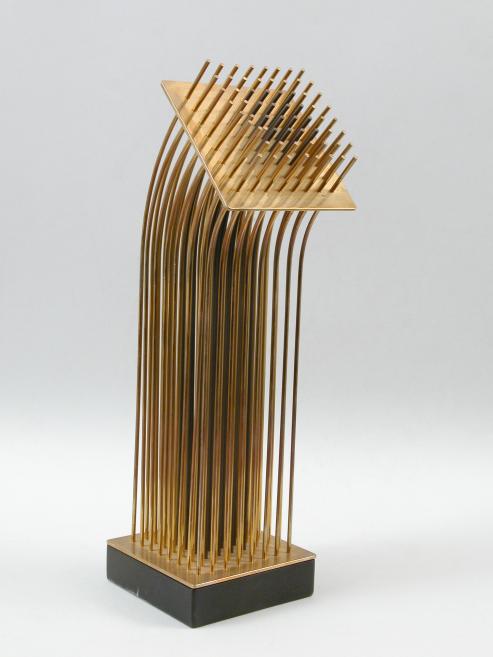
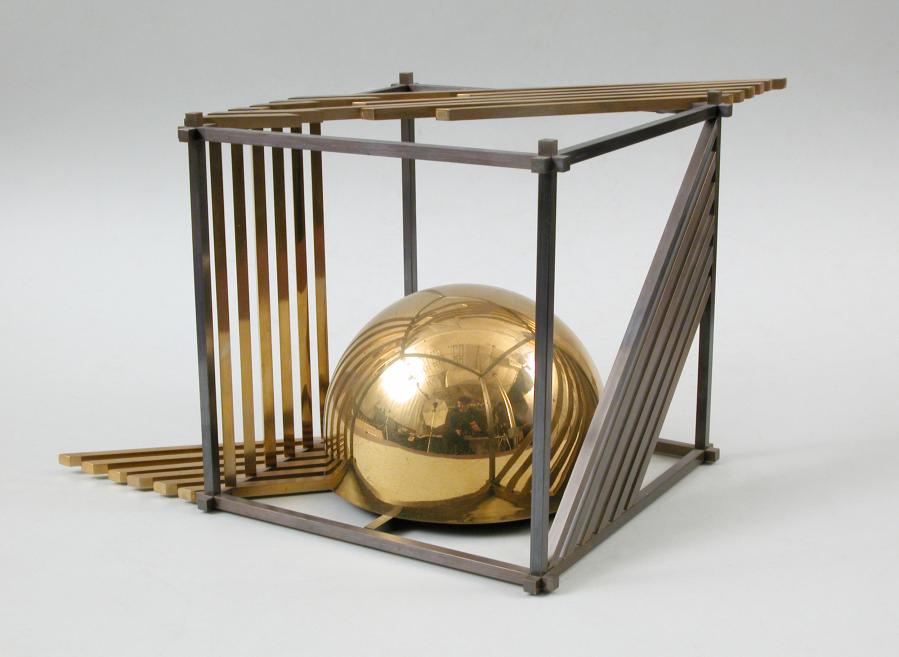
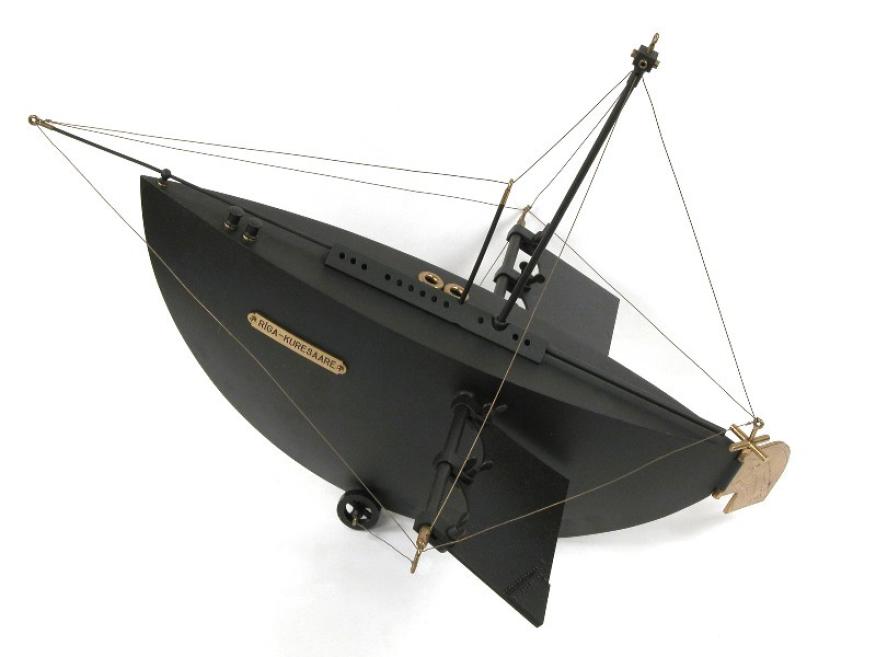
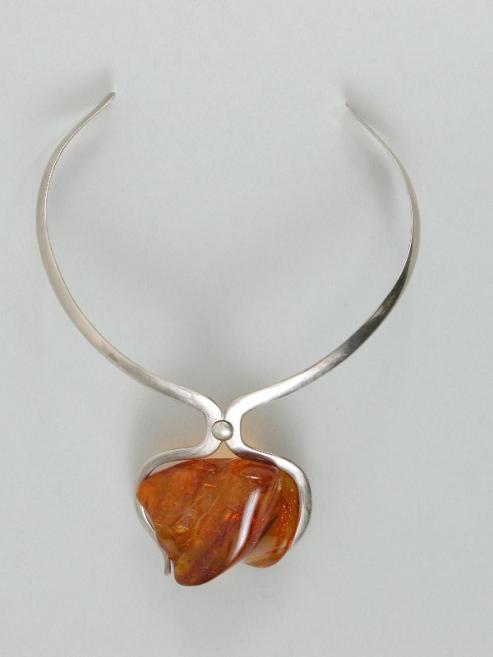
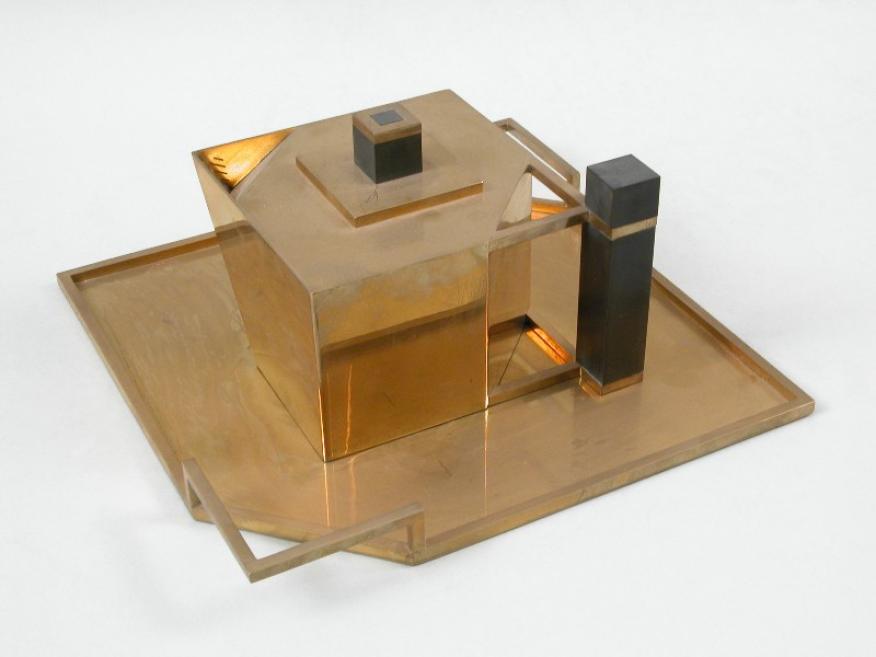
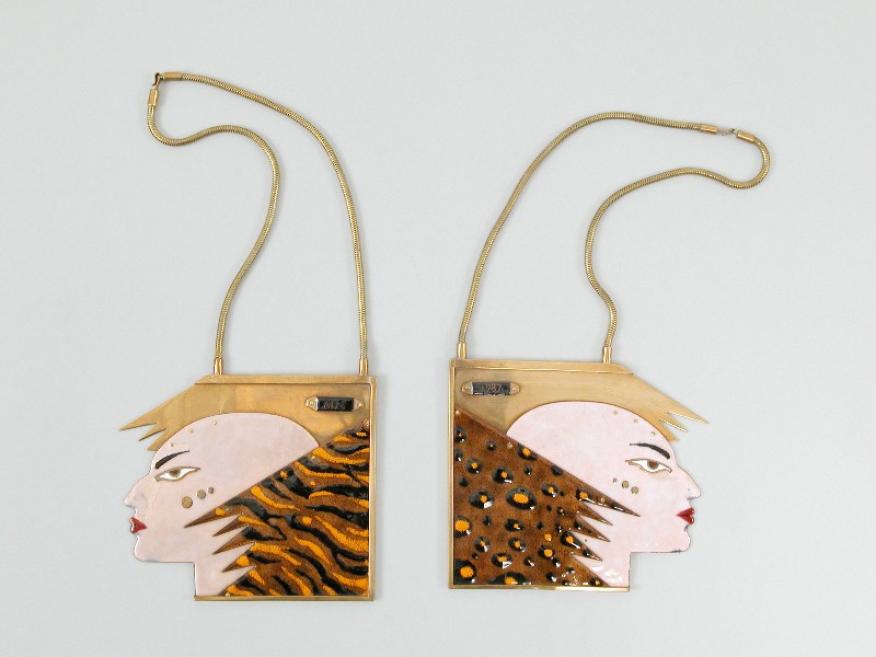
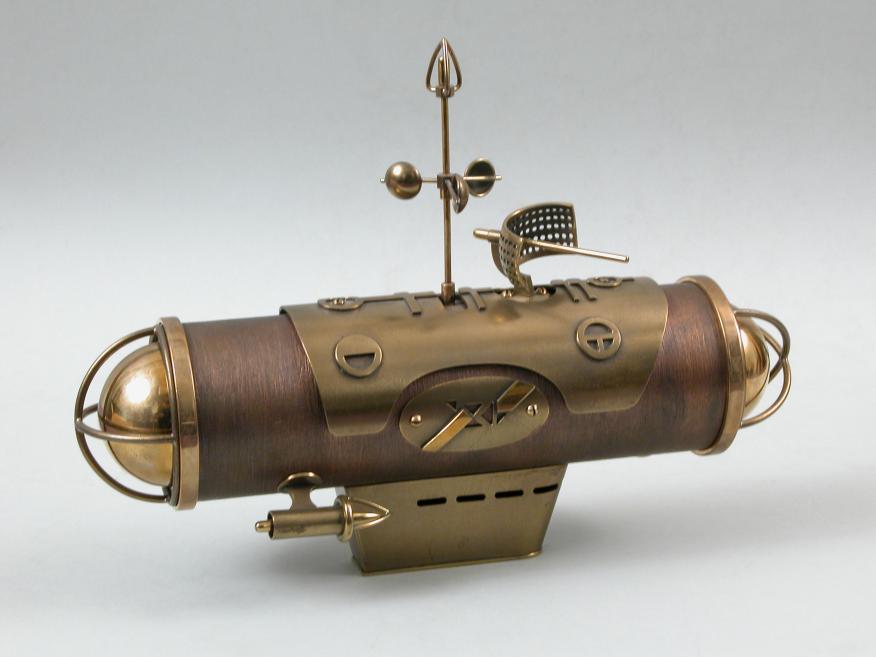
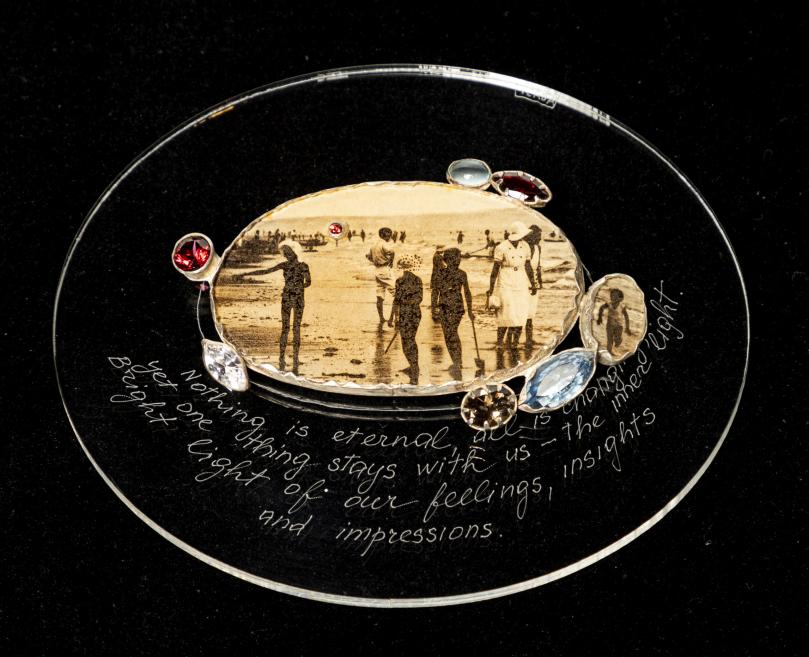
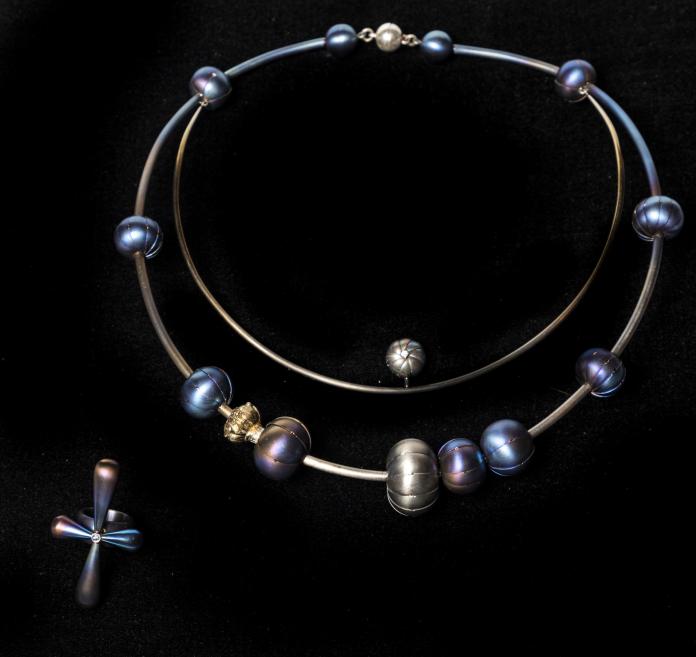
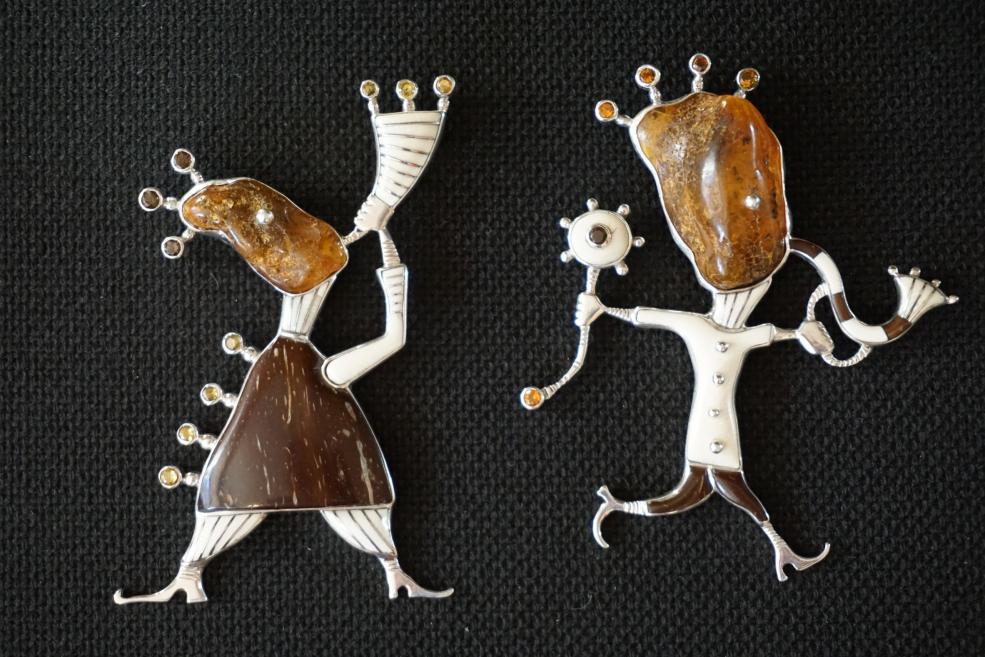
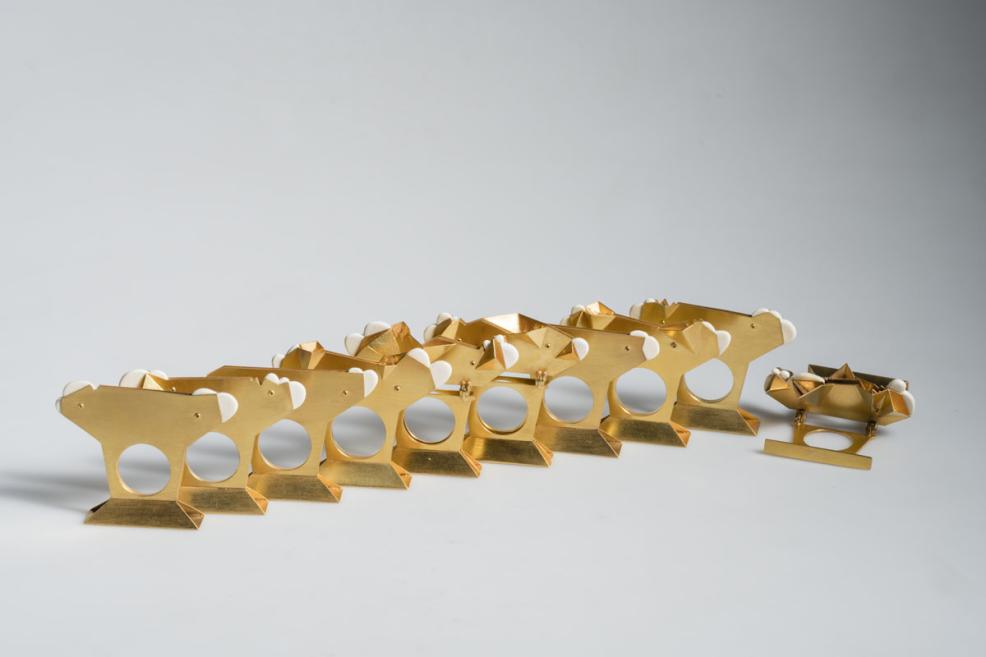
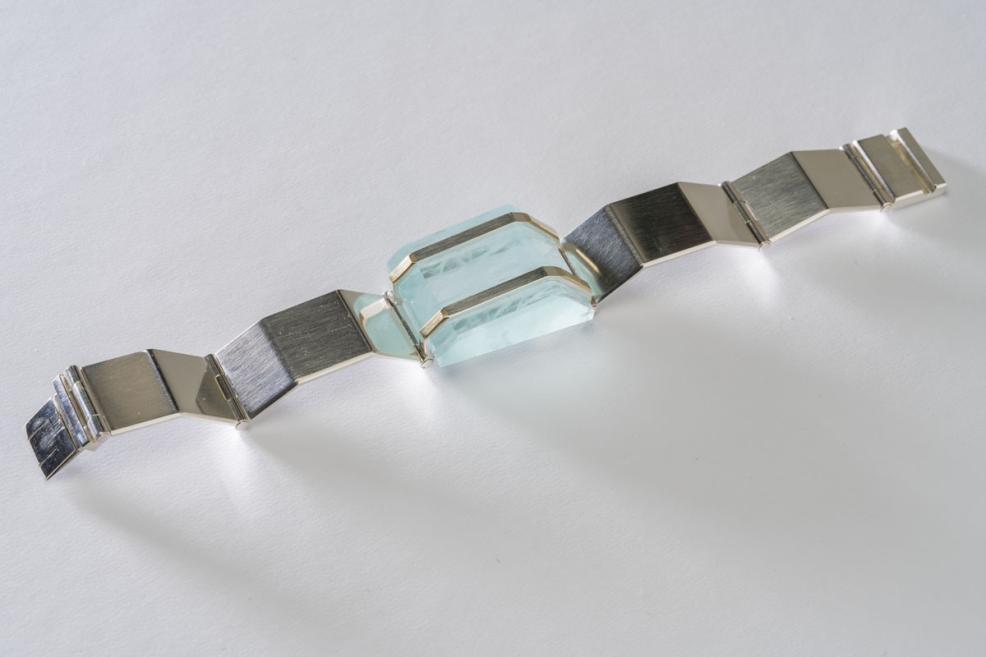
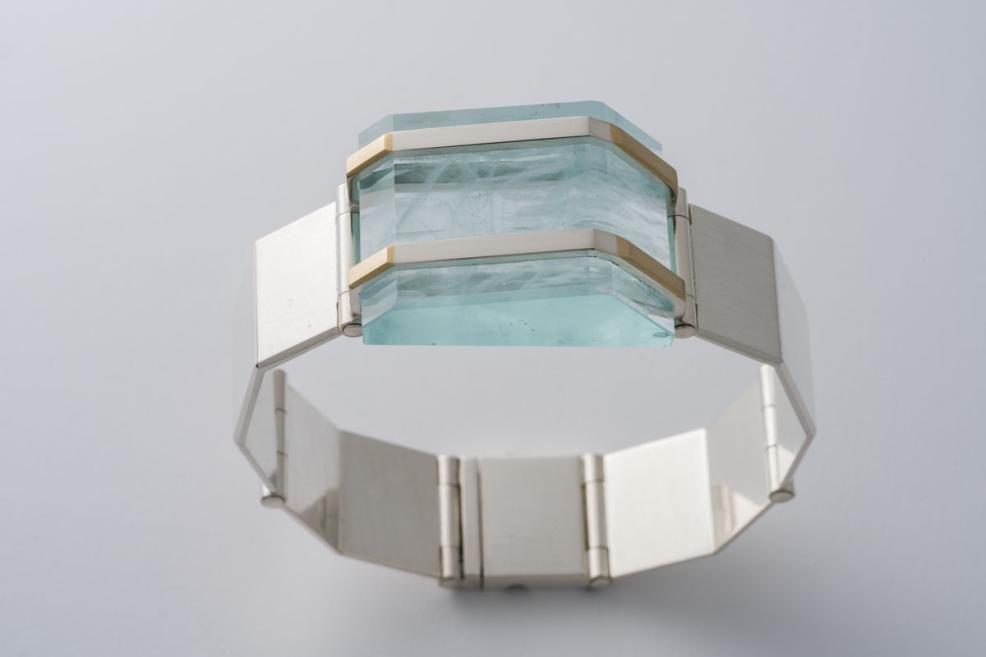
The metal art collection includes decorative metal objects and jewellery, reflecting the medium’s trajectory from the first period of Latvian independence to the nowadays. It features works by Stefans Bercs, Jāzeps Vedeiko, Arvīds Dzērvītis, Eižens Auniņš, and Ēvalds Veidemanis, alongside contributions from several generations of contemporary metal artists and jewellery designers. The collection highlights both mastery of traditional metalworking skills and experimental, conceptual artistic solutions.
The decorative art collection forms an essential component of the museum’s permanent displays and temporary exhibitions, providing a multifaceted insight into Latvian decorative art traditions, technological advancements, and artistic diversity.