The Sculpture Collection (18th century – 1st half of the 20th century)
Latvia’s early sculpture collection is relatively small, comprising approximately 270 museum objects. Nevertheless, it offers a broad overview of the development of local sculpture. Most of the collection consists of works by sculptors of Latvian origin, created between the late 19th century and the mid-20th century.
The works preserved in the sculpture collection represent the influences of European styles popular at the time, such as Impressionism, Symbolism, and Art Nouveau, as well as themes and a formal sculptural vocabulary that held key significance for the newly established national state of Latvia. Sculptural works produced in Latvia during the 1920s and 1930s are characterized by greater formal conciseness and monumentality. Thematically, they encompass depictions of soldiers and symbols of freedom, the use of diverse mythological and folklore inspired motifs, and the commemoration of prominent Latvian figures.
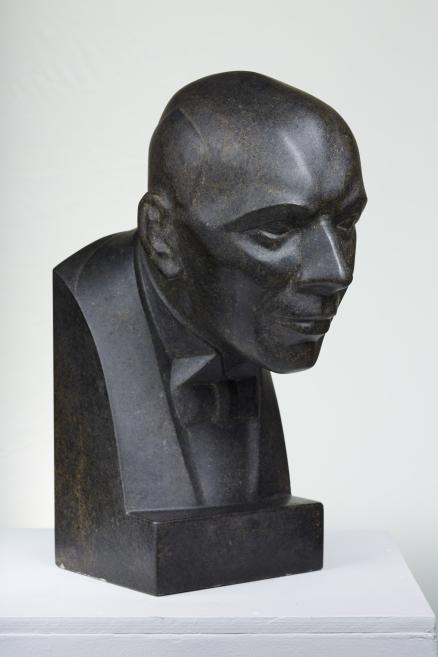
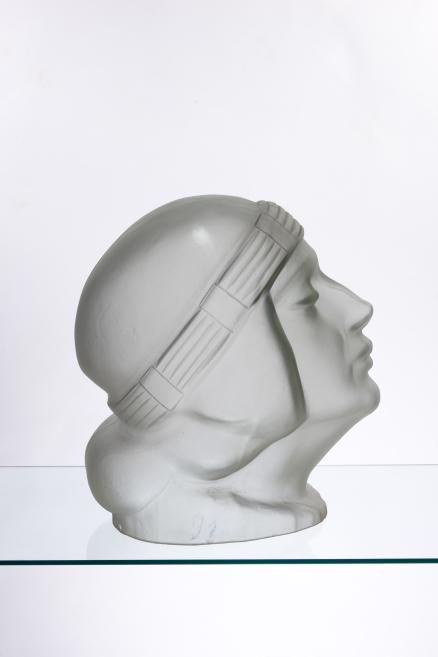
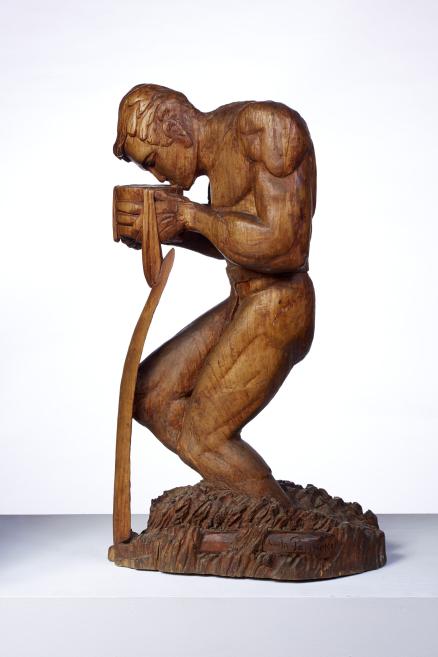
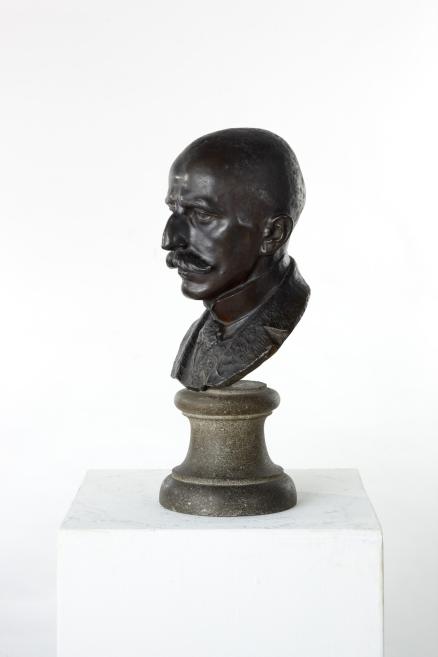
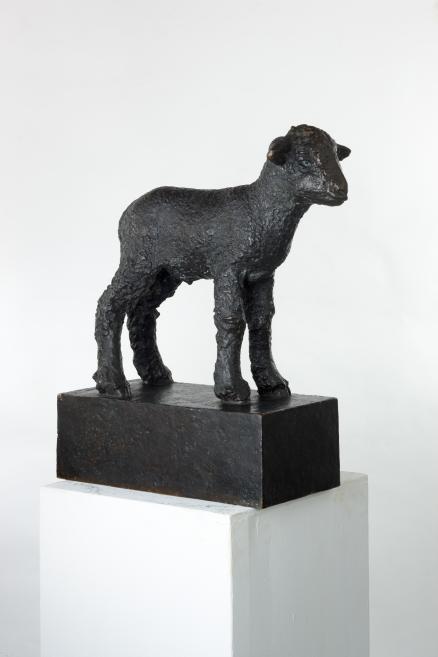
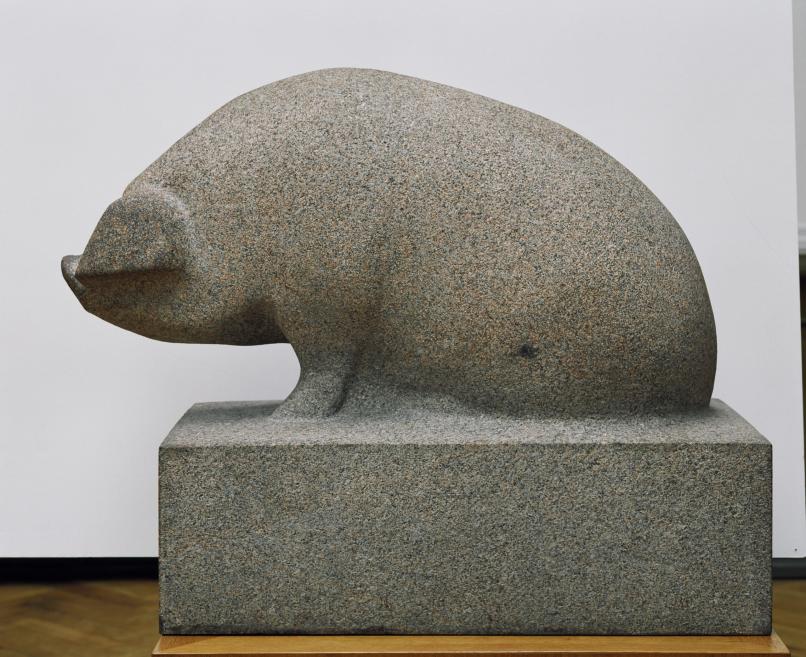
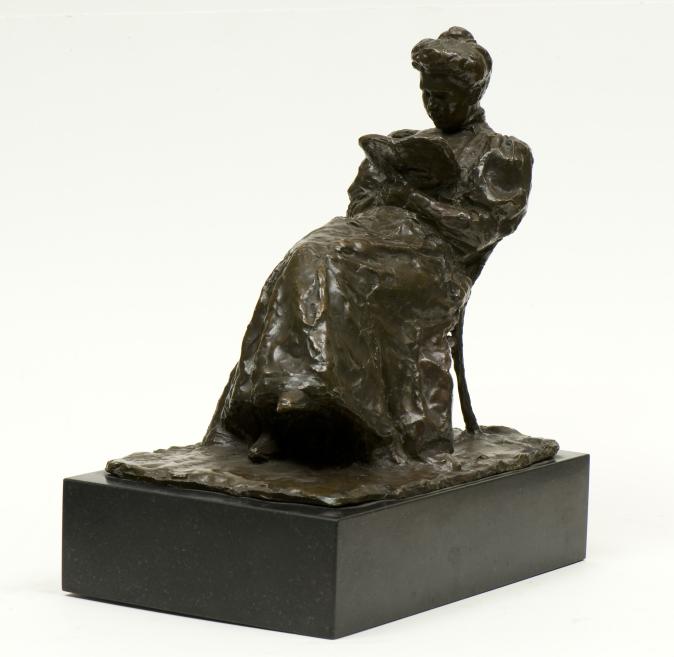
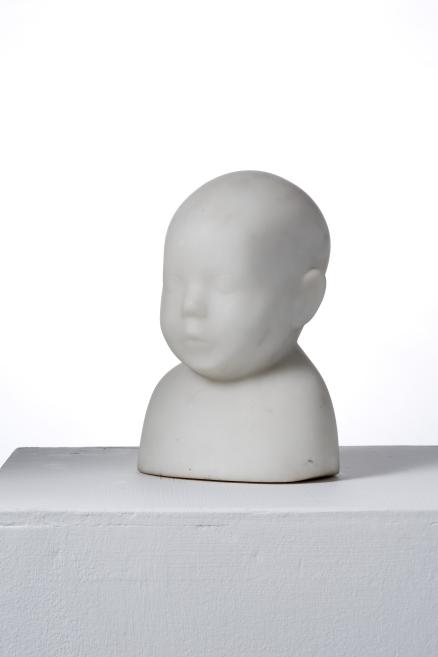
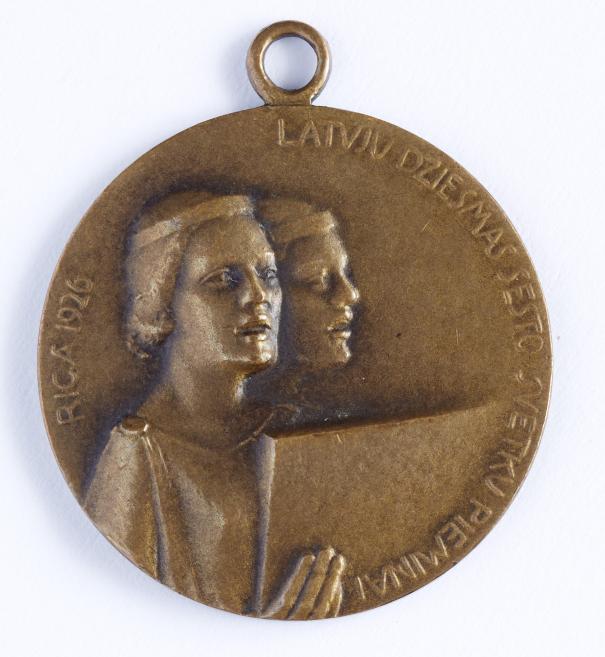
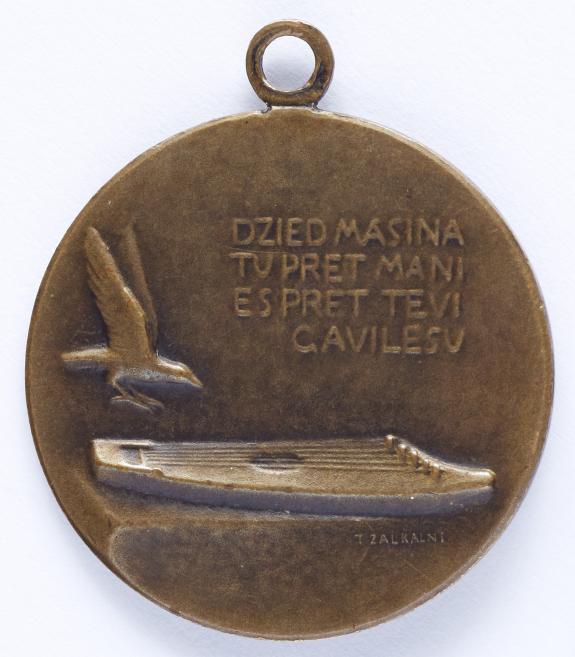
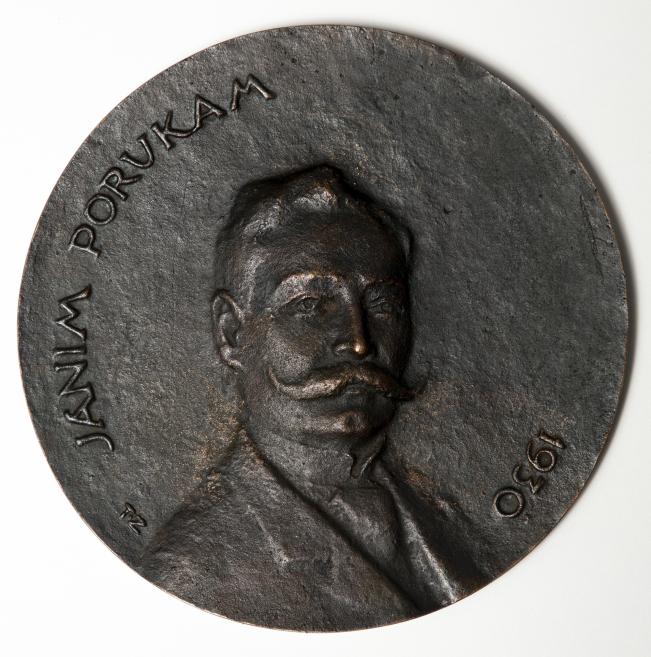
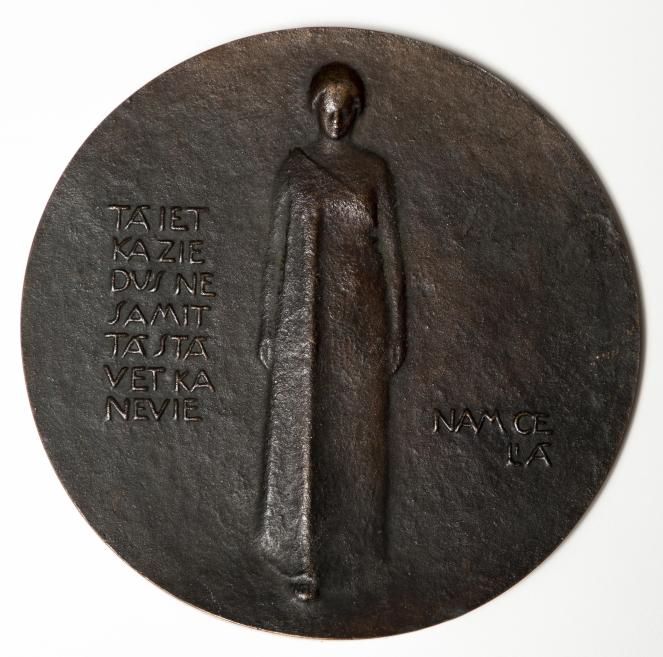
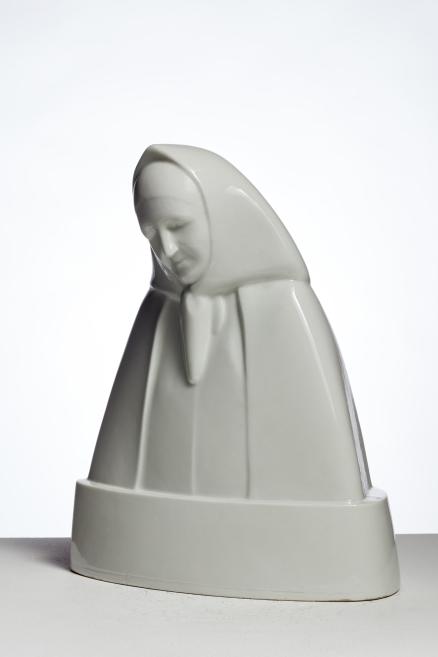
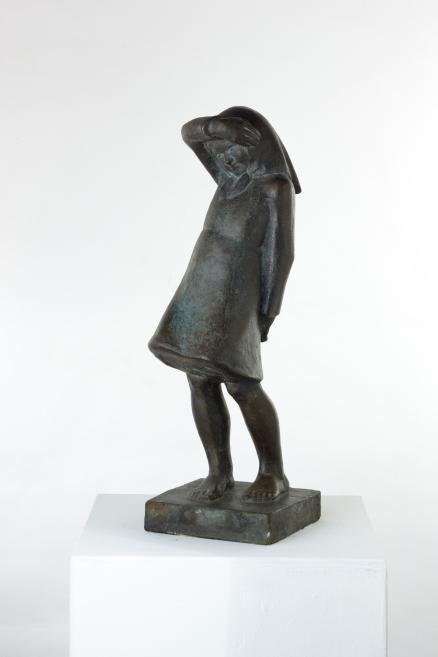
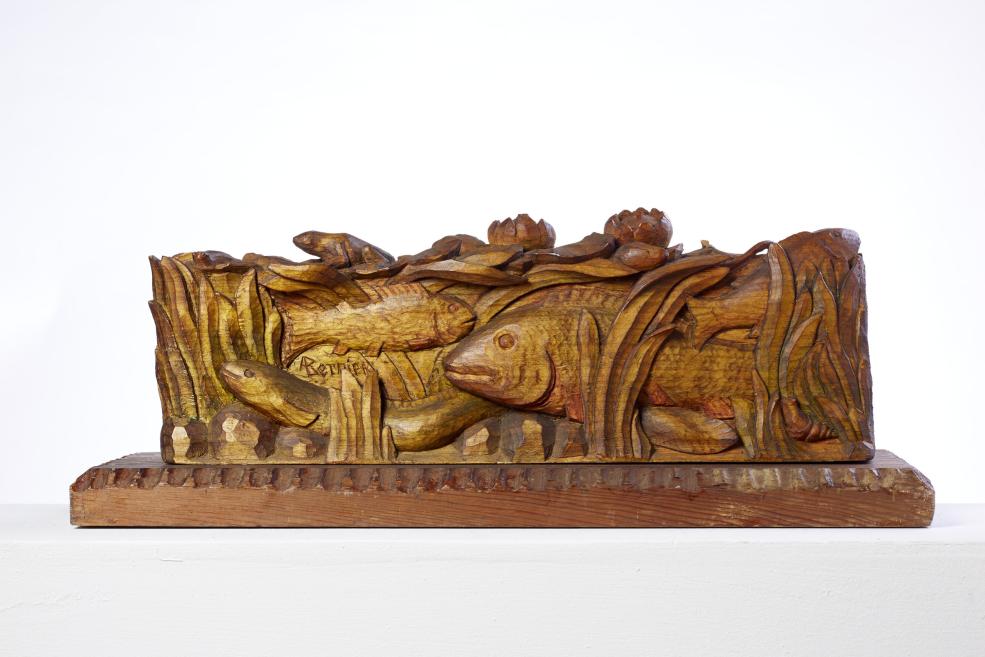
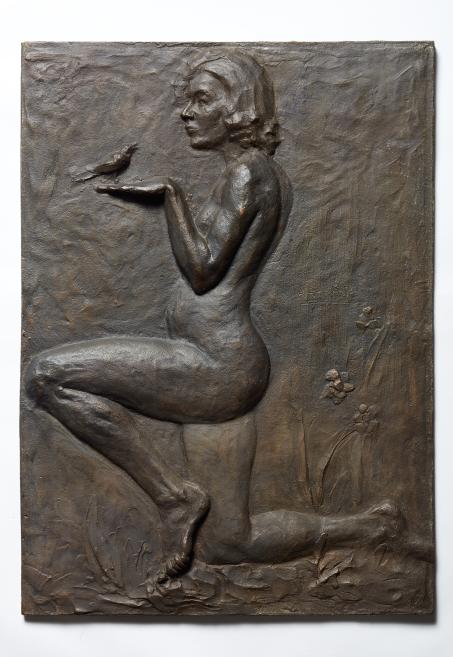
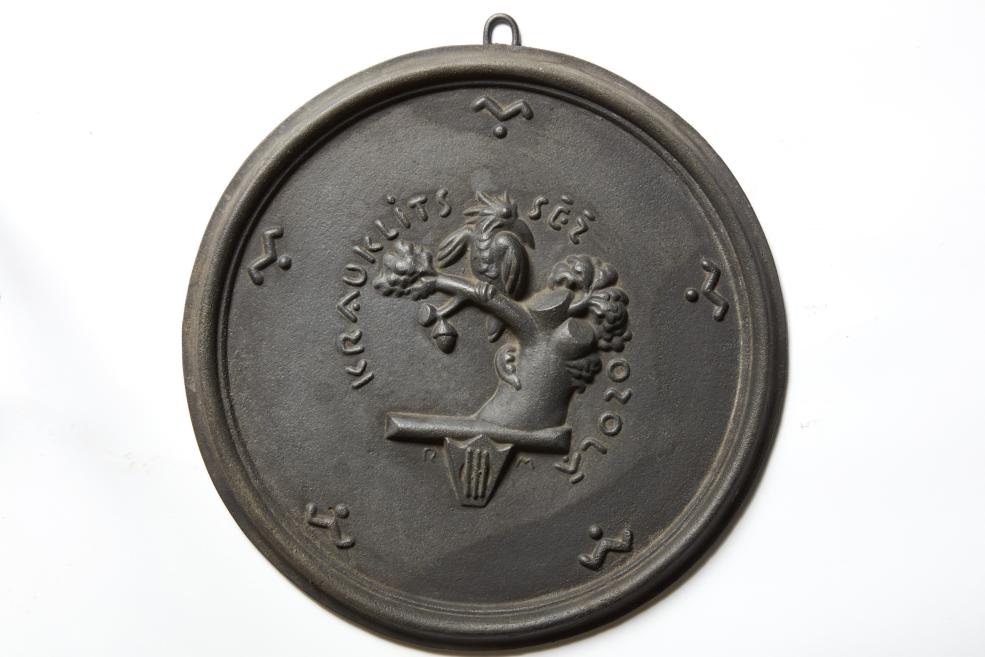
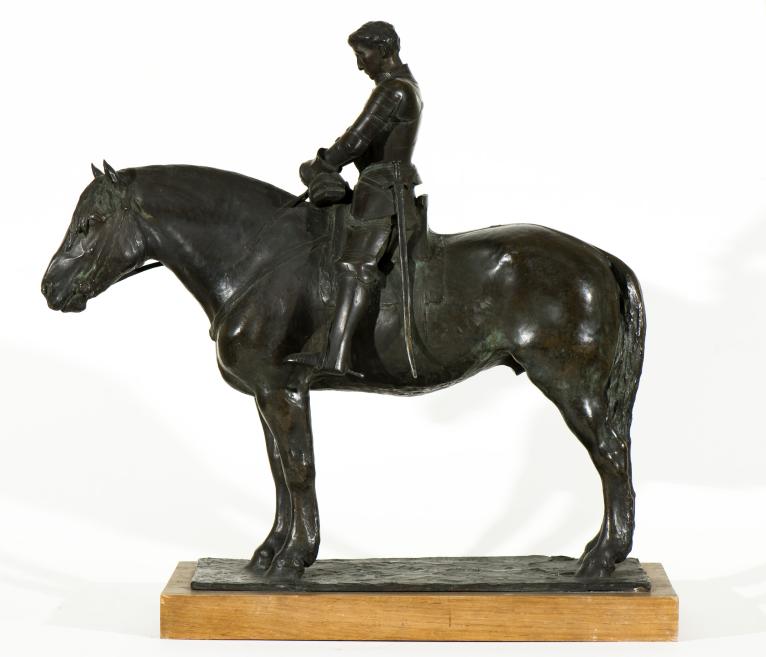
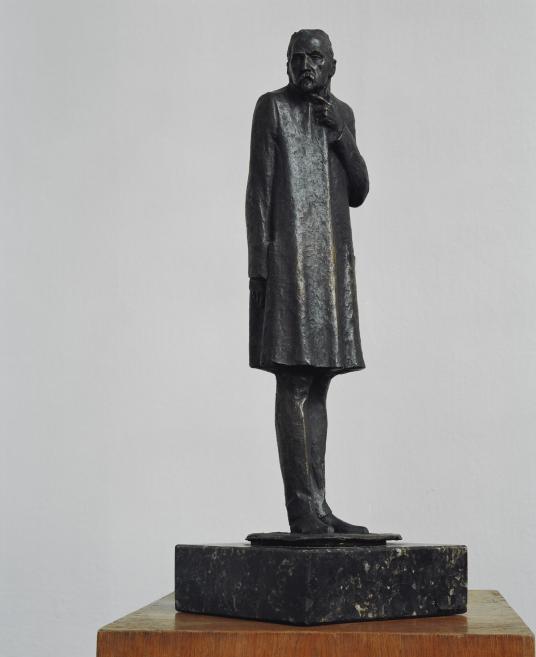
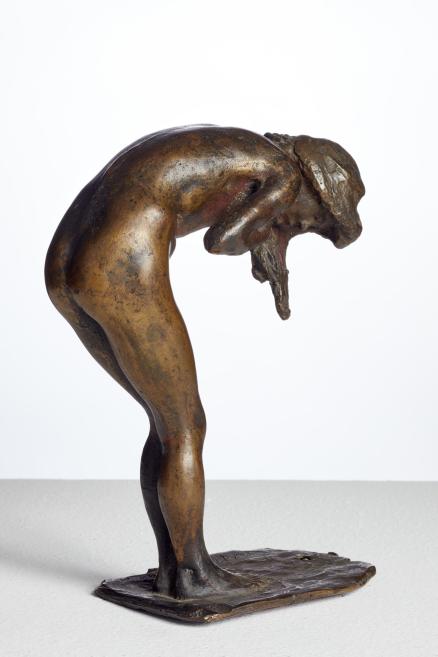
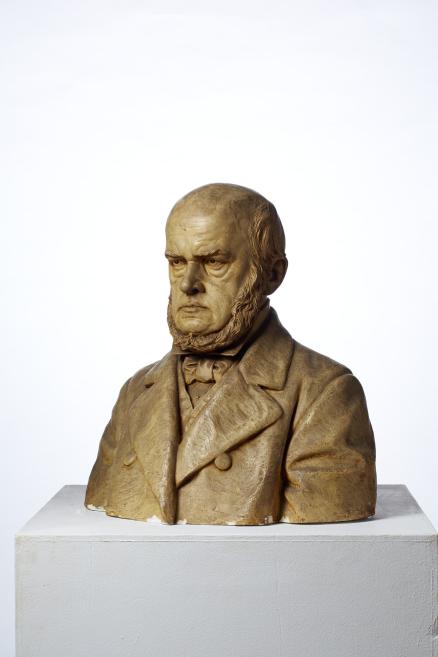
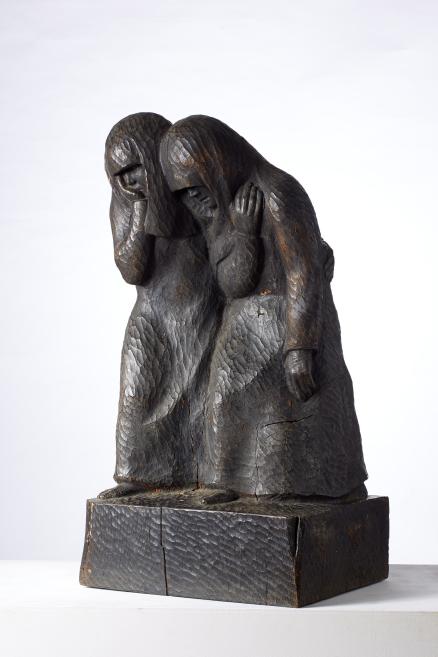
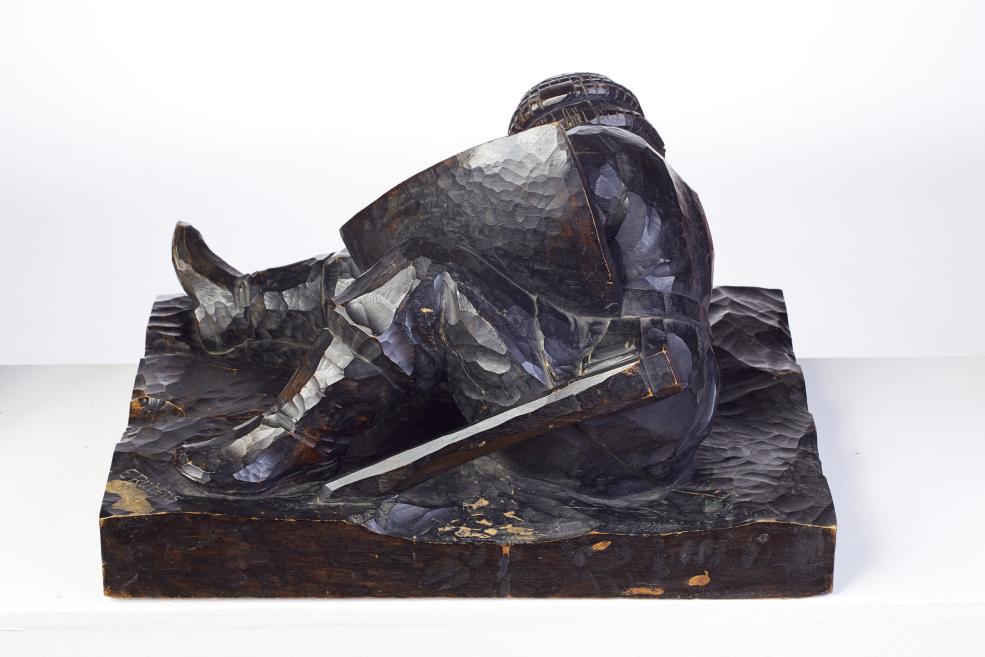
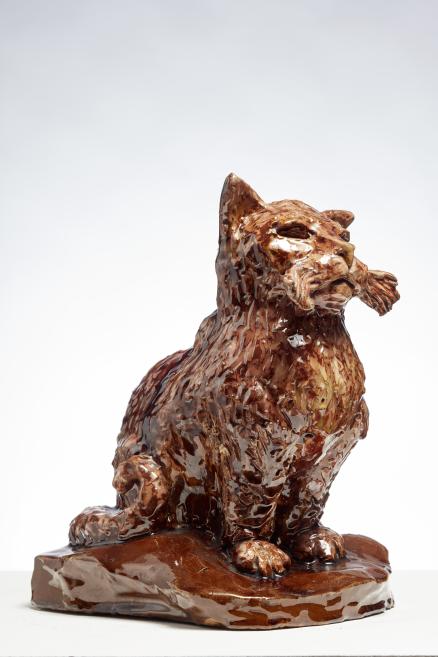
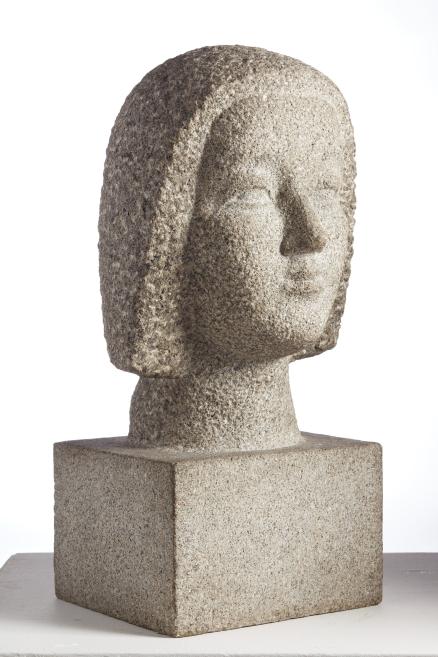
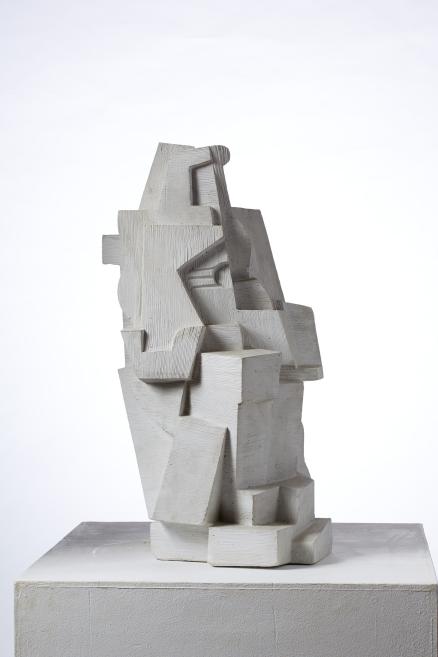
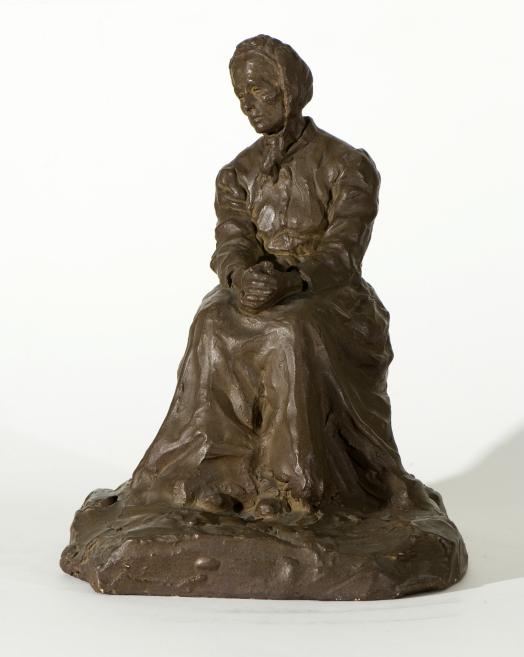
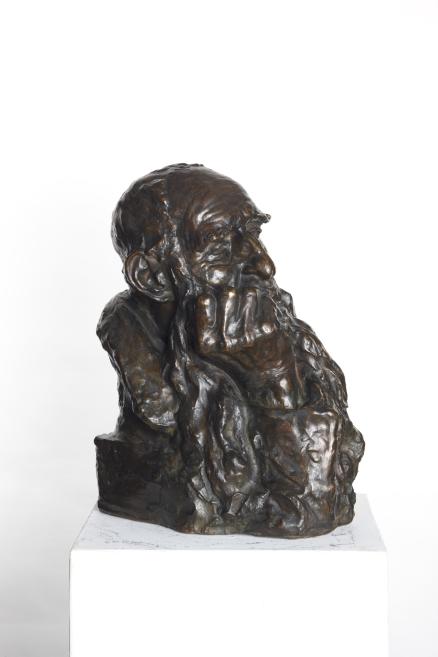
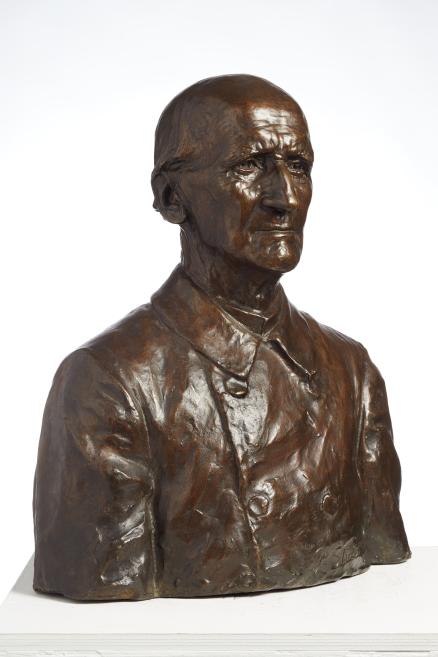
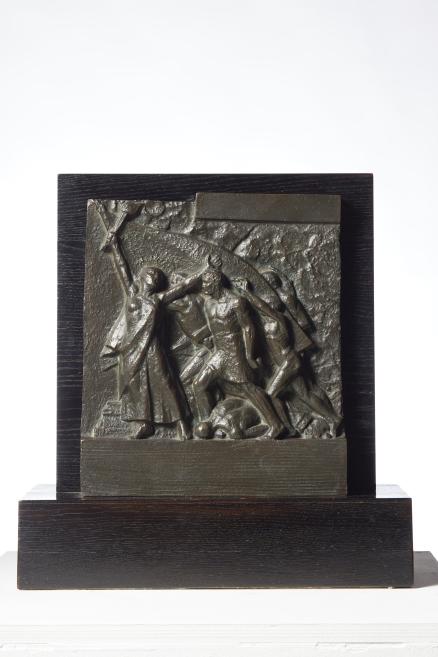
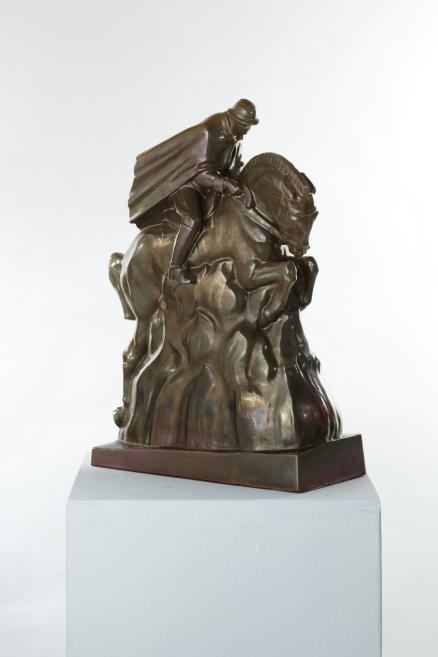
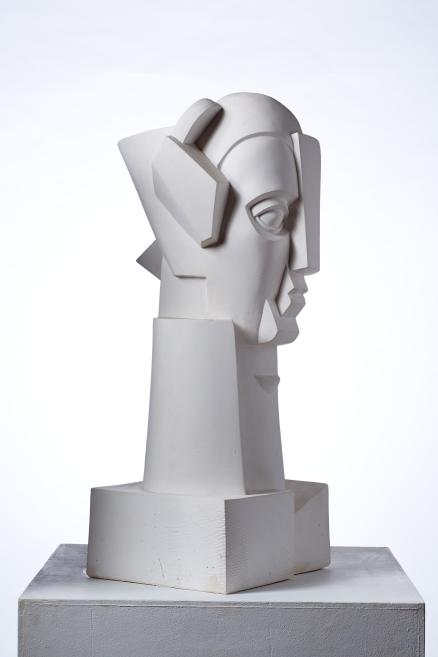
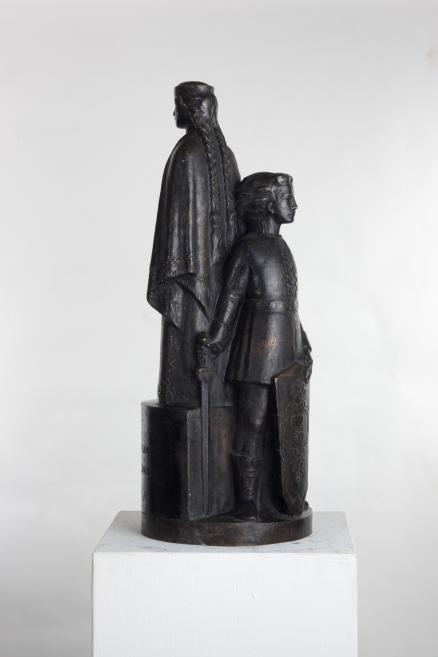
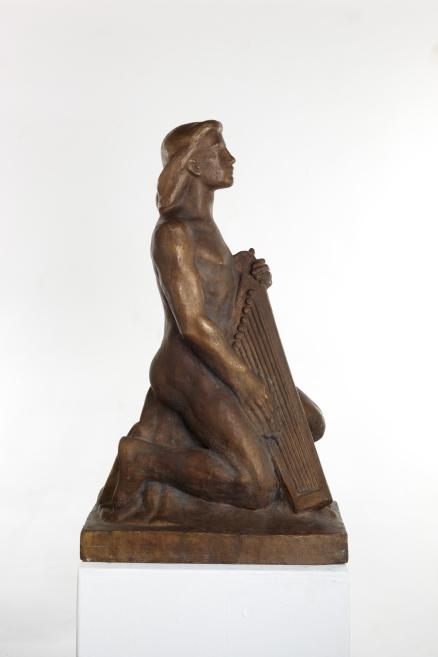
The origins of the collection date back to the early 20th century, when works by select sculptors active in the Baltic region were acquired for the collection of the predecessor to the Latvian National Museum of Art, the Riga City Art Museum (founded in 1905). However, the core of the collection comprises works acquired after 1919, when the museum’s director, Vilhelms Purvītis, actively began collecting works by Latvian artists through direct purchases from sculptors and augmented by sculptural works acquired for the holdings of the State Art Museum (founded in 1920), which had been led by the sculptor Burkards Dzenis. Although the collection focuses on a relatively narrow and closed historical period that is well documented and researched it continues to be expanded through occasional new acquisitions.
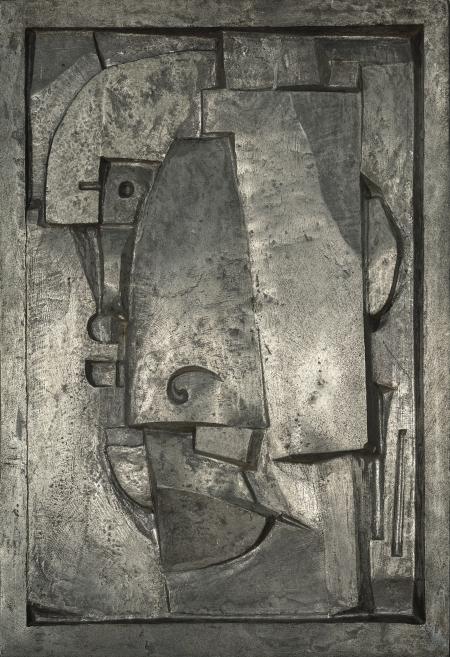
The primary portion of the sculpture collection comprises works by Latvia’s most outstanding sculptors, including Gustavs Šķilters, Konstantīns Rončevskis, Teodors Zaļkalns, Burkards Dzenis, Artūrs Bērnieks, Kārlis Zāle, Marta Liepiņa-Skulme, Kārlis Zemdega, among many others. The objects held in the collection are executed in a wide range of mediums: marble, bronze, granite, wood, glass, plaster, terracotta, aluminium, and other materials. Much of the works are portraits of prominent figures from Latvian cultural and political life, and animalier pieces; however, the collection also includes medals, reliefs, small-scale sculptures, and select death mask casts. Stylistically, the collection exhibits great diversity, ranging from realistic renderings of facial features in portraits to formal stylization and geometrization, varying between concise simplification and cubist, abstract approaches.
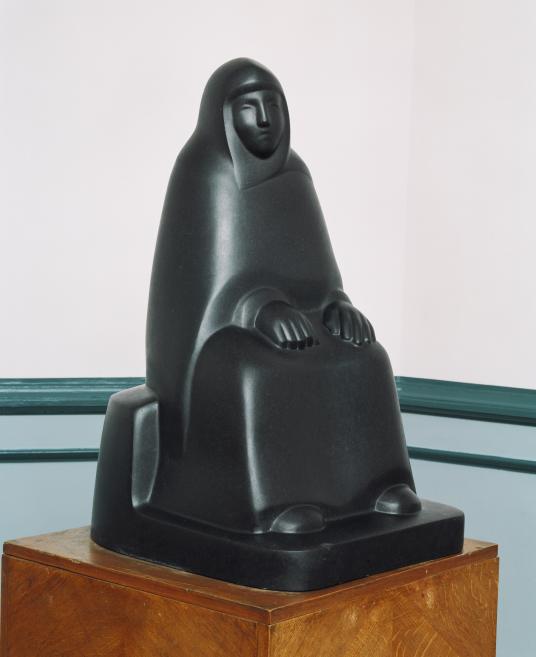
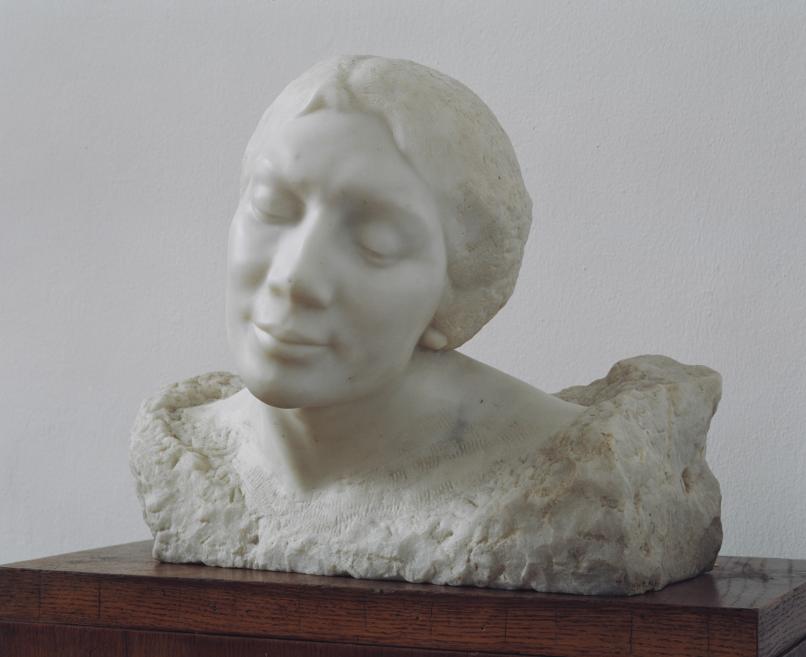
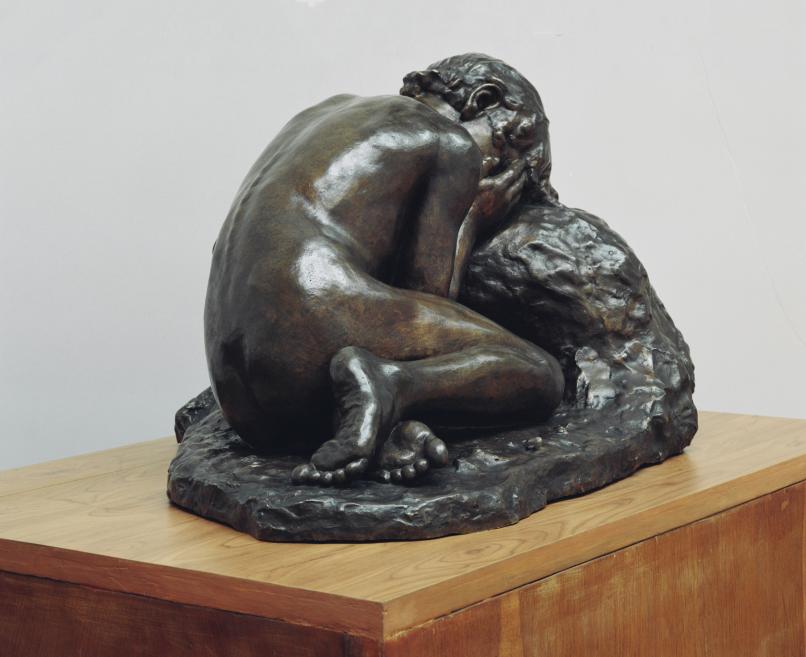
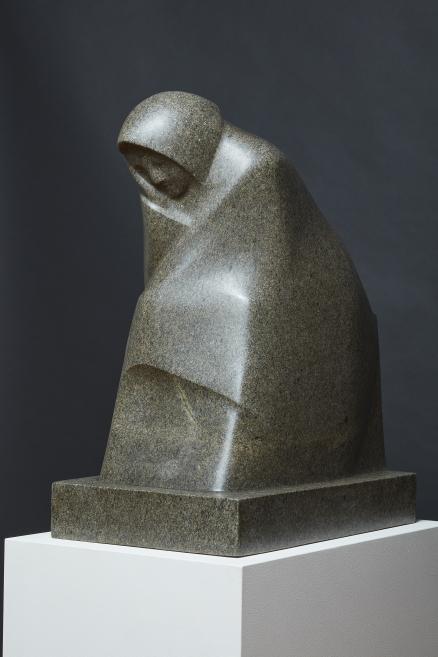
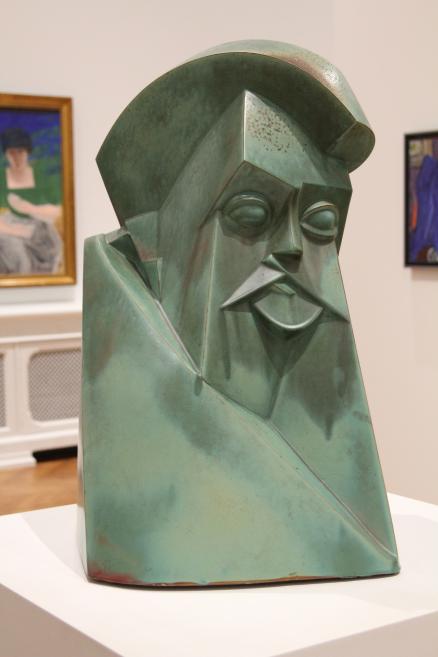
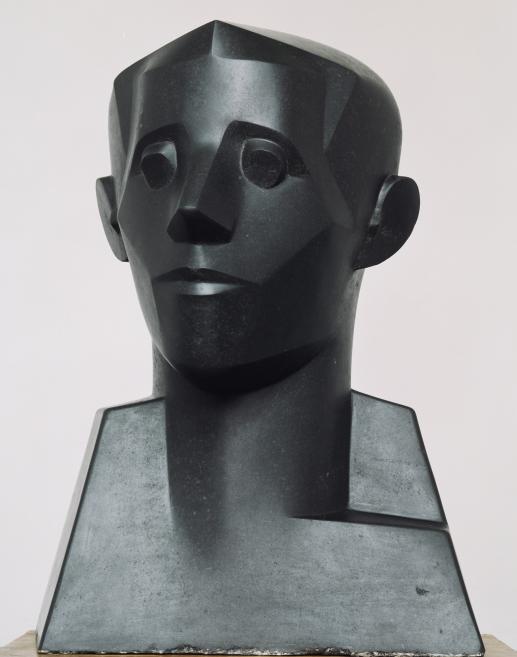
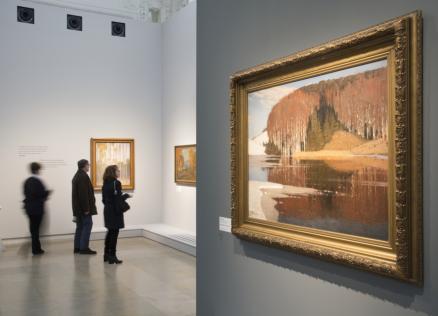
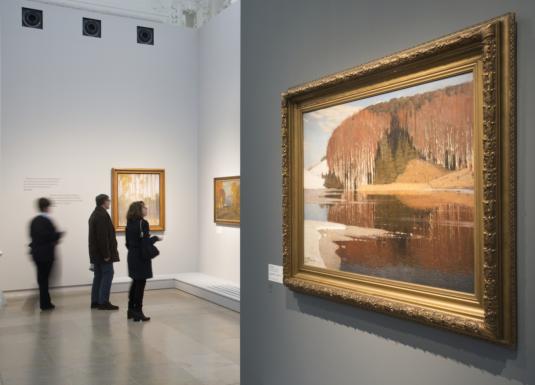
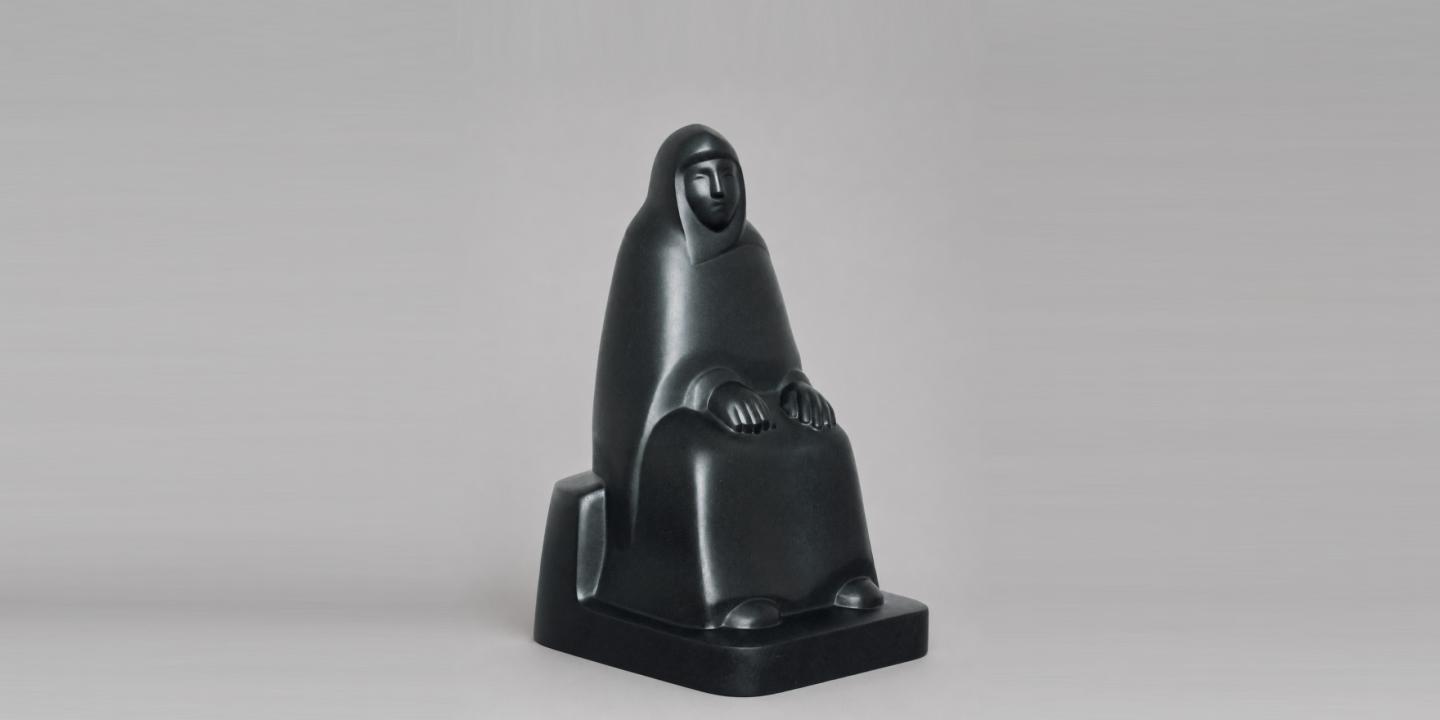
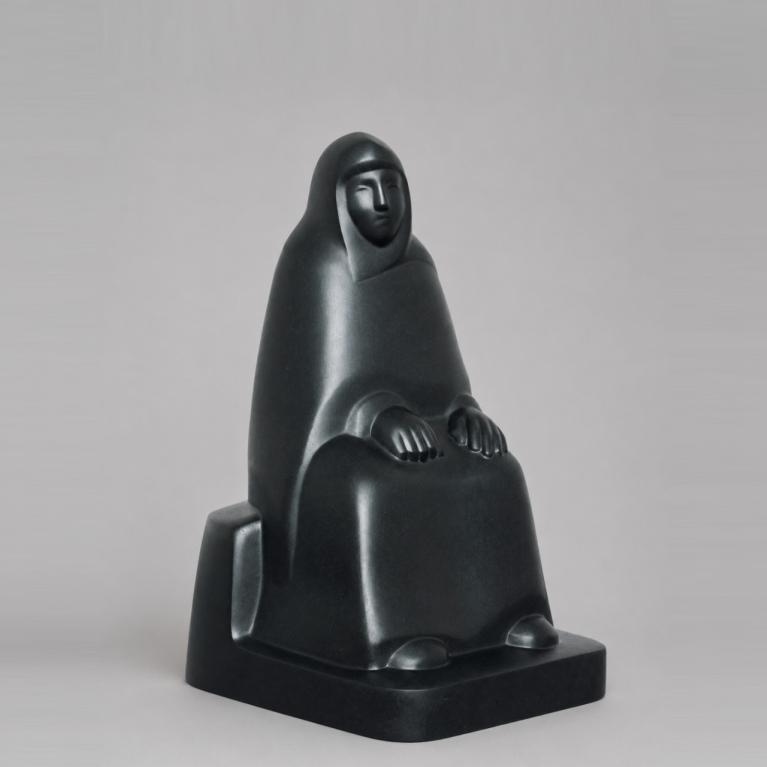
The sculptural works included in the permanent display of the Latvian National Museum of Art successfully reflect the nuanced approach of Latvian sculptors to working with different materials. The display features textured depictions of the themes from Latvian folk songs (such as Gustavs Šķilters’ Little Boy), realistic psychological portraits (such as Marta Liepiņa-Skulme’s Woman from Vidzeme and Teodors Zaļkalns’ Seated Old Woman), and geometric formal experiments in portraiture (such as Teodors Zaļkalns’ Portrait of Modest Mussorgsky and Emīls Melderis’ Portrait of the Writer Pāvils Rozītis).