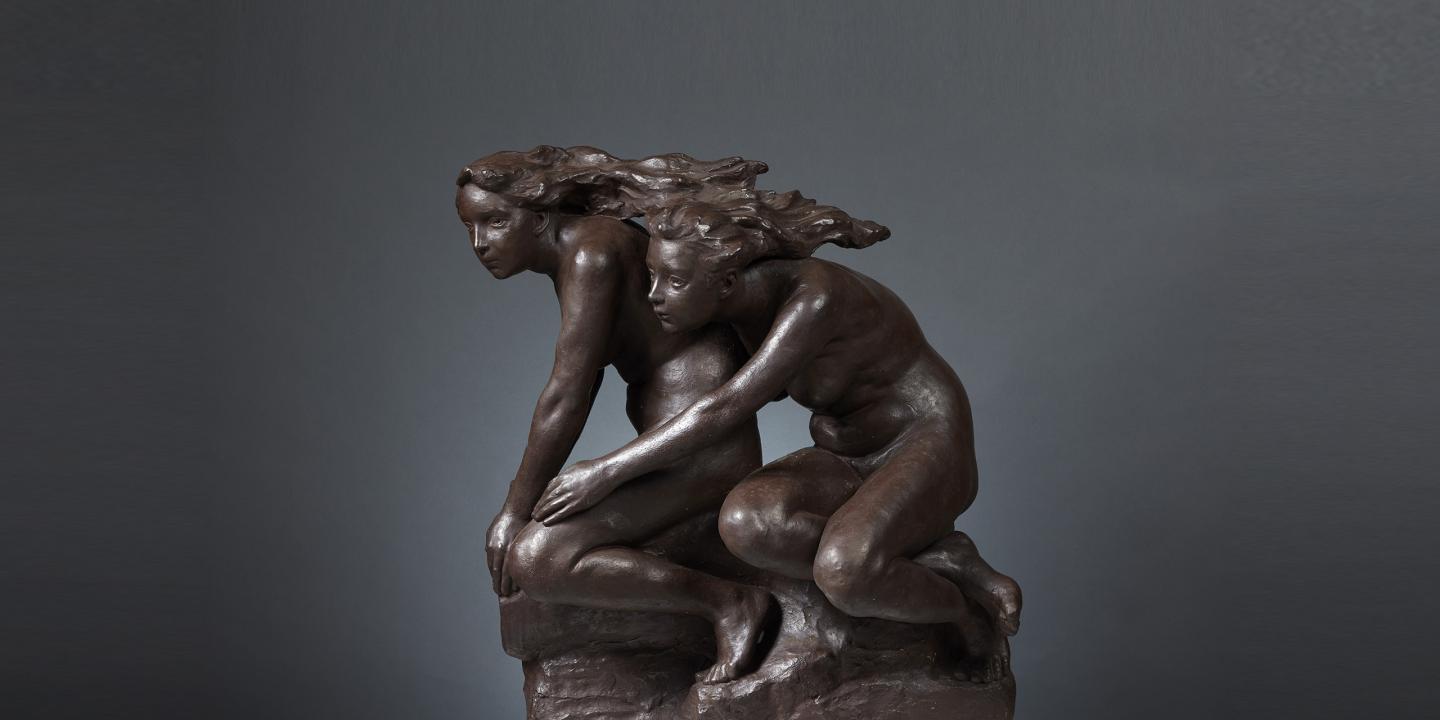
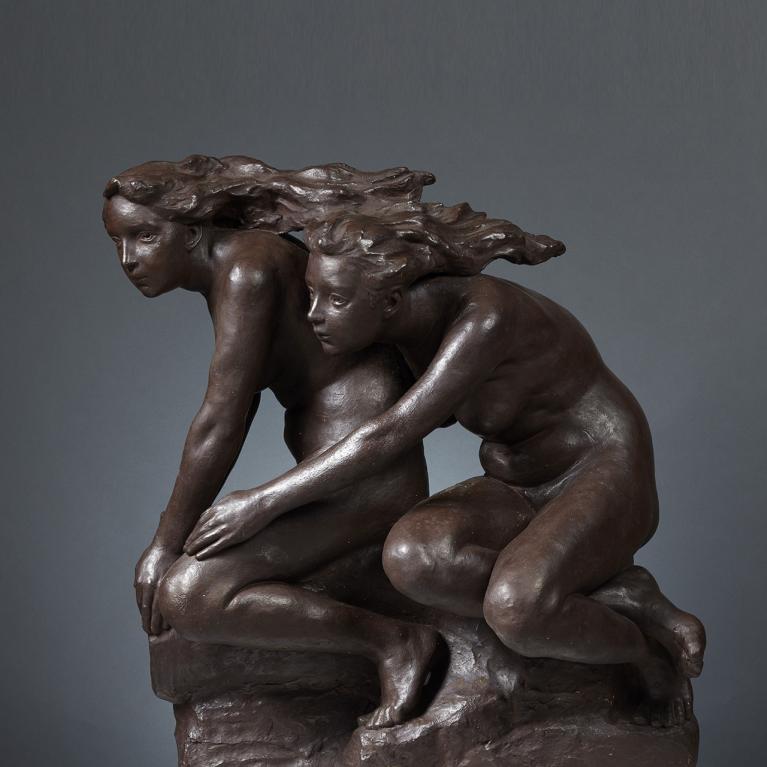
The Memorial Collection of Gustavs Šķilters
The memorial collection dedicated to Gustavs Šķilters (1874 –1954), one of the first professional Latvian sculptors, preserves the artist’s works in sculpture, applied arts, and graphic art, as well as his poetry and personal furniture. The total volume of the collection is just under 5000 items.
In Latvian sculpture, Gutavs Šķilters introduced the aesthetics of French Impressionist sculptor Auguste Rodin. After graduating from the Stieglitz Central School of Technical Drawing in Saint Petersburg, Šķilters furthered his studies at Rodin’s workshop in Paris, and the experience gained there was reflected throughout his subsequent creative career. Šķilters continued to practice and develop a Rodinesque rendering of texture and form, intertwining it with Symbolism and Realism. Primarily a sculptor, Šķilters also turned to watercolour painting and vignette drawing, executing these Art Nouveau style works in a sensitive and detailed manner.
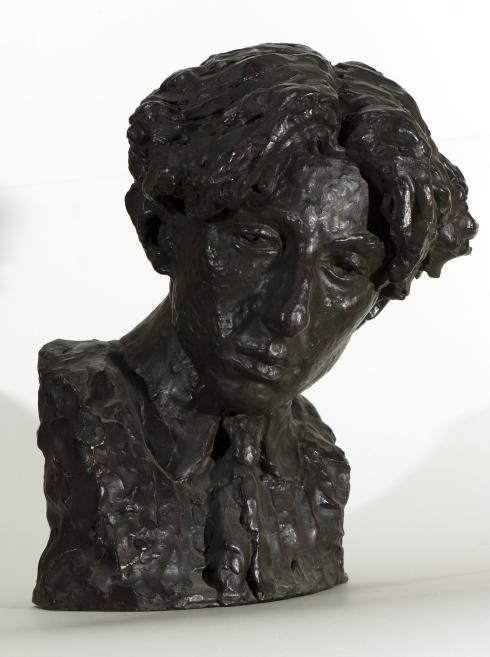
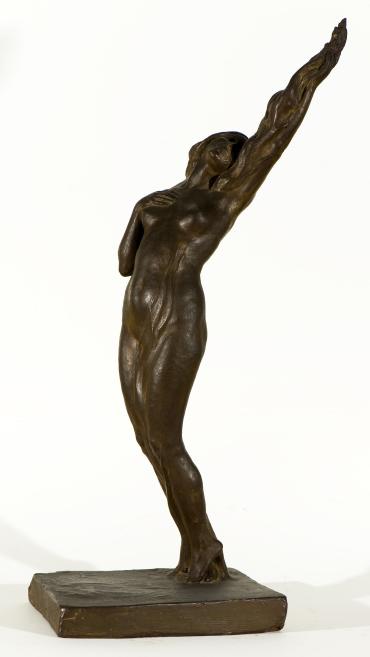
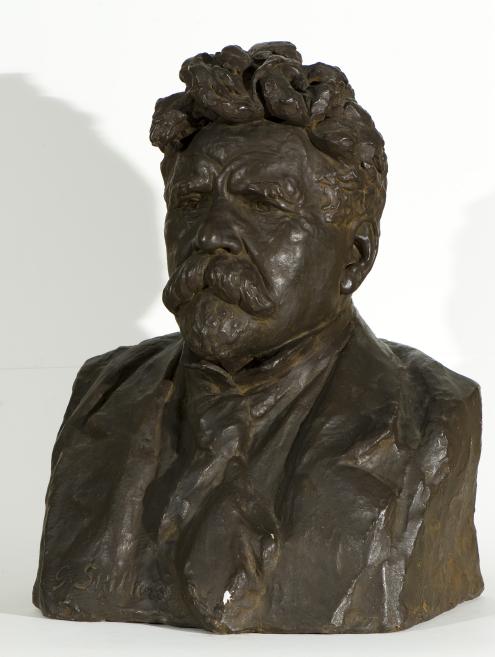
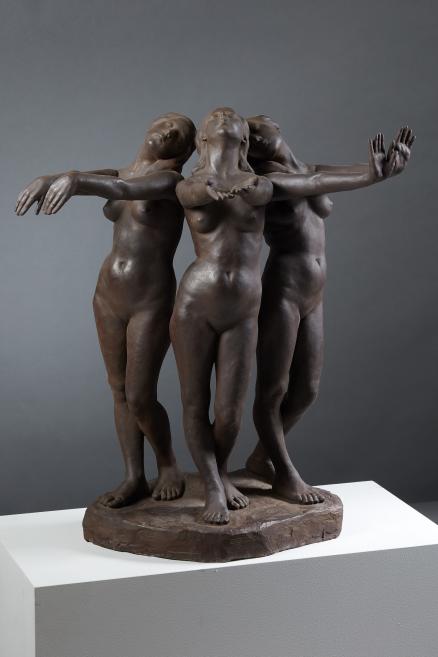
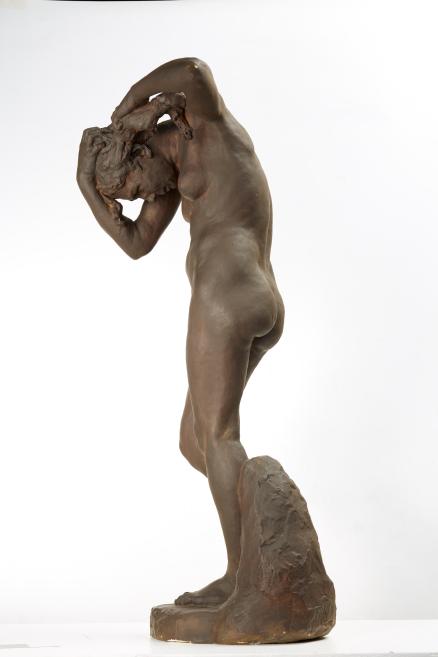
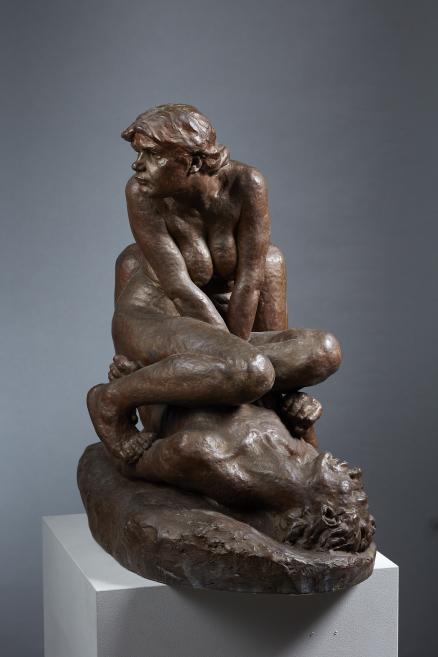
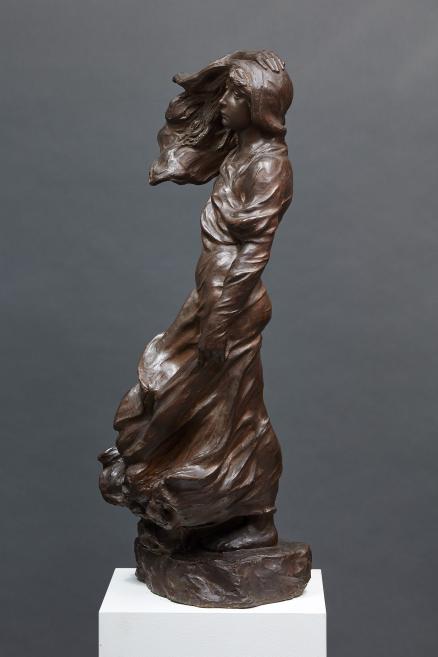
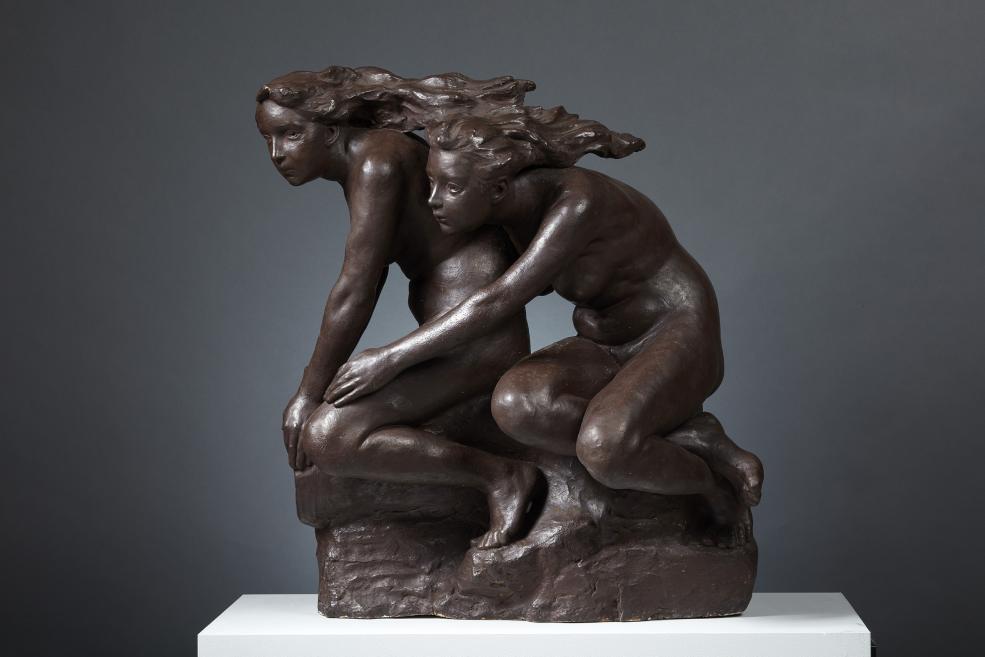
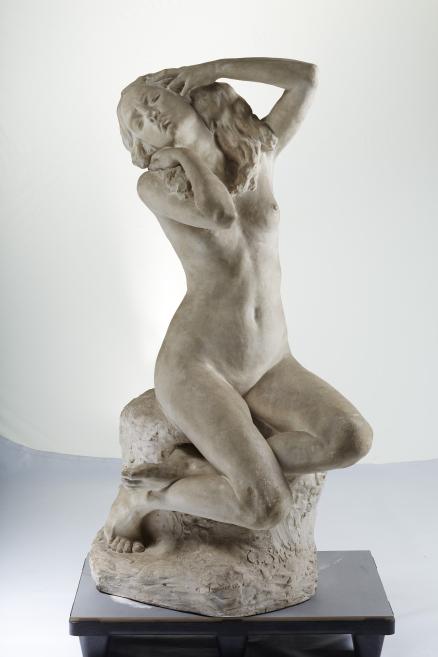
In 1947, a memorial museum dedicated to Gustavs Šķilters was established at the artist’s former residence at 9 Daugavgrīvas Street in Riga, operating until 2002. Following its closure, the museum’s entire collection was transferred as an undivided unit to what is today the Latvian National Museum of Art.
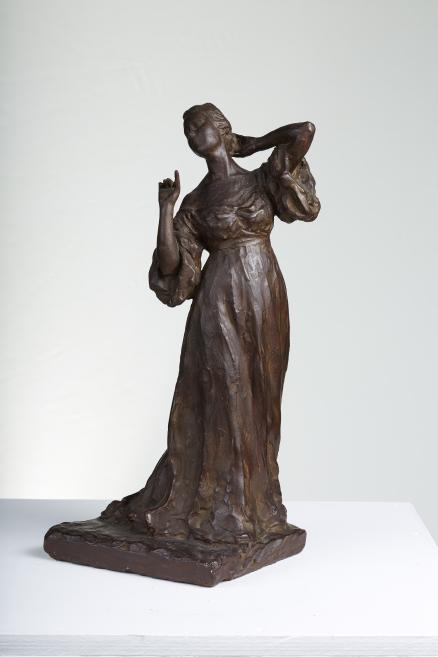
The memorial collection of Gustavs Šķilters houses genre-diverse sculptural works, mostly created in plaster and bronze, with a small portion also executed in ceramics and wood. Šķilters’ works primarily represent the sculptor’s sensitivity and interest in depicting emotion, individuality, textures, and the human body. Thematically, human figures, portraits, decorative natural elements, and works on folklore themes dominate, along with a small number of monuments and their sketches, even though Šķilters is not known as a monumentalist.
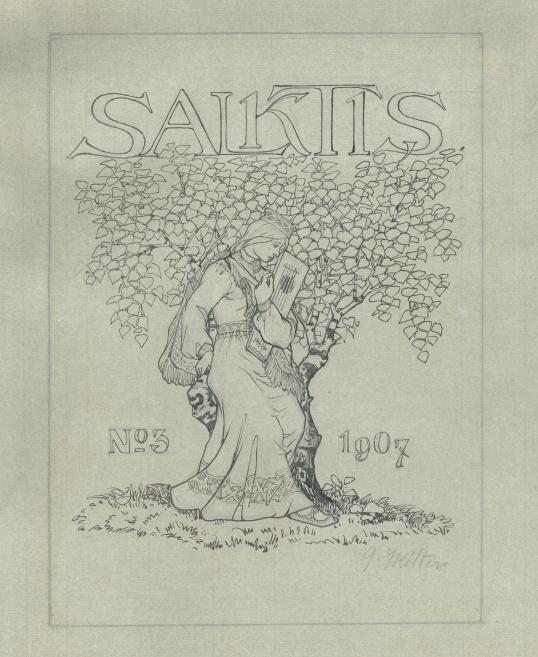
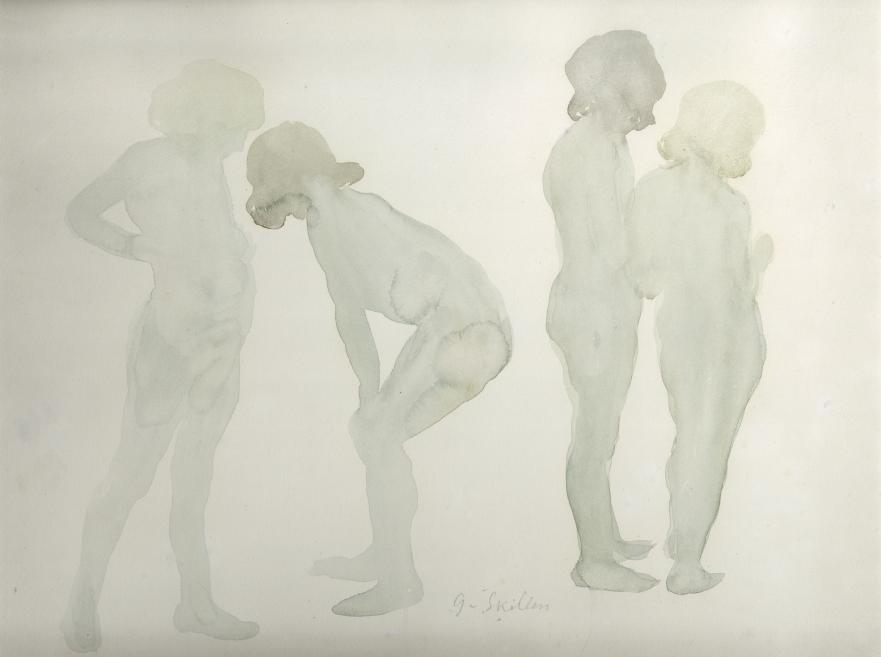
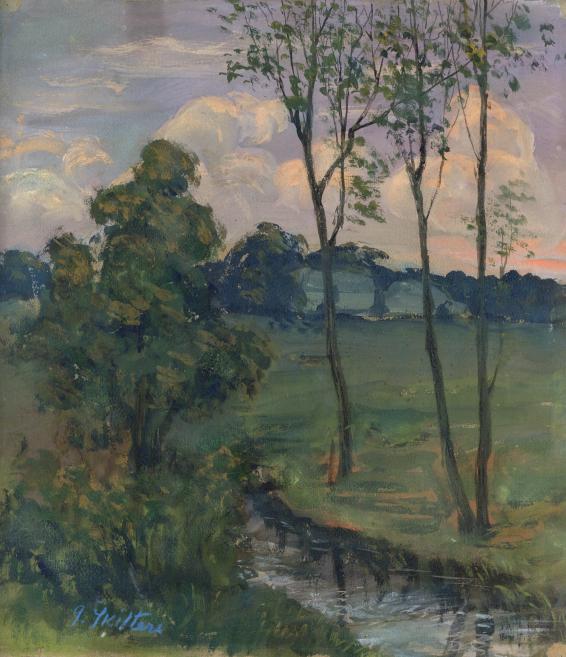
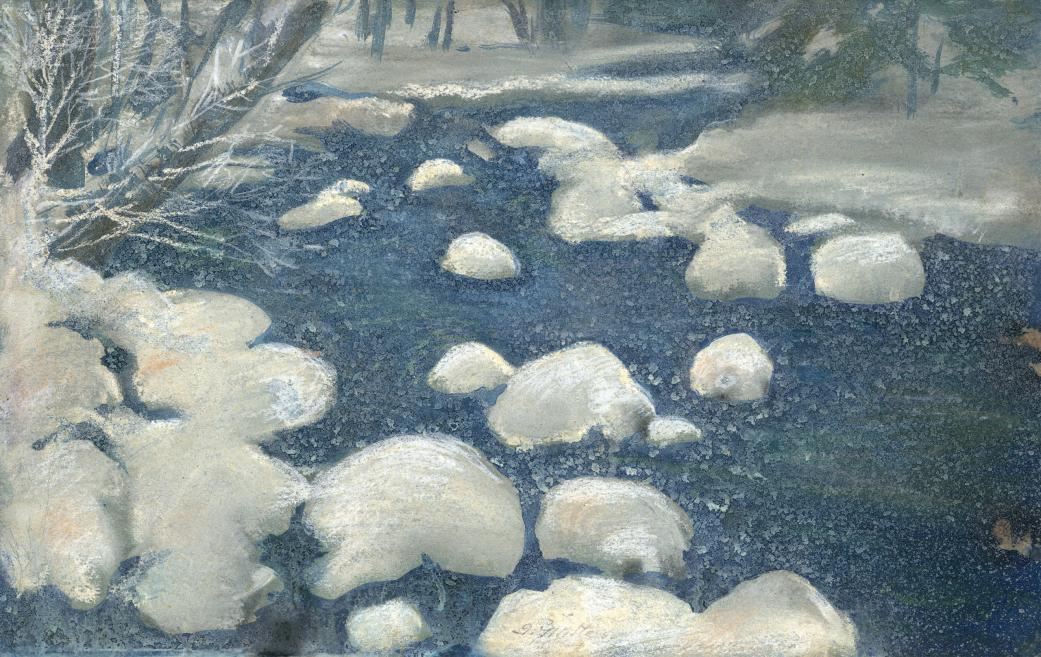
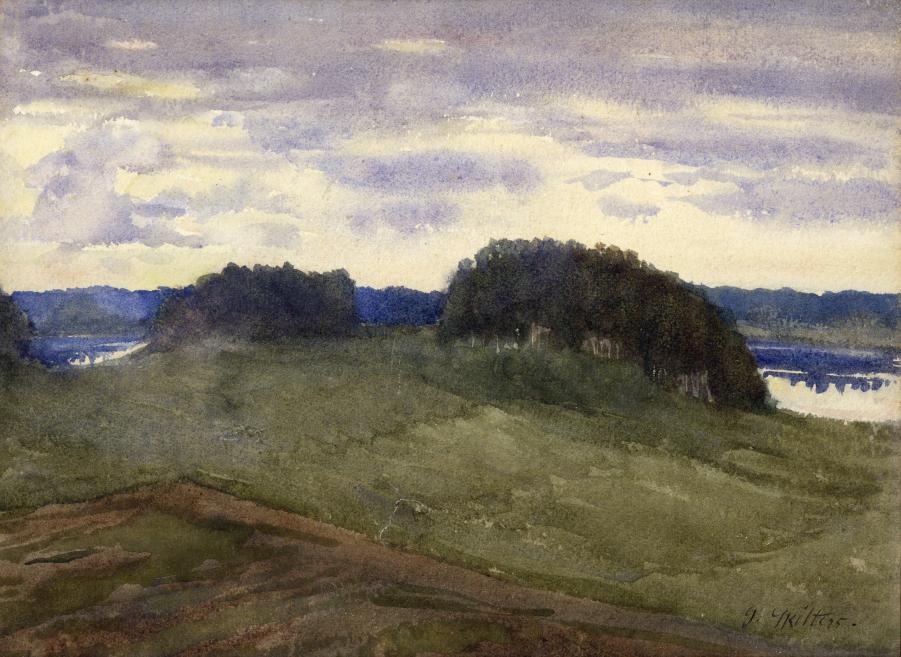
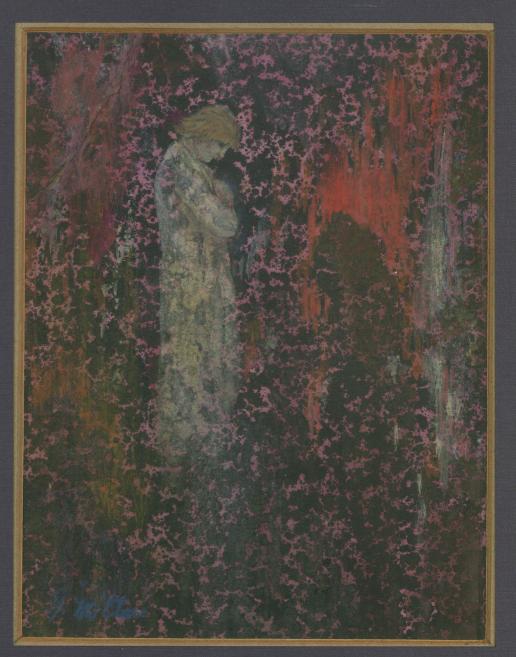
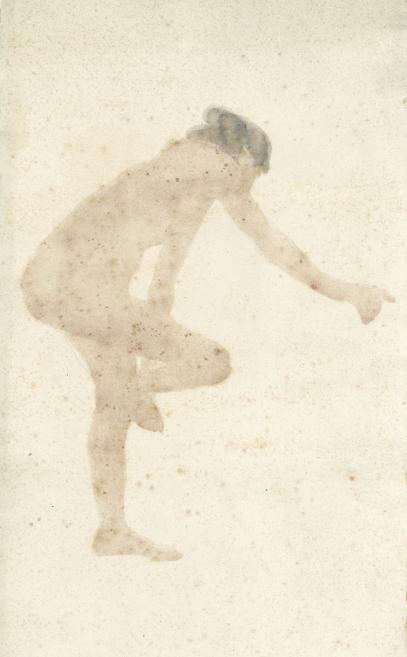
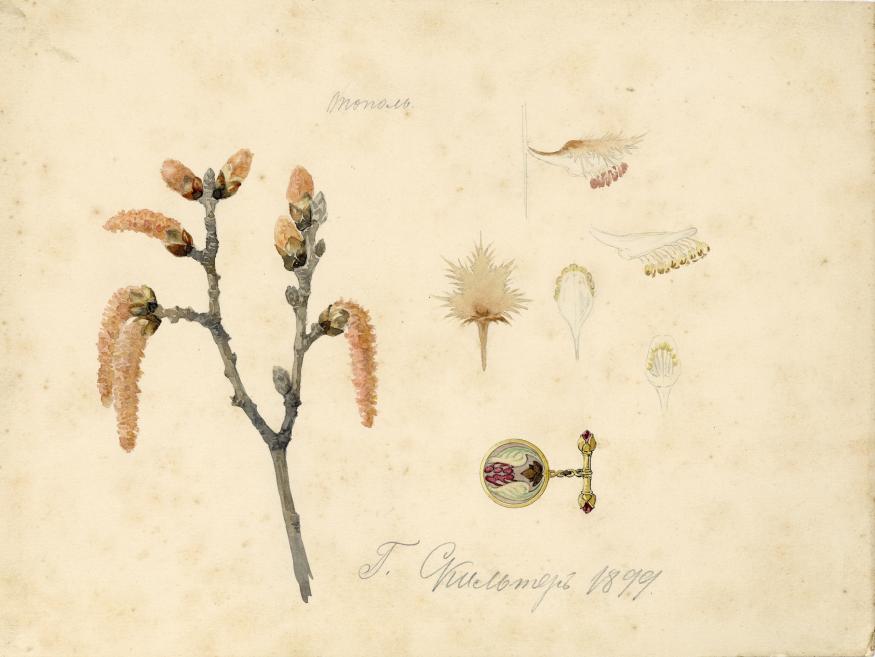
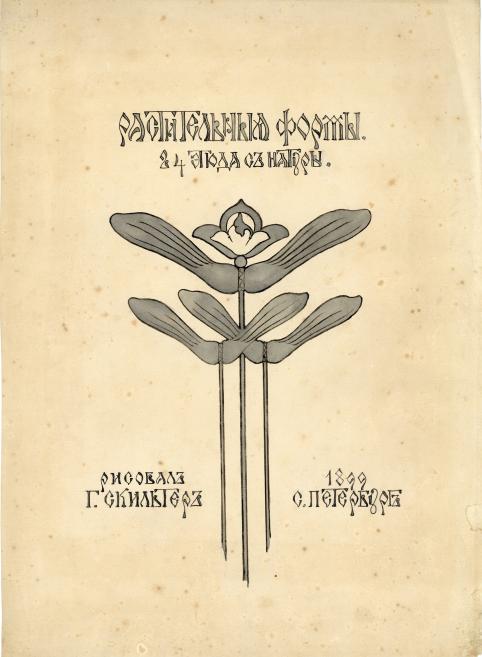
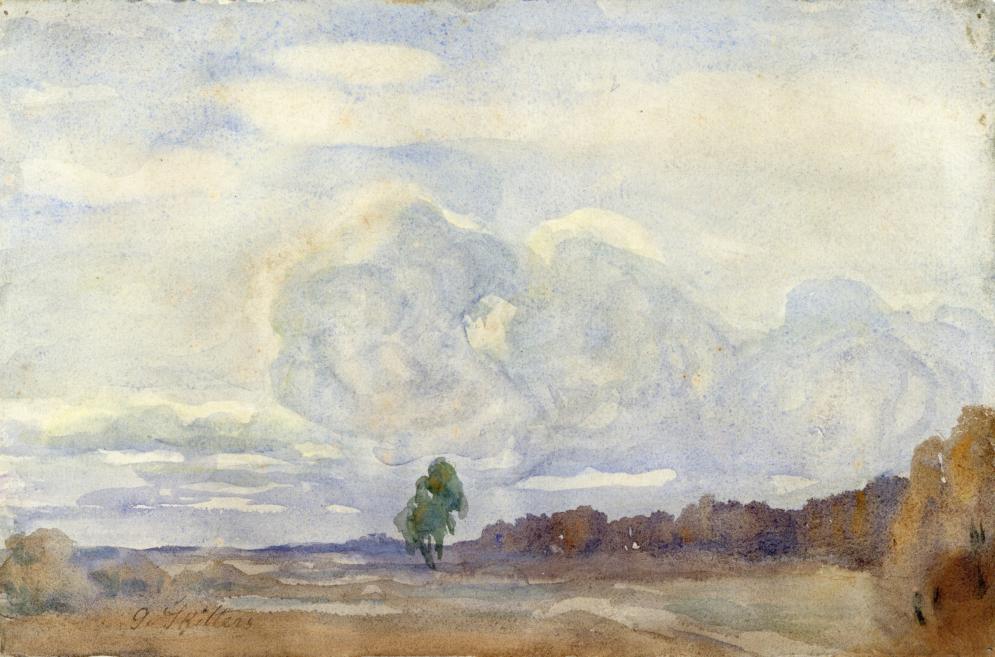
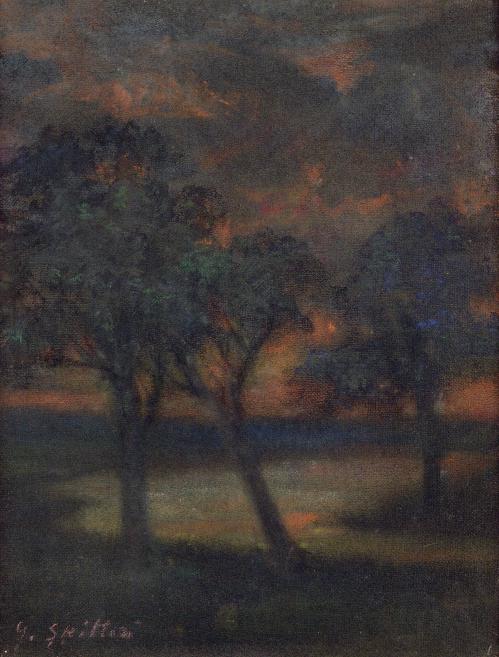
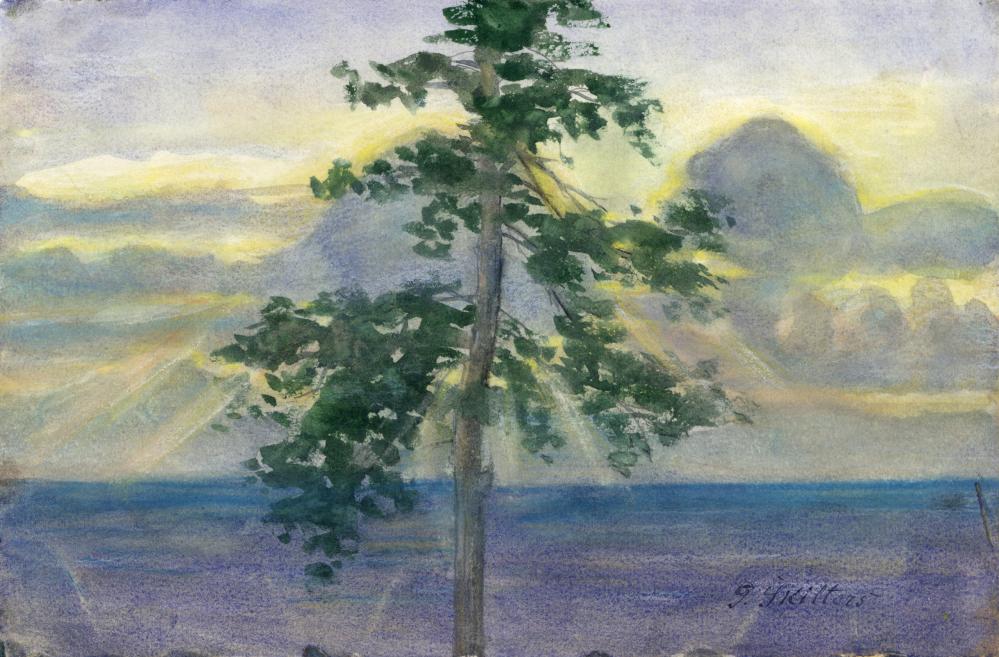
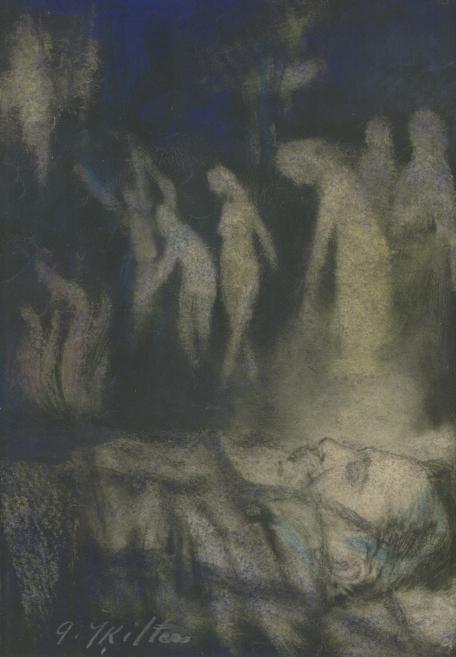
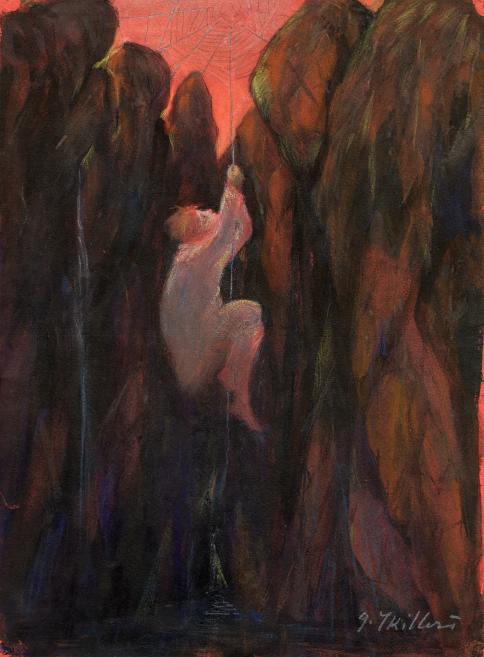
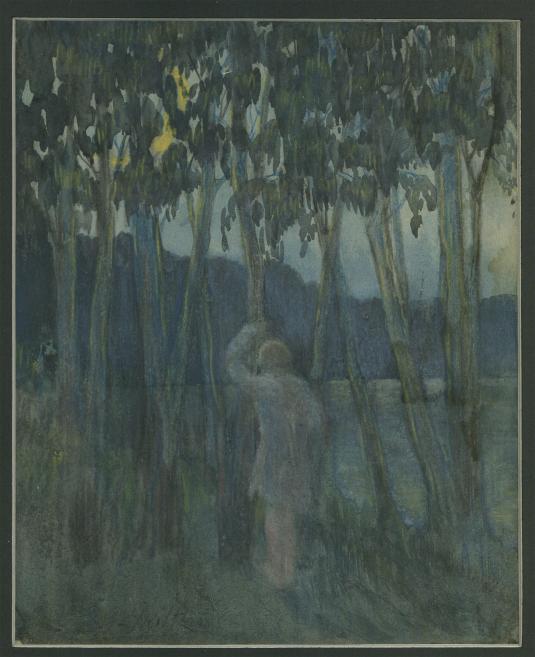
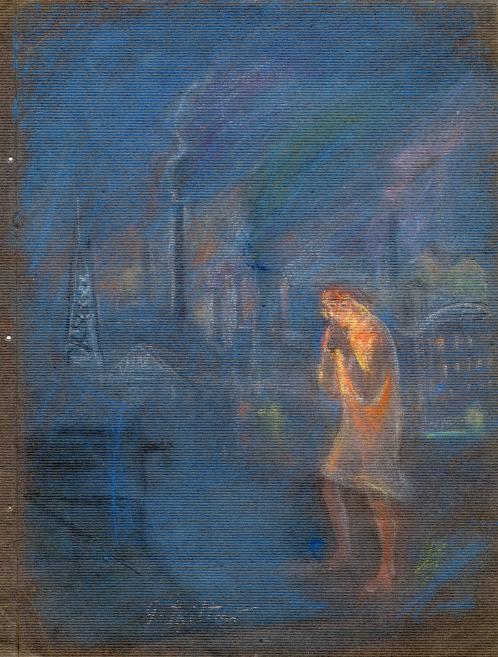
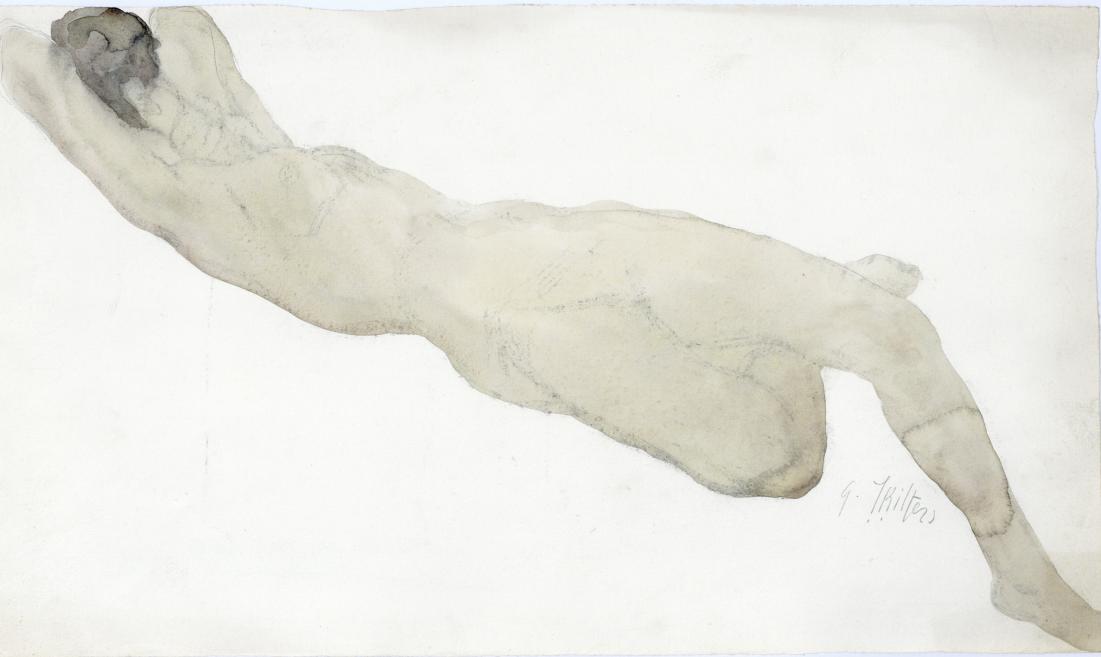
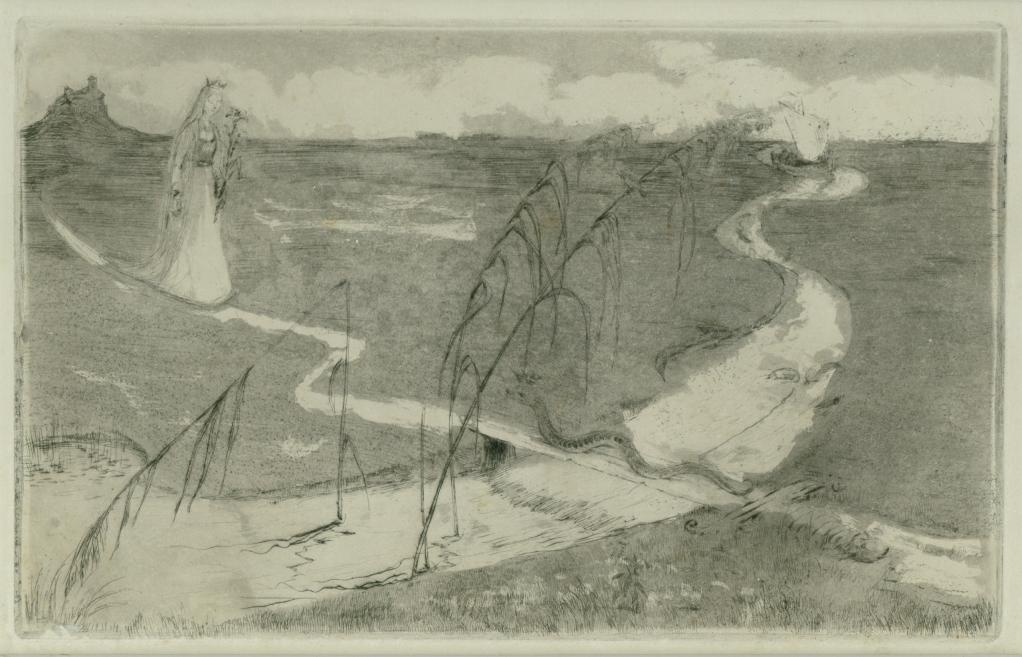
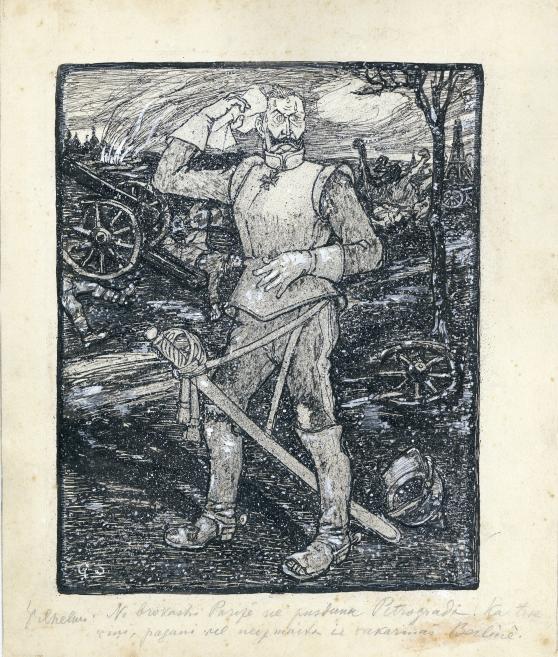
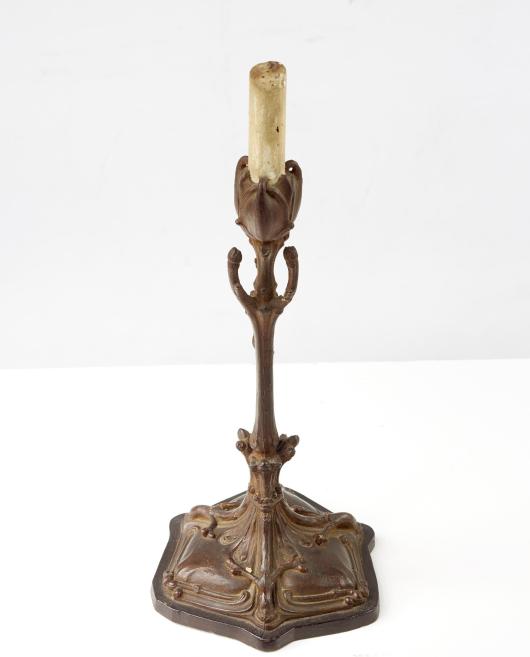
The collection also includes applied art objects and their sketches created by the artist both on paper and in plaster, as well as his graphic works – watercolours, drawings, and vignettes, many of which were printed in various publications. The collection is further supplemented by furniture and Gustavs Šķilters’ poetry in both manuscript and typescript forms.