Graphic Art Collection
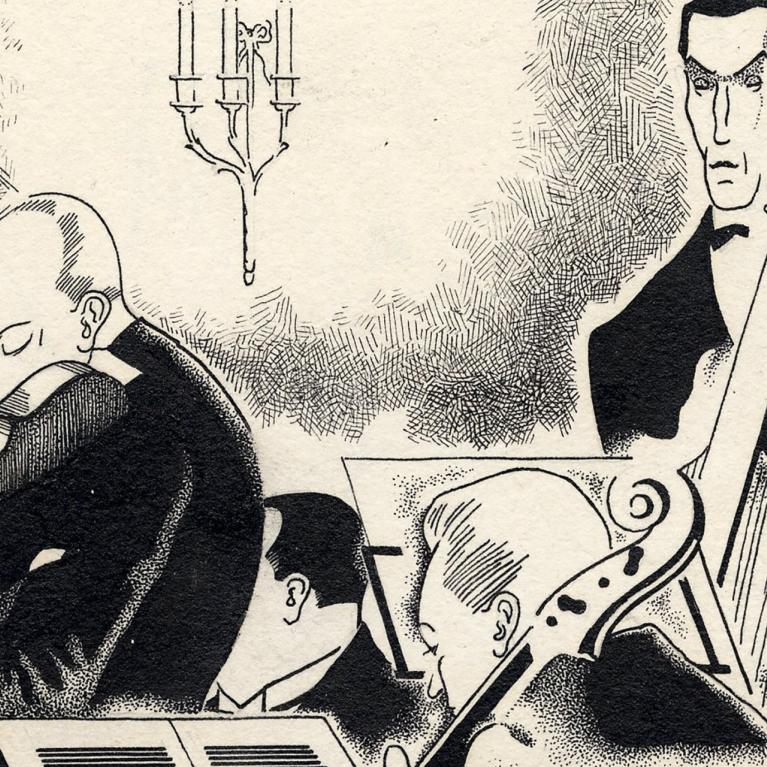
The Latvian graphic art collection from the 18th century to the first half of the 20th century comprises more than 8000 works. Alongside the predominant share of works by Latvian artists, it also houses compositions created by Baltic German, Estonian, Lithuanian, Russian and Jewish artists residing the Baltic territory.
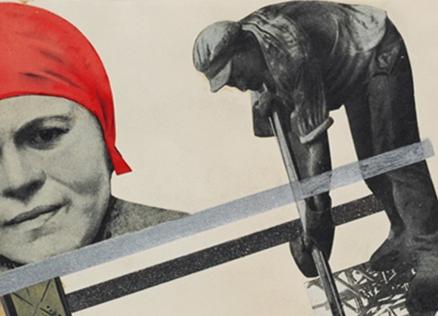
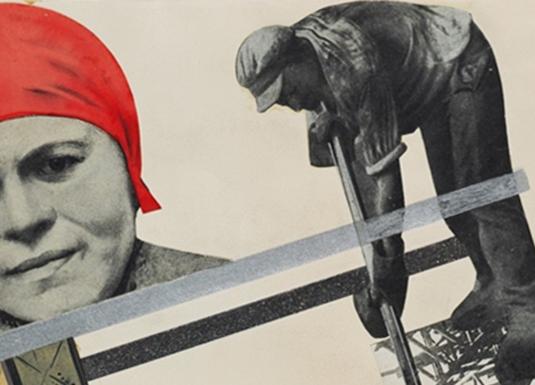
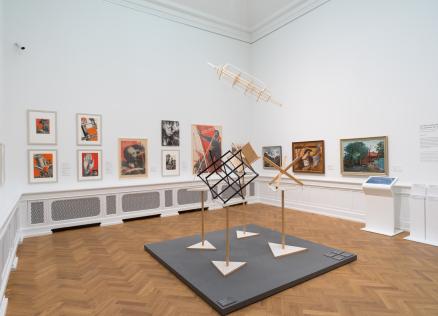
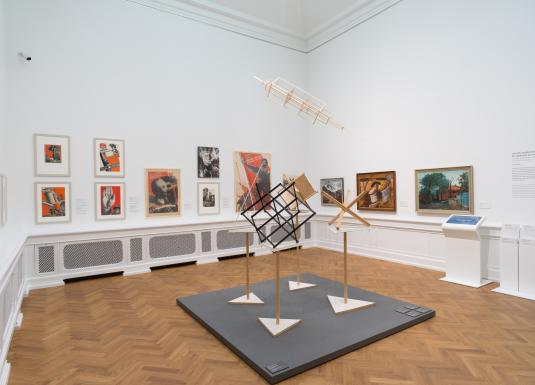
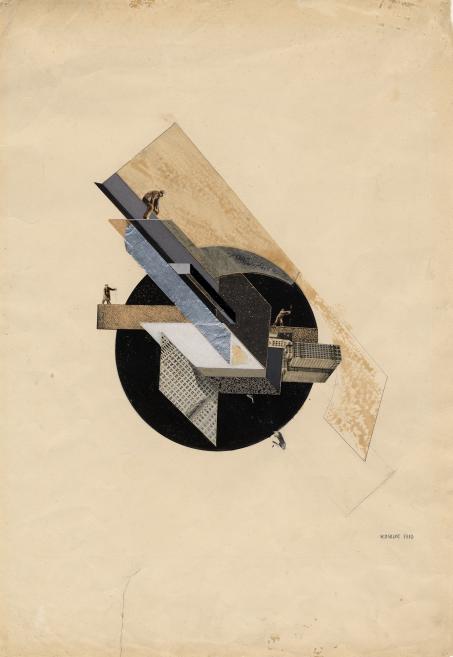
The first graphic works included in this collection came into the possession of the City of Riga at the turn of the 18th and 19th centuries and during the 19th century. However, the systematic formation of a collection of works by local authors began in the early 20th century, when Wilhelm Neumann, director of the predecessor to the Latvian National Museum of Art, the Riga City Art Museum (founded in 1905), focused on collecting works by artists of Baltic origin. In 1945, the holdings of the Riga City Art Museum were merged with those assembled by the State Art Museum (founded in 1920), incorporating graphic works acquired by both museums from the collection of the former Courland Provicial Museum (founded in 1818) and the former Society for the Promotion of Latvian Art (founded in 1911). The largest donations include in 1909, drawings and sketchbooks by Arturs Baumanis (1867–1904); in 1964, photomontages, drawings, and watercolour by Gustavs Klucis (1895–1938); and in 1991, a broad selection of graphic works by various authors collected by the artist Kārlis Sūniņš (1907–1979).
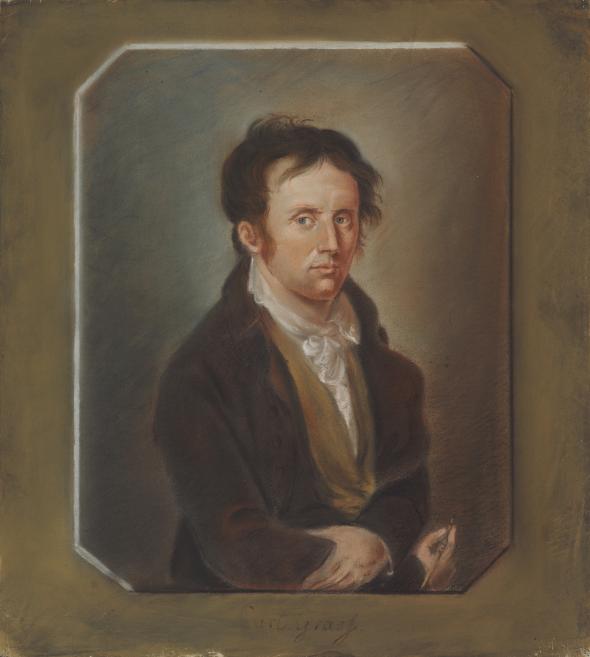
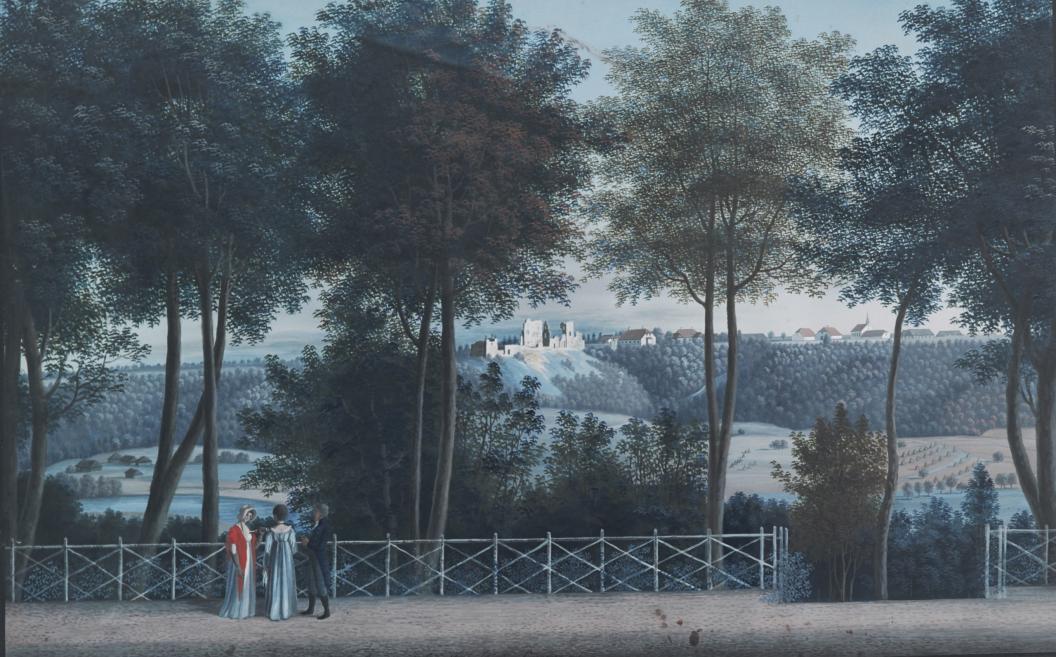
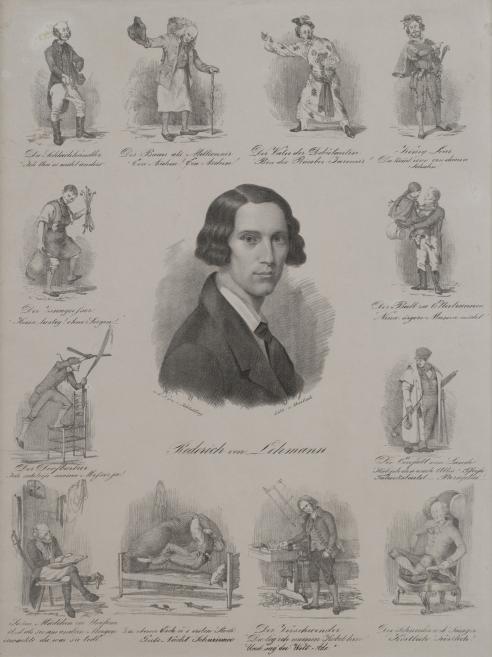
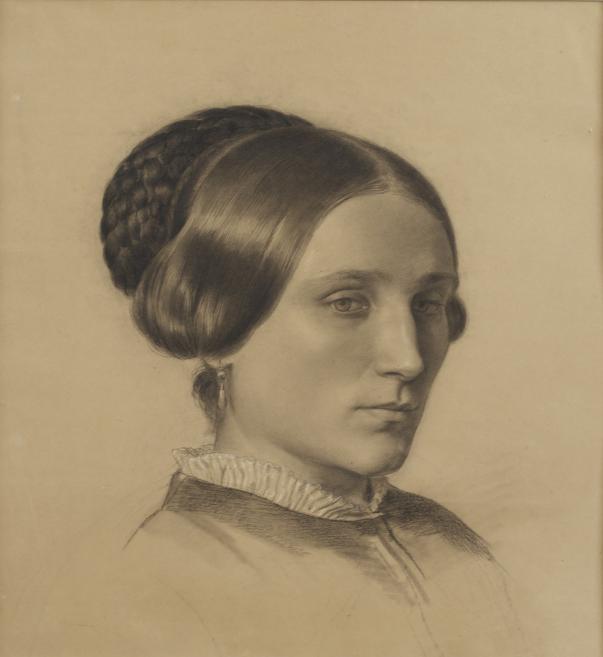
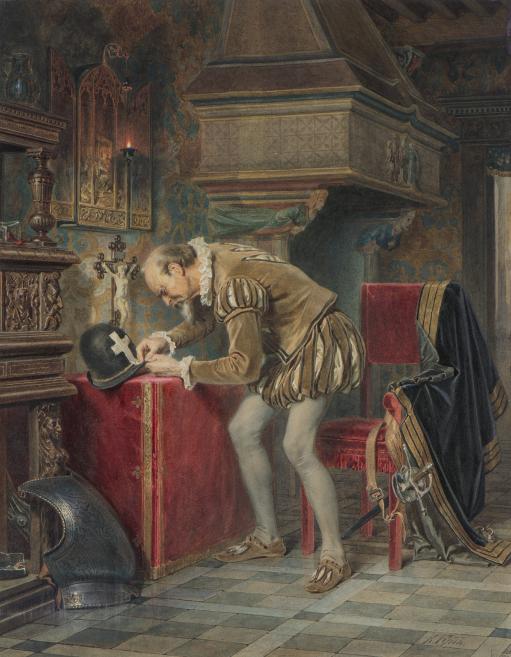
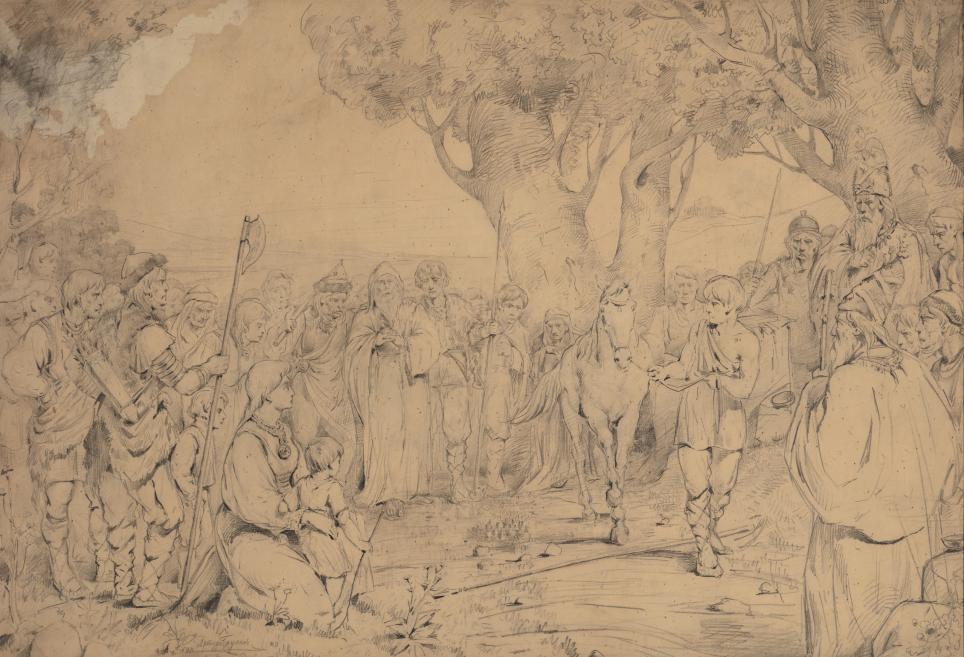
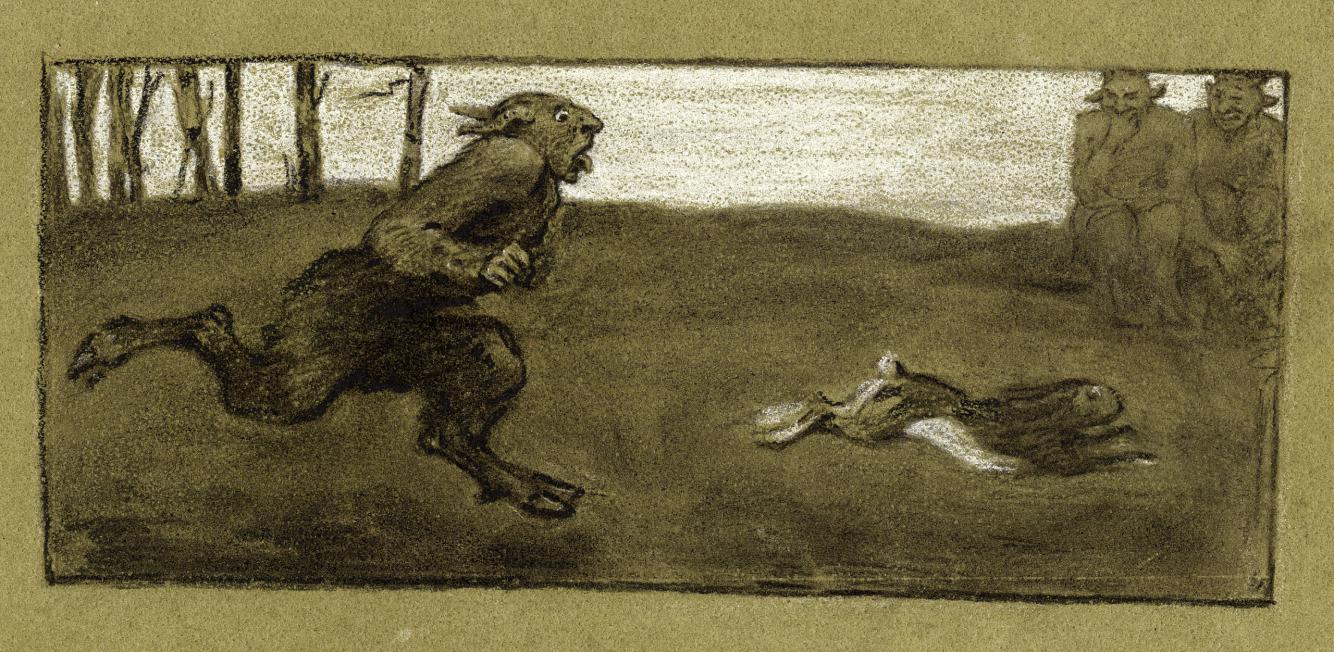
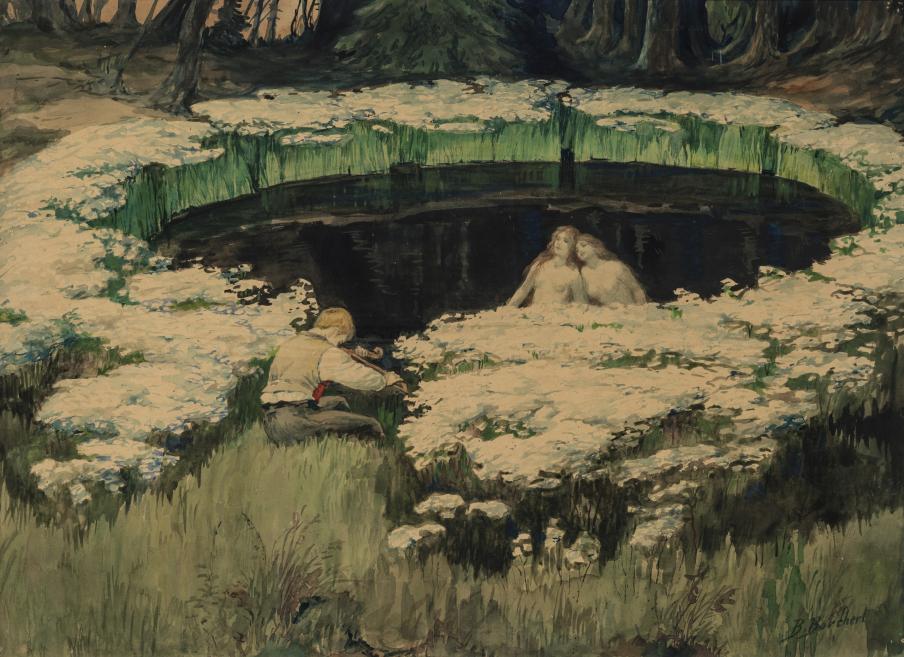
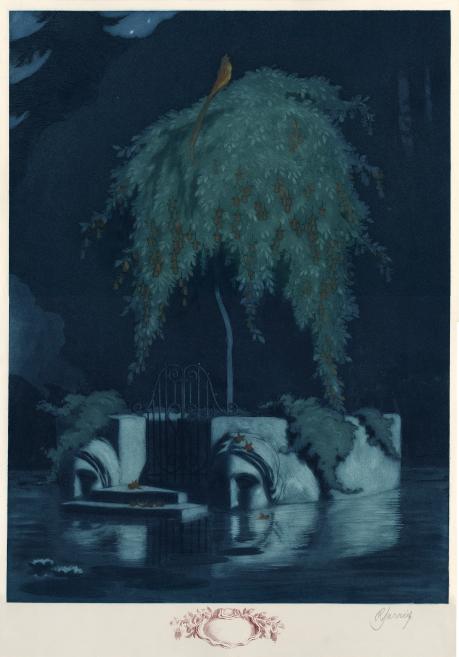
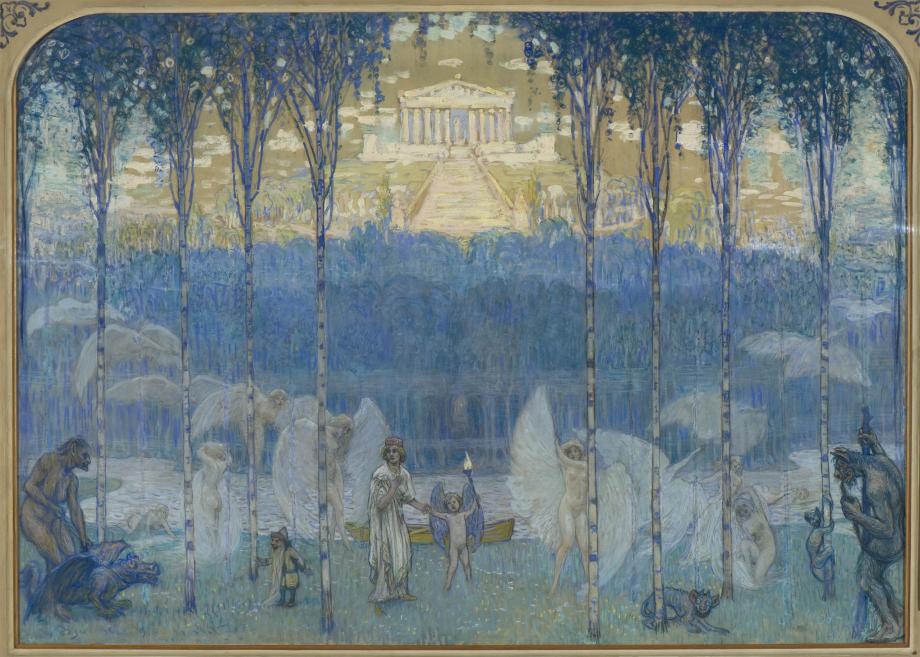
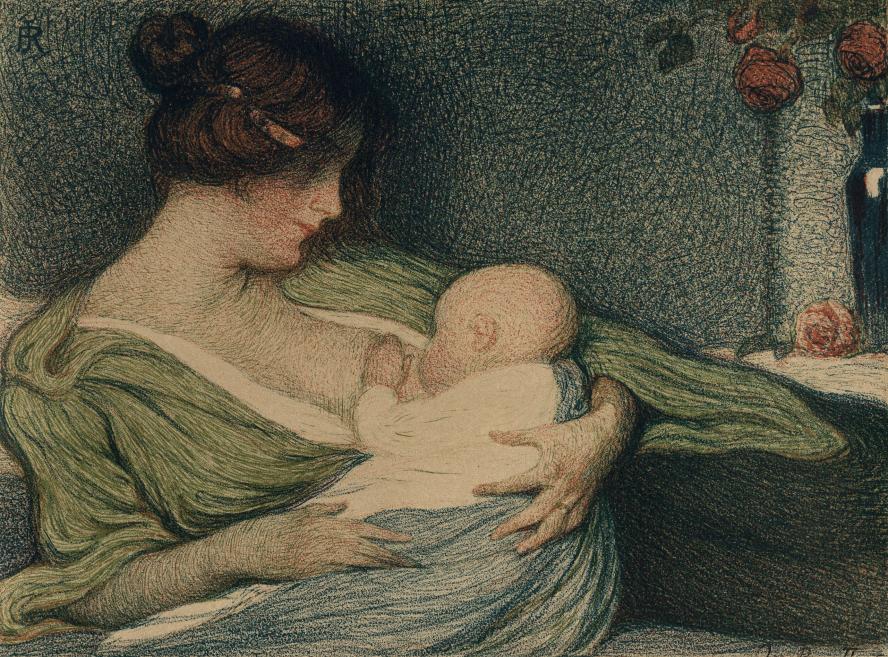
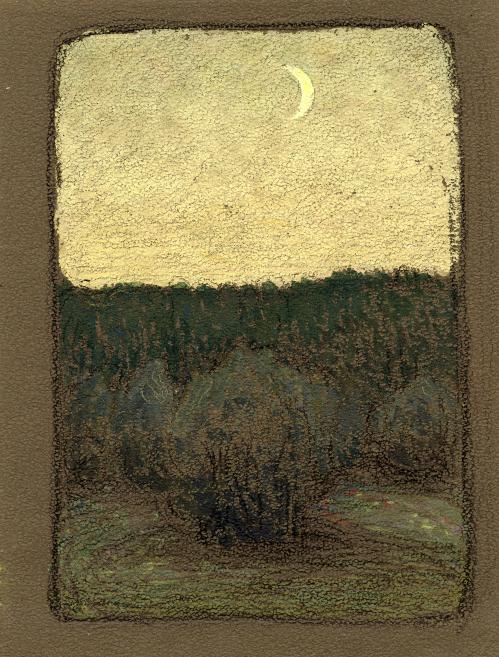
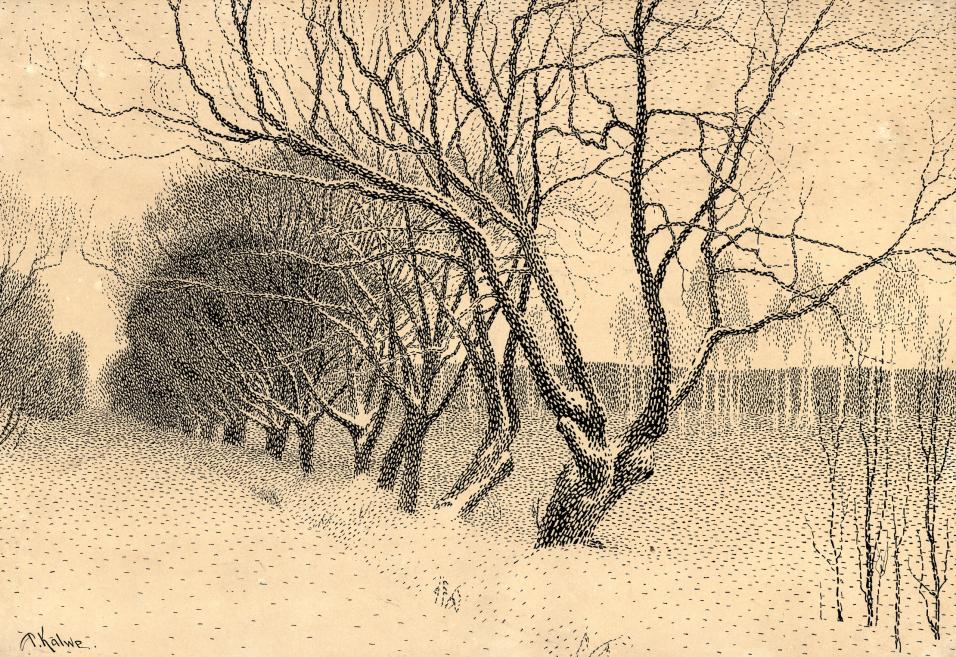
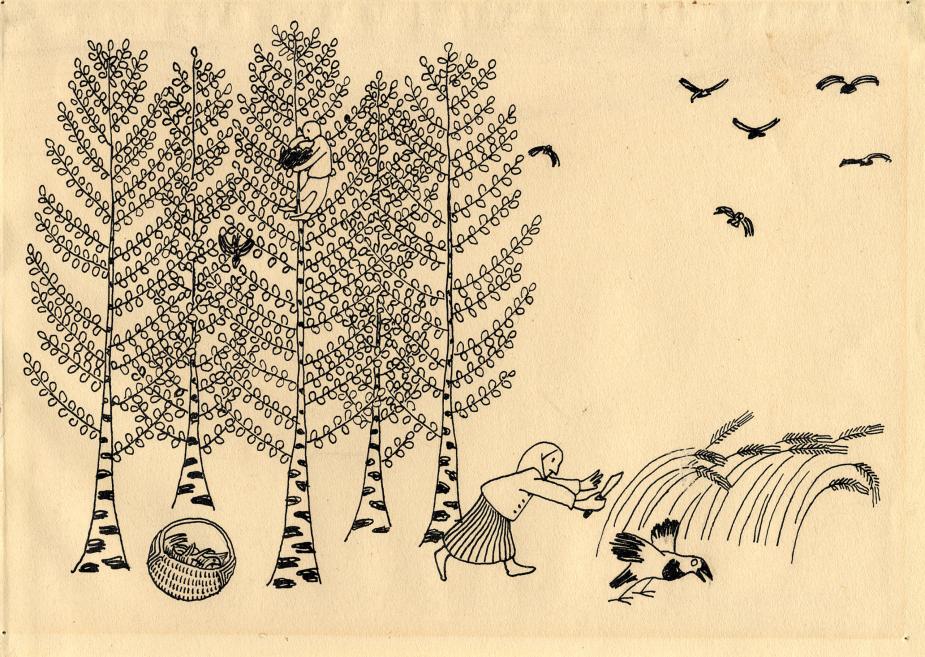
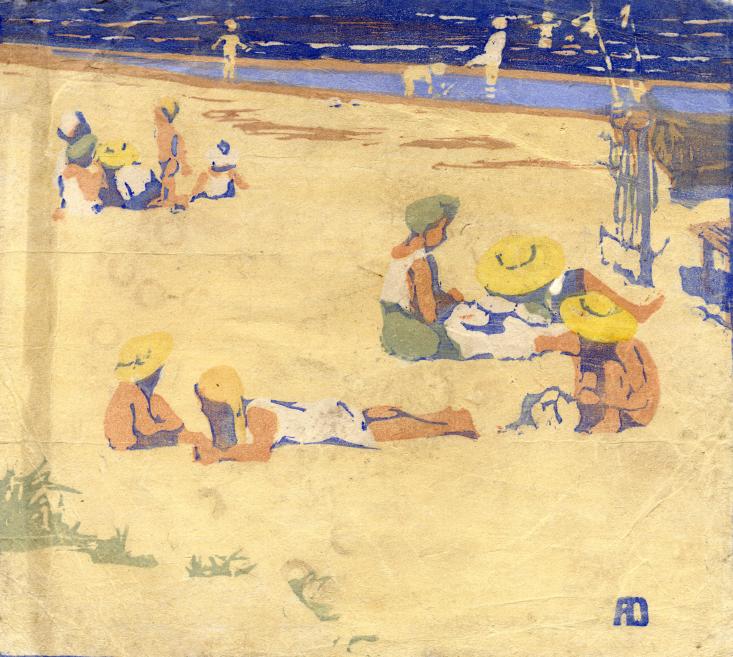
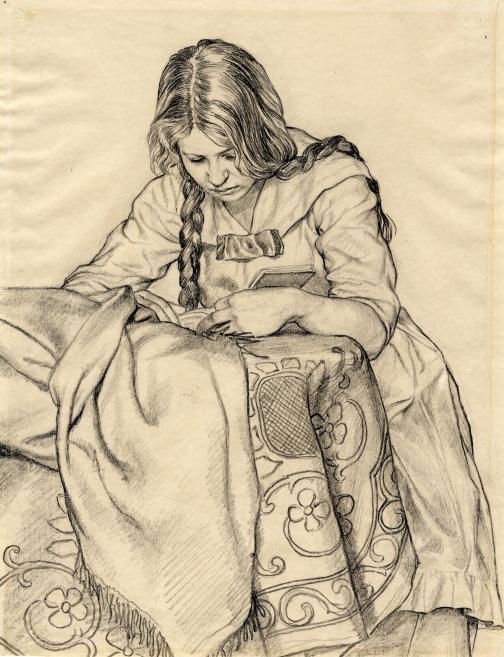
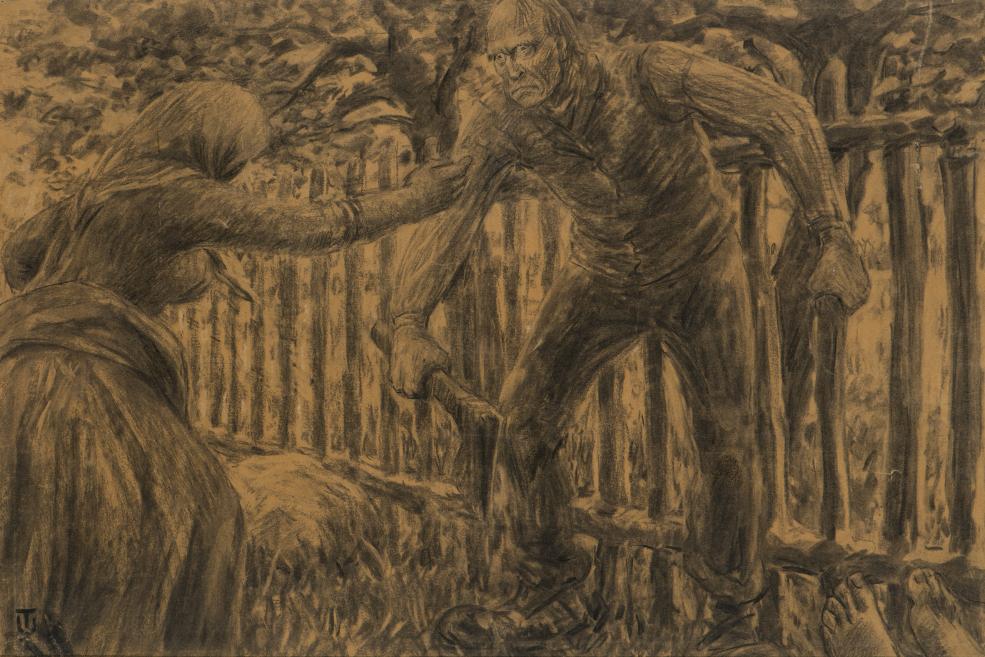
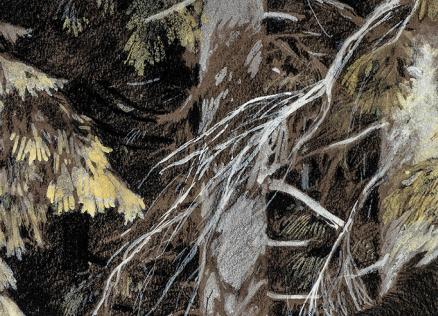
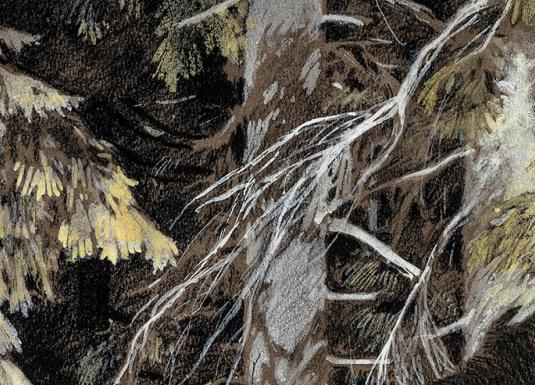
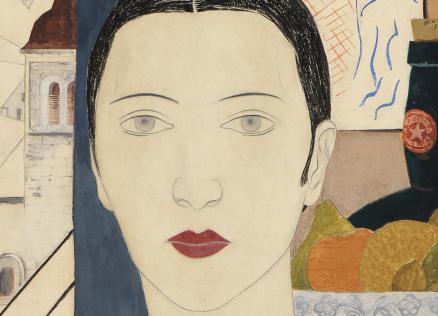
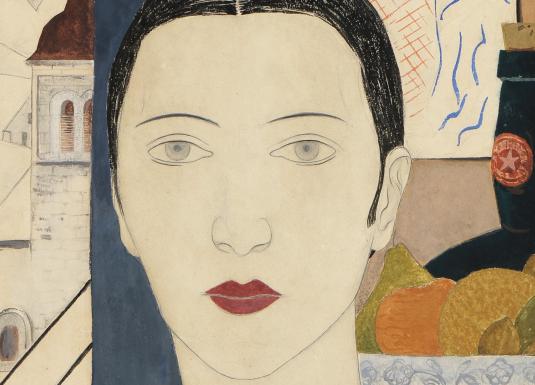
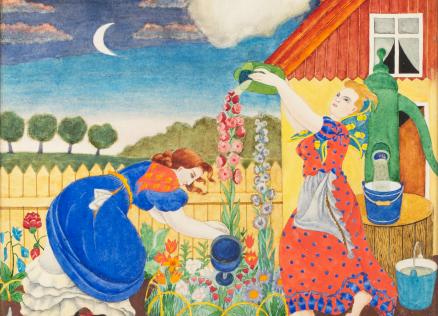
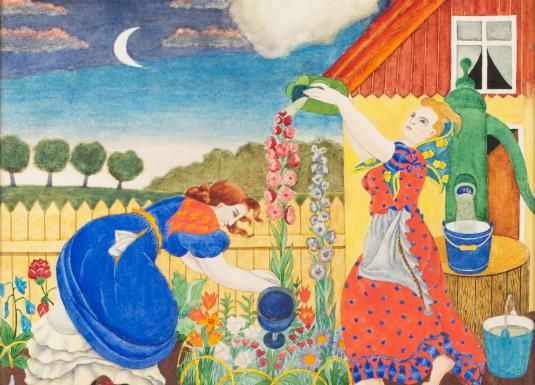
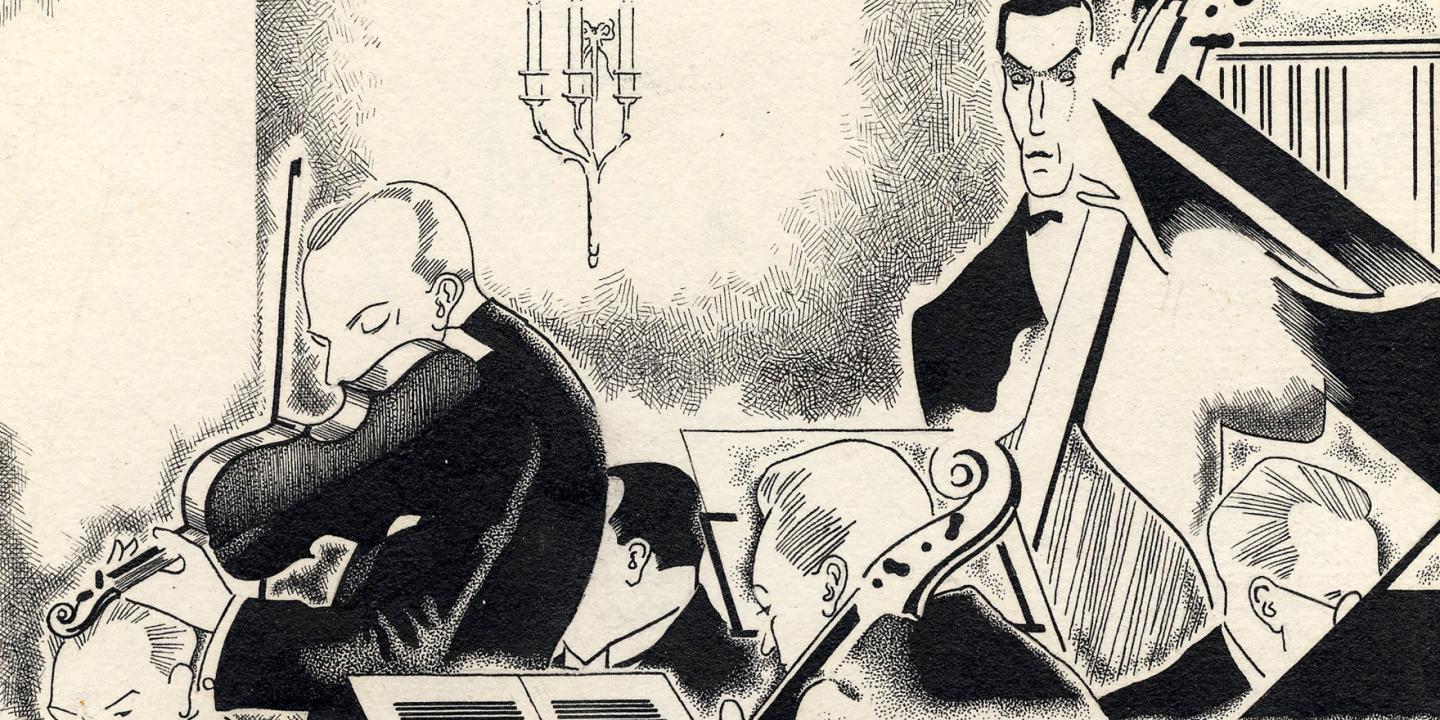
The graphic art collection contains primarily easel graphics, as well as posters, set and costume design sketches, book illustrations, and bookplates, complemented by artists’ sketchbooks and art albums. The collection is notable for a high proportion of works executed on paper in various original techniques. Drawings techniques (graphite, charcoal, Indian ink, sanguine, sepia) are the most widely represented, while compositions by Gustavs Klucis executed in the photomontage technique have garnered international acclaim. Among printmaking techniques, etching, woodcut, wood engraving, linocut, and lithography stand out with the largest numbers of works. The graphic art collection also includes works by female artists dating back to the mid-19th century.
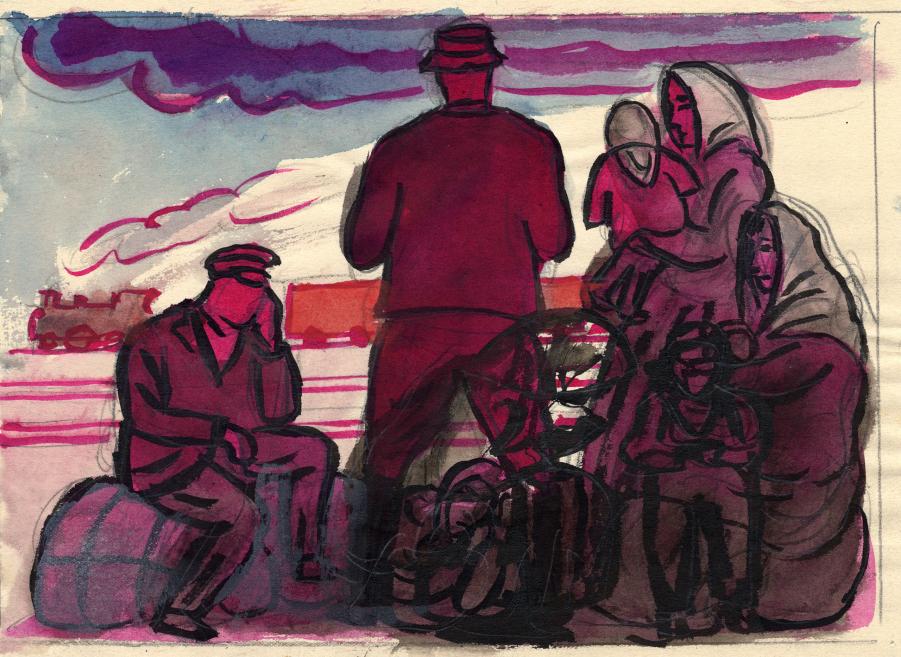
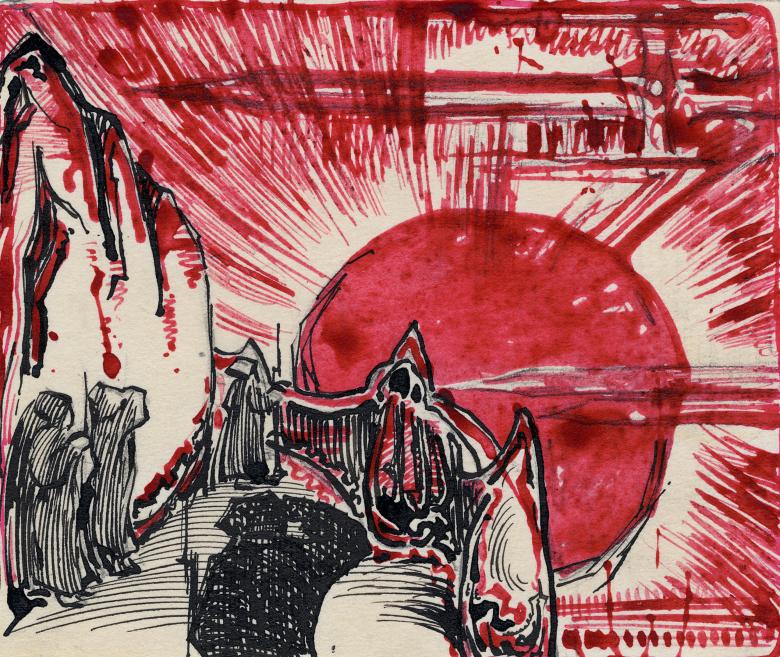
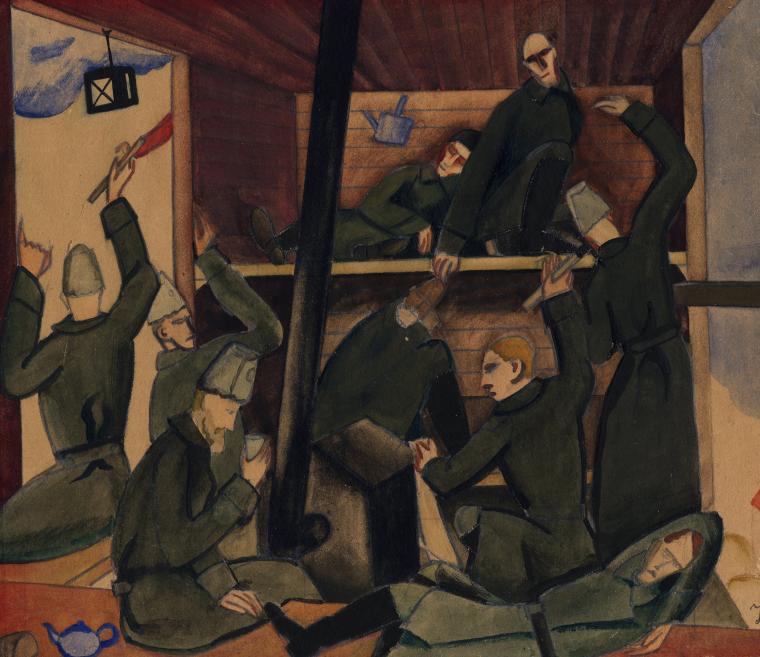
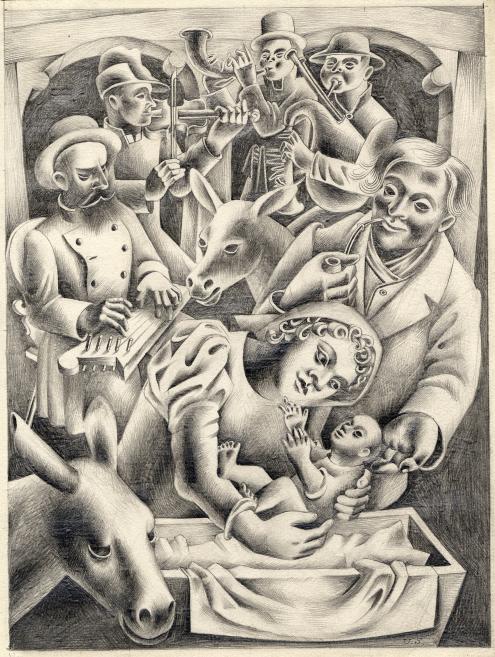
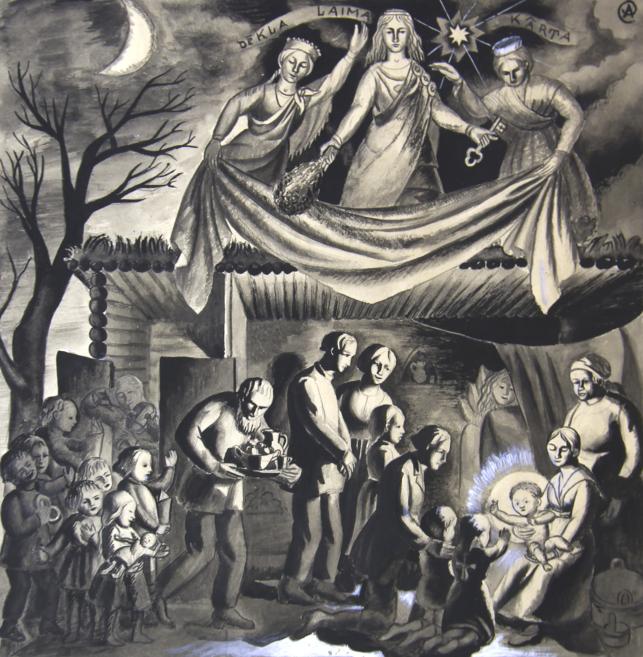
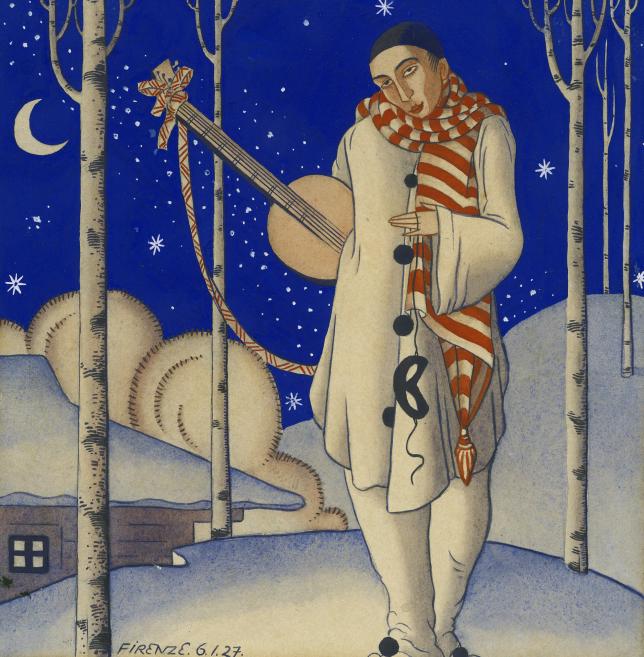
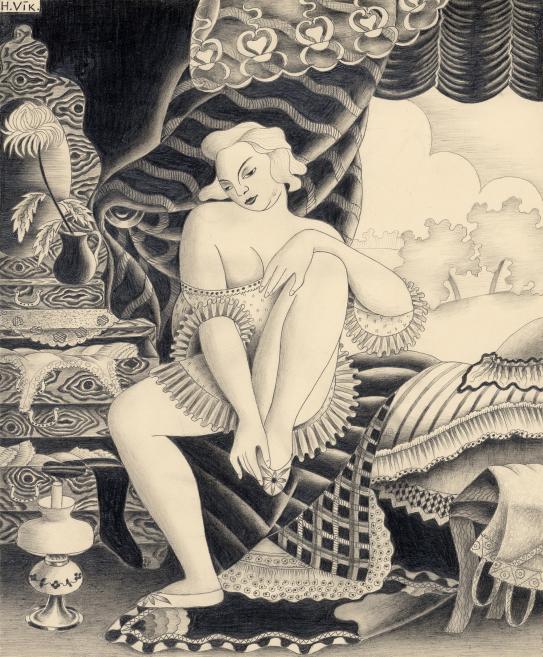
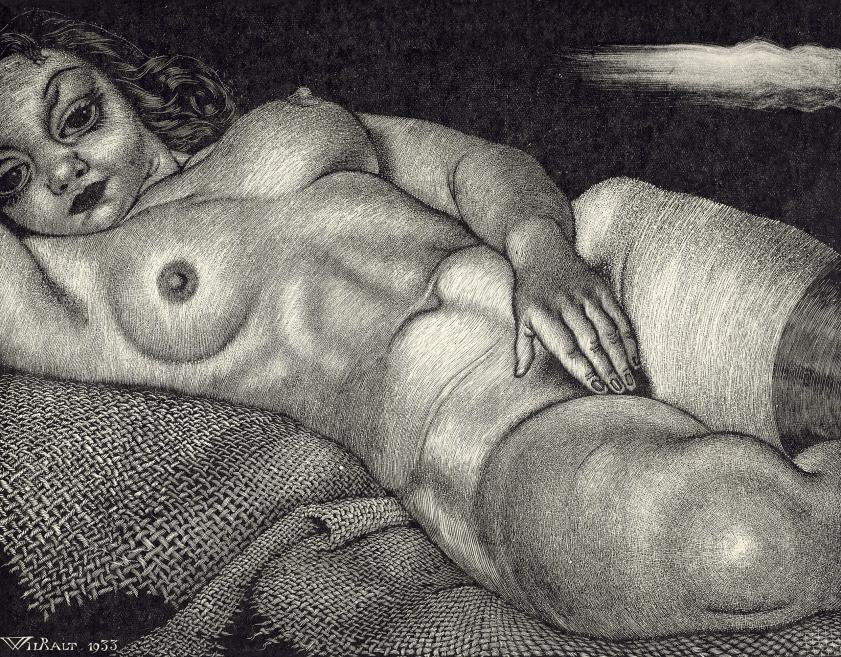
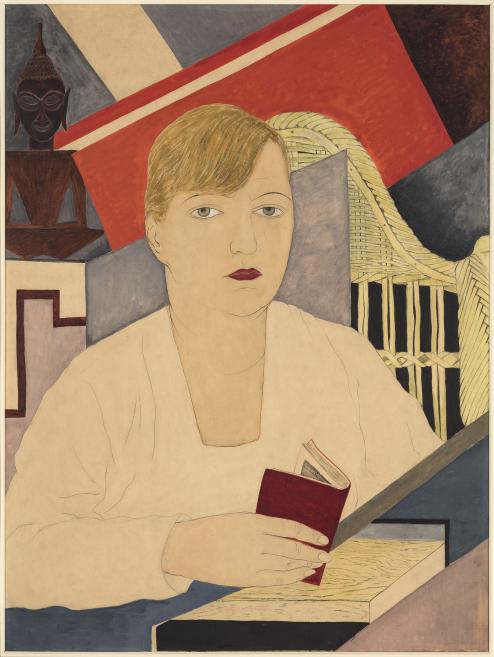
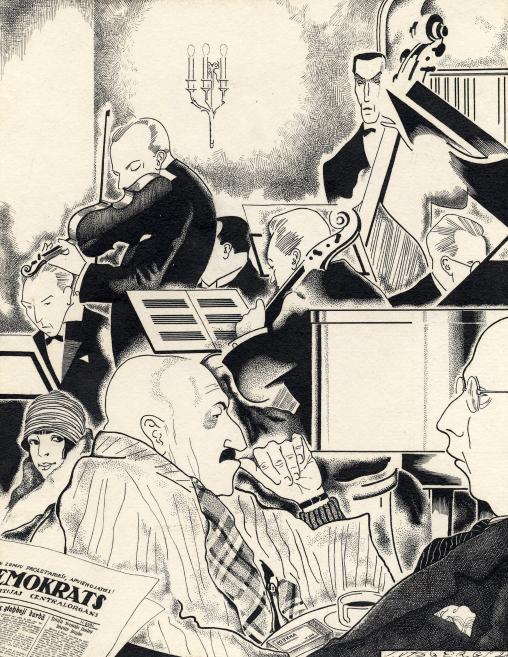
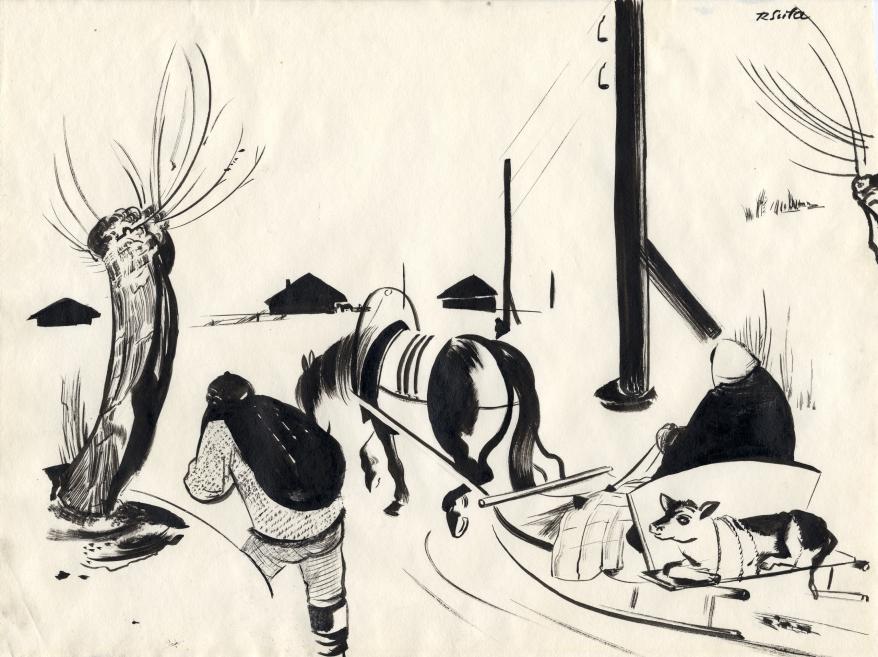
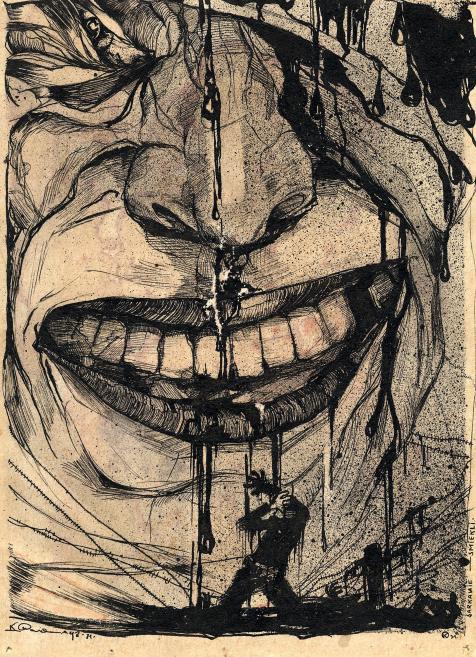
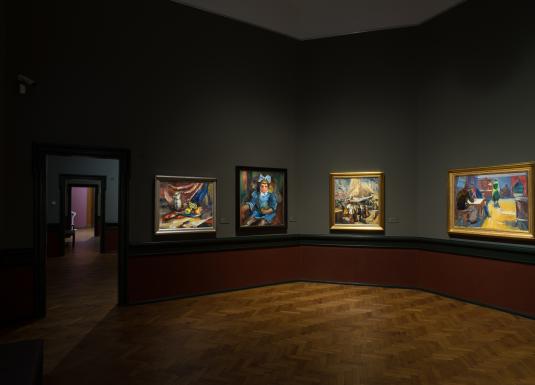
In the permanent display of the Latvian National Museum of Art, alongside National Romanticist and Symbolist graphic compositions, particular emphasis is placed on the substantial creative contribution of classical modernist artists (Jāzeps Grosvalds, Jēkabs Kazaks, Romans Suta, Niklāvs Strunke, Sigismunds Vidbergs, Kārlis Padegs, Hilda Vīka), highlighting formal experiments in drawing techniques.