Graphic Art Collection
The Latvian Graphic Art Collection from the second half of the 20th century to present is one of the largest and most diverse sub-collections, comprising nearly 12,000 works on paper, including drawings, watercolours, pastels and graphic sheet executed across various printmaking techniques.
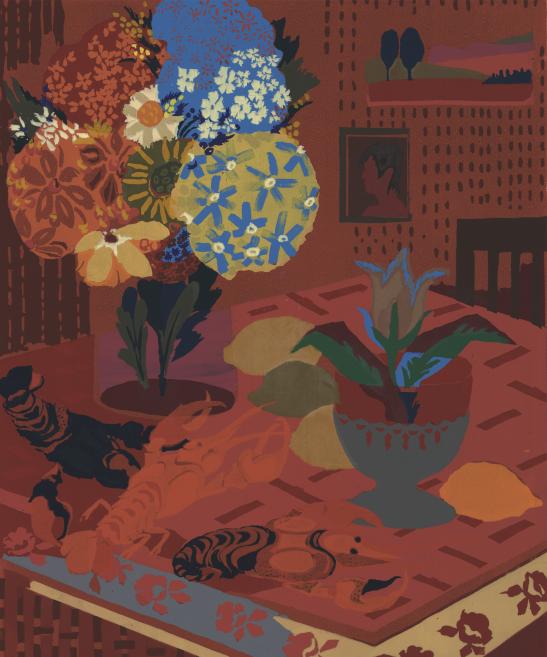
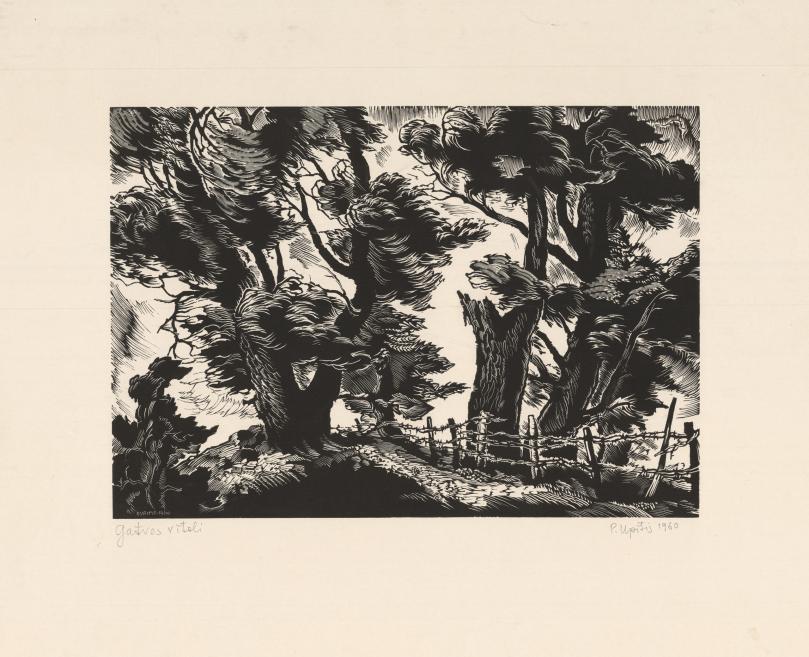
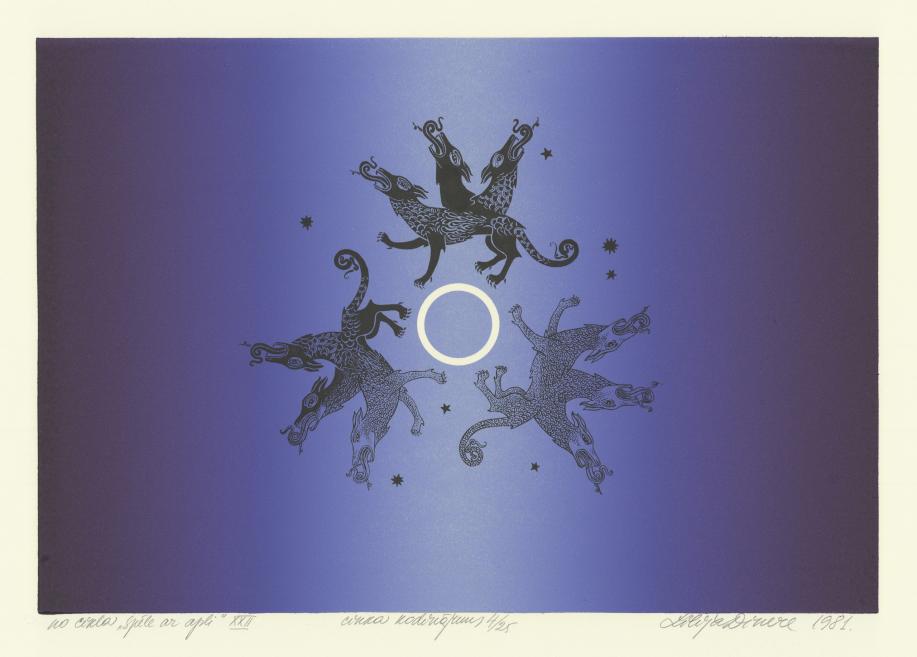
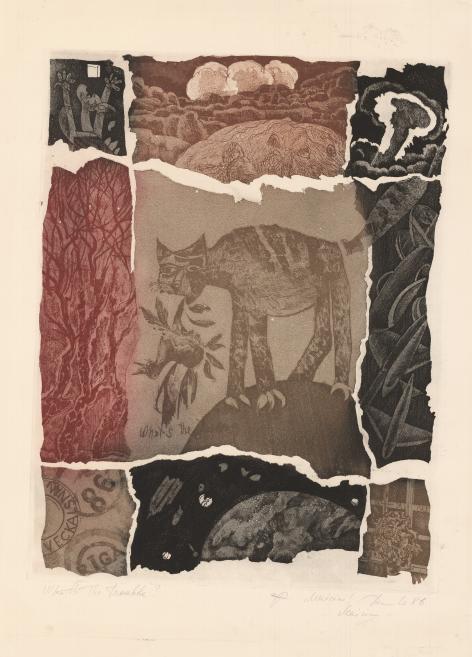
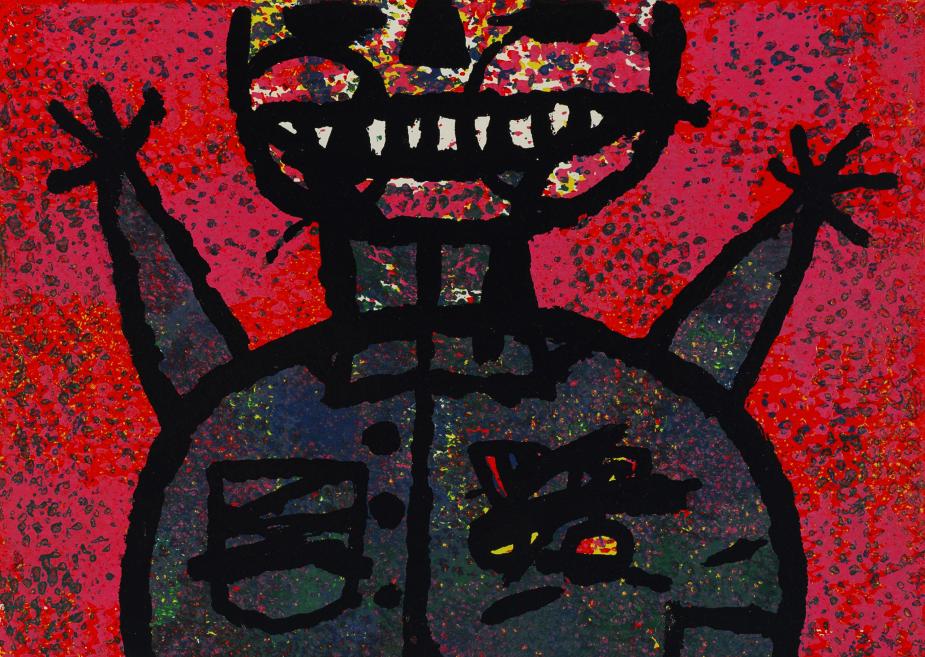
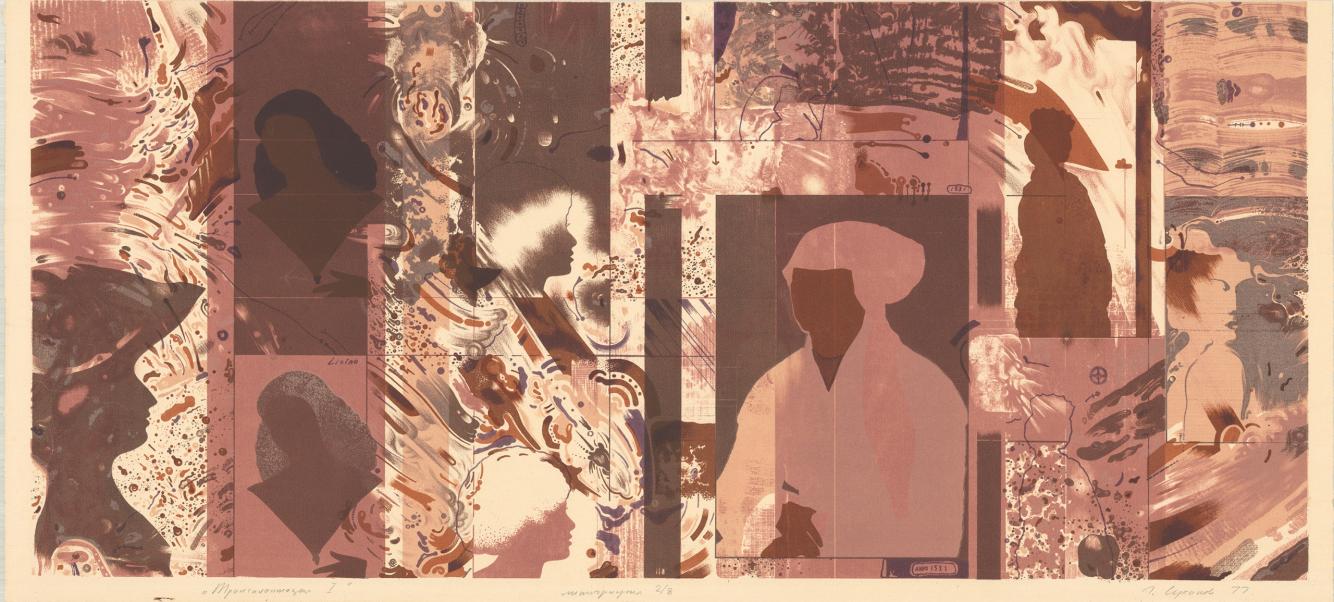
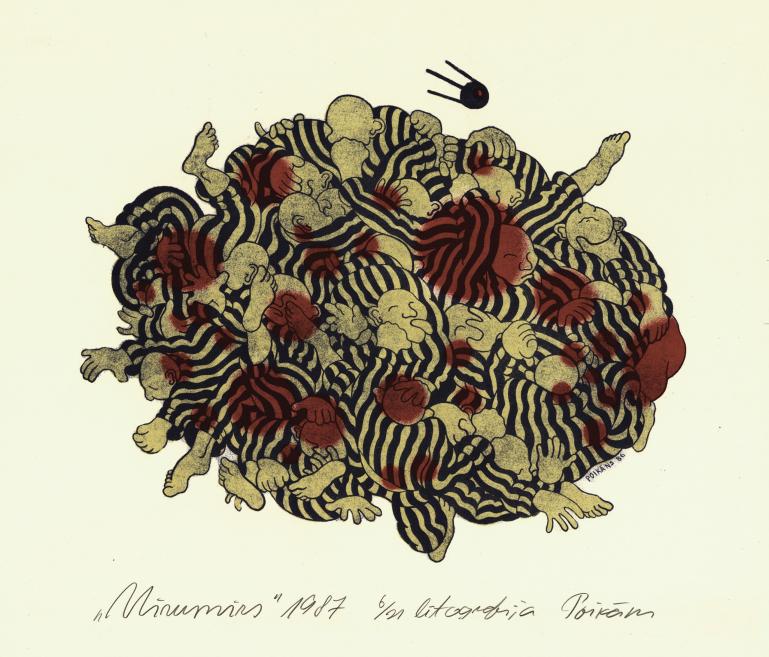
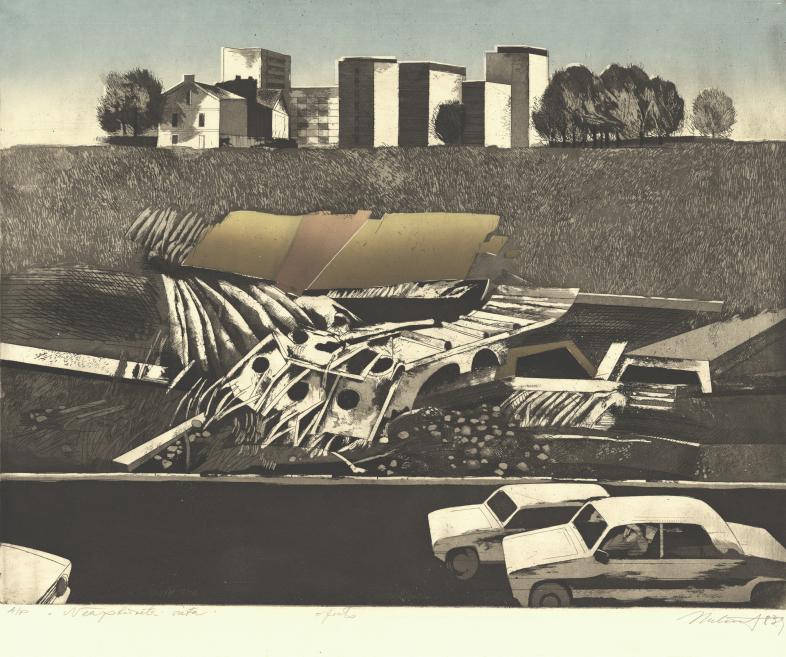
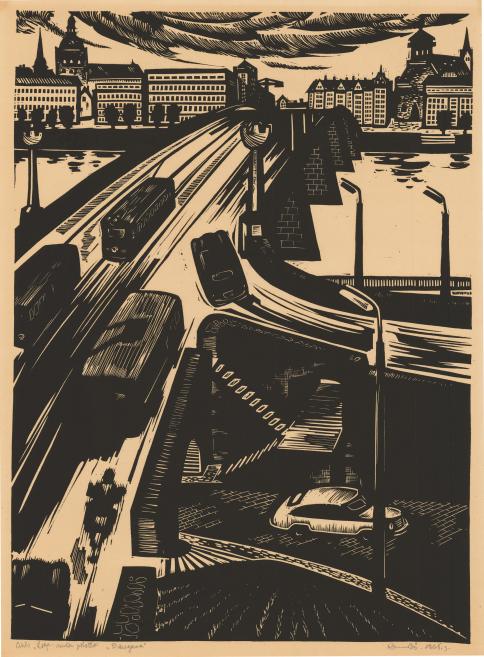
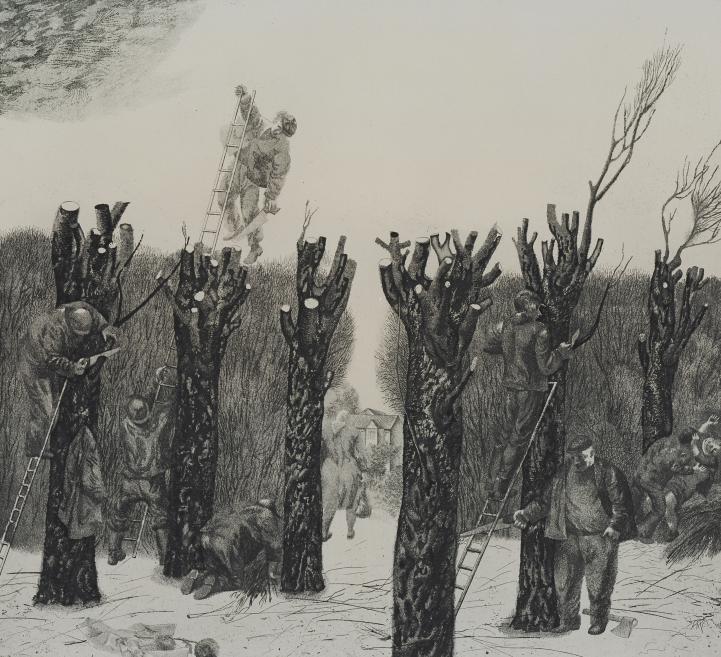
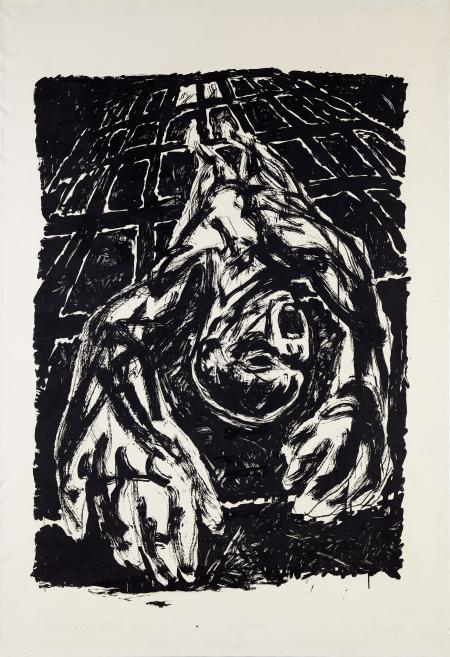
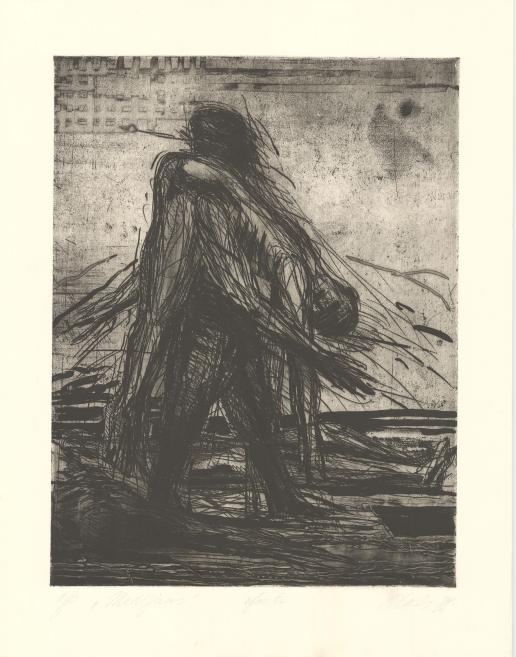
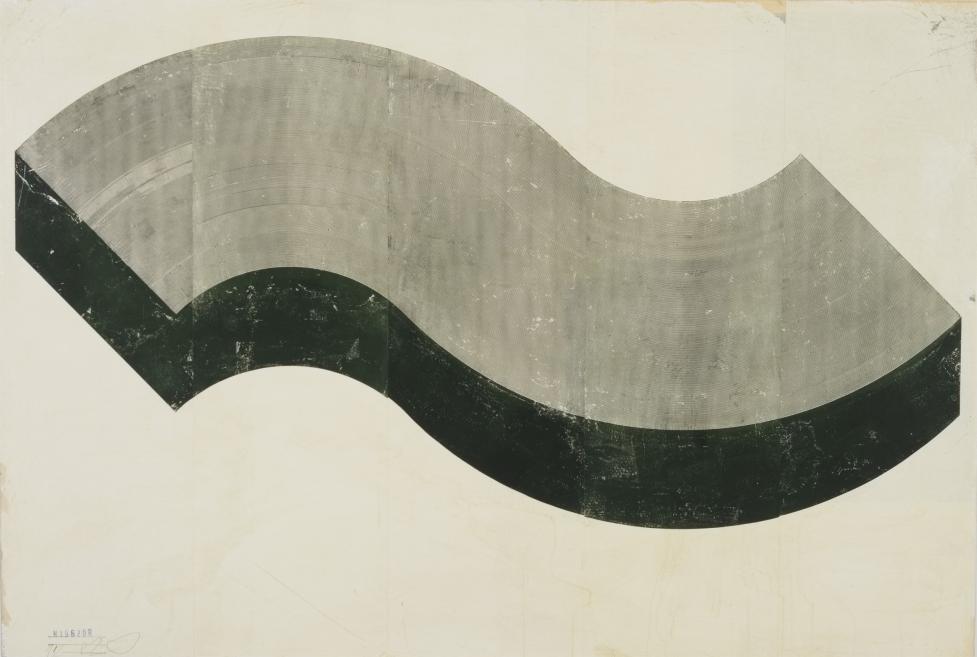
The repository reflects the multifaceted modes of expression, developmental trends and movements within this medium from the post-war period to the present day, encompassing artists active in Latvia as well as the output of exile and diaspora creators.
The collection is categorized by technique: printmaking (intaglio, relief and planographic printing) and original graphics (drawings, watercolours, pastels, posters, illustrations and bookplates).
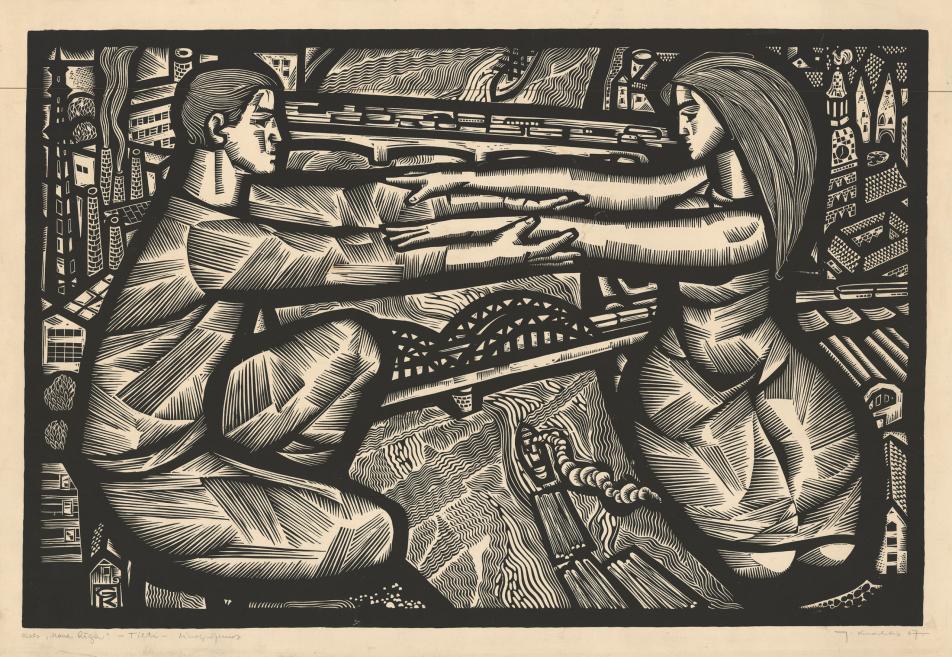
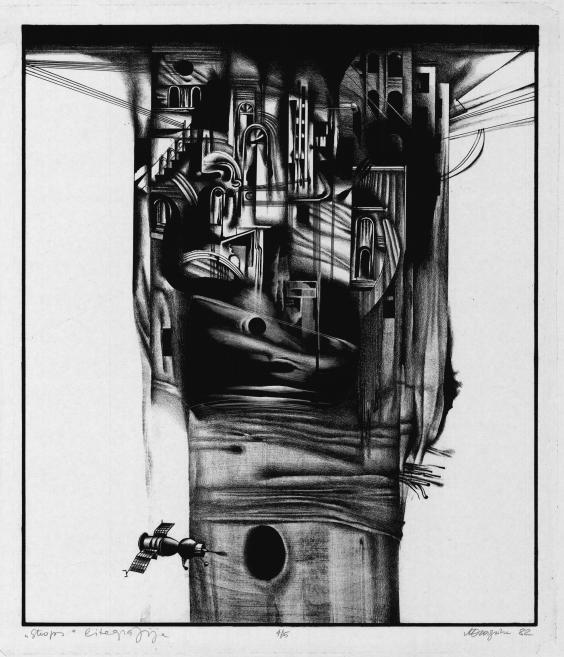
The richest portion of the collection provides insight into the development of graphic printmaking techniques from the 1960s through the 1980s, an era when the repository was systematically expanded with works by contemporary artists. The 1950s and 1960s were defined by a circle of graphic artists working in woodcut and wood engraving, including Jānis Plēpis, Oļģerds Ābelīte, Pēteris Upītis, Aleksandrs Junkers, among others. Reflecting the mood of the 1960s severe style, artists working in linocut came to the forefront, notably Gunārs Krollis, Dainis Rožkalns, Rihards Skrubis and Zigurds Zuze. The 1970s brought a deliberate refinement of etching techniques and an active turn toward lithography; during this period, printmakers began using colour as an essential expressive element. Outstanding figures from this era include Inārs Helmūts, Aleksandrs Dembo, Lolita Zikmane, Maija Dragūne, Semjons Šegelmans, Genādijs Suhanovs, Vladislavs Grišins, Baņuta Ancāne, Aija Ozoliņa, Lilija Dinere, Māris Ārgalis, Ilmārs Blumbergs and many others.
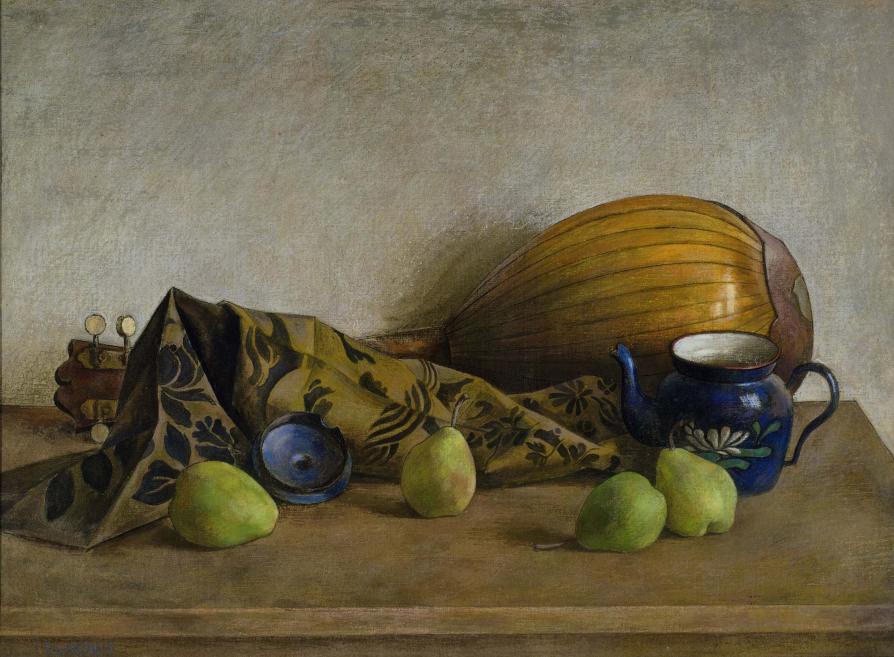
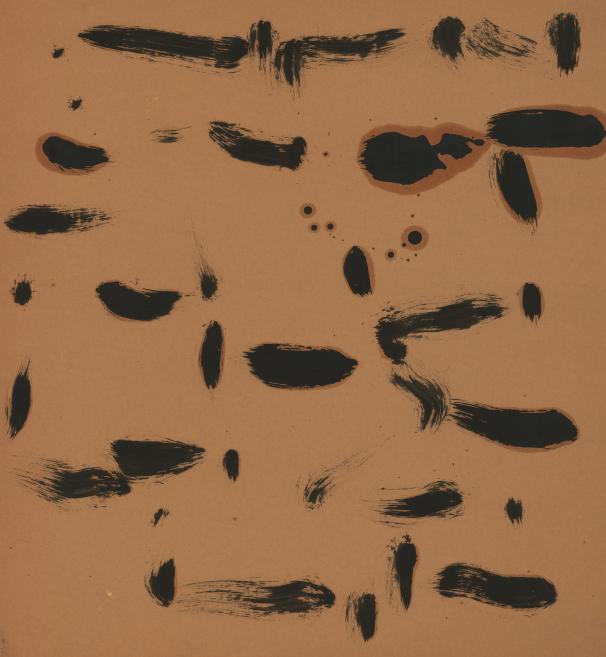
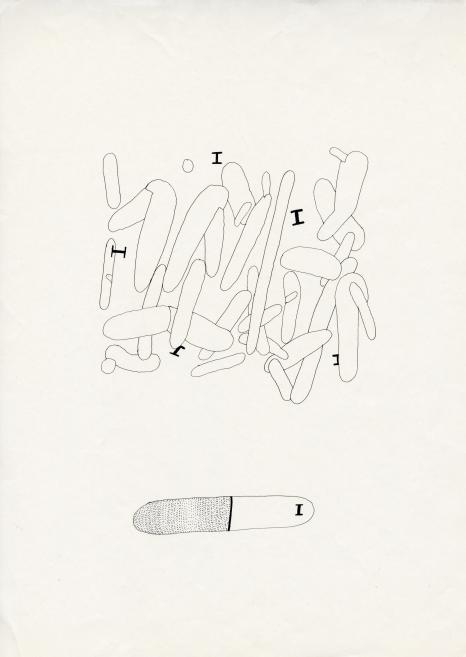
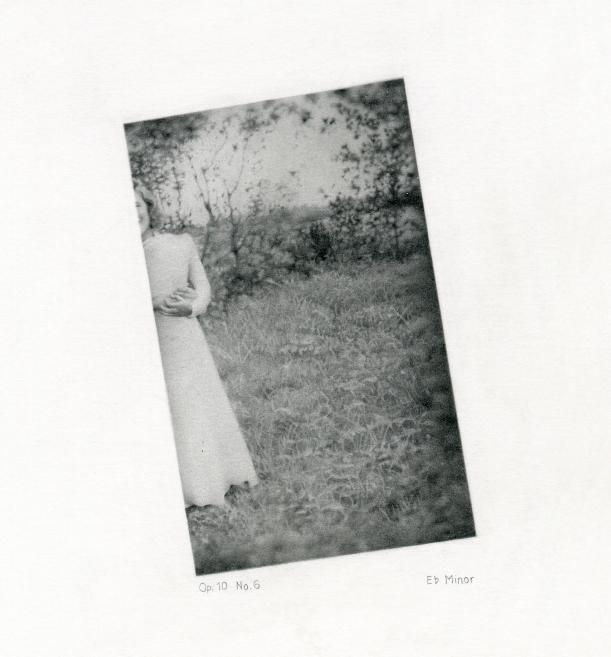
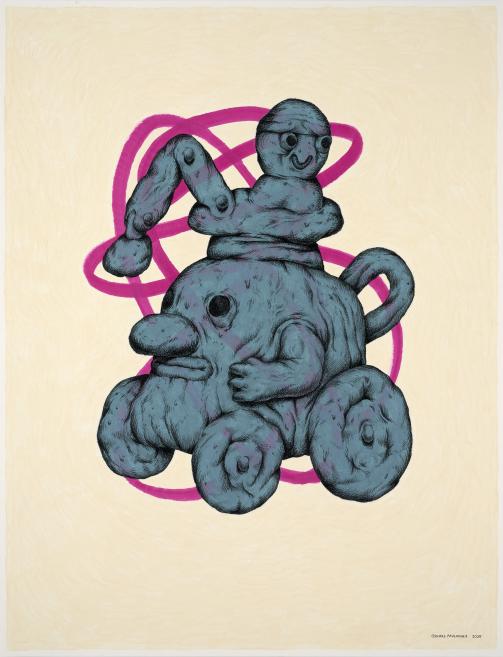
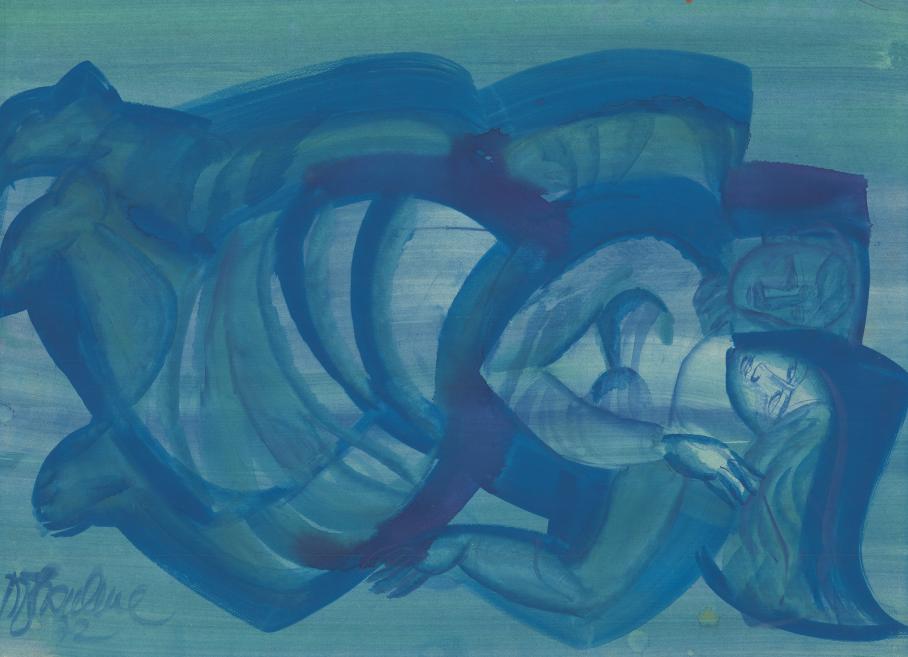
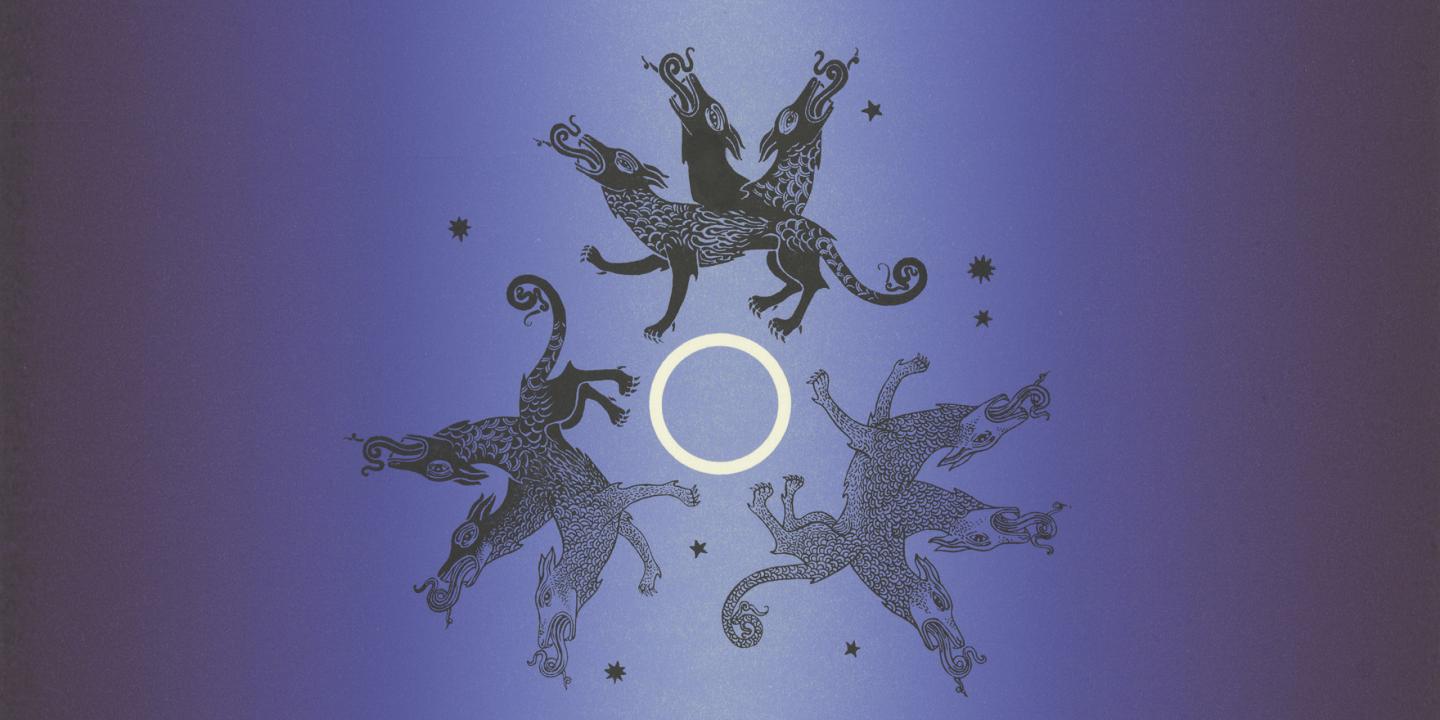
In the mid-1980s, the boundary-breaker generation emerged, eloquently demonstrated in graphic art through large-format screenprints or super-graphics, represented in the collection by the works of Ojārs Pētersons, Andris Breže, Juris Putrāms and Kristaps Ģelzis. The output of Andrejs Kalnačs, Ivars Poikāns and Māris Subačs also stands out during this period. At the close of the 1980s, graphic nuances were further cultivated by Juris Petraškevičs, Ilze Krūmiņa and Guntars Sietiņš. At the turn of the 21st century, the printmaking collection was enriched with striking works by Maija Kurševa, Paulis Liepa and Hanele Zane Putniņa. Additionally, the repository holds a small but significant collection of graphic works by internationally renowned artists of Latvian descent, including Vija Celmiņš and Imants Tillers.
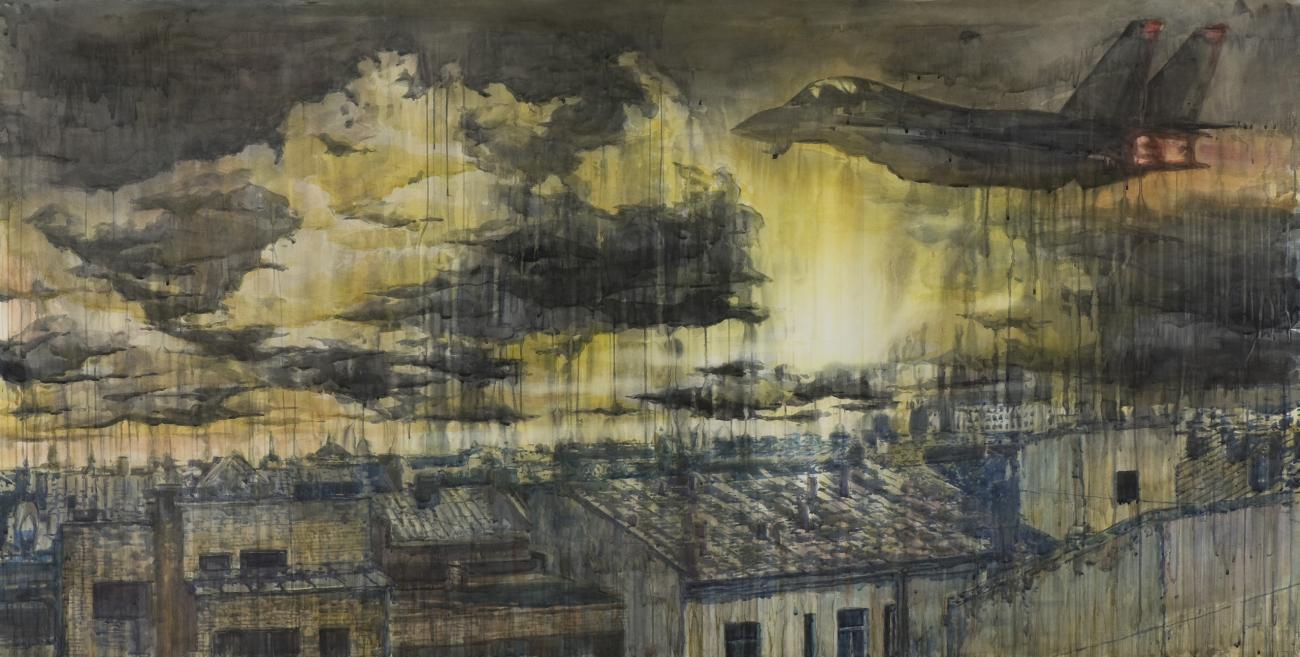
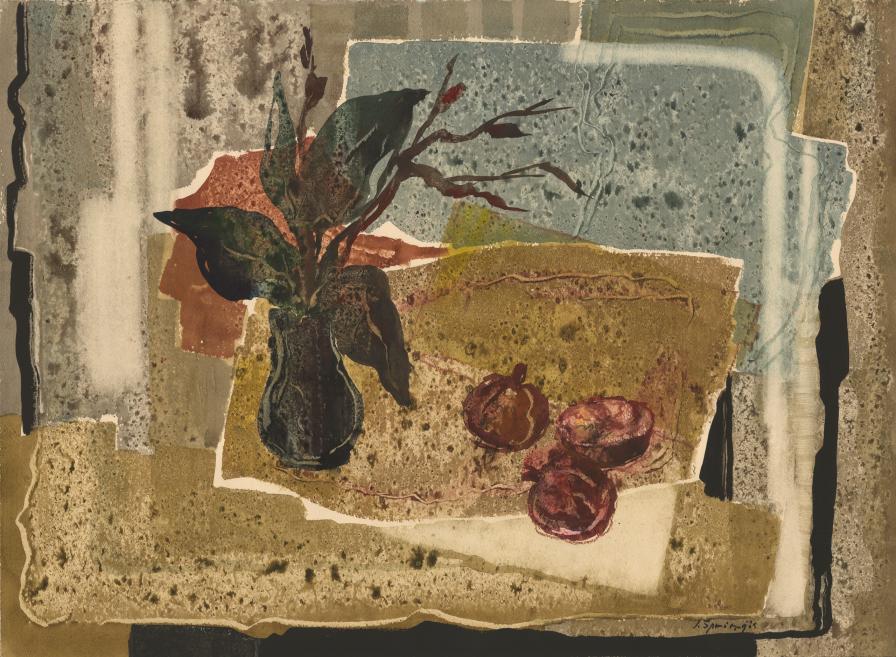
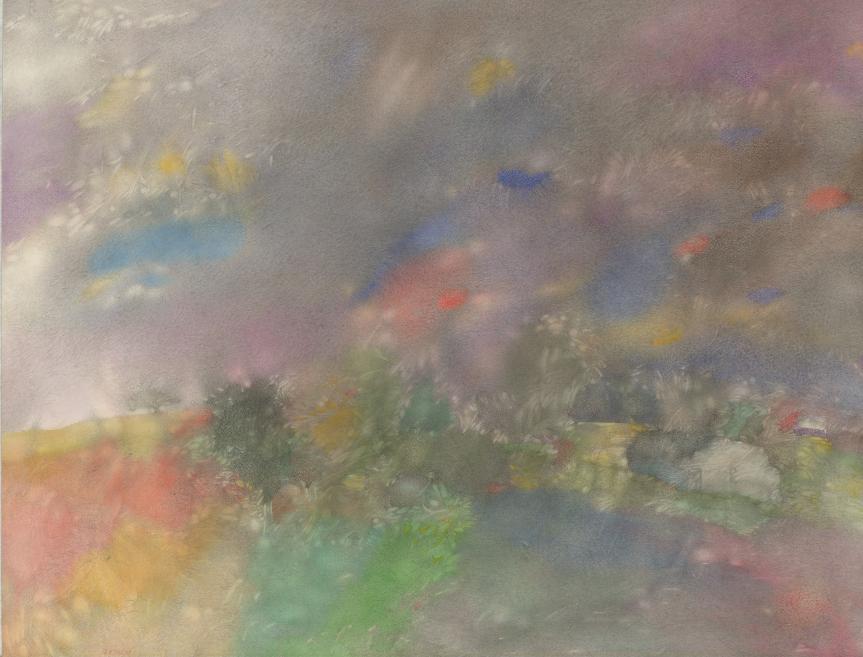
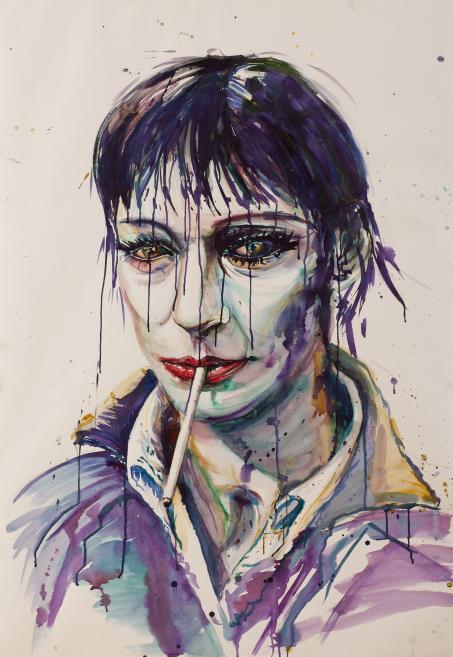
The watercolour collection offers a broad overview of the evolution of this technique from the second half of the 1950s to the present day. Its flourishing is evidenced by the works of Kurts Fridrihsons, Kārlis Sūniņš, Egons Cēsnieks and Jānis Brekte, while in the 1960s and 1970s, the watercolour tradition was carried forward by Romis Bēms, Jēkabs Spriņģis, Džemma Skulme and others. Later additions to the collection include works by Ieva Spalviņa, Jānis Spalviņš, Henrihs Vorkals, Inese Siliņa, Irina Vorkale and Romualds Geikins, alongside contemporary explorations in the medium by Kristaps Ģelzis, Ieva Jurjāne, Helēna Heinrihsone and Kristians Brekte.
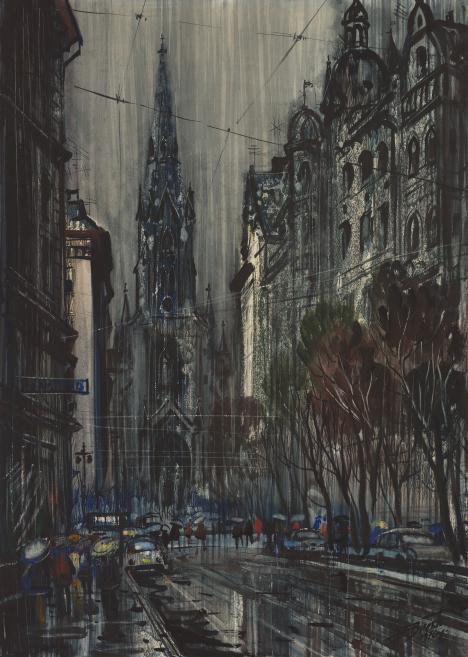
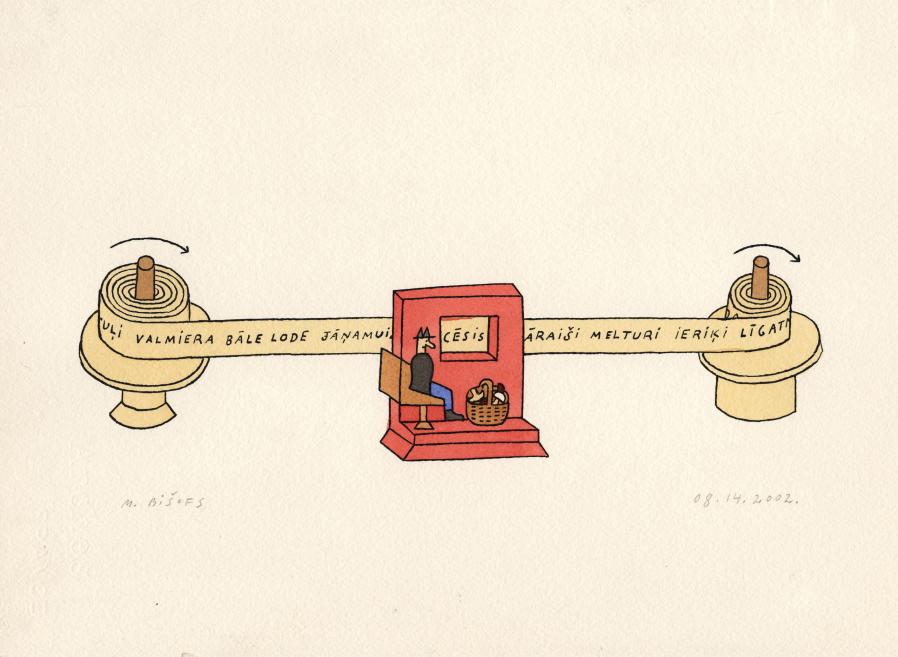
The drawing collection has developed heterogeneous characteristics, yet it strongly highlights several major artists of the second half of the 20th century, including Boriss Bērziņš, Māris Bišofs, Sigurds Vīdzirkste and Ilmārs Blumbergs. Following contemporary artists’ growing engagement with drawing, the collection has been augmented with works by Krista Vinberge-Auzniece, Luīze Rukšāne, Sabīne Vernere, Jānis Šneiders, Maija Kurševa, Oskars Pavlovskis and others.
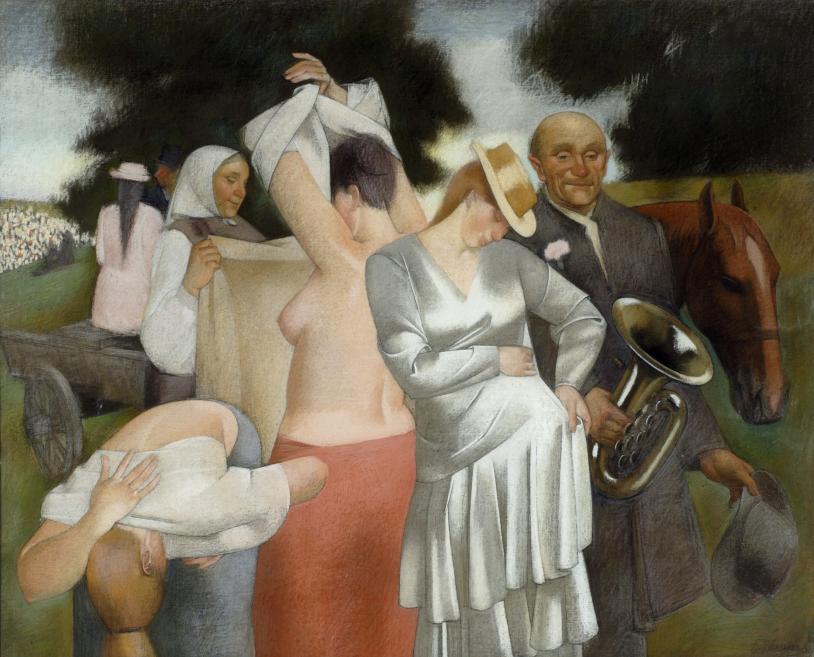
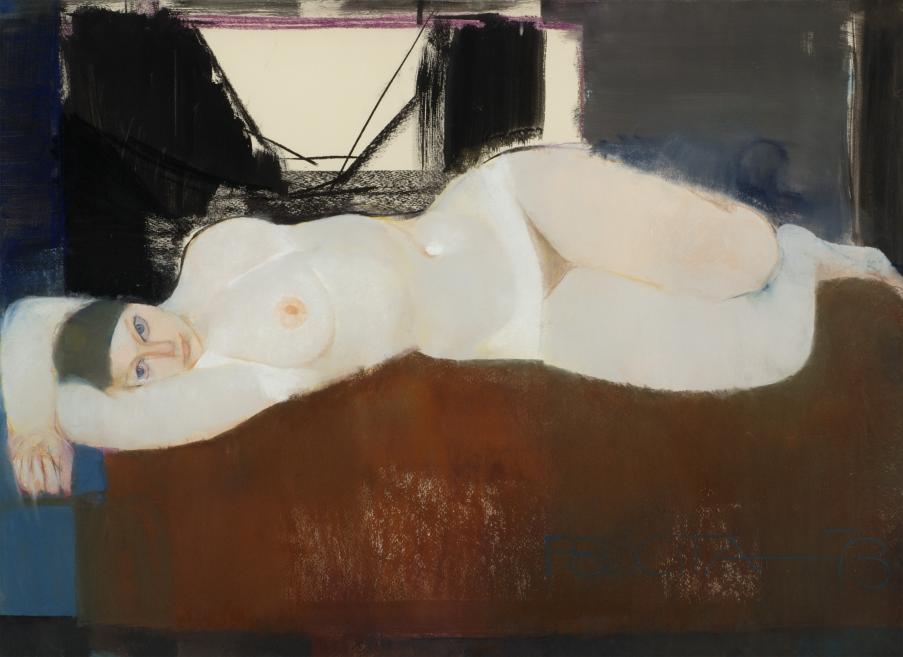
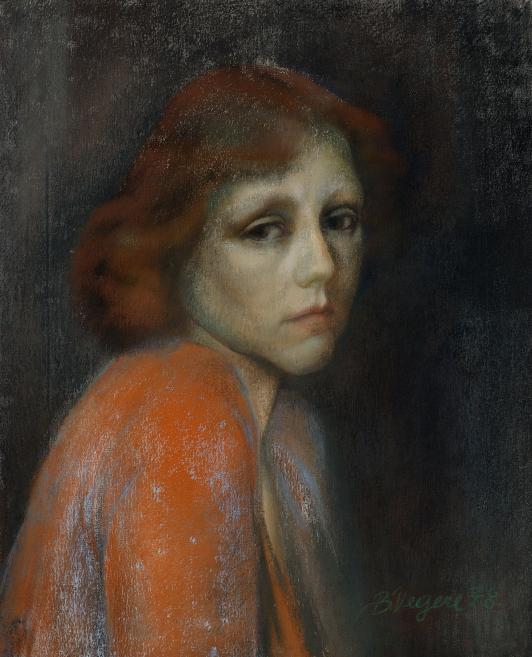
Small in number yet visually striking, the pastel collection features works by Felicita Pauļuka, Edvīns Kalnenieks, Indulis Landaua, Anita Kreituse, Baiba Vegere, among others.
Among the most significant acquisitions in recent years is the expansion of the illustration collection following an extended hiatus, as well as donations that have enriched the repository with works by Māris Bišofs and Vilnis Zābers.