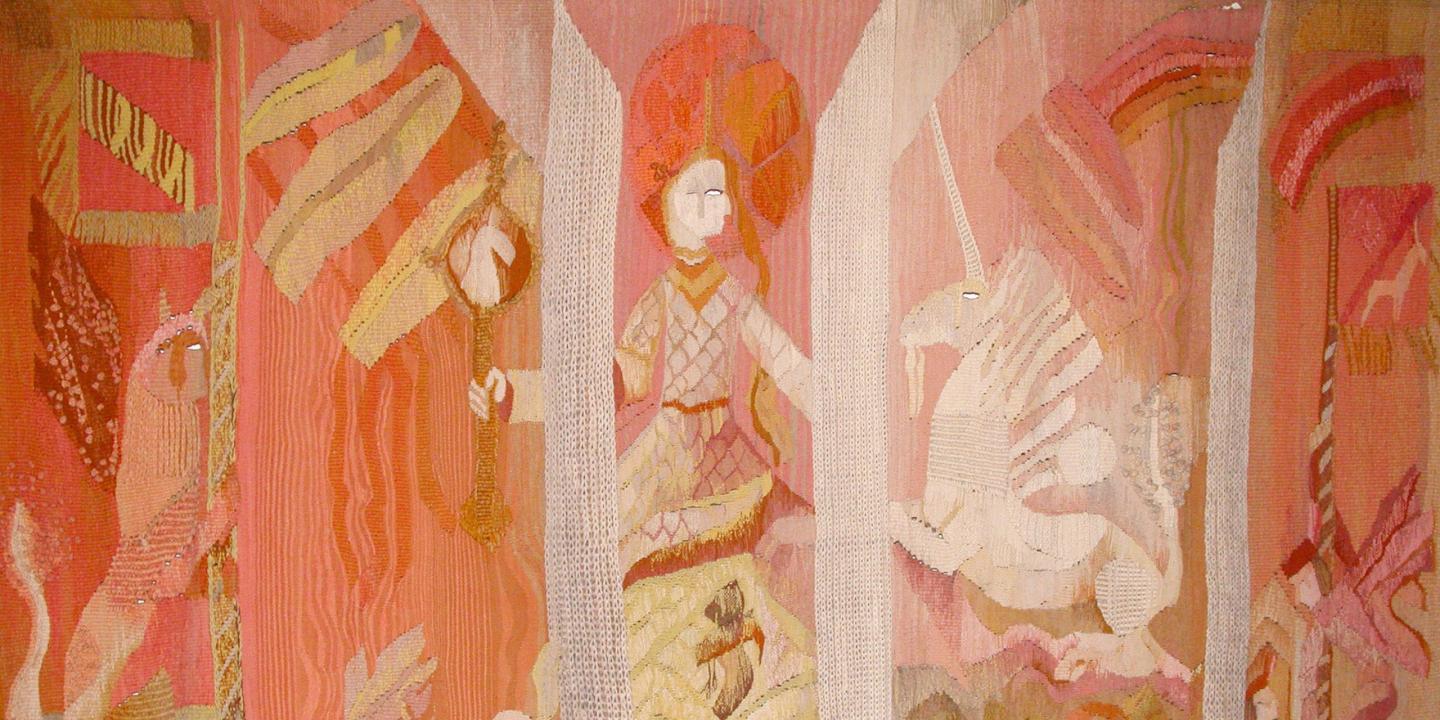
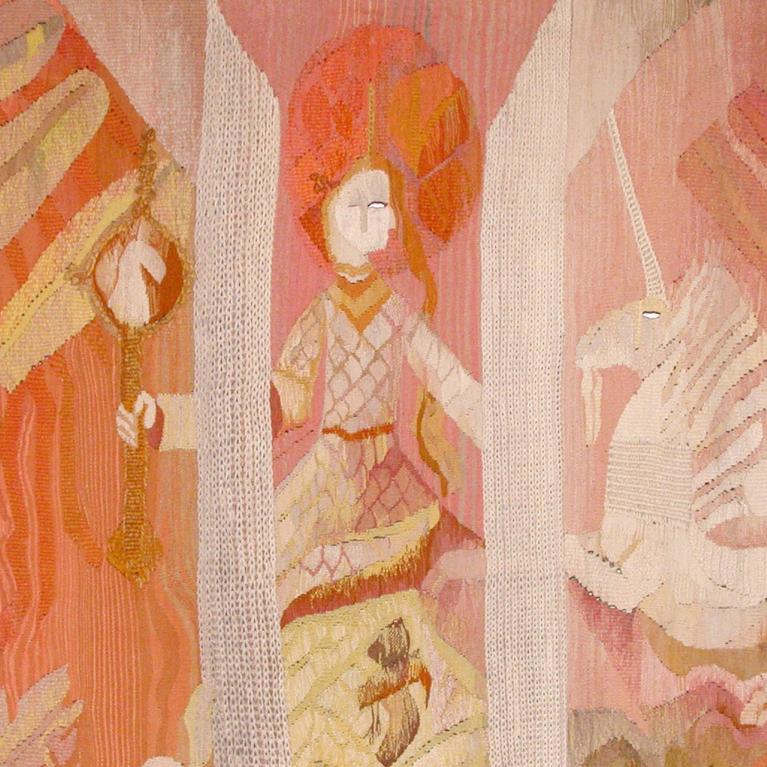
Shelter for the Unicorn
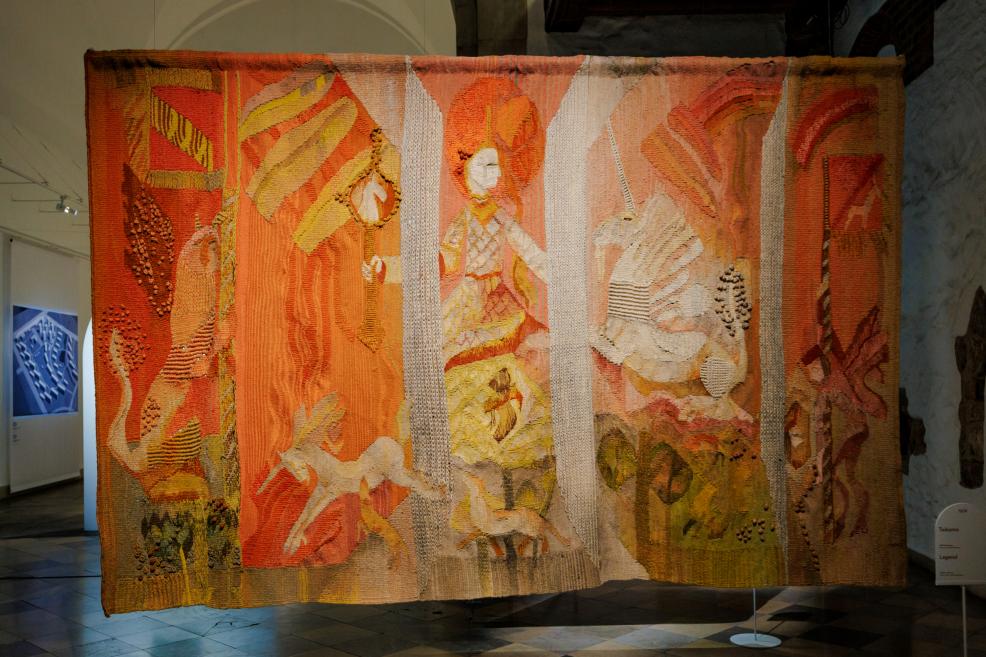
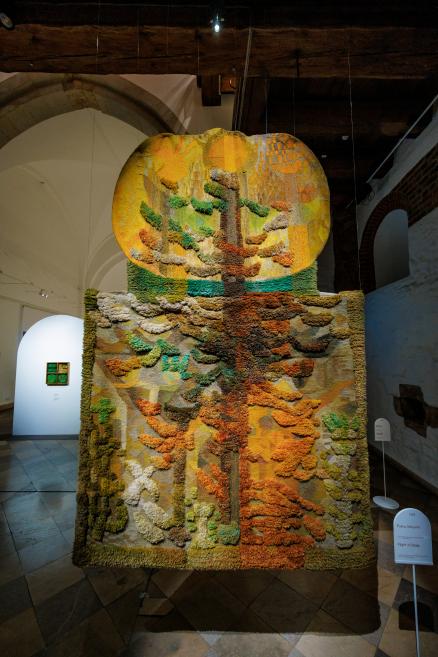
From 18 December 2025 to 15 February 2026, the Museum of Decorative Arts and Design in Riga (Skārņu iela 10) invites to visit an exhibition Shelter for the Unicorn dedicated to the centenary of the birth of prominent Latvian textile artist Georgs Barkāns.
Georgs Barkāns (1925–2010) was one of the most influential figures in Latvian textile arts during its major upswing in the second half of the 20th century. From the 1960s onward, textile arts in Latvia broke away from their status as applied arts and grew increasingly modern, figurative and experimental.
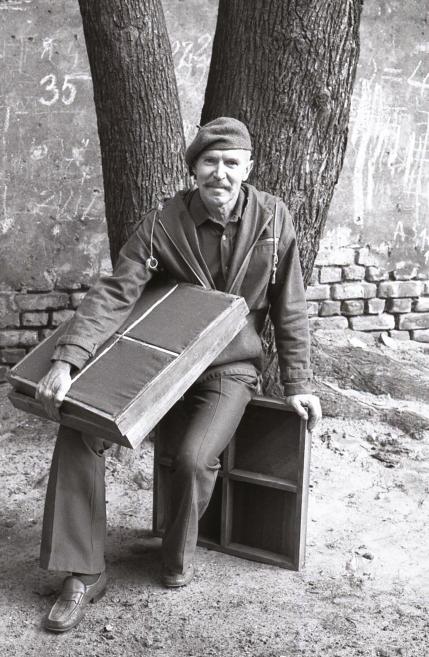
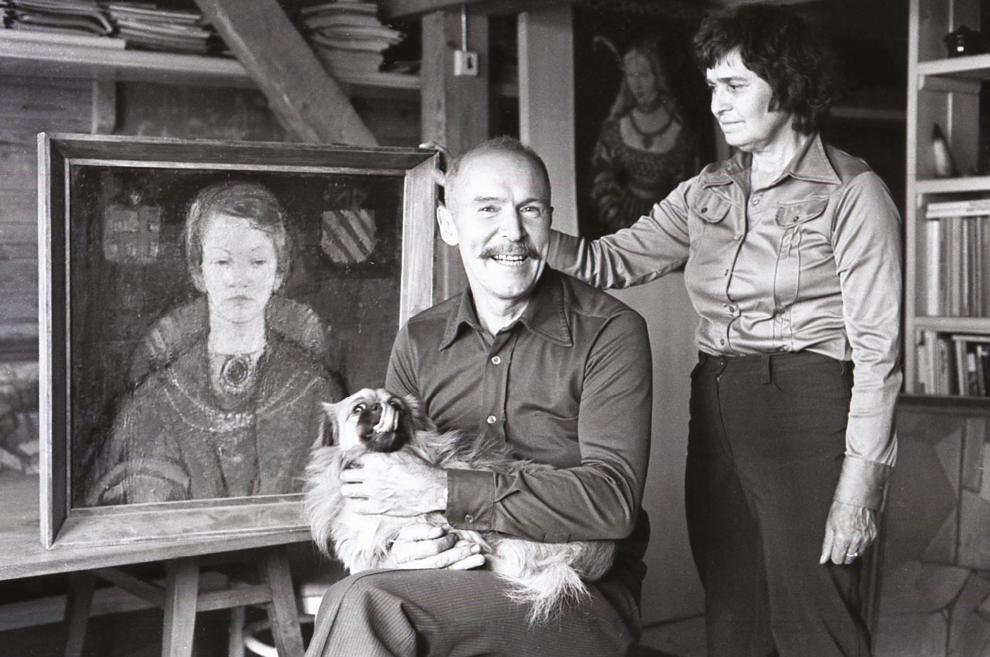
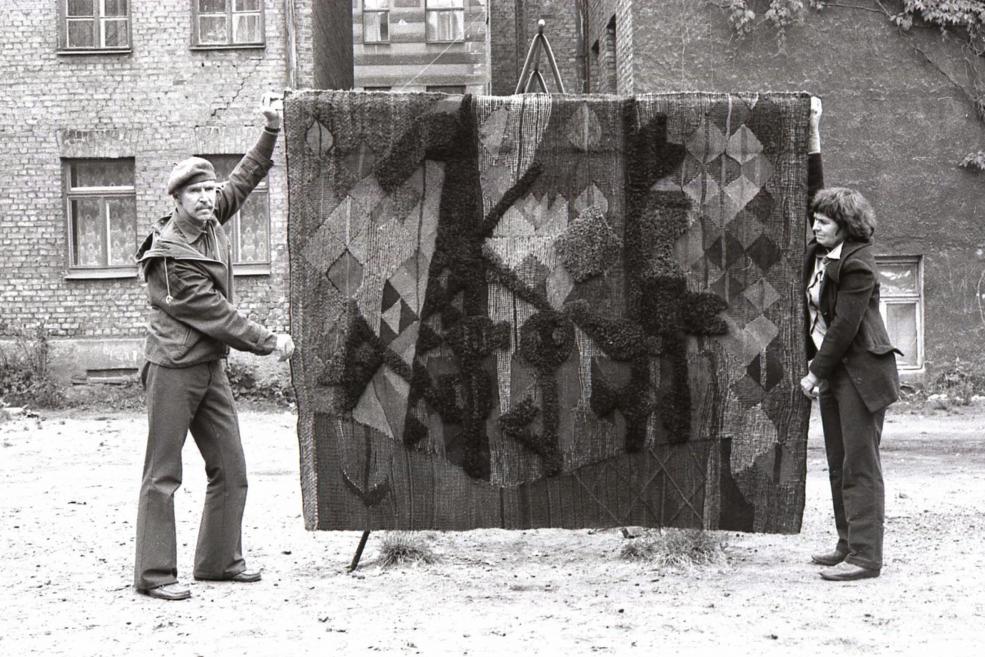
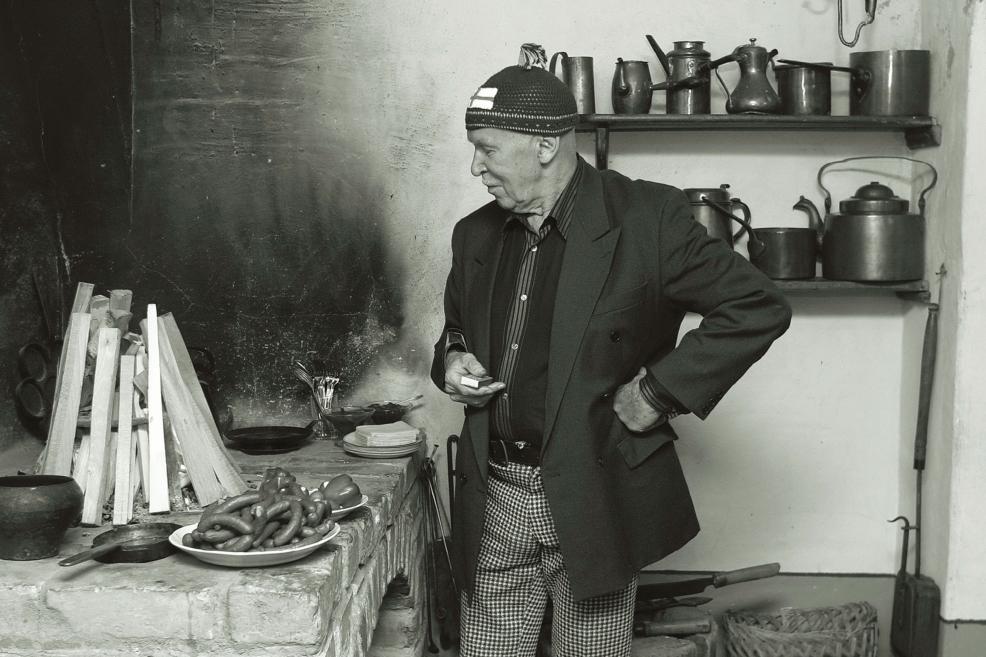
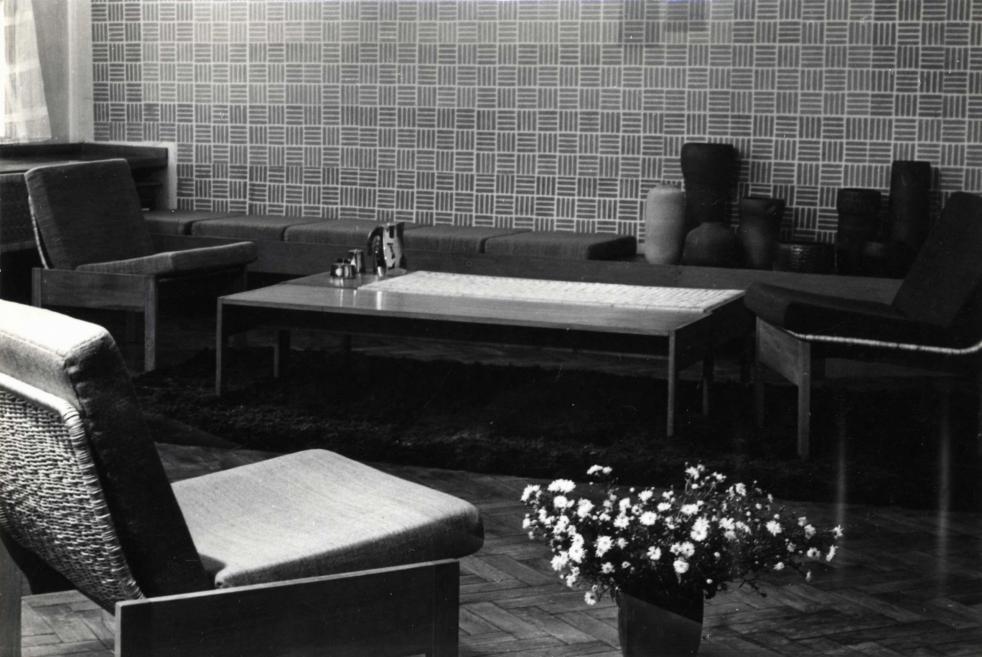
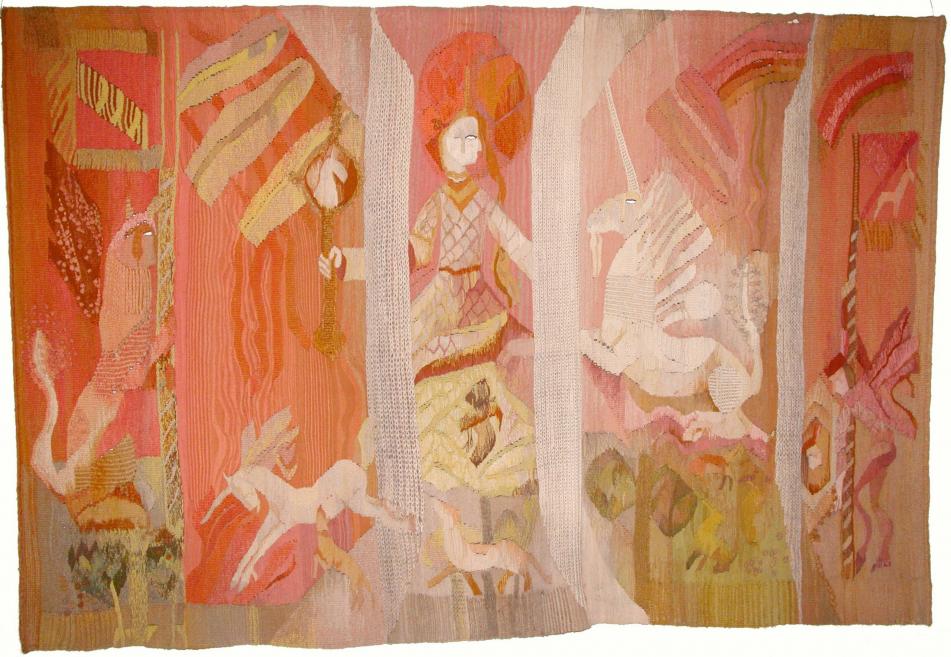
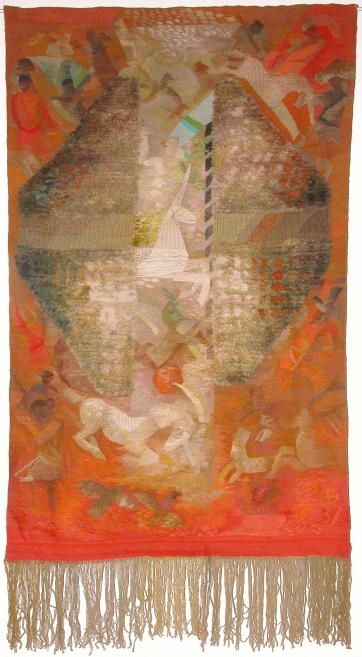
In both textile art and design pedagogy, Georgs Barkāns stood out as an innovator and an adventurous spirit. His vivid imagination and creative endeavors had to abide by the rules dictated by the occupying regime. Still, master managed to prevent it from showing directly in his works, neither expressing endorsement nor protest. His creative strategy was a lifelong mission to provide cultural education by highlighting the legacy of past generations and solidifying the standing of Latvian art within the European cultural landscape. His unicorn-themed tapestries can still be seen today as a deliberate artistic stance against the homogeneity of the surrounding world. Dzidra Ozoliņa (1922–2014), Georgs Barkāns’ spouse, played a major role in creating artist’s works.
Georgs Barkāns arrived at textile art by an unusual route. Brought up in a family of a Latvian Army officer and a librarian, he studied in the Department of Construction at Riga State Technical School. In 1944, he was briefly conscripted for labour service. After the war, Barkāns enrolled in the Architecture Department at the University of Latvia (1945–1951). At the same time, together with several course mates, Georgs studied painting at the Art Academy of Latvia (1946–1949) but ultimately remained in architecture. At the architectural design workshop run by Professor Ernests Štālbergs, he met Dzidra Ozoliņa. Georgs Barkāns interned at several design institutions, demonstrating his creativity in more than 20 architectural competitions as part of teams that included Jānis Ginters, Teodors Nigulis, Boriss Ozols, and Dzidra Ozoliņa.
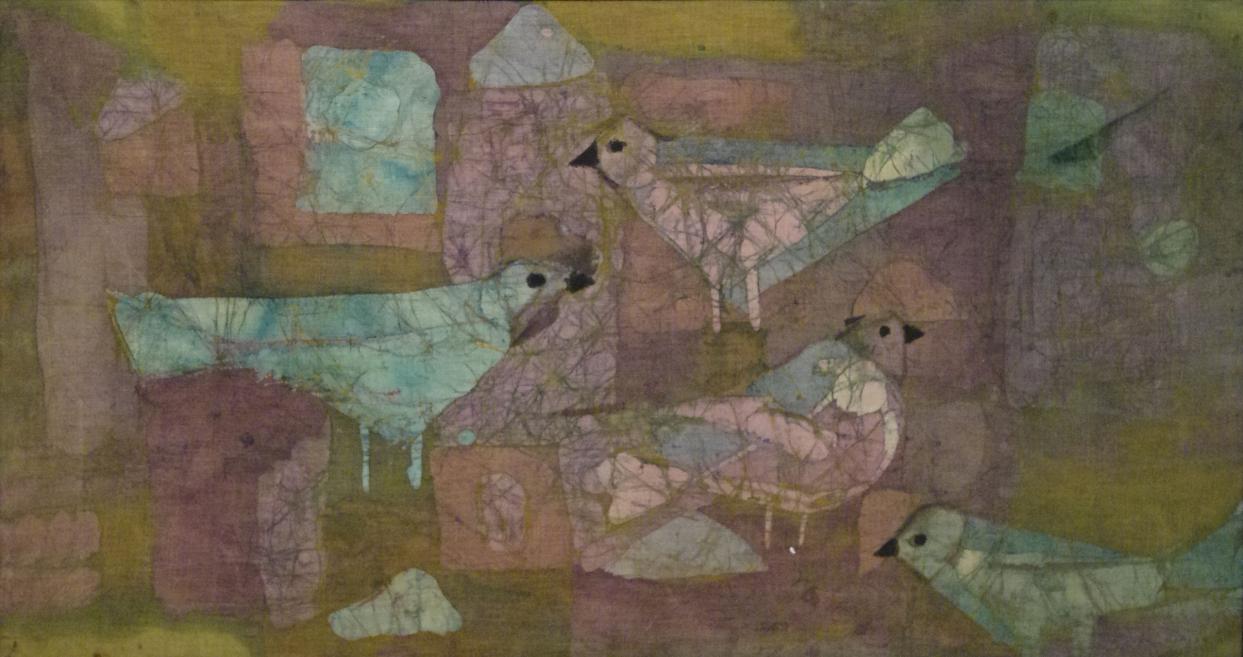
The renowned Latvian architect Marta Staņa, former assistant to Štālbergs and supervisor of Barkāns’ thesis, invited Georgs in 1958 to teach at the Riga Secondary School of Applied Arts (RSSAA) – initially in furniture design and later in composition. When Imants Žūriņš, Barkāns’ classmate from the Art Academy, became Director of RSSAA in 1959, the school rapidly shifted its focus – from teaching traditional trade to modern design studies inspired by Bauhaus, Scandinavian and folk art. Staņa and Barkāns were Žūriņš’s main allies in creating the new teaching methodology. It was at the school, under the guidance of master Emma Skujiņa, that Barkāns and Ozoliņa learned weaving skills. In the evenings, after the students of the weaving class had gone home, the two took their turn at the looms.
Georgs Barkāns developed Proto-Renaissance and Cubism inspired composition principles and cultivated a colour palette that was both saturated and nuanced. The works were rich in historical references, drawing on Latvian ethnography, the architecture of Riga, the heritage of world cultures, and often ventured into the realm of mythology. The image of the unicorn held a particular fascination for him – Barkāns reimagined European textile art classics, including a 14th–15th century tapestry series by an unknown author, which he had the opportunity to study at the Cluny, National Museum of the Middle Ages in Paris.
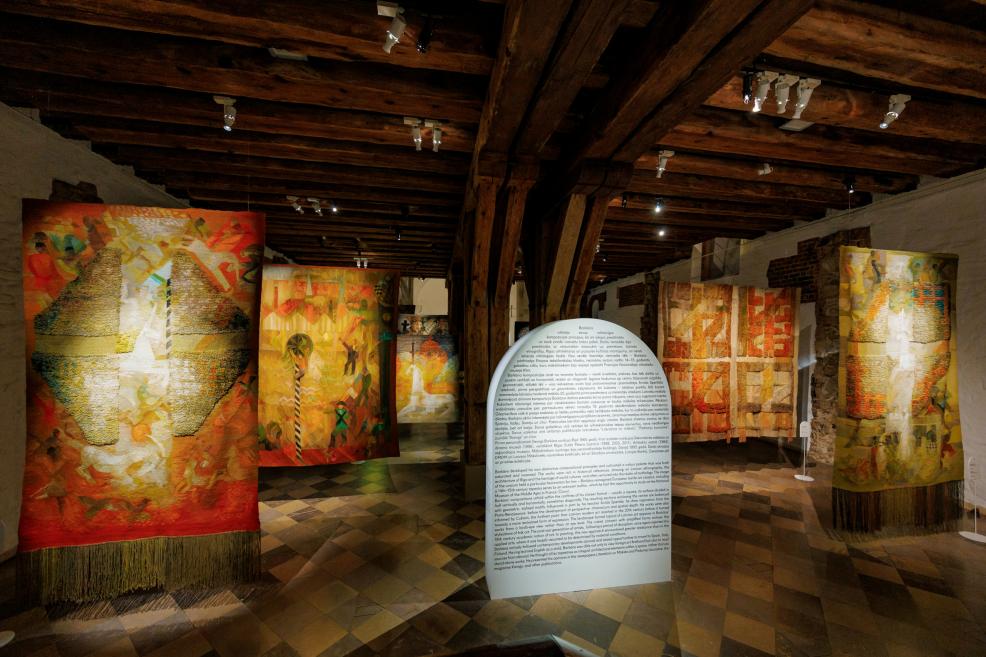
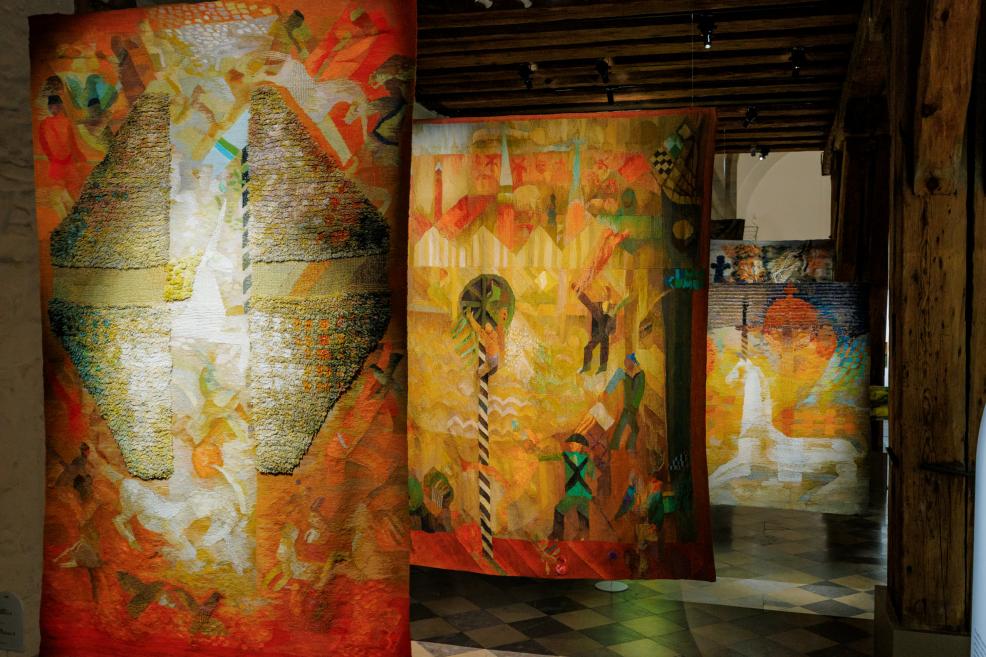
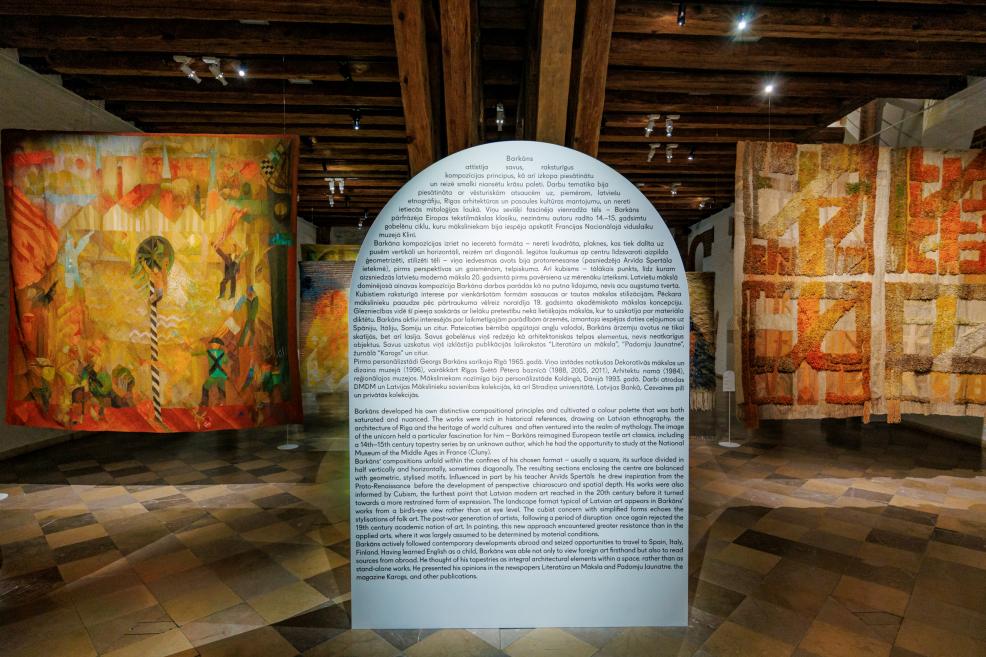
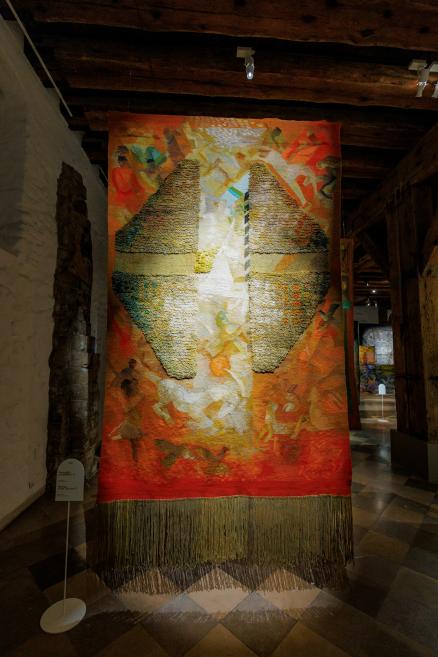
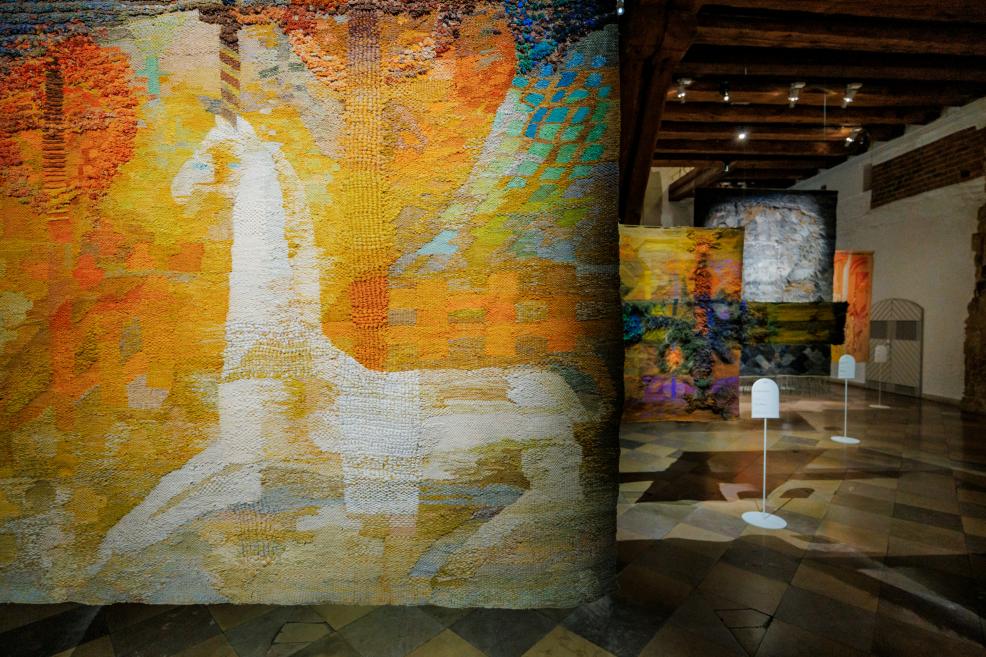
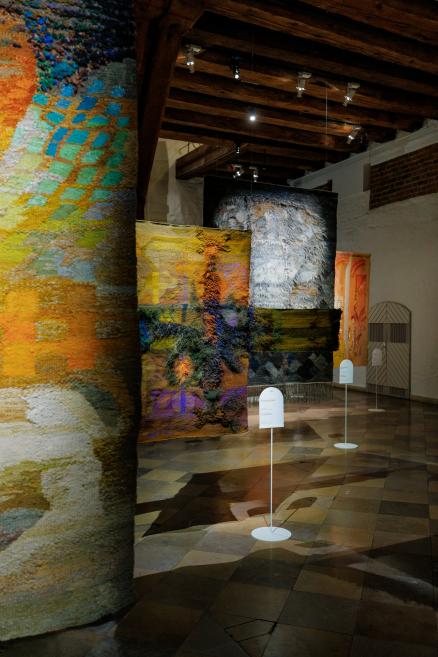
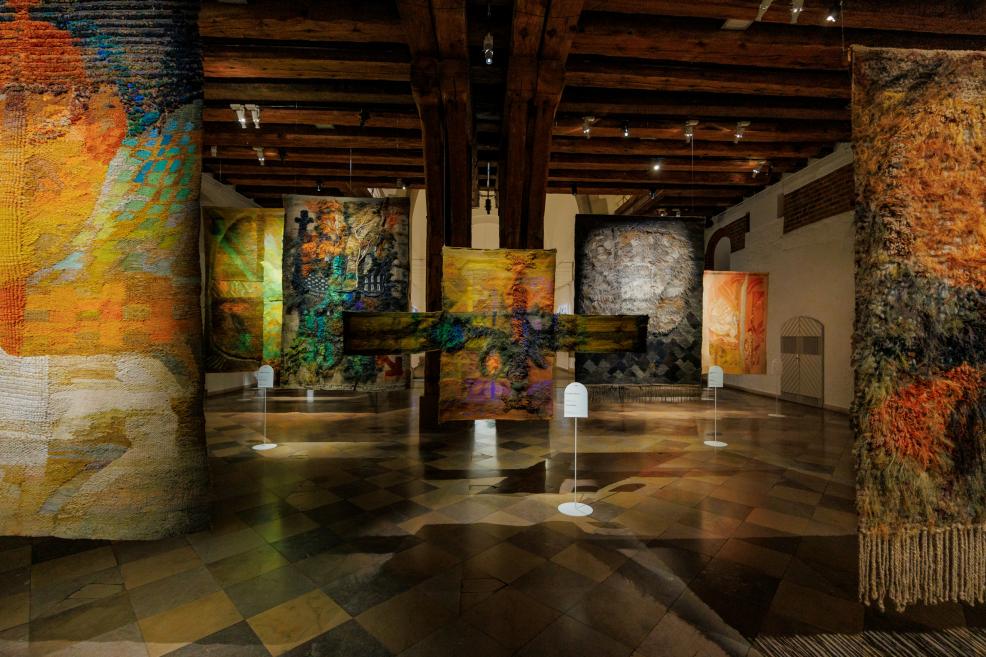
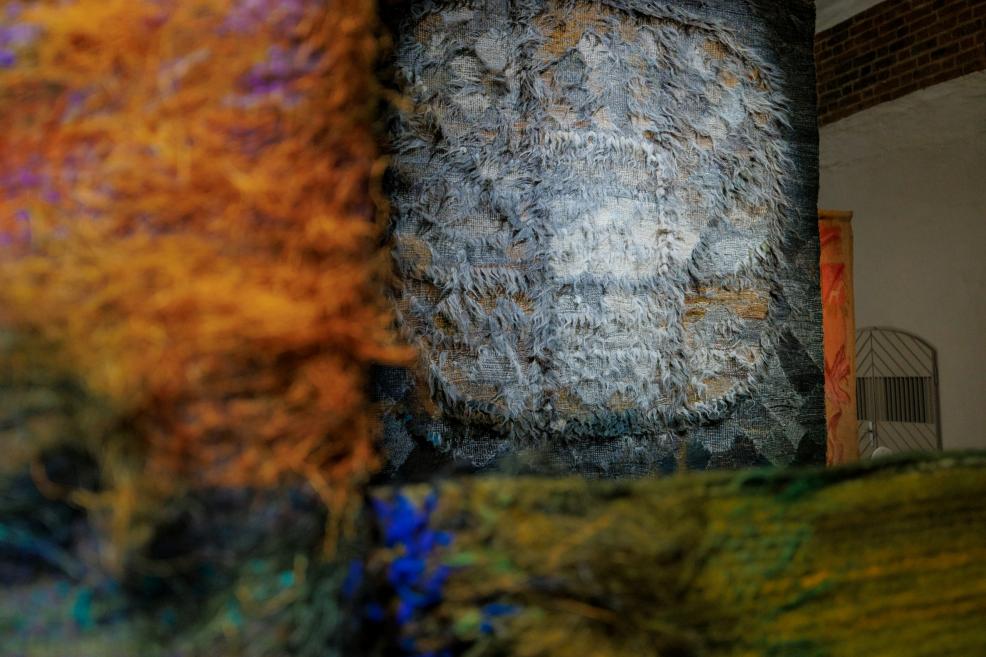
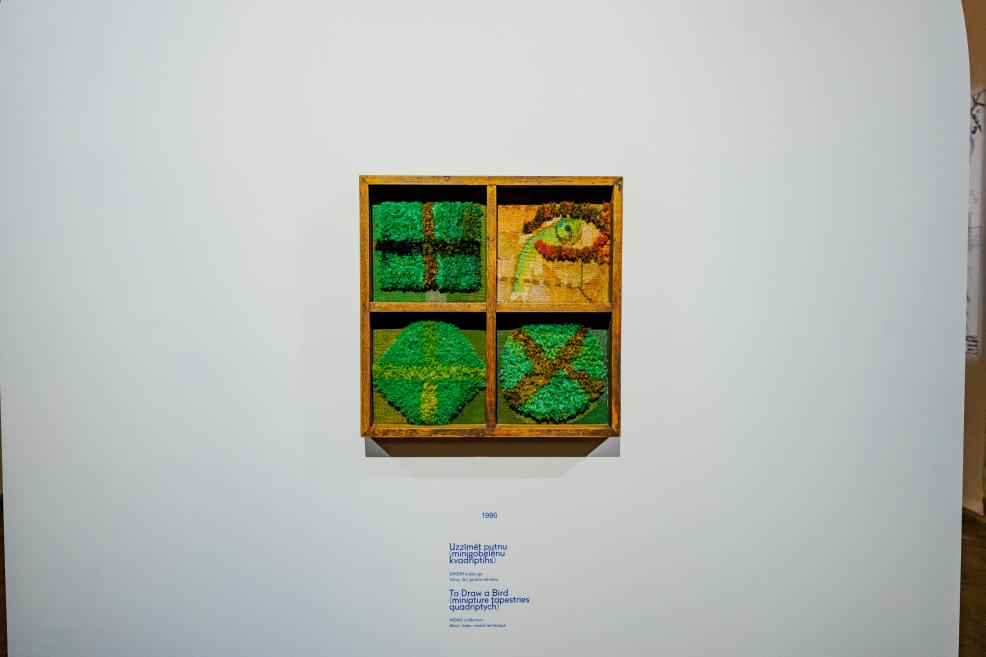
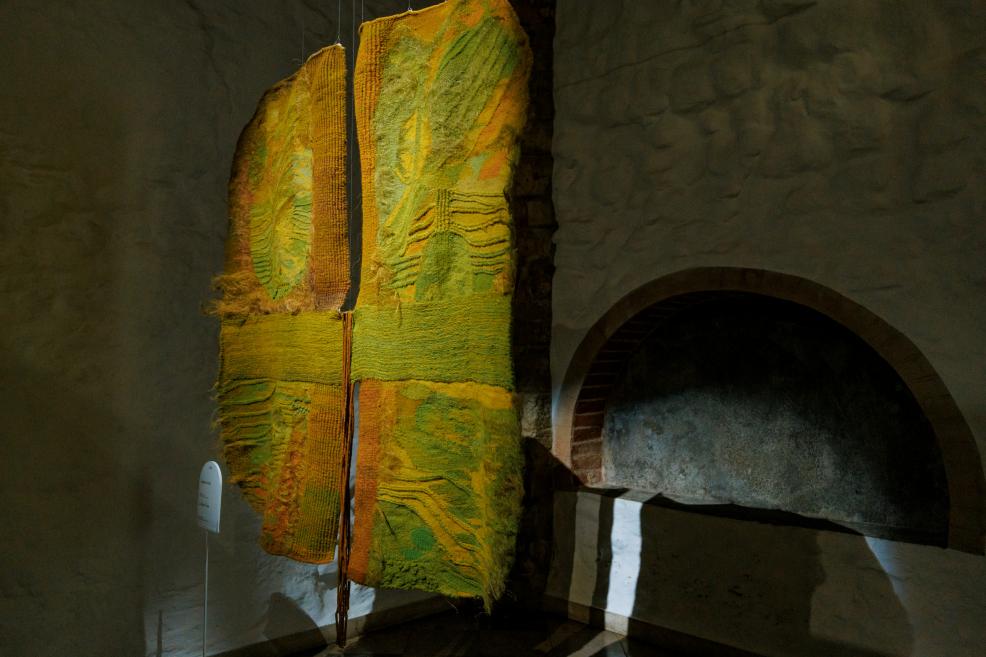
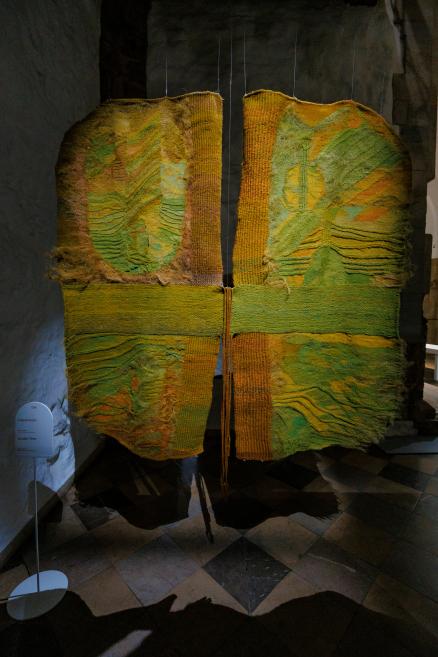
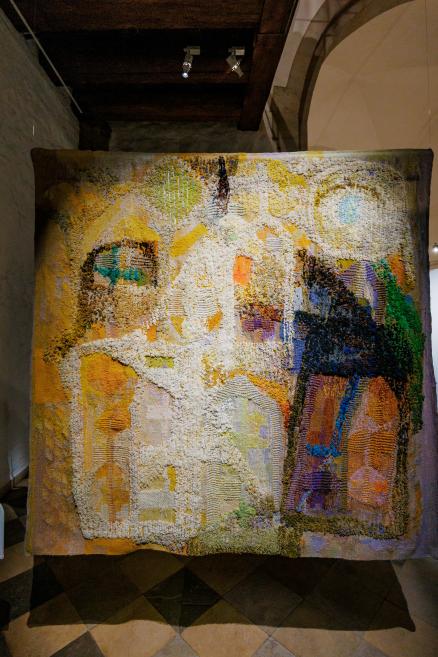
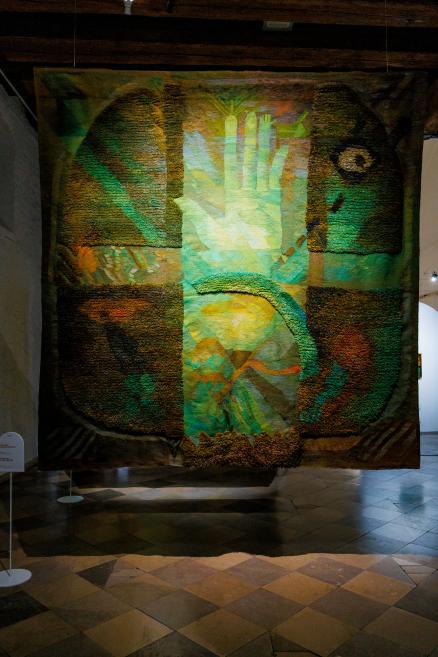
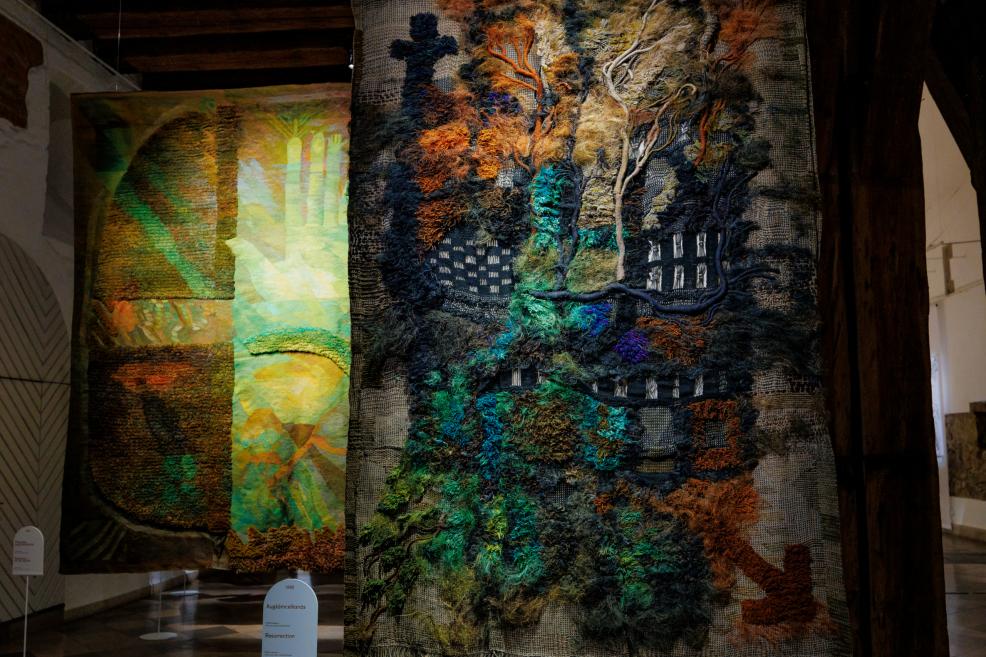
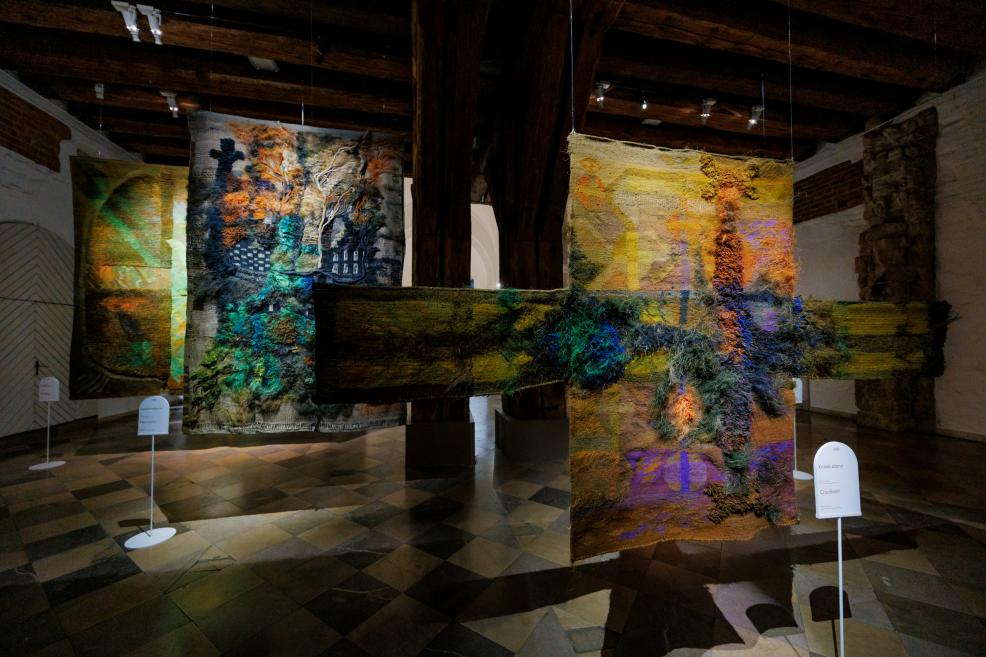
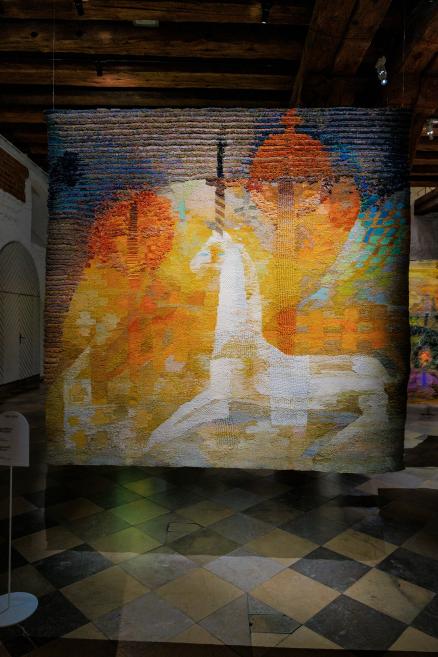
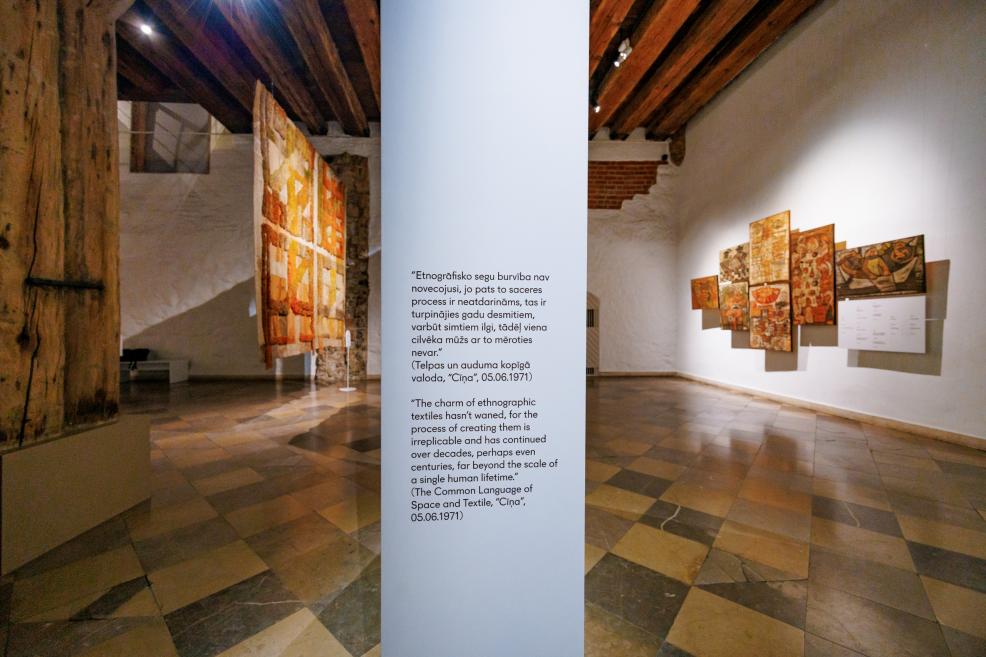
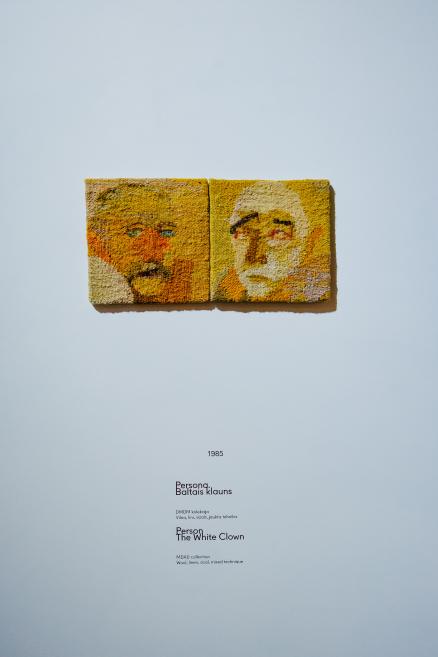
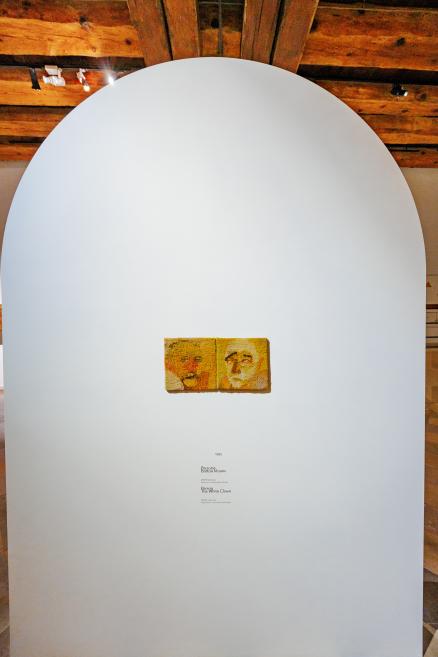
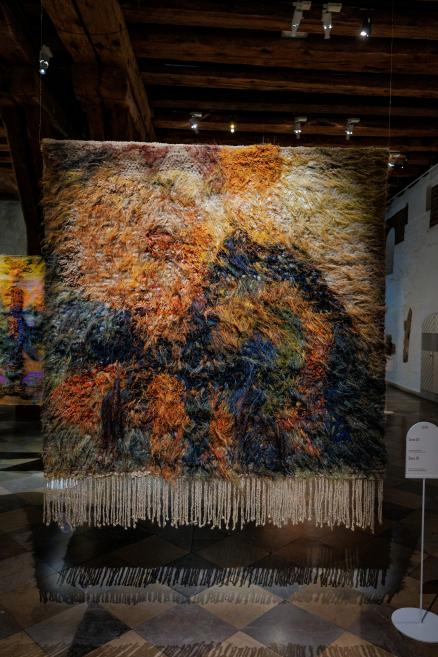
Georgs Barkāns’ first solo exhibition took place in Riga in 1965. His works have been exhibited at the Museum of Decorative Arts and Design (MDAD, 1996), several times at St. Peter’s Church (1988, 2005, 2011), at the Architects’ House (1984) in Riga, as well as in regional museums. The 1993 solo exhibition in Kolding, Denmark, was especially important for the artist. Author’s works are preserved in the collections of MDAD, the Artists’ Union of Latvia, the Riga Stradiņš University, the Bank of Latvia, Cesvaine Palace, and elsewhere.
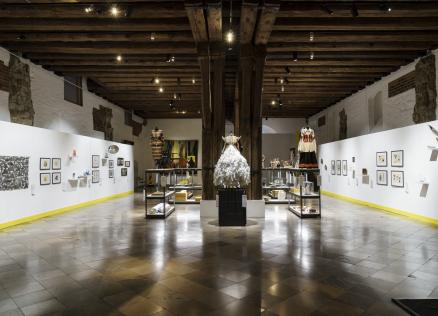
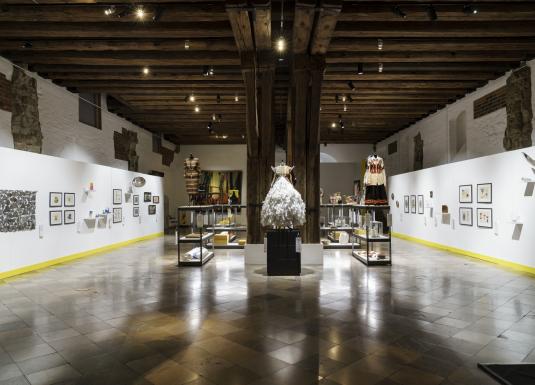
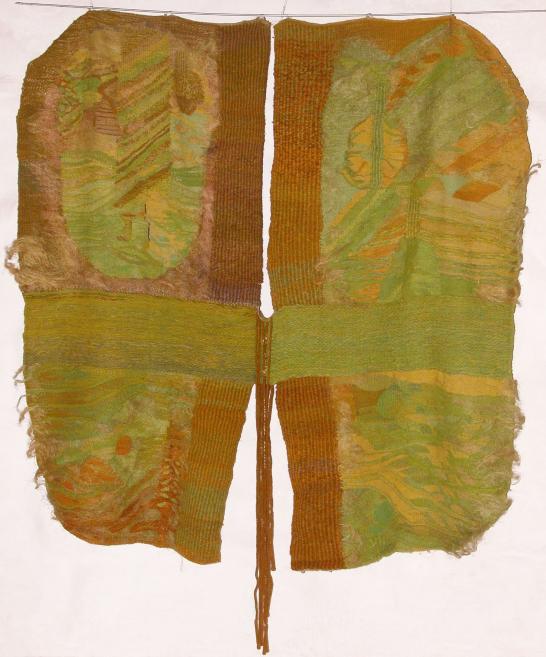
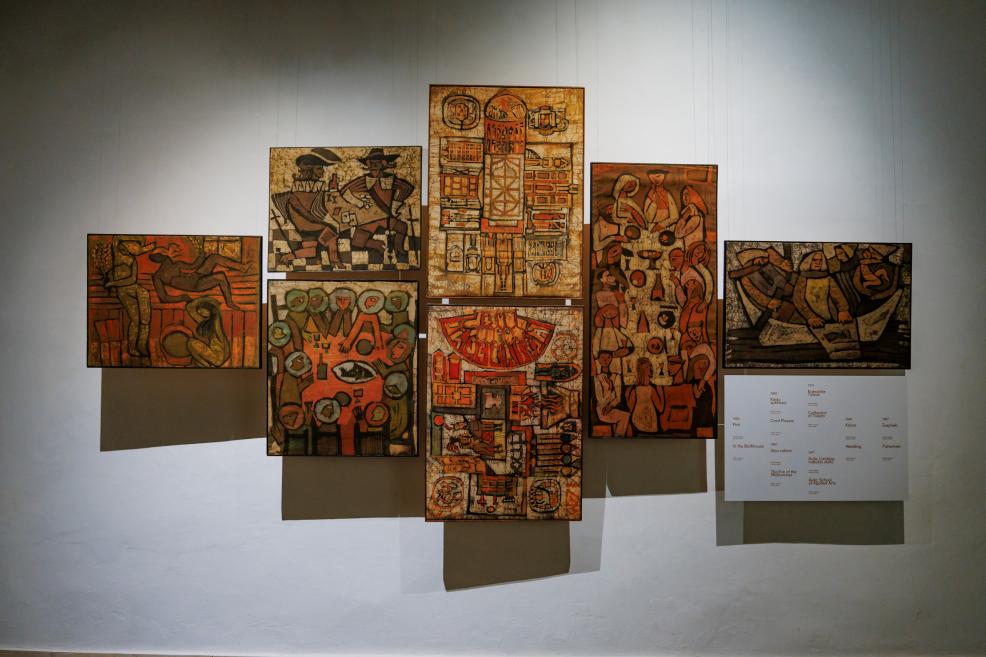
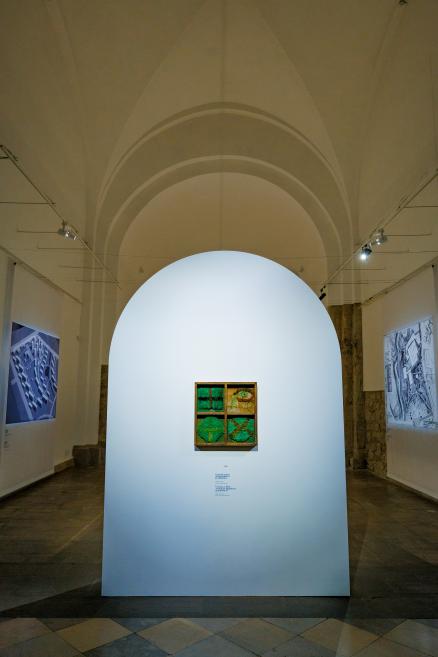
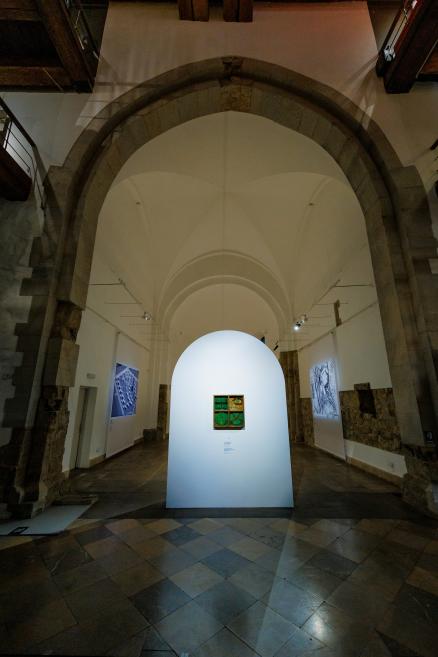
The exhibition Shelter for the Unicorn brings together the most valuable works from Georgs Barkāns’ extensive creative legacy, as the artist and his wife Dzidra Ozoliņa seemed to possess inexhaustible artistic energy. After the Soviet period, both continued to work actively, facing the challenges of a new era. Visitors will see large-format tapestries, batiks and assemblages from the collections of the Museum of Decorative Arts and Design, the Museum of the Artists’ Union of Latvia, Cesvaine Palace, the Latvian Museum of Architecture, and Antonija Gallery, as well as photographs by Atis Ieviņš. The exhibition curator Vilnis Vējš and the visual dramaturgy author, award-winning scenographer Reinis Dzudzilo, have created the exposition in a way that honours the symmetry principle cultivated by Georgs Barkāns and unveils the unique character of the MDAD building – the oldest sacred structure in Riga.
Text by Vilnis Vējš