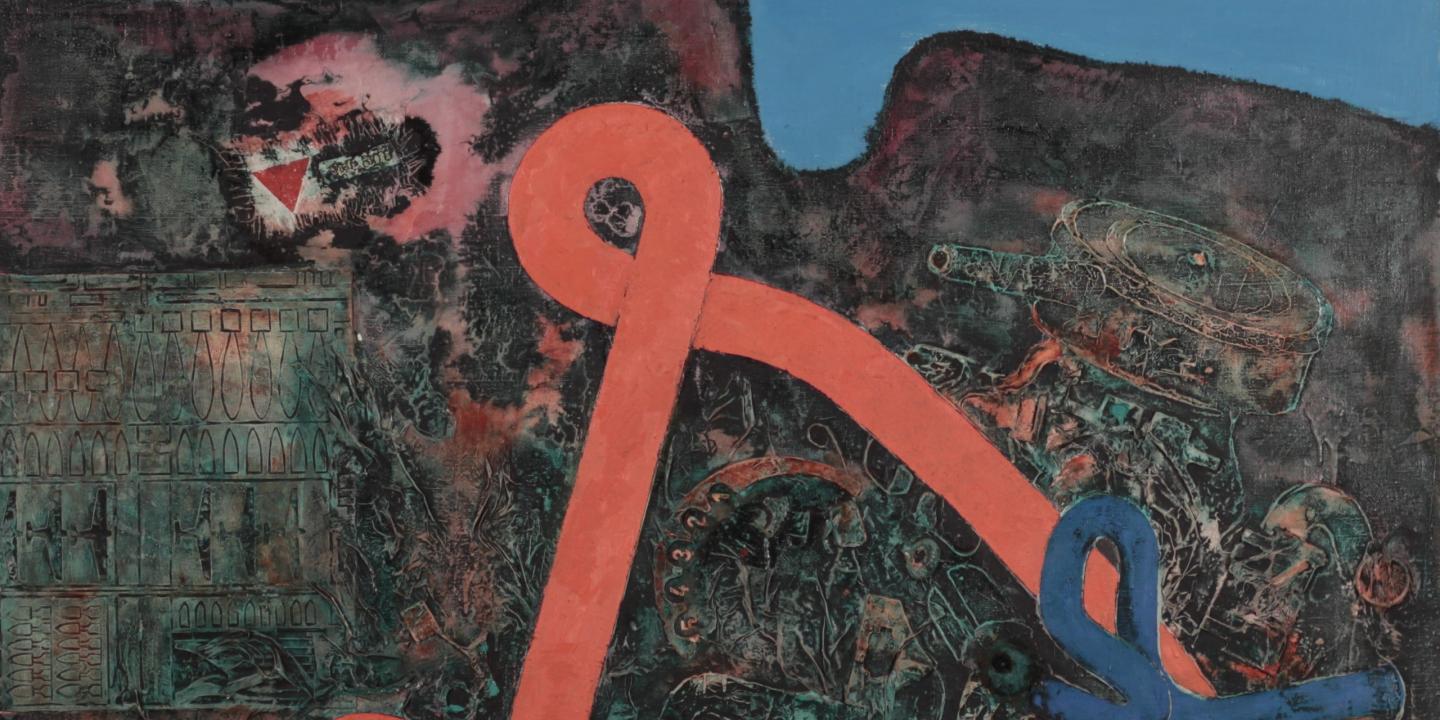
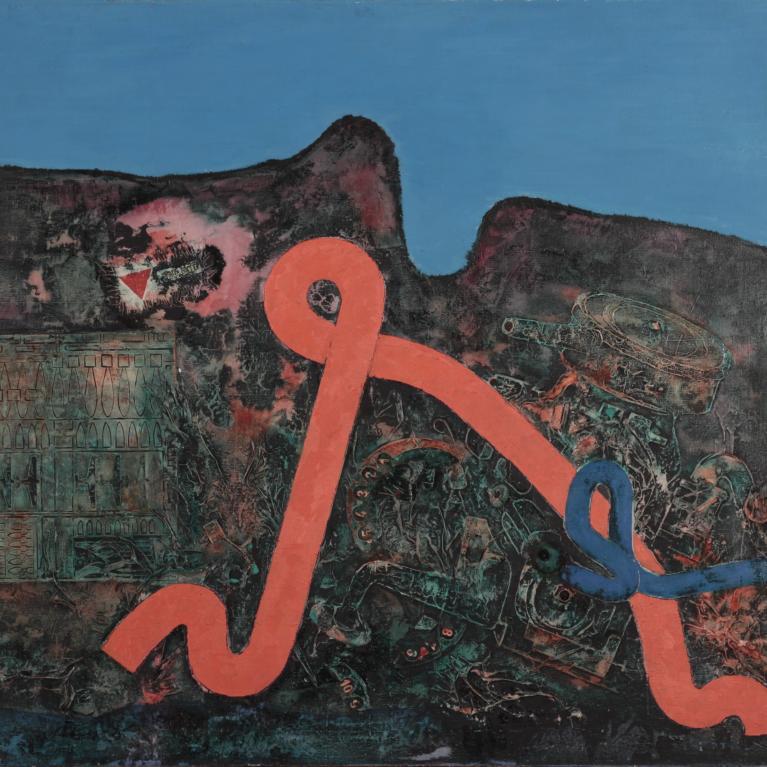
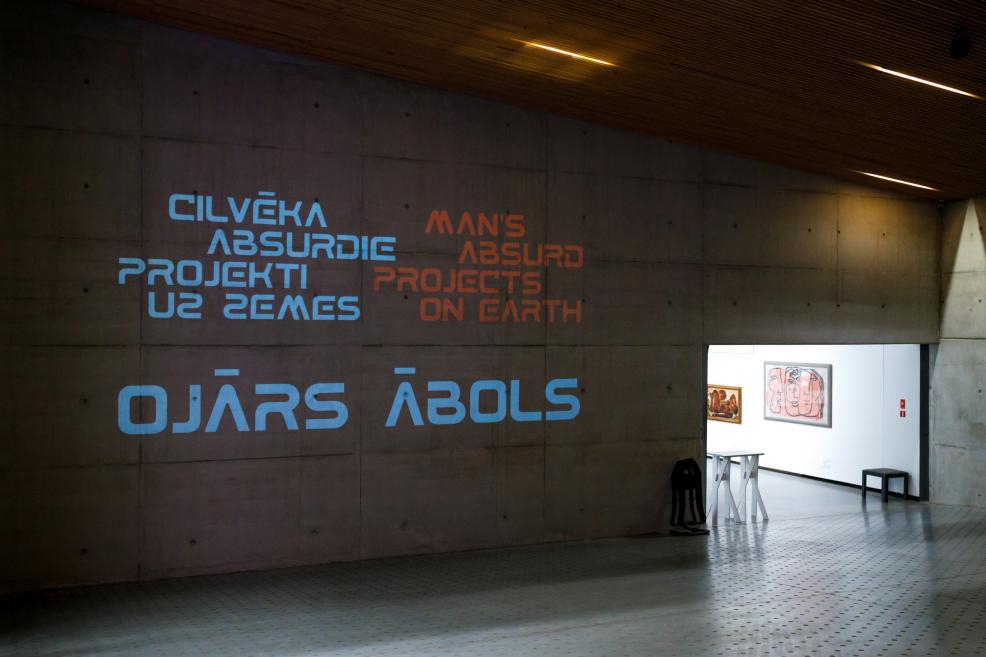
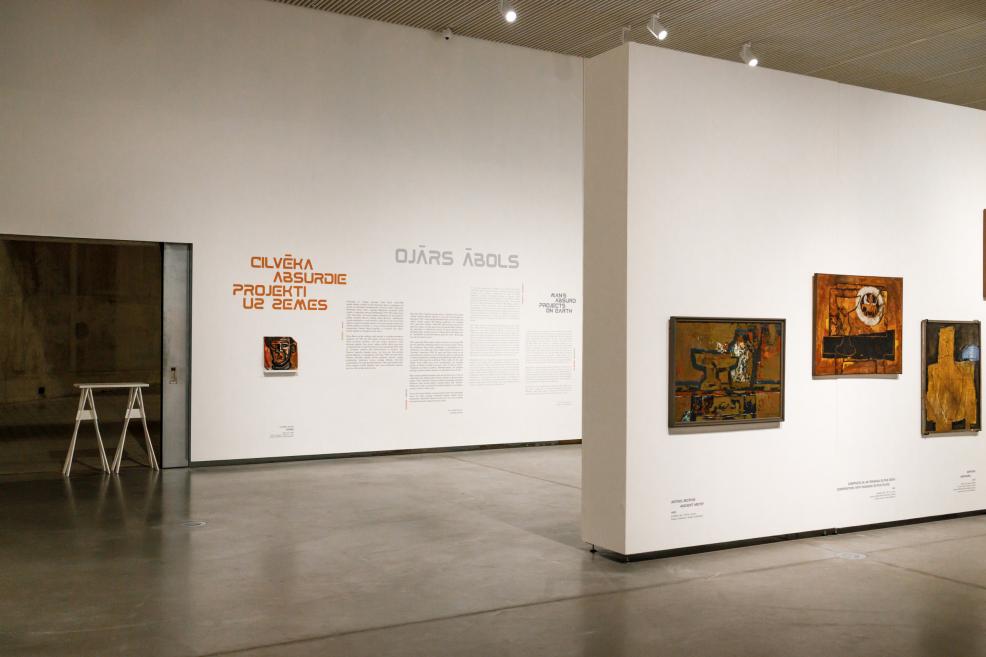
Ojārs Ābols. Man's Absurd Projects on Earth
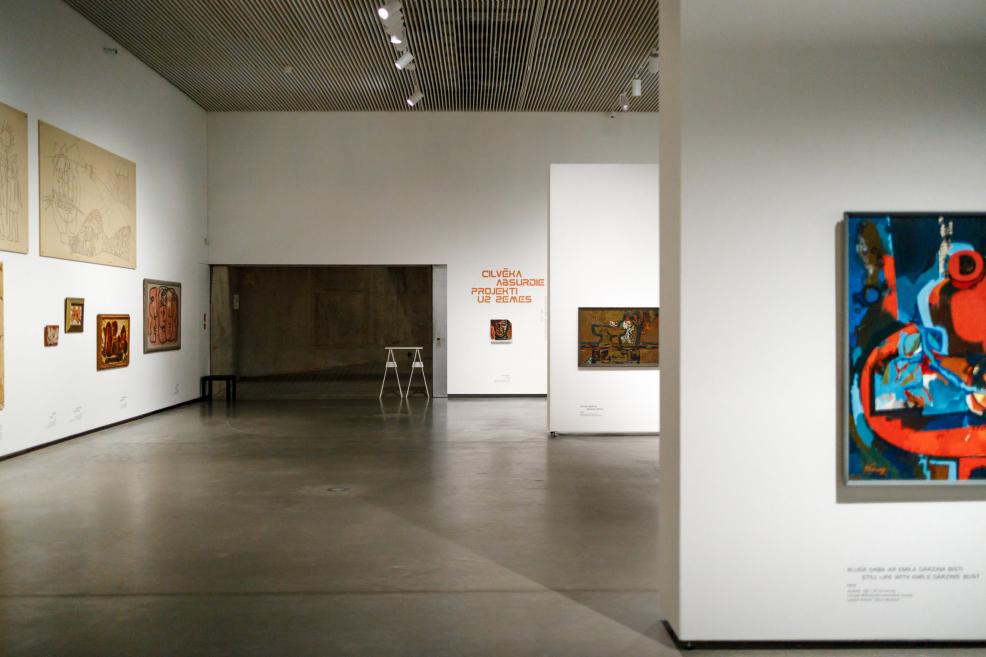
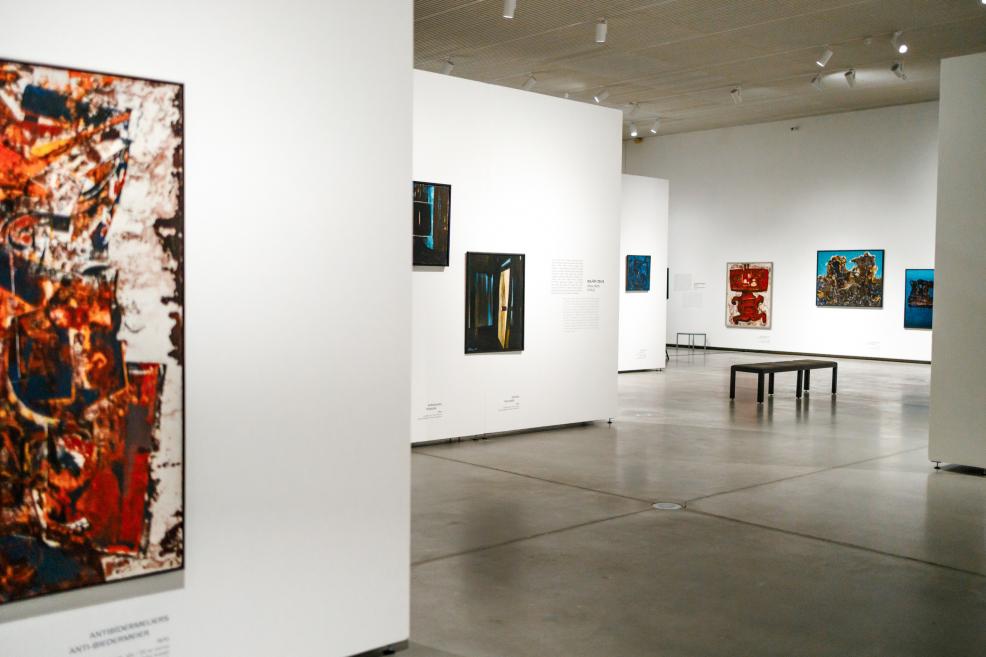
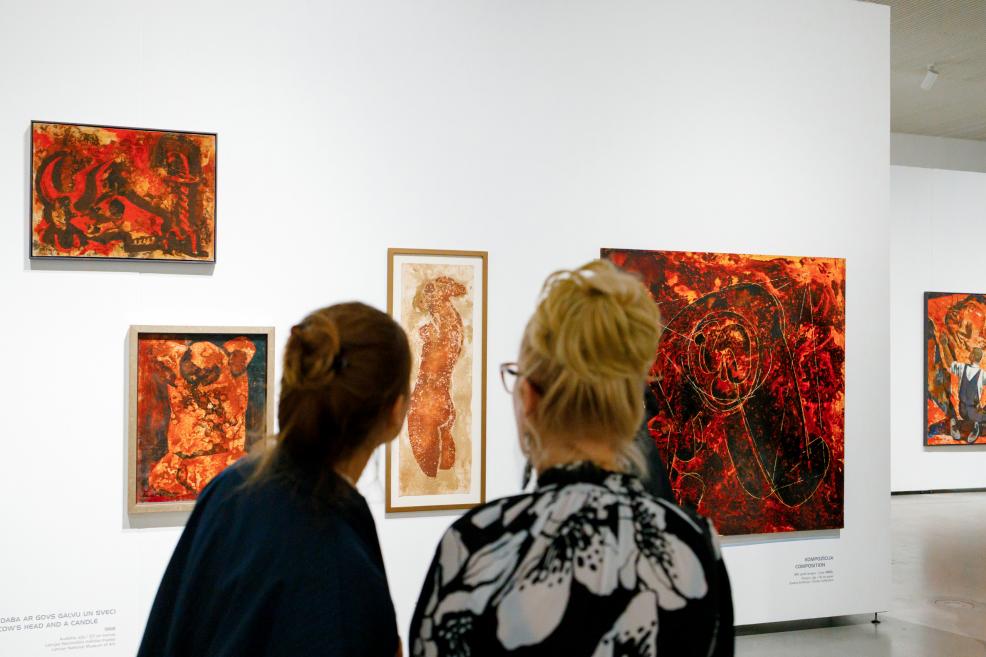
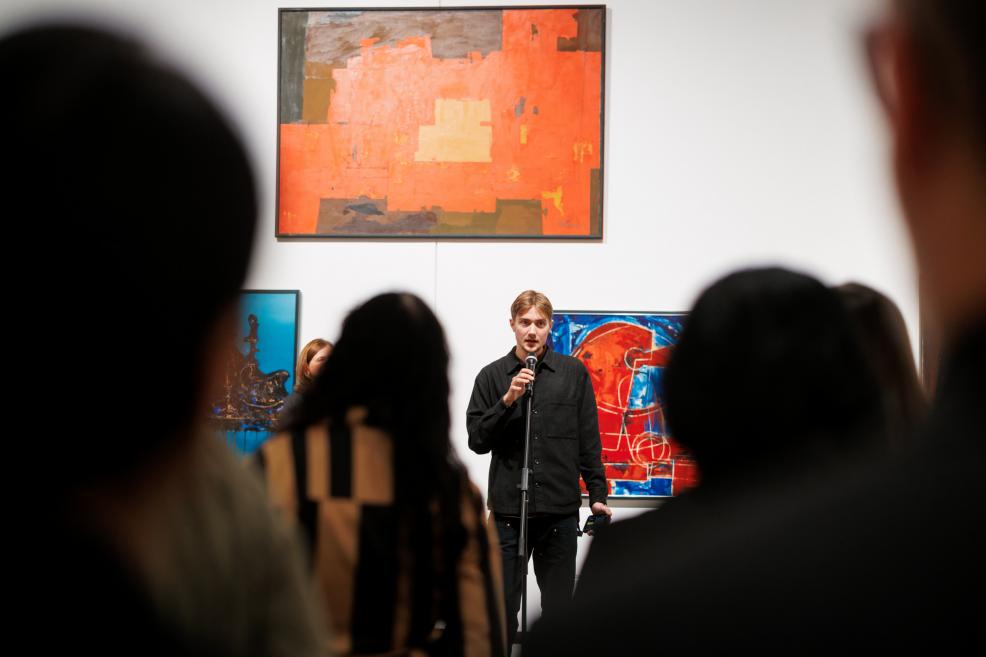
From 10 January to 10 May 2026, the Latvian National Museum of Art in Riga will hold in the Great Hall of its main building (Jaņa Rozentāla laukums 1) an exhibition dedicated to the work of the painter Ojārs Ābols, Man’s Absurd Projects on Earth, which turns to the reality of Latvian art during the occupation period between Soviet dictate and politically non-engaged art, between collaboration and resistance, between conformism and non-conformism.
Today painter and art theorist Ojārs Ābols (1922–1983) is seen as an avant-gardist of the 1960s–70s, a leader of theoretical thought, the driving force of the Painters’ Section at the Artists’ Union, godfather of Latvian contemporary art. American collectors Nancy and Norton Dodge have included his works in the collection of Soviet non-conformist art at the Zimmerli Art Museum, USA. Yet Ojārs Ābols’ life seemingly has two sides – the one that served the ideas of communism and the one that eagerly wanted to get closer to Western art and Western way of life.
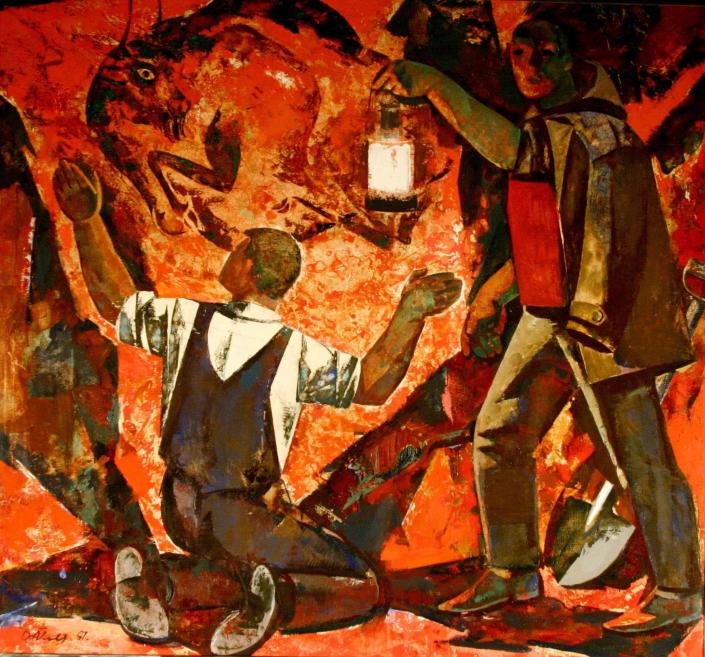
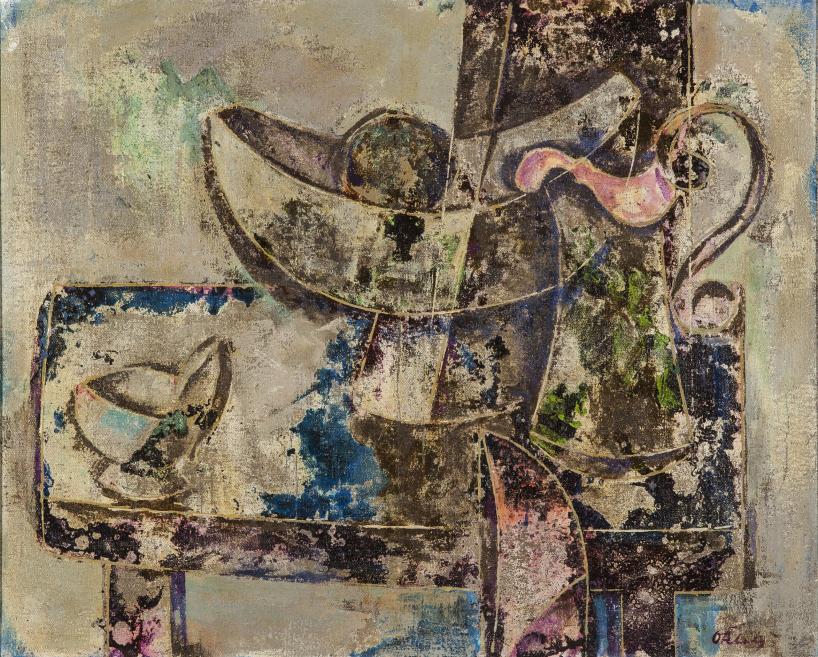
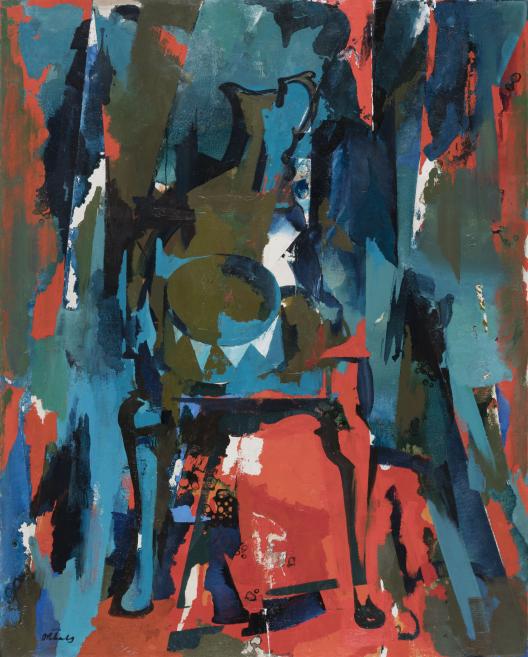
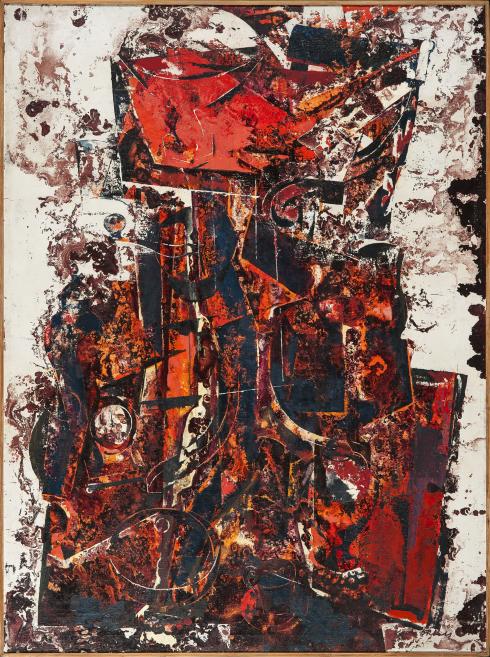
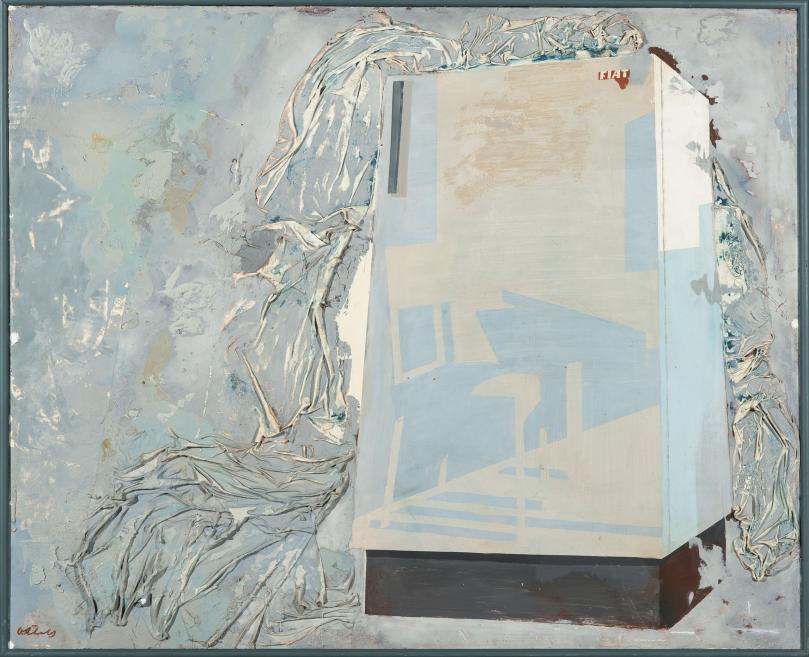
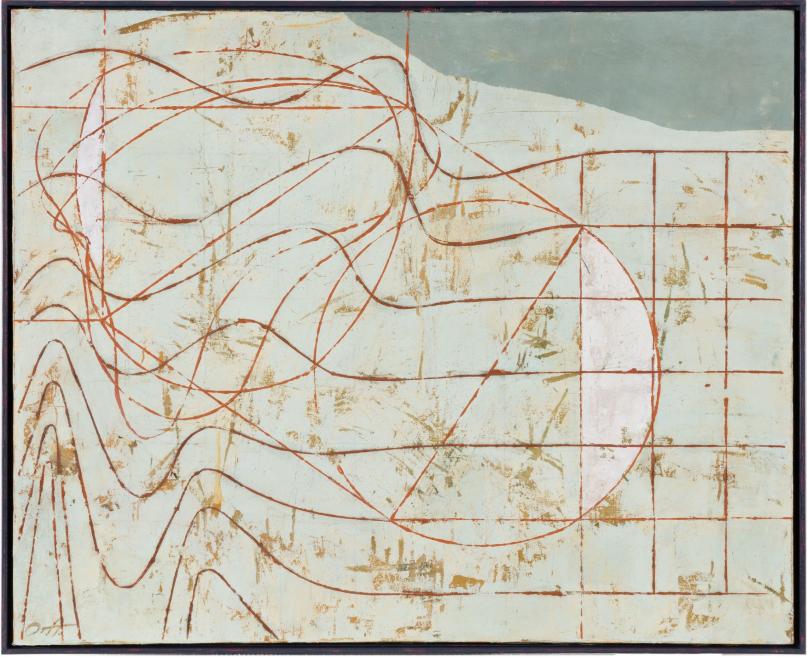
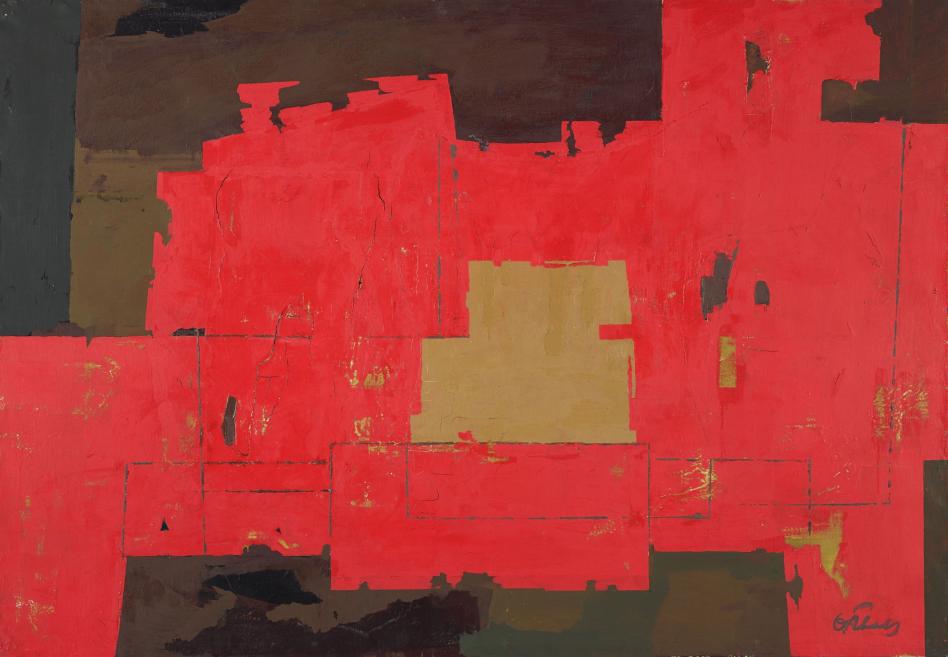
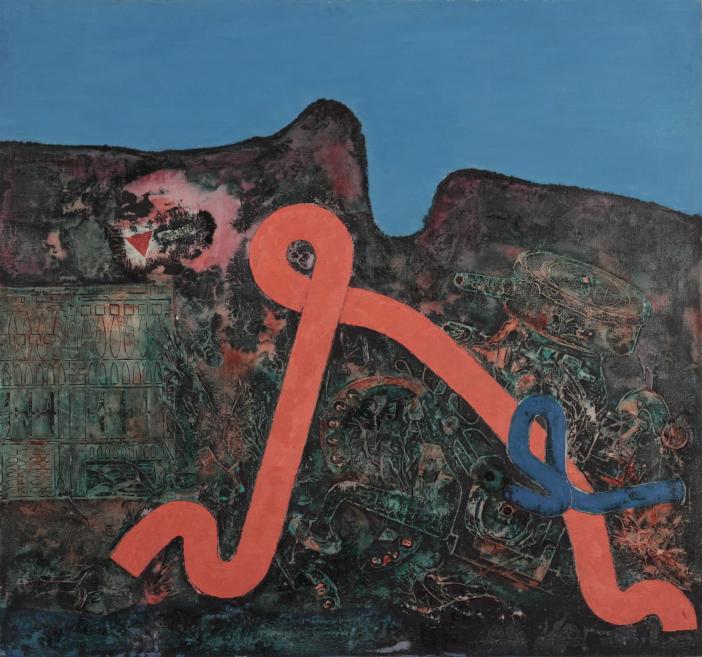
Ābols’ politico-social and creative career unfolded in the 1950s–70s and inevitably involved political consequences. He was an erudite intellectual, a long-term board member of the Artists’ Union and chairman of the Painter’s Section (1973–1981), he gave impassioned speeches about art and believed that art has an important role in public life. In his works, the painter dealt with the current issues of his time. Ābols’ activism, the development and transformation of his views on art is a story about a young man who had been obsessed with communist ideals changing and becoming an important practitioner and theoretician of modernist art and even an instigator of conceptualist art in Latvia. Tracing Ābols’ biography and the shifts in his art, the exhibition also looks back at Latvia’s complex history.
Ojārs Ābols’ youth was closely shaped by social-democratic ideas. From 1935 to 1940 he was an active member of the Workers’ Youth League of Latvia, which, following Ulmanis’ coup, had to work underground. Ojārs Ābols received his first art education in Riga in the studio of the left-leaning Latvian modernist Romans Suta (1938–1940), where he acquired an affection towards Constructivism and Cubism. When the Soviet Union occupied Latvia, he became an agitation and propaganda worker in the Communist Party (1940). During the war, Ābols studied cultural agitation in the Soviet Union (1939–1940), attended courses for trade union employees, worked at the Central Committee of the Art Workers’ Trade Union in Moscow. In 1944, he enrolled in the State Institute of Theatre Arts in Moscow, yet, with the war ending, the Soviet authorities promptly dispatched him to work in Latvia.
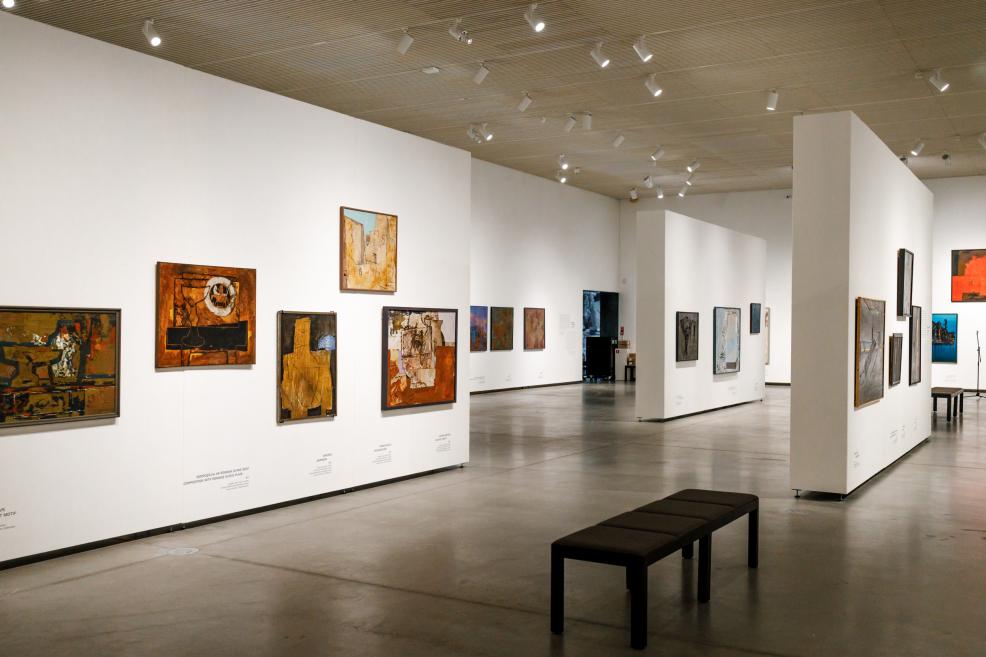
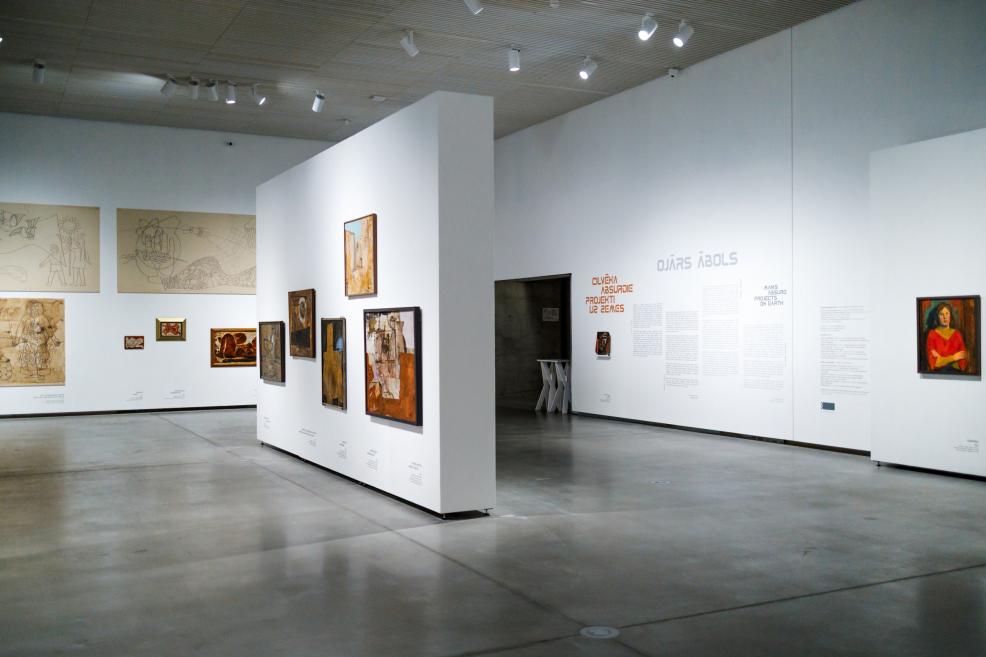
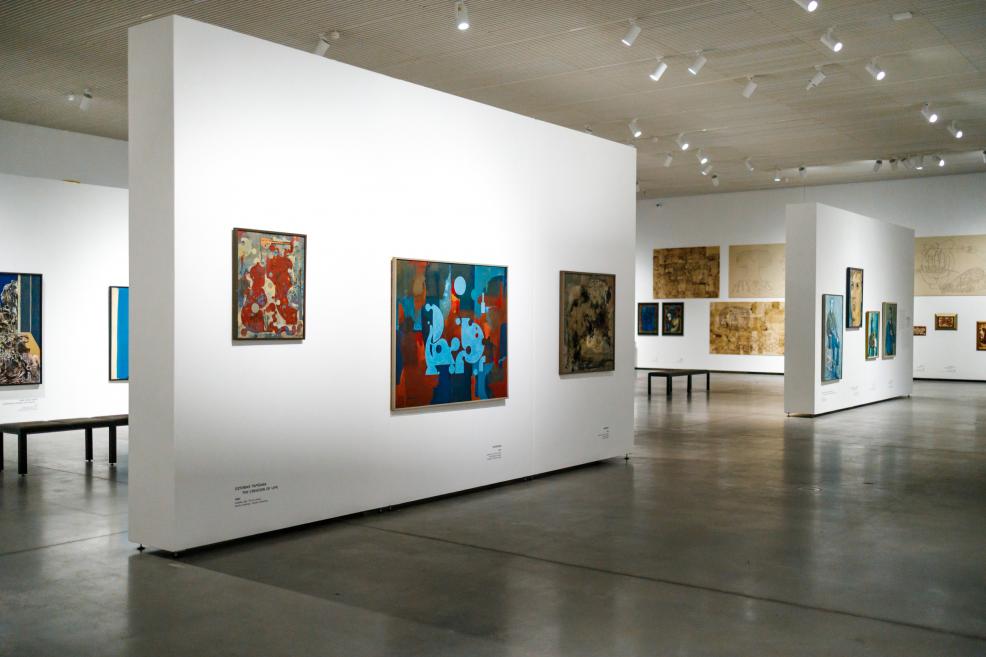
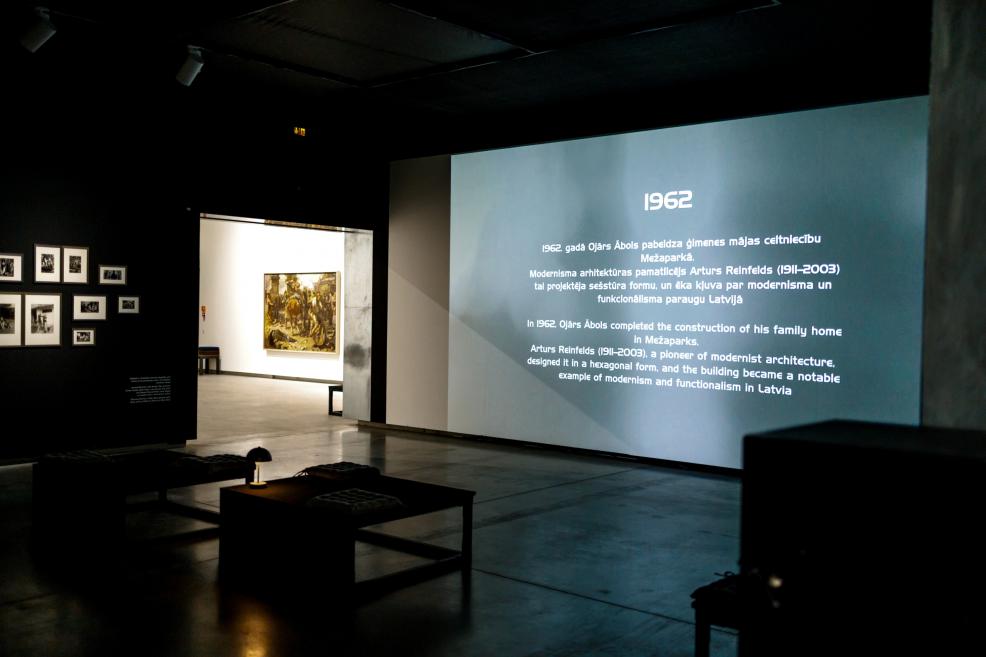
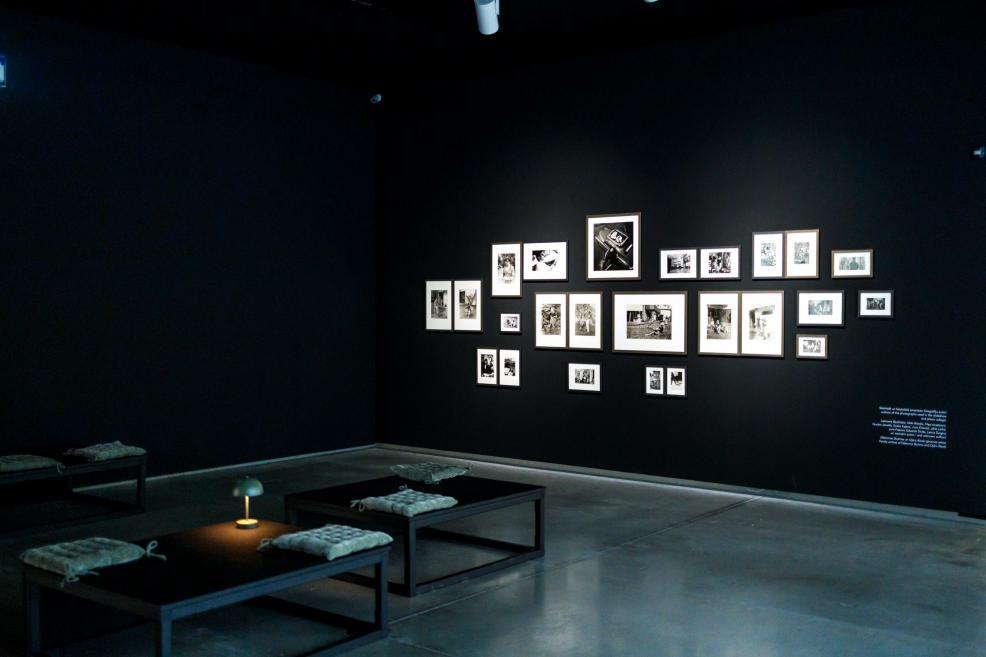
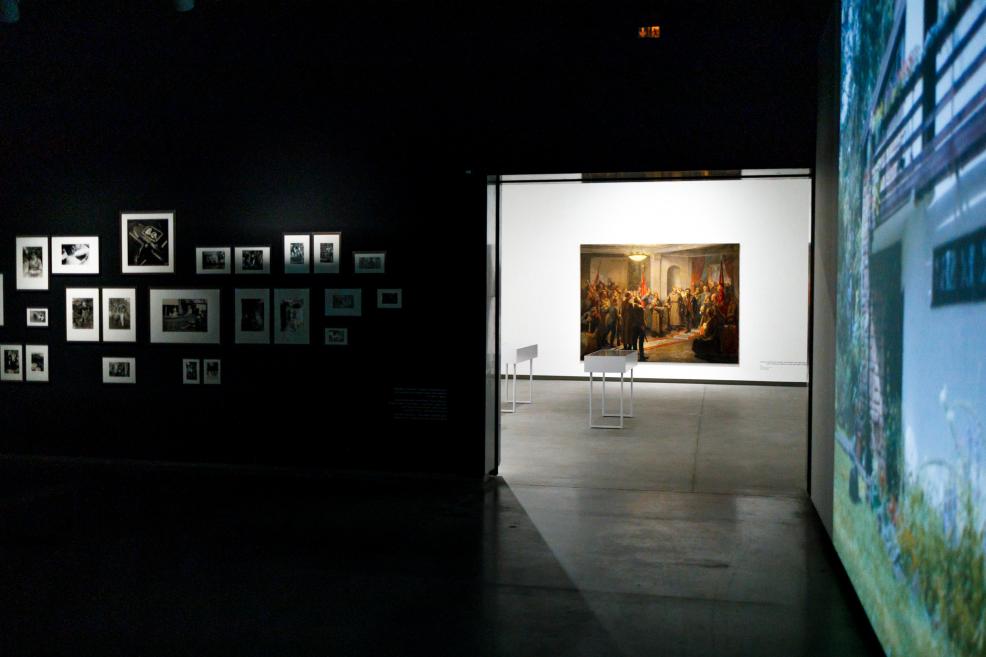
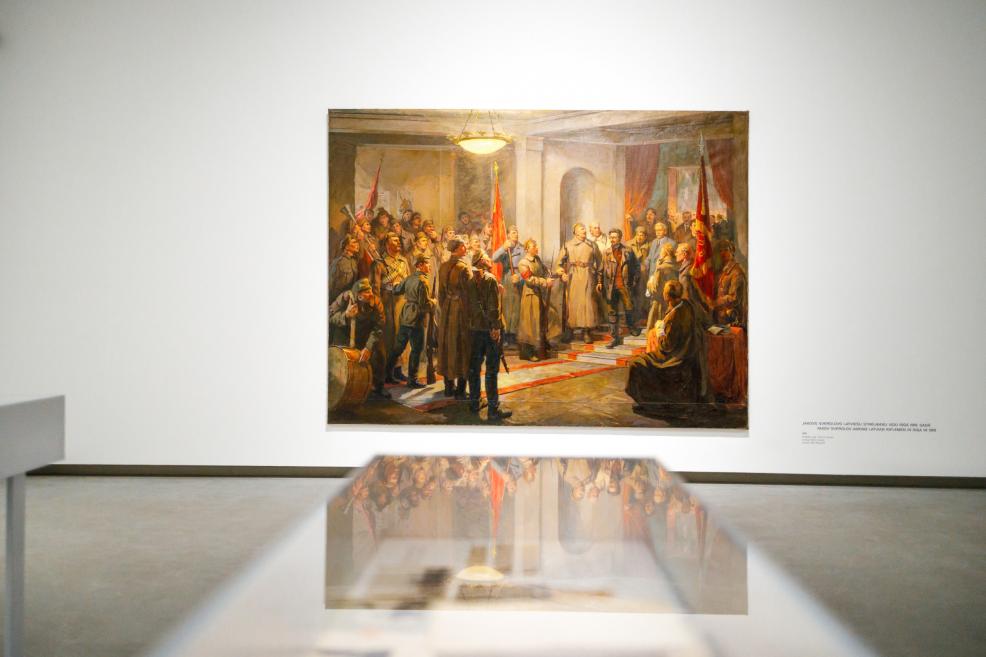
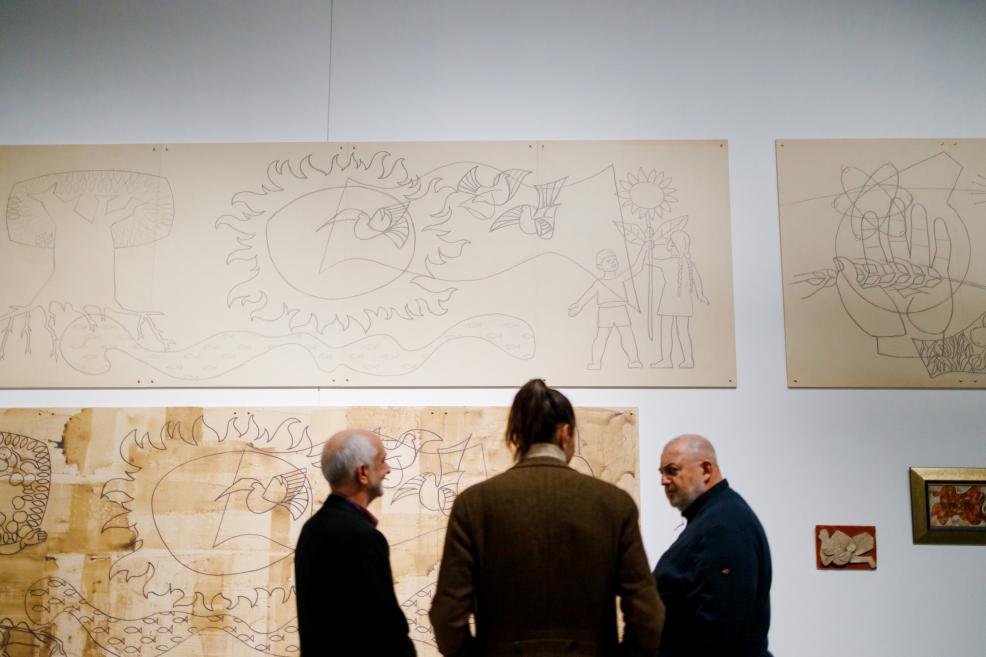
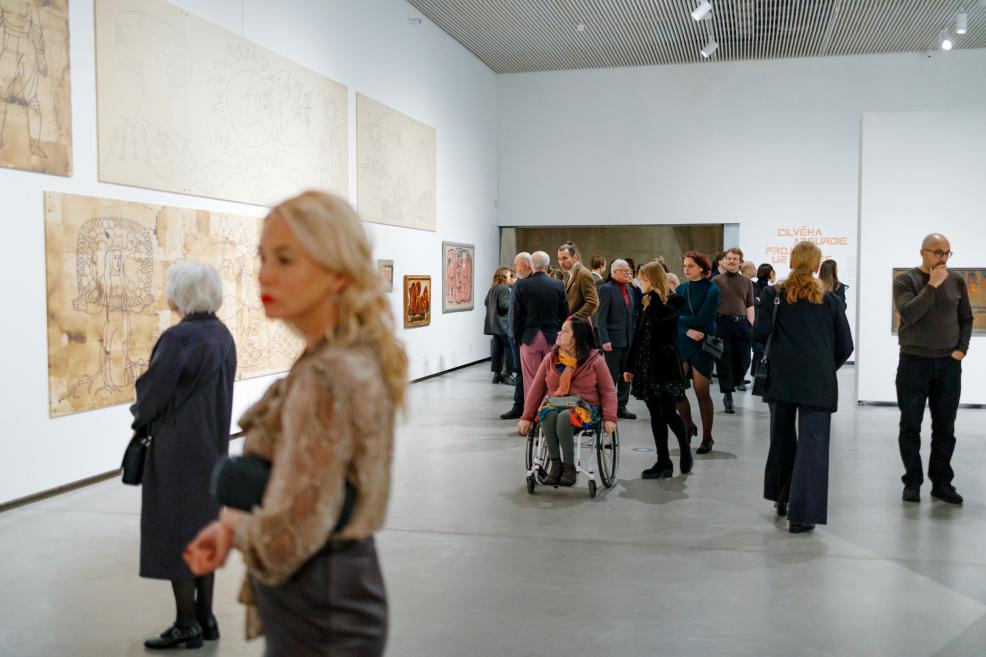
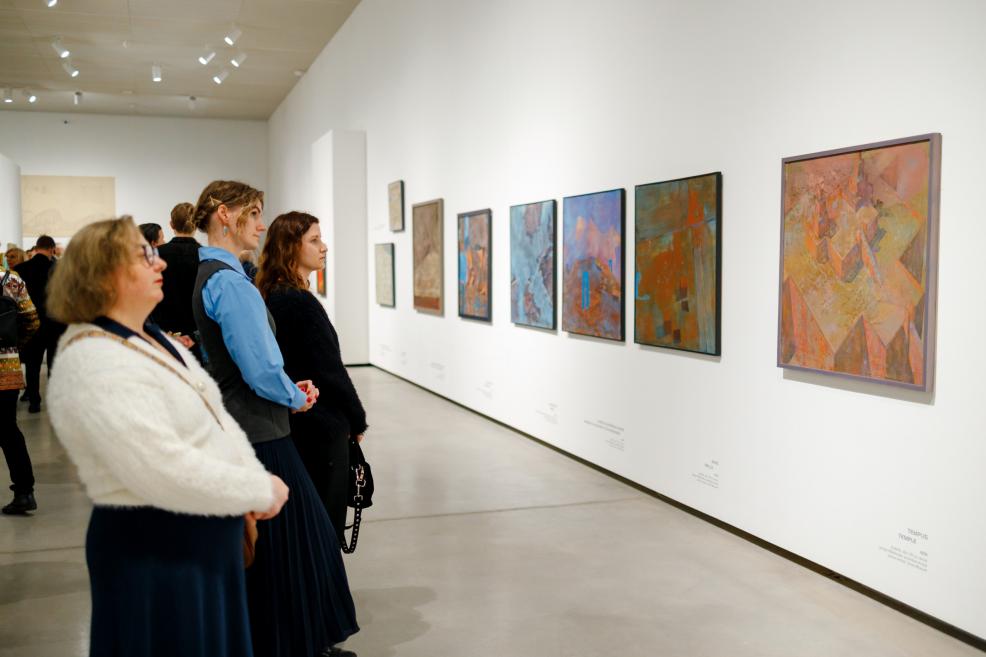
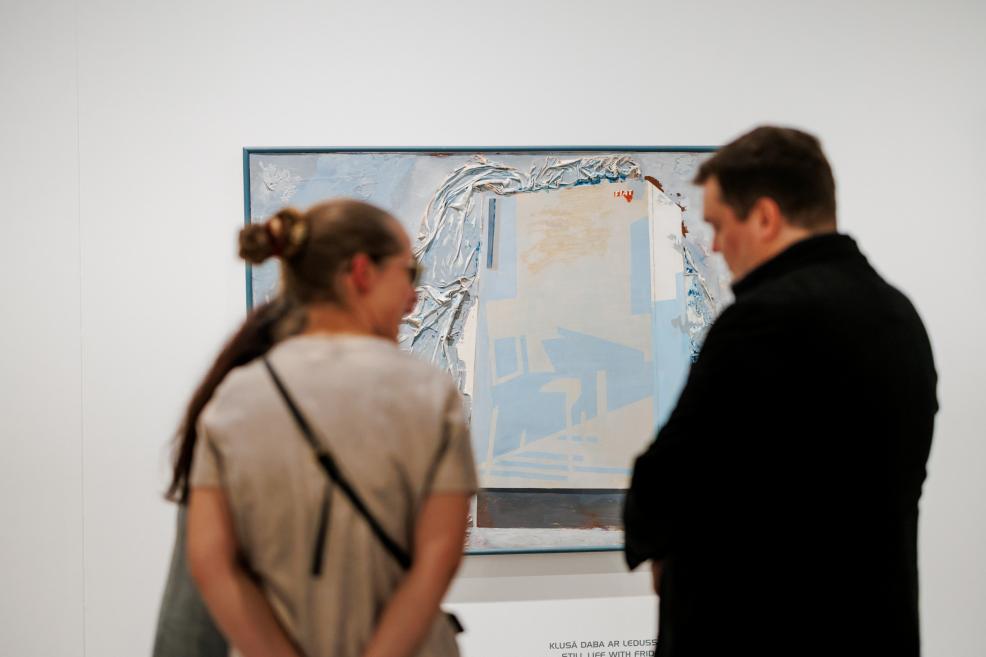
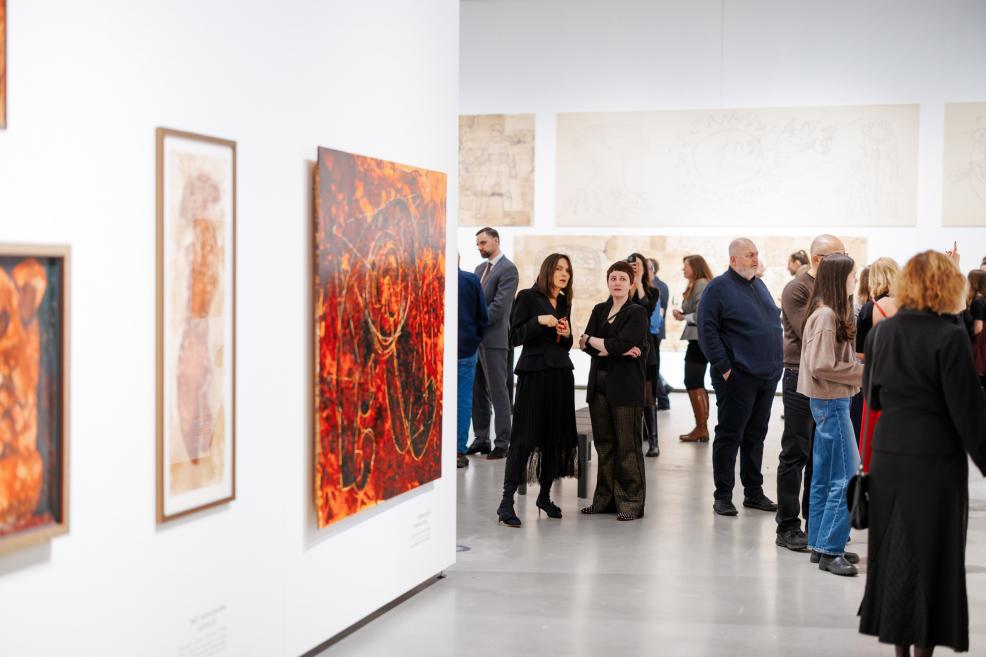
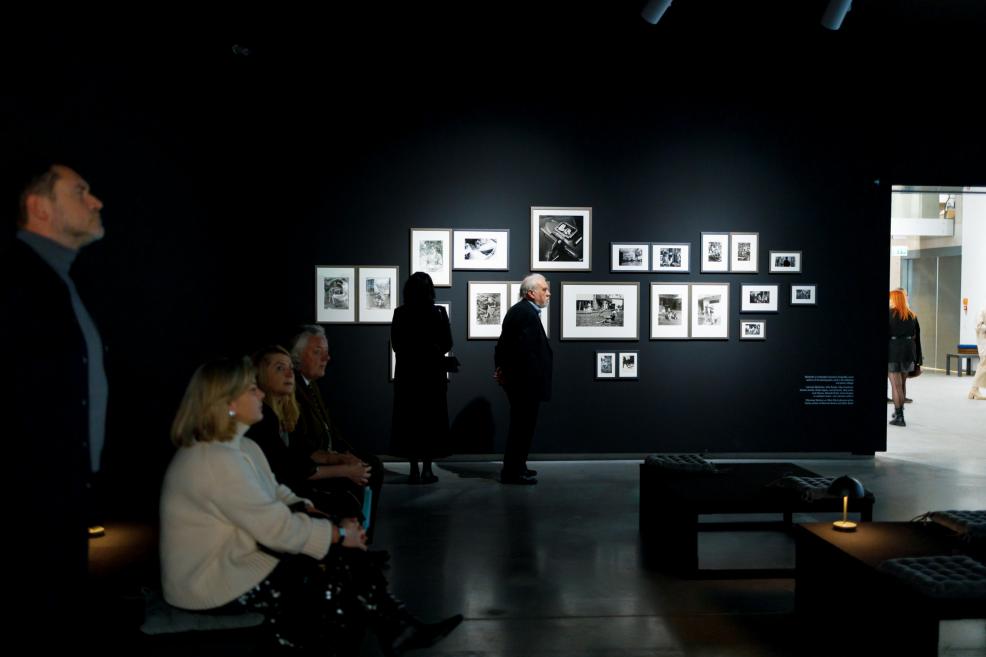
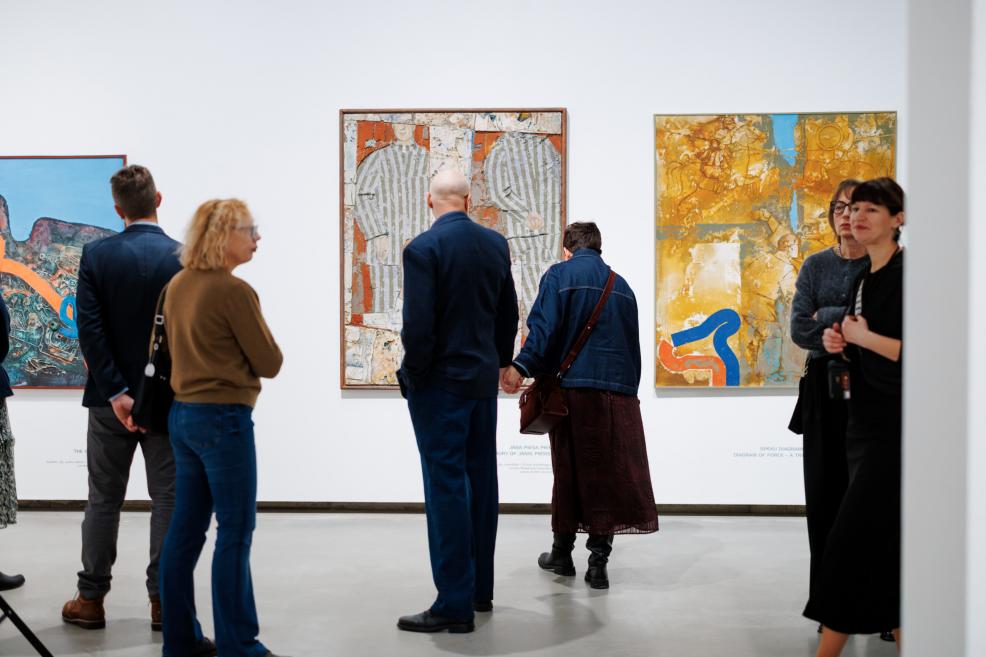
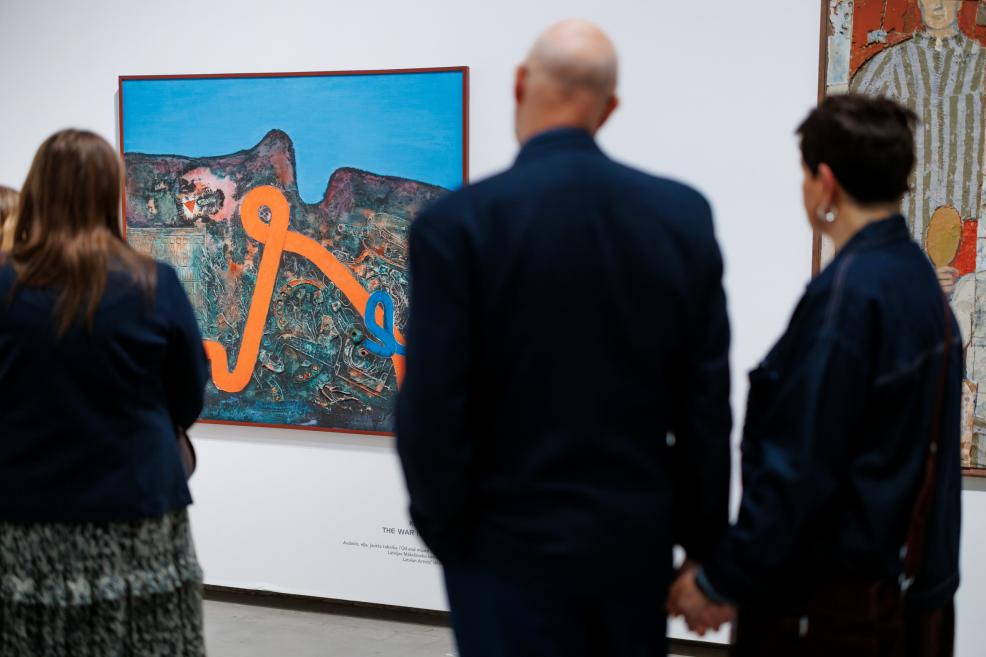
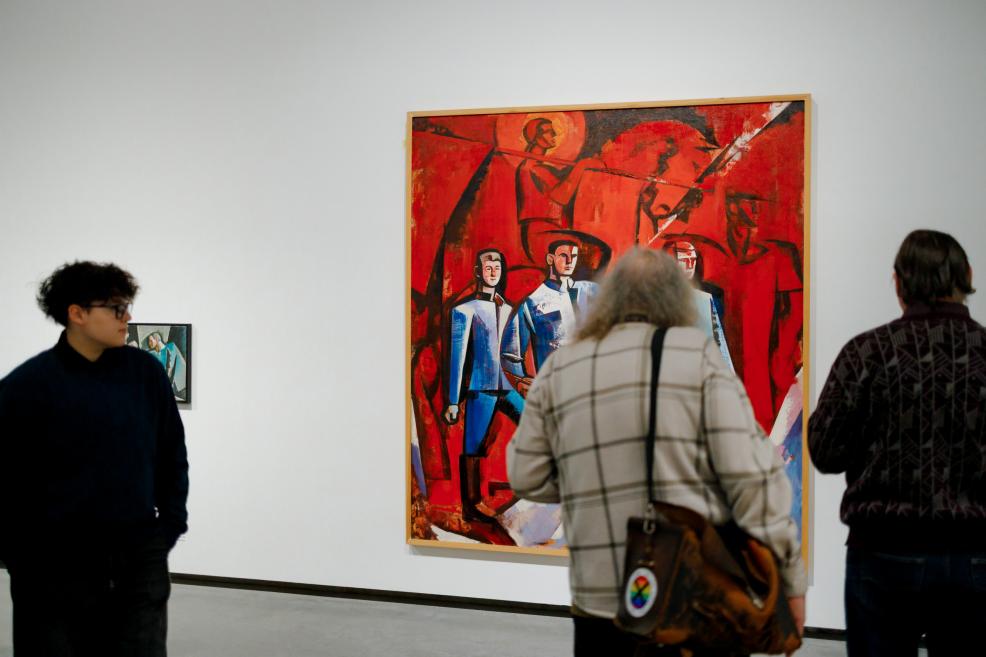
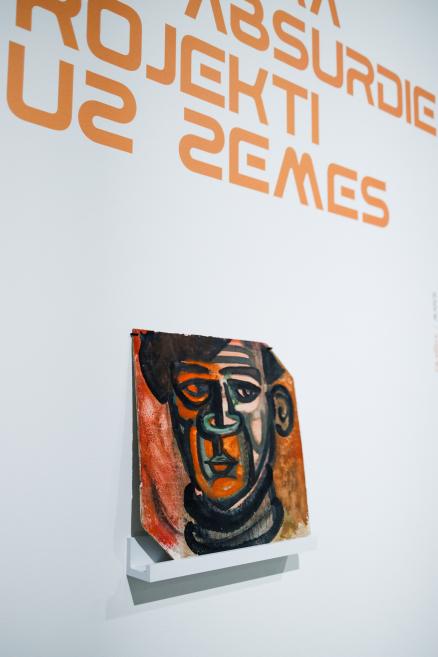
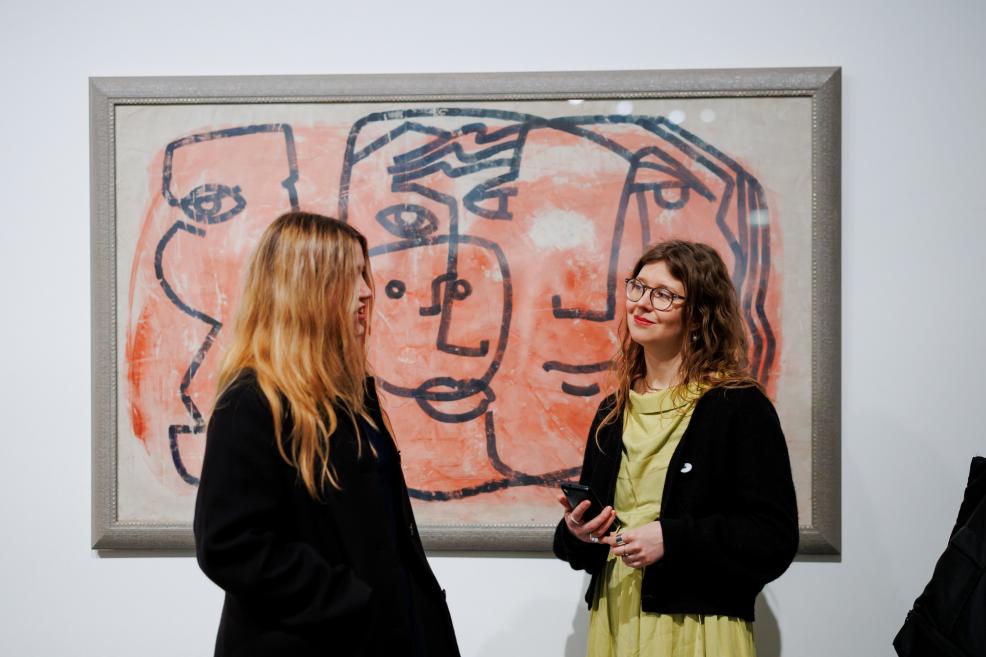
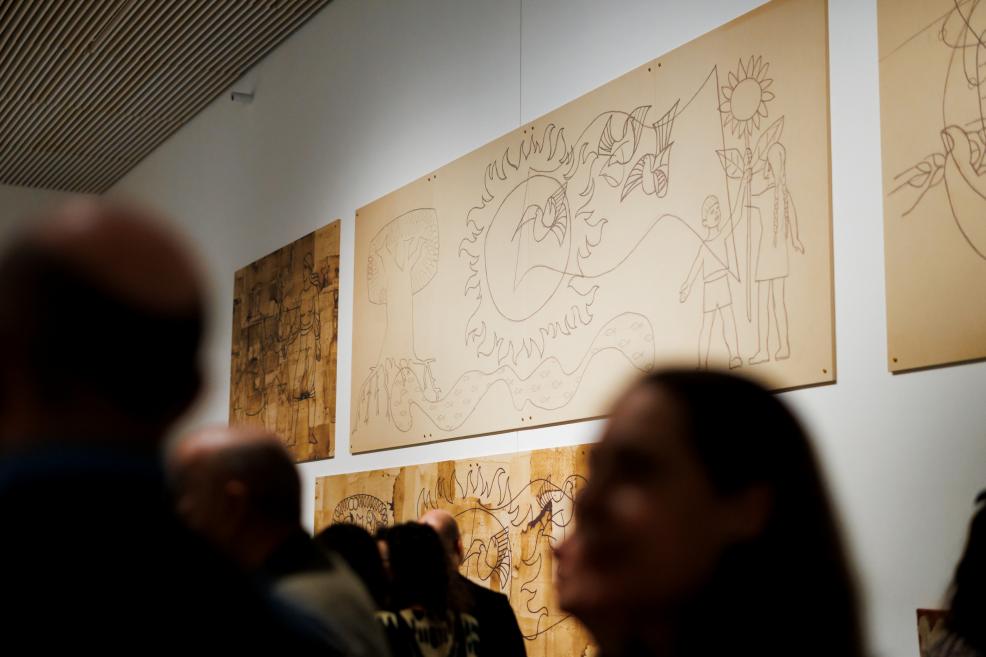
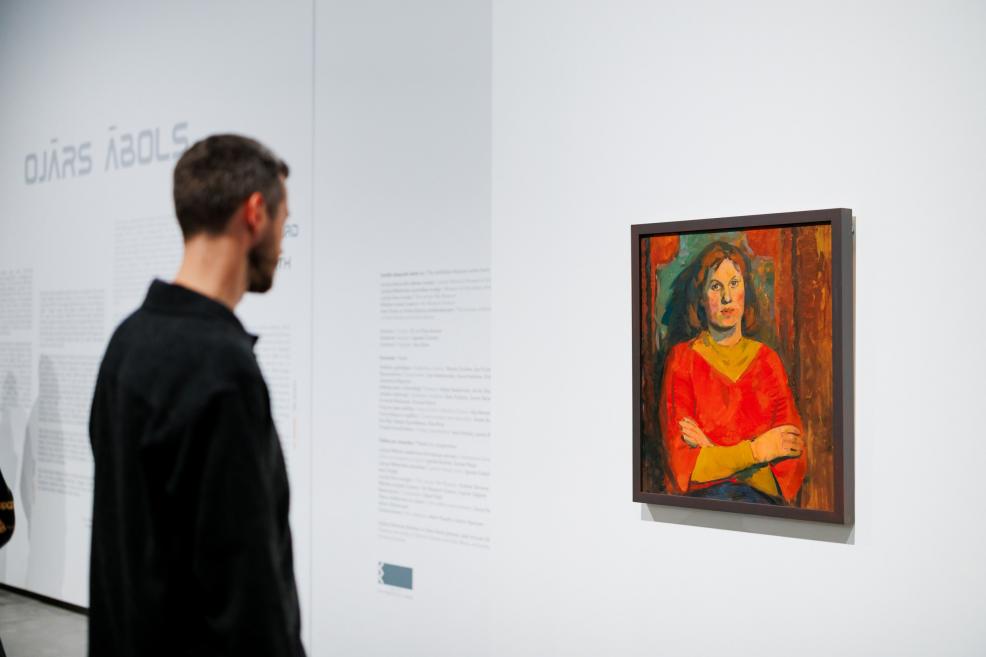
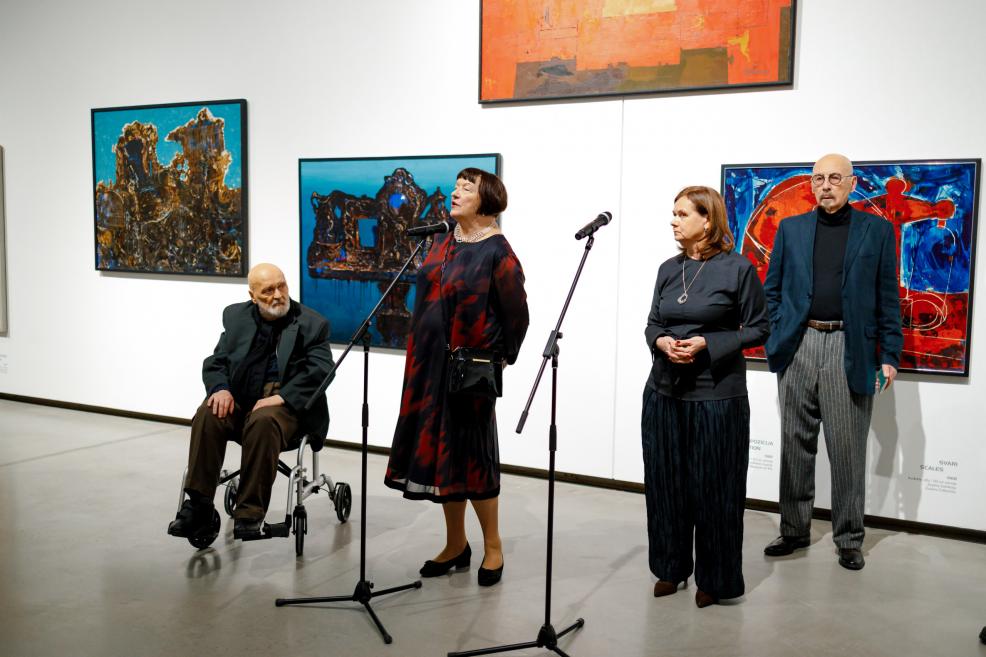
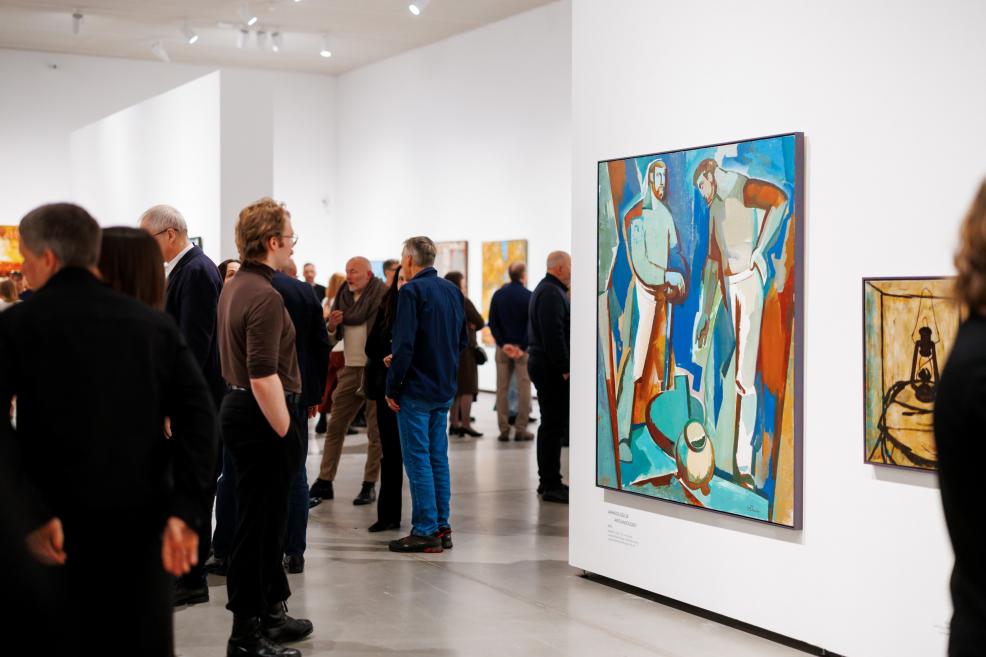
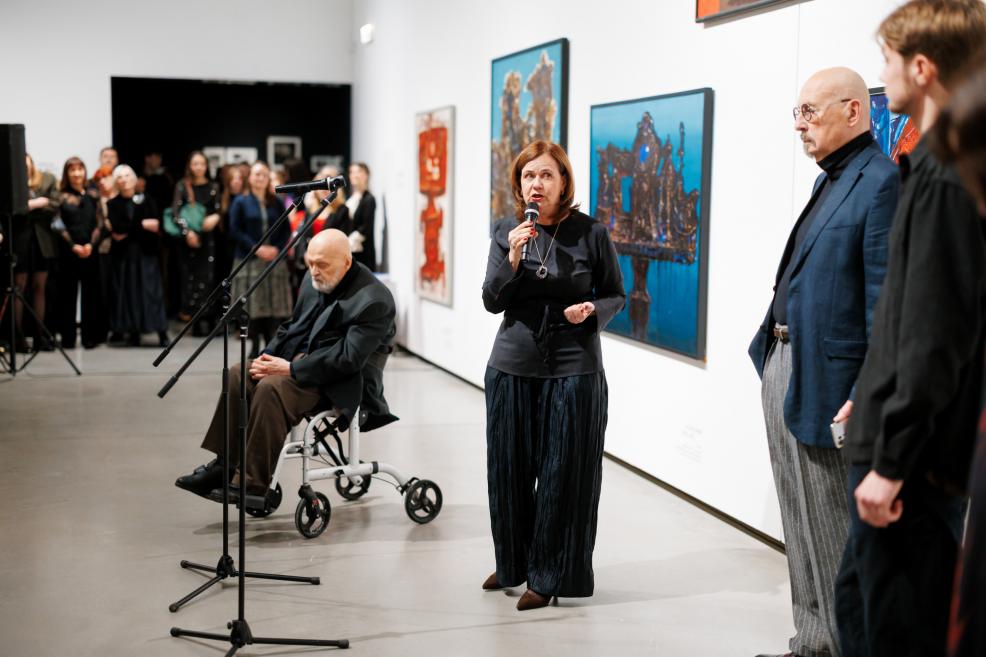
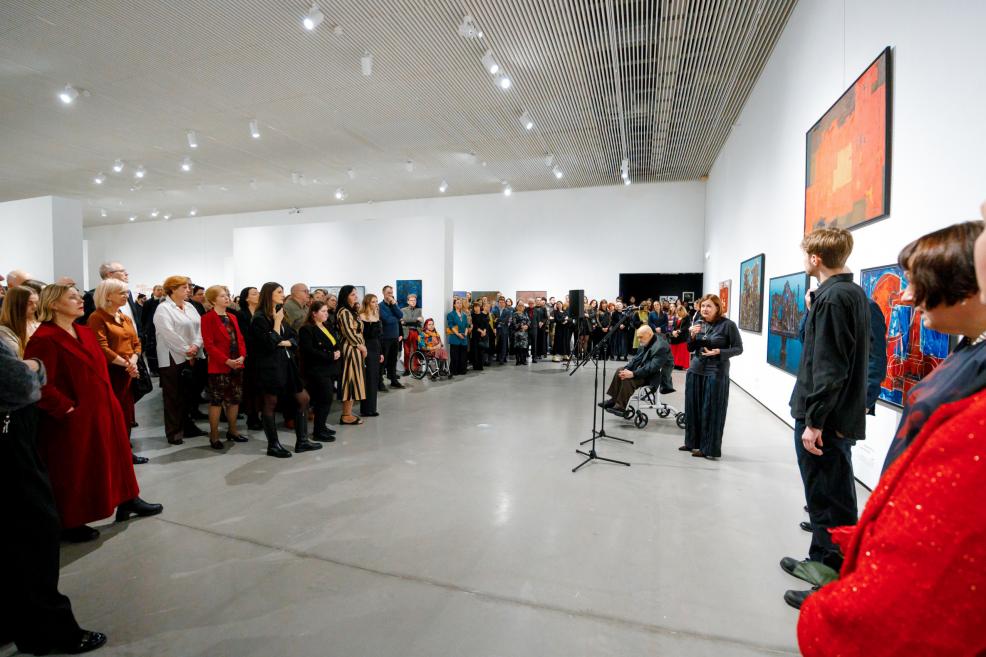
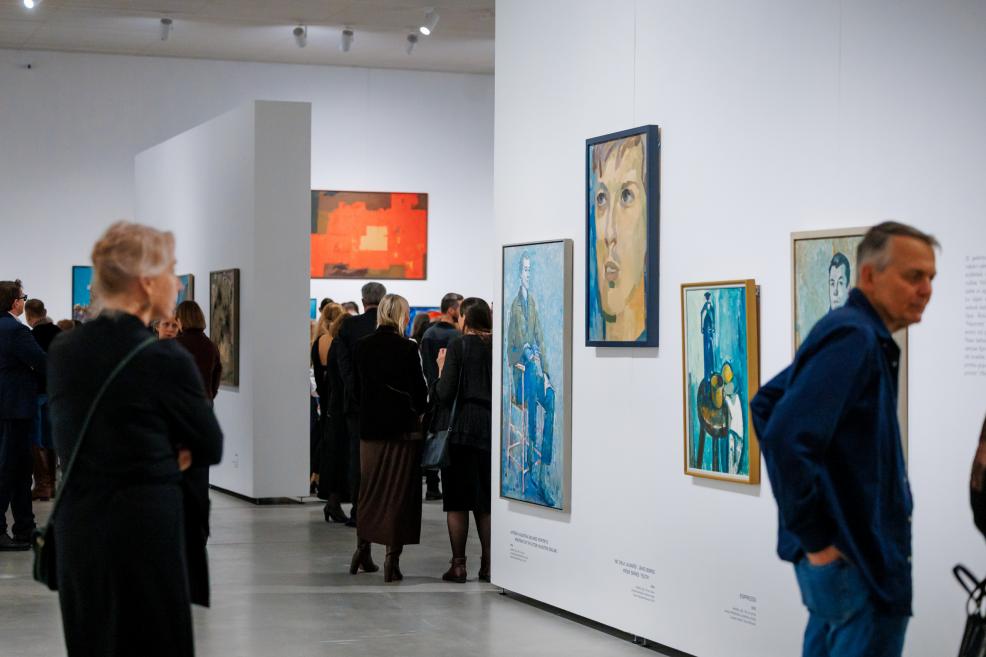
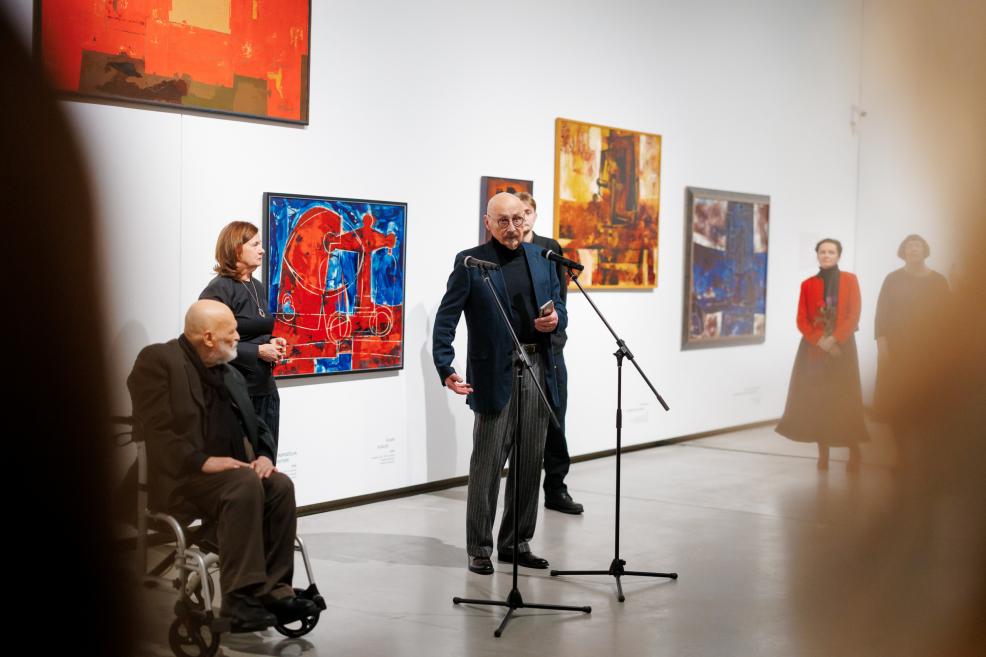
Ojārs Ābols returned to Riga full of youthful energy and optimism, ready for the building of an idealistically-conceived future and became a member of the Communist Party (1947). Yet he exchanged the career of a party worker for art. He enrolled in the Art Academy of the Latvian SSR, graduating in 1951 from the Monumental Painting Studio of Otto Skulme (1889–1967), continued his studies in the postgraduate school in the Repin Institute of Painting, Sculpture and Architecture in Leningrad, earning the degree of candidate of sciences in art. The exhibition also includes Ābols’ early “orthodox” socialist realist compositions from the 1950s, which were devoted to the “historic struggle for the victory of communism”.
Ojārs Ābols’ spouse Džemma Skulme has said: “As artists we began developing very late – only in the 60s.” From the 1960s, free artistic choices appear in Ābols’ work – Figurative Expressionism, Abstract Expressionism, conceptual painting cycles. These artistic interests were sparked by contact with Western art. Artist and art historian Taira Haļapina wrote in 1969: “He is among those leading personalities which grow and develop in a constant argument, dispute with themselves.”
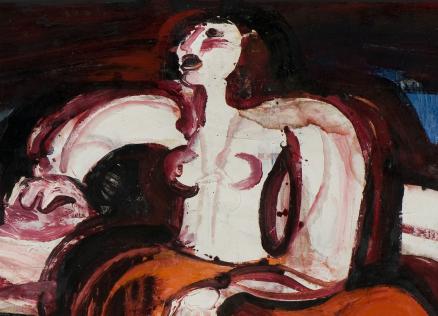
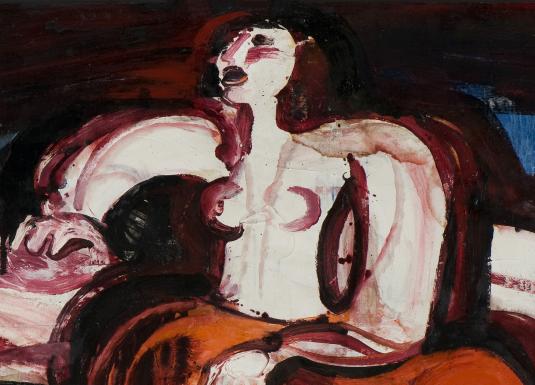
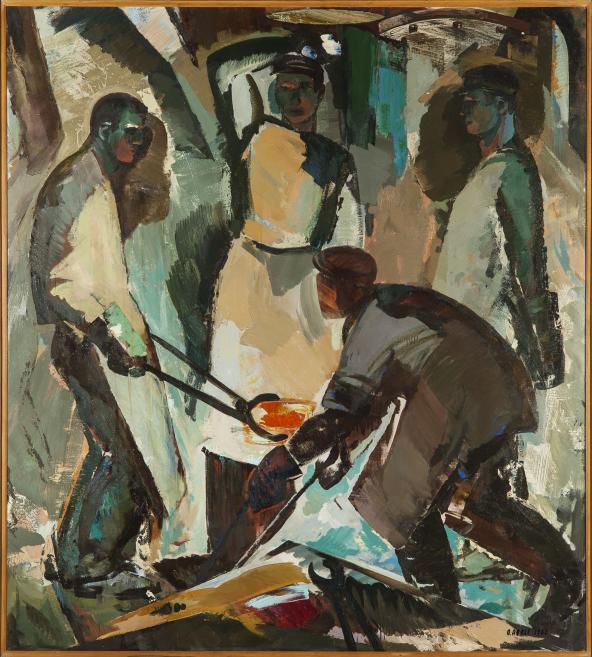
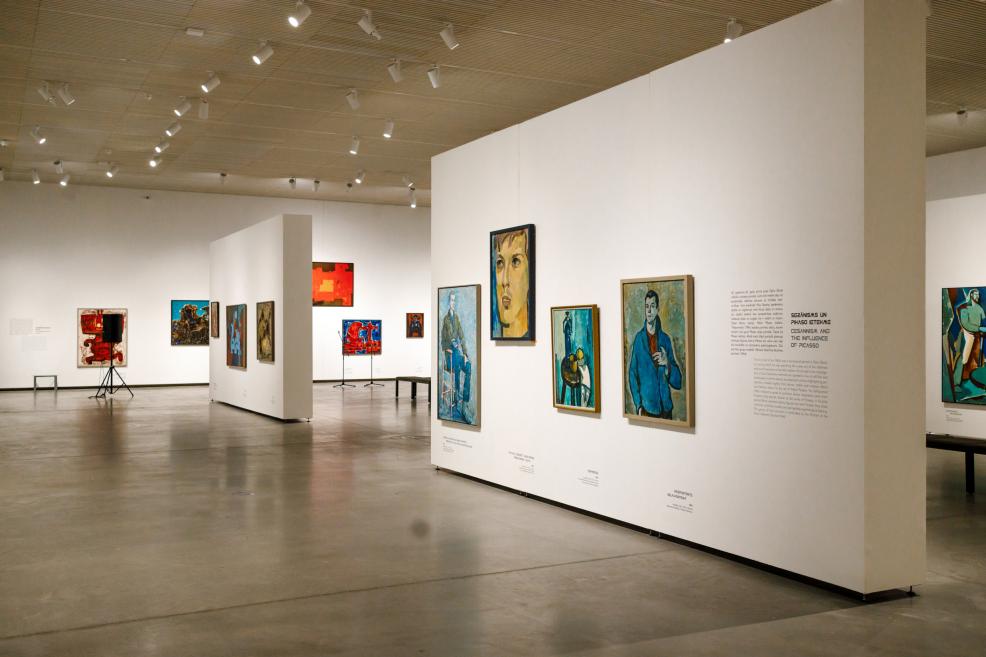
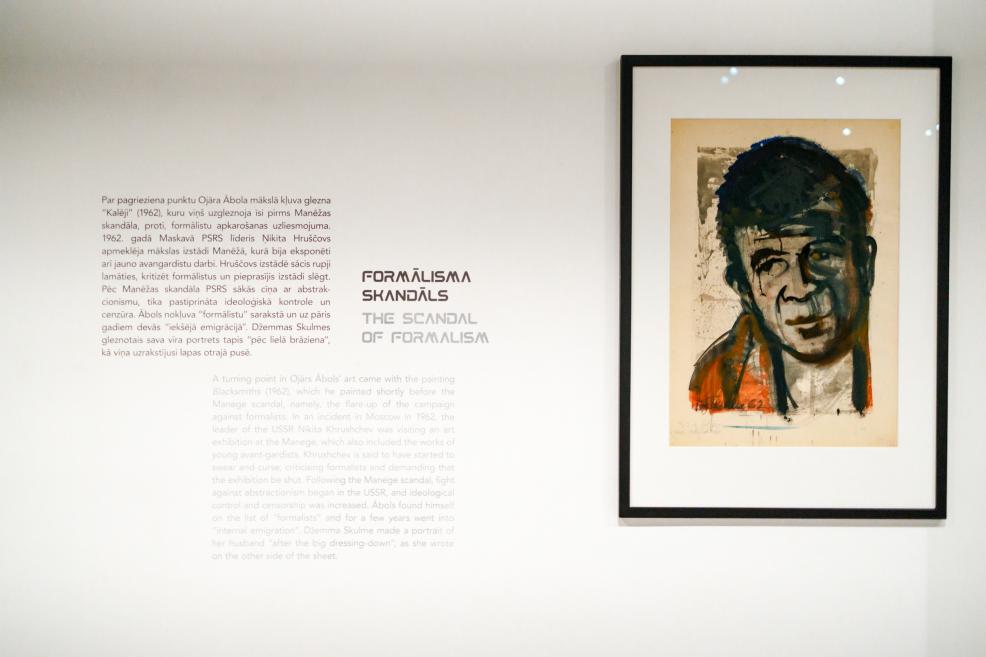
In 1956, as part of a delegation of Soviet cultural workers, Ojārs Ābols together with Džemma Skulme went on a journey around Europe on a cruise ship. Having been on the other side of the Iron Curtain and having encountered real Modernism, his views about art radically changed. The turning point in Ābols’ career is Blacksmiths from 1962 – a figural ‘severe style’ composition painted in broad gestural strokes and a forceful expressive manner. In 1963–1964, a campaign against Modernism was carried out in the Soviet Union and Ābols found himself on the list of formalists. Yet for the most part his painting of the 1960s displays modern modifications of the severe style with influences from his teacher Romans Suta, while Ābols had also taken a particular interest in the art of Pablo Picasso.
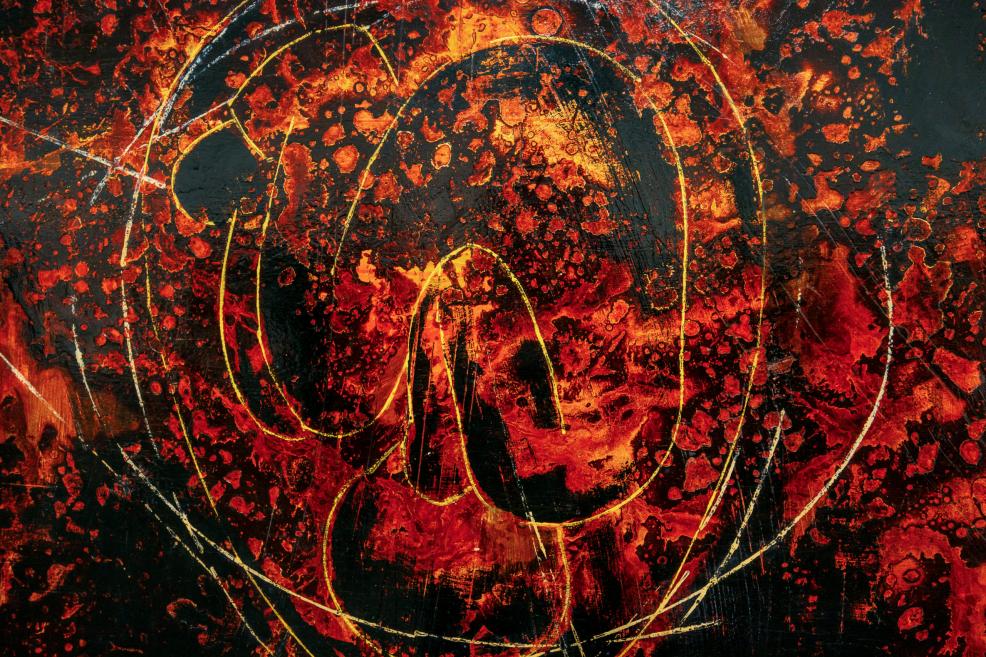
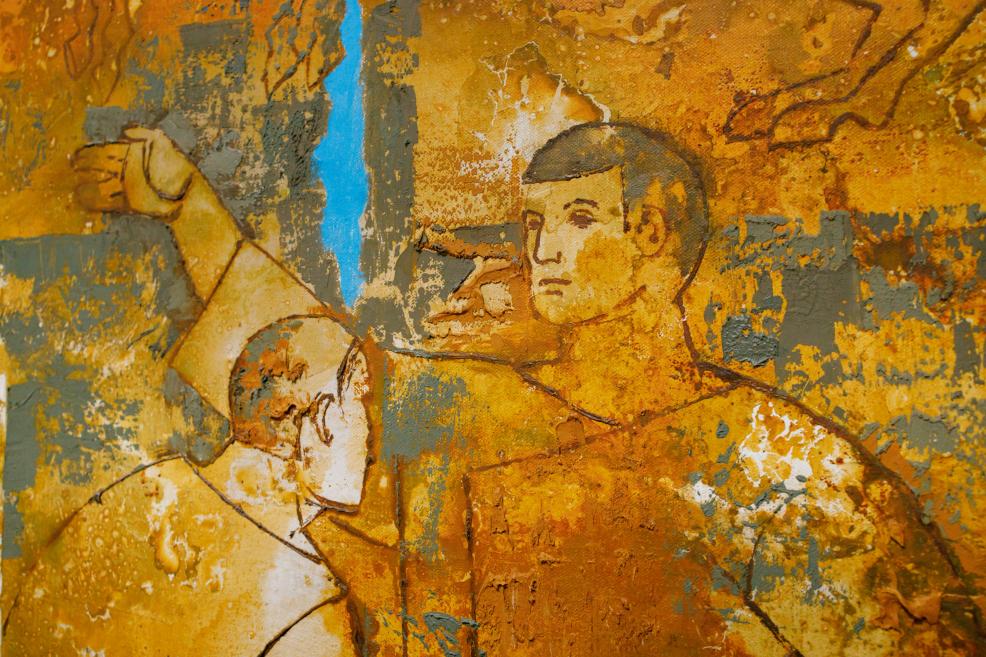
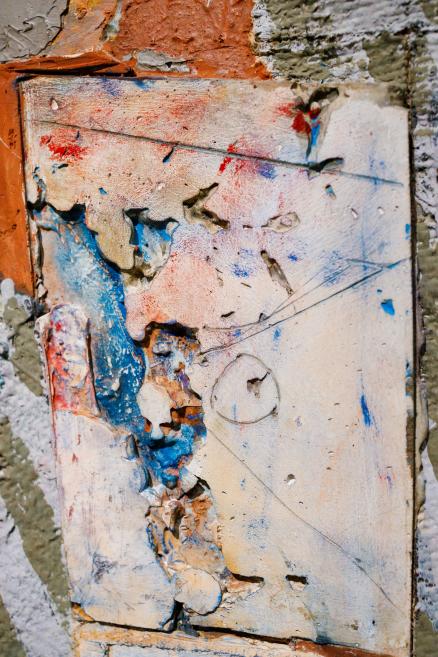
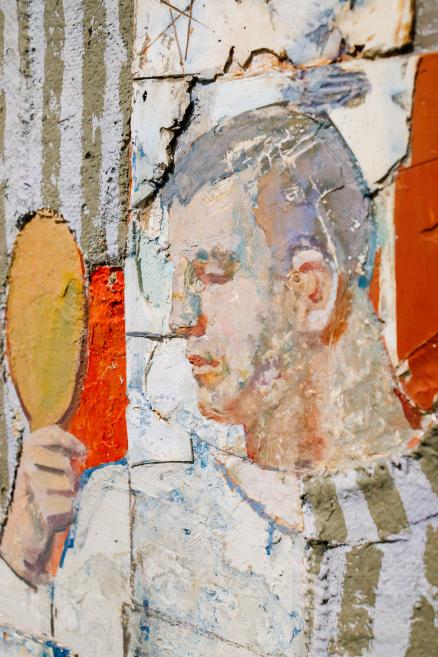
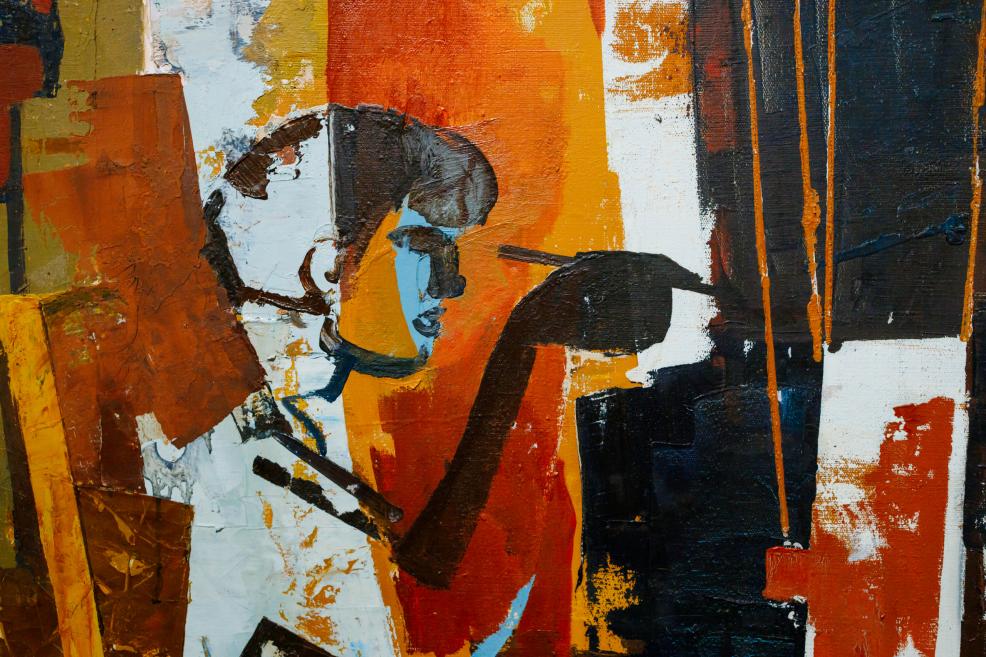
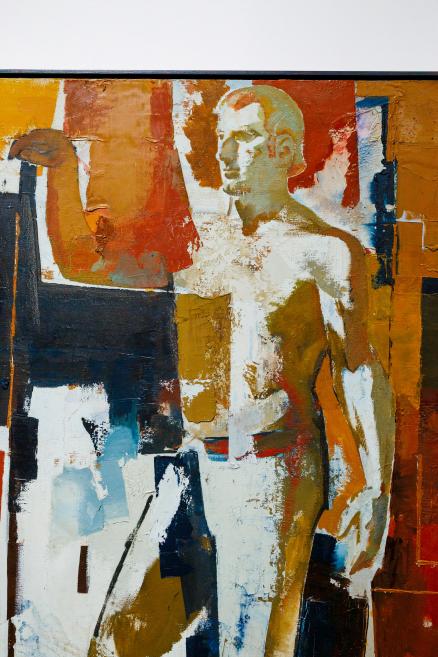
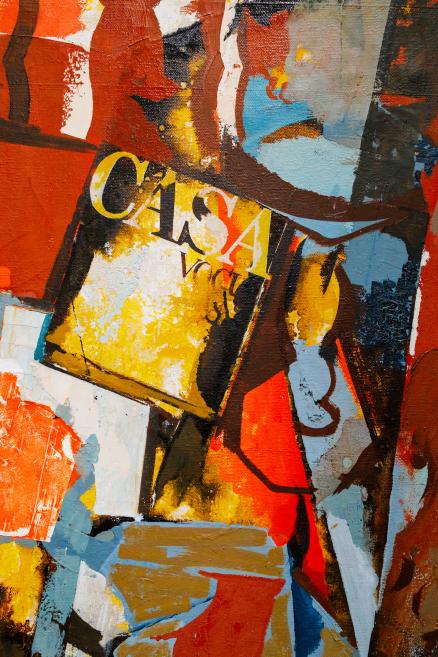
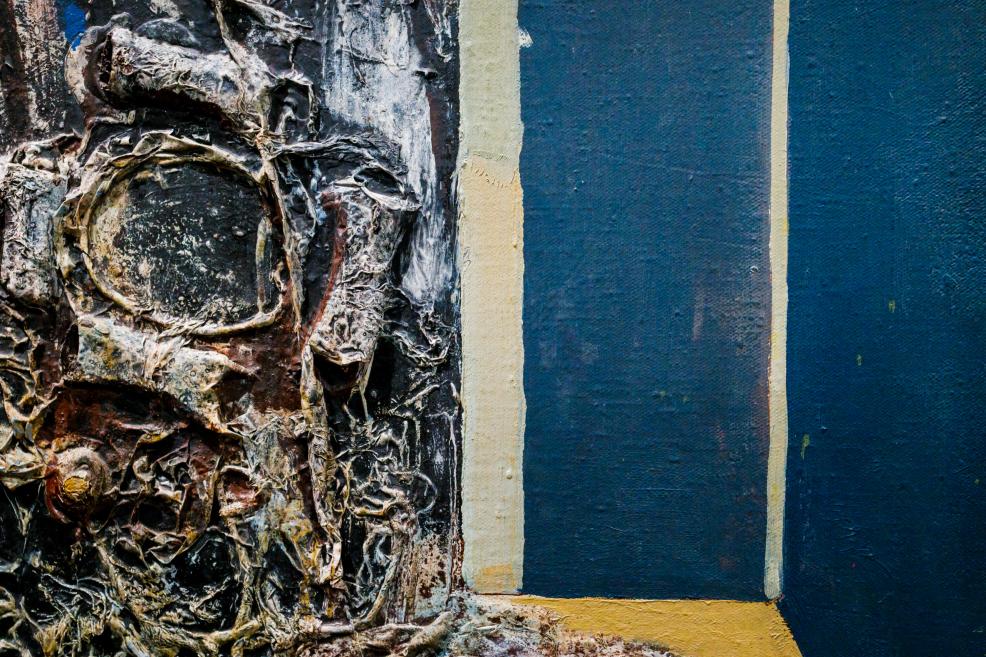
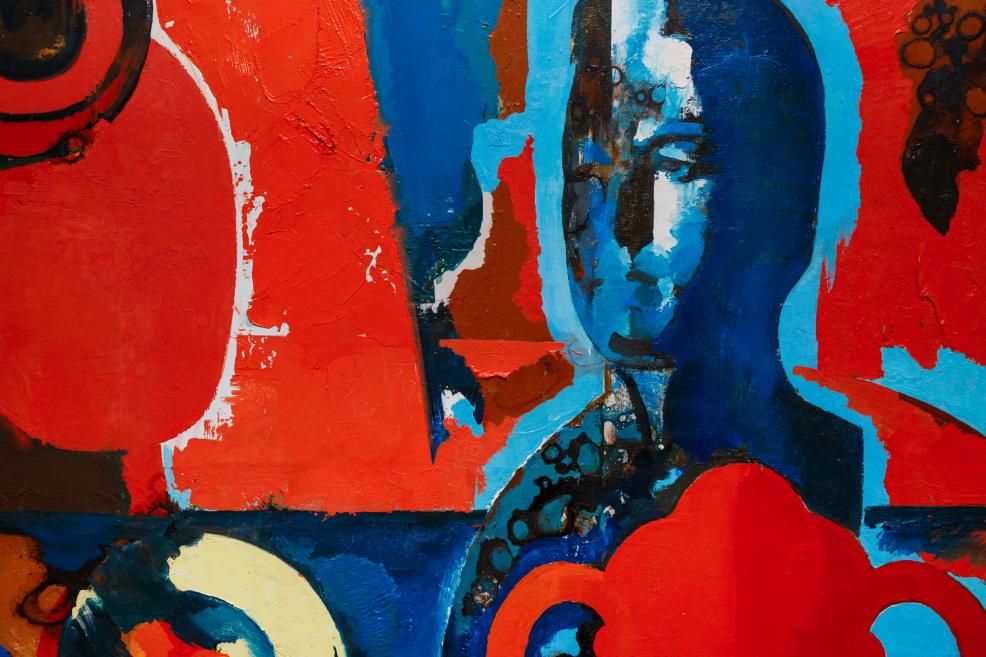
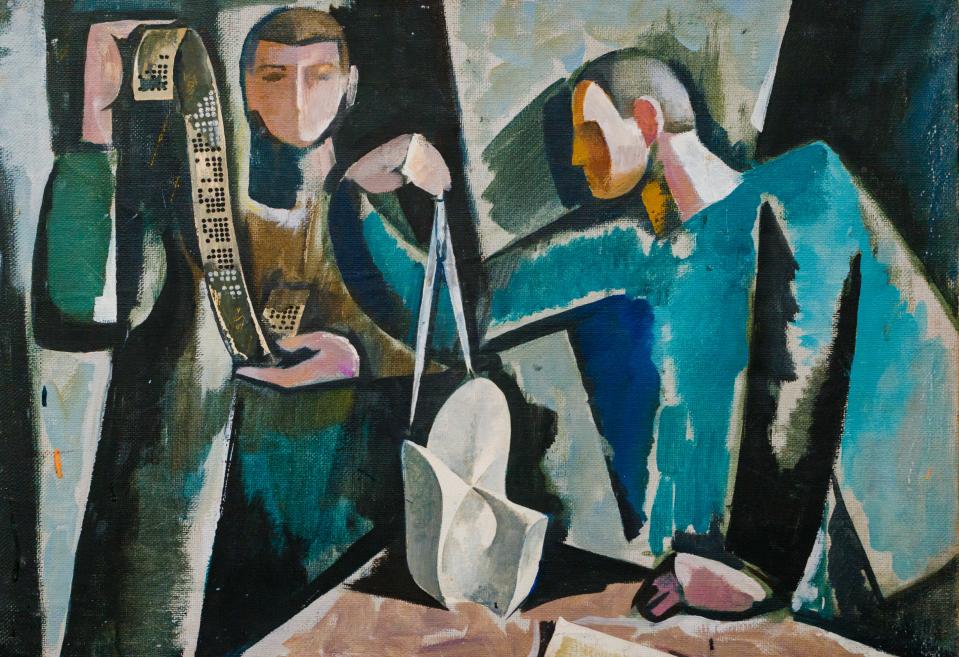
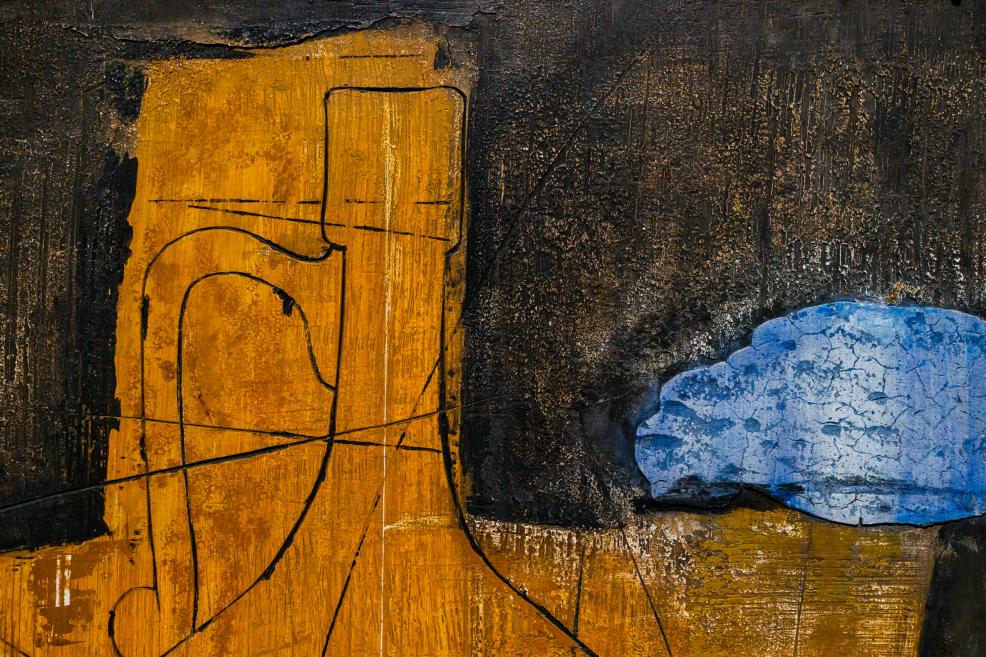
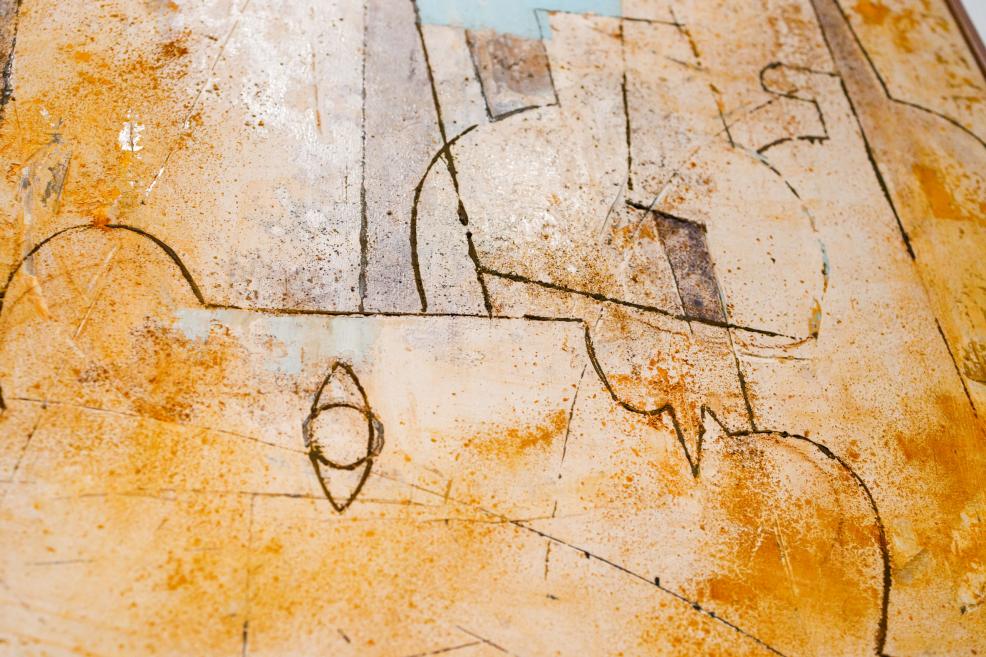
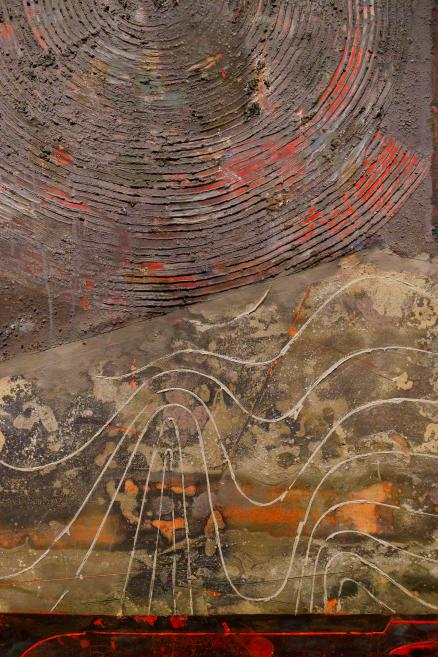
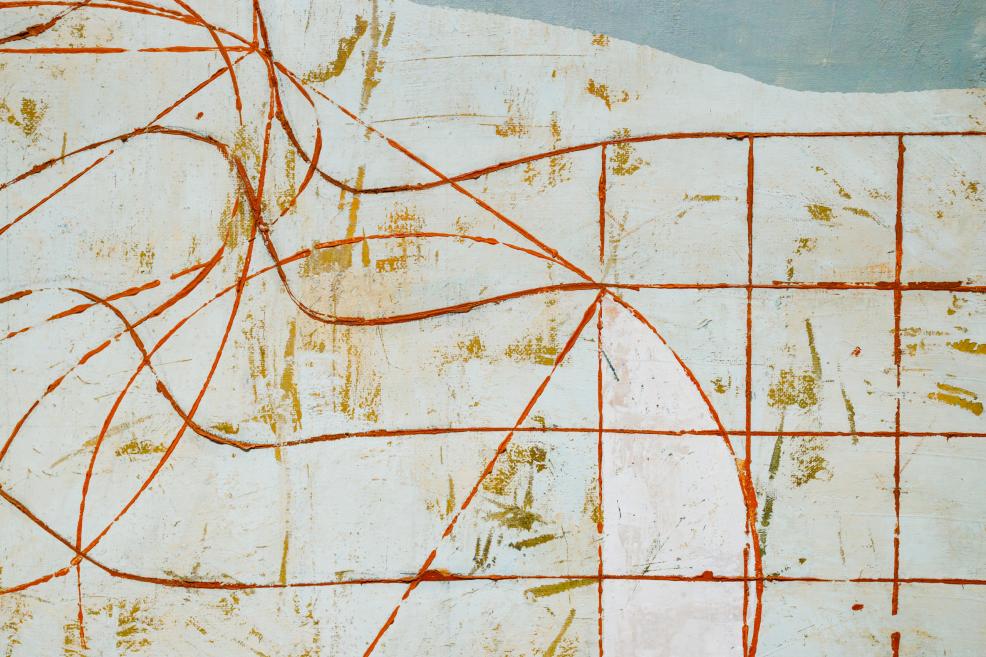
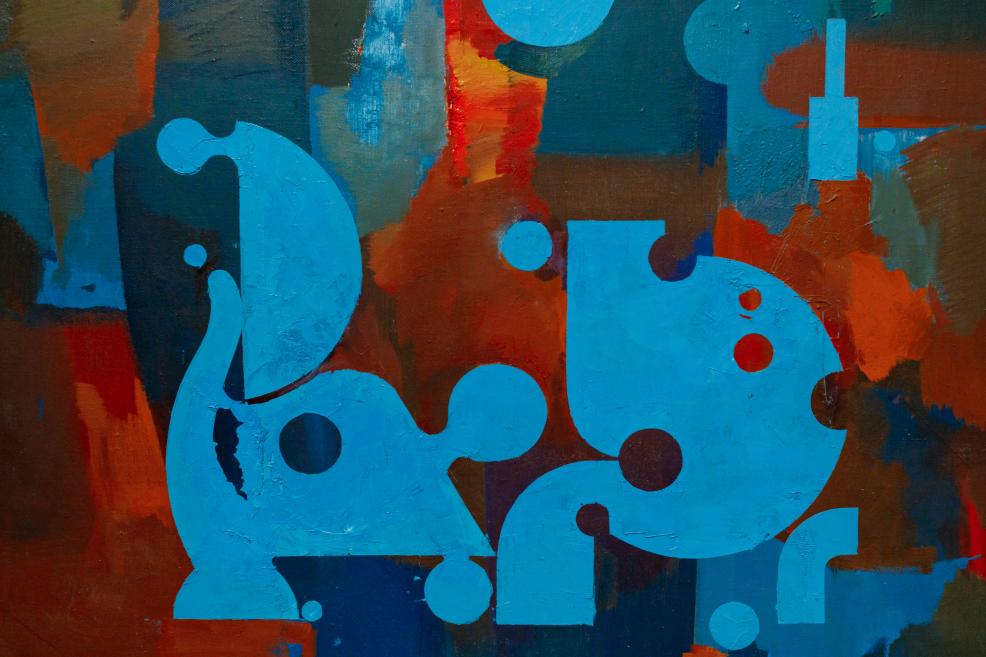
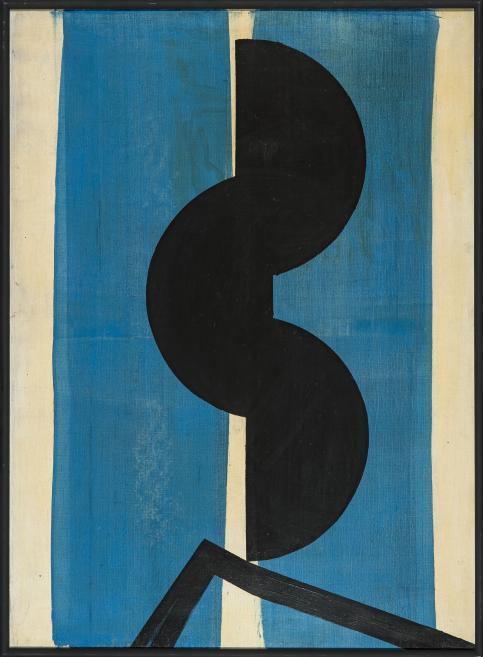
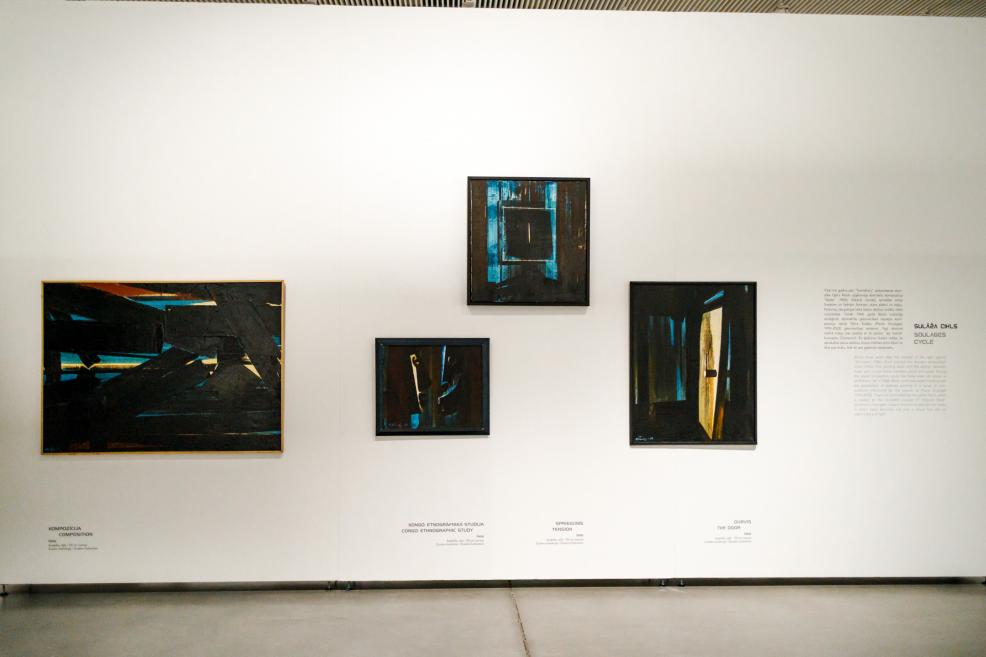
Despite the fight against modernists, in the mid-1960s Ojārs Ābols even arrived at an entirely abstract form of expression, inspired by the art of the French abstractionist Pierre Soulages. Ābols lived in constant tension between himself as a communist and himself as an artist. He wanted to belong to Western art and the Western way of life yet was active in the structures established by the occupation regime. Ābols symbolically expressed being under the control of the authorities in the cycle Carpenter’s Bench, which he started in 1966. The artist was preoccupied with showing tension and counterforce, energy, movement, active space in painting.
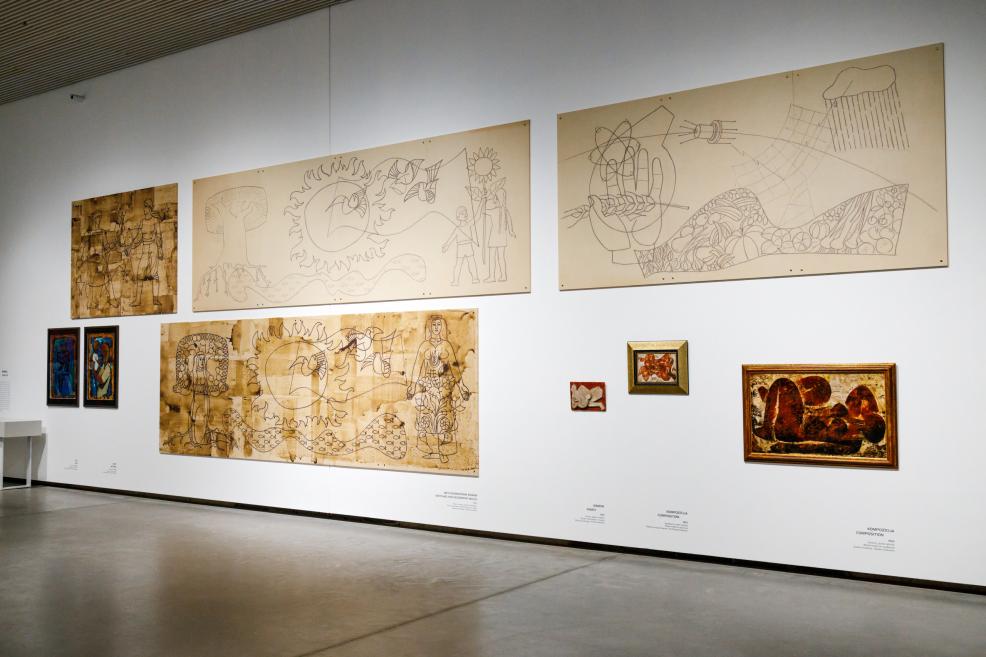
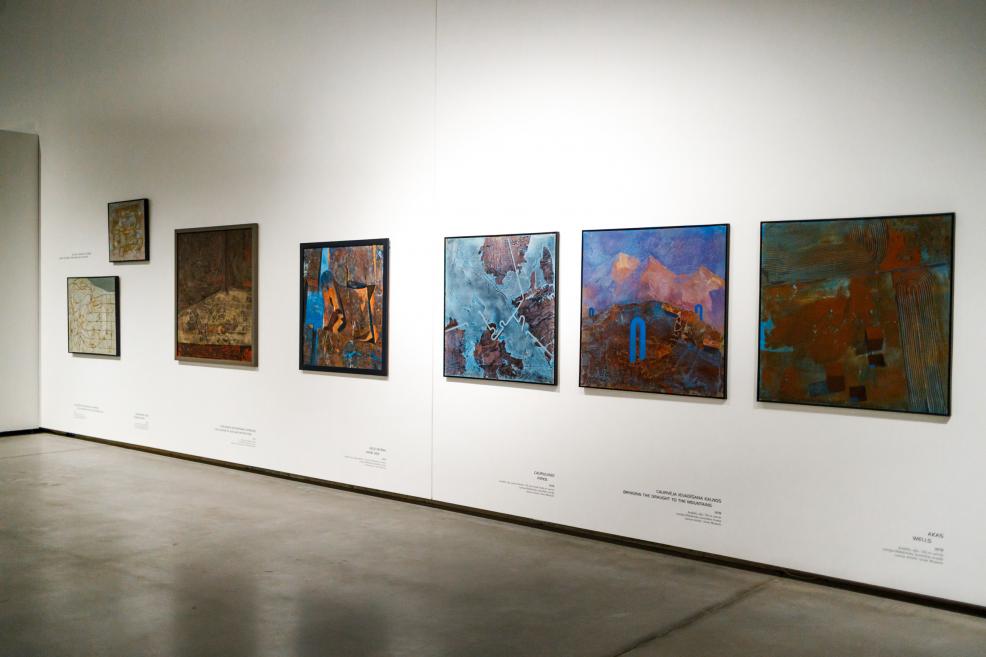
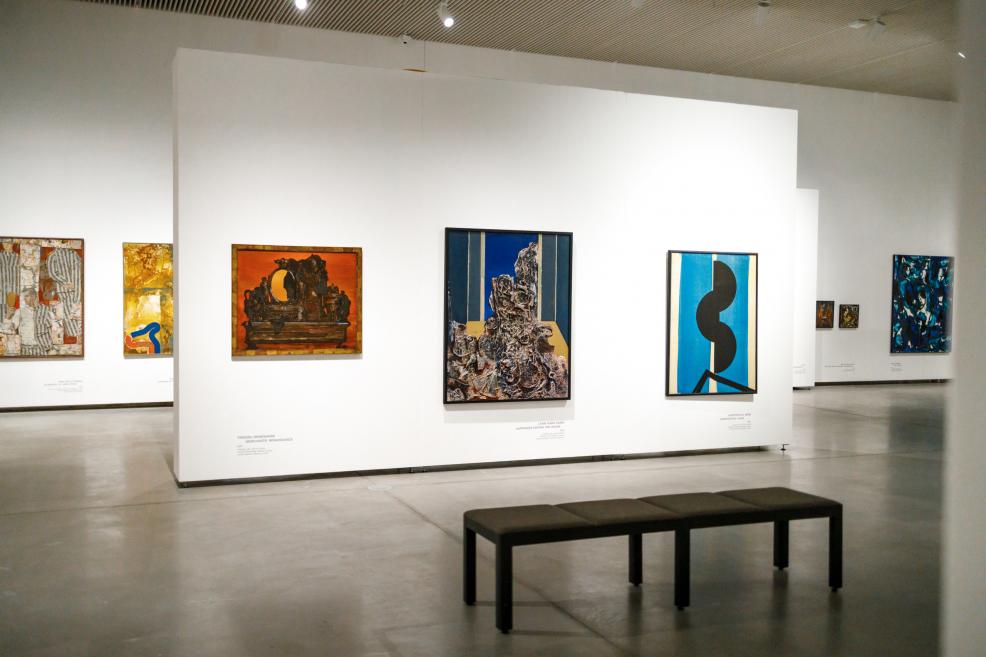
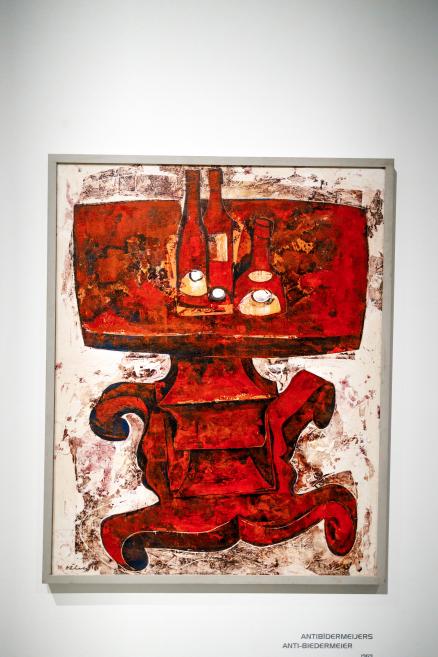
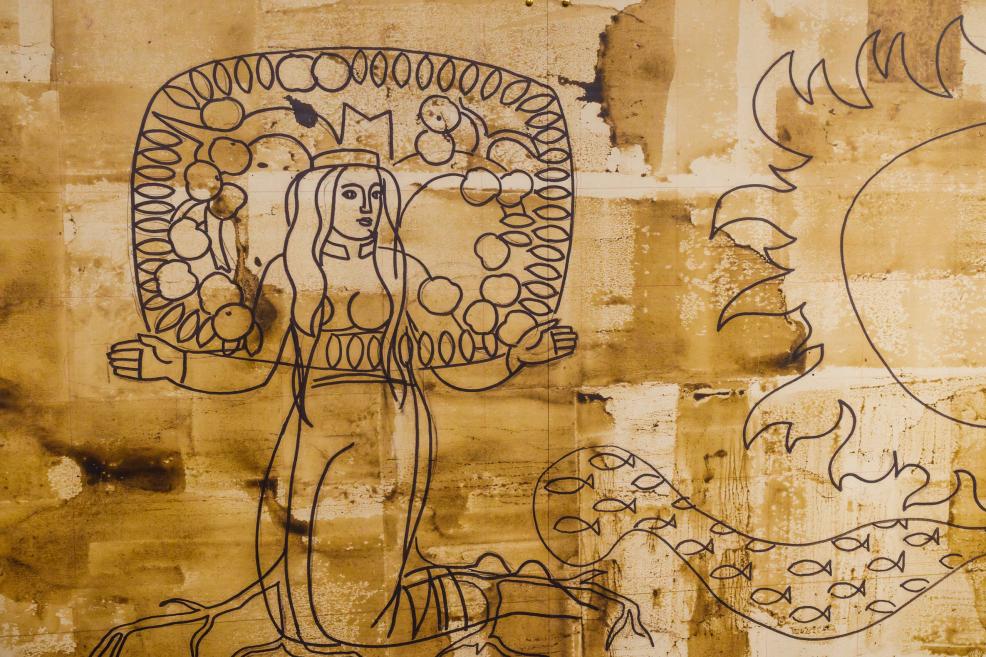
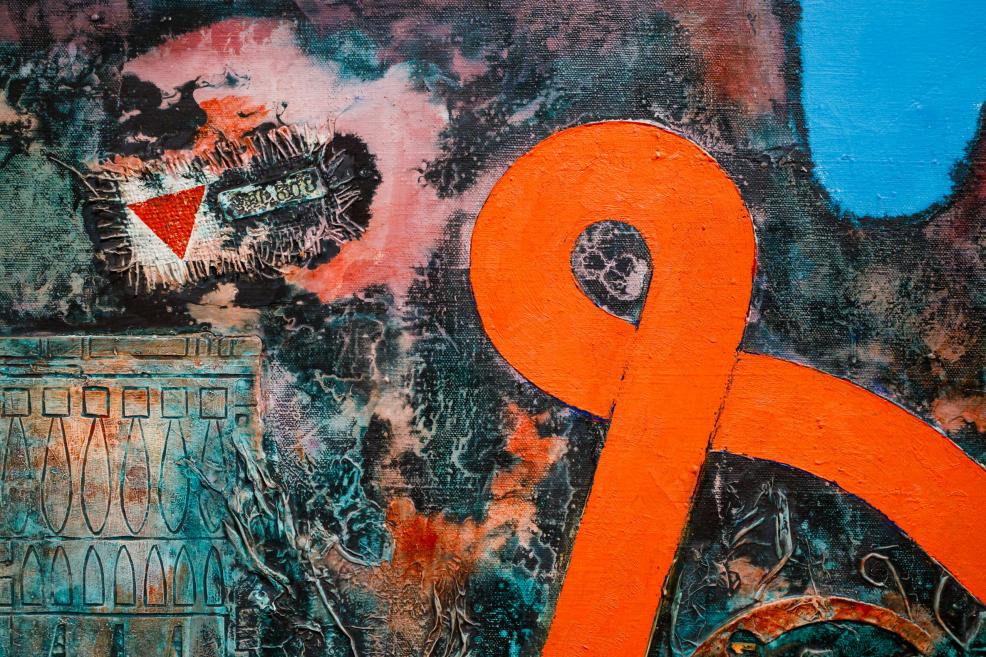
Starting from the late 1960s, Ojārs Ābols’ art became increasingly conceptual, he was interested in the processes on Earth and the role of man in them. Ābols’ concern for the Earth was pacifist and formed in the spirit of the 1970s Western ecological movement rather than the Cold War propaganda slogan “struggle for peace”. He turned to the threat of the nuclear arms race (Hiroshima; Estimate of Nuclear Destruction), also seeing ancient and prehistoric monuments as faced with threats and destruction. In the 1970s, Ojārs Ābols set out on several conceptual cycles, the ideas of Greenpeace were reflected in the cycle Processes on Earth. Even his still lifes were conceptual, commenting on poor taste, narrowmindedness and the cult of wealth (Anti-Biedermeier; Merchants’ Renaissance).
Ojārs Ābols was also a theorist and art critic, in the 1970s becoming one of the most erudite knowers of Western art in Latvia. Following his trips abroad he eagerly shared his impressions with colleagues. In 1976, having returned from the Venice Art Biennale, Ābols proposed the exhibition Nature. Environment. Man (1984), which would critically address the relationship between man and environment. This exhibition caused an explosion of contemporary art in Latvia.
During his life, not a single personal exhibition of Ojārs Ābols’ oeuvre took place in Latvia, yet he actively participated in artists’ group exhibitions. After Ābols’ death, his wife Džemma Skulme continued the artistic processes they both had initiated in Latvia.
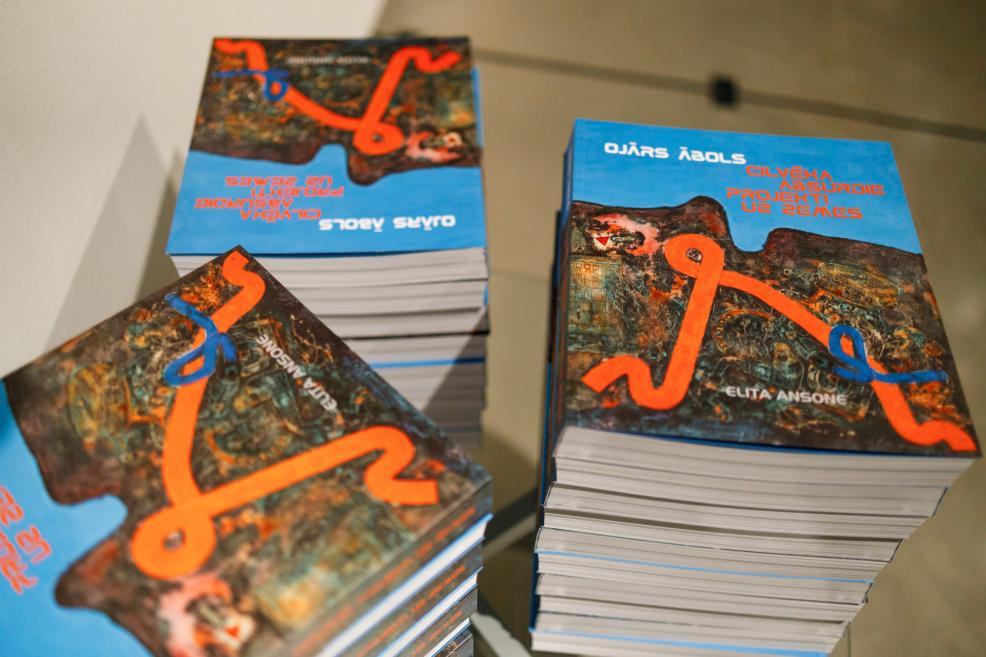
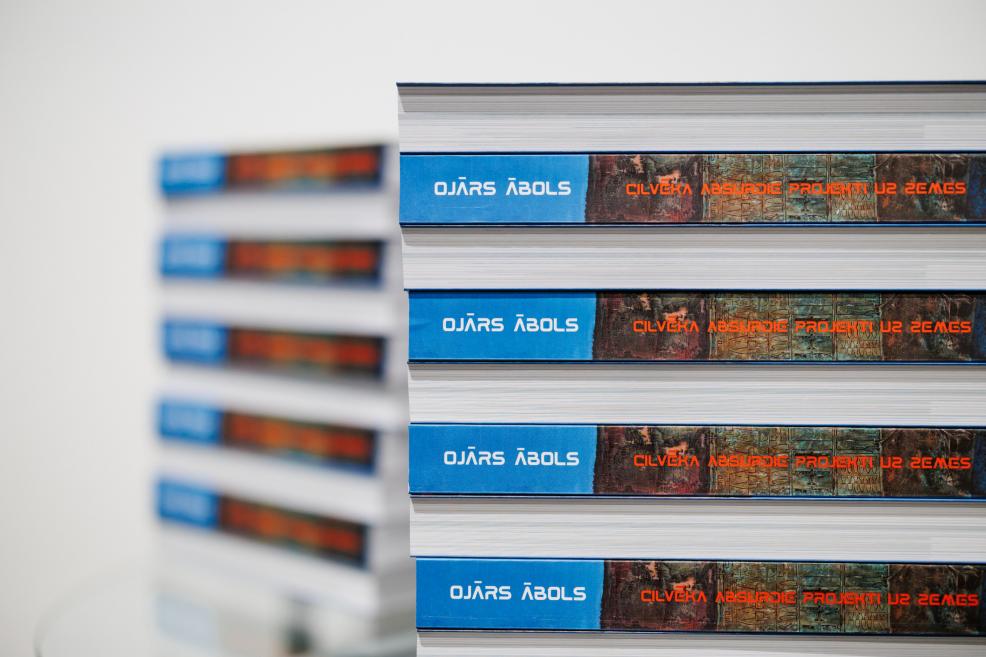
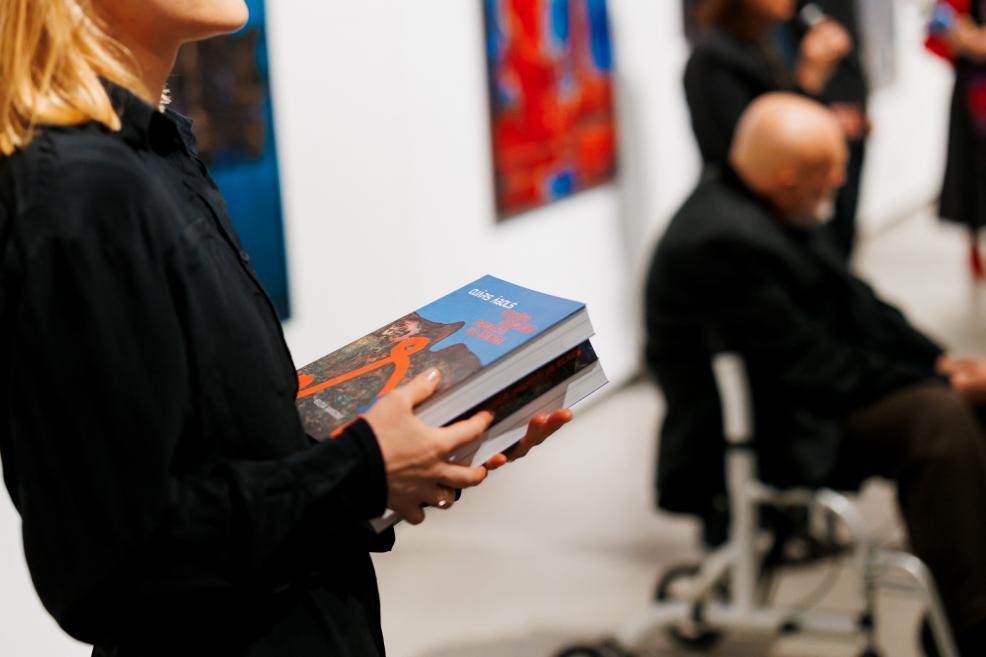
Released to coincide with Ojārs Ābols’ exhibition, Dr. art. Elita Ansone’s monographic study Ojārs Ābols. Man’s Absurd Projects on Earth aims to bring together both sides of Ābols’ life – the communist one and the pro-Western one, his conformism and his non-conformism, attempting to grasp who exactly was Ojārs Ābols.
On 20 January, the Latvian National Museum of Art will host the conference Between Conformism and Non-conformism.
Text by Elita Ansone
Exhibition supporter: