The Photography Collection (second half of the 20th century – 21st century)
The development of the Photography Collection of the Latvian National Museum of Art began in 2011 with a major donation of photographs by Egons Spuris (1931-1990), gifted to the museum by his widow, photographer Inta Ruka.
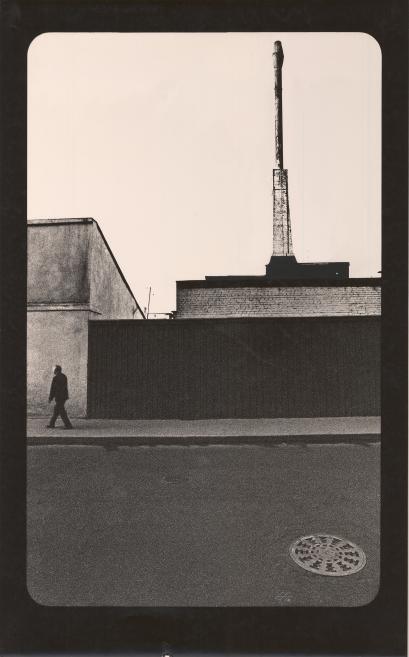
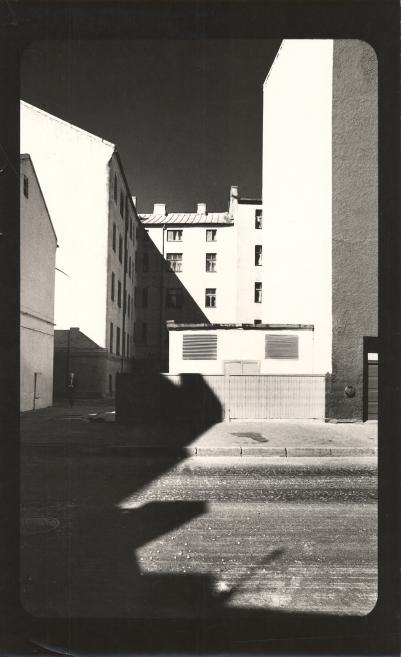
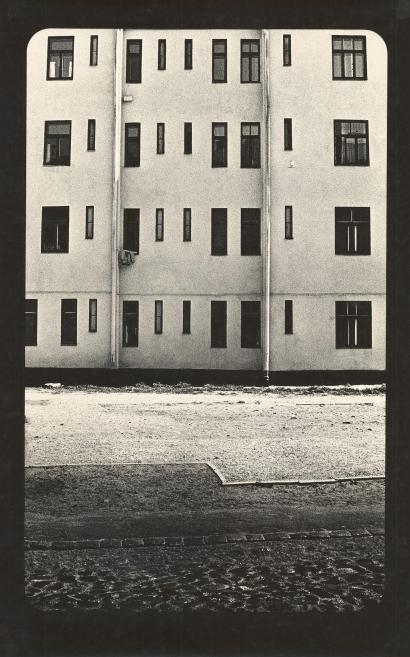
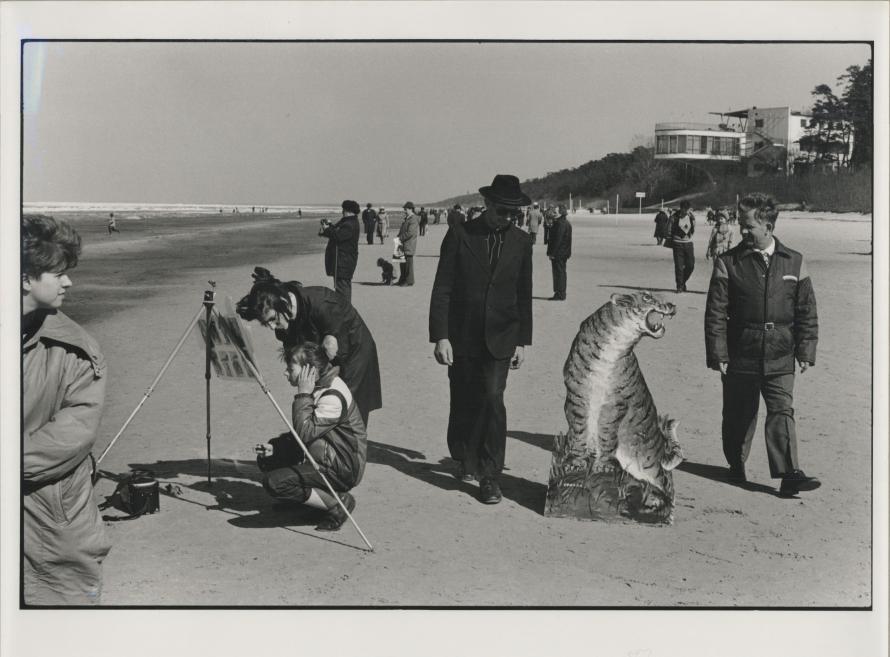
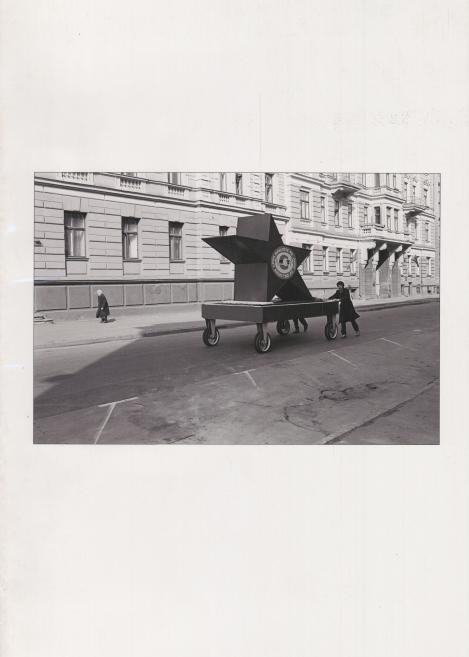
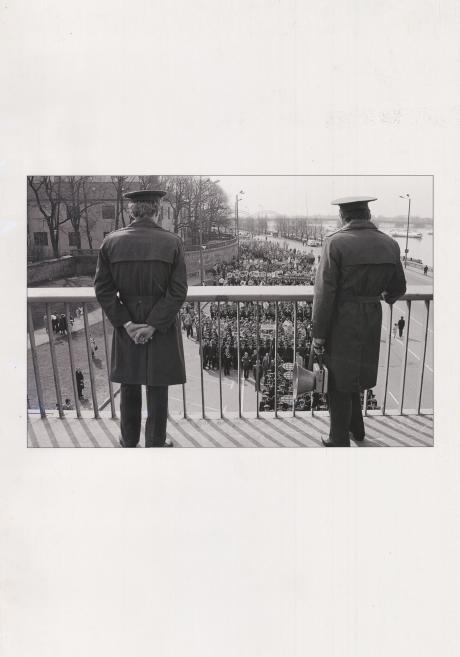
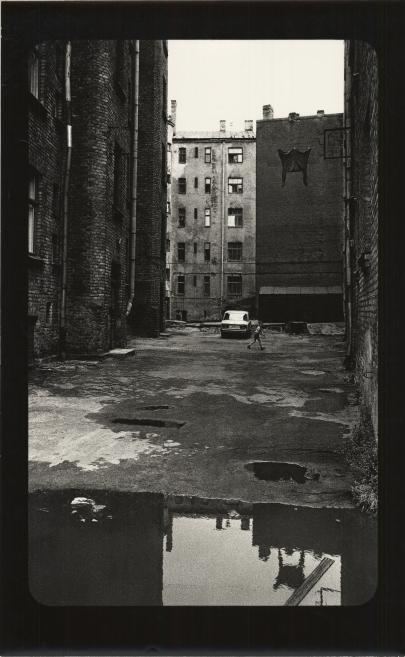
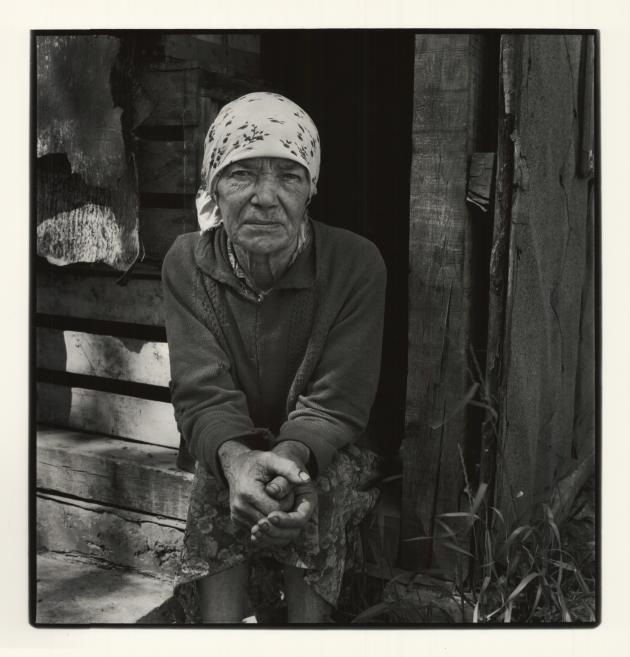
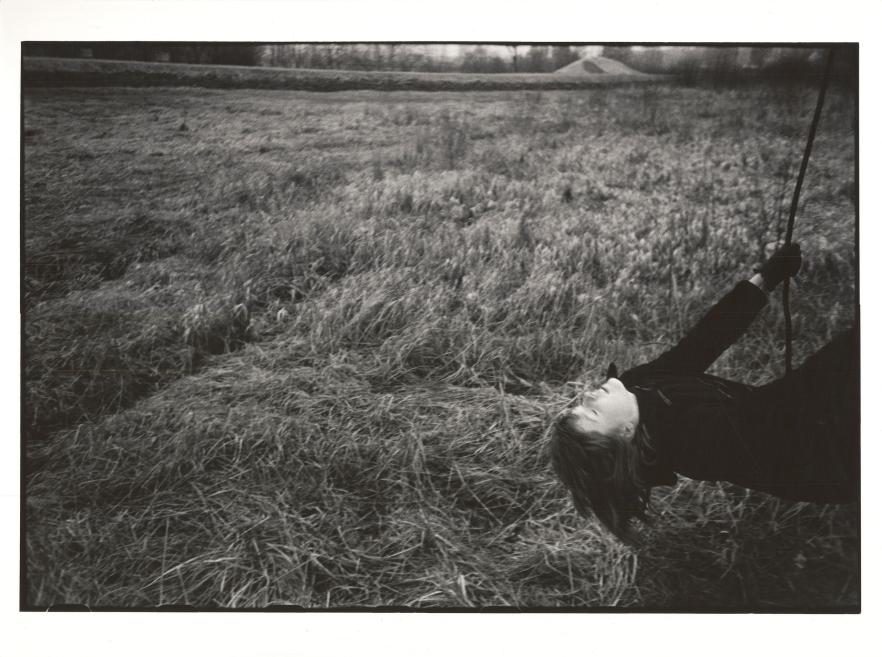
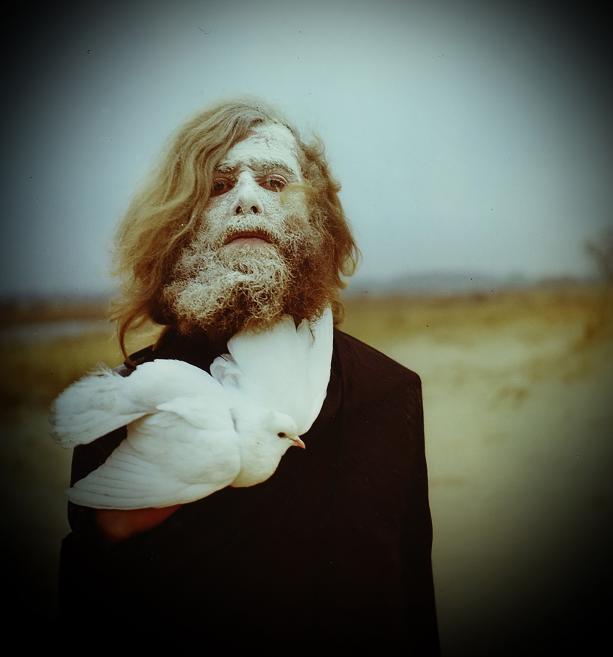
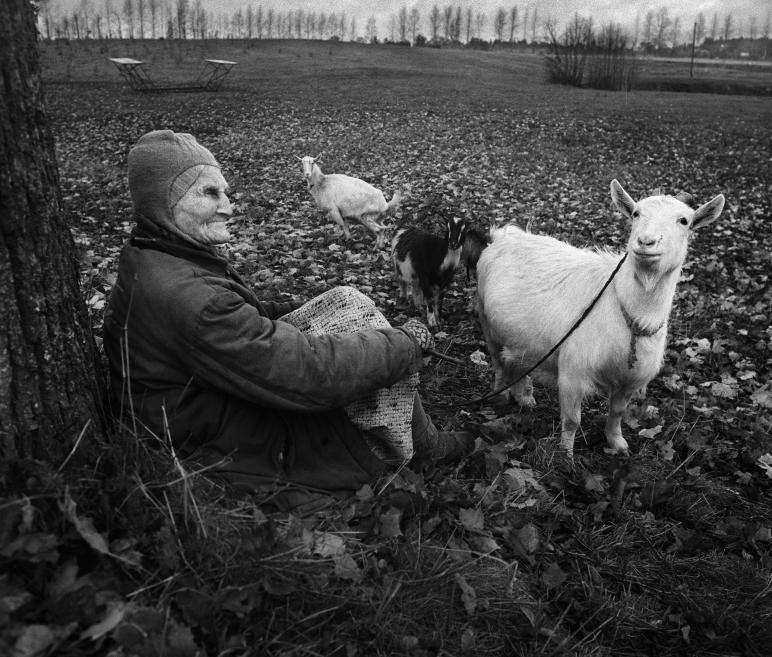
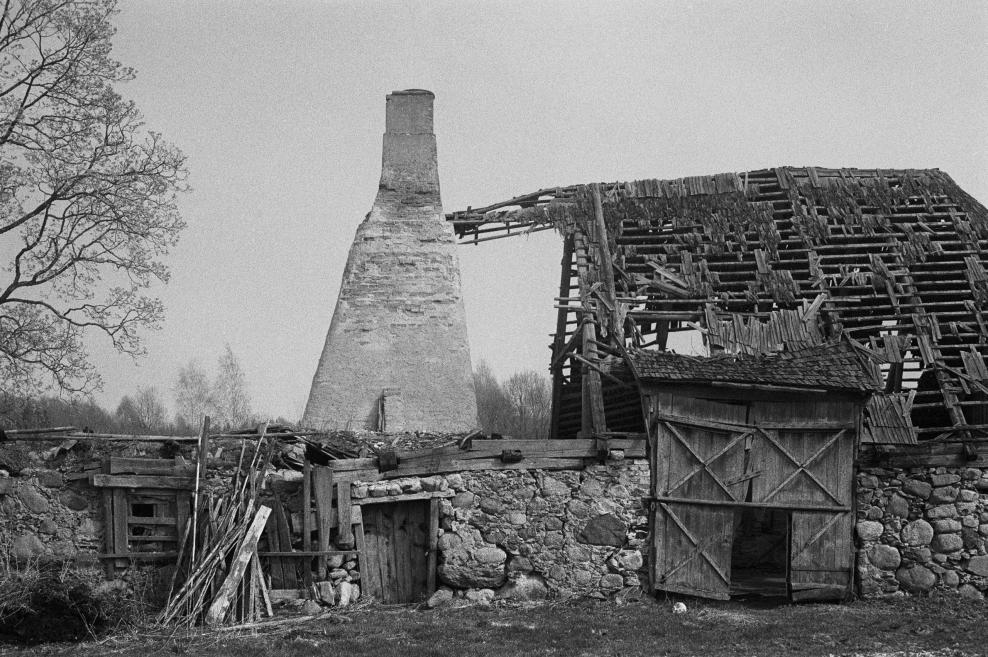
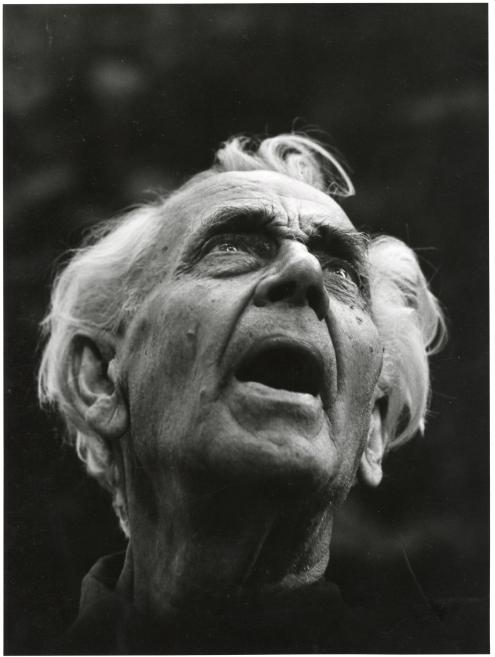
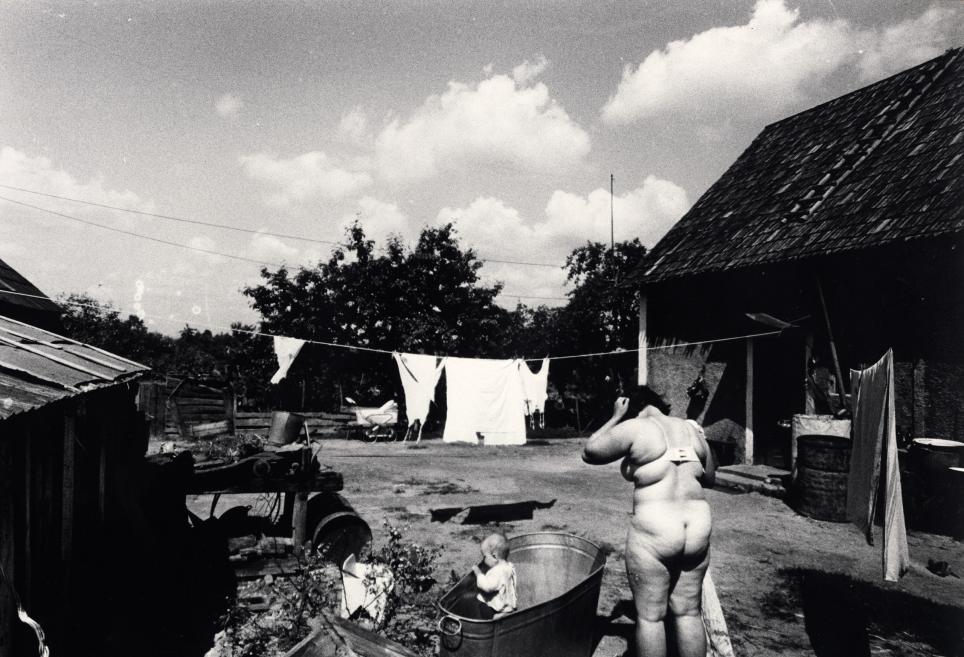
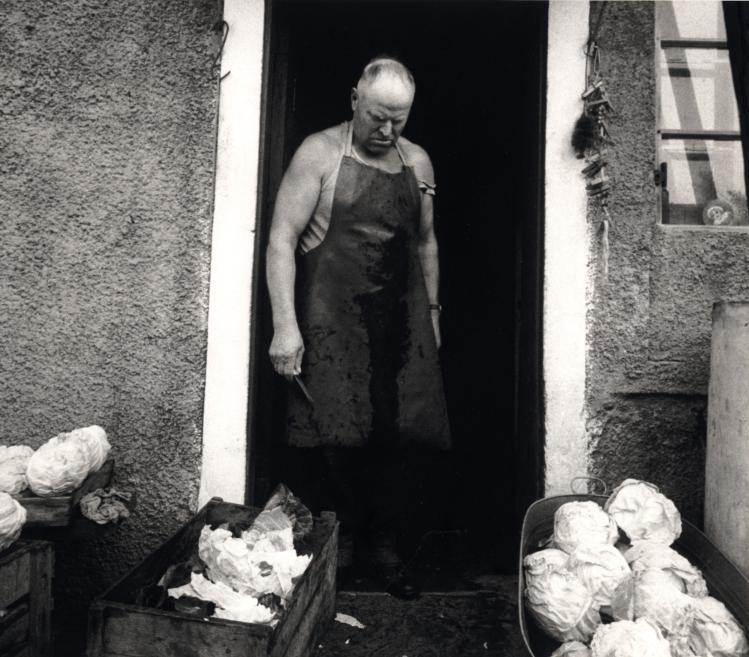
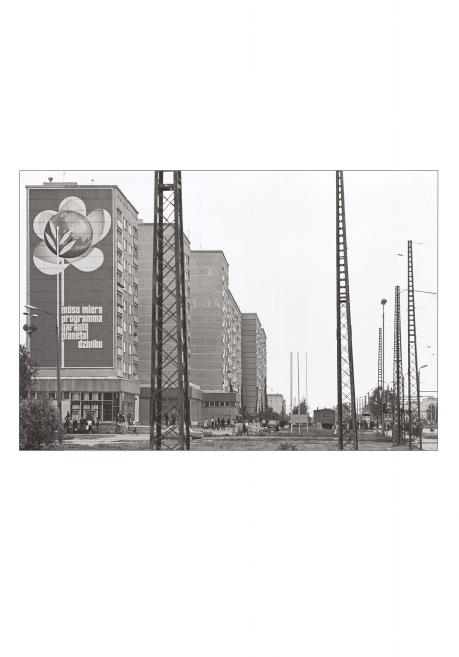
The collection of 157 photographs by Spuris features the contemplative realism of the 1960s and 1970s in the series Pechory Monastery, as well as scenes of Latvian fishermen and the sea, landscapes, portraits and genre compositions. His photo series Riga. Proletarian Districts. Late 19th, Early 20th Centuries (1970-1980) is included in the Latvian Cultural Canon and is characterized by an interest in abstraction, silhouetted rhythms and a graphic visual language.
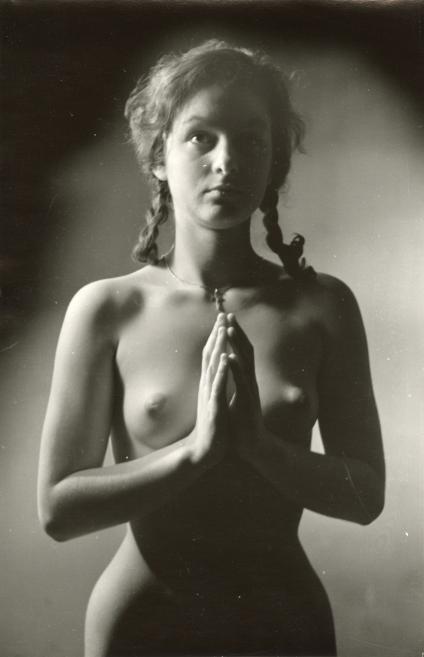
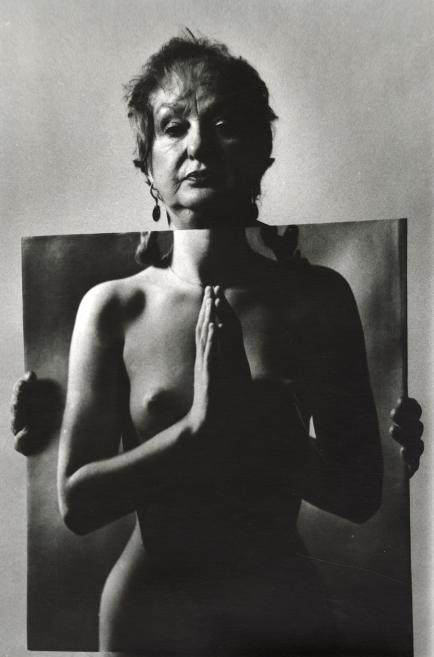
The oldest photographic work in the collection is the series Girl with a Cross (1963-2013) comprising six works by the classic master of Latvian photography Gunārs Binde (1933). By capturing nudes of art historian Sarmīte Sīle (1945-2018) every ten years, it records the physical and psychological transformations of a woman’s body. His canonical portrait of the legendary theatre director Eduards Smiļģis (1886-1966) was awarded the gold medal at the 29th International Salon of Photographic Art (XXIX Salón Internacional de Arte Fotográfico) in Buenos Aires in 1965. Binde’s photography is characterized by a search for the dramatic hero, utilizing expressive gestures, glances and movements alongside heightened chiaroscuro contrasts. Binde developed an original staged photography method, synthesizing stage direction, acting performance, cinematic aesthetic principles and documentary practice.
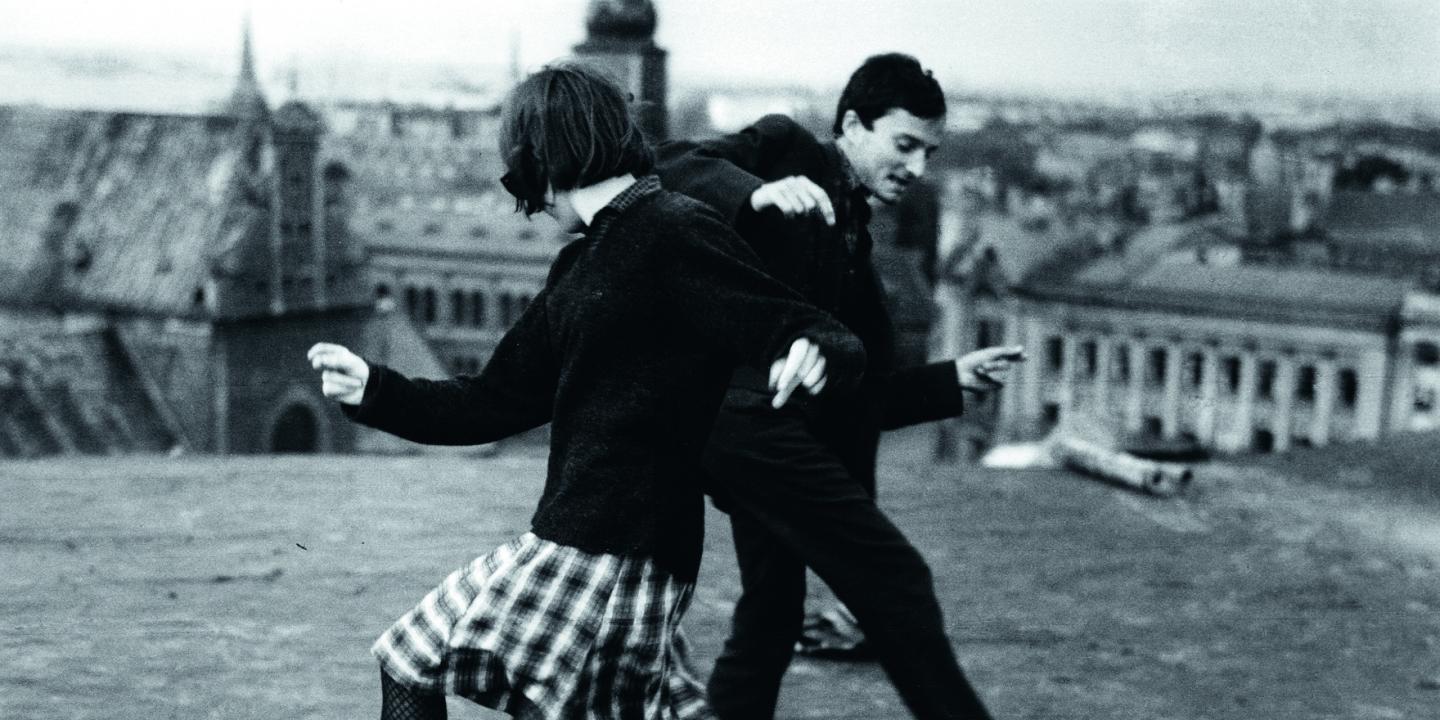
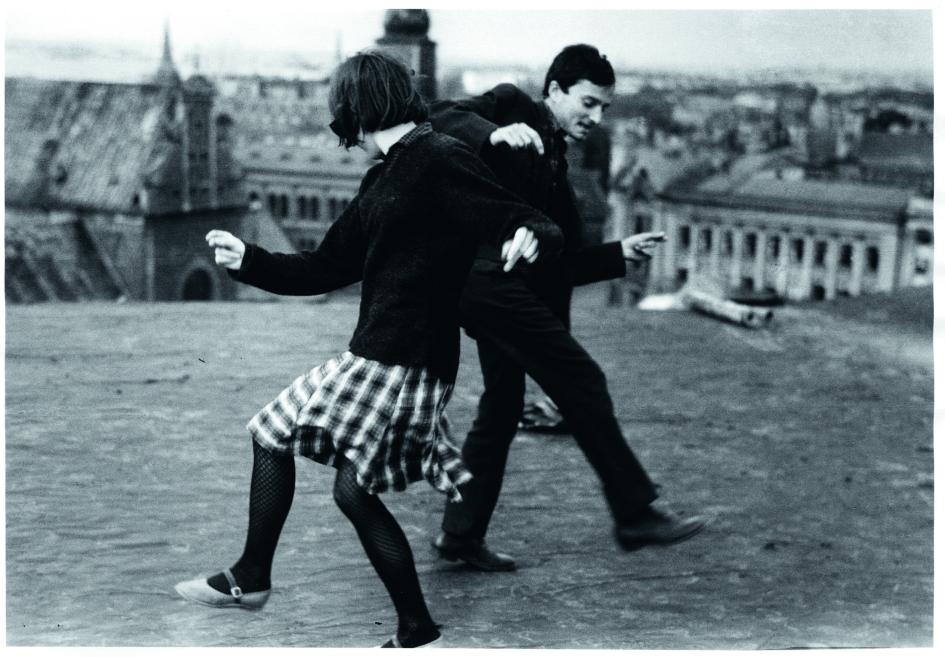
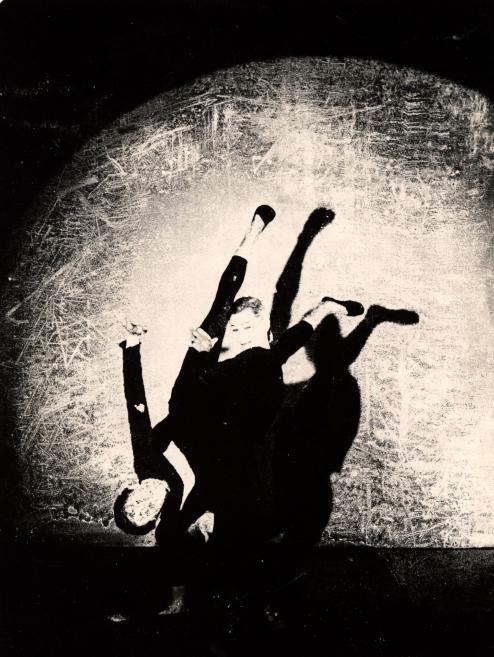
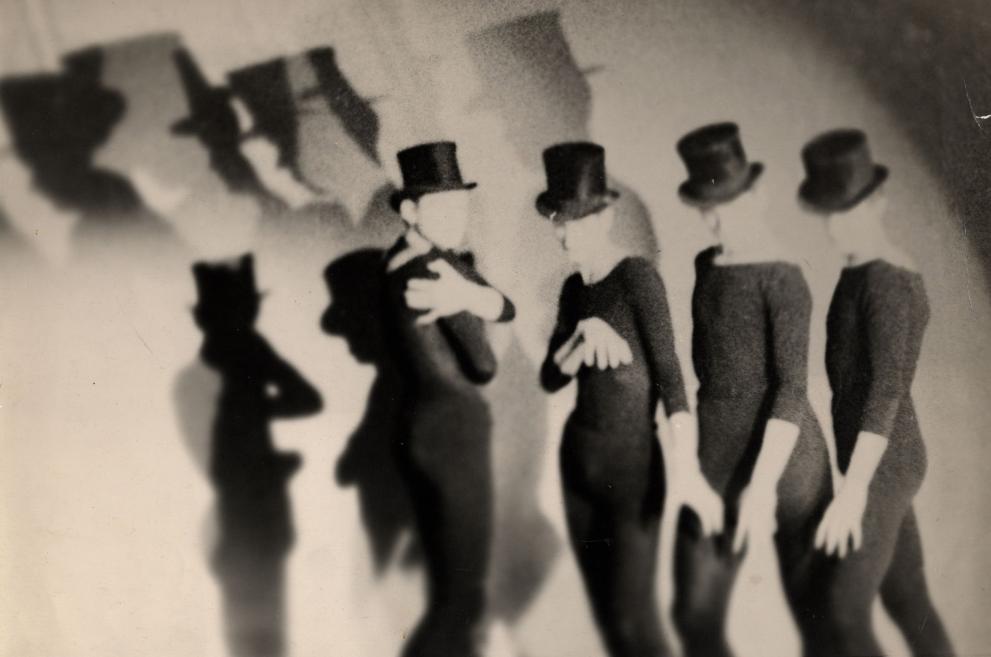
In contrast to the male gaze in photography, the female photographers represented in the museum’s collection depicted their female contemporaries in everyday situations. These aesthetic traditions of the 1960s continue in the photographs of Sarmīte Kviesīte (1946), rendered with tonal contrasts in pursuit of expressive compositional planes. The 1960s works of Zenta Dzividzinska (1944-2011) demonstrate a distinct engagement with avant-garde phenomena. Her aesthetically refined series Riga Mime (1964-1966) captures rehearsal moments of the troupe, employing unconventional framing, double exposure and photochemical experimentation in search of formal expressiveness. In her series House by the River (1965-1975) candid snapshots capture private everyday family moments. The camera lens of Māra Brašmane (1944) frequently focuses on young, active female intellectuals within the urban environment of Riga, including its famous cafes Putnu dārzs, Kaza and Kārlis. An intensely experimental character defines the 1970s-1980s works of Atis Ieviņš (1946), who utilized colour etching, solarization, screen printing and photolithography techniques in his portraits of alternative culture figures.
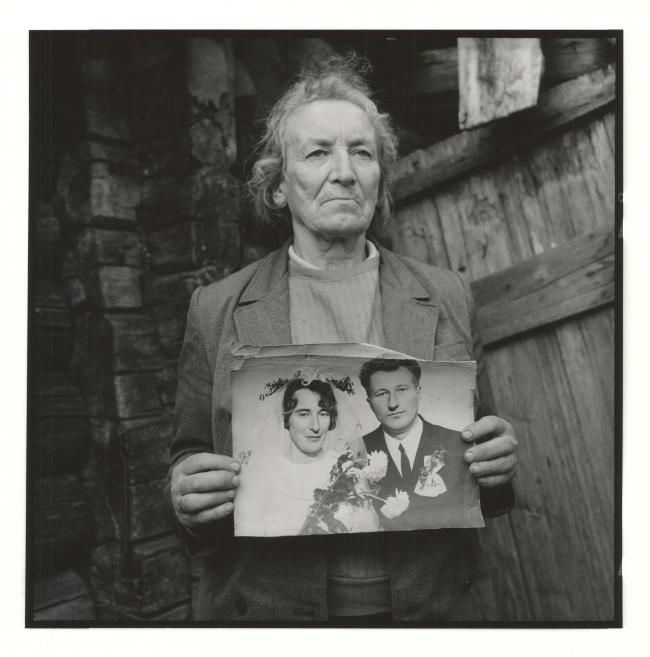
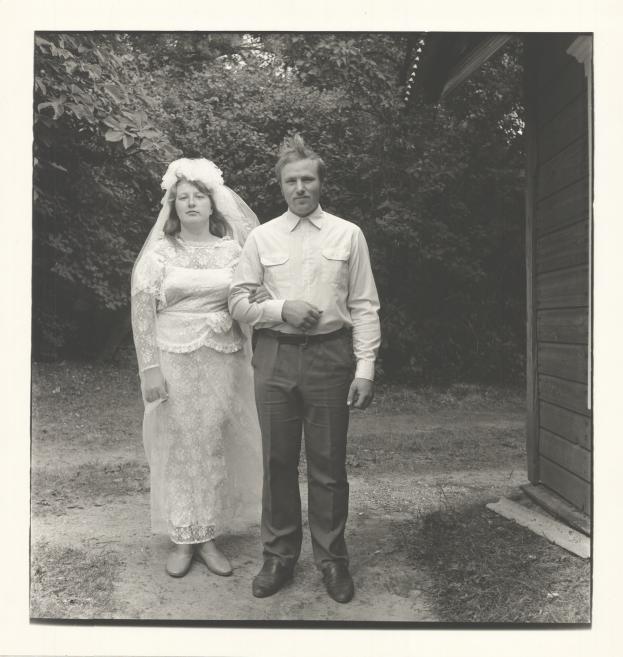
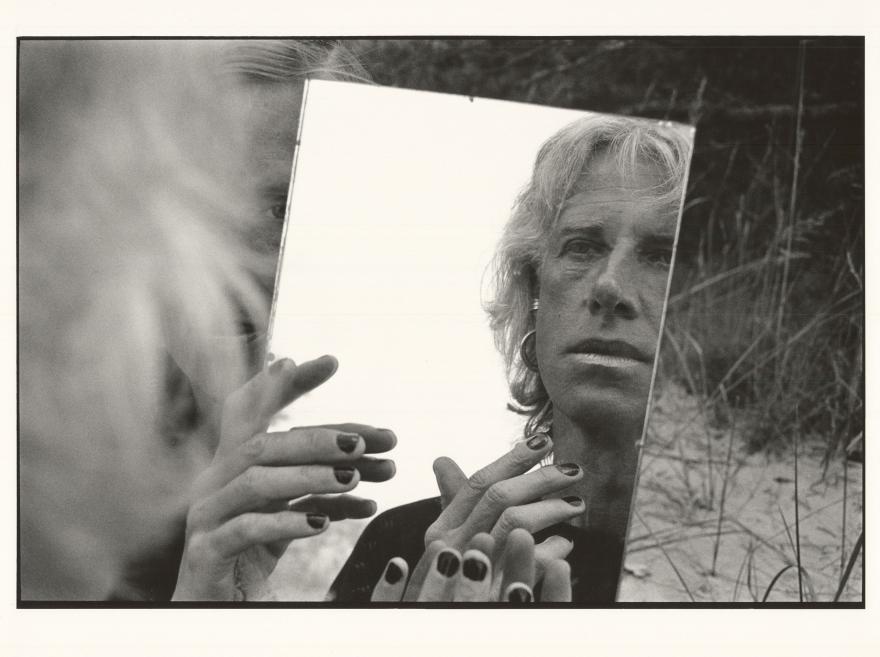
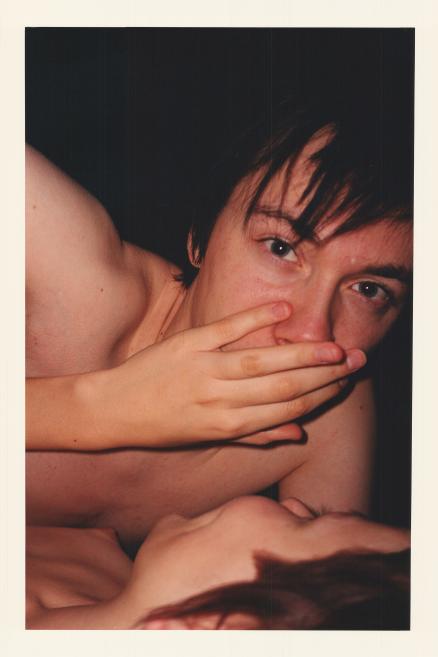
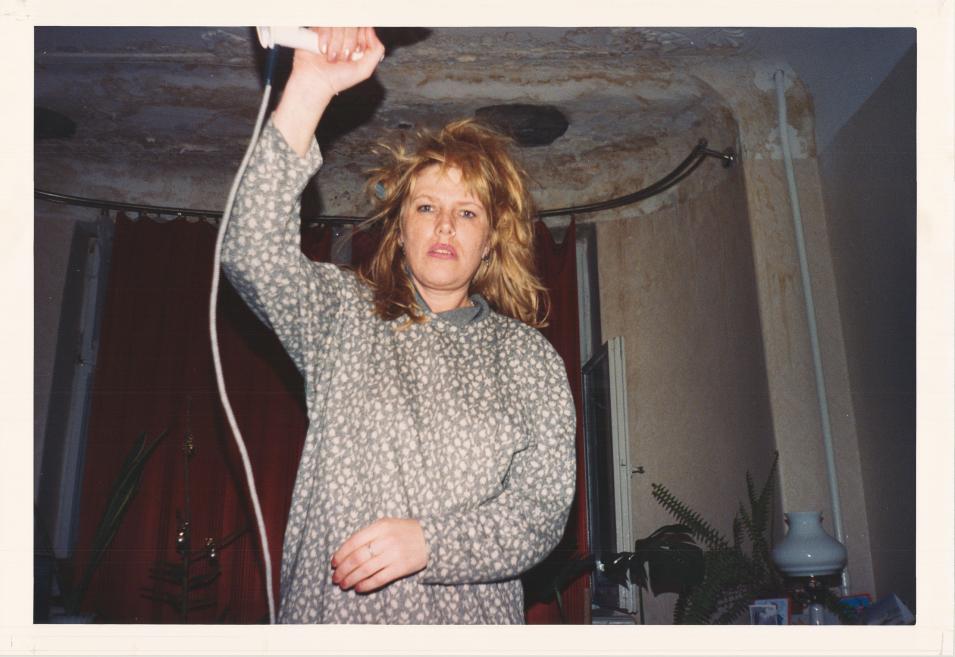
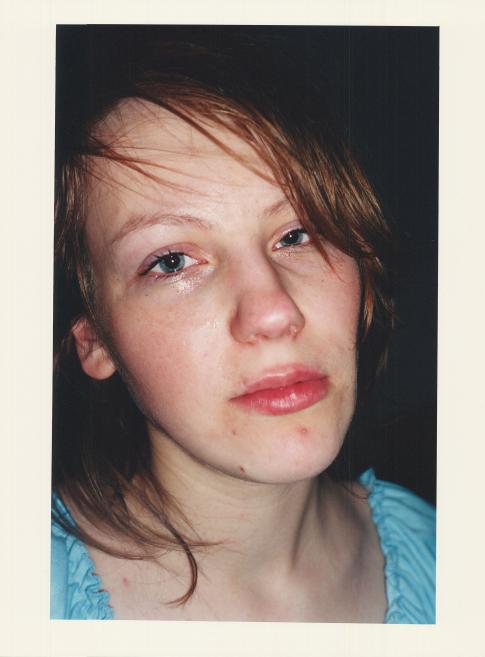
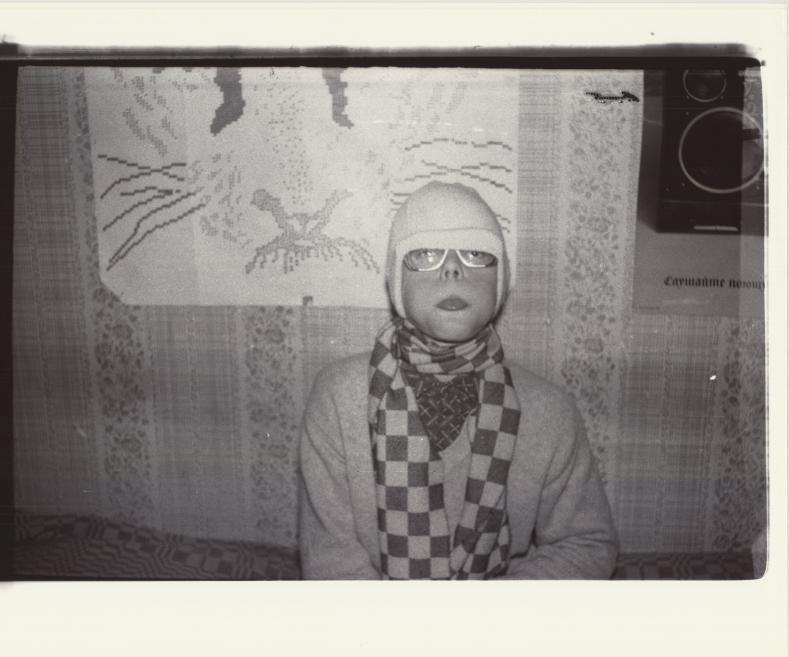
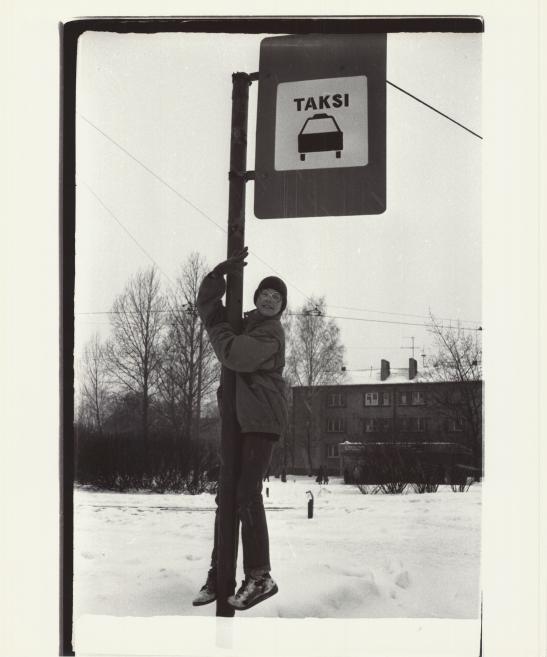
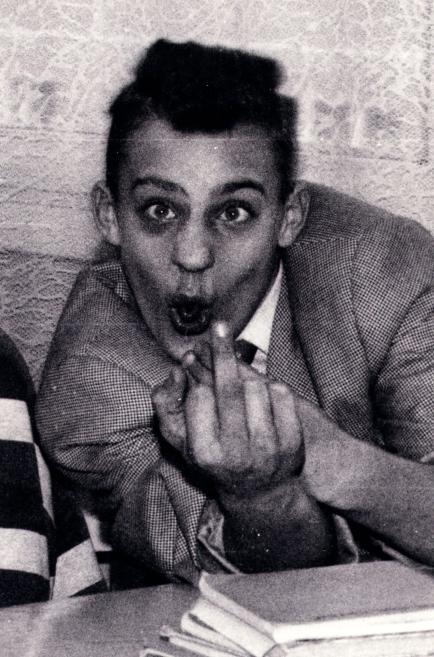
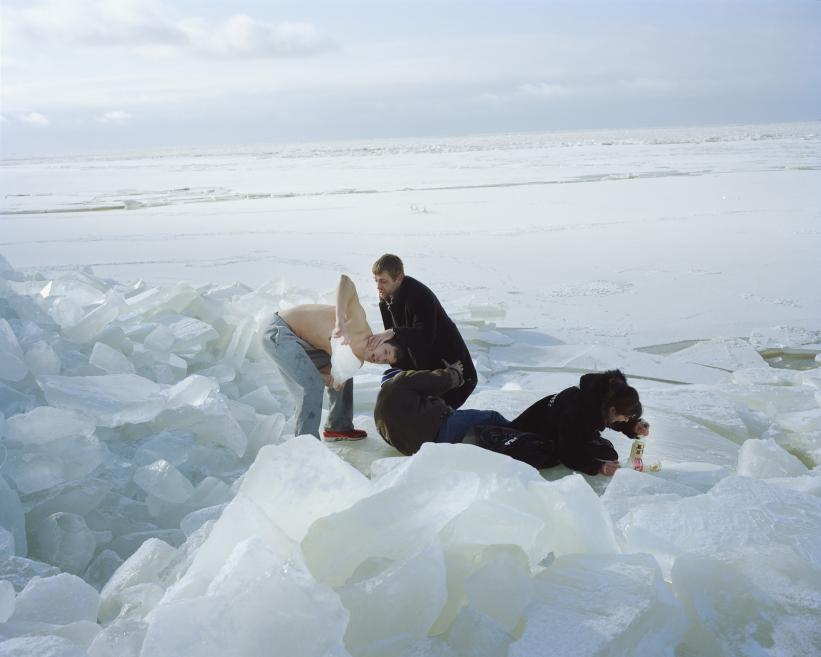
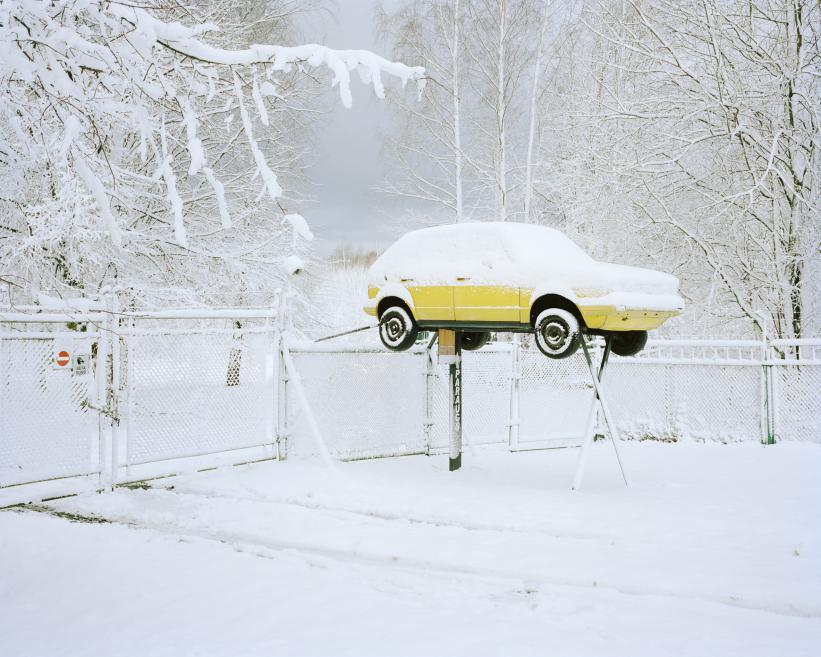
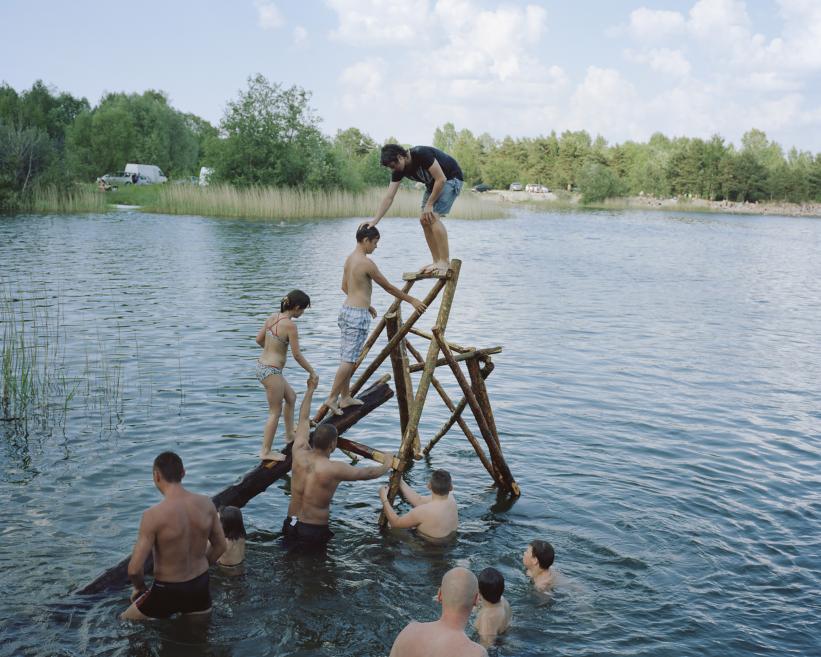
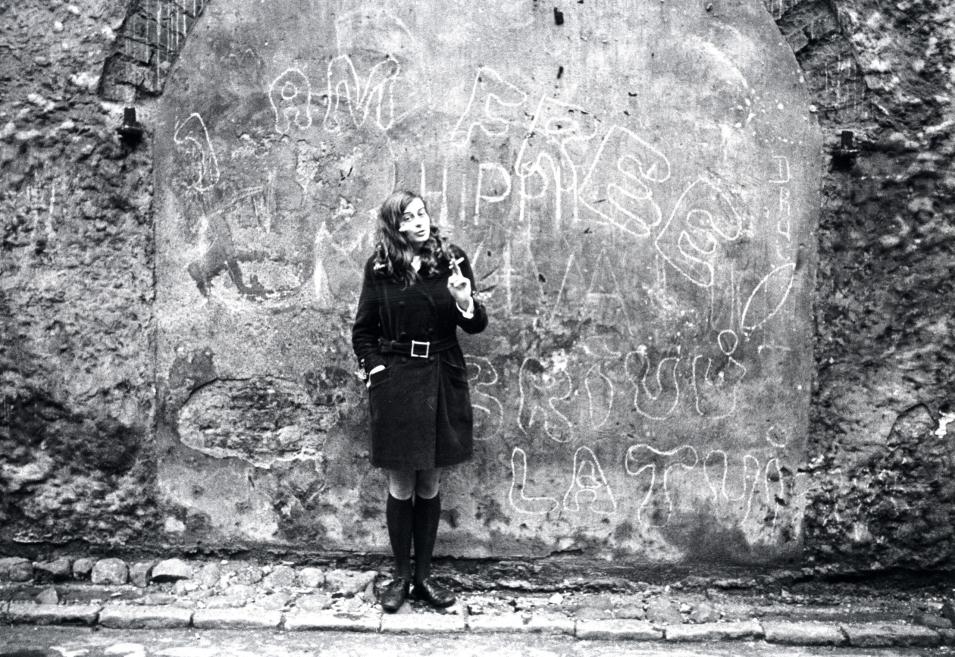
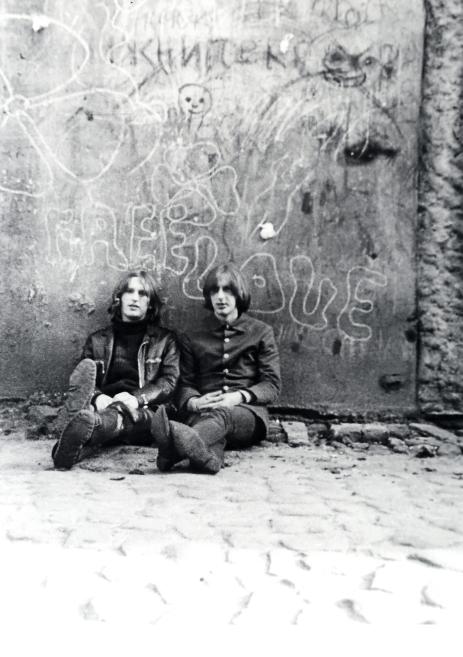
The focus of photography collection’s acquisitions shifted in the 1990s, when the 1980s “New Wave”, drawn to documentary practice, began to be selected in place of the soviet artistic heritage. Andrejs Grants (1955), Inta Ruka (1958) and Gvido Kajons (1955), who were pupils and theoretical heirs of Egons Spuris, turned to documenting everyday life. The collection features Andrejs Grants’ series Around Latvia, Colleagues, Friends, Acquaintances and Impressions, which reveal the suggestiveness of the moment and reflection of the relationship between the temporal and the timeless. Inta Ruka’s socio-anthropological series My Country People and 5a Amālijas Street possess a profound humanism. Street photography is represented by Gvido Kajons’ series Theme 011, in which soviet-era symbols, ideological inscriptions, parades and daily life are captured in satirical moments. This refined sense of humour and grasp of the absurd continues into the author’s 21st century photographs.
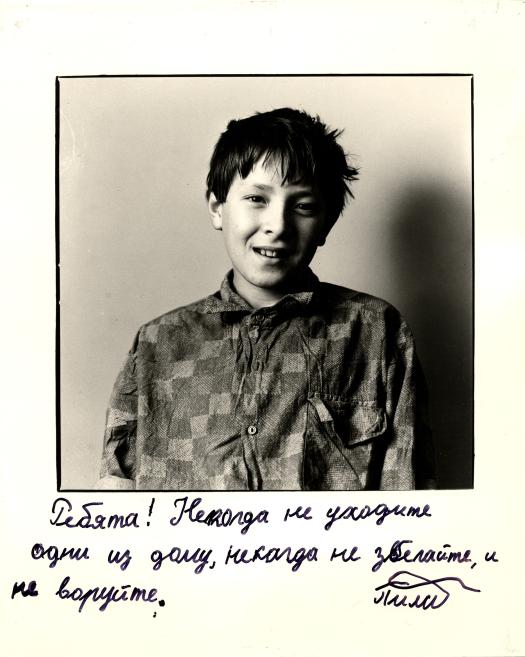
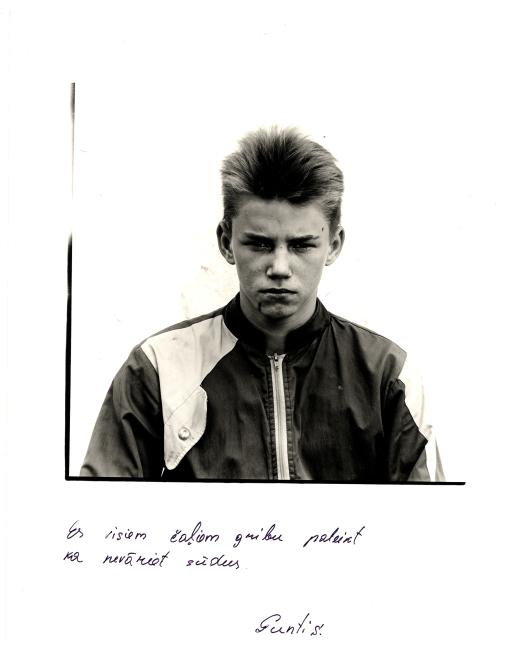
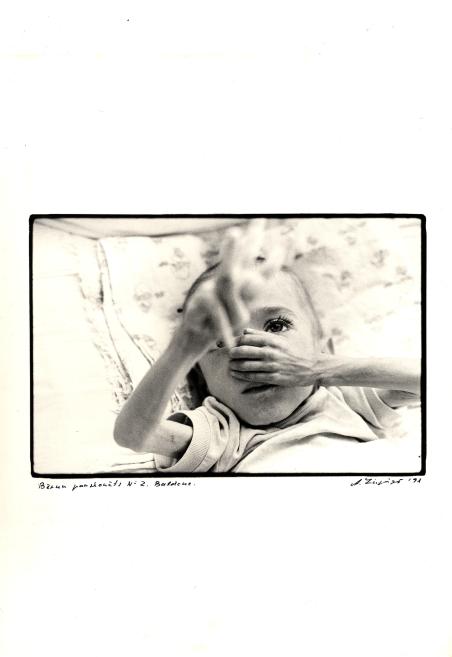
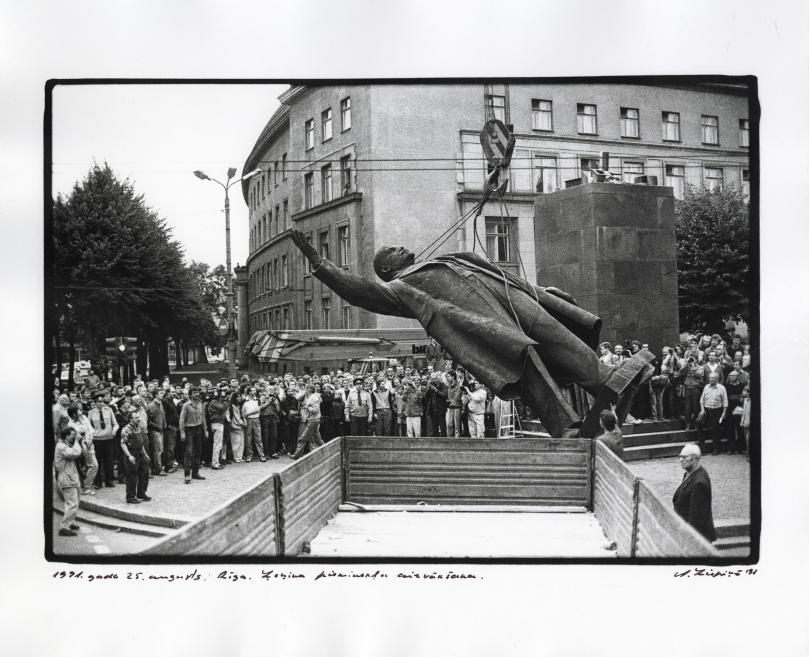
Social photojournalism reports from the 1960s and 1970s have become valuable documentation of the era, history and social events in the works of Uldis Briedis (1940-2023), leading from socialist scenes to the events of the Baltic Way, the restoration of Latvian independence and the Barricades. In his series Children’s Home No. 2. Baldone (1991), Aivars Liepiņš (1953) addressed a socially uncomfortable topic – children with various developmental disorders. In the anthropological research series Teiči Bog. Siksala (1987-1995), Liepiņš delved into the life of Old Believers community. Valts Kleins (1960-2025), in his series of 100 children’s portraits / Want to Be Happy (1992), brought attention to children separated in correctional institutions due to behavioural difficulties. A deep human study project is unfolded in the gallery of portraits of Nagļi village residents in Māris Maskalāns’ (1971) series Nagļi. LV-4631 (2008-2012).
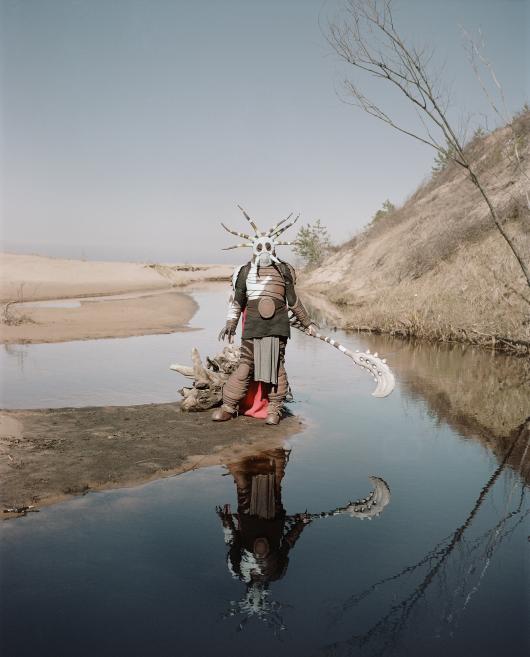
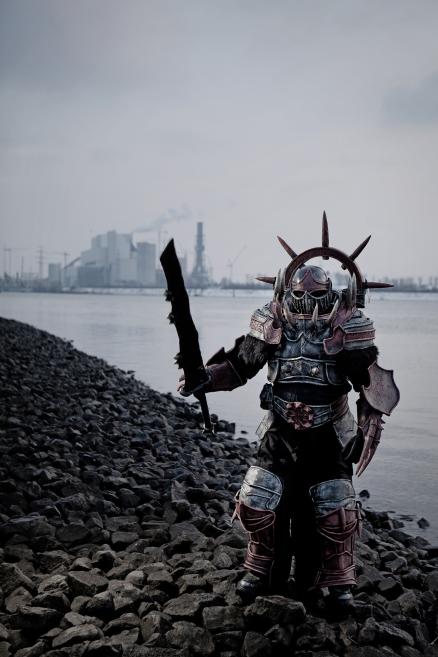
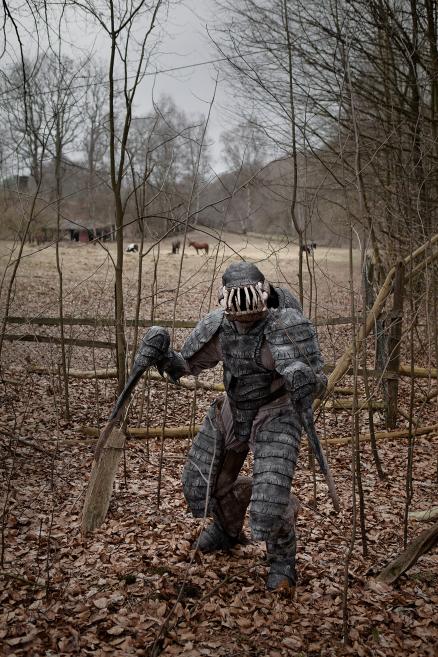
Investigation of place, manifesting the authors’ interest in typologizing different social groups, their behavioural patterns and environment appear in Ieva Epnere’s (1977) series Riga Circus (2004-2008) and Andrejs Strokins’ (1984) series People in the Dunes (2011-2016). The theme of Latvia’s dying countryside and lonely women is depicted through staged photography by Vika Eksta (1987) in the series God. Nature. Work (2013-2015). A socio-anthropological aspect informs Reinis Holfmanis’ series LARP (Live Action Role Playing) (2011-2017).
Photography of the 21st century reveals a deliberate rejection of “grand narratives” and the ideals set by previous generations, alongside visible changes in aesthetics influenced by technology. This stands our in Arnis Balčus’ (1978) series Myself, Friends, Lovers and Others (1998-2004). This path is also taken by Ivars Grāvlejs (1979) in collections from the series The Nineties (1987-1997): Actions and Performances and Scream and Flash. These utilize readymades, photographs taken by Grāvlejs during his school years. The dismantling of boundaries between “high” and “low” art is also found in the works of Romāns Korovins (1973-2026).
Currently, the collection holds nearly 1,000 works and owing to the serial nature of photographic works, it is the fastest growing collection in the museum. Thematic displays are organized from the collection, which are changed regularly due to display time restrictions.