The Memorial Collection of Boriss Bērziņš
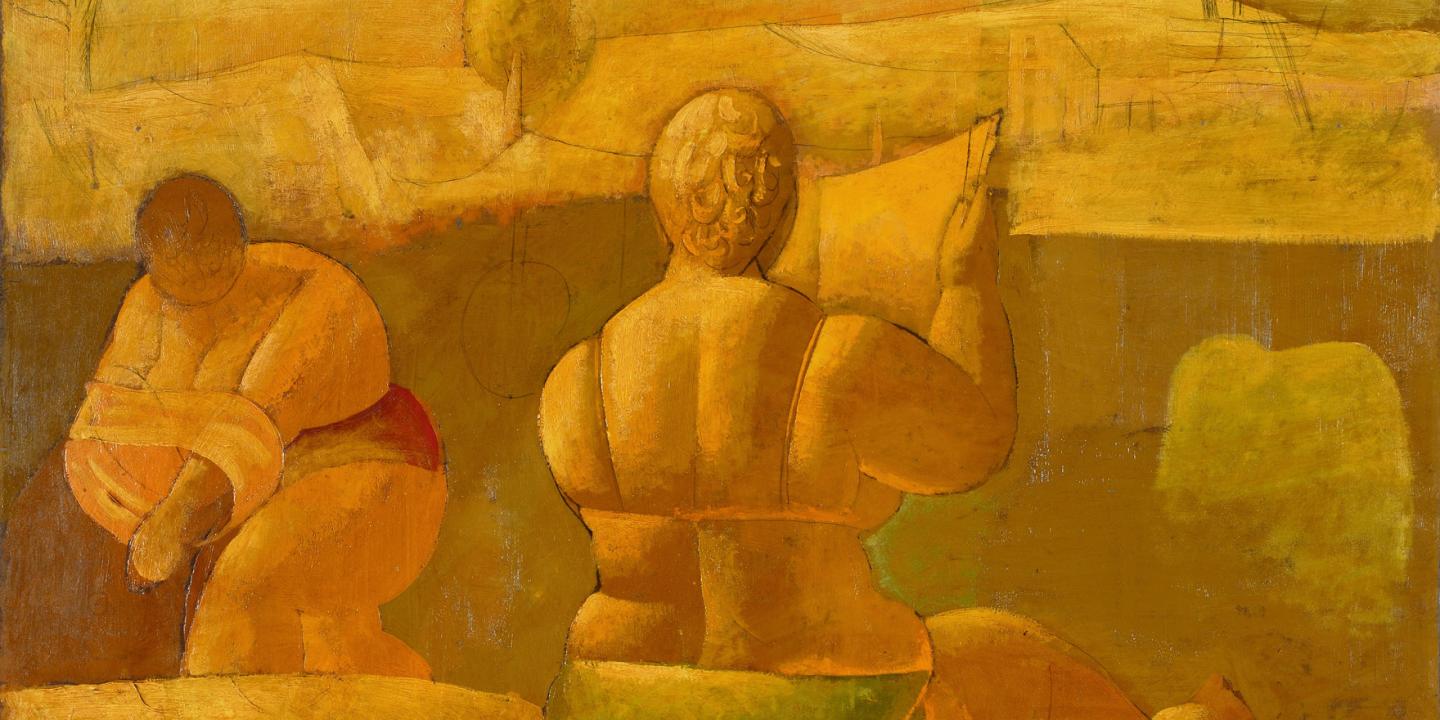
Boriss Bērziņš (1930-2002) was one of the most significant and prominent Latvian artists of the second half of the 20th century.
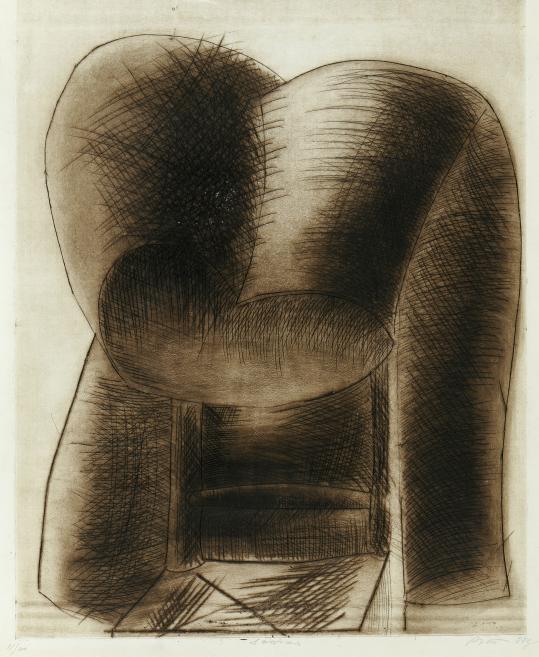
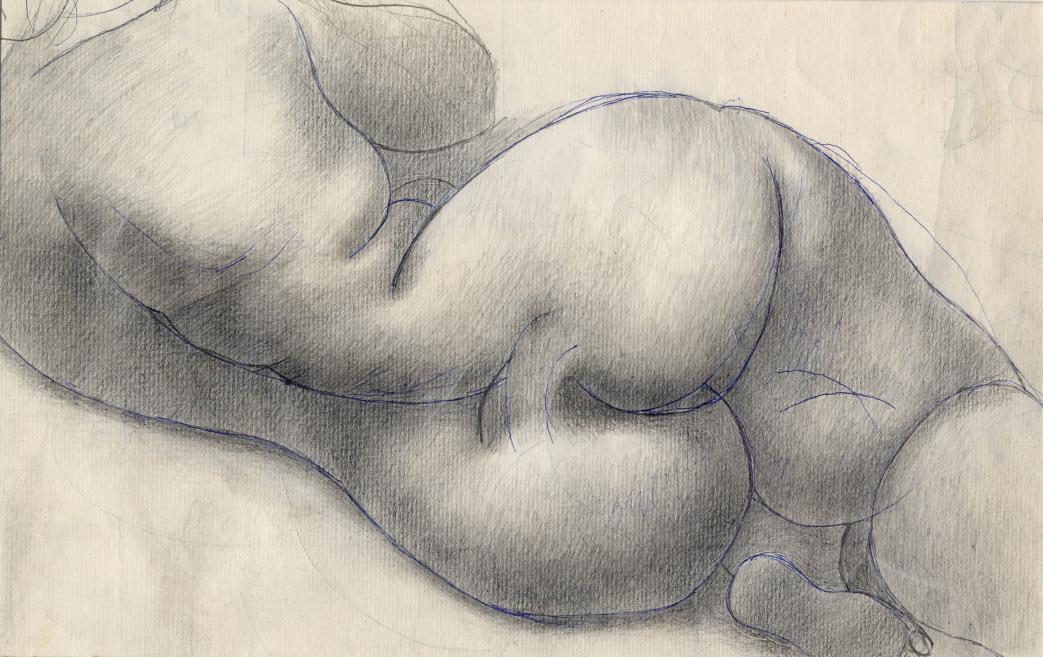
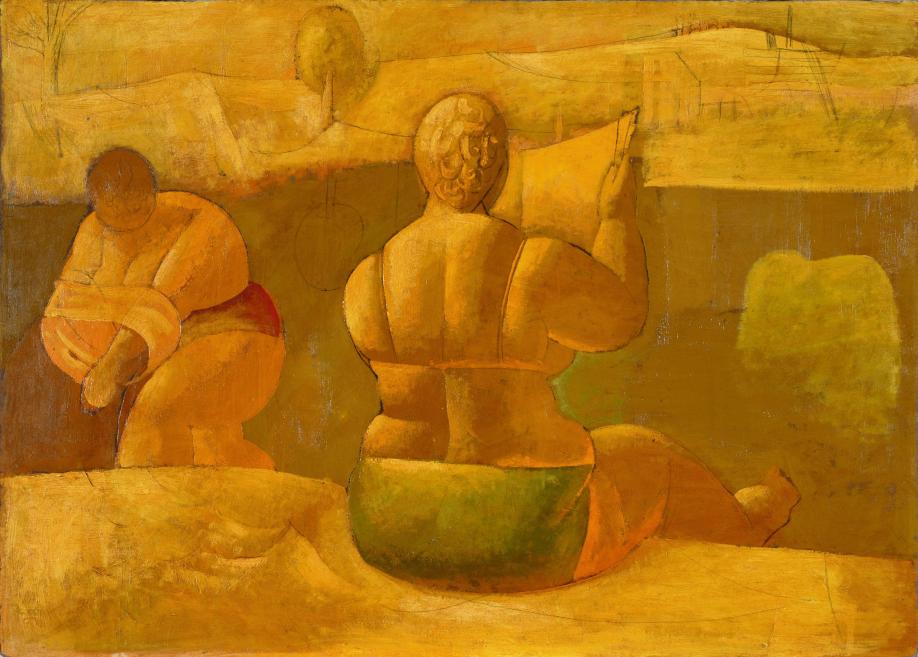
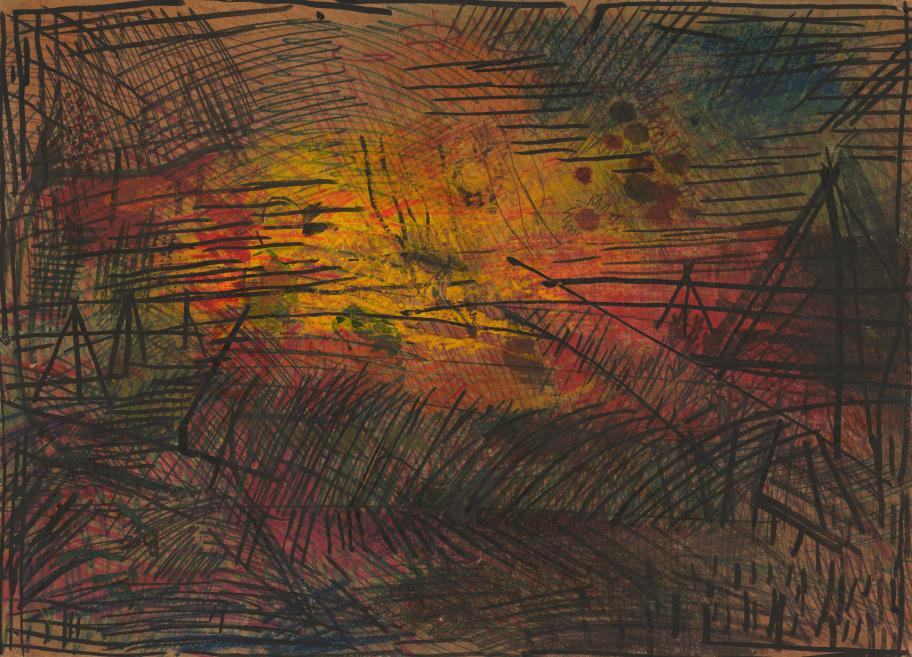
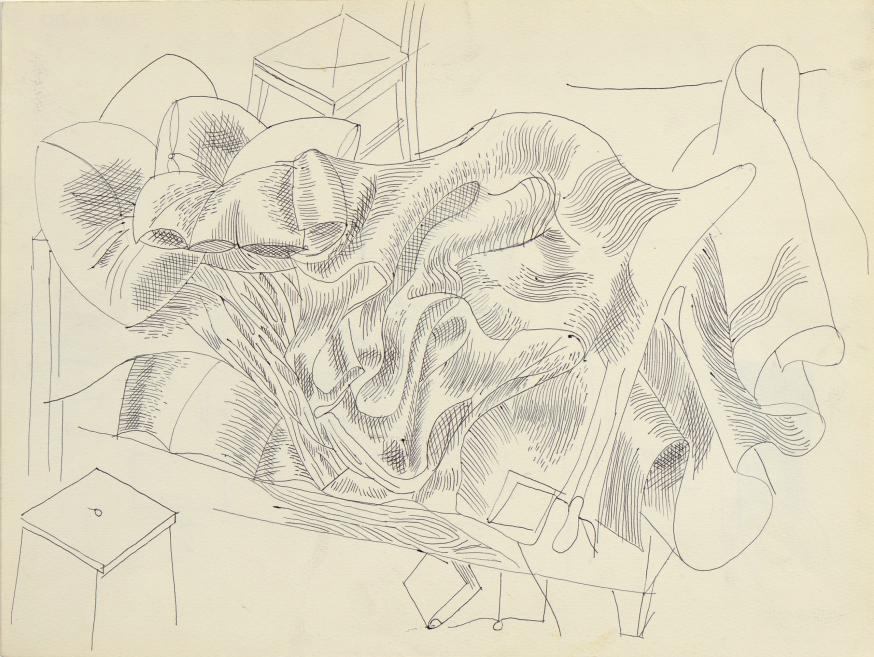
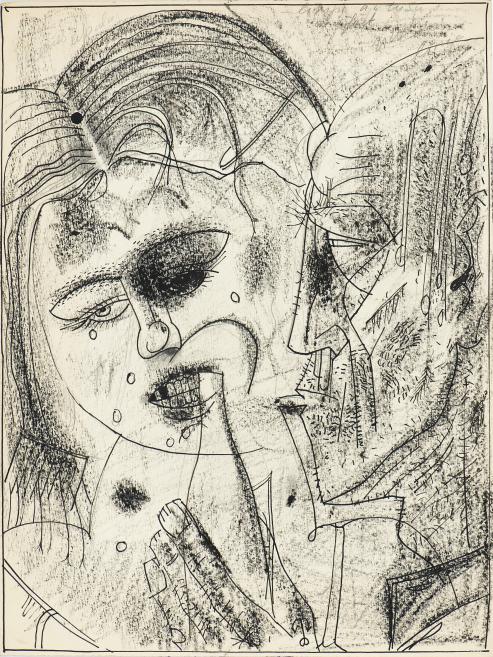
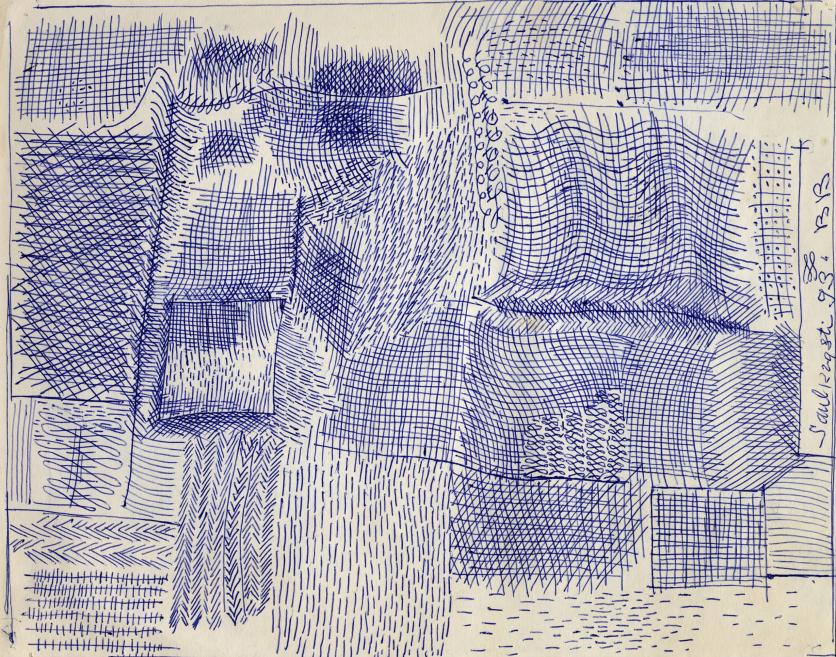
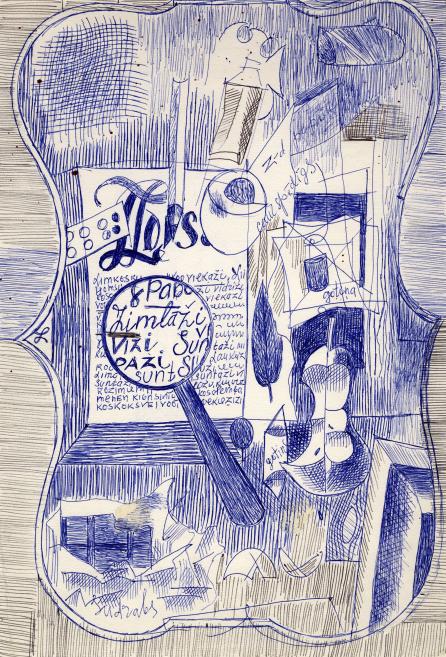
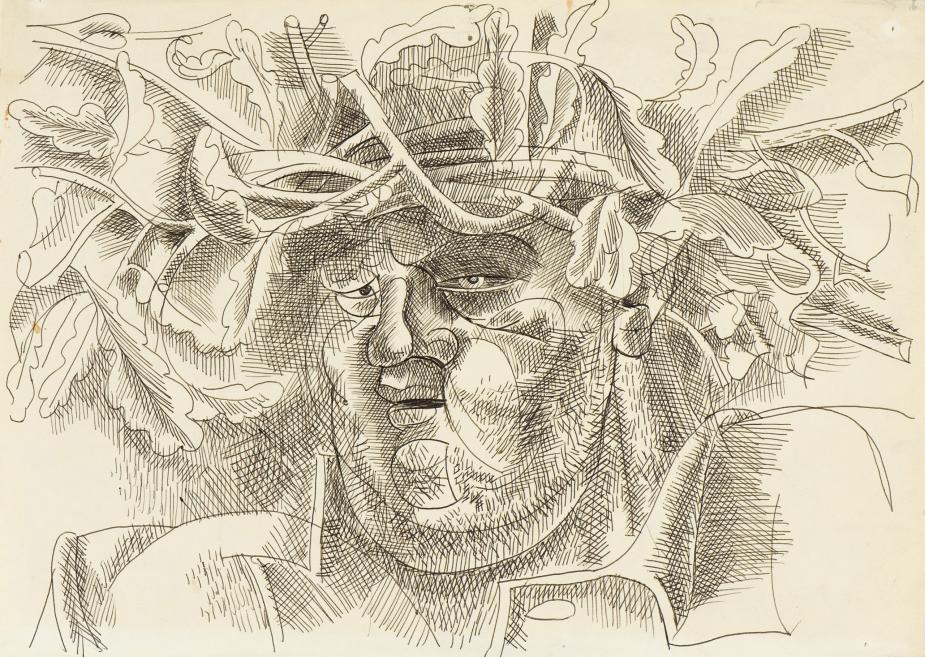
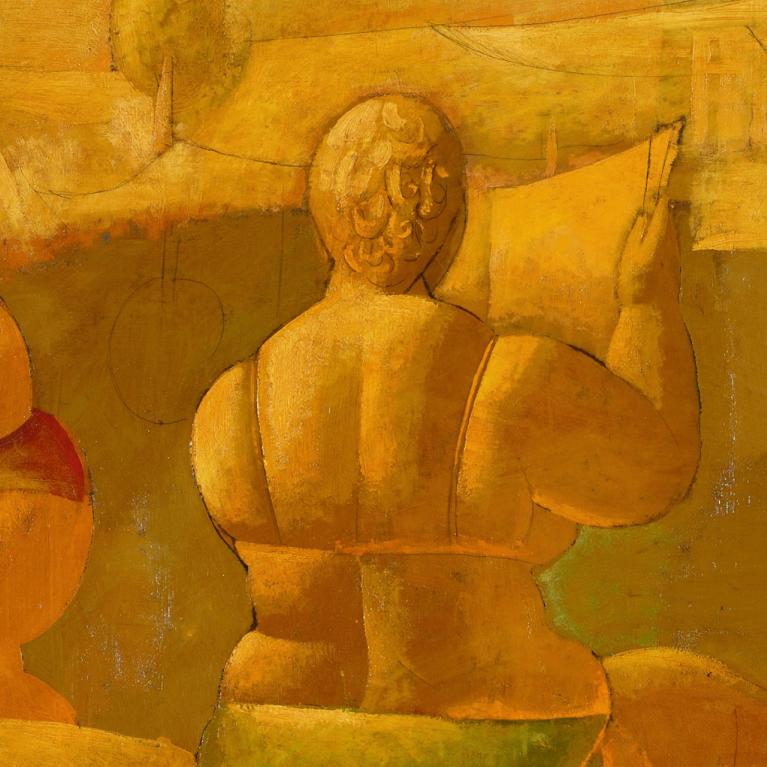
Although his life and creative activity unfolded predominantly during the soviet occupation, Bērziņš succeeded in developing and maintaining an independent artistic vision and a distinctly individual style at a time when the soviet regime dictated its demands in art. Working within seemingly neutral and classical genres – landscape, still life and genre painting – he transformed everyday, unpretentious motifs into emotionally charged, multi-layered images that combined precise observation, formal sophistication and subtle irony. Cultivating a personal repertoire of themes – skirts, backs, Midsummer celebrants, bathhouses and traditional pig butchering, to name a few – the artist experimented freely with form, material and surface texture. His need for artistic freedom likely motivated his engagement across various mediums, including drawing, watercolour, pastel, collage and printmaking, though painting always remained the primary and most significant form of expression in his oeuvre.
Under his last will and testament dated February 1, 2002, Boriss Bērziņš bequeathed his entire creative estate to the Latvian National Museum of Art. This bequest forms the core of the memorial collection. The collection encompasses oil paintings, graphic prints, drawings created in diverse techniques and a vast number of sketches. Drawings and sketches constitute the largest numerical group within this collection. Rather than serving merely as preparatory studies for painting, they reveal the artist’s visual thinking, allowing researchers to trace his working process, thematic evolution and the gradual transformation of everyday observations into artistic imagery.
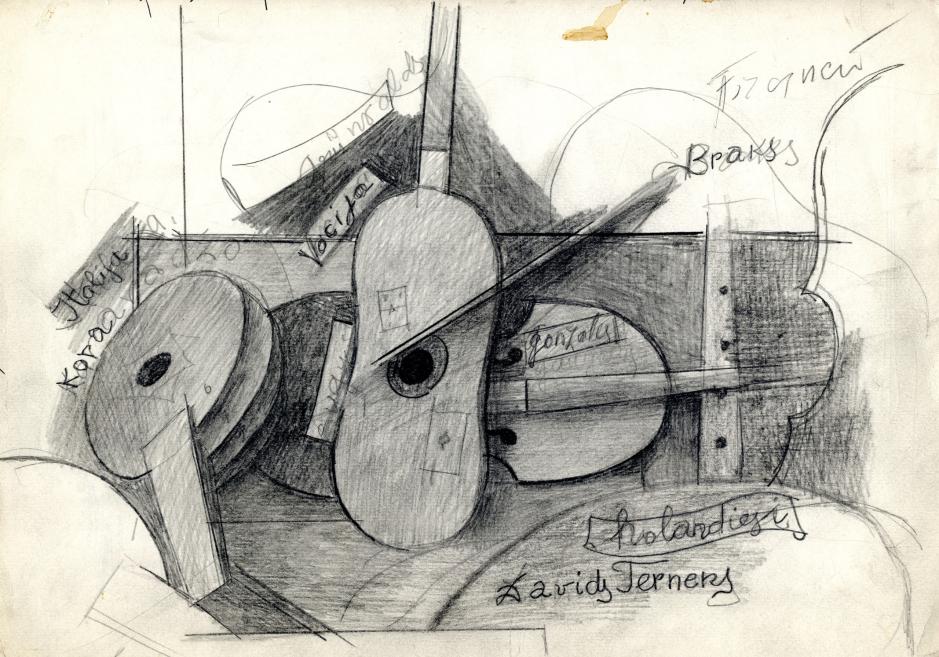
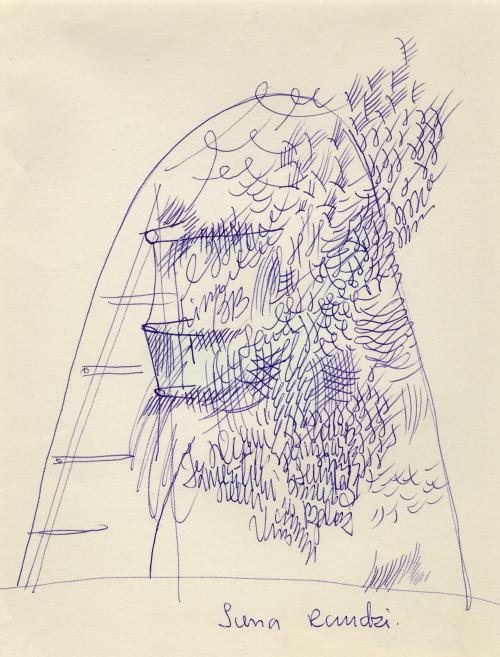
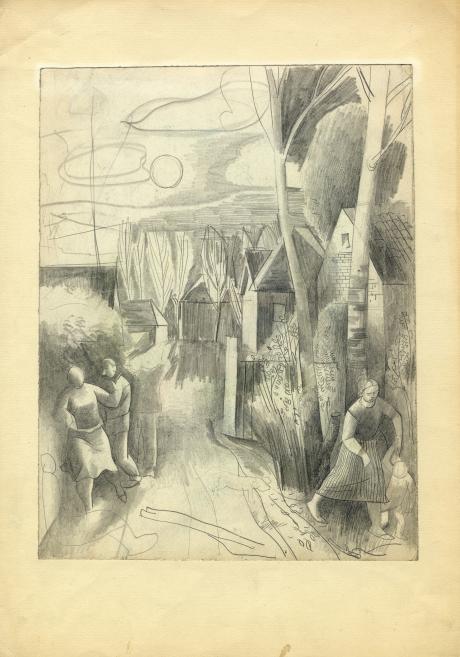
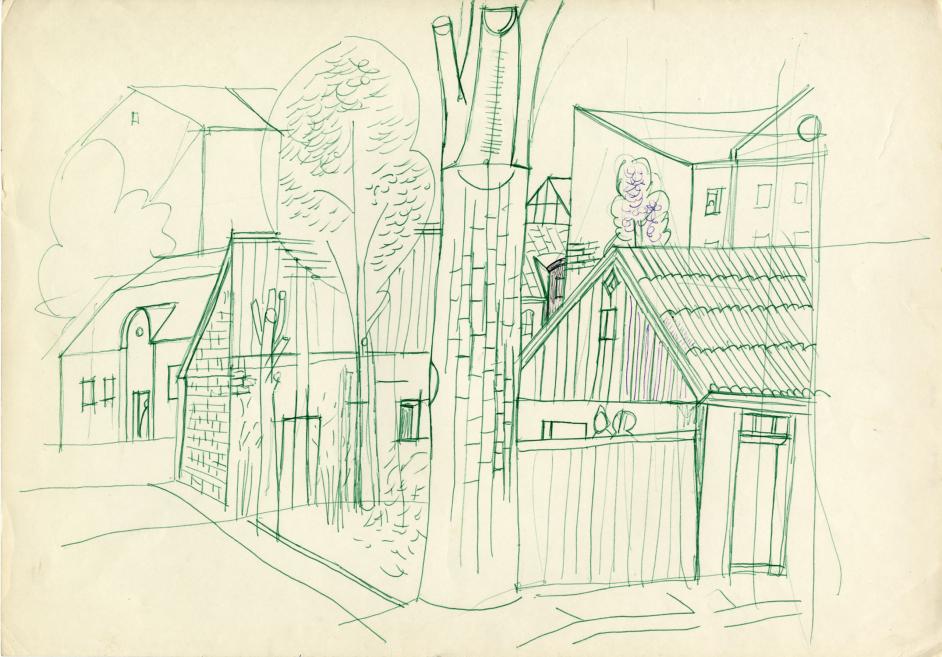
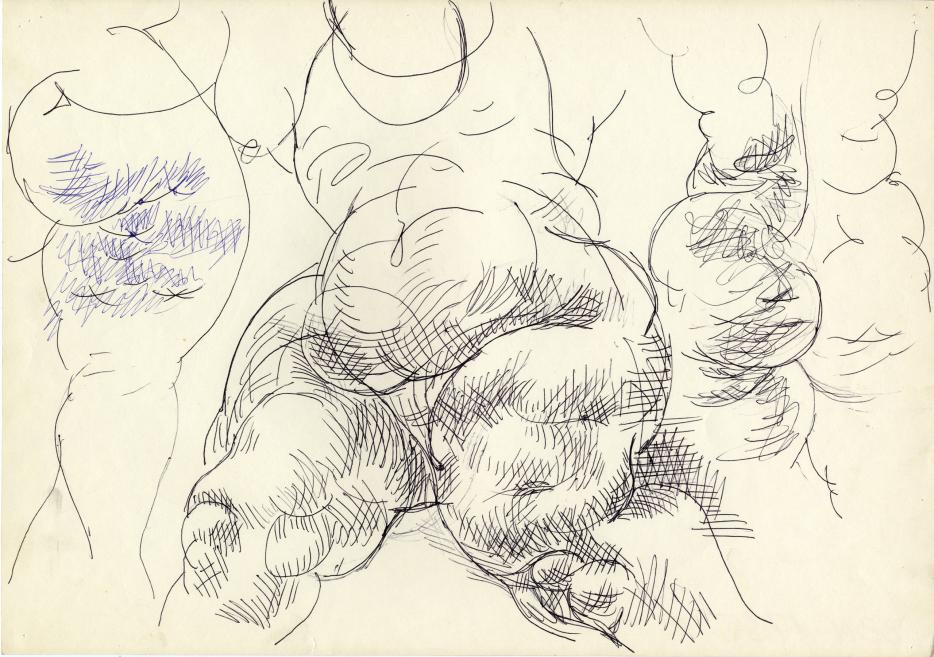
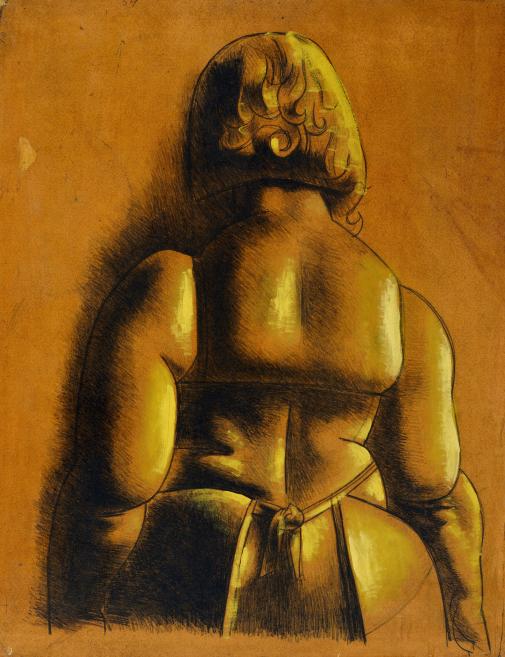
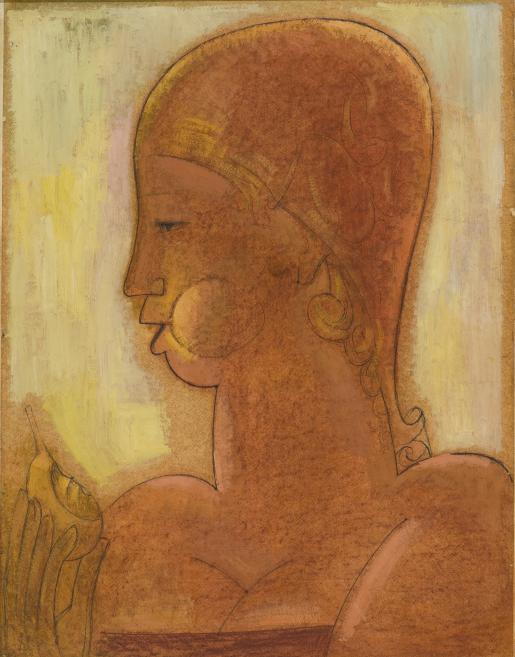
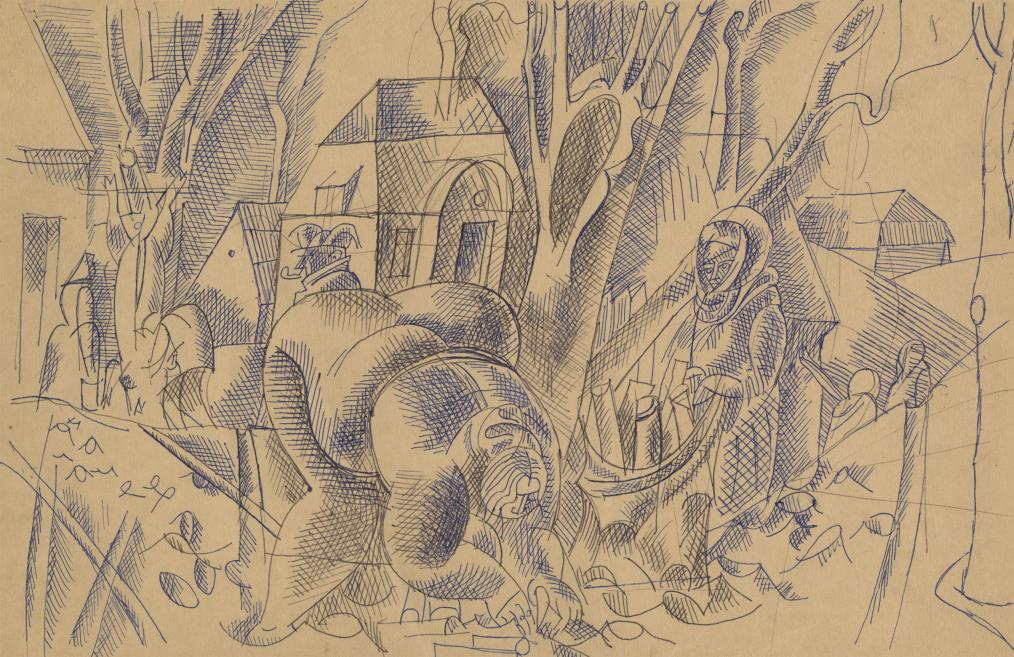
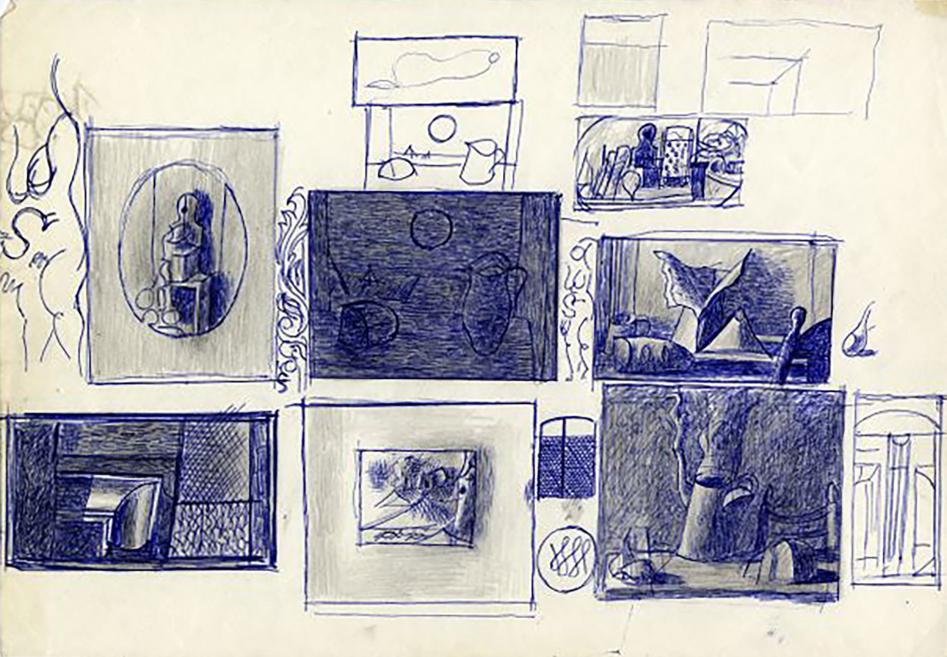
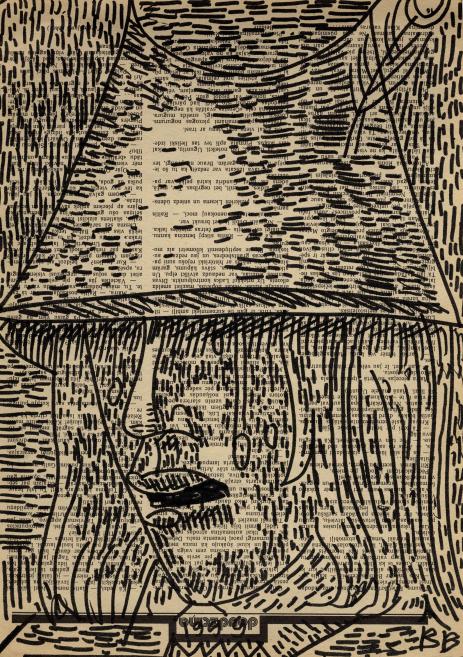
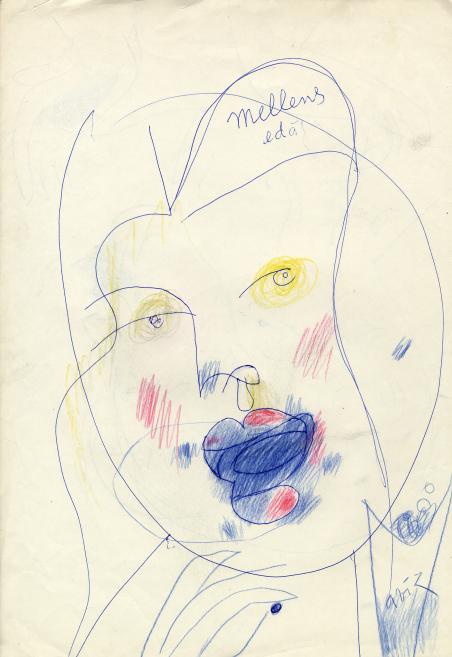
Spanning the artist’s lifelong creative development from 1947, during his studies at the Riga School of Applied Arts and the Department of Painting at the Art Academy of Latvia (1952-1959), up to his passing in 2002, this extensive collection of more than 10,000 inventory items provides a comprehensive overview of his life’s work, the intensity of his creative process, his thematic diversity and his broad range of expression. It highlights Bērziņš’ unique worldview, professional mastery and highly refined artistic language.