The Sculpture and Object Collection
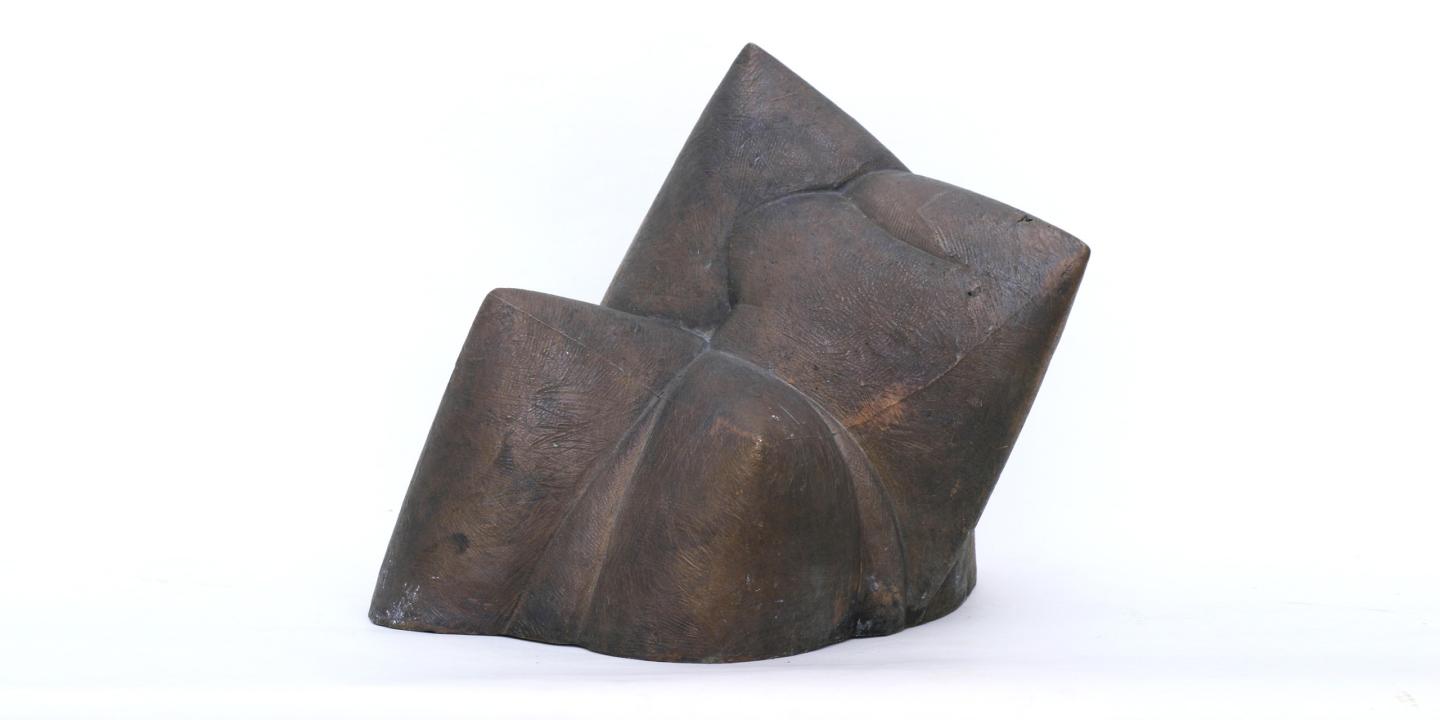
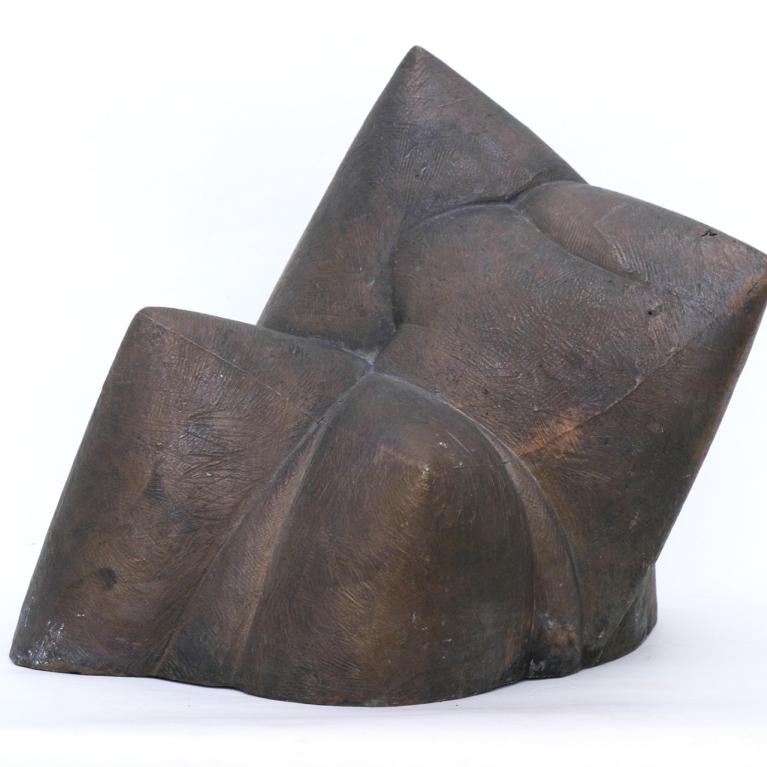
The Sculpture and Object Collection of the Latvian National Museum of Art spans the period from 1945 to the present day, providing a comprehensive overview of the development of sculpture, installation art and audiovisual practices in Latvia. The holdings are purposefully expanded to document both pivotal historical movements in Latvian sculpture and contemporary art developments. Today the collection comprises approximately 2,000 artworks.
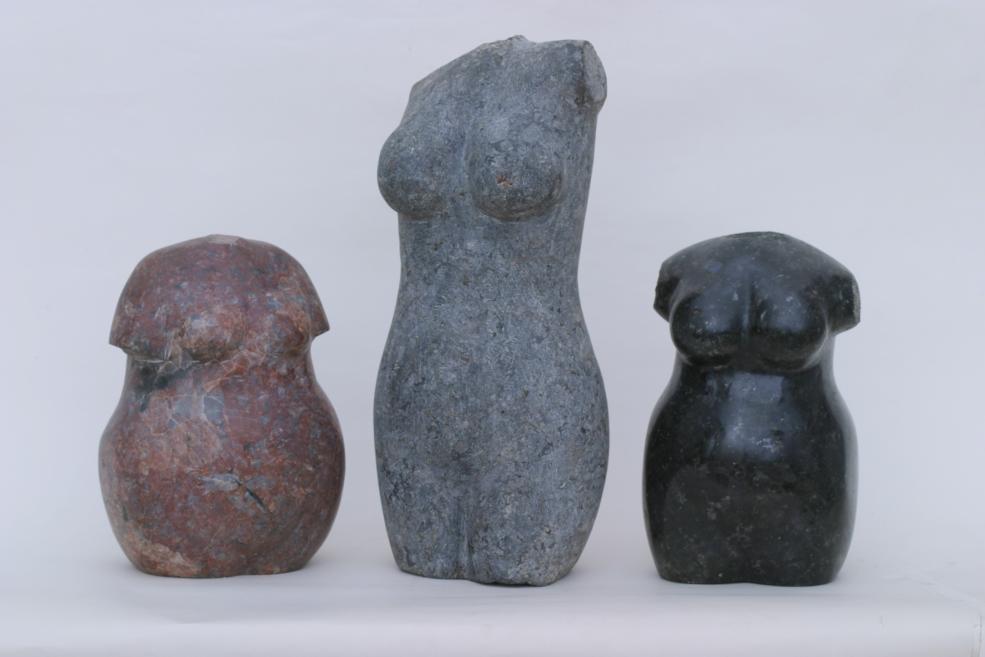
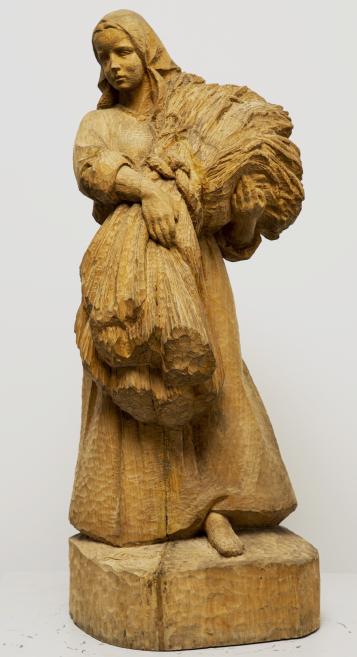
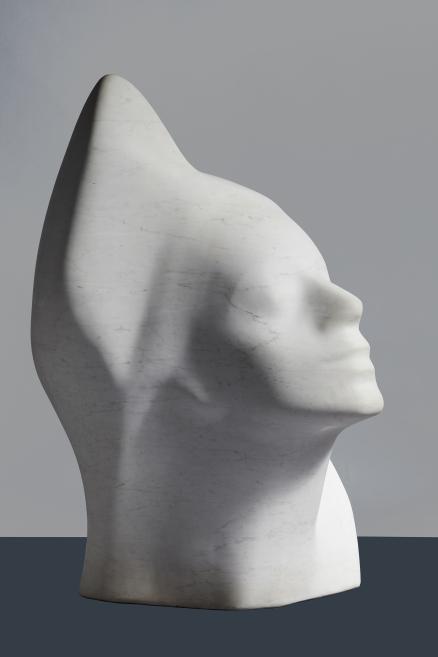
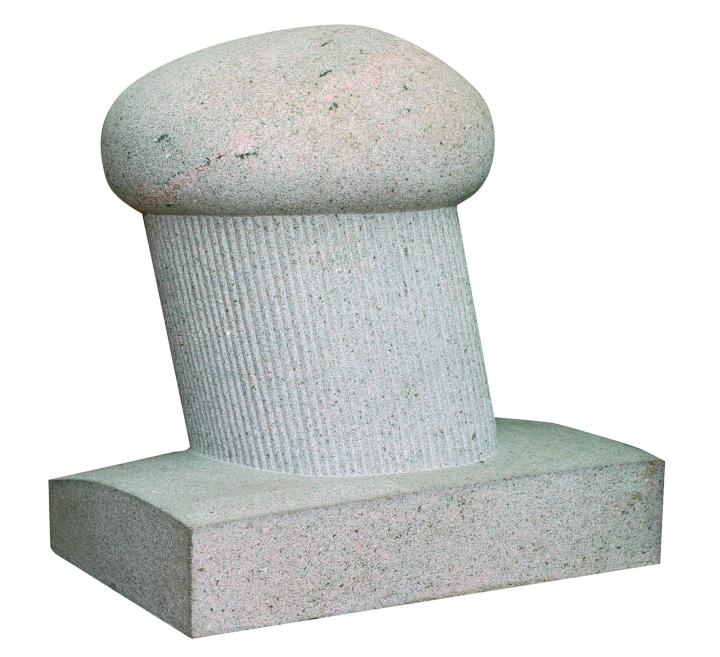
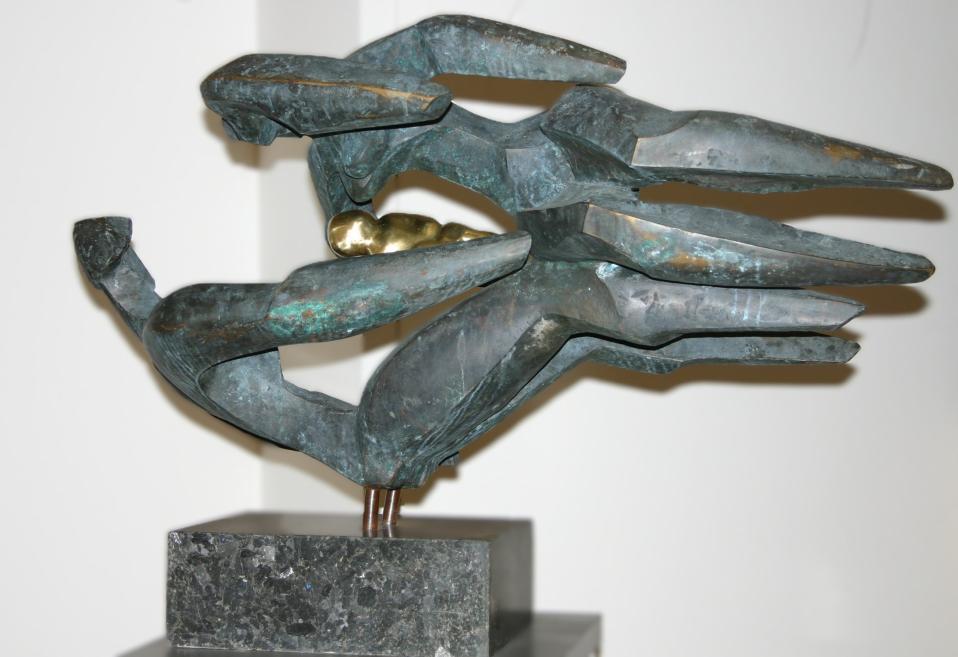
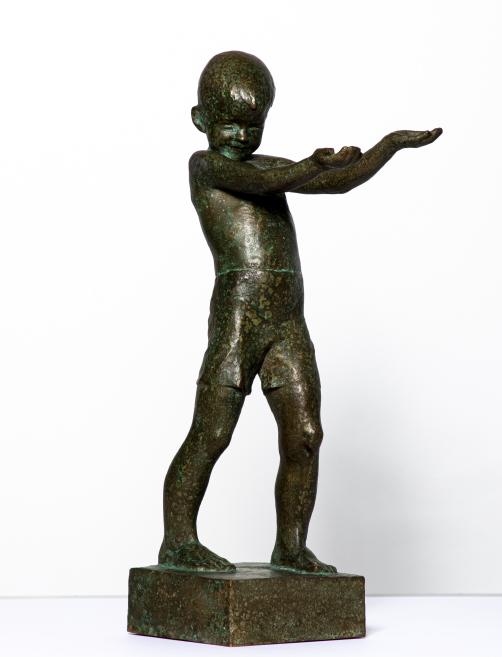
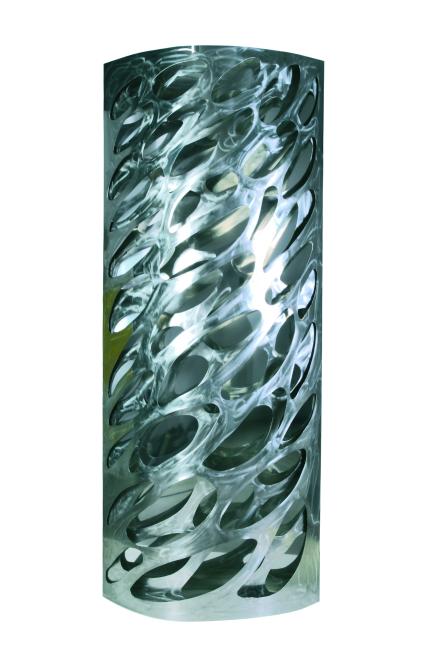
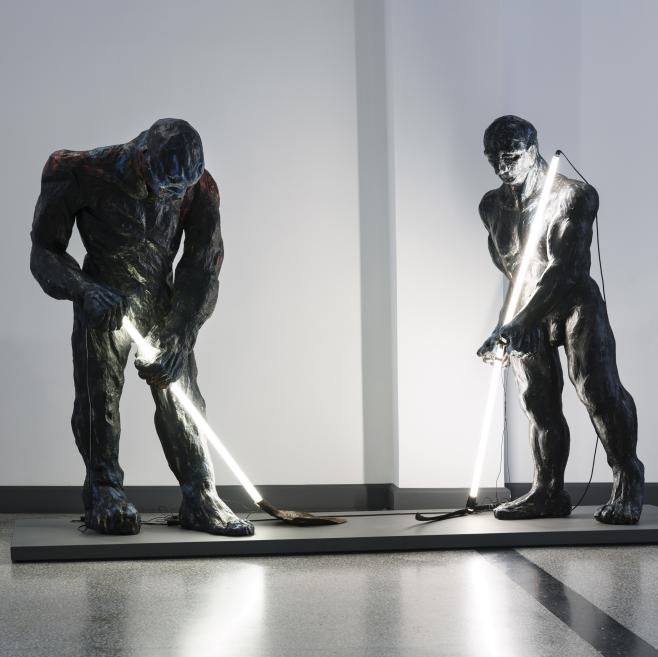
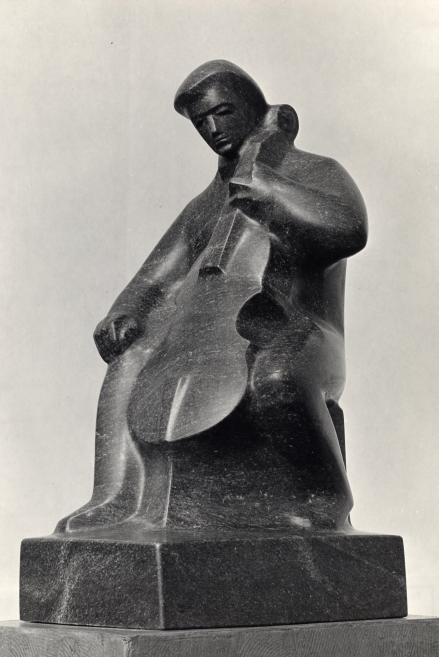
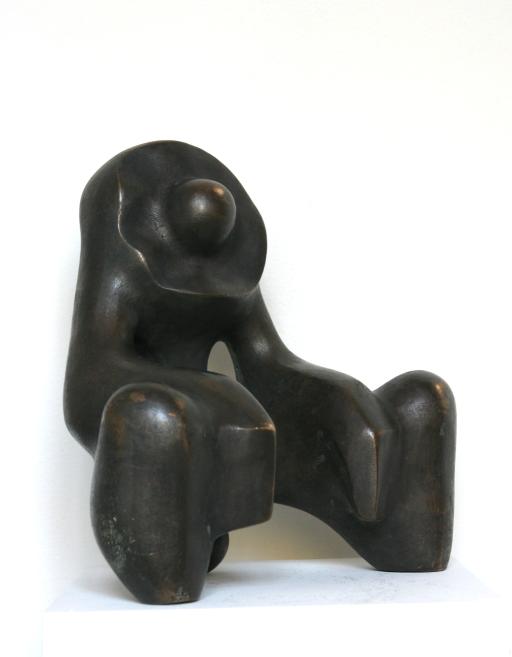
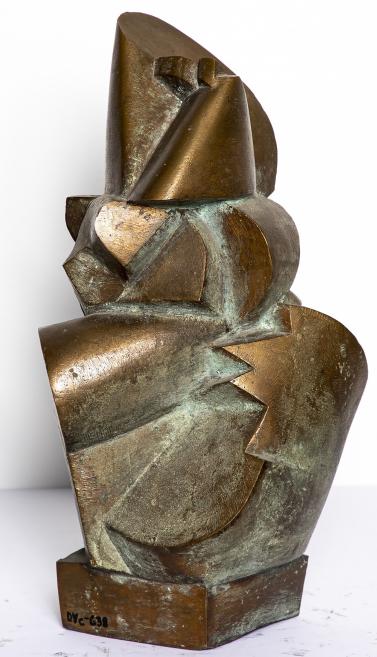
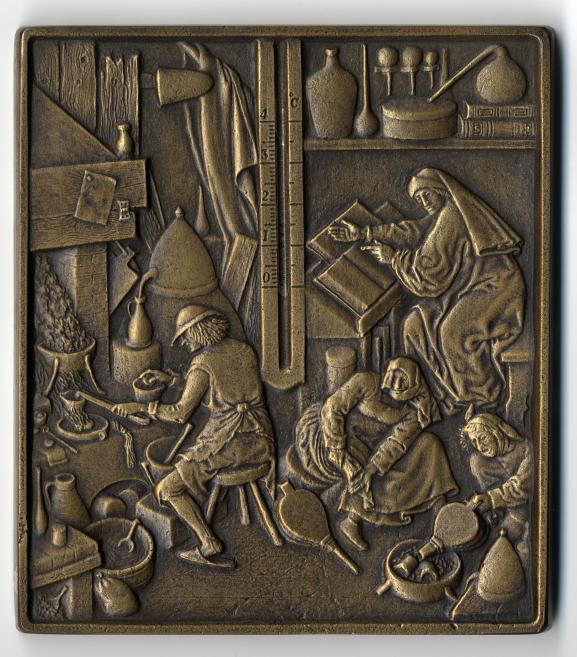
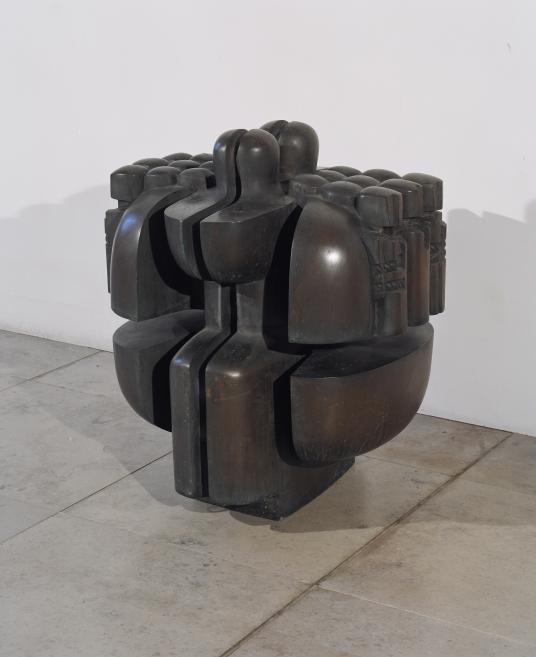
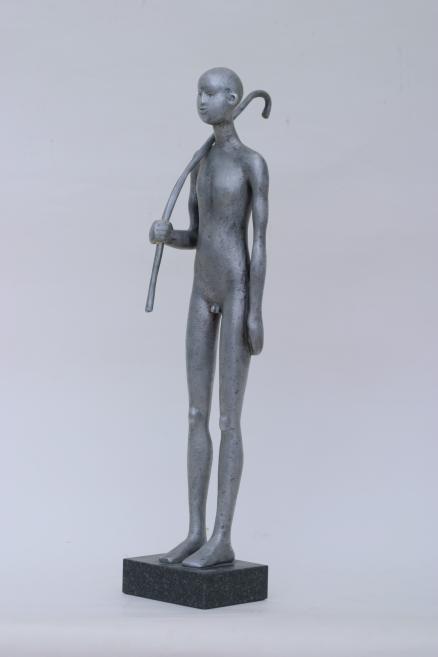
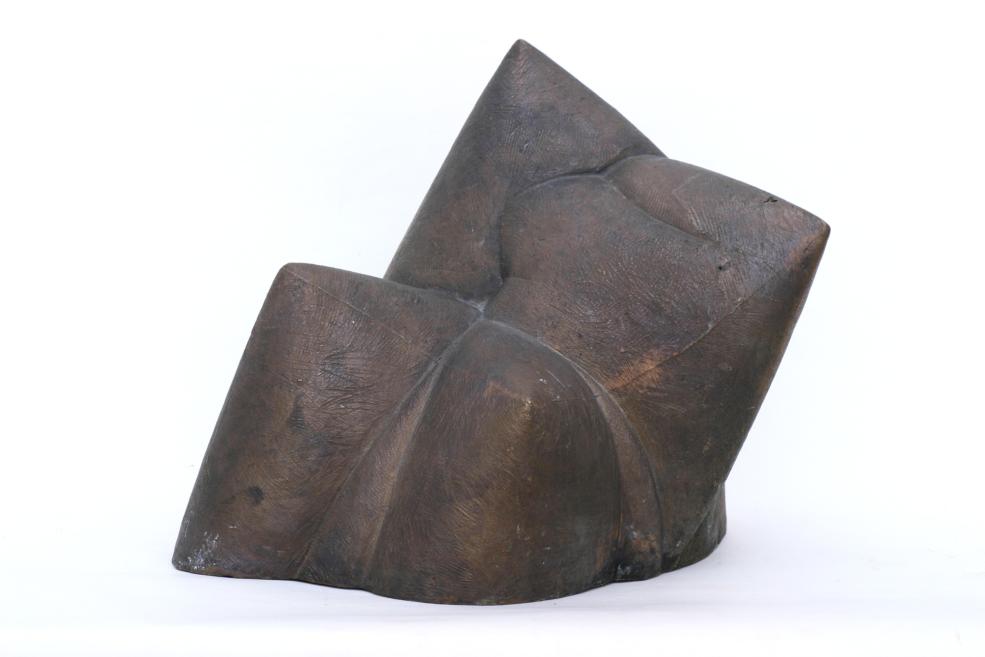
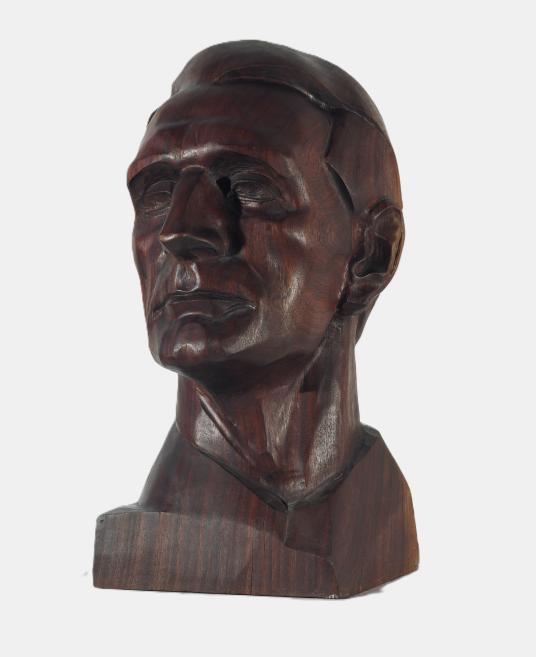
A major portion of the collection consists of Soviet-era sculpture, reflecting the aesthetic, professional and ideological tenets of the period. It allows researchers to trace how foundational principles established by classic masters such as Teodors Zaļkalns, Emīls Melderis and Kārlis Zemdega, were further developed in stone carving and plastic modelling. During the 1960s, aligned with the aesthetic of the severe style, these principles were given a more tectonic interpretation by Valdis Albergs, Alberts Terpilovskis, Aleksandra Briee and other sculptors.
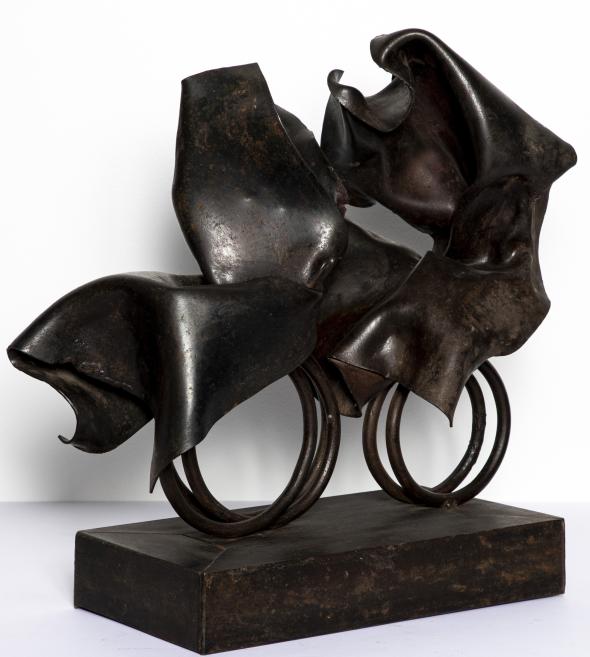
A subsequent turning point arrived with the influence of Western art and second-wave modernism (particularly British sculpture), marking a shift toward abstraction, an interest in environmental outdoor sculpture and the direct-carving method, practiced by Kārlis Baumanis, Laimonis Blumbergs, Ojārs Breģis, Ojārs Feldbergs and Indulis Ranka. Art of the soviet period was predominantly figural, with a particular emphasis on the portrait genre, which flourished during the 1960s and 1970s, showcasing the exceptional technical mastery and psychological subtlety of Latvian sculpture. Among the most brilliant achievements in this genre is the oeuvre of Lea Dāvidova-Medene. Sculpture from this era is also vividly characterized by the works of Jānis Karlovs, Arta Dumpe, Juris Mauriņš, Aivars Gulbis, Oļegs Skarainis, Rasma Bruzīte, Valentīna Zeile, Ēvī Upeniece, Lilija Līce, among others.
Alongside classical forms, the collection reflects experimental inquiries into material, form and spatial perception. A prominent place is reserved for the works of Valdis Celms, which stands as landmark achievements of Latvian kinetic art. Concurrently, the creative contributions of Bruno Strautiņš, Ligita Ulmane and Jānis Strupulis expand the conceptual boundaries of sculptural expression within medal art.
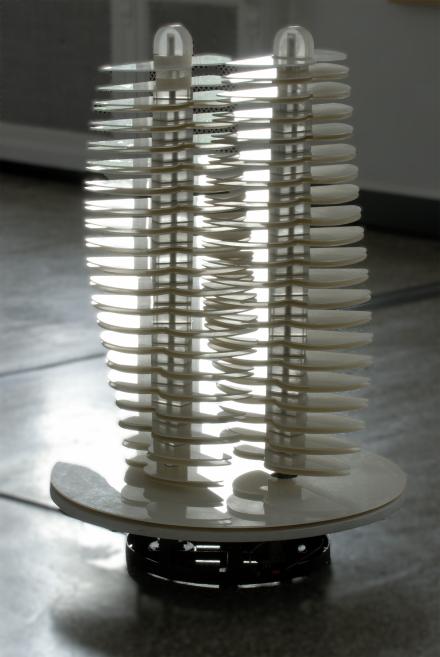
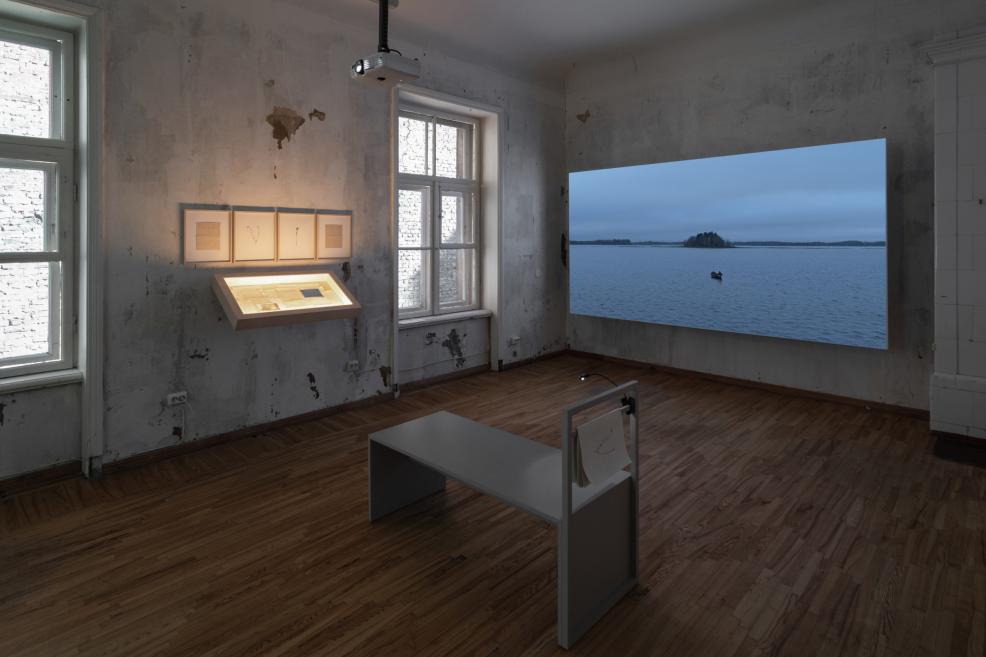
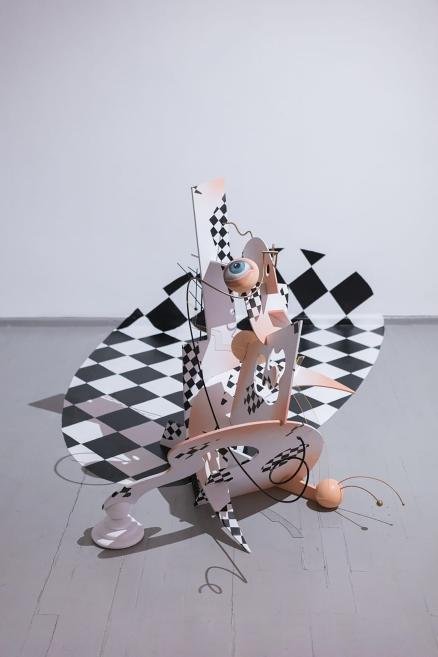
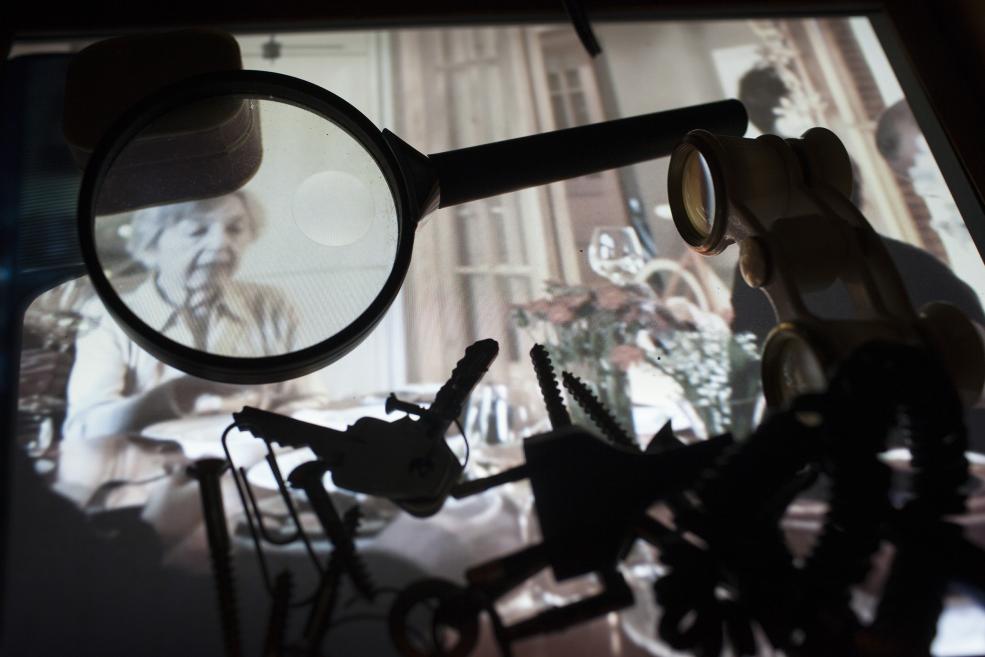
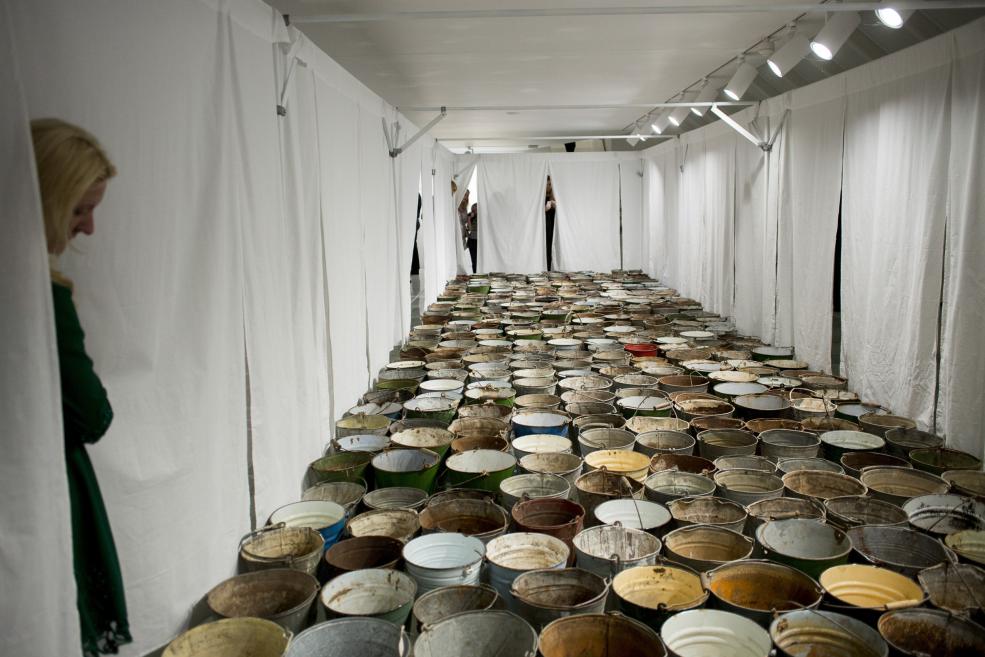
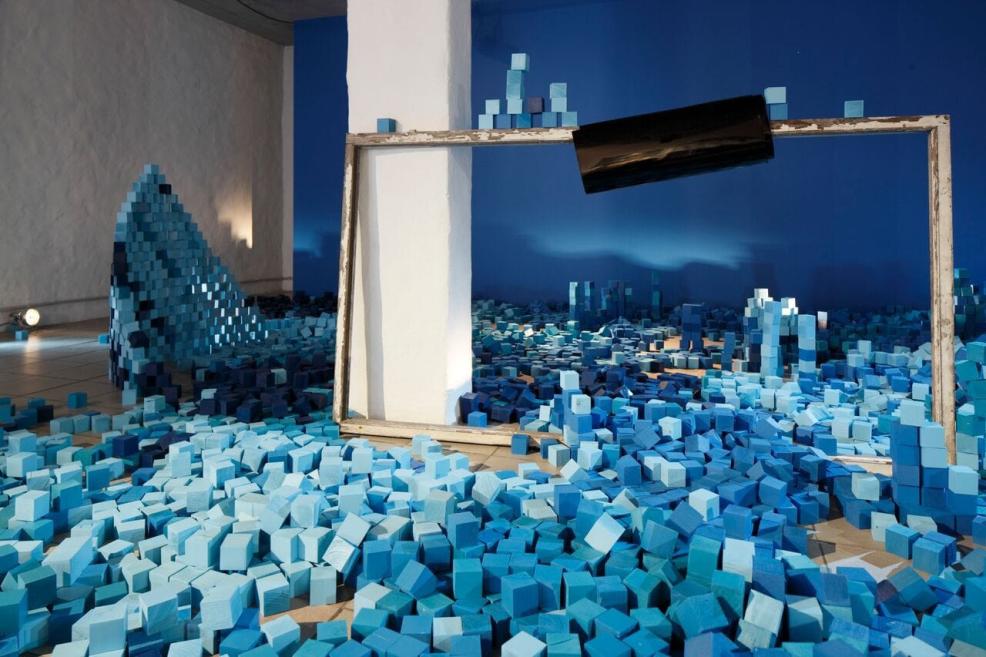
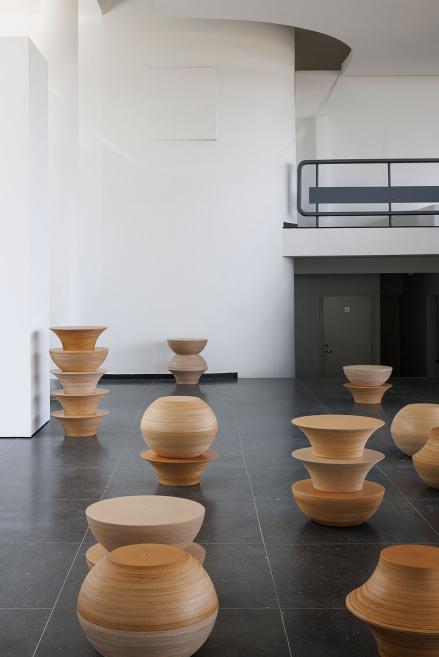
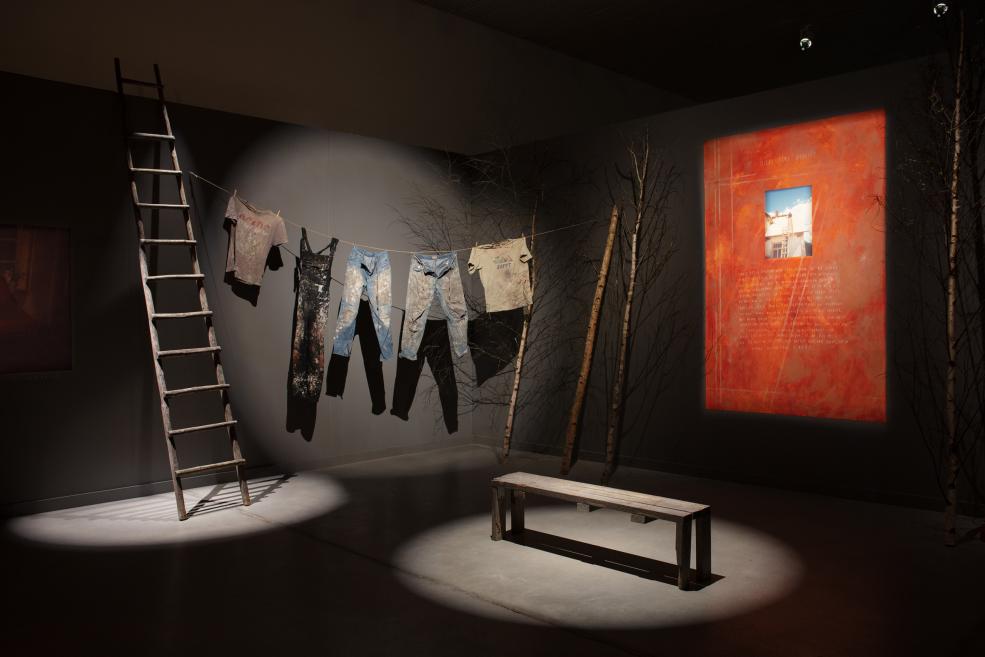
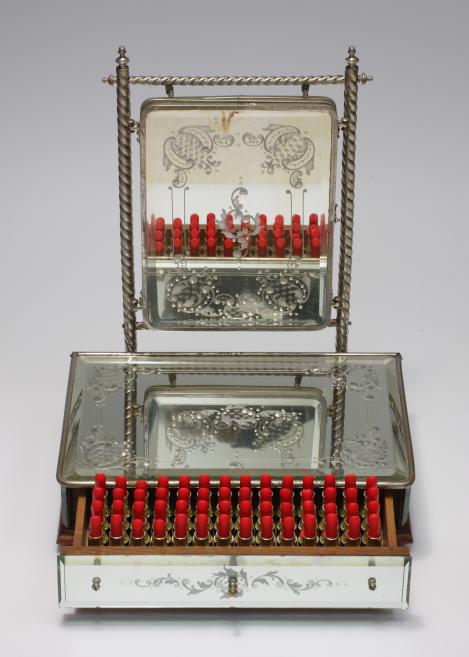
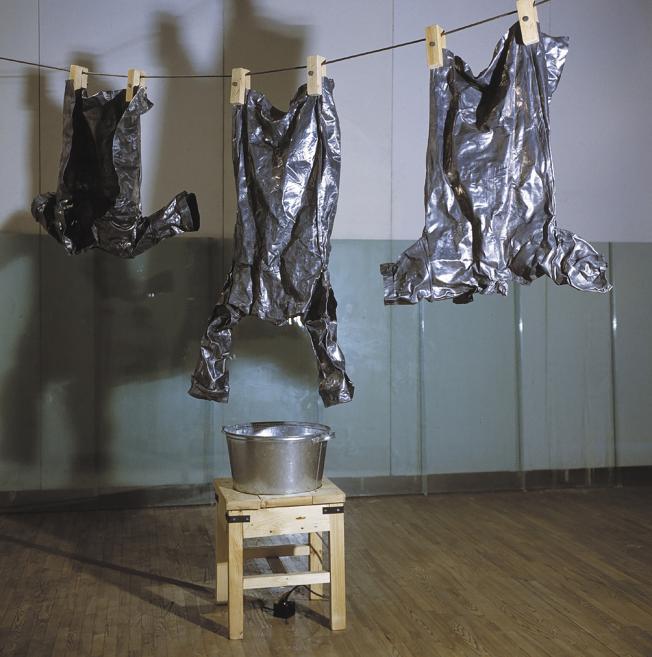
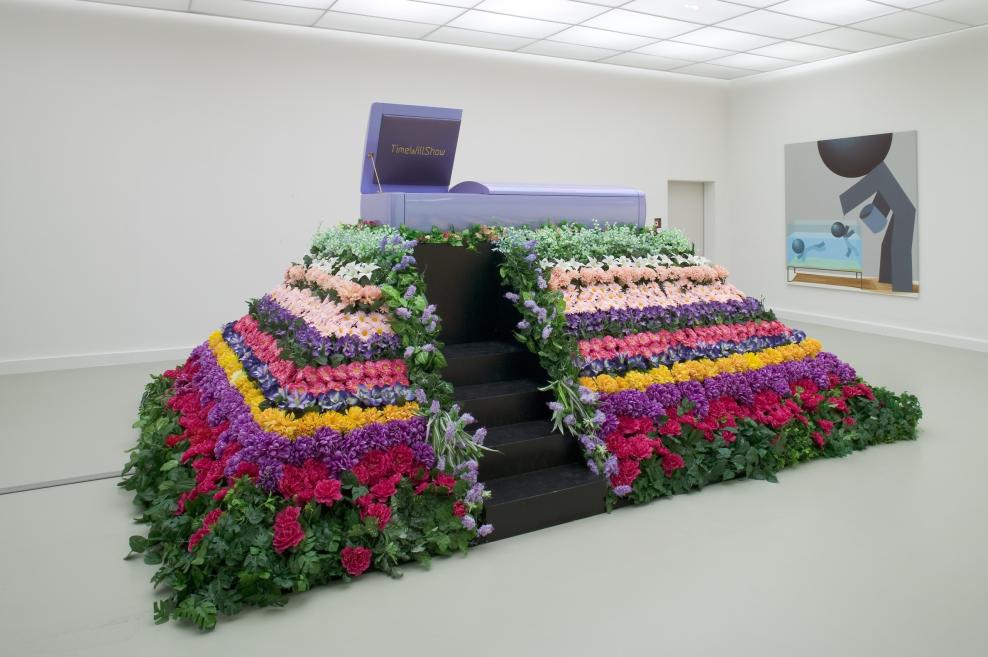
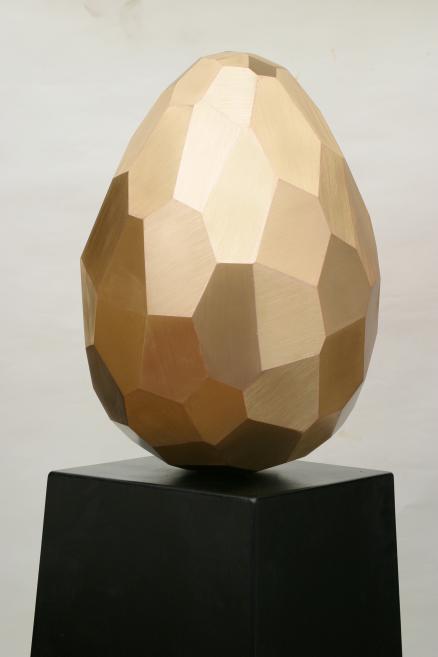
During the second half of the 1980s and following the restoration of Latvia’s independence, artistic processes underwent radical transformations as installation art and interdisciplinary practices developed rapidly. This evolution is clearly evidenced by the collection’s objects of Latvian conceptual and contemporary art, including installations by Oļegs Tillbergs, Sarmīte Māliņa, Andris Breže and Kristaps Ģelzis. Today, the repository increasingly reflects the multifaceted nature of spatial art, with artists frequently incorporating non-traditional materials and readymades to critically, ironically or provocatively respond to pressing socio-political and personal themes.
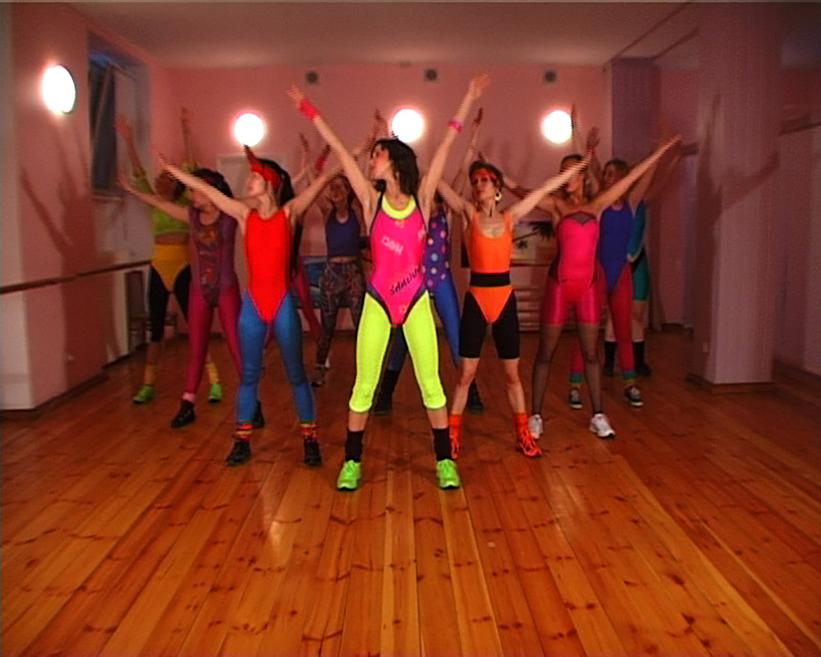
An important and expanding segment of the collection comprises audiovisual and mixed media works from the turn of the 21st century to the present. These pieces document the evolution of media art in Latvia, from early experimental investigations to complex multimedia installations and visual narratives.
Artworks from the collection are regularly displayed in the permanent display and temporary exhibitions of the Latvian National Museum of Art, as well as other venues across Latvian and internationally, inviting audiences to trace the historical trajectory of Latvian sculpture and spatial art.