The Painting Collection (second half of the 20th century – 21st century)
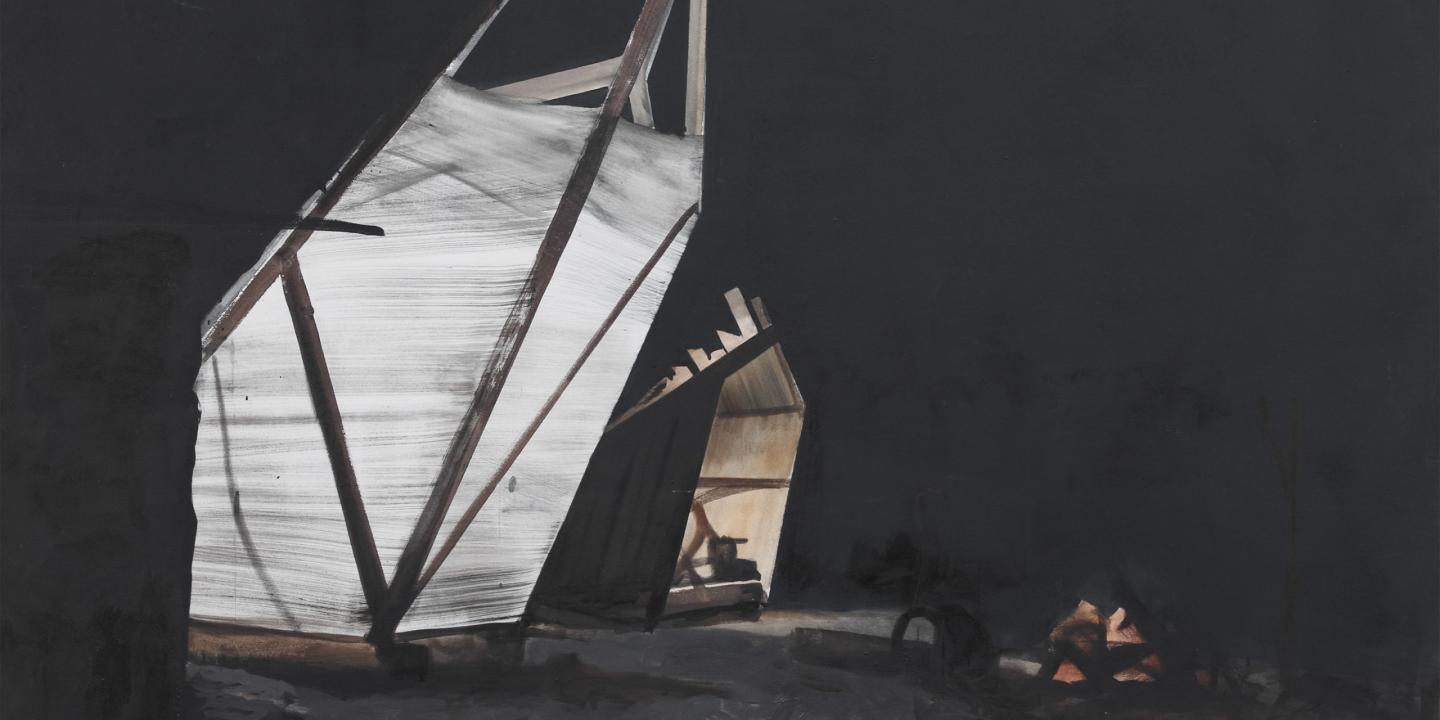
The Painting Collection of the Latvian National Museum of Art (second half of the 20th century – 21st century) is the largest in Latvia, comprising around 4 500 paintings that span the period from 1940 to the present day, with new acquisitions enriching the collection every year. A portion of the works in the collection enters the museum as donations or bequests from artists and their heirs.
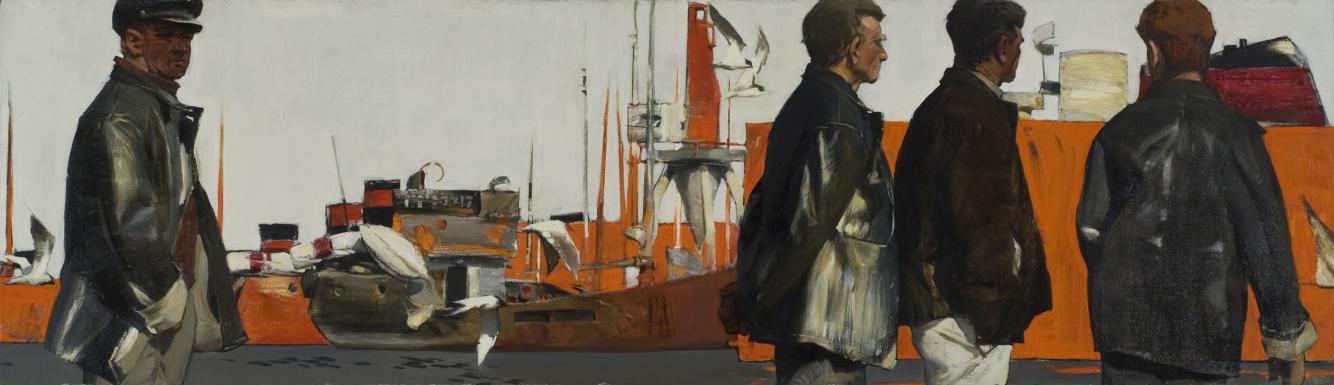
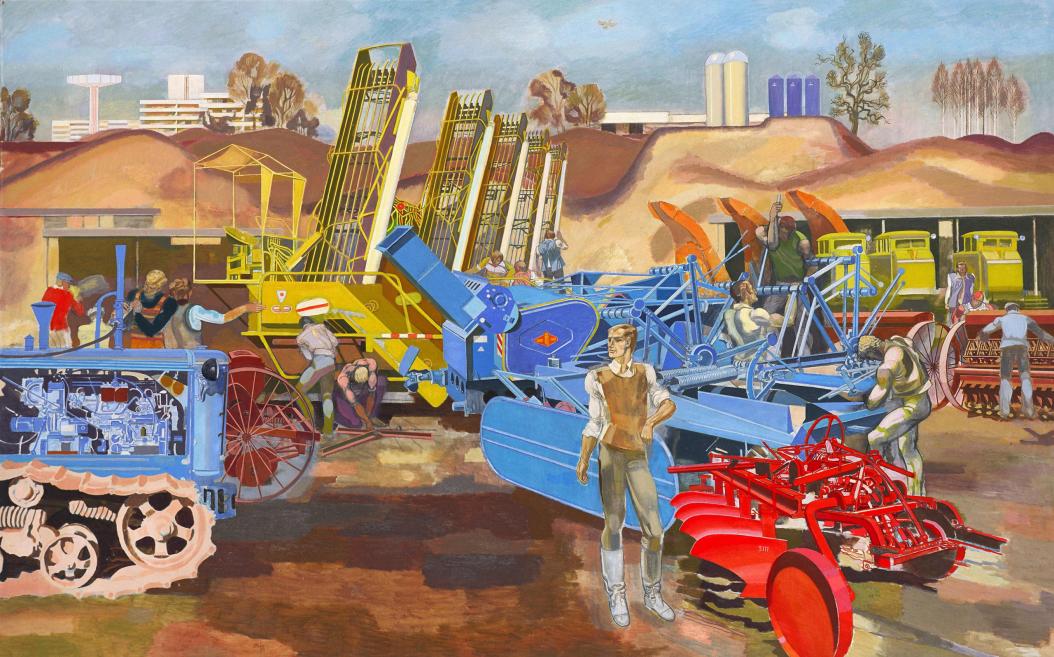
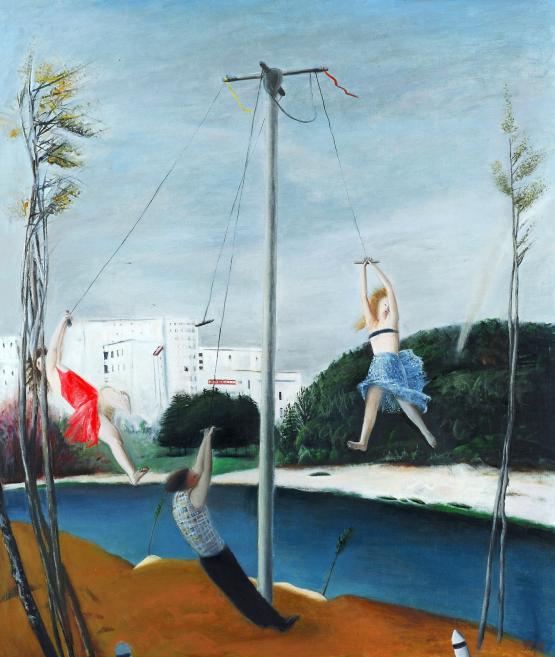
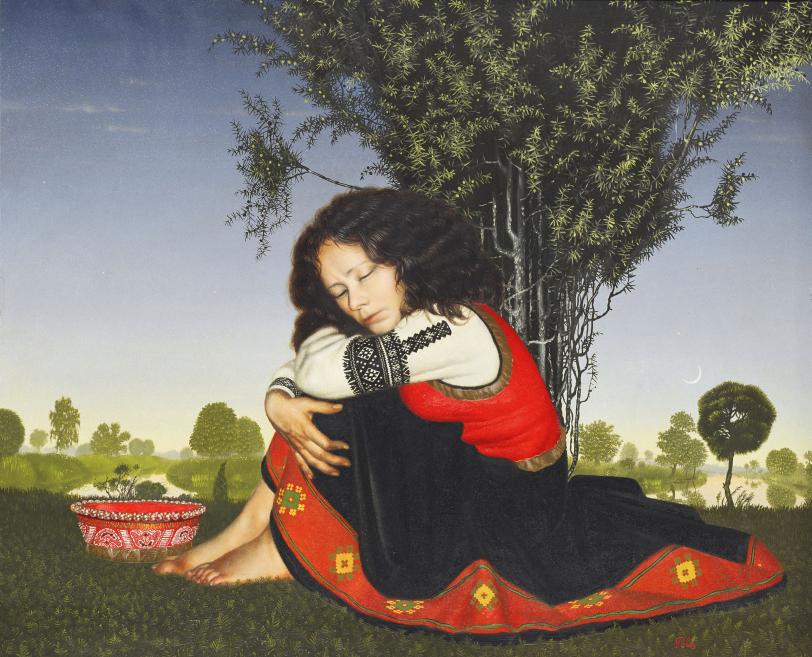
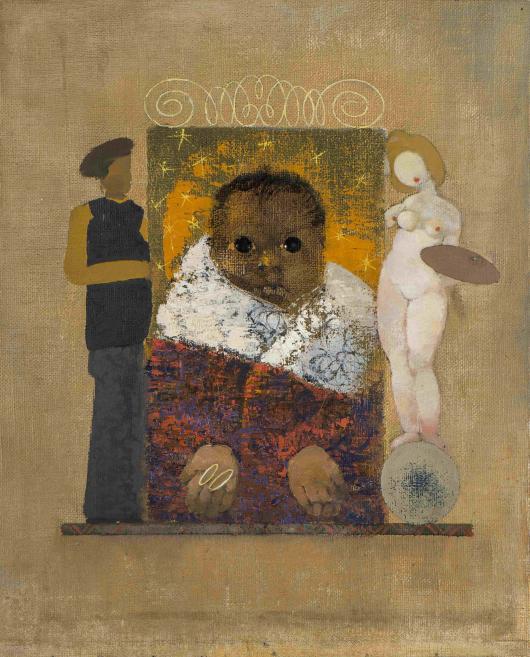
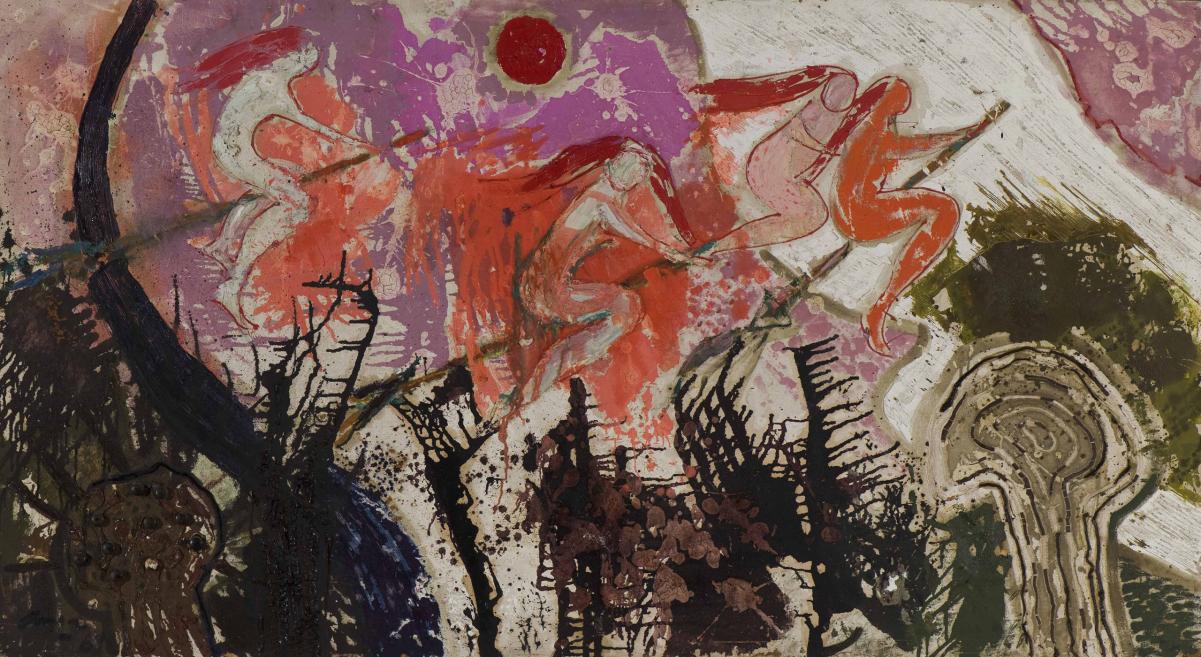
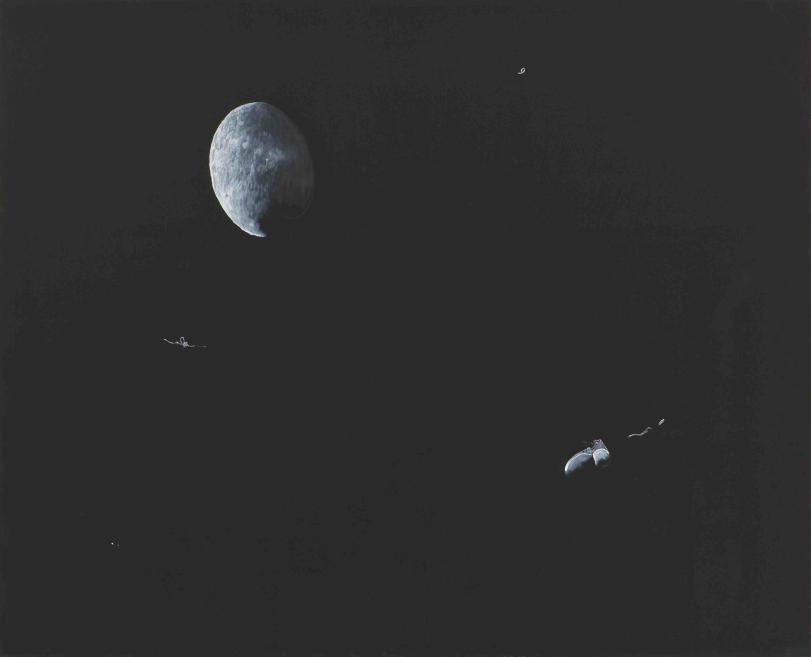
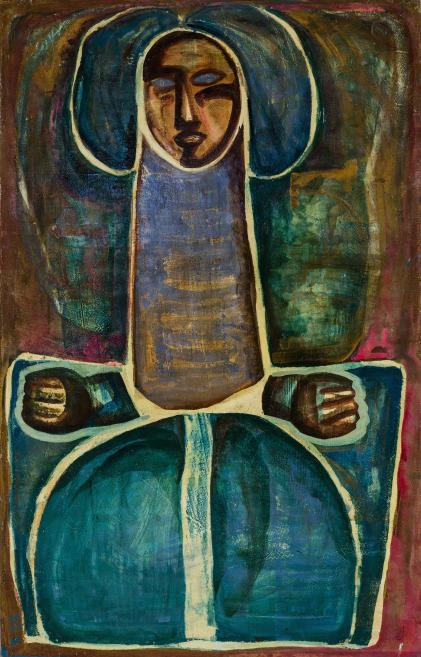
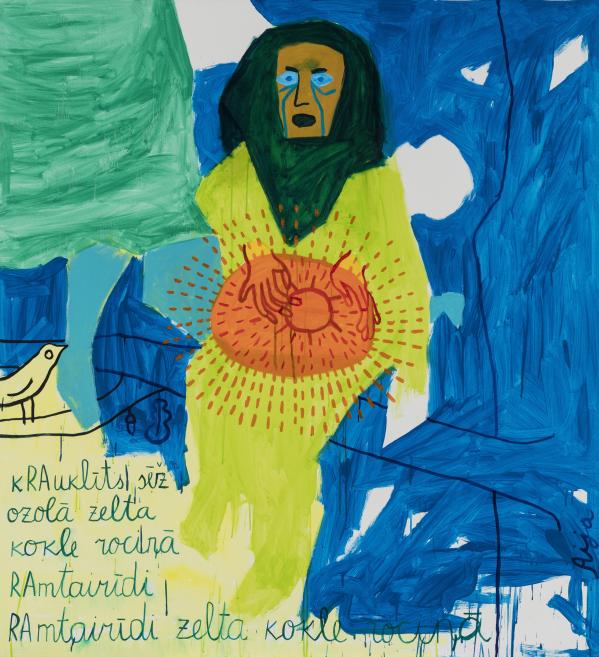
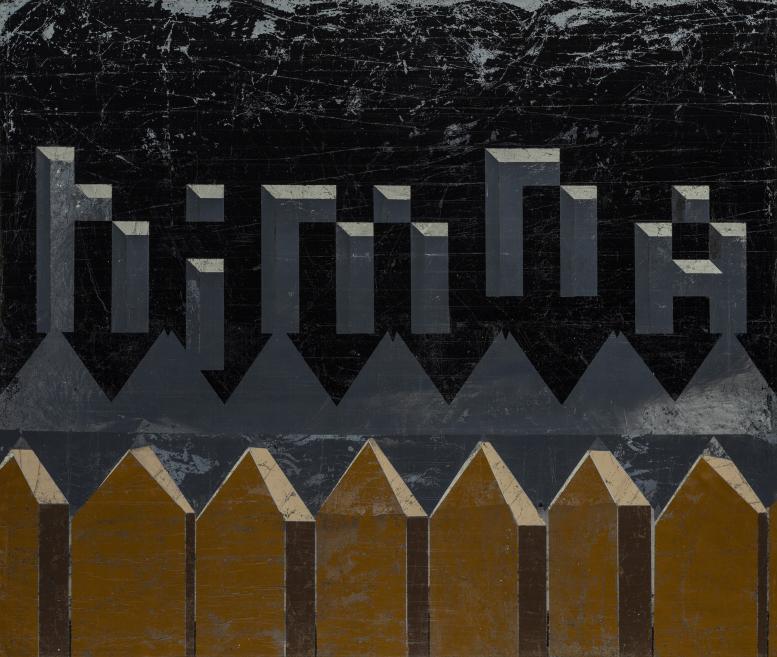
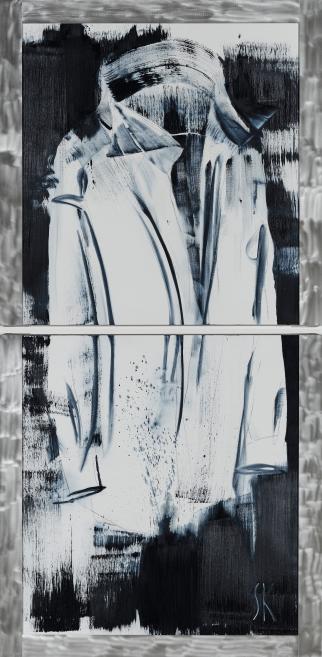
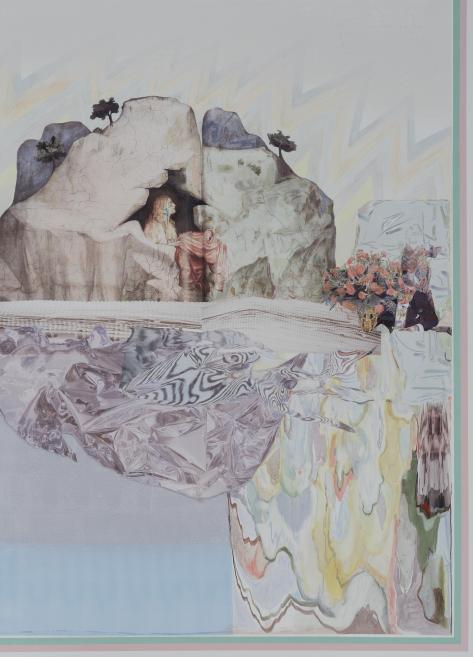
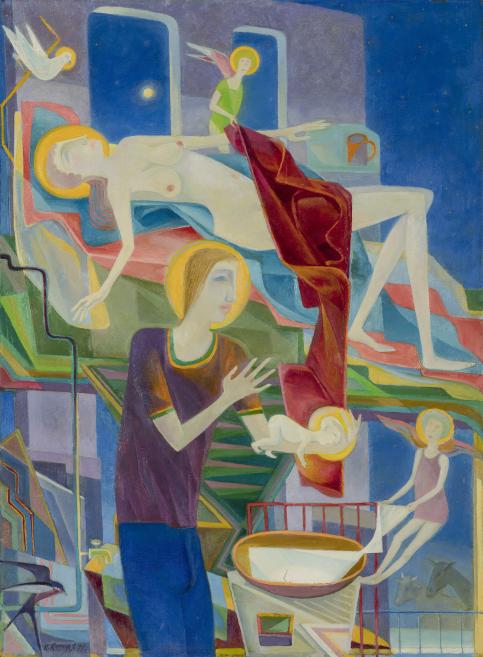
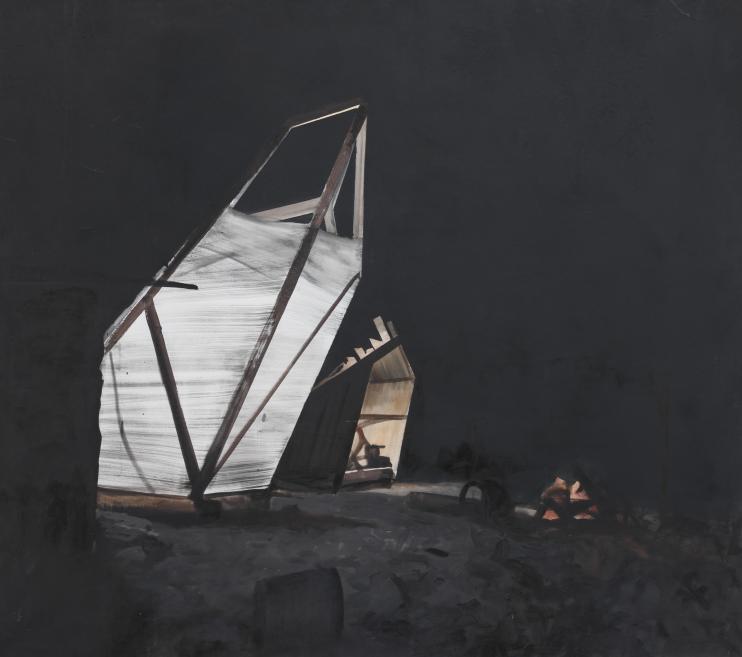
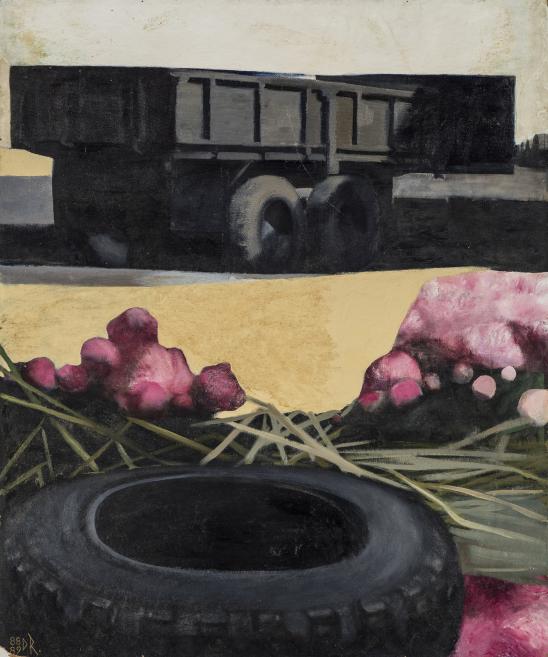
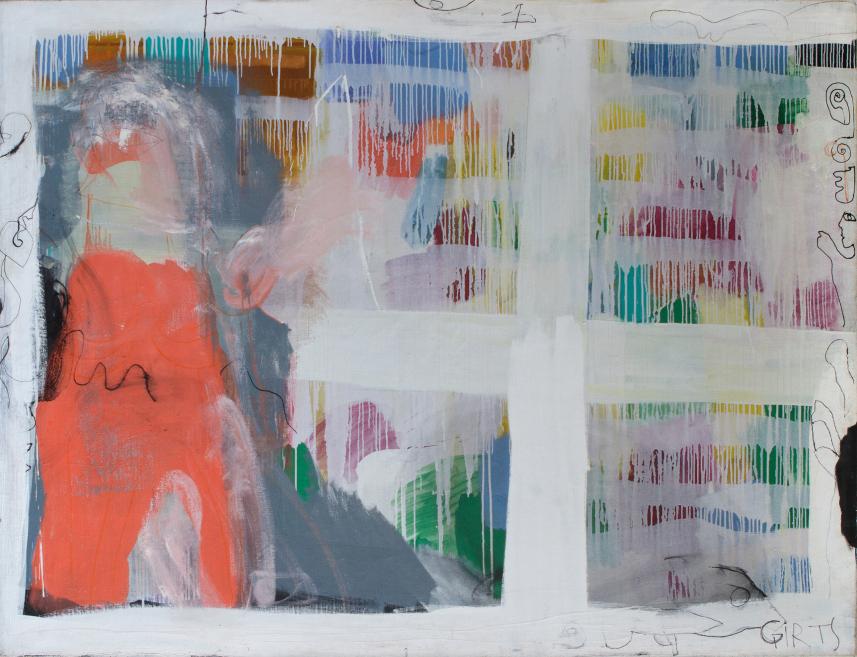
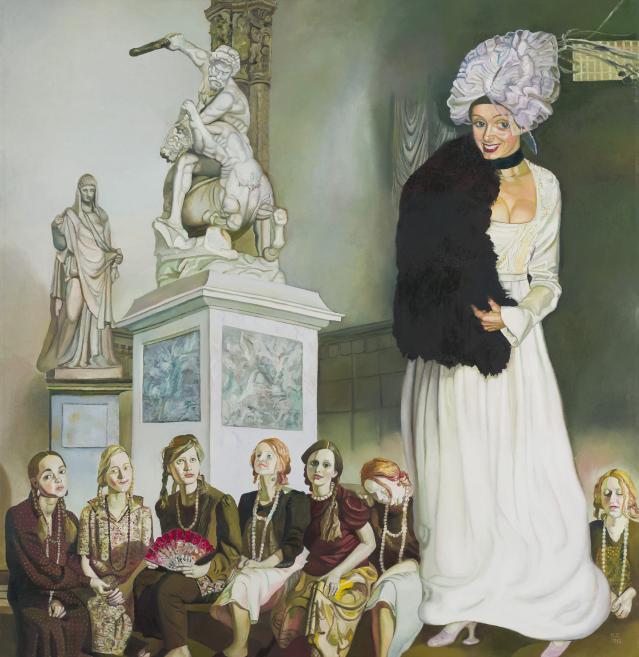
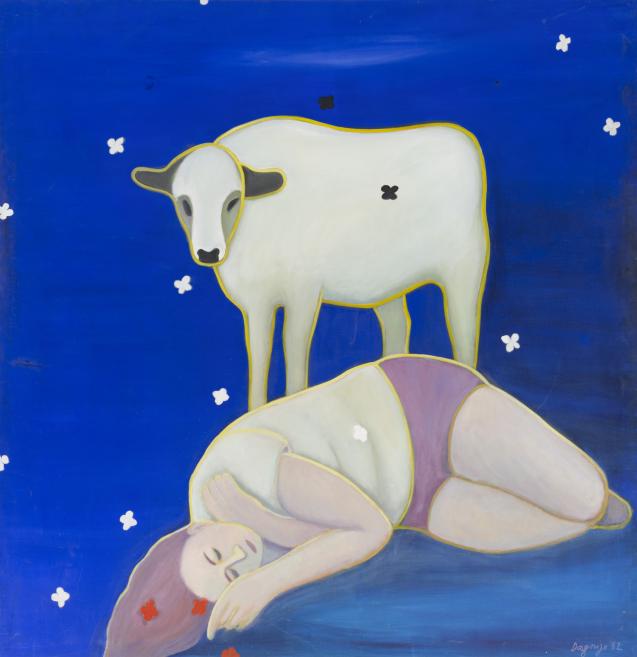
Works from the collection are regularly featured in exhibitions across the structural units of the LNMA, as well as on loan for exhibitions in Latvian and foreign museums. The painting collection is also an object of active research, with works reproduced in monographic studies and exhibition catalogues.
The works in the collection stand as a broad and comprehensive testimony to the era, reflecting both artistic styles and movements as well as the ideological climate in Latvian art over the last 80 years.
During the soviet occupation period, the collection took shape through collaboration between the state and the museum, supported by regular state funding. Systematic acquisitions sustained overall artistic life, both within the bounds of sanctioned ideology and in its alternative spheres. Until the late 1980s, an expert commission operated under the Ministry of Culture to evaluate exhibitions, and commissioning contracts were awarded to artists for specified themes. This commission was composed of both ideological functionaries and practicing artists. Alongside these officially approved acquisitions, works were also purchased from exhibitions and directly from artists without any ideological mandate. In the 1990s, opportunities for collection expansion diminished drastically. Following the restoration of Latvia’s independence, the collection was augmented by works from global diaspora Latvian artists, the most widely known among them being Vija Celmiņš, Raimonds Staprāns, Daina Dagnija, Sigurds Vīdzirkste, Rolands Kaņeps, Laris Strunke, Laimonis Mieriņš and Imants Tillers.
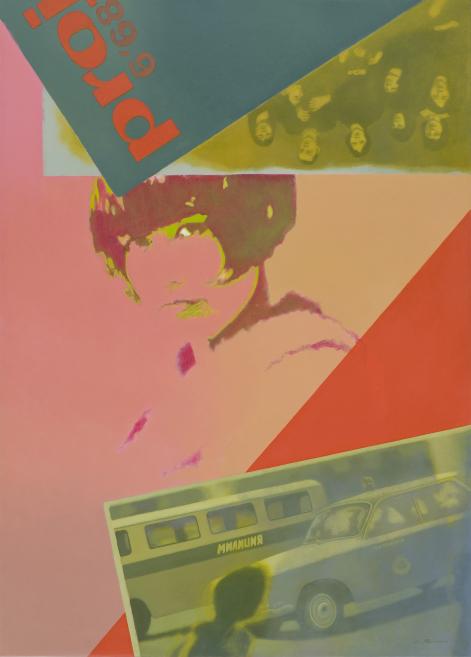
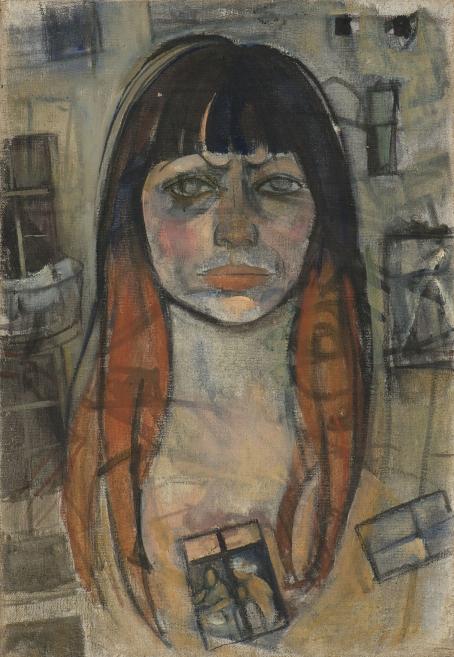
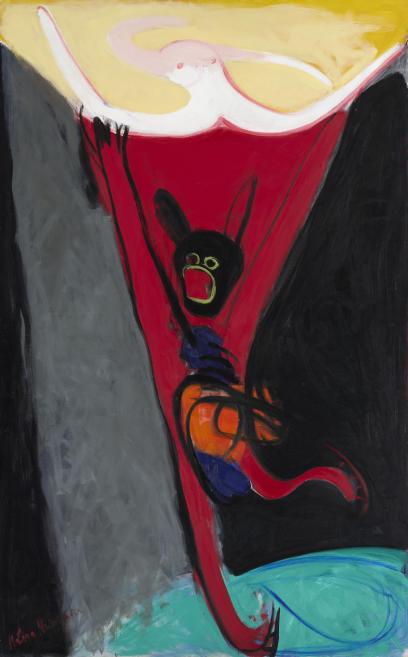
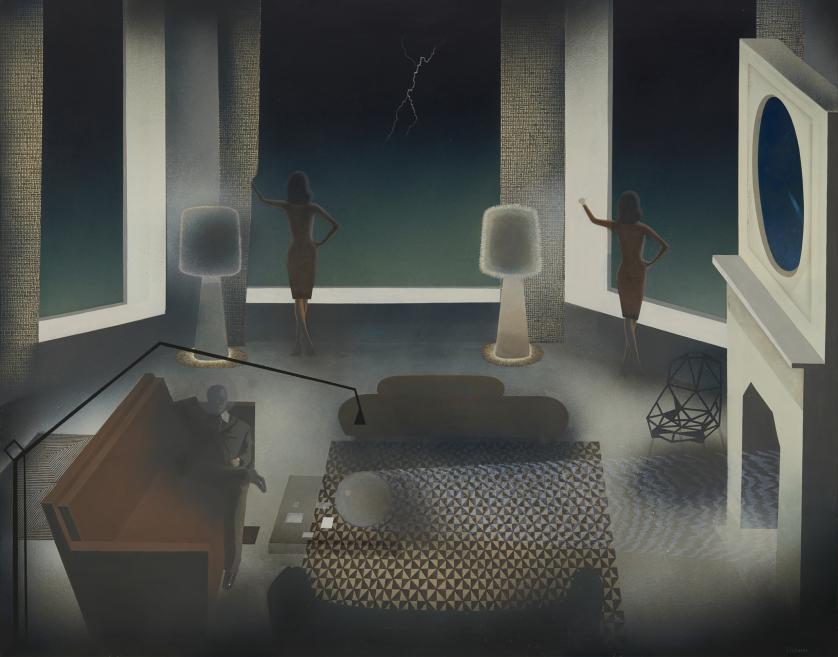
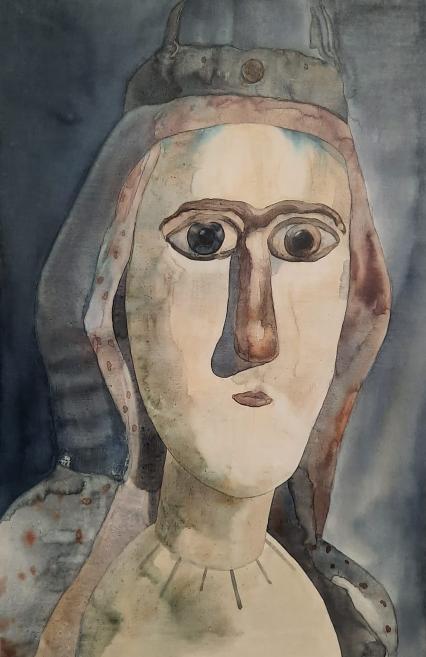
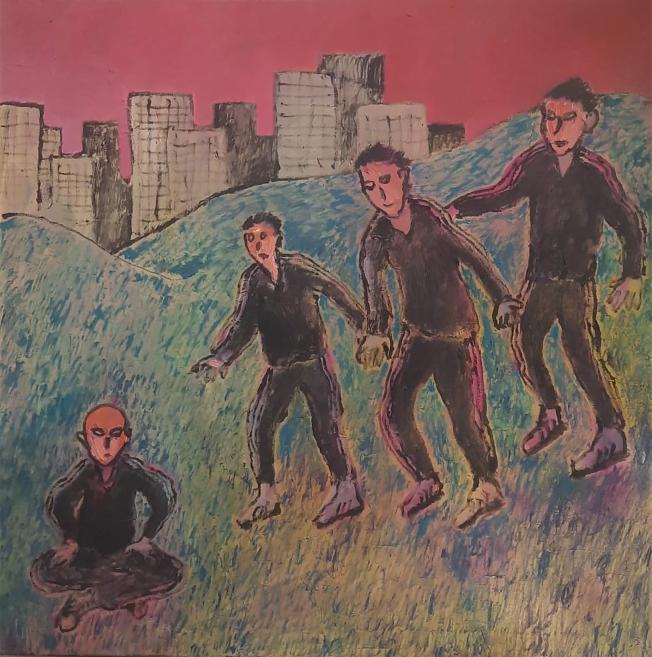
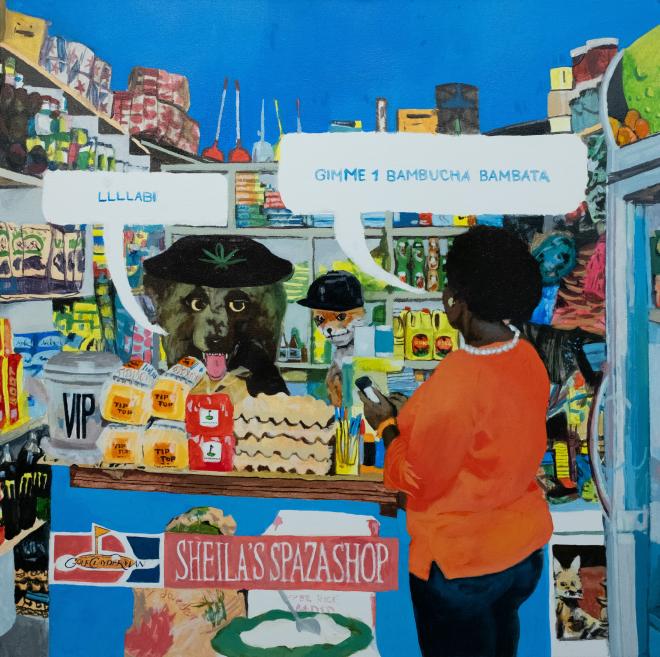
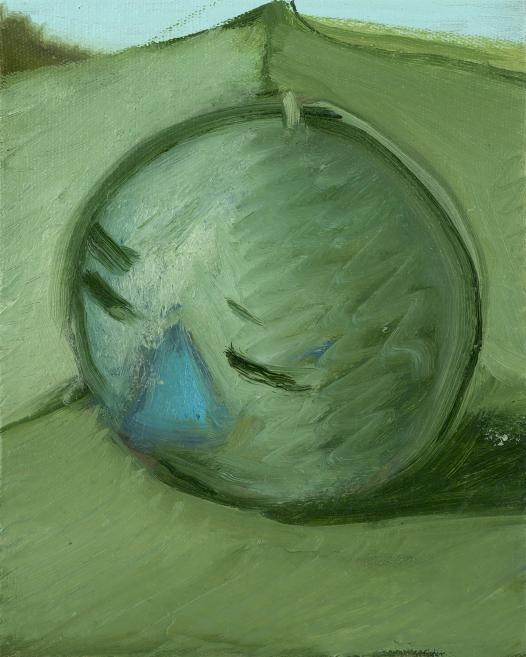
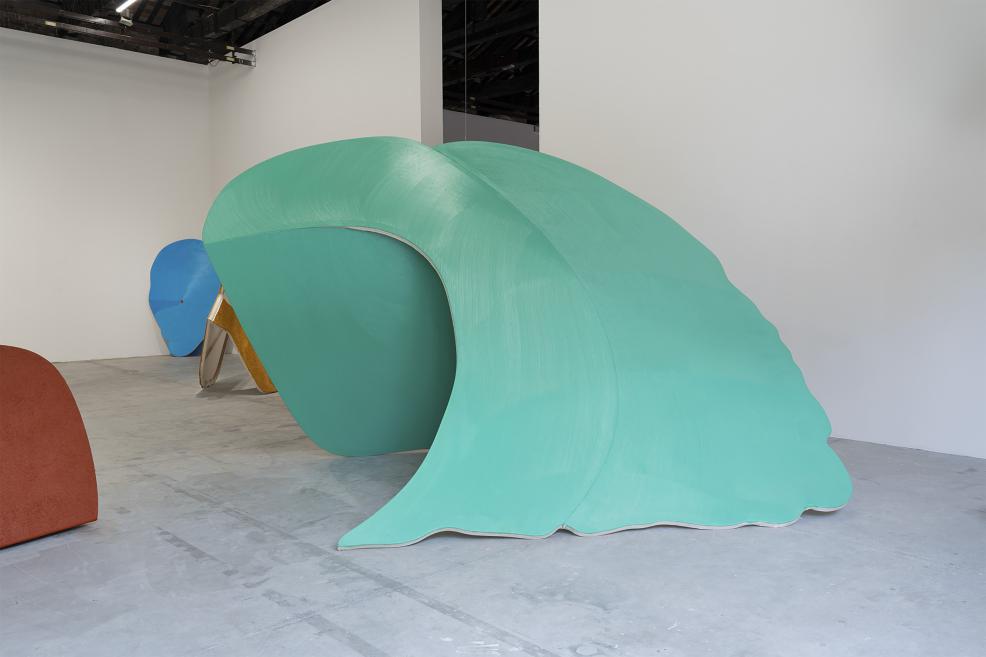
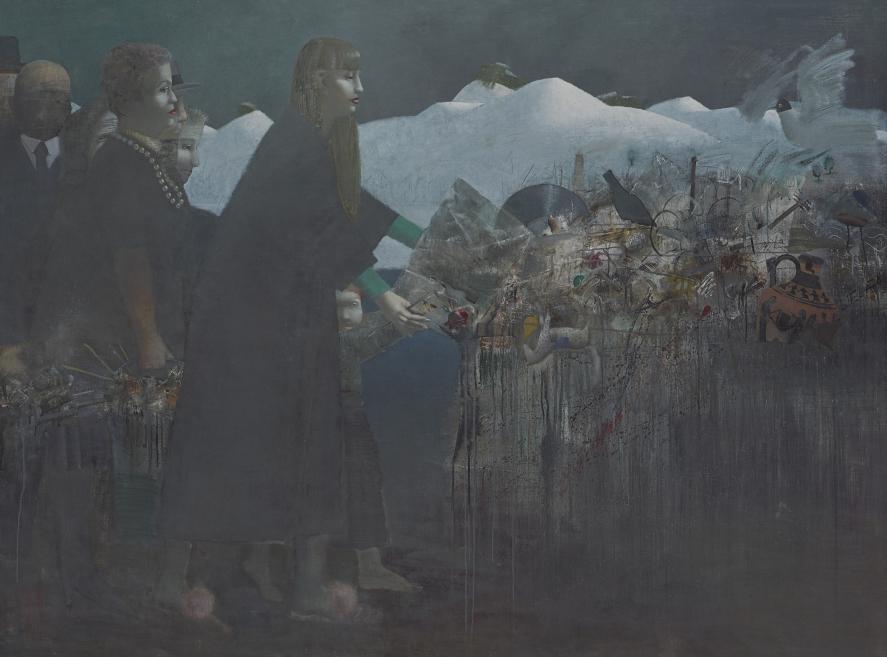
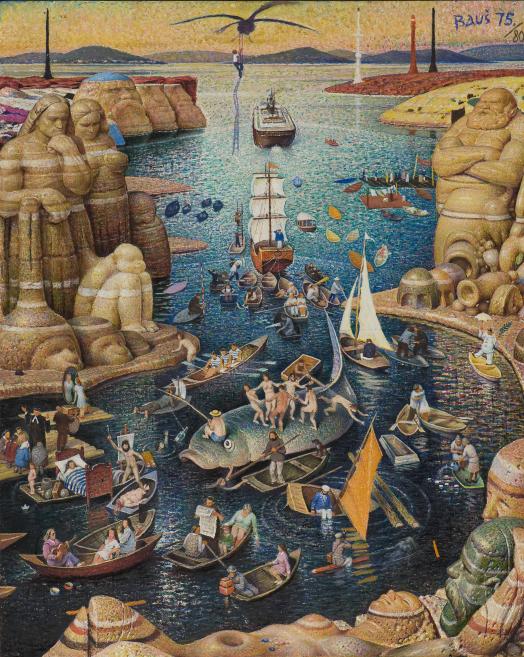
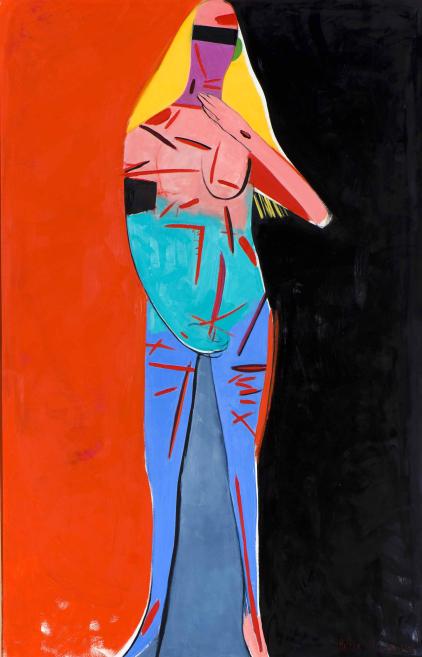
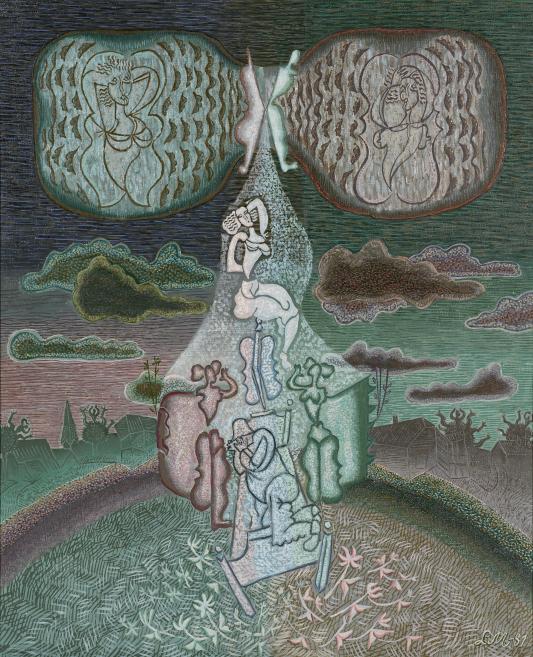
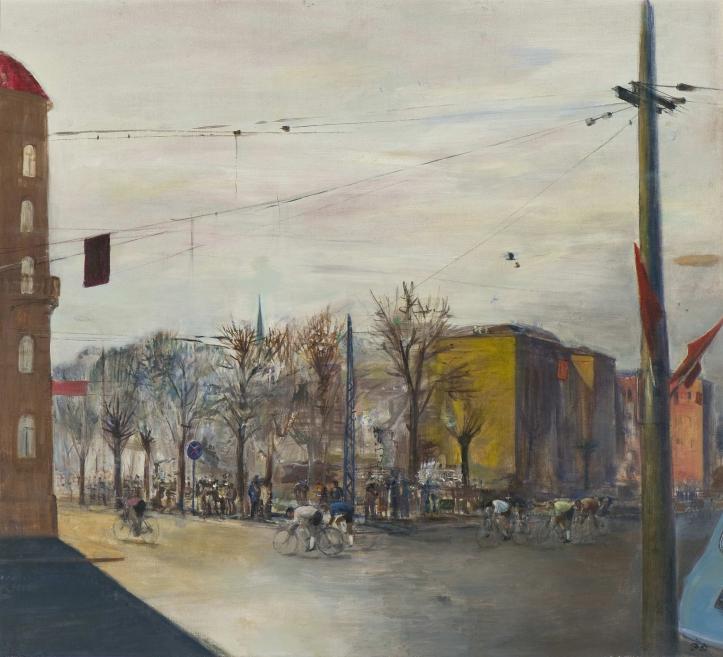
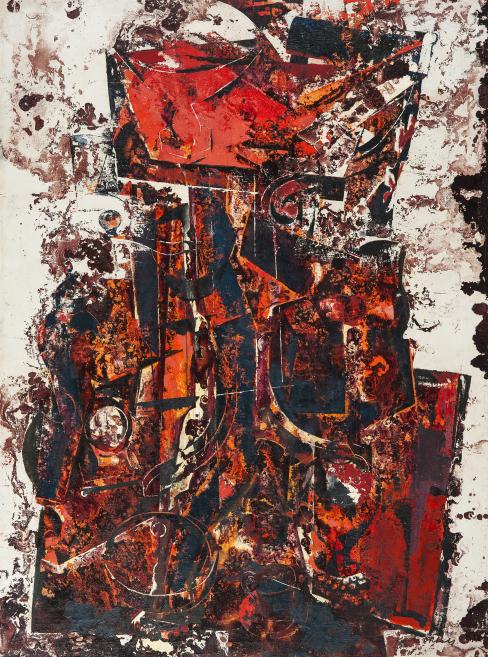
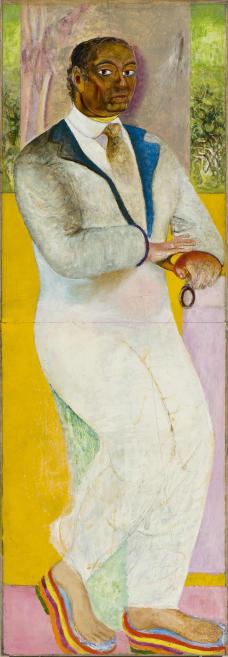
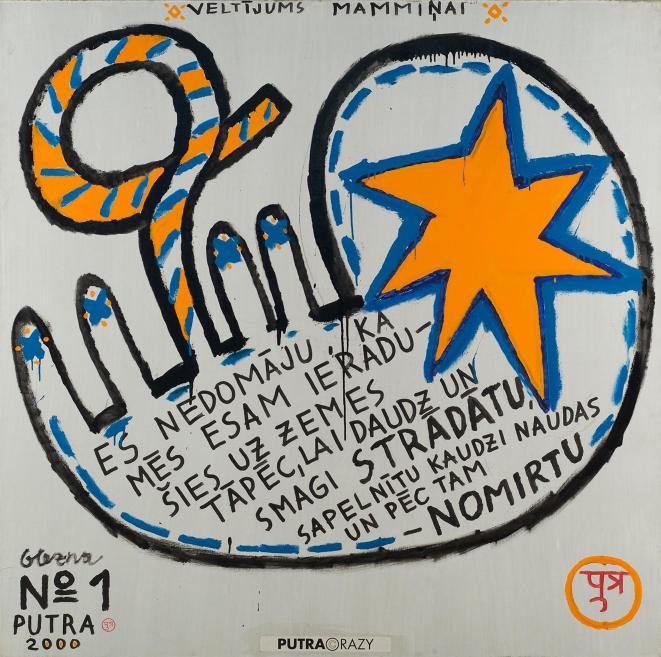
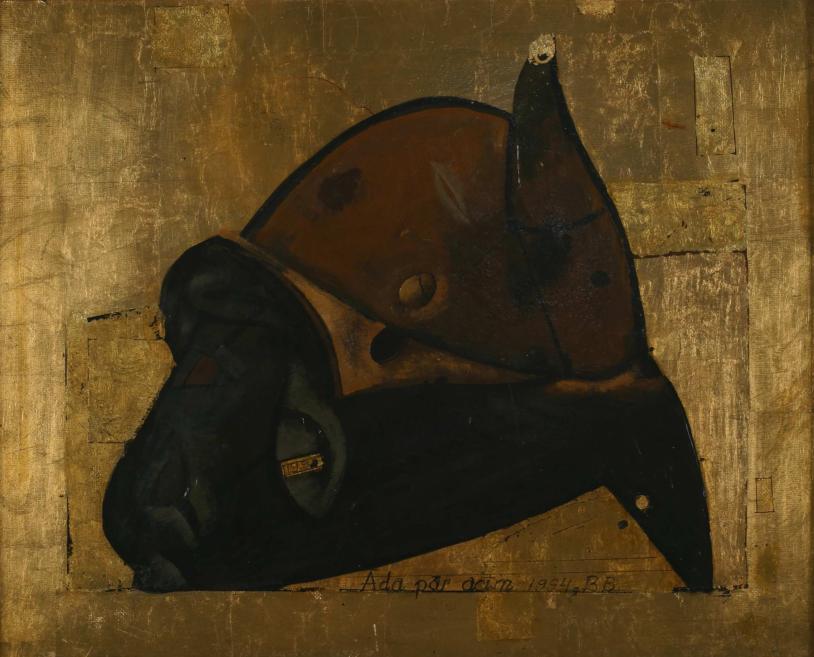
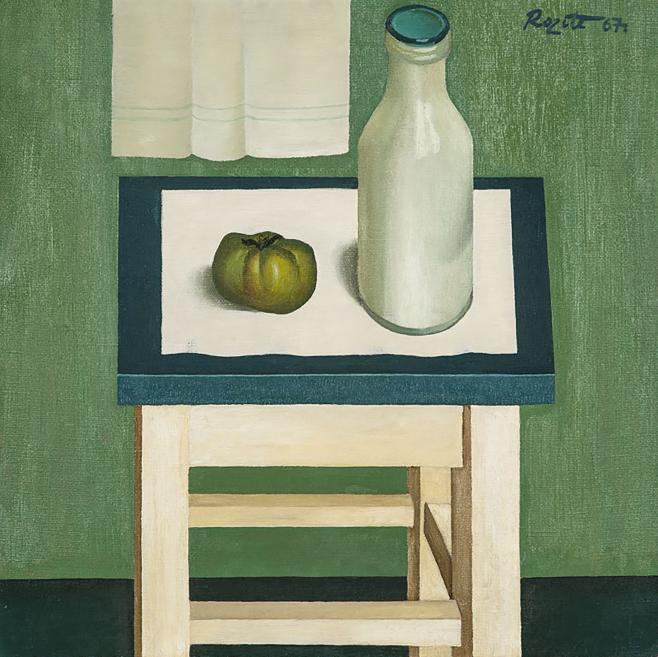
The gold fund of the museum’s holdings features domestic masters, including the creative estate of Boriss Bērziņš, the bequest of Biruta Baumane, the gift of works by Jānis Pauļuks and paintings by Vilnis Zābers. The core of the collection is formed by a constellation of artists: Leonīds Ariņš, Rita Valnere, Auseklis Baušķenieks, Edgars Iltners, Rūdolfs Pinnis, Lidija Auza, Leonīds Mauriņš, Daina Riņķe, Edvards Grūbe, Vija Maldupe, Juris Baklāns, Džemma Skulme, Ojārs Ābols, Georgs Šenbergs, Biruta Delle, Miervaldis Polis, Romāns Korovins and Aija Zariņa.
Alongside actively working classics – Inta Celmiņa, Helēna Heinrihsone, Sandra Krastiņa, Ieva Iltnere, Ģirts Muižnieks, Dace Lielā, Laima Eglīte and Līga Purmale – the collection is increasingly consolidated by a younger generation of artists who have gained acclaim within Latvian and international art contexts: Inga Meldere, Amanda Ziemele, Ieva Putniņā, Margrieta Griestiņa, Ēriks Apaļais, Kaspars Groševs, Andris Eglītis, Katrīna Biksone, Anna Pommere and others.